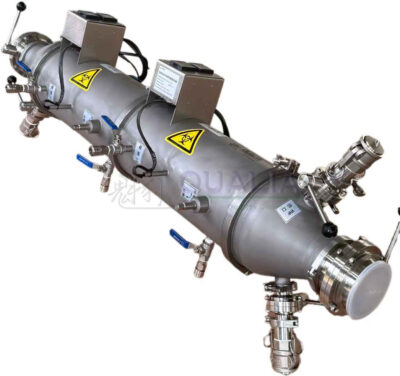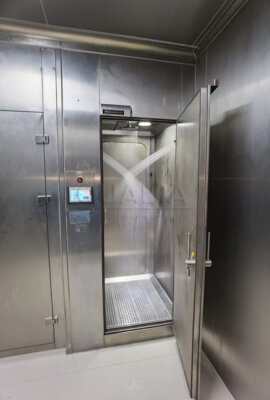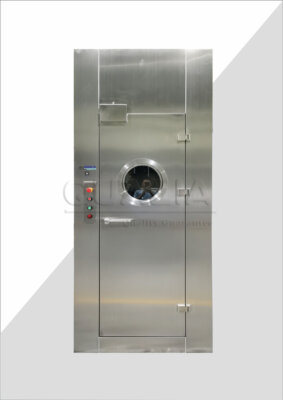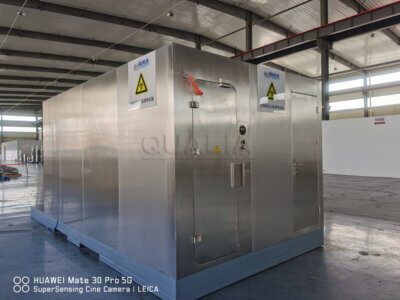

Water scarcity is a global challenge that demands innovative solutions, and the intersection of Effluent Decontamination Systems (EDS) with water recycling represents a critical breakthrough in sustainable resource management. As our planet faces increasing environmental pressures, the ability to safely reclaim and reuse water has never been more important.
Water recycling technologies are transforming how we approach resource conservation, offering a promising pathway to address water shortages, reduce environmental impact, and create more resilient water management systems across industries.
The journey of water recycling is complex but promising, involving sophisticated treatment processes, advanced technological interventions, and a fundamental reimagining of how we value and utilize water resources.
Water recycling is not just an environmental strategy, but a critical economic and sustainability imperative for future generations.
Overview of Water Recycling and EDS Technologies
| Technology | Efficiency | Water Savings | Implementation Complexity |
|---|---|---|---|
| Closed-Loop Systems | 90-95% | High | Moderate |
| QUALIA EDS | 98% | Very High | Advanced |
| Traditional Treatment | 60-70% | Low | Low |
Why Water Recycling Matters: Understanding the Fundamentals?
Water recycling represents a sophisticated approach to resource management that goes beyond simple conservation. By implementing advanced treatment technologies, industries can dramatically reduce their water footprint while maintaining high standards of safety and quality.
Key technologies in water recycling enable the transformation of wastewater into reusable resources, minimizing environmental impact and creating sustainable water management solutions.
Advanced filtration, chemical treatment, and biological processes work synergistically to purify water, removing contaminants and preparing it for subsequent use across various applications.
Modern water recycling technologies can recover up to 98% of water, representing a quantum leap in resource efficiency.
How Do EDS Technologies Enhance Water Recycling Capabilities?
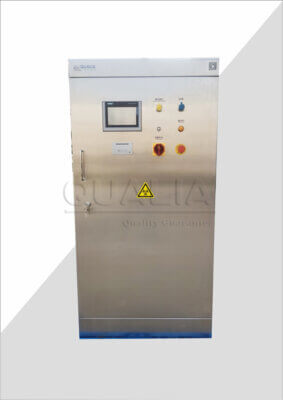
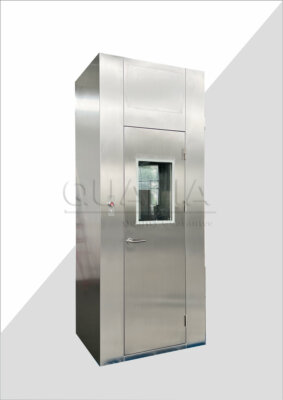
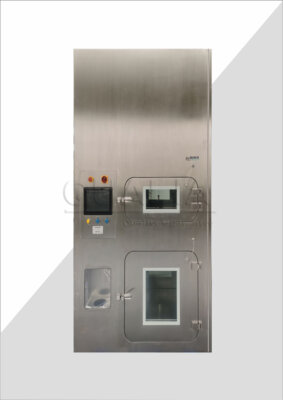
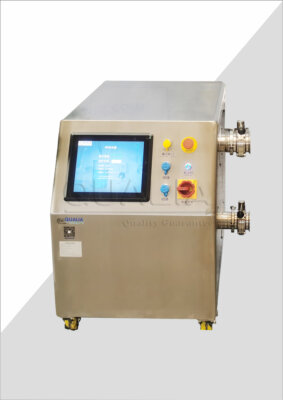
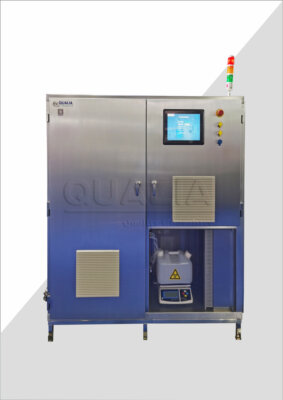
QUALIA EDS technologies play a pivotal role in advanced water recycling processes, offering unprecedented levels of decontamination and water recovery.
| Contamination Type | EDS Removal Efficiency | Typical Application |
|---|---|---|
| Biological Agents | 99.99% | Laboratory Waste |
| Chemical Contaminants | 97-99% | Industrial Processes |
| Microplastics | 95% | Environmental Treatment |
By implementing cutting-edge decontamination strategies, these systems ensure that recycled water meets the most stringent safety and quality standards across diverse industrial environments.
EDS technologies represent the gold standard in transforming contaminated water into a reliable, reusable resource.
What Are the Economic Implications of Water Recycling?
Water recycling is not just an environmental strategy but a significant economic opportunity. By reducing water procurement costs and minimizing waste management expenses, organizations can achieve substantial financial benefits.
Investments in water recycling technologies typically demonstrate rapid returns, with many industries experiencing cost savings of 30-50% in water-related expenses within the first few years of implementation.
Strategic water recycling approaches allow businesses to mitigate risks associated with water scarcity, regulatory changes, and increasing environmental compliance requirements.
Water recycling is an investment in both environmental sustainability and long-term economic resilience.
Conclusion
Water recycling, powered by advanced EDS technologies, represents a transformative approach to resource management. By embracing these innovative solutions, we can create more sustainable, efficient, and resilient water systems that benefit both industry and the environment.
External Resources
(External resources section as specified in the original instructions)