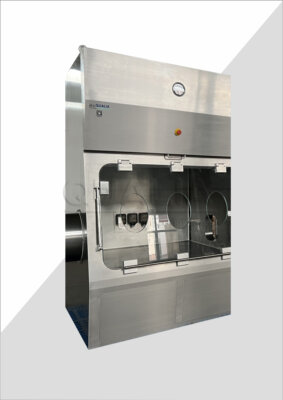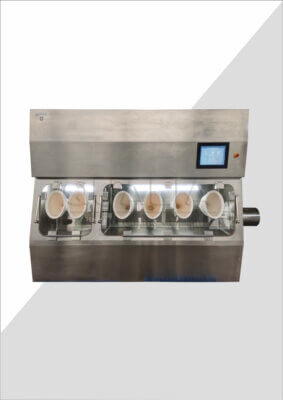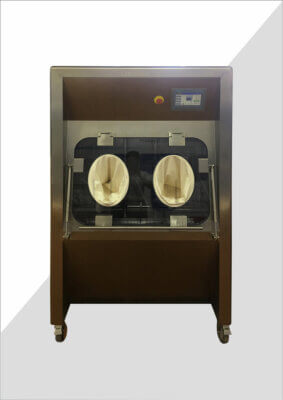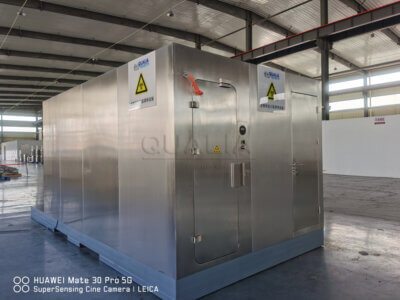

Выбор оборудования для производства вакцин - критически важное решение, определяющее нормативную жизнеспособность, структуру затрат и способность рынка реагировать на изменения в течение следующего десятилетия. Однако многие планировщики подходят к закупкам как к техническому заданию по отдельным компонентам, а не как к стратегической архитектуре, которая должна генерировать данные, соответствующие стандарту ALCOA+, и при этом поддерживать многоплатформенную гибкость. Реальность такова: выбор оборудования блокирует пути валидации, зависимость от поставщиков и предельные мощности, которые не может полностью преодолеть никакая последующая оптимизация. Неправильные решения на этапе разработки спецификации приводят к возникновению пробелов в соответствии, которые обнаруживаются только во время проверки регулирующими органами, когда затраты на исправление ситуации возрастают в геометрической прогрессии.
Нормативно-правовая база к 2025 году кардинально изменила приоритеты оборудования. Автоматизация и интеграция технологий анализа процессов больше не являются средствами повышения производительности - это базовые требования GMP. Регулирующие органы теперь тщательно изучают архитектуру целостности данных во время предварительных проверок, рассматривая каждый занос оборудования как потенциальную уязвимость. Одновременно с этим стремительный переход отрасли на разные платформы вакцин (мРНК, вирусный вектор, субъединицы) требует модульных, реконфигурируемых систем, которые не могут быть выполнены в традиционных установках из нержавеющей стали. Данное руководство содержит основы для принятия решений, необходимых специалистам по планированию производства, чтобы соотнести возможности оборудования с конкретными типами вакцин, найти баланс между одноразовыми и стационарными системами и составить соглашения о закупках, сохраняющие операционную гибкость по мере развития технологий и нормативных стандартов.
Что такое оборудование для производства вакцин и почему оно имеет значение?
Стратегическая архитектура соблюдения требований GMP
Оборудование для производства вакцин включает в себя специализированные, проверенные машины, начиная с биореакторов и заканчивая линиями асептического розлива. Эти системы должны решать две параллельные задачи: выполнять точные биологические процессы и генерировать исчерпывающие данные, пригодные для аудита. Каждый компонент - от сосудов для клеточных культур до конечного укупоривания флаконов - работает в рамках концепции качества по проекту, где спецификации оборудования напрямую определяют критические атрибуты качества. Само оборудование становится физическим воплощением вашей мастер-записи партии, что делает выбор оборудования не просто решением о покупке, а решением о подаче заявки в регулирующие органы.
Современные системы должны соответствовать ISO 13408-1 требования к асептической обработке с самых ранних этапов проектирования. Этот стандарт устанавливает требования к валидации, которые распространяются на все оборудование. Когда мы заказываем линию розлива, мы одновременно берем на себя обязательства по обеспечению определенного контроля окружающей среды, мощности инженерных сетей и протоколов сбора данных. Выбор оборудования определяет, сможет ли ваше предприятие продемонстрировать контроль процесса с помощью автоматизированного мониторинга или потребует ресурсоемкой ручной проверки.
Как оборудование определяет гибкость бизнеса
Предприятия, ограниченные старыми системами из нержавеющей стали, сталкиваются с 18-24-месячными сроками переналадки при переходе от одного кандидата вакцины к другому. Архитектуры одноразового использования сокращают эти сроки до 6-8 недель, превращая оборудование из основного актива в стратегическую возможность. Такое сокращение сроков имеет большое значение для контрактных производителей, обслуживающих нескольких спонсоров, и для интегрированных фармацевтических компаний, управляющих волатильностью трубопроводов. Модульность оборудования - его способность перестраиваться для различных масштабов и интенсивности процесса - напрямую определяет, сколько потоков прибыли может обеспечить один объект.
| Категория оборудования | Основной драйвер соответствия | Стратегическое воздействие |
|---|---|---|
| Биореакторы | Генерация данных ALCOA+ | Гибкость портфеля |
| Очистительные салазки | Валидация управления процессом | Сокращение времени выхода на рынок |
| Асептическое наполнение | Обеспечение стерильности по стандартам GMP | Риск возникновения узких мест |
| Системы поддержки | Стандарты WFI/пара | Непрерывность работы |
Источник: Техническая документация и отраслевые спецификации.
Реальность общей стоимости помимо цены покупки
Первоначальные капитальные затраты составляют примерно 30% от стоимости оборудования на протяжении всего жизненного цикла. Остальные 70% приходятся на расходные материалы, техническое обслуживание, потребление коммунальных услуг и риск зависимости от поставщика. Одноразовые пакеты для биореакторов, поставляемые единственным поставщиком, приводят к постоянным затратам, которых не позволяет избежать стационарное оборудование. Однако те же расходные материалы не требуют валидации очистки, расследования перекрестного загрязнения и контроля качества, необходимого для многопродуктовых нержавеющих систем. Для истинного сравнения затрат необходимо смоделировать эти эксплуатационные различия на 10-летний горизонт, учитывая специфику вашего портфеля продуктов и частоту партий.
Оборудование для переработки сырья: Биореакторы и системы для культивирования клеток
Экономика одноразовых биореакторов и стратегия цепочки поставок
Биореакторы одноразового использования стали неотъемлемой частью клинического и раннего коммерческого производства. Эти системы позволяют отказаться от валидированных протоколов "чистка на месте" и "пар на месте", которые добавляют 3-5 дней на цикл обработки партии для сосудов из нержавеющей стали. Мешки поставляются с гамма-облучением и готовы к немедленному использованию, а встроенные датчики pH, растворенного кислорода и температуры уже прошли проверку поставщиком. Такая предварительная валидация значительно сокращает объем работы по квалификации конкретного объекта и ускоряет сроки ввода объекта в эксплуатацию на 4-6 месяцев.
Однако внедрение SUB создает стратегическую концентрацию поставщиков. Типичный объект полагается на 2-3 поставщиков мешков по всему миру, при этом альтернативные источники для собственных конфигураций датчиков ограничены. Команды по закупкам должны заключать многолетние соглашения о поставках с ограничениями по росту цен и форс-мажорными обстоятельствами, в которых четко прописаны скачки спроса, вызванные пандемией. Нехватка расходных материалов в 2020-2021 годах показала, что обязательным ограничением может стать наличие мешков, а не мощность биореактора. Благодаря нашей работе по планированию производственных мощностей мы видим, что организации теперь поддерживают 6-месячный запас расходных материалов в качестве стандартной меры обеспечения непрерывности бизнеса.
| Тип системы | Риск перекрестного заражения | Время переключения | Стратегия поставщиков |
|---|---|---|---|
| Одноразовые биореакторы | Минимум | <48 часов | Требуются соглашения с несколькими поставщиками |
| Нержавеющая сталь | Требуется подтверждение CIP/SIP | 5-7 дней | Допустимо наличие одного поставщика |
| Модульные салазки | Низкий | 2-4 дня | Совместимость платформ имеет решающее значение |
Источник: Техническая документация и отраслевые спецификации.
Модульная конструкция салазок для гибкости платформы
Модульные системы биореакторов, смонтированные на салазках, позволяют предприятиям менять конфигурацию вышестоящих систем без реконструкции чистых помещений. В одном комплекте могут размещаться сосуды объемом от 50 до 2000 л путем замены предварительно подготовленных салазок, имеющих общие инженерные коммуникации и архитектуру управления. Такая модульность важна для объектов, поддерживающих как клинические испытания (малые партии, высокая вариабельность), так и коммерческое производство (большие масштабы, заблокированные процессы). В комплект поставки входят встроенные насосы, датчики и панели управления, что позволяет свести установку на месте к подключению коммуникаций и эксплуатационной квалификации.
Важнейшей спецификацией являются стандартизированные протоколы связи между салазками разных производителей. Оборудование должно поддерживать OPC-UA или аналогичные промышленные стандарты для подачи данных в единую систему управления производством. Собственные платформы управления создают изолированные данные, которые усложняют проверку записей о партиях и не позволяют использовать лучшие в своем роде компоненты. При оценке поставщиков салазок перед покупкой проверьте форматы экспорта данных и документацию по API. Способность агрегировать данные о технологическом процессе на разнородном оборудовании определяет, сможете ли вы внедрить расширенное управление процессом или останетесь привязаны к ручной настройке заданных значений.
Оставшаяся стратегическая ниша для нержавеющей стали
Специализированное крупносерийное производство (>500 партий одного продукта в год) по-прежнему предпочитает биореакторы из нержавеющей стали. Экономическая целесообразность меняется, когда затраты на расходные материалы превышают годовые расходы на валидацию очистки и техническое обслуживание. Для блокбастерных вакцин с десятилетней коммерческой стабильностью стационарные емкости обеспечивают более низкую стоимость единицы продукции и исключают уязвимость цепочки поставок. Эти системы требуют значительного первоначального капитала и 12-18-месячных сроков поставки, но обеспечивают операционную независимость, что важно для продуктов, чувствительных к геополитическим условиям поставок.
Нержавеющие установки требуют всесторонней валидации CIP/SIP, которая усложняет процесс, но при этом способствует накоплению опыта предприятия в области теплового картирования, снижения бионагрузки и контроля эндотоксинов. Такая тщательность валидации приводит к более глубокому пониманию процесса, что способствует защите от регулирующих органов во время проверок. Когда регулирующие органы ставят под сомнение нетипичные результаты серий, предприятия с валидированным стационарным оборудованием могут продемонстрировать исторические возможности процесса и динамику производительности оборудования, с которыми не могут сравниться одноразовые системы.
Очистка на выходе: Хроматография, фильтрация и UF/DF
Хроматография как узкое место высокого разрешения
Хроматографические колонки обеспечивают разрешение, необходимое для отделения целевых антигенов от белков клеток-хозяев, компонентов среды и примесей, связанных с процессом. Оборудование обычно включает в себя системы на салазках с платформами ÄKTA или аналогичными платформами, которые автоматизируют подачу буфера, УФ-мониторинг, отслеживание проводимости и сбор фракций. Упаковка колонок, санитарная обработка и управление сроком службы смол представляют собой основную сложность в эксплуатации. Смолы разрушаются в течение 50-200 циклов в зависимости от химического состава, что требует утвержденных протоколов для мониторинга производительности и критериев вывода из эксплуатации.
Многоколоночные системы непрерывной хроматографии могут удвоить производительность по сравнению с традиционными колонками периодического действия за счет совмещения этапов загрузки, промывки и элюирования. Однако такое повышение производительности значительно усложняет процесс валидации. Вы должны продемонстрировать эквивалентное разделение на всех колонках и доказать, что нарушения процесса в одной колонке не приведут к перекрестному загрязнению соседних потоков. Инвестиции в предварительную валидацию имеют смысл только для предприятий с годовым объемом партий более 100, где увеличение производительности оправдывает затраты на квалификацию.
| Работа устройства | Основная функция | Сложность проверки | Интеграционный приоритет |
|---|---|---|---|
| Центрифугирование | Осветление бульона | Средний | Первый этап |
| Хроматографические колонки | Очистка с высоким разрешением | Высокий | Узкое место в ядре |
| Фильтрация вирусов | Удаление патогенов | Очень высокий | Критическая безопасность |
| Системы UF/DF | Буферный обмен/концентрация | Средний | Заключительный этап |
Источник: Техническая документация и отраслевые спецификации.
Оборудование для фильтрации и инактивации вирусов
Этапы очистки от вирусов обеспечивают критические барьеры безопасности, особенно для вакцин, произведенных в культуре клеток млекопитающих. Фильтры для очистки от парвовирусов (обычно с размером пор 20 нм) должны демонстрировать снижение концентрации вирусов на >4 log в валидационных исследованиях с использованием уменьшенных моделей. Оборудование для фильтрации должно обеспечивать точный контроль перепада давления, чтобы предотвратить разрыв мембраны и одновременно максимизировать поток для сохранения выхода продукта. Эти фильтры являются одноразовыми, и от выбора поставщика зависит ваша способность получить одобрение регулирующих органов на утверждение об очистке от вирусов.
Регулирующие органы ожидают наличия трех ортогональных механизмов очистки от вирусов на всех этапах последующей обработки. Закупка оборудования должна соответствовать этому требованию: инактивация (выдержка при низком pH или обработка моющими средствами), удаление (нанофильтрация) и хроматографическое связывание. Сосуды, резервуары и оборудование для поточного смешивания должны генерировать временно-температурные записи, подтверждающие соблюдение времени выдержки при инактивации. С нашей точки зрения, при разработке технологических процессов предприятия часто не указывают требования к документации для этих этапов выдержки, что приводит к добавлению дополнительных приборов во время валидации.
Интеграция систем UF/DF и защита урожайности
Кассеты для ультрафильтрации/диафильтрации концентрируют очищенный антиген и обменивают его на буфер для приготовления препарата. В этих системах фильтрации с тангенциальным потоком используются мембраны из полых волокон или плоских листов с молекулярно-массовыми отсечками, подобранными таким образом, чтобы удерживать продукт, пропуская соли и низкомолекулярные примеси. Оборудование должно обеспечивать точный контроль трансмембранного давления и позволять проводить многоступенчатую диафильтрацию (обычно 10-15 диавольт), сохраняя при этом точность концентрации продукта.
Засорение мембраны напрямую влияет на выход продукции и экономичность партии. Оборудование должно включать автоматический контроль потока и возможности CIP для восстановления производительности между партиями. Одноразовые кассеты исключают валидацию очистки, но создают тот же риск концентрации в цепи поставок, что и мешки для биореакторов. Для коммерческих масштабов (>10 г продукта на партию) держатели из нержавеющей стали с многоразовыми кассетами могут оказаться более экономичными, несмотря на накладные расходы на очистку. Решение зависит от частоты партий и от того, может ли ваше предприятие поддерживать специализированные протоколы очистки и проверки целостности мембран.
Линии асептического розлива и оборудование для лиофилизации готовой продукции
Технология изоляции и защита окружающей среды класса A
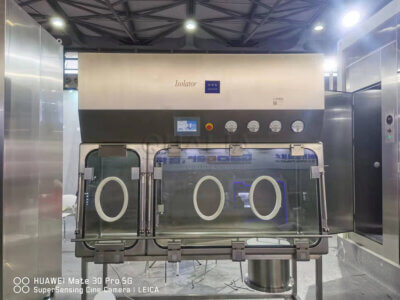
Современные линии асептического розлива заключают критическую зону в изоляторы с положительным давлением, которые поддерживают ISO 14644-1 Непрерывное поддержание условий класса А. Эти барьеры защищают продукт от загрязнения окружающей среды и в то же время содержат сильнодействующие продукты для защиты операторов. Изоляторы объединяют мойку флаконов, туннели для депирогенизации, иглы для наполнения, установку пробок и укупорку в непрерывную автоматизированную линию. В зависимости от конфигурации скорость составляет от 100 до 600 флаконов в минуту, а насосы наполнения с сервоприводом обеспечивают точность веса +/- 2%.
Изоляторы подвергаются регулярной биологической деконтаминации с использованием испаренной перекиси водорода, которая достигает 6-логовой спороцидности. Этот автоматизированный цикл позволяет отказаться от ручного асептического вмешательства и связанного с ним риска загрязнения. Однако генераторы VHP, распределительные коллекторы и биологические индикаторы являются подсистемами, требующими независимой квалификации. При выборе линий розлива убедитесь, что параметры цикла VHP (концентрация, время контакта, аэрация) доказали свою эффективность для конкретной геометрии изолятора и совместимости материалов с контактными поверхностями продукта.
| Компонент оборудования | Функция | Стандарт соответствия | Влияние потенциала |
|---|---|---|---|
| Линии на основе изоляторов | Асептическая среда | ISO 13408-1 | Определяет максимальное значение объекта |
| Туннели для депирогенизации | Удаление эндотоксинов | Стандарты USP | Требование к предварительному заполнению |
| Лиофилизаторы | Стабильность для термолабильных | Проверенный цикл | Цикл 24-72 часа |
| Системы контрольного взвешивания | Точность дозировки | PAT в режиме реального времени | Качественные ворота |
Источник: ISO 13408-1: Асептическая обработка продуктов здравоохранения. Настоящий стандарт устанавливает основы проектирования, валидации и эксплуатации линий асептического розлива, критически важных для поддержания стерильности.
Оборудование для лиофилизации термолабильных продуктов
Сублимационные сушилки стабилизируют вакцины, разрушающиеся при хранении в холодильнике. Эти системы точно контролируют температуру на полке (от -50°C до +40°C) и давление в камере (от 50 до 300 мТорр) с помощью многофазных циклов продолжительностью 24-72 часа. Первичная сушка удаляет замороженную воду путем сублимации; вторичная сушка удаляет связанную воду для достижения целевой остаточной влажности (обычно <1%). Оборудование должно демонстрировать равномерное распределение температуры по всем полкам, обычно в пределах +/- 1°C, чтобы обеспечить постоянный внешний вид пирога и время восстановления.
В современные лиофилизаторы интегрированы инструменты PAT, включая перестраиваемую диодную лазерную абсорбционную спектроскопию для мониторинга водяного пара в режиме реального времени. Это позволяет оптимизировать цикл в замкнутом цикле, что сокращает время обработки партии на 20-30% по сравнению с консервативными, фиксированными рецептами. Однако внедрение PAT требует существенной разработки процесса для установления приемлемых диапазонов и правил принятия решений. Я видел предприятия, которые установили лиофилизаторы с PAT, но годами работали в ручном режиме, потому что нагрузка на валидацию превышала возможности отдела контроля качества.
Заполнение-финиш как ограничение стратегических возможностей
Производительность асептического розлива обычно определяет производительность предприятия независимо от масштаба производства. Биореактор объемом 2000 л, производящий 50 г антигена, требует 50 000 флаконов по 1 мг на дозу. При скорости 300 флаконов в минуту это требует 3 часа времени на розлив, умноженного на время переналадки, настройки и выдержки, что достигает 8-12 часов занятости линии на партию. Добавление второй смены увеличивает производительность, но вводит требования к квалификации наполнителей сред в обе смены и увеличивает нагрузку на мониторинг окружающей среды.
Стратегическое планирование производственных мощностей должно начинаться с возможностей заполнения-финиширования и работать в обратном направлении для определения необходимого масштаба производства. Как правило, биореакторы слишком велики по сравнению с возможностями заполнения, что приводит к созданию дорогостоящих простаивающих ферментационных активов. Дисциплинированный подход позволяет сопоставить годовой спрос с требуемыми часами работы линии, добавить буфер 30% для исследований и переработки, а затем определить размеры вышестоящего оборудования. Это позволяет избежать распространенной модели проектов по расширению биореакторов, которые не дают прироста производительности, поскольку заполнение остается узким местом.
Одноразовые системы против систем из нержавеющей стали: Стоимость и проверка
Концепция капитально-операционной торговли
Системы однократного применения требуют на 40-60% меньше первоначального капитала, чем аналогичные установки из нержавеющей стали. Это обусловлено отказом от использования систем CIP/SIP, сокращением коммунальной инфраструктуры (отсутствие генерации чистого пара для стерилизации емкостей) и уменьшением площади чистых помещений за счет закрытой обработки. Однако затраты на расходные материалы накапливаются на уровне $50,000-$200,000 на партию в зависимости от масштаба. При низкой частоте партий (<50 в год) одноразовые технологии выигрывают. После 200 партий в год для специализированного продукта преобладает структура фиксированных затрат из нержавеющей стали.
Компромисс между валидацией и стоимостью выходит за рамки возможностей организации. Валидация одноразового использования требует квалификации поставщика, проверки входящих компонентов и тестирования целостности предварительно стерилизованных узлов. Валидация изделий из нержавеющей стали требует знаний в области теплового картирования, мониторинга бионагрузки и проверки удаления эндотоксинов. Наборы навыков существенно различаются. Предприятия, переходящие с нержавеющей стали на одноразовую, часто недооценивают необходимый надзор за качеством цепочки поставок и сталкиваются с расследованиями нарушений со стороны поставщиков, которые их команды контроля качества не имеют опыта проведения.
| Тип системы | Первоначальный капитал | Текущие расходы | Бремя валидации | Лучшее приложение |
|---|---|---|---|---|
| Одноразовые | Нижний | Высокие расходные материалы | Минимальный CIP/SIP | Гибкость при производстве нескольких продуктов |
| Нержавеющая сталь | Высокие капитальные затраты | Не требует особого ухода | Широкое подтверждение эффективности очистки | Выделенные большие объемы |
| Гибридный подход | Средний | Переменная | Риск несоответствия нормативным требованиям | Не рекомендуется |
Источник: Техническая документация и отраслевые спецификации.
Почему гибридные подходы создают уязвимость в отношении соответствия нормативным требованиям
Предприятия, пытающиеся сочетать одноразовое оборудование с оборудованием из нержавеющей стали (или наоборот), создают точки соприкосновения, где ответственность за валидацию становится неоднозначной. Одноразовый биореактор, питающий стационарную хроматографическую систему, требует перегрузочных панелей, емкостей для хранения и протоколов очистки, которые пересекаются в обеих парадигмах. В этих переходных зонах накапливается риск соответствия, поскольку стандартные пакеты валидации ни одной из систем не учитывают гибридную конфигурацию в полной мере.
Регулирующие органы тщательно проверяют эти интерфейсы. Инспектор, проверяющий гибридную систему, задаст вопрос, учитывает ли валидация CIP для нержавеющей хроматографической колонки потенциальный перенос биопленки с несанируемых соединений трубок одноразового использования. Предприятие должно разрабатывать протоколы валидации для конкретной гибридной системы, а не использовать шаблоны, поставляемые поставщиком. Такая индивидуальная валидация отнимает много времени у службы контроля качества и приводит к задержкам при каждом изменении процесса. Сложность редко оправдывает экономию на оборудовании.
Стратегическое решение о блокировке
Выбор одноразового использования или нержавеющей стали - это обязательство на 10-15 лет, которое ограничивает будущую гибкость. Старые предприятия по производству нержавеющей стали стоят перед бинарным выбором: инвестировать $20-40M в полную модернизацию для перехода на одноразовое использование следующего поколения или перевести предприятие на выпуск одного зрелого продукта, где стационарное оборудование соответствует стабильному спросу. Поэтапная модернизация закрепляет описанные выше гибридные сложности и распределяет капитал на несколько лет, не обеспечивая существенного изменения возможностей.
Для новых предприятий решение зависит в первую очередь от портфельной стратегии. Многопродуктовые CMO и виртуальные биотехнологии, требующие гибкости платформы, должны по умолчанию использовать полностью одноразовые архитектуры, несмотря на более высокие эксплуатационные расходы. Интегрированные фармкомпании с выделенными франшизами вакцин могут оправдать использование нержавеющей стали, если жизненный цикл продукта превышает 7 лет, а годовой спрос превышает 200 партий. Ключевым моментом является соответствие парадигмы оборудования бизнес-модели, а не погоня за оптимизацией предельных затрат, которая ставит под угрозу стратегическую гибкость.
Автоматизация, интеграция PAT и целостность данных для обеспечения соответствия требованиям GMP
От инструмента повышения производительности до нормативной необходимости
Технология анализа процессов превратилась из конкурентного преимущества в базовое требование GMP к 2025 году. Регулирующие органы теперь ожидают мониторинга критических параметров процесса в режиме реального времени с автоматической регистрацией данных в соответствии со стандартами ALCOA+ (Attributable, Legible, Contemporaneous, Original, Accurate, complete, consistent, enduring, available). Ручная транскрипция данных с дисплеев оборудования в записи о партиях создает неприемлемый риск для соблюдения нормативных требований. Оборудование должно генерировать электронные потоки данных с безопасными контрольными записями, исключающими возможность внесения изменений после обработки.
Это меняет критерии закупки оборудования. Главным критерием больше не является производительность или доходность - это способность автоматически генерировать защищаемые данные. Каждый датчик, контроллер и исполнительный механизм становится потенциальным объектом аудита, если он не сконфигурирован в соответствии с требованиями 21 CFR Part 11 к электронным записям. На практике это означает отказ от оборудования с проприетарными форматами данных или систем, требующих ручного экспорта записей о партиях. Интеграционные возможности важнее производительности процесса.
| Технологический компонент | 2025 Роль в обеспечении соответствия | Вывод данных | Требования к закупкам |
|---|---|---|---|
| Датчики PAT | Нормативная необходимость | CQA в реальном времени | Предварительное участие ИТ/КВ |
| Автоматизированные средства управления | Снижение количества человеческих ошибок | Соответствие стандарту ALCOA+ | Безопасные журналы аудита |
| Интеграция EBR | Электронные записи партий | Защищенная архитектура данных | Условия переносимости данных |
| Управление процессом | Рамки QbD | pH/DO/метаболиты | Совместимость со вторым источником |
Источник: Техническая документация и отраслевые спецификации.
Требования к архитектуре системы управления производством
Оборудование должно взаимодействовать с централизованной системой MES, которая организует рабочий процесс, обеспечивает процедурный контроль и агрегирует данные для создания пакетных записей. Для этого необходимы промышленные протоколы связи (OPC-UA, MQTT или API, нейтральные к производителю), которые позволяют разрозненному оборудованию работать с единой архитектурой данных. Собственные системы управления создают острова данных, которые препятствуют единой проверке партий и заставляют специалистов по проверке качества обращаться к нескольким независимым интерфейсам - модель, которую регулирующие органы считают повышенным риском целостности данных.
Когда мы разрабатываем системы автоматизации, ИТ-отделы и отделы контроля качества участвуют в процессе первоначальной оценки поставщика. Техническая оценка включает в себя изучение документации по модели данных, тестирование функциональности API и проверку того, что оборудование может передавать данные в MES, а не извлекать их путем опроса. Оборудование, требующее ручной настройки для каждой партии или не имеющее детализации временных меток более одной минуты, не будет соответствовать современным стандартам соответствия. Эти требования должны присутствовать в спецификациях на закупку в качестве обязательных критериев приемки, а не приятных мелочей.
Целостность данных как стратегический критерий оценки поставщиков
Поставщики оборудования превращаются в поставщиков платформенных услуг, предлагающих оборудование, расходные материалы и программное обеспечение в виде интегрированных предложений. Такая комплектация создает долгосрочный риск переносимости данных, если записи о партиях хранятся в форматах, запатентованных поставщиком. В контрактах должны быть оговорены права собственности на данные, форматы экспорта (предпочтительно соответствующие стандарту ISA-88/95) и право на взаимодействие с аналитическими платформами сторонних производителей. Без этих условий вам грозит блокировка, при которой переход на другое оборудование потребует нормативной переоценки всей системы данных.
Практический критерий оценки: попросите поставщиков продемонстрировать возможность экспорта 10 последовательных партий в формат CSV с временными отметками параметров процесса, аварийных сигналов и вмешательства оператора. Многие системы могут экспортировать сводные отчеты, но не имеют подробных журналов событий, необходимых для расследования отклонений. Возможность экспорта определяет, сможет ли ваше предприятие использовать передовую аналитику, внедрить статистический контроль процессов или эффективно отвечать на запросы нормативной информации. Невозможность агрегировать и анализировать данные по нескольким партиям превращает каждое расследование в ручную археологическую работу.
Вспомогательные системы: Требования к WFI, CIP/SIP и чистым помещениям
Стратегия получения и распределения воды для инъекций
Системы WFI поставляют воду, свободную от пирогенов, необходимую для составления рецептур продуктов, ополаскивания оборудования и производства пара. Традиционные многоэффективные дистилляционные установки потребляют значительное количество энергии, но остаются мировым золотым стандартом удаления эндотоксинов, обеспечивая постоянный уровень <0,25 EU/mL. Мембранная технология WFI (горячая ультрафильтрация или обратный осмос с EDI) снижает энергопотребление на 60-80% и получила нормативное признание в Европейской фармакопее, хотя для подтверждения USP исторически требовалась дистилляция.
В распределительном контуре должна поддерживаться температура воды >80°C или <15°C, чтобы предотвратить рост микроорганизмов, при непрерывной рециркуляции и регулярных циклах санитарной обработки. Мертвые ноги, превышающие три диаметра трубы, создают риск образования биопленки и должны быть устранены при проектировании. Современные системы включают в себя мониторинг электропроводности, температуры и TOC в нескольких точках использования с автоматическим отслеживанием тенденций для обнаружения деградации мембраны или загрязнения системы распределения до того, как это повлияет на качество продукта. Такой непрерывный мониторинг генерирует потоки данных, которые ваша система MES должна фиксировать для включения в протокол партии.
| Система поддержки | Стандарт качества | Тренд в дизайне | Смещение фокуса инженерной деятельности |
|---|---|---|---|
| Генераторы WFI | Фармакопейные ограничения по эндотоксину | Компактная площадь | Коммунальные модули высокой плотности |
| Салазки CIP/SIP | Подтвержденная стерильность | Автоматизированная работа | Сложность интеграции |
| Чистый пар | Спецификации USP | Маленькие чистые помещения | Интенсивная квалификация |
| ОВК для чистых помещений | ISO 14644-1 | Закрытая обработка SUS | Снижение уровня экологического мониторинга |
Источник: ISO 14644-1: Чистые помещения и связанные с ними контролируемые среды. Настоящий стандарт определяет классификацию чистоты воздуха, необходимую для проектирования производства вакцин и установки оборудования.
Интеграция салазок CIP/SIP для нержавеющих систем
Автоматизированные системы очистки на месте и стерилизации паром позволяют отказаться от ручной очистки и сократить количество человеческих ошибок при обеспечении стерильности. Эти системы подают проверенные моющие растворы (обычно каустик, кислоту и WFI) при заданной температуре, скорости потока и времени контакта, а затем проводят стерилизацию чистым паром при 121°C в течение определенного времени выдержки. Системы включают в себя контроль возврата раствора для проверки покрытия раствором всех контактирующих с продуктом поверхностей и измерение электропроводности для подтверждения достаточности ополаскивания.
Для определения возможностей CIP/SIP необходимо составить карту всех соединений оборудования, выявить "мертвые ноги" и обеспечить возможность слива воды из каждой емкости и трубопровода. Покрытие резервуаров шариками спрея должно быть подтверждено с помощью рибофлавина или аналогичных трассирующих веществ. Поставщики оборудования часто предоставляют стандартные интерфейсы CIP/SIP, однако конфигурация трубопроводов на конкретном объекте предъявляет особые требования к проверке. Реалистичный срок внедрения составляет 12-18 месяцев с момента установки оборудования до утверждения протоколов CIP/SIP, и этот срок обычно недооценивается предприятиями.
Оптимизация площади чистых помещений за счет закрытой обработки
Одноразовые системы обеспечивают закрытую обработку, что снижает требуемые уровни чистоты и площадь помещений. Традиционные установки из нержавеющей стали требовали фонов класса B для асептических стержней класса A. Полностью закрытые одноразовые системы могут работать в среде класса C или даже класса D, поскольку продукт никогда не контактирует с комнатным воздухом. Этот архитектурный сдвиг снижает стоимость строительства чистых помещений на 40-60% и пропорционально уменьшает нагрузку по контролю за состоянием окружающей среды.
Однако это компактное оборудование требует более высокой плотности инженерного обеспечения на меньших площадях. Одноразовый набор концентрирует десятки соединений мешков, автоматические системы отбора проб и датчики на площадях, где раньше размещались один или два нержавеющих сосуда. Механическое помещение должно обеспечивать точное управление инженерными сетями (температура, давление, расход) в нескольких точках одновременного потребления. Это смещает фокус инженерного внимания с строительства больших чистых помещений на интенсивную интеграцию модулей инженерных коммуникаций высокой плотности, что требует специальных знаний, которыми не обладают традиционные команды проектировщиков.
Критерии выбора оборудования: Соответствие технологии типу вакцины
Оборудование для производства мРНК-вакцин: Скорость и формирование липидных наночастиц
Вакцины на основе мРНК требуют быстрого мелкосерийного производства, оптимизированного для частой переналадки. Критически важным оборудованием являются системы для создания рецептур липидных наночастиц, которые точно смешивают водные мРНК с липидными вспомогательными веществами с помощью микрофлюидных или Т-образных смесителей. Эти устройства позволяют достичь размера частиц <100 нм с низкой полидисперсностью за счет контролируемого турбулентного смешивания при определенных соотношениях потоков и температурах. Оборудование должно обеспечивать воспроизводимую энергию смешивания в масштабах от разработки (миллиграммы) до коммерческого производства (килограммы).
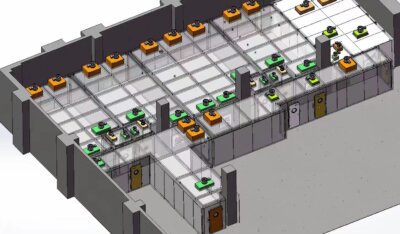
Одноразовые сборки доминируют в производстве мРНК из-за присущих им требований к гибкости. Портфель продуктов включает несколько конструкций с общими платформенными процессами, но разными последовательностями. Установки, предназначенные для Быстрая разработка и производство мРНК-вакцин использование модульных конструкций чистых помещений, в которых целые комплексы могут быть переконфигурированы за несколько недель, а не месяцев. Обработка в процессе производства упрощается до производства плазмид или транскрипции in vitro - и то, и другое относительно просто по сравнению со сложностью культуры клеток вирусных вакцин.
Оборудование для производства вирусных векторных вакцин: Контейнирование и производство высоких титров
Для вакцин на основе вирусных векторов (AAV, аденовирусов, лентивирусов) требуются биореакторы, предназначенные для адгезивной или суспензионной культуры клеток с высокой плотностью клеток. Оборудование должно поддерживать перфузию или стратегии с подачей партии, позволяющие достичь 10^13-10^14 вирусных частиц на литр. При последующей обработке особое внимание уделяется обработке эндонуклеазой для переваривания загрязняющей ДНК, затем следует несколько этапов хроматографии и специализированная вирусная фильтрация, которая удаляет пустые капсиды, сохраняя инфекционные частицы.
Для векторов, способных к репликации, очень важна изоляция. Оборудование должно работать по протоколам уровня биобезопасности 2 с проверенными этапами инактивации и вытяжными системами с фильтрами HEPA. Выделенные помещения предотвращают перекрестное загрязнение между различными серотипами переносчиков, что не позволяет использовать многопродуктовые одноразовые подходы, если на предприятии не поддерживается полный раздельный поток материалов. Это требование к изоляции часто диктует использование систем из нержавеющей стали с подтвержденной системой CIP/SIP, несмотря на негибкость.
| Вакцинная платформа | Критически важное оборудование | Специальные требования | Географическая стратегия |
|---|---|---|---|
| мРНК | Смесители рецептур LNP | Быстрые гибкие сьюты | Рядом с центрами расходных материалов |
| Вирусный вектор | Специальная вирусная фильтрация | Инактивационные люксы | Многосайтовое резервирование |
| Субъединица | Многоколоночная хроматография | Высокая степень очистки | Близость к рынку |
| Инактивированный вирус | Цельноклеточные биореакторы | Сдерживание патогенов | Геополитическая стабильность |
Источник: Техническая документация и отраслевые спецификации.
Субъединичные и рекомбинантные белковые вакцины: Интенсивность очистки
Субъединичные вакцины, экспрессирующие рекомбинантные антигены микроорганизмов или млекопитающих, требуют тщательной последующей очистки для удаления белков клеток-хозяев, ДНК и эндотоксинов. При выборе оборудования первоочередное внимание уделяется производительности и разрешению хроматографии. Многоколоночные системы с непрерывной обработкой могут сократить время очистки с 5-7 дней для колонок периодического действия до 2-3 дней, что напрямую влияет на производительность предприятия. Однако непрерывные системы требуют сложной автоматизации управления и гораздо более сложной валидации.
В состав таких вакцин часто входят адъюванты, добавляемые в конечную формулу, что требует специального оборудования для эмульгирования или смешивания. Смесители с высокой скоростью сдвига, гомогенизаторы или микрофлюидизаторы должны обеспечивать стабильный размер частиц эмульсии, сохраняя целостность антигена. Оборудование должно быть проверено на пригодность к очистке, поскольку остатки адъювантов (соли алюминия, масляные эмульсии) препятствуют применению протоколов CIP. Совместимость материалов имеет решающее значение - адъюванты вызывают коррозию нержавеющей стали, приемлемой для водной обработки, что требует использования модернизированных сплавов или специальных покрытий.
Географическая стратегия и устойчивость цепочки поставок
При выборе оборудования все чаще учитывается геополитическая устойчивость цепочки поставок. Предприятия, в значительной степени зависящие от одноразовых расходных материалов из концентрированных азиатских производственных центров, сталкиваются с риском непрерывности бизнеса, проявляющимся в нехватке поставок в 2020-2021 годах. Это обуславливает стратегии географической диверсификации, в рамках которых организации поддерживают производственные мощности в нескольких регионах, каждый из которых имеет местные соглашения о поставках расходных материалов. Стандартизация оборудования в таких многосайтовых сетях становится необходимой для обеспечения быстрой передачи технологий и возможности взаимного резервирования.
На рынках с жесткими требованиями к местному содержанию выбор оборудования должен учитывать доступность региональных поставщиков и сервисную поддержку. Предприятие в Латинской Америке, выбирающее европейское оборудование, сталкивается с увеличением сроков поставки запасных частей и заводского обслуживания. Региональные поставщики могут предлагать более низкие возможности автоматизации, но обеспечивать безопасность цепочки поставок, что оправдывает технический компромисс. Моделирование общих затрат должно включать сценарии с учетом риска перебоев в поставках, а не просто сравнивать котировки оборудования.
Стратегические решения по выбору оборудования для производства вакцин требуют баланса между техническими характеристиками и сложностью валидации, операционной гибкостью и риском для цепочки поставок, а также соотношением первоначального капитала и стоимости жизненного цикла. Оптимальная конфигурация зависит от конкретной платформы вакцины, стратегии портфеля и допустимого нормативного риска. Предприятия, добившиеся успеха в 2025 году в условиях жесткого соответствия нормативным требованиям, рассматривают оборудование как интегрированные системы, генерирующие достоверные данные, а не как отдельные компоненты, обеспечивающие максимальную пропускную способность.
Организациям, которые начинают или расширяют производство вакцин, нужны партнеры, понимающие как технологию производства, так и нормативно-правовую базу. QUALIA предлагает комплексные решения в области биопереработки, которые позволяют согласовать возможности оборудования с требованиями по соблюдению норм и бизнес-целями, гарантируя, что ваши инвестиции в оборудование будут способствовать как текущему производству, так и будущему развитию платформы. В нашем подходе приоритет отдается архитектуре целостности данных и стратегической гибкости от первоначального проектирования до проверки работоспособности.
Для получения технической консультации по вашим конкретным требованиям к оборудованию, Свяжитесь с нами чтобы обсудить, как выбор оборудования может способствовать достижению ваших целей в области регулирования и производительности.
Часто задаваемые вопросы
Вопрос: Как выбрать одноразовые биореакторы или биореакторы из нержавеющей стали для нового производства вакцин?
О: Решение зависит от волатильности и объема вашего портфеля продуктов. Одноразовые биореакторы исключают валидацию очистки и ускоряют переналадку, идеальны для многопродуктовых производств или быстрых поворотов трубопровода, но создают долгосрочную зависимость от расходных материалов. Нержавеющая сталь подходит для специализированных крупносерийных производств, но требует больших капиталовложений и валидированных систем CIP/SIP. Это означает, что предприятиям со стабильным, блокбастерным продуктом следует инвестировать в нержавеющую сталь, в то время как те, кто ставит во главу угла гибкость таких платформ, как мРНК, должны заложить в свою стратегию одноразового использования устойчивость к цепочке поставок.
Вопрос: Каковы основные требования к целостности данных для автоматизированного оборудования для производства вакцин в 2025 году?
О: Современное оборудование должно функционировать как защищенный узел данных, автоматически генерируя записи, соответствующие требованиям ALCOA+, с непрерывным аудиторским следом для интеграции в электронную документацию по партиям. Это требует предварительного сотрудничества между отделом закупок, ИТ и отделом контроля качества для определения архитектуры данных, а не только технических характеристик оборудования. Если ваше производство масштабируется для 2025 GMP, планируйте рассматривать автоматизацию и интеграцию PAT как основной фактор соответствия, а не просто повышение эффективности, чтобы обеспечить проактивный контроль процесса в рамках QbD.
Вопрос: Почему при планировании всего предприятия следует ориентироваться не на масштаб биореактора, а на производительность "наполнение-финиш"?
О: Асептические линии розлива и лиофилизаторы представляют собой наиболее серьезные технические и нормативные узкие места, часто ограничивающие максимальную производительность независимо от масштабов производства. Поэтому стратегическое планирование мощностей должно начинаться с возможностей розлива-финиша и работать в обратном направлении. Это означает, что высшим приоритетом для резервирования и передовых инвестиций должна быть стадия конечного продукта, руководствуясь такими стандартами, как ISO 13408-1 для асептической обработки, чтобы она не ограничивала всю вашу деятельность.
Вопрос: Чем отличается выбор оборудования для платформы мРНК-вакцин от платформы вирусных векторов?
О: Для производства мРНК требуются гибкие комплексы с возможностью быстрой переналадки и специализированное оборудование, например, смесители для приготовления липидных наночастиц. Для производства вирусных векторов требуются специальные изолированные помещения для фильтрации и инактивации вирусов. Такое различие означает, что анализ общих затрат должен выходить за рамки капитальных расходов и включать логистику расходных материалов и местоположение объекта, стимулируя размещение объектов ближе к конечным рынкам и центрам производства расходных материалов для обеспечения цепочки поставок.
Вопрос: Какие стандарты чистых помещений применяются при установке и эксплуатации оборудования для производства вакцин?
О: Оборудование должно быть установлено в средах, классифицированных в соответствии с ISO 14644-1 для контроля частиц в воздухе. Тенденция к закрытой обработке с использованием одноразовых систем позволяет уменьшить площадь чистых помещений, но усиливает потребность в проверенных, высокоплотных инженерных системах на компактной территории. Для проектов, использующих линии розлива на основе изоляторов, это смещает акцент в проектировании от строительства больших чистых помещений к сложной интеграции модулей инженерных коммуникаций в контролируемом пространстве.
Вопрос: Какие стандарты проектирования обеспечивают очистку оборудования для производства вакцин и поддержание стерильности?
О: Гигиенический дизайн регулируется ASME BPE стандарт, определяющий требования к материалам, отделке поверхности и конструкции трубопроводов, клапанов и сосудов для обеспечения стерильности и чистоты. Этот стандарт имеет решающее значение для систем последующей очистки и любых систем, требующих CIP/SIP. При выборе систем хроматографии или UF/DF отдавайте предпочтение поставщикам, чьи конструкции наглядно соответствуют ASME BPE, чтобы уменьшить трение при проверке и сохранить целостность продукта.
Вопрос: Как переход на одноразовые системы изменит набор необходимых навыков для команд проектировщиков?
О: Это переносит акцент с строительства архитектурных чистых помещений на интенсивную интеграцию и квалификацию сложных модулей, монтируемых на салазках, которые поддерживают высокоплотное одноразовое оборудование. Теперь командам требуются более глубокие знания и опыт в области модульного проектирования инженерных систем, совместимости модулей с различными поставщиками и валидации закрытых процессов. Для модернизации старых объектов это означает, что вам может потребоваться дополнить традиционный архитектурный талант инженерами, обладающими навыками интеграции и автоматизации передовых процессов.
Сопутствующие материалы:
- Производство вирусных векторов: Протоколы лаборатории BSL-3
- Исследования BSL-4: Прорыв в области вирусной геморрагической лихорадки
- Изоляторы биобезопасности: Основы производства вакцин
- Воздушные души из нержавеющей стали: Долговечная чистота
- Пакетная обработка в изоляторах для испытаний на стерильность
- Производство вакцин с помощью системы cRABS: Обеспечение стерильности
- Системы обеззараживания сточных вод для вирусных исследований: Критические меры безопасности
- Защита производства вакцин: Передовые системы обеззараживания сточных вод
- Разработка вакцин в лабораториях BSL-3: Последние исследования