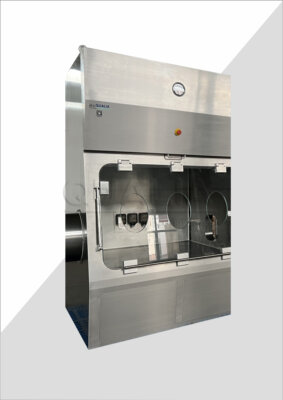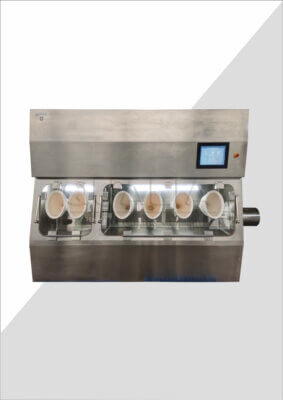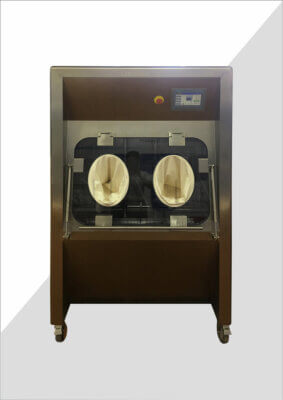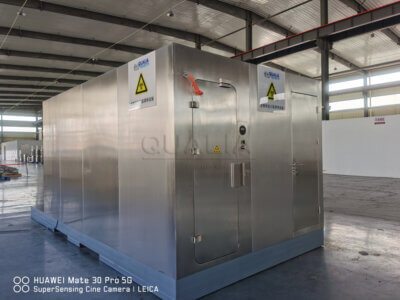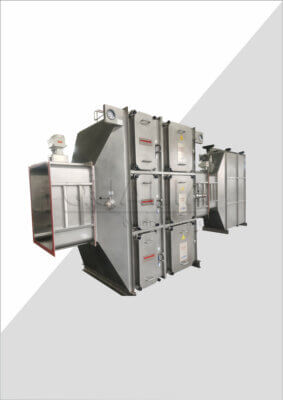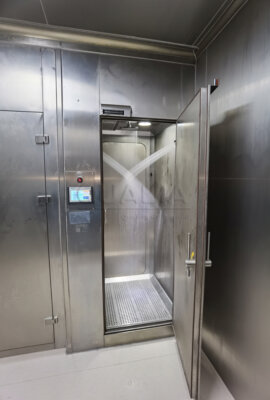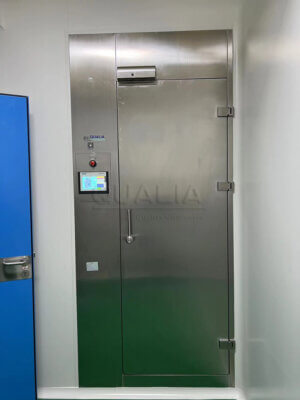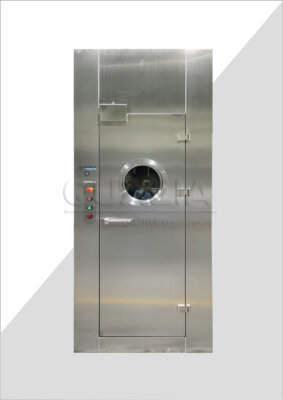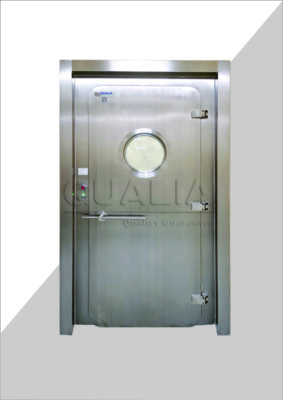

В исследованиях с высокой степенью защиты шлюз - это не просто дверь. Это инженерный барьер, который отделяет контролируемый рабочий процесс от катастрофического сбоя. Для специалистов, проектирующих или эксплуатирующих модульные установки BSL-3, конфигурация воздушных шлюзов для материалов и персонала (MAL/PAL) диктует эффективность работы и определяет целостность всей защитной оболочки. Распространенное заблуждение - рассматривать их как простые помещения; на самом деле это динамические сосуды под давлением, чьи характеристики поддаются количественной оценке и не подлежат обсуждению.
Внимание к конструкции шлюзовых камер крайне важно сейчас, когда модульные лаборатории на основе контейнеров демократизируют доступ к работе в условиях повышенной секретности. Эти установки обеспечивают быстрое развертывание и значительную экономию средств, но их компактность требует точности проектирования. Каждый квадратный фут должен способствовать безопасности и рабочему процессу. Поэтому выбор правильной конфигурации шлюза является основополагающим решением, позволяющим сбалансировать строгие стандарты производительности с пространственными и бюджетными реалиями так, как это редко требуется при традиционном строительстве.
Основные принципы функционирования шлюза в контейнере BSL-3
Спроектированный градиент давления
Основным сдерживающим механизмом является не физическая дверь, а однонаправленный поток воздуха, который она обеспечивает. Каскадный градиент отрицательного давления - как правило, от коридора (0 Па) к тамбуру шлюза (-15 Па) и главной лаборатории (-35 Па) - обеспечивает потоки воздуха в постоянно находится в зоне локализации. Этот градиент физически удерживает аэрозоли, предотвращая их выход. Любой компромисс в поддержании такого точного перепада, даже кратковременный, означает немедленный сбой в системе локализации. Промышленные эксперты рекомендуют проектировать систему с учетом резервирования; система должна поддерживать этот перепад при перепадах напряжения или отказе компонентов системы отопления, вентиляции и кондиционирования воздуха.
Роль межкомнатных дверей
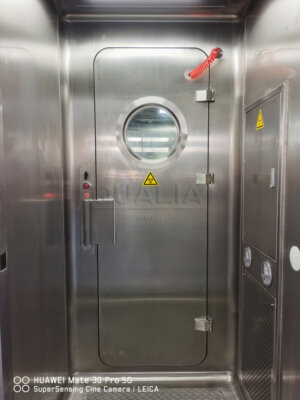
Сохранение герметичности во время перемещения персонала или материалов - это функция дверей с блокировкой. Эти электронные или механические системы откалиброваны таким образом, что обе двери шлюза не могут быть открыты одновременно. Эта блокировка является процедурным средством обеспечения границы давления. Часто упускается из виду необходимость аварийной механической блокировки для обеспечения безопасного выхода при отключении электроэнергии, не нарушая при этом логику блокировки. Мы сравнили системы и обнаружили, что самые надежные блокировки обеспечивают как звуковое, так и визуальное оповещение операторов о состоянии.
Целостность как измеримый стандарт
Эффективность этих принципов зависит от герметичности конструкции. Герметичность - это не качественная концепция, а сертифицированная эксплуатационная характеристика. Согласно таким основополагающим стандартам, как ANSI/ASSP Z9.5-2022 Лабораторная вентиляция, Вся оболочка защитной оболочки, включая шлюзы, должна быть проверена на соответствие критериям измеряемой скорости утечки. Это переводит обеспечение безопасности из разряда контрольных списков в протокол, основанный на данных, где каждое уплотнение, сварной шов и проем должны соответствовать числовому стандарту производительности.
Конструкция и особенности безопасности воздушного шлюза для персонала (PAL)
Обеспечение протокола с помощью макета
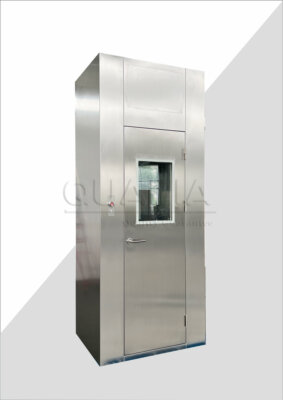
PAL диктует рабочий процесс. Его планировка специально разработана для последовательного выполнения процедур облачения и переодевания, обеспечивающих защиту персонала. Среди основных особенностей - выделенное место для хранения СИЗ, скамья и зеркало для проверки целостности костюма. По нашему опыту, хорошо спроектированный PAL логически направляет пользователя через каждый шаг, минимизируя риск ошибки в протоколе, которая может привести к самозаражению. Пространство должно быть достаточным для комфортного выполнения движений без контакта с загрязненными поверхностями.
Дополнительные функции для повышения безопасности
Помимо базовой планировки, передовые проекты PAL включают дополнительные функции безопасности. Пристройка с воздушным душем, которая омывает подходящего исследователя высокоскоростным воздухом с HEPA-фильтрацией, может значительно уменьшить количество твердых частиц на поверхностях СИЗ перед входом в чистый коридор. Кроме того, встроенные визуальные и звуковые сигналы тревоги при отклонениях давления обеспечивают немедленную обратную связь о состоянии защитной оболочки. Для модернизации или временных нужд решения “мягких стен” шлюзовых камер со специальными воздуходувками HEPA предлагают стратегический путь к достижению разделения протоколов без постоянного строительства, что очень важно для арендуемых помещений или реагирования на вспышки.
Системы безопасности и эвакуация
Надежные системы безопасности не подлежат обсуждению. Помимо блокировок, PAL должна включать аварийную блокировку, которая позволяет открыть двери изнутри в случае потери питания, обеспечивая безопасность жизни. Эта система должна быть спроектирована таким образом, чтобы не нарушать последовательность блокировки. Легко упускаемые из виду детали включают размещение устройств аварийной связи в PAL и обеспечение герметичного и безопасного для окружающей среды освещения.
Конфигурация и дезактивация воздушного шлюза для материалов (MAL)
Рабочий процесс передачи
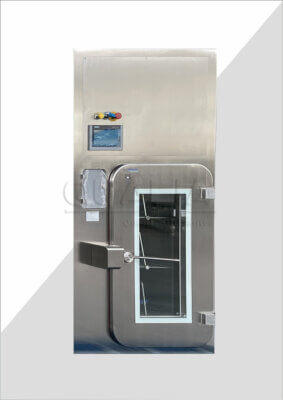
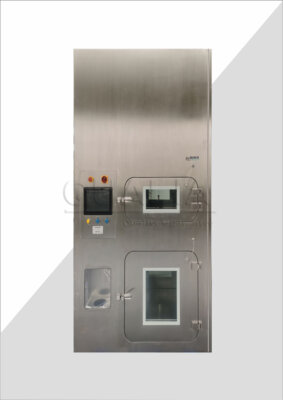
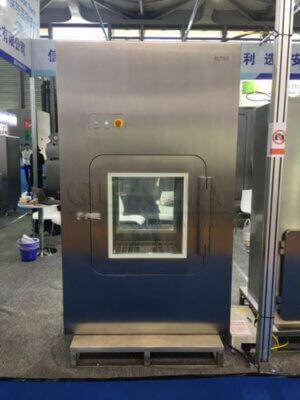
Камера MAL предназначена для выполнения определенного рабочего процесса: безопасной, обеззараженной передачи материалов, образцов и отходов. Его двухдверная конструкция с блокировкой позволяет запечатывать предметы в камере со стороны, не относящейся к лаборатории, до их извлечения из зоны изоляции. Это создает физический и процедурный барьер, который отделен от движения персонала. Установка MAL на нужной высоте для тележек и оборудования, а также обеспечение достаточного внутреннего освещения - это практические детали, которые непосредственно влияют на эффективность ежедневной работы.
Интеграция методов обеззараживания
Возможность обеззараживания занимает центральное место в работе MAL. Выбранный метод диктует конструкцию камеры и требования к ее оснащению.
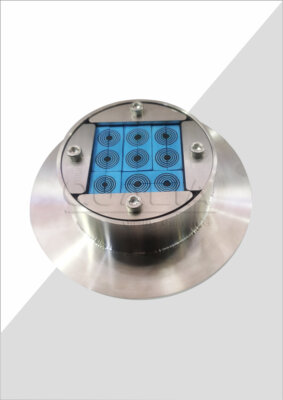
- Порты с испаренной перекисью водорода (VHP): Встроенные порты позволяют подключить генератор VHP для газовой дезактивации внутренней части камеры и ее содержимого. Для этого камера должна быть изготовлена из химически стойких материалов, таких как нержавеющая сталь 304 или 316.
- Dunk Tank: Емкость для биологической безопасности обеспечивает жидкую дезинфекцию герметичных предметов. Этот вариант требует тщательного планирования дренажа, локализации разливов и доступа к обслуживанию резервуара.
Выбор между портом VHP и резервуаром - это ключевое решение, которое влияет на протокол, время цикла и пространство.
Конструкция для долговечности и герметичности
MAL должен выдерживать многократные циклы дезинфекции. Надежные механизмы уплотнения, такие как надувные прокладки на дверях, обеспечивают сохранение герметичности в течение длительного времени. Конструкция должна быть устойчива к разрушению под воздействием дезинфицирующих средств и механическому износу. Эксплуатационные характеристики проверяются с помощью испытаний на разложение под давлением, при этом камера должна соответствовать тем же строгим стандартам герметичности, что и весь объект. Такая долговечность является важнейшим фактором, определяющим долгосрочную стоимость эксплуатации и надежность.
Интеграция шлюзов с модульными системами ОВКВ и управления
Сбалансированная интеграция с системой HVAC
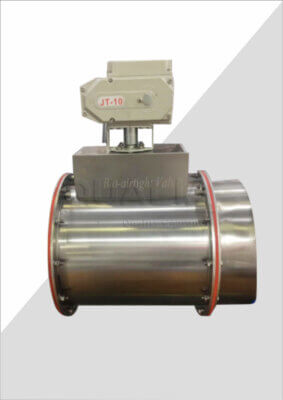
В модульной лаборатории BSL-3 воздушные шлюзы представляют собой полностью интегрированные подсистемы. Система ОВКВ в помещении точно сбалансирована таким образом, чтобы объем вытяжки из лаборатории превышал объем притока, создавая отрицательное давление. Собственная вентиляция шлюза поддерживает промежуточное значение давления между коридором и лабораторией. Эта интеграция очень тонкая; изменение воздушного потока в одной зоне может дестабилизировать работу другой. Резервные системы электропитания (ИБП/генераторы) и критически важные компоненты воздушного потока являются одним из основных требований к конструкции, чтобы обеспечить сохранение целостности защитной оболочки при отказе первичной системы.
Интеллектуальный мониторинг и управление
На современных объектах мониторинг шлюзов интегрирован в центральную систему управления зданием (BMS). Это позволяет в режиме реального времени отслеживать перепады давления, состояние дверей и последовательность блокировок. Регистрация данных служит не только для понимания оперативной обстановки, но и для соблюдения требований, создавая неизменную запись о работе защитной оболочки. В будущем переход к интеллектуальному мониторингу и предиктивной аналитике на основе искусственного интеллекта превратит безопасность из реактивной в предиктивную, используя непрерывные данные для прогнозирования износа уплотнений или загрузки фильтров до того, как произойдет нарушение.
Петля обратной связи при проверке
Интеграция делает ввод в эксплуатацию и проверку более сложными, но и более тщательными. Система управления должна быть проверена наряду с физической структурой. По нашим наблюдениям, наиболее успешные интеграции рассматривают BMS как инструмент проверки, используя ее журналы данных для автоматического документирования производительности во время испытаний на снижение давления и баланс воздушного потока, что упрощает процесс сертификации.
Основные технические характеристики и стандарты производительности
Количественная оценка производительности
Характеристики шлюза регулируются поддающимися проверке инженерными стандартами. Минимальный перепад давления между зонами 12,5-25 Па (0,05-0,1 дюйма водяного столба) является типичным для поддержания направленного потока воздуха. Однако важнейшим показателем является герметичность, которая подтверждается испытанием на разность давлений. Это испытание определяет скорость утечки всей оболочки защитной оболочки, включая шлюзы, под стандартным давлением.
Таблица критических данных
При принятии решений о закупках приоритет должен отдаваться сертифицированным эксплуатационным характеристикам, а не общим спецификациям. В следующей таблице приведены основные количественные стандарты, определяющие надежность шлюзовой системы.
| Параметр | Типичный диапазон/требования | Важнейшая метрика производительности |
|---|---|---|
| Дифференциал давления | 12,5 - 25 Па | Минимальный уклон сдерживания |
| Показатель герметичности | ≤0,01% объем/минута | При испытательном давлении 250 Па |
| Долговечность дверей и уплотнений | Десятки тысяч циклов | Химически стойкая конструкция |
| Основа обеспечения безопасности | Сертифицированные данные о производительности | Не качественный контрольный список |
Источник: ANSI/ASSP Z9.5-2022 Лабораторная вентиляция. Настоящий стандарт устанавливает минимальные требования к лабораторным вентиляционным системам, включая критические перепады давления и методики проверки работоспособности, которые непосредственно определяют инженерные спецификации для шлюзовых камер BSL-3.
От спецификации до гарантии
Этот измеряемый стандарт меняет представление о безопасности. Он означает, что при установке и через регулярные промежутки времени шлюз должен демонстрировать скорость утечки, не превышающую 0,01% от его объема в минуту при давлении 250 Па. Эти данные, предоставленные поставщиком по результатам независимых испытаний, все чаще требуются контролирующим органам. Качество конструкции отражается на долговечности дверей и уплотнений, которые должны выдерживать десятки тысяч циклов и противостоять химическому разрушению.
Оптимизация пространства для помещений BSL-3 на основе контейнеров
Задача компактного дизайна
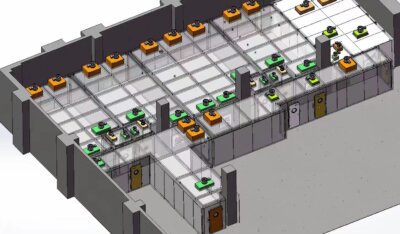
Модульные лаборатории на основе контейнеров накладывают фиксированные пространственные ограничения, что делает эффективную конструкцию шлюза первостепенной задачей. Задача состоит в том, чтобы максимально увеличить полезное пространство лаборатории и при этом обеспечить все необходимые меры безопасности. Общие стратегии включают объединение тамбура для персонала (PAL) с прилегающим проходом для материалов (MAL) на минимальной площади, иногда с общей стеной. Такой комплексный подход является ключевым отличием для мобильные лаборатории высокой степени защиты разработаны для быстрого развертывания.
Стратегические компромиссы и конфигурации
Модульный подход предлагает четкий стратегический компромисс: значительное сокращение времени и стоимости строительства в сравнении с долгосрочной пространственной гибкостью. Философия проектирования “коробка в коробке”, когда герметичный корпус, содержащий лабораторию и шлюзы, строится внутри внешней оболочки транспортного контейнера, улучшает изоляцию и упрощает прокладку коммуникаций.
Система оптимизации
В следующей таблице приведены основные аспекты проектирования и компромиссы, связанные с оптимизацией пространства для контейнерных установок BSL-3.
| Аспекты дизайна | Ключевая особенность | Влияние / компромисс |
|---|---|---|
| Конфигурация | Комбинированные PAL и MAL | Минимальная занимаемая площадь |
| Стратегия строительства | “Коробка в коробке” | Улучшенная изоляция |
| Время строительства | Сокращение до нескольких недель | по сравнению с традиционным строительством |
| Сокращение расходов | В 2-3 раза ниже | Фиксированные пространственные ограничения |
Источник: Техническая документация и отраслевые спецификации.
Такая оптимизация демократизирует исследования в условиях высокой концентрации, позволяя развертывать их в полевых условиях и в среде с ограниченными ресурсами, где традиционное оборудование не представляется возможным.
Протоколы по обслуживанию, проверке и соблюдению требований к шлюзовым камерам
Регулярное обслуживание для поддержания целостности
Сдерживание - это постоянное состояние, а не одноразовое достижение. Для сохранения целостности шлюза требуется строгий протокол технического обслуживания. Это включает в себя регулярные визуальные проверки уплотнений и прокладок дверей на предмет износа или повреждения, функциональное тестирование дверных блокировок и сигнализации, а также плановое тестирование фильтров HEPA в сопутствующей вентиляции. Регистрация этих действий так же важна, как и их выполнение, что позволяет создать документированную историю, необходимую для аудита.
Переаттестация и ресертификация деятельности
Проверка работоспособности не является статичной. Перепроверка требуется периодически и обязательно после любого перемещения или значительной модификации объекта. Для этого необходимо повторить испытания на снижение критического давления и баланс воздушного потока, чтобы убедиться, что вся оболочка защитной оболочки, включая шлюзы, по-прежнему соответствует первоначальным техническим характеристикам (например, скорость утечки ≤0,01%). Для мобильных модульных установок ведение надежного, транспортабельного валидационного досье имеет важное значение для навигации по сложному нормативному ландшафту в различных юрисдикциях.
След документации по соответствию
Соответствие требованиям демонстрируется с помощью всеобъемлющей документации. Это досье должно включать в себя исходные проектные спецификации, отчеты о вводе в эксплуатацию, все сертификаты о проверочных испытаниях, журналы технического обслуживания, истории аварийных событий и записи об обучении персонала. В случае аудита этот набор доказательств демонстрирует культуру безопасности и строгость эксплуатации. Тенденция к предоставлению услуг "под ключ" подчеркивает важность выбора поставщика, который сможет предоставить и поддерживать эту документацию на протяжении всего жизненного цикла объекта.
Выбор правильной конфигурации шлюза для вашего проекта
Определение требований и влияния на рабочий процесс
Выбор начинается с определения неоспоримых технических требований, вытекающих из оценки рисков и операционных протоколов. Выбор между базовой системой PAL и системой с воздушным душем или между VHP MAL и резервуаром с водой напрямую диктует ежедневный рабочий процесс, время цикла деконтаминации и конечные пределы безопасности. В соответствии с принципами, изложенными в таких стандартах, как NSF/ANSI 49-2022 Шкаф биологической безопасности, Выбор технических средств контроля должен соответствовать предполагаемому уровню защиты и конкретным опасностям.
Оценка вариантов конфигурации
Каждый вариант конфигурации служит для конкретного случая использования и влечет за собой определенные последствия для пространства, коммуникаций и протокола. Матрица решений должна соответствовать основным движущим силам вашего проекта.
| Вариант конфигурации | Основной пример использования | Ключевое соображение |
|---|---|---|
| Базовый интерлок PAL | Стандартный ввод персонала | Основной протокол безопасности |
| PAL с воздушным душем | Улучшенное удаление твердых частиц | Более высокий запас прочности |
| MAL с портом VHP | Обеззараживание материалов | Влияние на операционный рабочий процесс |
| MAL с Dunk Tank | Жидкая дезинфекция изделий | Протокол и требования к помещению |
| Модульное строительство в сравнении с традиционным | Стоимость-время против гибкости | Стратегическое проектное решение |
Источник: NSF/ANSI 49-2022 Шкаф биологической безопасности. Несмотря на то, что данный стандарт ориентирован на шкафы биобезопасности, принципы герметизации, воздушного потока и проверки работоспособности обеспечивают фундаментальную логику для выбора соответствующих инженерных средств контроля безопасности, таких как конфигурации шлюзов, в зависимости от требуемых уровней защиты и операционных протоколов.
Стратегический выбор поставщика
Последний шаг - выбор партнера, способного предоставить интегрированное, сертифицированное решение. Это решение зависит от способности поставщика предоставить сертифицированные данные о производительности (а не просто обещания), опыта работы с модульными конструкциями, а также проверенного послужного списка в области валидации и нормативной поддержки. Поставщик должен понимать взаимодействие между подсистемой шлюзовой камеры и общей оболочкой, обеспечивая работу всех компонентов как единой системы безопасности.
Основными моментами для принятия решения являются сертифицированные данные о производительности, интеграция рабочих процессов и стратегическая реализация проекта. Отдавайте предпочтение тем поставщикам, которые предоставляют подтвержденные сертификаты об уровне утечек и подробные планы интеграции. Поймите, как каждая функция шлюза повлияет на ежедневные протоколы и долгосрочное обслуживание. И наконец, решите, перевешивают ли преимущества по затратам и времени сборно-разборного модульного решения долгосрочную гибкость традиционного строительства для вашей конкретной миссии.
Нужны профессиональные рекомендации по конфигурированию шлюзовой системы BSL-3, отвечающей строгим стандартам производительности в рамках ограничений вашего проекта? Команда инженеров из QUALIA специализируется на переводе требований к сдерживанию в оптимизированные, проверенные модульные решения. Мы предоставляем сертифицированные данные и комплексное проектирование, необходимые для уверенного соблюдения требований. Для получения подробной консультации по вашей конкретной проблеме, связанной с защитной оболочкой, вы также можете Свяжитесь с нами.
Часто задаваемые вопросы
Вопрос: Какова наиболее важная метрика производительности для проверки целостности защитной оболочки шлюза BSL-3?
О: Определяющим показателем является герметичность, измеряемая испытанием на разрушение под давлением. Максимально допустимая скорость утечки составляет 0,01% объема камеры в минуту при давлении 250 Па. Этот количественно измеримый стандарт переводит обеспечение безопасности из разряда качественных контрольных списков в разряд сертифицированных эксплуатационных характеристик. Это означает, что протоколы повторной валидации вашего предприятия должны уделять приоритетное внимание этому конкретному испытанию, чтобы продемонстрировать постоянное соответствие требованиям и надежность защитной оболочки.
Вопрос: Как поддерживать каскад отрицательного давления во время сбоя питания в модульной установке BSL-3?
О: Поддержание разности давлений требует резервирования систем питания и управления воздушным потоком в качестве основного требования к конструкции. Такая интеграция обычно включает в себя источник бесперебойного питания (ИБП) или резервный генератор для системы ОВКВ, обеспечивающий превышение вытяжки в лаборатории над притоком. В проектах, где непрерывность работы и безопасность не подлежат обсуждению, необходимо указывать резервные системы в первоначальном проекте, поскольку их модернизация впоследствии часто оказывается нецелесообразной и дорогостоящей.
Вопрос: Каковы основные различия в рабочем процессе между воздушным замком для персонала (PAL) и воздушным замком для материалов (MAL)?
О: PAL обеспечивает соблюдение протокола для персонала, предоставляя место для одевания/раздевания, а MAL - это герметичная проходная камера для обеззараживания предметов. Система двойных дверей MAL с блокировкой позволяет герметизировать камеру снаружи перед извлечением изнутри, а централизованная дезинфекция осуществляется через порты для испаренной перекиси водорода или резервуар для погружения. Это означает, что в ваших операционных СОПах они должны рассматриваться как отдельные, выделенные пути, чтобы предотвратить перекрестное загрязнение и нарушение протокола.
Вопрос: Какие технические стандарты должны лежать в основе проекта вентиляции модульного шлюза BSL-3?
О: Основополагающие принципы лабораторной вентиляции и перепадов давления изложены в ANSI/ASSP Z9.5-2022 Лабораторная вентиляция. Хотя основное внимание уделяется шкафам, концепции сдерживания и проверки производительности в NSF/ANSI 49-2022 Шкаф биологической безопасности также весьма актуальны. Это означает, что ваши планы проектирования и валидации должны соответствовать этим стандартам, чтобы удовлетворить нормативные требования к инженерному сдерживанию воздушного потока.
Вопрос: Каким образом шлюз с “мягкой стеной” обеспечивает стратегическое преимущество для определенных проектов BSL-3?
О: Шлюзы Softwall со встроенными воздуходувками HEPA предлагают недорогой и гибкий способ разделения протоколов без капитального строительства. Они идеально подходят для модернизации, временной изоляции или арендованных помещений, где постоянная модификация нецелесообразна. Для проектов с ограниченным бюджетом, короткими сроками или неопределенным долгосрочным использованием объекта такая конфигурация обеспечивает жизнеспособный путь для создания необходимых зон изоляции.
Вопрос: Какие основные мероприятия по техническому обслуживанию необходимы для обеспечения постоянной целостности шлюзовой камеры?
О: Строгий протокол включает в себя регулярные визуальные осмотры дверных уплотнителей, функциональные испытания дверных блокираторов и проверку эффективности фильтров HEPA. Эти мероприятия предотвращают деградацию, которая может поставить под угрозу критический перепад давления и герметичность. Если на вашем предприятии нет собственных специалистов, выберите поставщика или поставщика услуг, который предлагает комплексную поддержку на протяжении всего жизненного цикла и услуги по проверке соответствия требованиям.
Вопрос: Что определяет выбор между портом VHP и резервуаром биологической безопасности при выборе материального воздушного шлюза?
О: Выбор диктует оперативный протокол обеззараживания. Порт с испаренной перекисью водорода (VHP) предназначен для обеззараживания оборудования и материалов в камере в газообразном состоянии, а резервуар для жидкости - для дезинфекции герметичных предметов. Если ваш рабочий процесс предполагает перенос большого количества емкостей с жидкостями, планируйте использовать резервуар для погружения; для сухих грузов или сложного оборудования больше подойдет MAL с поддержкой VHP.
Сопутствующие материалы:
- Шлюзы BSL-3: Характеристики дверей для обеспечения безопасности лаборатории
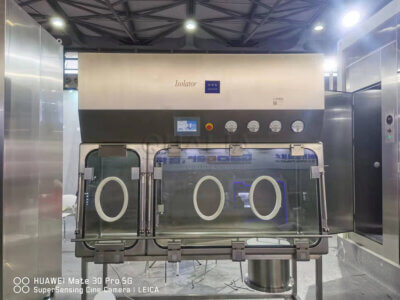
- Шлюзовые системы в изоляторах биологической безопасности
- Шлюзовые системы в изоляторах OEB4/OEB5: Руководство по проектированию
- Модульные лаборатории BSL-4: Сокращение расходов без ущерба для здоровья
- Установка модульных лабораторий BSL-3: Руководство эксперта
- Шлюзовые камеры BSL-4: Дизайн зоны дезактивации
- Настраиваемые лаборатории BSL-3: Индивидуальные модульные конструкции
- Модульные лаборатории BSL-3: Решения для быстрого строительства
- Модульные лаборатории BSL-3/4: Решения для быстрого развертывания