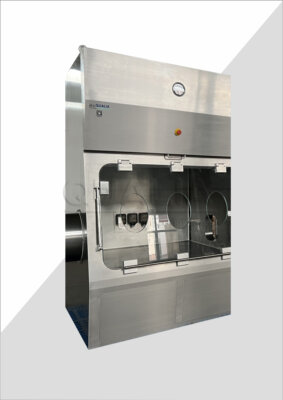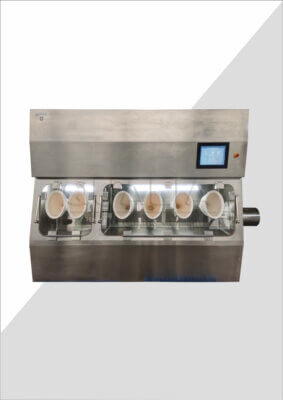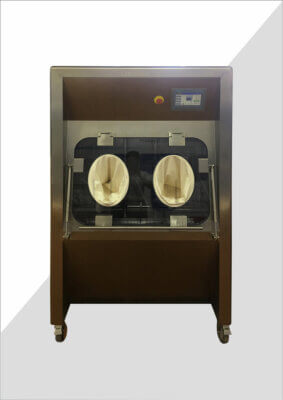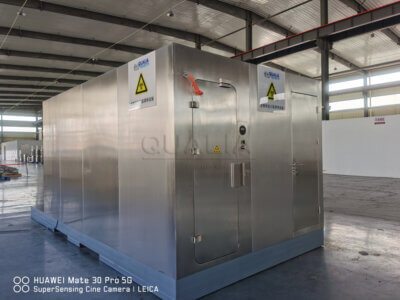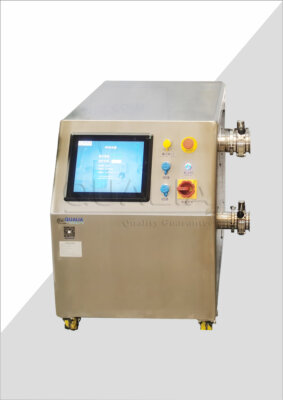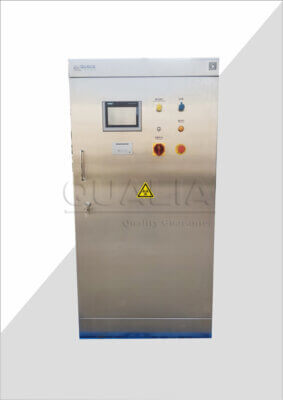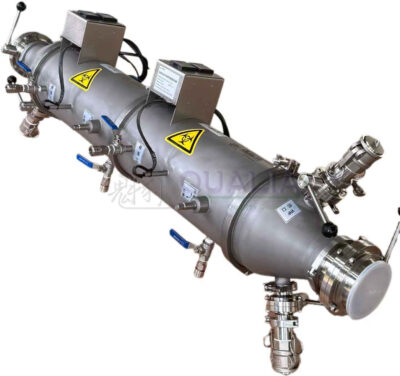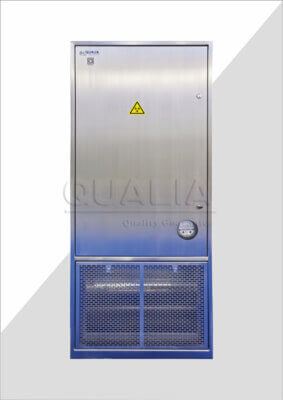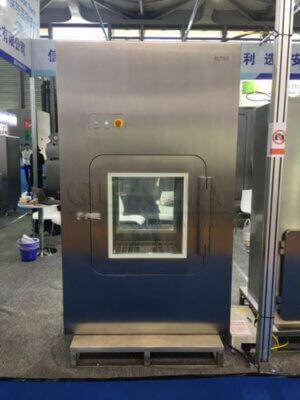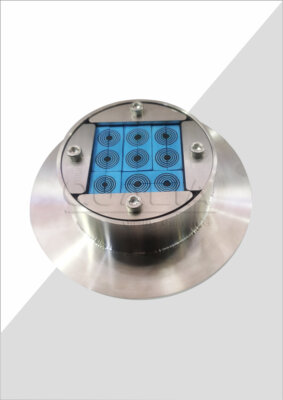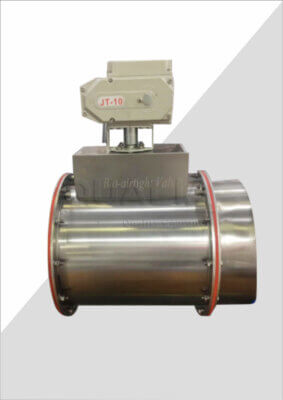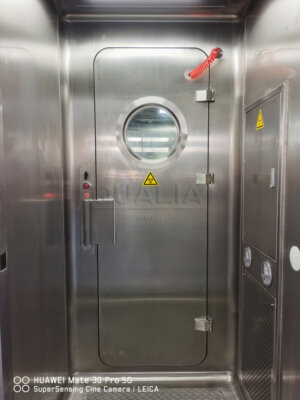

Выбор системы фильтрации HEPA для модульной лаборатории биобезопасности - критически важное решение в области защиты. Технические характеристики должны точно соответствовать уровню биобезопасности, рабочему процессу и долгосрочной стратегии соблюдения требований. Ошибка в определении размеров, интеграции или выборе компонентов может поставить под угрозу безопасность, увеличить эксплуатационные расходы или задержать развертывание проекта. В данном руководстве представлены основы принятия решений, необходимые для разработки системы, отвечающей как эксплуатационным, так и стратегическим целям.
Переход к модульному строительству ускоряет принятие этого решения. Сборные лаборатории требуют, чтобы системы ОВКВ и фильтрации с самого начала проектировались и тестировались как интегрированные подсистемы. Понимание взаимосвязи между основными спецификациями HEPA, общей стоимостью владения и модульной интеграцией больше не является необязательным - оно имеет основополагающее значение для создания безопасного, эффективного и быстро развертываемого объекта.
Основные характеристики HEPA для модульных лабораторий BSL
Определение контрольных показателей производительности
Выбор HEPA-фильтра начинается с градации эффективности. Минимальным стандартом для применения в системах биобезопасности является эффективность 99,97% при 0,3 микрона, классифицируемая как H13 в соответствии с EN 1822-1:2019. Для систем BSL-3/4, содержащих патогены высокого риска, часто используются фильтры H14 (99.995%) или ULPA. Одной эффективности недостаточно; система должна поддерживать эти характеристики в рабочих условиях, что проверяется с помощью испытаний MPPS (Most Penetrating Particle Size).
Эксплуатационные параметры для контейнеров
Эффективная изоляция зависит от контролируемого воздушного потока и давления. Для ламинарного потока, например, в шкафах биологической безопасности или в приточных коллекторах, требуется равномерная скорость потока, обычно в пределах 0,45-0,5 м/с. Во всей изолирующей зоне должен поддерживаться отрицательный перепад давления не менее -12,5 Па по отношению к соседним коридорам или прихожим. Такой каскад давления является обязательным условием для предотвращения выхода аэрозолей.
Конструкция и особенности безопасности
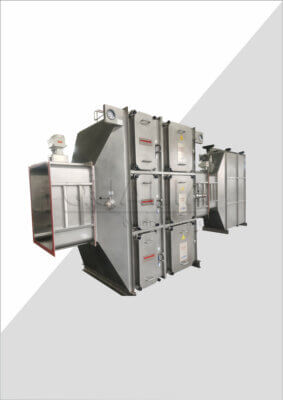
Конструкция корпуса фильтра является критически важным компонентом безопасности. Газонепроницаемые корпуса с портами “пакет в пакет, пакет из пакета” (BIBO) обязательны для безопасной замены фильтра без контакта с загрязненными поверхностями. Все материалы должны быть совместимы с газообразными обеззараживающими агентами, такими как парообразная перекись водорода (VHP). По нашему опыту валидации, распространенной ошибкой является отсутствие прокладок и корпусов датчиков, совместимых с VHP, что может привести к коррозии системы и неудачным циклам дезактивации.
В следующей таблице приведены основные технические параметры, на основе которых составляется спецификация.
| Параметр | Технические характеристики | Типичный диапазон / класс |
|---|---|---|
| Эффективность фильтрации | Минимум 0,3 микрона | 99.97% (H13) |
| Скорость воздушного потока | Ламинарное применение | 0,45-0,5 м/с |
| Дифференциал давления | Относительно коридоров | ≥ -12,5 Па |
| Корпус фильтра | Безопасная конструкция для замены | Входящие, выходящие (BIBO) |
| Обеззараживание | Совместимость с системой | Газообразные дезактиванты |
Источник: EN 1822-1:2019 Высокоэффективные воздушные фильтры (EPA, HEPA и ULPA). Настоящий стандарт определяет классификацию и испытания характеристик фильтров HEPA, включая классы H13 и H14, а также метод испытания MPPS, необходимый для проверки заявленной эффективности.
Анализ затрат: Капитальные, эксплуатационные и совокупная стоимость владения
Понимание факторов, определяющих капитальные расходы
Первоначальные затраты на модульную систему HEPA для лаборатории BSL зависят от уровня биобезопасности и избыточности. Хотя стоимость фильтров и вентиляторов аналогична традиционным конструкциям, модульный подход позволяет снизить общую стоимость строительства на 15-30%. Эта экономия достигается за счет эффективного заводского производства, когда модули ОВКВ собираются и тестируются за пределами площадки, что сокращает трудозатраты и сроки.
Реальность операционных расходов
Эксплуатационные расходы - это постоянные финансовые обязательства. Потребление энергии - самая большая переменная, обусловленная мощностью вентилятора для преодоления перепада давления в системе. Модульные конструкции со встроенными ЕС-двигателями и оптимизированными путями воздушного потока позволяют снизить эксплуатационные расходы до 20%. Замена фильтров, хотя и является периодической, представляет собой предсказуемую стоимость; при составлении бюджета необходимо учитывать как фильтры, так и трудозатраты на безопасные процедуры BIBO.
Расчет общей стоимости владения
Для настоящего финансового сравнения необходима модель совокупной стоимости владения (TCO), рассчитанная на 10-15 лет. Эта модель должна включать амортизацию капитала, потребление энергии, профилактическое обслуживание, замену фильтров и ежегодное тестирование на соответствие требованиям. Стратегическое преимущество модульных лабораторий становится очевидным при расчете совокупной стоимости владения, особенно для организаций, планирующих будущее расширение. Увеличение мощностей за счет предварительно спроектированных модулей может снизить затраты на расширение примерно на 40% по сравнению с модернизацией традиционного объекта.
| Категория затрат | Модульная система BSL-3 Advantage | Ключевая движущая сила / фигура |
|---|---|---|
| Капитальные расходы | Снижение затрат на строительство | 15-30% уменьшение |
| Операционные расходы | Экономия энергии и технического обслуживания | До 20% ниже |
| Будущее расширение | Упрощенная стоимость интеграции | ~40% ниже |
| Соответствие требованиям | Постоянные операционные накладные расходы | Ежегодное тестирование и документация |
Источник: Техническая документация и отраслевые спецификации.
Требования к системе HEPA BSL-2 и BSL-3+
Архитектурное расхождение по уровням риска
Уровень биобезопасности диктует фундаментальную архитектуру системы. Лаборатории BSL-2 в основном используют HEPA-фильтрацию в первичных защитных устройствах, таких как шкафы биобезопасности класса II. Фильтрация вытяжки в целых помещениях, как правило, не является обязательной. Философия сдерживания локализована до места опасности.
Требования к высокому уровню содержания
Требования BSL-3 и BSL-4 представляют собой значительную эскалацию. BSL-3 требует HEPA-фильтрации на все вытяжной воздух из зоны локализации. BSL-4 требует фильтрации как приточного, так и вытяжного воздуха. Это часто требует установки двух последовательных HEPA-фильтров на вытяжных потоках с резервными вытяжными вентиляторами для обеспечения отказоустойчивости. Все помещение превращается в герметичную емкость с отрицательным давлением.
Соответствие стратегии применению
Ключевым отличием является стратегия создания давления. В лабораториях BSL-3/4 поддерживается отрицательное давление для защиты внешней среды. И наоборот, такое оборудование, как автоматизированные Рабочие станции для обработки жидкостей могут использовать воздух под положительным давлением с HEPA-фильтрацией исключительно для защиты чувствительных образцов от загрязнения. Путать эти две сферы защиты - защиту окружающей среды и защиту образцов - критическая ошибка при проектировании системы.
Приведенная ниже таблица поясняет различия в требованиях к уровням биобезопасности.
| Требование | BSL-2 | BSL-3 / BSL-4 |
|---|---|---|
| Фильтрация выхлопных газов в помещении | Обычно не требуется | Требуется на всех выхлопных газах |
| Фильтрация приточного воздуха | Не требуется | BSL-4 требует фильтрации |
| Резервирование системы | Типичный для одного фильтра | Двойные последовательные фильтры HEPA |
| Стратегия давления | Контейнер на уровне шкафа | Отрицательное давление в помещении |
| Первичное применение | В шкафах биологической безопасности | Вся зона защитной оболочки |
Источник: Техническая документация и отраслевые спецификации.
Как подобрать размер системы HEPA: Пошаговое руководство
Шаг 1: Рассчитайте базовый расход воздуха
Определение размеров начинается с требуемой скорости смены воздуха (ACH). Определите объем помещения и умножьте его на целевой показатель ACH, который обычно составляет 6-12 для BSL-2 и 6-15 или выше для BSL-3/4, в соответствии с оценкой риска и ISO 14644-1:2015 целевые показатели класса чистоты. Этот расчет обеспечивает минимальный объемный расход воздуха, необходимый для разбавления и удержания твердых частиц.
Шаг 2: Учет основных потерь при выхлопе
Основной поток воздуха должен быть отрегулирован с учетом вытяжки из шкафов биологической безопасности, вытяжных шкафов и центрифуг. Система приточной вентиляции должна обеспечивать достаточное количество подпиточного воздуха, чтобы компенсировать эту вытяжку, обеспечивая поддержание в помещении расчетного отрицательного перепада давления. Занижение размеров - распространенная ошибка, которая приводит к невозможности достижения или поддержания отрицательного давления при работе всех вытяжек.
Шаг 3: Определите перепад давления в системе
Рассчитайте общий перепад давления, который должен преодолеть вентилятор при расчетном расходе воздуха. Сюда входит сопротивление через фильтры предварительной очистки, фильтры HEPA, воздуховоды, заслонки и вытяжные решетки. Этот показатель очень важен для выбора вентилятора с адекватным статическим давлением. Избыточный размер вентилятора приводит к потерям энергии и шуму; недостаточный размер не позволяет перемещать необходимый объем воздуха.
Шаг 4: Учет тепловых нагрузок
Наконец, учитывайте тепловую нагрузку от лабораторного оборудования, освещения и персонала. Система ОВКВ должна обладать достаточной холодопроизводительностью, чтобы отводить это тепло, обеспечивая при этом необходимый поток воздуха с НЕРА-фильтрацией. Этот шаг обеспечивает тепловой комфорт и стабильность как для персонала, так и для чувствительных экспериментов.
| Шаг | Первичный расчет | Ключевой параметр / выходной сигнал |
|---|---|---|
| 1. Базовый воздушный поток | Объем помещения x ACH | 6-15+ смен воздуха в час |
| 2. Смещение выхлопных газов | Сумма выхлопа основного оборудования | Поддерживает отрицательное давление |
| 3. Падение давления в системе | Фильтр + сопротивление воздуховодов | Спецификация размеров вентилятора |
| 4. Тепловая нагрузка | Оборудование + тепло для персонала | Необходимая мощность охлаждения |
Источник: ISO 14644-1:2015 Чистые помещения и связанные с ними контролируемые среды. Этот стандарт представляет собой основополагающую методологию классификации чистоты воздуха и расчета скорости смены воздуха, которая непосредственно определяет базовый размер воздушного потока для изолированных помещений.
Интеграция систем HEPA в модульную конструкцию лаборатории
Преимущество сборных конструкций
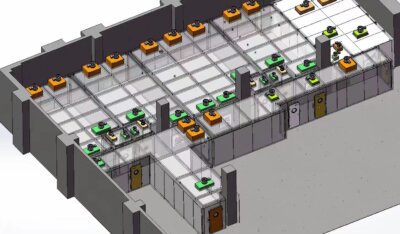
При модульной конструкции системы HEPA не являются компонентами, устанавливаемыми на месте, а входят в состав предварительно спроектированных модулей. Фильтрующие блоки вентиляторов (FFU), сегменты воздуховодов и панели управления собираются в потолочные кассеты или пентхаусы механических коммуникаций в контролируемой заводской среде. Это позволяет проводить тщательные предотгрузочные испытания систем защиты и управления, что снижает риски при вводе в эксплуатацию на объекте.
Управление пространством и структурными ограничениями
При проектировании необходимо учитывать физические ограничения транспортируемого модуля. На этапе проектирования рассчитывается распределение веса, свободное пространство под потолком и структурная поддержка для тяжелых корпусов фильтров. Компактность модульных лабораторий часто приводит к созданию более эффективных механических компоновок, которые невозможно воспроизвести традиционными методами строительства.
Создание гибридных экосистем биобезопасности
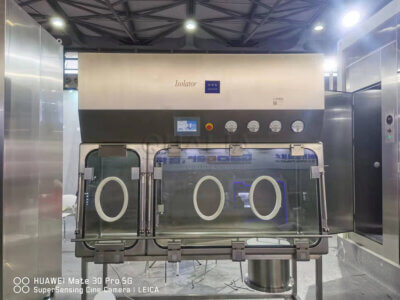
Стратегическая интеграция обеспечивает многоуровневую изоляцию. Компактные автоматизированные шкафы со специальной HEPA-фильтрацией могут выполнять рутинную пробоподготовку в среде с более низким уровнем BSL. При таком подходе более сложные и дорогостоящие целые помещения с защитой BSL-3 предназначены для процедур, связанных с высоким риском образования аэрозолей. Эта гибридная модель оптимизирует как безопасность, так и пропускную способность.
Протоколы технического обслуживания, проверки и соблюдения требований
Обязательное тестирование и валидация
Установленная система HEPA не соответствует требованиям до тех пор, пока она не будет проверена. Требуется первоначальное и ежегодное тестирование целостности с использованием полидисперсного аэрозоля (например, PAO, DOP) и фотометрического сканера для обнаружения утечек, превышающих 0,01% в швах фильтра и прокладках корпуса. Эта практика подробно описана в таких стандартах, как IEST-RP-CC001.6. Срок службы фильтра контролируется с помощью магнезиальных манометров или датчиков давления; постоянное увеличение перепада давления свидетельствует о нагрузке и сигнализирует о необходимости замены.
Безопасная дезактивация и смена одежды
Перед любым техническим обслуживанием загрязненной стороны системы обязательна газовая дезактивация. После успешного цикла деконтаминации замена фильтра должна быть выполнена с использованием процедуры BIBO, чтобы предотвратить облучение персонала. Документированная процедура блокировки/отключения вентилятора также важна для обеспечения электробезопасности во время технического обслуживания.
Постоянное бремя соблюдения требований
Соблюдение требований - это не разовое мероприятие, а постоянная операционная нагрузка. Деятельность должна быть согласована с CDC/NIH Биобезопасность в микробиологических и биомедицинских лабораториях (BMBL) и рекомендациям ВОЗ. Это требует тщательного документирования всех тестов, действий по техническому обслуживанию и сертификации фильтров. Бюджет на эти постоянные усилия по соблюдению требований так же важен, как и бюджет на само оборудование.
| Деятельность | Стандарт / Частота | Порог производительности |
|---|---|---|
| Испытание на целостность | Ежегодный аэрозольный вызов | Утечка < 0,01% |
| Мониторинг фильтров | Непрерывное падение давления | Триггерное изменение BIBO |
| Обеззараживание перед техническим обслуживанием | Обязательная газовая процедура | например, цикл VHP |
| Руководящая документация | ЦКЗ/НИИ БМБЛ, КТО | Постоянное соответствие нормативным требованиям |
Источник: IEST-RP-CC001.6 Фильтры HEPA и ULPA. Данная рекомендуемая практика содержит подробные рекомендации по тестированию и сертификации целостности HEPA-фильтров, включая процедуры сканирования и критерии проверки герметичности, необходимые для протоколов валидации.
Выбор подходящей системы HEPA: Система принятия решений
Классифицируйте стратегию BSL и давления
Первое решение - окончательное: классифицировать уровень биобезопасности лаборатории. От этого зависит, нужна ли вам фильтрация только для вытяжки (BSL-3) или для притока и вытяжки (BSL-4). Одновременно определите стратегию давления для каждой зоны - отрицательное для защиты персонала/окружающей среды, положительное - только для специфической защиты образцов. Этот основополагающий шаг позволяет избежать опасных архитектурных несоответствий.
Оцените возможности интеграции и поставщиков
Оцените, как предлагаемая система интегрируется в модульную конструкцию. Отдавайте предпочтение поставщикам, предлагающим предварительно протестированные, подключаемые и готовые к работе модули ОВКВ, которые снижают риск интеграции на объекте. Оцените опыт поставщика по быстрому развертыванию и устойчивость региональной цепи поставок, что очень важно для поддержания работы во время глобальных сбоев.
Настаивайте на интеллектуальных функциях мониторинга
Относитесь к интеллектуальному мониторингу не как к дополнительной опции, а как к стандартному требованию. IoT-датчики для получения данных о давлении, расходе воздуха и загрузке фильтров в режиме реального времени позволяют проводить прогнозируемое техническое обслуживание и предоставляют регулирующим органам цифровой след для аудита. Такая возможность превращает соблюдение требований из реактивного, отягощенного бумажной работой занятия в проактивный, основанный на данных процесс.
Следующие шаги: От спецификации к реализации
Завершите согласование технических характеристик с поставщиком модульных систем, чтобы обеспечить включение в заводскую сборку всех корпусов HEPA, резервных вентиляторов и логики управления. Обеспечьте региональных поставщиков критически важных запасных частей, таких как фильтры и датчики, чтобы снизить логистические риски. Разработайте подробный план ввода в эксплуатацию, в котором запланированы дезактивация воздуховодов, первоначальное тестирование фильтров и выравнивание давления сразу после установки. Одновременно определите текущий операционный бюджет для проверки соответствия требованиям, профилактического обслуживания и обучения персонала аварийным процедурам.
Этот комплексный подход позволяет использовать скорость и уверенность модульного строительства. Он превращает высококонтенгентный потенциал из стационарного капиталоемкого актива в подвижный, адаптируемый ресурс. Это демократизирует передовые исследования в области биобезопасности для небольших учреждений и создает суверенный потенциал быстрого реагирования на угрозы общественному здравоохранению.
Вам нужна профессионально разработанная система фильтрации HEPA, интегрированная в развертываемую модульную лабораторию? Изучите технические характеристики и пути интеграции, доступные на сайте QUALIA. Наша команда специализируется на предварительно проверенных, соответствующих коду модульных решениях в области биобезопасности, разработанных для быстрого развертывания и долгосрочной эффективности эксплуатации. Для получения подробной консультации по требованиям вашего проекта вы также можете Свяжитесь с нами.
Часто задаваемые вопросы
Вопрос: Каковы основные характеристики фильтров HEPA для модульной лаборатории BSL-3?
О: В лабораториях BSL-3 требуется наличие HEPA-фильтров на всех вытяжных вентиляциях с минимальной эффективностью 99,97% при 0,3 микрона (класс H13). Системы должны поддерживать отрицательный перепад давления не менее -12,5 Па и использовать газонепроницаемые корпуса с конструкцией bag-in, bag-out (BIBO). Характеристики фильтров классифицируются и тестируются в соответствии с такими стандартами, как EN 1822-1:2019. Это означает, что в вашей спецификации приоритет должен отдаваться фильтрации выхлопных газов и отказоустойчивому резервированию, а не более простым требованиям для BSL-2.
Вопрос: Как правильно подобрать размер системы фильтрации HEPA для модульной лаборатории биобезопасности?
О: Определение размеров начинается с расчета необходимого расхода воздуха с использованием объема помещения и обязательной скорости смены воздуха (ACH), которая составляет от 6 до 15 для BSL-3. Затем необходимо добавить объем вытяжки из шкафов биологической безопасности и отрегулировать приток для поддержания отрицательного давления. Наконец, рассчитайте общий перепад давления в системе, чтобы выбрать подходящие вентиляторы. Для проектов, в которых приоритетом является энергоэффективность, этот базовый расчет позволяет интегрировать такие компоненты, как электродвигатели EC, для оптимизации долгосрочных эксплуатационных расходов.
В: Каковы протоколы постоянного соблюдения и обслуживания установленной системы HEPA?
О: Для обеспечения соответствия требованиям требуется ежегодное тестирование целостности с использованием полидисперсного аэрозольного сканирования, при этом любая утечка, превышающая 0,01%, требует ремонта. Срок службы фильтра контролируется по падению давления, что позволяет безопасно заменить фильтр с помощью процедур BIBO, которым должна предшествовать газовая дезинфекция. Эта непрерывная эксплуатация соответствует таким рекомендациям, как CDC/NIH BMBL. Если ваша работа требует бесперебойной изоляции, планируйте стратегию обслуживания на основе условий эксплуатации с помощью датчиков IoT, чтобы свести к минимуму время простоя.
Вопрос: Чем отличаются требования к системе HEPA в лабораториях BSL-2 и BSL-3+?
О: Требования повышаются в зависимости от степени риска. В BSL-2 фильтрация HEPA обычно ограничивается первичными защитными устройствами, такими как шкафы биологической безопасности, в то время как в BSL-3 требуется HEPA для всего вытяжного воздуха. BSL-4 требует фильтрации как приточного, так и вытяжного воздуха, часто с использованием двойных последовательных фильтров и дублирующих вентиляторов. Такой многоуровневый подход определяется требуемой стратегией давления: отрицательное для локализации помещения. Поэтому объекты, работающие с агентами повышенного риска, должны выделять средства на создание значительно более сложных и избыточных систем.
Вопрос: Какие финансовые факторы следует учитывать, помимо первоначальной цены покупки модульной лабораторной системы HEPA?
О: Для настоящей финансовой оценки необходим анализ общей стоимости владения (TCO). Хотя капитальные затраты могут быть одинаковыми, модульные лаборатории часто показывают на 15-30% более низкую стоимость строительства и до 20% более низкие эксплуатационные расходы за счет эффективных компонентов. Важно отметить, что вы должны предусмотреть в бюджете расходы на постоянное соответствие требованиям, включая ежегодное тестирование, профилактическое обслуживание и документацию. Для организаций с меняющимися потребностями возможность снижения затрат на расширение в будущем на 40% делает модульный подход финансово привлекательным.
Вопрос: Какие стандарты регулируют испытания и классификацию фильтров HEPA для лабораторий с защитной оболочкой?
О: Характеристики и классификация фильтров HEPA определяются EN 1822-1:2019, в котором указаны минимальные уровни эффективности, такие как H13 (99,97% при 0,3 мкм). Кроме того, IEST-RP-CC001.6 содержит подробное руководство по изготовлению, тестированию и сертификации, включая процедуры сканирования. Это означает, что ваши протоколы закупок и валидации должны ссылаться на эти конкретные документы, чтобы гарантировать, что целостность фильтра соответствует строгим требованиям биобезопасности.
Вопрос: Как интеграция систем HEPA в модульную конструкцию лаборатории влияет на сроки развертывания?
О: Интеграция является преобразующим фактором для скорости. Компоненты систем отопления, вентиляции и кондиционирования воздуха и фильтрации предварительно собираются в потолочные кассеты или инженерные модули на месте, а перед отправкой проходят заводские приемочные испытания. Это позволяет отделить механическое развертывание от строительства на месте, что позволяет ввести в эксплуатацию функциональную лабораторию BSL за несколько дней, а не месяцев. Для проектов, где быстрое развертывание имеет решающее значение, например, при ликвидации вспышек заболеваний, следует отдавать предпочтение поставщикам с проверенным опытом работы с такими предварительно спроектированными и испытанными системами.
Сопутствующие материалы:
- Обработка воздуха в БСЛ-4: Критические требования к системе
- Модульные лаборатории BSL-4: Сокращение расходов без ущерба для здоровья
- HEPA-фильтрация в лабораториях BSL: Основное руководство
- Вентиляция лаборатории BSL-3: Дизайн для оптимальной безопасности
- Установка модульных лабораторий BSL-3: Руководство эксперта
- Обработка воздуха в BSL-3 и BSL-4: сравнение систем
- Вытяжные системы кабинетов биологической безопасности
- Контроль воздушного потока в лаборатории BSL-4: Обеспечение биобезопасности
- Замена HEPA-фильтров в изоляторах биологической безопасности