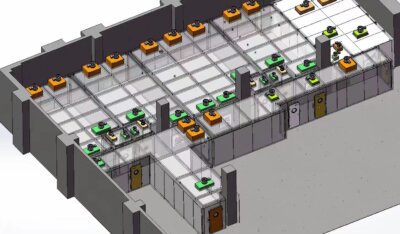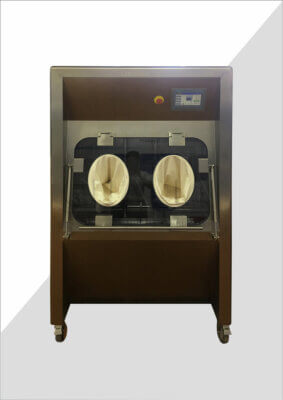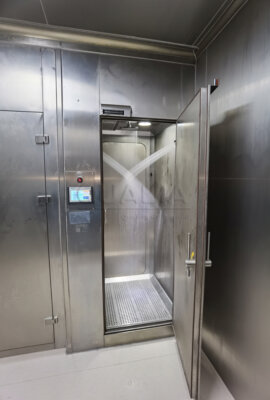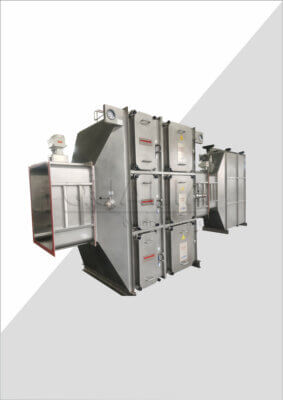

На предприятии появляется новый поток сточных вод, содержащий органический растворитель, который ранее не входил в утвержденный профиль отходов, — при этом система EDS в течение нескольких месяцев продолжает работать по тому же циклу “время-температура”. К тому моменту, когда специалист по биобезопасности, готовящийся к инспекции регулирующих органов, ставит под сомнение старые параметры валидации, данных об уничтожении микроорганизмов при изменившемся химическом составе уже нет, и отходы, которые, как предполагалось, были обеззаражены, могут оказаться несоответствующими требуемому стандарту обработки. Устранение этого пробела зачастую вынуждает приостановить прием новых отходов, задействовать резервные емкости для временного хранения и проводить ретроспективную валидацию в условиях дефицита времени. Ключевой вопрос здесь заключается не в том, «работает ли» система EDS по-прежнему, а в том, когда изменение характеристик отходов, условий работы инженерных систем или эксплуатационных параметров требует проведения официальной повторной валидации, и какие доказательства убедят регулирующий орган в том, что система по-прежнему обезвреживает отходы. Приведенные ниже технические ориентиры призваны помочь специалистам по биобезопасности, руководителям процессов валидации и инженерным командам принять такое решение до начала обработки следующей партии.
Изменения в составе отходов, влияющие на инактивацию
Нормативный критерий, заложенный в определении «обработки» в соответствии с законом США RCRA, является прямым: изменение профиля отходов имеет значение, если оно может свести на нет уже продемонстрированное изменение физических, химических или биологических свойств, благодаря которому отходы становятся неопасными. Это условие эффективности применяется независимо от того, содержит ли система EDS то же оборудование и те же номинальные уставки. Новая матрица отходов, существенно изменяющая теплопередачу, химическую нагрузку или профиль сопротивления целевых организмов, аннулирует существующую валидацию как доказательство летальности, даже если установка, по-видимому, работает в нормальном режиме.
Категории изменений, которые могут препятствовать инактивации, часто группируются в зависимости от характера этих изменений.
| Категория изменения профиля отходов | Примеры затронутых характеристик | Что необходимо подтвердить для повторной аттестации по системе EDS |
|---|---|---|
| Физическая | Содержание твердых веществ, вязкость, размер частиц | Подтвердите, что в результате обработки физические свойства отходов по-прежнему изменяются, в результате чего они перестают быть опасными |
| Химические | Органическая нагрузка, концентрации лигандов, химические помехи | Подтвердить, что лечение существенно снижает токсичность или уменьшает потенциал миграции |
| Инфекционный | Тип, концентрация или жизнеспособность микроорганизмов | Убедитесь, что обработка по-прежнему нейтрализует или инактивирует инфекционные свойства |
Не каждое изменение требует проведения полного цикла повторного ввода в эксплуатацию. Существенное изменение определяется тем, может ли данная характеристика помешать процессу обработки достичь требуемого результата в условиях наихудшего вероятного сценария эксплуатации. На объектах с высоким уровнем биологической защиты, где работают с микроорганизмами групп риска 3 или 4, оправданной позицией является перестраховка в виде повторной оценки. В монографии «Деконтаминация и управление отходами» из «Руководства ВОЗ по биобезопасности в лабораториях» подчеркивается, что при обработке отходов должен быть достигнут подтвержденный уровень инактивации, и что любое изменение в потоке отходов, которое может снизить этот уровень, требует повторной оценки. Типичная ошибка заключается в предположении, что разрешения на сброс в канализацию или результатов одного теста с биологическими индикаторами, проведенного при вводе в эксплуатацию, по-прежнему достаточно; скрытые издержки заключаются в том, что в ходе аудита выясняется, что изменение инфекционных характеристик так и не было сопоставлено с исходными данными об инактивации.
Изменения заданных значений для смешивания по времени и температуре или химических параметров
Когда изменение состава отходов приводит к изменению содержания органических лигандов, значения pH или буферной способности, нельзя больше предполагать, что исходные заданные значения времени, температуры, интенсивности перемешивания и дозировки химических веществ обеспечат ту же степень летальности. В хорошо охарактеризованной системе термической обеззараживания отходов (EDS) время выдержки и температура подбирались с учетом конкретной матрицы отходов; новая матрица, которая расходует больше тепла на фазовые переходы или побочные реакции, может сместить эффективное накопление F₀ в область, которая никогда не тестировалась. Та же логика применима к химической инактивации: если состав отходов теперь содержит соединения, которые вступают в конкурентную реакцию с дезактивирующим веществом, рассчитанное произведение «концентрация-время» может оказаться недостаточным.
Суть заключается не в том, что регулирующий орган автоматически потребует пересчета заданных значений, а в том, что под сомнение поставлена целостность проектного цикла. Если провести аналогию с оценками эффективности утилизации отходов: когда концентрации органических лигандов в инвентаре WIPP резко изменились, компетентный орган распорядился пересчитать пределы растворимости актинидов, поскольку прежние граничные значения утратили свою актуальность. Оператор установки EDS, столкнувшийся с аналогичным изменением химического состава отходов, должен рассматривать существующие границы «время-температура-химический состав» как недействительные до тех пор, пока оценка воздействия не подтвердит их адекватность. Если оценка покажет, что новые отходы потребляют больше тепловой энергии, замедляют перемешивание или истощают остаточный уровень дезинфицирующего средства, то заданные параметры цикла необходимо пересмотреть — при этом подтверждающие данные должны свидетельствовать о том, что пересмотренные параметры по-прежнему соответствуют стандарту обработки.
Опасность заключается в скрытом несоответствии между показаниями приборов и биологической реальностью. Система управления может сообщать, что в камере достигнута температура 121 °C и истекло заданное время выдержки, но если матрица отходов экранировала самое холодное место или поглощала тепло в ходе эндотермической реакции во время переходного процесса, биологическая летальность может остаться неоцененной. Таким образом, повторная квалификация предполагает не только корректировку заданных значений, но и повторное тестирование системы с использованием биологических индикаторов в новой матрице, чтобы подтвердить, что пересмотренный цикл обеспечивает стабильное логарифмическое снижение.
Вязкость твердых веществ, органическая нагрузка и химические помехи
Более высокое содержание твердых веществ, вязкость или органическая нагрузка не требуют автоматически полной повторной валидации, но становятся поводом для нее, если могут помешать системе EDS достичь требуемого изменения характеристик отходов. Практическим критерием служит результат эффективности по типу RCRA: если измененная матрица может существенно снизить способность системы обработки уменьшать токсичность или вероятность миграции опасных компонентов, существующая валидация перестает быть надежным показателем.
С точки зрения инженера по системам локализации, механизмы отказа носят конкретный характер. Повышенное содержание твердых частиц может приводить к тому, что микроорганизмы оказываются заключенными в агломераты, что изолирует их от термического или химического воздействия и создает градиент летальности, который стандартное размещение термопар при валидации никогда не фиксировало. Повышенная вязкость ухудшает перемешивание; в периодической системе EDS это может приводить к образованию стойких холодных зон даже после того, как показания температуры в объеме достигнут заданного значения. Большая органическая нагрузка создаёт химическую нагрузку, которая расходует окисляющие дезинфицирующие средства или отвлекает тепловую энергию на расщепление нецелевых молекул до того, как будет достигнуто критическое время воздействия. В наиболее коварных случаях эти эффекты взаимодействуют: вязкие отходы с высоким содержанием твердых частиц могут вызвать кавитацию в мешалке или короткое замыкание в контуре рециркуляции, что делает валидированную схему перемешивания неактуальной.
Чтобы определить, превышает ли конкретное изменение пороговое значение, необходимо структурированно проанализировать исходные проектные запасы прочности системы. Изменение потока отходов с водной суспензии с низким содержанием твердых веществ на суспензию с содержанием твердых веществ 5 % и умеренной нагрузкой по БПК может вполне укладываться в возможности термической системы EDS, рассчитанной на соответствующую мощность, однако такой же скачок в системе, которая уже работала на пределе своих возможностей по перемешиванию и нагреву, может вывести ее рабочие характеристики за пределы утвержденных параметров. Наиболее прагматичным подходом является проведение мелкомасштабного термического или химического испытания с новой матрицей в условиях наихудшей нагрузки с использованием образцов подверженных воздействию организмов или суррогатных индикаторов, а также сравнение результатов с исходными данными ввода в эксплуатацию. Без такого сравнения оператор полагается на допущение, которое будет трудно обосновать.
Мощность энергетических объектов в рамках новых эксплуатационных ограничений
Изменение стратегии заданных значений часто влечет за собой скрытые последствия для коммунальных систем. Повышение температуры удержания или увеличение продолжительности цикла может привести к росту пиковой потребности в паре; добавление этапа химической последующей обработки может увеличить расход деионизированной воды и охлажденной воды для охлаждения; более высокая пропускная способность может привести к превышению первоначально предусмотренного расчетного запаса по электрической нагрузке на насосы и мешалки. Если инженерная инфраструктура объекта не способна выдержать новую пиковую нагрузку при одновременном спросе со стороны автоклавов, систем отопления, вентиляции и кондиционирования воздуха (ОВКВ) и других инженерных систем здания, система EDS может не достичь или не поддерживать заверенное состояние именно тогда, когда это наиболее необходимо — во время одновременной работы на полной нагрузке.
Это не является формальным этапом валидации химического процесса инактивации, но представляет собой проверку эксплуатационной готовности, от которой зависит успех или провал повторной квалификации. В одной из типичных ситуаций на этапе реализации проекта команда по валидации успешно демонстрирует новый цикл в ходе автономного испытания, но затем система отключается из-за низкого давления пара во время интегрированного запуска на всей площадке. Доработка предполагает не только повторную настройку заданных значений системы EDS, но и модернизацию системы распределения инженерных сетей или ступенчатое распределение нагрузок — изменения, которые влекут за собой собственные задержки в графике и риски взаимодействия. По этой причине пределы мощности инженерных сетей следует перепроверить как можно раньше в рамках плана повторной квалификации, используя расчеты нагрузки, отражающие наихудший сценарий одновременного спроса в соответствии с пересмотренным профилем эксплуатации.
Старые и новые записи о границах валидации
Обоснованный пакет документов по переквалификации зависит от четкого сопоставления ранее утвержденного диапазона отходов с предлагаемым, а также от документирования оценки воздействия, которая связывает эти два диапазона.
| Компонент записи | Что это демонстрирует | Нормативная база |
|---|---|---|
| Предыдущая документация по конвертам для отходов | Исходные условия, определенные в ходе предыдущей валидации системы EDS и в разрешении | История выдачи первоначального разрешения и соблюдения требований |
| Обновленная документация по конвертам для отходов | Новые характеристики отходов, перечень и предельные значения | Требование о представлении данных об изменениях и новых предельных значениях в соответствии с §6925(c)(1) Закона RCRA |
| Оценка воздействия или расчет базовых показателей для оценки эффективности (PABC) | Как это изменение влияет на способность системы обеспечивать соблюдение стандартов лечения | Подтверждает постоянное соблюдение требований §6924(m)(1) |
| Документы, подтверждающие повторную сертификацию или повторное одобрение | Официальное утверждение регулирующим органом измененных предельных значений | Предоставляет правовые полномочия на эксплуатацию обновленной системы EDS |
| Обоснование изменения разрешения (при необходимости) | Основания для внесения изменений в разрешение на обращение с отходами | Требование, предусмотренное §6925, в случае изменения характеристик отходов или методов их переработки |
Наиболее распространенный пробел в обеспечении соответствия возникает, когда команда не может предоставить четкое описание прежнего диапазона допустимых значений. Если в первоначальном отчете о валидации отходы описывались лишь как “жидкие биологические отходы, образующиеся в результате деятельности уровня BSL-3” без указания количественных ограничений на содержание твердых веществ, органических компонентов или химических составляющих, то любое последующее изменение невозможно оценить по отношению к базовому уровню. Аудиторы вполне обоснованно спросят: для обработки чего была проверена система? Без ответа на этот вопрос оператор не сможет доказать, что новые параметры находятся в пределах или за пределами валидированного диапазона. Аналогичная ситуация в фармацевтических GMP, где Приложение 15 к EudraLex требует, чтобы изменения, вызывающие повторную квалификацию, систематически оценивались по сравнению с исходным проектом и базовыми показателями квалификации, подтверждает те же ожидания в другом секторе. В сфере переработки опасных отходов регулирующие органы, рассматривающие вопрос об изменении разрешения или дело о принудительном исполнении, будут руководствоваться той же логикой: «Покажите мне старые границы, новые границы и доказательства, связывающие их». Откладывание подготовки такой документации до самого преддверия инспекции зачастую приводит к дорогостоящей остановке работ и ретроспективному анализу пробелов, который был бы простым делом, если бы был проведен сразу после первоначального предложения об изменении.
Доказательства переквалификации до внедрения обновленной системы EDS
Прежде чем система EDS может быть вновь введена в эксплуатацию с измененным профилем отходов, оператор должен собрать доказательства того, что процесс переработки по-прежнему обеспечивает требуемое изменение характеристик отходов.
| Тип доказательства | Триггер для требования | Что необходимо доказать |
|---|---|---|
| Оценка запасов и документация по цепочке поставок | Осуществляется в рамках системы контроля | Общий перечень отходов не превышает установленных предельных значений, что подтверждается поддающимися аудиту измерениями и ведением учета |
| Анализ воздействия ранее исключенных компонентов отходов | Когда вводится новый компонент отходов или обоснование для его исключения теряет силу | Данные, свидетельствующие о том, что данный компонент не оказывает существенного влияния на эффективность лечения, либо о том, что он включен в новую систему оценки эффективности |
| Повторная оценка эффективности лечения | После любого изменения профиля отходов | В ходе процесса переработки отходы по-прежнему претерпевают необходимые изменения, позволяющие признать их неопасными (существенное снижение токсичности или уменьшение миграции) |
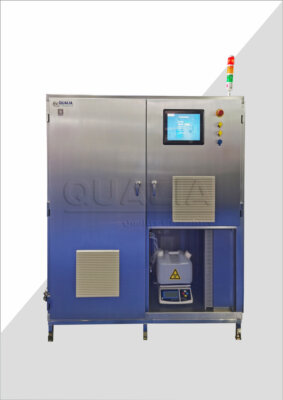
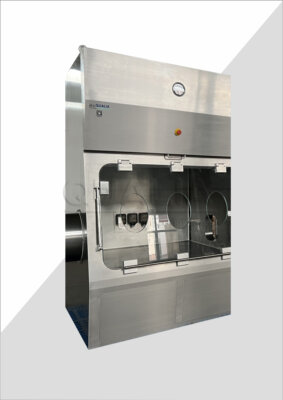
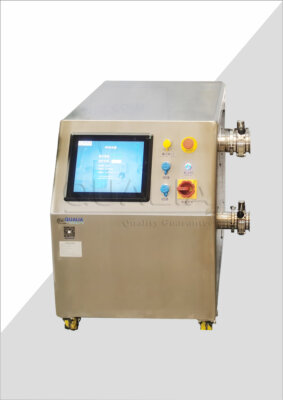
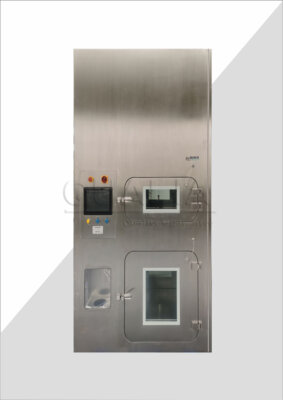
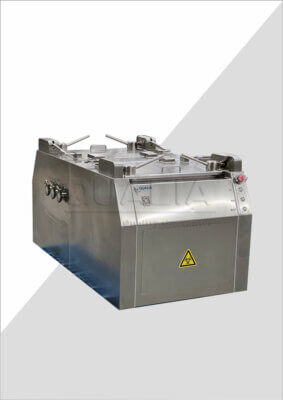
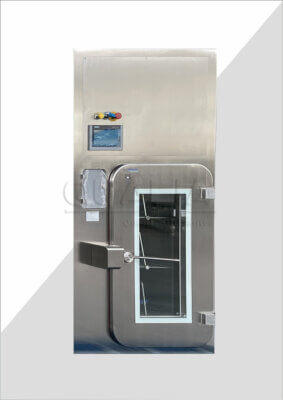
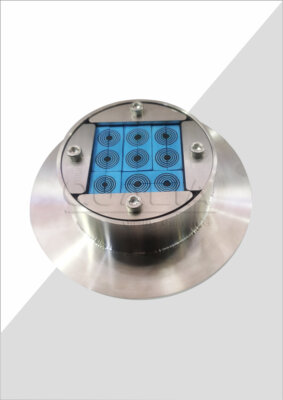
Пакет доказательств построен вокруг основной демонстрации эффективности, однако его полнота с точки зрения регулирующего органа зачастую зависит от того, насколько тщательно в нём рассмотрены компоненты отходов, которые ранее считались незначительными. Следовой растворитель, который был исключен из первоначальной валидации из-за того, что его концентрация была ниже уровня обнаружения, может стать основным компонентом в новом профиле. Если оператор не сможет доказать, что растворитель не мешает процессу очистки — либо с помощью нового лабораторного испытания, либо с помощью документально подтвержденного обоснования, основанного на химических принципах конструкции системы, — регулирующий орган, скорее всего, откажет в выдаче разрешения на эксплуатацию. Оборудование, такое как система обеззараживания стоков BioSafe, которая обеспечивает регистрацию параметров нагрева и перемешивания наряду с доступными портами для валидации, может упростить сбор таких дополнительных доказательств, однако бремя доказательства инактивации в новой матрице по-прежнему лежит на плане испытаний оператора и записях о цепочке ответственности. Практическая проблема заключается в том, что некоторые предприятия недооценивают время, необходимое для изготовления репрезентативной испытательной партии, проведения испытаний с биологическими индикаторами и составления сравнительного отчета. Когда эти сроки вступают в противоречие с производственной необходимостью начать переработку нового потока отходов, возникает соблазн приступить к переработке, опираясь исключительно на анализ документации — такой выбор создаёт риск несоблюдения нормативных требований, устранение которого впоследствии обходится гораздо дороже.
Наиболее часто упускаемым из виду доказательством является обновленная обоснование исключения. Во многих случаях новый компонент не входил в первоначальную экспертизу исключений, поэтому отсутствуют записи о том, что он рассматривался. Повторная оценка должна либо подтвердить, что данный компонент по-прежнему несущественен при новых концентрациях и условиях эксплуатации, либо включить его в рамки допустимых показателей с помощью специального испытания. Обоснованная заявка на повторную квалификацию явно устраняет этот пробел, связывая обновленные меры контроля запасов с повторной оценкой эффективности очистки, так что инспектор может проследить всю логику от определения характеристик отходов до окончательного решения о сбросе.
Завершение процесса повторной квалификации без этой цепочки — это не просто недостаток в документации; это операционный риск, связанный с тем, что система может производить отходы, которые по-прежнему подпадают под определение опасных, когда они попадают в канализацию или накопительный резервуар — и об этом никто не узнает, пока это не выявит проверка с использованием биологических индикаторов или не будет зафиксировано в ходе экологического мониторинга.
Наиболее конкретным следствием для любого объекта, на котором изменяется состав отходов, является то, что существующая валидация системы EDS, какой бы тщательной она ни была, была ориентирована на конкретный набор характеристик отходов и условий эксплуатации, которые теперь могут быть утрачены. Повторная валидация — это не повторное тестирование оборудования; это подтверждение того, что результат обработки — превращение отходов в неопасные — остается неизменным в новых условиях. Подготовительная работа, которая окупается во время аудита, заключается в параллельном сравнении старых и новых характеристик отходов, в документированной оценке того, может ли данное изменение создать укрытие для микроорганизмов или изменить химический состав обрабатываемого раствора, а также в проверке мощности системы, подтверждающей, что установка по-прежнему способна достигать требуемых заданных значений при пиковом одновременном спросе. Когда этот комплекс мер включает повторное испытание эффективности очистки в новой матрице и чёткую цепочку обоснований исключений, он предоставляет регулирующему органу необходимый аудиторский след, а оператору — доказательства, необходимые для того, чтобы приступить к использованию пересмотренной системы EDS с уверенностью, а не с надеждой.
Часто задаваемые вопросы
Вопрос: Что делать, если на нашем объекте никогда не документировался исходный диапазон отходов для валидации системы EDS — можно ли всё равно провести повторную валидацию после внесения изменений?
A: Да, но прежде чем какие-либо новые данные обретут смысл, необходимо восстановить исходные рамки. Без старых границ невозможно оценить, является ли изменение значимым. Начните с сбора исходных технических спецификаций оборудования, матриц пуско-наладочных испытаний, исторических данных по характеристикам отходов и любых сохранившихся обоснований разработки циклов, чтобы сформировать обоснованный базовый уровень. Затем проведите ретроспективный анализ несоответствий по сравнению с новым профилем. Эта реконструированная граница будет тщательно изучена инспекторами, поэтому она должна быть консервативной — при отсутствии данных исходите из наихудших условий, на которые система могла быть рассчитана, и основывайте свою оценку воздействия именно на этом.
Вопрос: После утверждения пакета документов, подтверждающих повторную квалификацию, каков первый оперативный шаг, необходимый для безопасного начала переработки нового потока отходов?
A: Перед переходом на нормальную производительность необходимо провести контрольную стартовую партию под полным мониторингом. Даже после успешного тестирования с использованием биологических индикаторов переход к рутинной эксплуатации может выявить взаимодействия (например, кавитацию насоса, падения давления пара под нагрузкой), которые не были обнаружены в лабораторных испытаниях. Запланируйте первый цикл с усиленным отбором проб, регистрацией критических параметров в режиме реального времени и приостановкой слива до тех пор, пока анализ результатов после завершения цикла не подтвердит, что все заданные параметры были соблюдены. Сохраняйте старый валидированный поток отходов в резерве до тех пор, пока этот первый цикл не будет проверен, чтобы избежать образования смешанных отходов с неопределенным статусом.
Вопрос: Насколько незначительным может быть изменение профиля отходов, чтобы не потребовалась полная переаттестация?
A: Это можно считать незначительным, если новая характеристика остается в пределах исходных проектных границ и не влияет на какие-либо факторы, способные защитить организмы или снизить летальность. Например, незначительное изменение pH, остающееся в пределах диапазона щелочности, уже проверенного во время ввода в эксплуатацию, или минимальное увеличение концентрации твердых веществ в пределах допустимого запаса прочности системы перемешивания и нагрева, можно отразить в задокументированной инженерной записке вместо проведения полного повторного тестирования биологическими индикаторами. Ключевым моментом является наличие заранее установленного порогового значения в вашей процедуре контроля изменений — если вы можете с помощью данных продемонстрировать, что наихудший вероятный сценарий по-прежнему находится в пределах допустимого, вы избежите прохождения полного цикла.
Вопрос: В каких случаях инженерная оценка может заменить испытание с использованием нового биологического индикатора в рамках повторной аттестации?
A: Когда оценка позволяет однозначно доказать, что данное изменение не приводит к появлению нового защитного механизма у организмов и не ухудшает способность системы очистки равномерно дозировать требуемую дозу энергии или химических веществ. Если изменение матрицы затрагивает лишь те параметры, которые и так находились в пределах запаса прочности — например, незначительное увеличение нереактивной органической нагрузки, не выходящее за пределы проверенного распределения теплопередачи, — то расчетов и исторических данных может оказаться достаточно. Однако если изменение может привести к образованию холодных зон, удержанию микроорганизмов внутри твердых частиц или расходованию дезинфицирующего средства в побочной реакции, единственным обоснованным путем является проведение новых испытаний с использованием биоиндикаторов на реальной матрице отходов. Решающим фактором является то, создает ли данное изменение непроверенный защитный барьер для целевых микроорганизмов.
Вопрос: Стоит ли инвестировать в систему EDS со встроенными средствами проверки, чтобы сократить будущие затраты на повторную аттестацию?
A: Для объектов, на которых ожидаются периодические изменения состава отходов, ответ зачастую положительный — сокращение времени на ручной отбор проб, устранение пробелов в регистрации данных и снижение трудозатрат на подготовку к аудиту могут компенсировать более высокие первоначальные капиталовложения. Современные системы, такие как система деконтаминации сточных вод BioSafe, обеспечивают регистрацию параметров нагрева и перемешивания и оснащены доступными портами для валидации, что ускоряет сбор пакета доказательств для повторной валидации и снижает риск неудачного аудита из-за отсутствия данных. Инвестиции следует сопоставить со стоимостью одной задержки в обеспечении соответствия требованиям или ретроспективной валидации; для объектов уровня BSL-3/4 один только операционный риск, как правило, оправдывает приобретение такой системы.