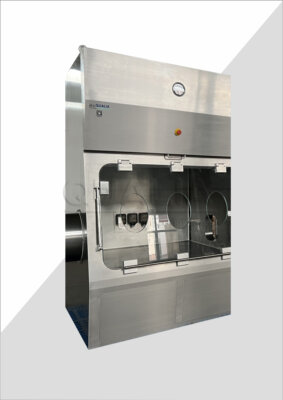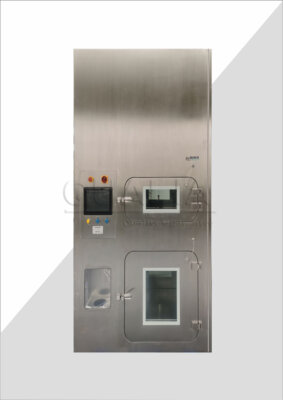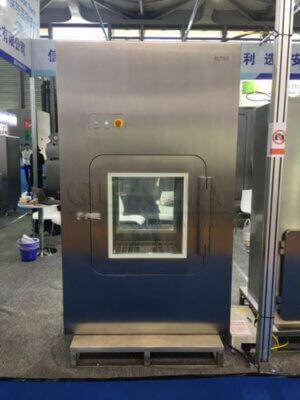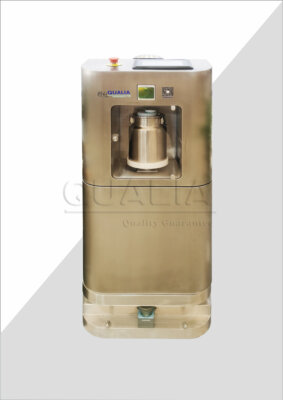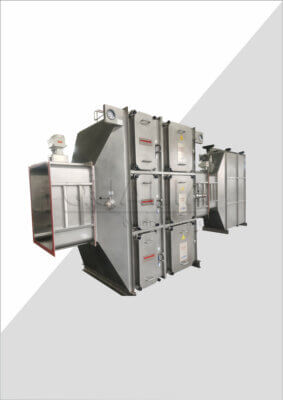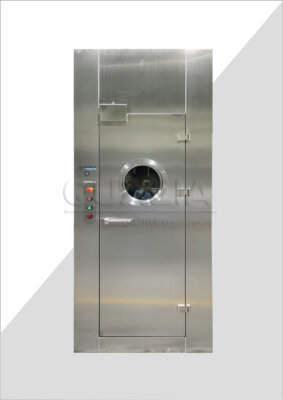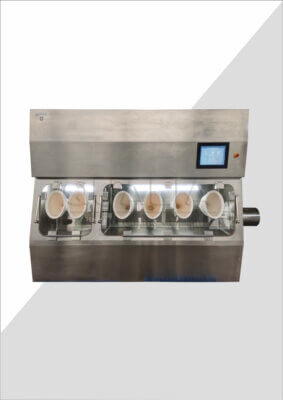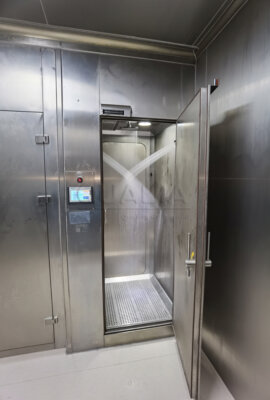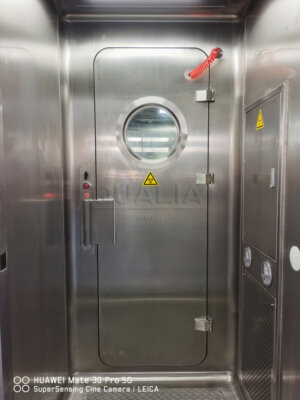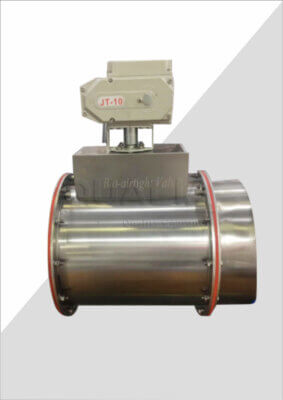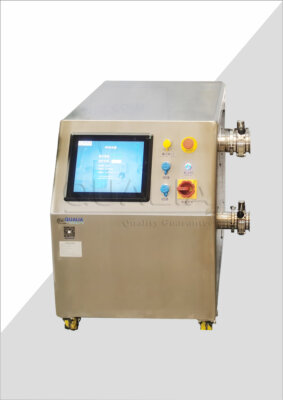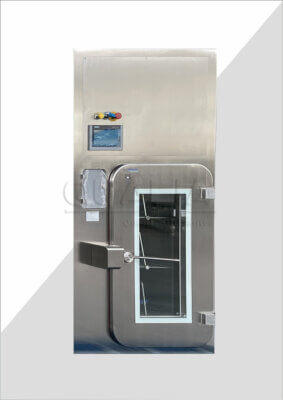

Неправильный выбор технологии барьерной защиты на этапе разработки концепции редко выявляется сразу. Ошибка обычно становится заметной спустя несколько месяцев — во время мониторинга промышленной гигиены, инспекции перед выдачей разрешения или расследования случаев воздействия на оператора — когда установка cRABS, предназначенная для работы с соединением OEB5, не может предоставить доказательства по пути вмешательства, необходимые для обоснования защиты оператора. На этом этапе единственным надежным средством исправления ситуации является модернизация изолятора на поздней стадии: изменение объема работ, которое нарушает классификацию помещений, интерфейсы систем отопления, вентиляции и кондиционирования воздуха (ОВКВ), расположение переходных портов и всю программу квалификации. Решение, позволяющее избежать такого исхода, заключается не в том, какая технология абстрактно демонстрирует лучшие характеристики, а в том, согласованы ли профиль вмешательства, метод передачи и доказательства локализации риска до того, как проект будет утверждён. Приведённая ниже информация даёт специалистам по биобезопасности, группам контроля качества и руководителям инженерных подразделений структурированную основу для принятия правильного решения с первого раза.
Частснпкшибт«рг м ов о тьатьввл еаакт-ойехтлеаьелыреррфия»
Частота вмешательств — это первый параметр, который отличает обоснованный выбор системы cRABS от того, который не выдержит тщательной экспертизы по локализации рисков. Логика заключается в следующем: каждое вмешательство через перчатку-рукавицу в закрытой системе RABS представляет собой момент, когда оператор физически соприкасается с технологической средой. В системе cRABS двери открываются только для первоначальной настройки оборудования, а затем остаются запертыми; весь последующий доступ к технологическому процессу осуществляется через порты с перчатками-рукавами. Это ограничение определяет границы того, что система cRABS может обеспечить разумную защиту. Когда вмешательства редки и кратковременны, случаи взаимодействия носят дискретный характер, их легко контролировать и документировать. Когда вмешательства часты или сложны, совокупный риск воздействия в течение всей партии нарастает таким образом, что протоколы дезинфекции и проверки целостности перчаток не могут полностью его компенсировать.
Системы оценки рисков, разработанные в соответствии с рекомендациями ISPE, подразделяют риск обеспечения стерильности (SAR) на ориентировочные категории — в целом низкий, средний и высокий — исходя из количества и сложности вмешательств. Это не являются фиксированными нормативными классификациями; они служат в качестве критериев планирования, помогающих соотнести поведение процесса с технологией барьерной защиты. На практике это означает, что SAR и токсичность продукта представляют собой две ортогональные оси риска. Процесс с низкой частотой вмешательств может иметь приемлемый показатель SAR сам по себе, но если соединение относится к классу OEB4 или OEB5, токсичность перевешивает этот благоприятный показатель SAR и по-прежнему требует доказательств локализации риска, которые большинство установок cRABS не могут обеспечить пассивным образом.
Здесь следует избегать ошибки, заключающейся в проектировании с учетом оптимистичных предположений о вмешательстве. Процессы на ранних этапах часто кажутся проще, чем они становятся при внедрении в промышленных масштабах. Если техническое задание (URS) составлено с учетом минимального объема ручных вмешательств, а впоследствии выясняется, что процесс требует частого отбора проб, корректировки или манипуляций с оборудованием, классификация SAR повышается — и барьерная технология, выбранная для сценария с низким показателем SAR, может оказаться больше не подходящей. Завершение выбора cRABS на раннем этапе без документирования конкретных схем вмешательств, их частоты на каждую партию и механизмов контроля локализации делает этот выбор уязвимым для оспаривания при каждом последующем пересмотре.
Различия в процессах перемещения и деконтаминации между системами cRABS и изоляторами
Архитектура деконтаминации и перемещения в барьерной системе не является второстепенной конструктивной особенностью. Это механизм, с помощью которого обеспечивается целостность системы локализации между циклами производства и во время перемещения материалов, а различия между системами cRABS и изоляторами на этом уровне напрямую влияют на объем валидации, продолжительность цикла и обоснованность заявлений о локализации.
В закрытом изоляторе передача материала осуществляется за счет поддержания герметичной границы на протяжении всего рабочего цикла, при этом соединение со вспомогательным оборудованием осуществляется через асептические соединения, а не через отверстия, выходящие в окружающую среду. Такая конструкция означает, что предотвращение загрязнения является конструктивным свойством системы, а не результатом соблюдения процедур. Деконтаминация между циклами производства осуществляется с помощью валидированных циклов стерилизации высокочастотным паром (или эквивалентными методами) со спороцидным действием, которые должны демонстрировать эффективность снижения концентрации на порядок по отношению к биологическим индикаторам в соответствии с ISO 13408-6 — системой испытаний, определяющей доказательную базу для квалификации деконтаминации изолятора.
| Аспект | Изолятор | Закрытый RABS |
|---|---|---|
| Метод обеззараживания | Проверенные циклы дезактивации по стандарту VHP (или эквивалентному) | Проверенная дезинфекция |
| Передача материала | Асептическое соединение со вспомогательным оборудованием; сохраняет герметичность на протяжении всего рабочего цикла | Перепускные отверстия для локализации утечки |
Объем работ по валидации циклов стерилизации паром под высоким давлением (VHP) является значительным, и его не следует недооценивать. Разработка цикла требует определения значений D, установления параметров полуцикла и избыточной стерильности, подтверждения совместимости материалов для всех внутренних поверхностей и инструментов, а также демонстрации воспроизводимости результатов при использовании загрузок, типичных для производственных условий. В проектах с жесткими сроками этот объем работ зачастую недооценивается на этапе планирования. Компромисс заключается в том, что после валидации цикла надежность локализации не зависит от соблюдения процедур во время эксплуатации — она зависит от функционирования оборудования. Это принципиально более обоснованная позиция при аудите GMP, чем подход, основанный на дезинфекции, при котором выполнение процедур человеком является частью заявления о локализации.
В случае cRABS валидированные процедуры дезинфекции и работы с переходными портами могут служить достаточным доказательством локализации, если соединение имеет низкий уровень токсичности и профиль вмешательства является благоприятным. Однако термин “валидированный” в данном контексте несет в себе особую нагрузку: процедуры дезинфекции должны быть квалифицированы с учетом конкретных возбудителей и поверхностей, а переходные порты должны продемонстрировать способность обеспечивать локализацию в условиях эксплуатации. На уровнях OEB4 или OEB5 требования к доказательствам ужесточаются. Подход к дезинфекции, который не вызвал бы споров при асептическом применении, не означает автоматически обоснованного утверждения о локализации рисков для высокоактивного соединения. Вопрос, который отделы закупок и контроля качества должны задать на раннем этапе, заключается в том, удовлетворит ли пакет документов по валидации дезинфекции — а не только стандартная операционная процедура (SOP) — требования проверки эффективности локализации рисков.
Пробел в защите оператора при полуоткрытых вмешательствах
Термин “закрытая система RABS” подразумевает герметичную рабочую среду, однако такая герметичность носит условный характер. В ходе нормальной эксплуатации система изолирована от внешней среды, однако порты для перчаток представляют собой постоянные, доступные интерфейсы. В хорошо контролируемом процессе с минимальным количеством вмешательств эти порты используются редко, и их вклад в риск воздействия на оператора ограничен. В процессе, требующем повторяющихся ручных вмешательств — даже кратковременных — каждый доступ через перчаточный порт представляет собой полуоткрытое событие, при котором целостность барьера зависит от состояния перчаток, техники работы и перепада давления воздуха в данный момент.
В отношении соединений класса OEB5 модели риска, разработанные в соответствии с требованиями ISPE, рассматривают даже среднюю частоту вмешательств как несовместимую с системой cRABS — не потому, что каждое отдельное вмешательство гарантированно приводит к воздействию, а потому, что совокупную вероятность события, приводящего к утечке, в пределах одной партии — вследствие микроразрывов, износа перчаток, отклонений в технике работы или переходных явлений отрицательного давления — сложно ограничить до уровня, соответствующего предельно допустимым концентрациям (OEL), измеряемым в нанограммах на кубический метр. Пороговое значение для планирования не является нормативным запретом; оно выступает в качестве результата моделирования риска, указывающего на то, что пробел в защите невозможно надежно устранить исключительно с помощью процедурных мер контроля.
Характер сбоев имеет определённую закономерность: команды, разрабатывающие систему cRABS для применения в условиях OEB5, часто исходят из неявного предположения, что вмешательства будут происходить редко. Когда же в процессе требуется больше ручного вмешательства, чем предполагалось — устранение неисправностей, проверки в ходе производства, настройка оборудования — частота вмешательств превышает показатели локализации рисков, полученные в ходе квалификации. Мониторинг гигиены труда, проводимый в производственных условиях, может тогда выявить средневзвешенные по времени уровни воздействия, превышающие предельно допустимую концентрацию (OEL). В этот момент установку системы cRABS невозможно обосновать без либо перепроектирования процесса с целью устранения вмешательств (что может оказаться неосуществимым), либо замены барьерной системы.
Последствия данного пробела не ограничиваются лишь безопасностью операторов. Случай выхода вещества за пределы изолятора или превышение уровня облучения на объекте класса OEB5, как правило, влечет за собой уведомление регулирующих органов, приостановку производства и полное расследование причин происшествия. Если по итогам расследования будет установлено, что система барьеров оказалась неадекватной для класса токсичности данного соединения, корректирующей мерой станет смена технологии барьеров, а не обновление процедур. Для применений класса OEB5 практические рекомендации, вытекающие из рамок, согласованных с ISPE, заключаются в том, что ручные вмешательства должны быть сведены к минимуму независимо от выбора барьера, и что использование изоляторов является крайне предпочтительным исходным вариантом, если только документально подтвержденные данные не демонстрируют эффективность локализации cRABS на требуемом уровне OEL.
Компромисс между асептическим контролем и локализацией активных соединений
Проблема, которая чаще всего приводит к неверному выбору технологии, заключается в определении приоритетов рисков. В проектах, разрабатываемых с точки зрения асептической переработки, обычно на первый план выходит обеспечение стерильности — контроль загрязнения, мониторинг окружающей среды, классификация по стандарту ISO — а локализация рассматривается как вторичный фильтр, применяемый на последующих этапах. Для соединений с уровнем OEB ниже 4 такой порядок оправдан. Для соединений с уровнями OEB 4 и 5 это не так.
Когда токсичность продукта достигает уровня OEB4 или выше, доминирующим фактором риска становится локализация. Практическим следствием такого сдвига в приоритетах является то, что благоприятный профиль SAR — процесс с небольшим количеством вмешательств и низким показателем риска обеспечения стерильности — сам по себе не оправдывает выбор cRABS. Класс токсичности требует, чтобы данные по локализации оценивались в первую очередь, независимо и с той же строгостью, что и показатели асептичности. В философии ISPE Risk-MaPP это формулируется как перераспределение весов: при достижении уровня OEB4 ось риска, связанного с локализацией, имеет больший вес при принятии решения, чем ось контроля за загрязнением. Конкретные параметры взвешивания, используемые в той или иной модели риска, носят иллюстративный характер и не являются универсально предписанными, однако вывод по направлению остается последовательным: OEB ≥ 4 явно свидетельствует в пользу использования изолятора, а OEB5 делает этот выбор фактически обязательным при отсутствии убедительных доказательств обратного.
Скрытый компромисс заключается в том, что две цели — асептический контроль и локализация активных соединений — предъявляют частично противоречивые требования к помещениям и эксплуатации. Изолятор может работать в условиях фоновой среды класса ISO 8, поскольку его герметичная конструкция защищает технологический процесс от окружающего пространства; границей локализации является само оборудование, а не помещение. Система cRABS должна располагаться в среде класса ISO 7 или выше, поскольку в рамках своей стратегии контроля загрязнения она опирается на классификацию помещения. Это различие влияет на затраты на объект: содержание производственного комплекса класса ISO 7 обходится дороже и требует более интенсивного технического обслуживания, чем фоновая среда класса ISO 8, а это означает, что система cRABS, выбранная из-за своей эксплуатационной гибкости, может создать более высокую нагрузку на объект в течение всего жизненного цикла, чем тот изолятор, которого она должна была заменить. Команды, которые формулируют выбор между cRABS и изолятором исходя из капитальных затрат или удобства доступа к оборудованию, не учитывая при этом требования к классификации помещений, часто обнаруживают истинное соотношение затрат только на этапе детального проектирования — когда объем работ по механическому оборудованию и системам отопления, вентиляции и кондиционирования воздуха (ОВКВ) уже определён.
В случае проектов, сочетающих асептическую обработку с работой с препаратами высокой фармацевтической активности (HPAPI), на практике рекомендуется сначала провести оценку по обеим осям риска независимо друг от друга, прежде чем применять какое-либо комбинированное взвешивание. Если оценка уровня локализации рисков для OEB4/5 уже указывает на необходимость использования изолятора, требования к асептическим характеристикам следует использовать для определения конструкции изолятора, а не в качестве основания для пересмотра выбора технологии. Qualia Bio’s Изолятор OEB4 / OEB5 и Асептические изоляторы / Изоляторы для проверки стерильности Рассматривать эти две оси производительности как отдельные конфигурации проектирования — это правильный инженерный подход в случае, когда оба ограничения являются реальными.
Селекционный шлюз для барьерной технологии OEB4/OEB5
Круг возможных вариантов применения OEB4 и OEB5 быстро сужается при последовательном применении трёх критериев: частоты вмешательства, подхода к перемещению и дезактивации, а также преобладания мер локализации, обусловленного токсичностью. Приведённая ниже матрица OEB/SAR отражает итоги данного анализа.
| Уровень ОЭБ | Уровень SAR | Требуемая технология создания барьера | Ключевое условие |
|---|---|---|---|
| OEB4 | Низкий | Закрытый RABS | Тре пксевни рноендчндеожр овтоалюлпит аоми ееземво я ихс плеиоцолтындадзн веидуадяуаотр;обьл е ыбтор |
| OEB4 | Средний или высокий | Изолятор | — |
| OEB5 | Любой | Изолятор | Обязательно; ручные вмешательства должны быть сведены к минимуму |
Для OEB4 при низком показателе SAR использование cRABS по-прежнему допускается в рамках стандартов, согласованных с ISPE, но только при соблюдении определенных условий. Условием является наличие задокументированных доказательств герметичности: валидированных методов переноса, квалифицированных протоколов дезинфекции и, в идеале, данных мониторинга суррогатных или фактических аэрозолей, демонстрирующих, что уровень воздействия на оператора во время вмешательств через перчаточный порт надежно ограничен значением ниже OEL. Эти доказательства должны относиться конкретно к данному виду вмешательства, а не носить общий характер. Испытание эффективности локализации, проведенное без каких-либо вмешательств, не является основанием для выбора cRABS для технологического процесса, требующего таких вмешательств. Если такие доказательства отсутствуют или их невозможно получить до утверждения проекта, более безопасным решением будет переход на использование изолятора на уровне OEB4 независимо от значения показателя SAR.
Для OEB5 при любом уровне SAR обязательным исходным положением является изолятор. Сравнение классификаций помещений подтверждает это с точки зрения планирования объекта.
| Барьерная технология | Требуемая классификация номера | Примечания |
|---|---|---|
| Изолятор | Класс ISO 8 или изолированная зона смешивания | Оборудование, надлежащим образом изолированное от внешней атмосферы |
| Закрытый RABS | Класс ISO 7 или выше | Как правило, размещаются в помещениях класса ISO 7 или выше |
Разница в классификации помещений имеет значение не только с точки зрения соблюдения нормативных требований. Установка изолятора в помещении с фоновым уровнем ISO 8 требует меньших затрат на инфраструктуру объекта, чем установка системы cRABS в помещении класса ISO 7, и эта разница усугубляется при расчете мощности систем отопления, вентиляции и кондиционирования воздуха (ОВКВ), определении требований к переодеванию, разработке программ мониторинга состояния окружающей среды и проведении периодической переаттестации. Для операций с высокой пропускной способностью, осуществляемых с очень высокой производительностью на единицу, система cRABS может оставаться приемлемым решением, поскольку автоматизированное высокоскоростное наполнение в таких масштабах может снизить частоту ручного вмешательства до уровня, при котором можно обеспечить герметичность — однако это исключение из правил проектирования, обусловленное пропускной способностью, а не общее одобрение использования системы cRABS для сильнодействующих соединений.
Практическая проверка перед окончательным утверждением выбора технологии на этапе OEB4/5 заключается в подтверждении трёх моментов: во-первых, что все пути ручного вмешательства были выявлены и задокументированы с указанием частоты для каждой партии; во-вторых, что имеются или планируются подтверждённые данные о локализации рисков при этих конкретных условиях вмешательства; и, в-третьих, что классификация помещений, требуемая выбранной системой, была учтена в объёме проектирования объекта до заключения контрактов на механическое оборудование и системы отопления, вентиляции и кондиционирования воздуха. Отсутствие хотя бы одного из этих условий на этапе разработки концепции приводит к тому, что выбор технологии превращается в проблему соблюдения нормативных требований на поздних этапах.
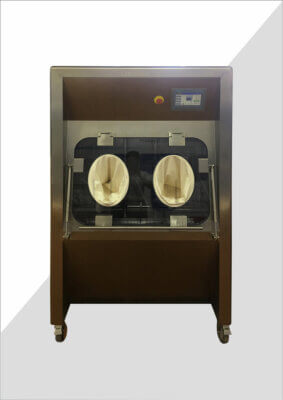
Для приложений OEB4, в которых активно рассматривается возможность использования cRABS, Закрытая барьерная система ограниченного доступа - cRABS На этой странице представлены подробные сведения о конфигурации, необходимые для оценки возможности адаптации конструкции с целью обеспечения соответствия требованиям к доказательствам локализации утечки для конкретного технологического процесса. Сравнение этого объема работ с описанной выше схемой вмешательств является логической отправной точкой перед принятием решения о выборе технологического направления.
Основное решение при выборе заключается не в том, какая технология в целом является более совершенной, а в том, сможет ли проект предоставить доказательства локализации, необходимые для обоснования выбора любой из систем. В случае OEB5 эта задача фактически сводится к использованию изолятора в большинстве реальных производственных сценариев. В случае OEB4 это зависит от того, действительно ли карта вмешательств является малонасыщенной, а также от того, можно ли получить проверенные данные о характеристиках локализации до, а не после, квалификации.
Прежде чем принять окончательное решение о выборе технологии, проектная группа должна четко определить: какова частота вмешательств и степень их сложности для каждой партии, какие методы переноса и дезактивации будут валидированы и в соответствии с каким стандартом, в соответствии с каким пределом воздействия (OEL) будет осуществляться контроль и с помощью какого метода мониторинга, а также какая классификация помещений требуется для выбранной системы. Если на этапе утверждения концепции какой-либо из этих ответов остаётся неопределённым, эта неопределённость должна склонить выбор в пользу изолятора — не потому, что система cRABS категорически не подходит, а потому, что пробел в доказательствах герметичности, который она оставит, является самым распространённым источником сбоев в работе барьерных технологий на поздних этапах на объектах по производству высокоактивных фармацевтических ингредиентов (HPAPI).
Часто задаваемые вопросы
Вопрос: На нашем предприятии уже используется закрытая система RABS для производства продукта класса OEB4. Нужно ли нам упреждающе заменить её на изолятор?
A: Не автоматически, но вы должны предоставить документально подтвержденные доказательства локализации, соответствующие вашей фактической частоте вмешательств и предельно допустимой концентрации (OEL) данного соединения. Если мониторинг гигиены труда не позволяет доказать, что уровень воздействия на оператора остается надежно ниже OEL во время доступа через перчаточный порт, — и если проверенные процедуры переноса и дезинфекции не подкреплены данными испытаний в условиях таких вмешательств, — то заявление о локализации системы становится необоснованным. Профилактическая замена необходима только в том случае, если этот пробел в доказательствах невозможно устранить без перепроектирования процесса. Для уровня OEB4 необходимо проверить вашу текущую конфигурацию на соответствие требованиям к локализации, описанным в Закрытая барьерная система ограниченного доступа - cRABS Технические характеристики помогут определить, можно ли привести вашу установку в состояние, обеспечивающее ее защиту.
Вопрос: После того как мы пришли к выводу, что изолятор — это правильный выбор, что нам следует сделать непосредственно перед «заморозкой» проекта?
A: Проведите формальную оценку рисков вмешательства в соответствии с принципами ICH Q9(R1), отобразив каждый ручной этап, его частоту в расчете на одну партию и вероятность нарушения герметичности на каждом этапе. Результаты этой оценки напрямую определяют схему расположения перчаточных портов изолятора, размеры портов для передачи, а также необходимость внедрения интегрированной автоматизации для дальнейшего сокращения ручного доступа. Проведение оценки сразу после принятия технологического решения, но до завершения разработки технического задания (URS), позволяет избежать закрепления в проекте допущений о взаимодействии оператора, которые впоследствии могут оказаться слишком оптимистичными.
Вопрос: При каких конкретных условиях пропускной способности использование cRABS для OEB5 все же может быть оправданным?
A: Исключение, касающееся “тысяч единиц в минуту”, применяется только в том случае, когда автоматизированная высокоскоростная розливка полностью исключает ручное вмешательство на протяжении всего цикла производства партии. Любой процесс, при котором руки оператора должны проходить через барьер в перчатках-рукавицах — даже один раз — создает границу локализации, которую система cRABS не может надежно контролировать при предельных уровнях воздействия (OEL) в нанограммах на кубический метр. Поэтому данное исключение применимо только к узкому классу полностью непрерывных производственных линий, не требующих вмешательства, и не должно применяться, если данные по промышленной гигиене, полученные в условиях промышленного масштаба, не подтверждают отсутствие контакта.
Вопрос: Как следует сопоставлять затраты на эксплуатацию изолятора класса ISO 8 и системы cRABS класса ISO 7 на протяжении всего жизненного цикла?
A: Изолятор переносит затраты с инфраструктуры чистой комнаты на валидацию цикла VHP, герметичное оборудование для перемещения и испытания на совместимость материалов, в то время как система cRABS за счет предварительных затрат снижает нагрузку, связанную с системами отопления, вентиляции и кондиционирования (HVAC), переодеванием и мониторингом условий окружающей среды. Для соединений классов OEB4 и OEB5 более чёткая граница локализации, обеспечиваемая изолятором, зачастую компенсирует более высокие затраты на интеграцию, однако для объективного сравнения этих двух решений необходима подробная модель затрат на весь жизненный цикл, учитывающая повторную квалификацию, техническое обслуживание и потенциальные будущие изменения технологического процесса. Не следует полагаться исключительно на разницу в капитальных затратах; требования к классификации помещений играют более значительную финансовую роль в течение всего срока эксплуатации объекта, чем это часто предполагается на этапе разработки концепции.
Вопрос: Могут ли затраты на валидацию, необходимые для подтверждения соответствия системы cRABS требованиям уровня биологической защиты OEB4 при минимальном вмешательстве, перевесить экономию капитальных затрат по сравнению с использованием изолятора?
A: Во многих случаях — да. Требуемый уровень доказательности — мониторинг аэрозолей с учетом конкретного вмешательства, заместительные тесты на проникновение через отверстия для перчаток, подтвержденная эффективность дезинфекции в отношении конкретного HPAPI и постоянная проверка целостности перчаток — может потребовать столько же ресурсов, сколько разработка цикла деконтаминации с использованием высокотемпературного пара (VHP) для изолятора. Важно отметить, что этот пакет доказательств cRABS теряет свою убедительность, если впоследствии количество фактических вмешательств увеличится. При наличии какой-либо неопределённости в прогнозе количества вмешательств изолятор часто оказывается более экономичным выбором в долгосрочной перспективе, даже если его первоначальная стоимость выше.