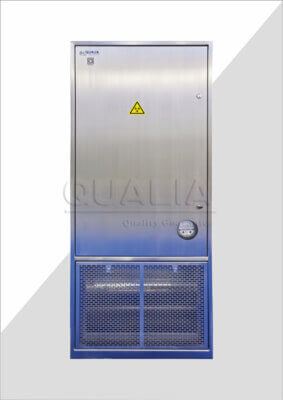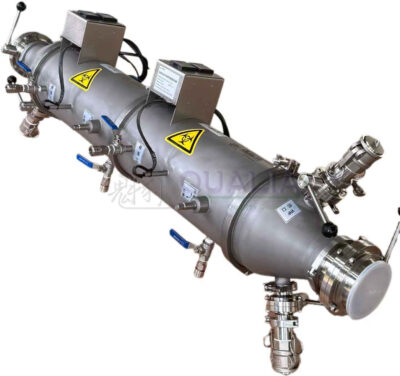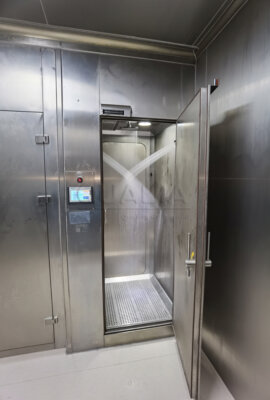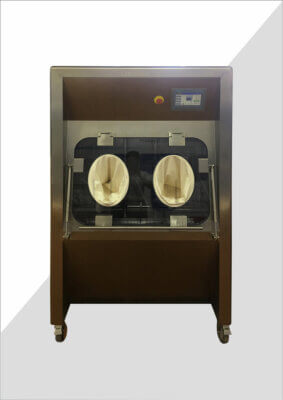

Специалисты по эксплуатации помещений, которые устанавливают переходное окно и полагают, что блокирующие ручки обеспечивают контроль загрязнения, как правило, обнаруживают фактическую точку отказа гораздо позже — во время валидации уборки или нормативного аудита, когда ненадлежащим образом герметизированные дверные коробки или неровные внутренние углы делают рутинную дезинфекцию неоправданной и вынуждают проводить доработку внутри уже прошедшего валидацию помещения. Такой исход несоразмерен затратам на раннюю координацию и почти всегда обусловлен одним-единственным пробелом в планировании: решение об использовании статического блока было принято без предварительного подтверждения того, что конструкция окружающих помещений уже обеспечивает достаточную защиту. Основной вопрос заключается не в том, какой блок выбрать, а в том, создают ли каскад давления в чистом помещении, стабильность системы ОВКВ и качество строительства в совокупности условия, при которых статический блок действительно может обеспечить соответствие классификации. Эта статья поможет вам ответить на этот вопрос до начала закупок.
Граничные условия чистой комнаты для статического переходного шкафа
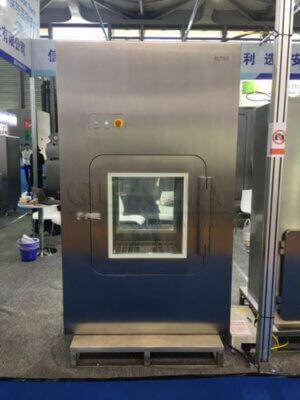
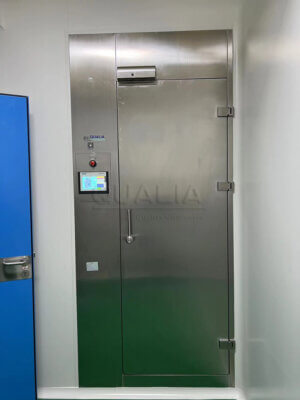
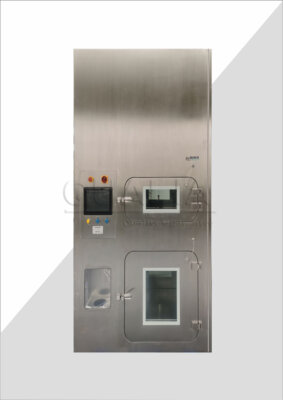
Статический переходной шкаф не имеет активного воздушного потока, фильтрации HEPA и механизма продувки переходной камеры между циклами открытия и закрытия дверей. Его единственной защитой является физический барьер, который он создает между двумя пространствами, и этот барьер имеет смысл только в том случае, если окружающая чистая комната уже самостоятельно поддерживает целостность зоны. Это основополагающий критерий проектирования: шкаф не компенсирует слабый каскад давления — он зависит от него.
С практической точки зрения это ограничивает круг сред, в которых можно целесообразно использовать статические переходные камеры. В качестве проектного порога статические переходные камеры обычно считаются пригодными для сред классов ISO 7 и 8, где уровень загрязнения окружающего воздуха частицами и требования к перепаду давления позволяют системе вентиляции и кондиционирования помещения поддерживать разделение зон в течение короткого периода времени при открытой двери. В помещениях классов чистоты ISO 5 или 6 разница в степени чистоты между соседними зонами, как правило, больше, последствия переноса частиц более серьезны, а защита от локальных воздушных потоков становится не просто предпочтением, а обязательным требованием к проектированию.
Зависимость от системы ОВКВ не является второстепенным фактором — это конструктивное условие, без которого статический подход вообще не может работать. Если система не способна надежно поддерживать перепад давления на точке передачи во время передачи, проходная камера не сможет функционировать в соответствии с проектом, независимо от того, насколько хорошо спроектирована её система блокировки. Прежде чем остановить выбор на статическом устройстве, карта давления и данные о производительности системы ОВКВ для целевых помещений должны быть подтверждены, а не оценены приблизительно. Это подтверждение является отправной точкой для всего остального в техническом задании.
Механизмы блокировки и герметизации, обеспечивающие безопасность класса
Наиболее распространённой ошибкой при толковании технических характеристик статического проходного шкафа является восприятие системы блокировки как основного барьера, предотвращающего загрязнение. Система блокировки регулирует последовательность открытия дверей — она не допускает одновременного открытия обеих дверей, что позволяет поддерживать перепад давления и обеспечивает соблюдение дисциплины при работе. Эта функция необходима, но её недостаточно. Передаточная камера с хорошо спроектированной системой блокировки, но с плохо уплотненными дверными коробками или неаккуратными сварными швами на внутренних углах все равно может пропускать нефильтрованный воздух, обходя контролируемую последовательность открытия дверей. Целостность уплотнений является не менее необходимым условием, а не второстепенным доработкой.
Механические и электронные типы блокировки имеют свои особенности в эксплуатации, которые следует учитывать еще на этапе разработки технических требований. Механическая блокировка имеет простую конструкцию и не зависит от наличия электропитания — в случае сбоя питания функция последовательного открытия дверей не нарушается. Электронная блокировка обеспечивает визуальную индикацию состояния с помощью сигнальных ламп и обеспечивает последовательность открытия с помощью электромагнитных замков, но при этом создает риск зависимости от электропитания: если при потере питания цепь управления по умолчанию переходит в открытое состояние, контроль над дверями теряется именно в тот момент, когда помещение наиболее уязвимо. Этот режим отказа следует учесть в технических требованиях, а не игнорировать.
УФ-лампа часто входит в состав опционального оборудования и, как правило, работает по фиксированному циклу — обычно примерно через 15 минут после закрытия двери — для стерилизации поверхностей переносимых материалов. Она добавляет этап дезинфекции, который действительно полезен для контактных поверхностей, однако не решает проблему частиц, переносимых воздухом, и не заменяет каскасную систему очистки помещения, на которой основана работа статической камеры.
| Характеристика | Для чего это нужно | Почему это важно |
|---|---|---|
| Механическая блокировка | Требуется, чтобы одна дверь была полностью закрыта, прежде чем откроется другая. | Предотвращает одновременное открытие дверей; поддерживает перепад давления и порядок открывания дверей. |
| Электронная блокировка | Для контроля доступа используются электромагнитные замки и сигнальные лампочки. | Обеспечивает визуальную индикацию состояния и электрически контролирует последовательность действий; требует надежного источника питания для предотвращения риска перехода в состояние «по умолчанию — разомкнуто». |
| Гигиеническая уплотнительная лента | Обеспечивает надежное герметичное уплотнение между дверью и коробкой. | Предотвращает проникновение нефильтрованного воздуха мимо блокирующего устройства и перенос частиц через границу. |
| УФ-лампа | Обеспечивает стерилизацию поверхностей (стандартный цикл длительностью 15 минут после закрытия дверцы). | Добавляет этап дезинфекции, но не удаляет частицы, находящиеся в воздухе; защита от статического электричества по-прежнему зависит от каскадной системы в помещении. |
Вывод для проектирования очевиден: при анализе технических характеристик статического проходного шкафа тип блокировки не является главным вопросом. Главные вопросы заключаются в том, соответствует ли уплотнение между дверью и рамой санитарным требованиям и является ли оно сплошным, а также достаточно ли жесткие конструктивные допуски, чтобы предотвратить утечку воздуха во время перепадов давления. Если на эти вопросы получены утвердительные ответы, тип блокировки становится второстепенным эксплуатационным фактором.
Особенности поверхности и крепления, влияющие на возможность очистки
Острые внутренние углы и корродированные поверхности не приводят к явным случаям загрязнения — они постепенно снижают надежность очистки, становятся причиной замечаний по результатам аудита, которые трудно устранить без физической доработки, а также делают невозможным подтверждение эффективности плановой дезинфекции. Этот риск не проявляется на этапе монтажа; он становится очевидным, когда процедура очистки подвергается сомнению в ходе квалификации или инспекции, и в этот момент возможности устранения недостатков внутри уже готовой чистой комнаты оказываются ограниченными и дорогостоящими.
Закругленные углы в нижней части внутренней камеры являются стандартной конструктивной особенностью, соответствующей требованиям GMP, которая устраняет этот риск. Они устраняют геометрию, способствующую задержке загрязнений, которая возникает из-за острых углов, и позволяют валидированным процедурам протирания охватывать всю внутреннюю поверхность без исключительных зон. Конструкции дверей с утопленными или заподлицо расположенными поверхностями действуют по тому же принципу на лицевой стороне двери: выступающая поверхность двери создает выступы, где скапливаются частицы, затрудняет очистку между переносами и сложнее обосновать при проверке стратегии контроля загрязнения.
Выбор материала основан на аналогичной логике. Нержавеющая сталь SS304 является стандартным материалом для внутренних поверхностей и подходит для большинства сред, соответствующих классу ISO 7–8, при использовании обычных чистящих средств. В условиях повышенной влажности или химической агрессивности — где используются более концентрированные дезинфицирующие средства или частота очистки высока — сталь SS304 со временем может подвергаться коррозии, что приводит к ухудшению качества поверхности и затрудняет поддержание валидации дезинфекции. Переход на сталь SS316L не является универсальным требованием GMP, но является правильным критерием при планировании, когда условия очистки ставят под угрозу долгосрочную надёжность поверхности.
| Элемент дизайна | Описание / параметры | Влияние на простоту очистки |
|---|---|---|
| Материал отделки салона | Стандарт SS304; по желанию — SS316L для агрессивных сред или сред с повышенной влажностью. | Сталь SS316L обладает повышенной коррозионной стойкостью, что позволяет сохранять гладкие и легко очищаемые поверхности на протяжении длительного времени. |
| Дизайн угла | Скругленные углы и острые внутренние углы. | Закругленные углы исключают скопление мусора и обеспечивают возможность проведения дезинфекции в соответствии с требованиями GMP. |
| Дизайн дверной поверхности | Дверь, установленная заподлицо с поверхностью, по сравнению с дверью, выступающей над поверхностью. | Утопленные профили уменьшают скопление пыли и упрощают очистку поверхности между циклами переноса. |
Эта проверка довольно проста, но её часто упускают из виду: перед закупкой необходимо убедиться, что характеристики поверхности и геометрия углов определены в техническом паспорте оборудования, а не взяты из стандартной модели. Вносить изменения после монтажа перегородок — нецелесообразно.
Обозначение координационных точек, задерживающих отделку чистой комнаты
Статический проходной шкаф имеет простую механическую конструкцию, и эта простота создает ложное впечатление, что его согласование можно отложить на поздний срок. На практике факторы, задерживающие обустройство чистой комнаты, не являются сложными — это мелкие, конкретные решения, касающиеся деталей стыков стен, которые, если их оставить нерешенными до начала строительства, потребуют вырезания, заделки и повторной герметизации внутри уже готовой стеновой системы. Затраты на доработку несоизмеримы с усилиями по согласованию, которые позволили бы решить эту проблему еще на этапе проектирования.
Комплект фланцев — это элемент, который чаще всего упускают из виду. Без правильно подобранного фланца зазор между корпусом проходного шкафа и стеновой панелью чистой комнаты либо остается открытым — создавая путь утечки воздуха, который напрямую подрывает герметичность системы — либо уплотняется материалами, применяемыми на месте, которые сложно привести в соответствие с требованиями GMP и еще сложнее проверить в ходе аудита. Материал фланца, его размеры и метод уплотнения должны быть указаны в координационном пакете до начала возведения стен, а не добавляться в последний момент при вводе в эксплуатацию. Для установок, где стеновая панель не может выдержать вес оборудования, на том же этапе необходимо определить опорную стойку, устанавливаемую на пол; обнаружение несоответствия конструкции после доставки проходного шкафа приводит как к задержке закупок, так и к усложнению монтажа.
Нестандартные размеры и напольные модели требуют заблаговременного согласования размеров по одной простой причине: как только проем в стене будет вырезан, оборудование либо поместится, либо нет. Решения о высоте монтажа и глубине панели кажутся второстепенными, пока проем в проходном шкафу не окажется слишком глубоким или слишком мелким для монтажа заподлицо, либо пока сторона доступа, указанная на чертеже, не окажется противоположной планировке готового помещения. Базовая электрическая согласованность для УФ-лампы — это последний пункт, который часто упускается из ранних пакетов согласования: обнаружение при вводе в эксплуатацию того, что цепь не подведена к нужному месту, приводит к необходимости проведения дополнительных электромонтажных работ на объекте в условиях, требующих соблюдения особых требований.
| Пункт по координации | Риск в случае игнорирования | Что необходимо подтвердить |
|---|---|---|
| Комплект фланцев для герметизации стены | Утечки воздуха и дорогостоящие работы по герметизации на объекте. | Материал и размеры фланца указываются на раннем этапе; зазор между проходным отверстием и стеной полностью герметизирован. |
| Опорная стойка (напольная) | Стена не выдерживает нагрузки; имеются перекосы и конструктивные проблемы. | Несущая способность стены проверена; в комплект входит подставка на случай, если опора на стену окажется недостаточной. |
| Размеры и тип проходного шкафа (нестандартный / напольный) | Задержка с утверждением технических требований вынуждает прибегать к сокращению объема работ и внесению исправлений, что задерживает аттестацию чистых помещений. | Габаритные размеры и тип модели согласовываются с чертежами встраивания в стену до начала строительства. |
| Высота установки и глубина панели | Несоответствие глубины проникновения или стороны доступа препятствует надлежащему уплотнению и очистке. | Подтверждены высота и глубина для монтажа заподлицо или в нишу; сторона доступа четко обозначена. |
| Электрическое подключение УФ-лампы | Функция УФ-облучения недоступна на этапе ввода в эксплуатацию; требуются дополнительные электромонтажные работы на объекте. | Основные требования к электрооборудованию и точки подключения включены в пакеты координационных документов. |
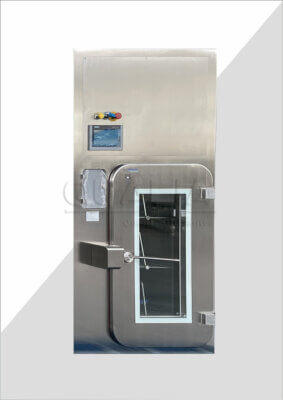
Практическим стандартом, позволяющим избежать таких сбоев, является включение всех пяти элементов координации в комплект чертежей по интеграции в стены на этапе планирования возведения стен, а не при поставке оборудования. Qualia Bio Бокс для пропусков биологической безопасности Данная линия поставляется как в стандартной, так и в индивидуальной конфигурации, что делает предварительное согласование размеров обязательным условием для любой нестандартной установки.
Достаточность каскада комнат как пороговое значение для статического использования
Решение об использовании статического переходного шкафа в конечном счете зависит от характеристик чистой комнаты, а не от самого оборудования. Статическое устройство обеспечивает контроль загрязнения за счет физического барьера и дополнительной УФ-стерилизации поверхностей. В нем отсутствует активный воздушный поток, фильтрация HEPA и механизм удаления взвешенных в воздухе частиц из переходной камеры. При открытии двери любая загрузка частицами, присутствующая в переходной камере, смешивается с воздухом принимающего помещения. Если каскадная вентиляция помещения сильная и стабильная, этот процесс смешивания контролируется перепадом давления, вытесняющим воздух из более чистой зоны. Если каскадная вентиляция слабая или временно нарушена, местной защиты, способной компенсировать это, нет.
Таким образом, достаточность каскада помещений становится структурным пороговым условием для всего решения. Вопрос заключается не в том, является ли статическая схема более дешевой, простой или быстрой в плане сертификации — хотя все эти утверждения, как правило, верны. Вопрос заключается в том, способен ли окружающий проект системы ОВКВ поддерживать целостность зоны в точке передачи во время реального события передачи, включая кратковременный переходный процесс давления, возникающий при открытии двери. Если ответ подтверждается как «да», статический подход является обоснованным и уместным. Если ответ неопределён или «нет», использование статического агрегата не является экономией средств — это риск классификации, отложенный до этапа ввода в эксплуатацию, где он проявится как несоответствие требованиям, а не как проектное решение.
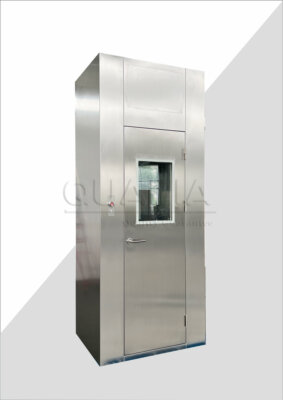
Динамический проходной шкаф с рециркулирующим воздушным потоком, проходящим через фильтры HEPA, устраняет этот пробел, обеспечивая локальный контроль загрязнения, не зависящий от каскада давления в помещении. Он позволяет справляться с более значительными различиями в степени чистоты между соседними зонами, обеспечивает активную защиту при открытии дверей и снижает степень зависимости точки передачи от стабильной работы системы вентиляции и кондиционирования. Для применений класса ISO 5 или 6, а также в любой ситуации, когда невозможно подтвердить стабильность и адекватность каскада давления в помещении, динамический контроль является конструктивно обоснованным выбором, а не просто предпочтительным усовершенствованием. Для операций, при которых персоналу также необходимо перемещаться между зонами, воздушный душ обеспечивает персоналу аналог активной локальной защиты, которую стационарный проходной шкаф не может обеспечить для материалов.
| Характеристика | Статическая коробка для пропусков | Динамическая коробка передач |
|---|---|---|
| Активная циркуляция воздуха | Нет; использует исключительно физический барьер. | Обеспечивает циркуляцию воздуха, прошедшего HEPA-фильтрацию, внутри камеры. |
| Фильтрация HEPA | Нет. | Да. |
| Механизм защиты | Физический барьер и дополнительная УФ-стерилизация. | Локальный воздушный поток, проходящий через HEPA-фильтр, удаляет взвешенные в воздухе частицы и способен компенсировать кратковременные падения давления. |
| Пригодность для работы при большом перепаде чистоты | Не подходит; при слабом каскадном потоке воздуха в помещении при открытии двери может происходить перенос взвешенных в воздухе частиц. | Обеспечивает более высокий уровень чистоты; активная циркуляция воздуха гарантирует соблюдение класса чистоты при передаче материала. |
| Использование каскада комнат | Целостность зоны полностью зависит от каскада давления системы ОВКВ. | Снижает зависимость от каскада помещений; обеспечивает автономный контроль загрязнения в точке передачи. |
| Типовой класс приложения | Класс ISO 7–8 со стабильной, проверенной каскадной системой поддержания давления. | Класс ISO 5–6, либо в случаях, когда каскадная система ОВКВ сама по себе не способна обеспечить целостность зоны во время переключений. |
Порог считается превышенным, когда для поддержания целостности зоны во время переключения уже нельзя полагаться исключительно на каскадную схему помещений. В этот момент ни какие-либо технические условия по блокировке, ни меры по улучшению герметичности, ни циклы УФ-облучения не позволяют считать статический подход достаточным, поскольку именно тот механизм защиты, на который рассчитан блок, выходит из строя. Осознание этого предела до начала закупок — а не во время ввода в эксплуатацию — является наиболее важным суждением, которое требует принятия при принятии данного решения.
Основной вывод данной статьи заключается в том, что выбор статического переходного шкафа — это не столько решение, касающееся самого оборудования, сколько проверка того, что проект окружающей чистой комнаты уже соответствует условиям, необходимым для работы оборудования. Прежде чем определять технические характеристики статической установки, необходимо подтвердить карту давления, оценить производительность системы отопления, вентиляции и кондиционирования воздуха (ОВКВ) в точке передачи в реальных условиях эксплуатации, а также согласовать качество строительства стыка со стеной на чертежах, а не решать этот вопрос на объекте. Именно эти три проверки делают статический подход действительно обоснованным, а не просто упрощением процесса закупки, перекладывающим риск на этап квалификации.
Если эти условия пока не подтверждены, наиболее целесообразным следующим шагом будет оценка того, достаточно ли стабильна каскадная система помещений, чтобы взять на себя нагрузку по обеспечению защиты, от которой зависит эффективность статического блока, а также находится ли разница в степени чистоты между соседними зонами в пределах, при которых статический блок реально способен поддерживать требуемый класс чистоты. Если ответ на любой из этих вопросов остается неопределенным, граница принятия решения уже сместилась в сторону динамического решения — и такое решение будет более рациональным и менее затратным, если его принять до возведения стены.
Часто задаваемые вопросы
Вопрос: Можно ли использовать статическую проходную камеру в лаборатории уровня BSL-2 или BSL-3, к которой также предъявляются требования к классификации чистых помещений?
A: Только в том случае, если совокупные требования к биобезопасности и чистым помещениям остаются в пределах классов ISO 7–8, а стабильность каскада давления в помещении уже подтверждена. Объекты уровня биобезопасности BSL-3, как правило, предъявляют более строгие требования к направленности воздушных потоков и перепаду давления, чем стандартные фармацевтические чистые помещения, и если эти требования приводят к образованию в точке перехода более широкого разрыва в уровне чистоты, чем может надежно поддерживать каскад давления в помещении во время открытия дверей, статический подход перестает быть конструктивно адекватным — динамическое регулирование становится оптимальным выбором при проектировании независимо от уровня биобезопасности.
Вопрос: После того как убедились, что каскад помещений достаточен, что необходимо сделать перед заказом проходного шкафа?
A: Уточните все пять вопросов, связанных с согласованием стыков со стеной — технические характеристики комплекта фланцев, требования к опорам на полу (если стена не способна выдержать нагрузку), высоту монтажа, глубину панели и расположение электрического отвода для УФ-лампы — и включите их в комплект чертежей по интеграции в стену до начала строительства стены. Эти решения нельзя будет легко исправить после прорезания проема, и именно они являются наиболее распространенной причиной задержек в сертификации, связанных с установкой статического переходного шкафа.
Вопрос: Требует ли переход с материала SS304 на SS316L для внутренних поверхностей каких-либо дополнительных этапов аттестации?
A: Не обязательно, но это требует, чтобы в процедуре валидации очистки и оценке совместимости дезинфицирующих средств указывались характеристики модернизированного материала, а не стандартные технические характеристики. Если досье по валидации было составлено с учетом использования нержавеющей стали SS304, а установленное оборудование поставляется с нержавеющей сталью SS316L — или наоборот — возникнет несоответствие в материалах, которое необходимо официально урегулировать в ходе квалификации. С практической точки зрения целесообразно определить спецификацию материала до начала закупок, чтобы документация по валидации с самого начала отражала фактическое оборудование.
Вопрос: Как статическая проходная камера сравнивается с динамической установкой с точки зрения общей нагрузки, связанной с сертификацией, в долгосрочной перспективе, а не только на этапе первоначальной установки?
A: Статический блок проще пройти первоначальную аттестацию и в нём меньше подвижных систем, требующих обслуживания, однако нагрузка, связанная с его текущей аттестацией, в значительной степени зависит от стабильности работы каскада помещений. В случае ухудшения характеристик системы ОВКВ статический блок не имеет независимого механизма защиты, поэтому любая повторная аттестация, вызванная изменениями в системе ОВКВ, будет также включать повторную проверку точки передачи. Динамическая установка требует больших затрат на первоначальную аттестацию из-за наличия систем воздушного потока и фильтрации, однако её защита в меньшей степени зависит от стабильности работы помещения, что делает события, требующие повторной аттестации в точке передачи, более предсказуемыми и ограниченными.
Вопрос: Может ли сложиться ситуация, при которой каскадная система вентиляции помещения признана достаточной, но при этом использование статического переходного шкафа всё равно будет неправильным решением?
A: Да — когда переносимый материал создает риск загрязнения с серьезными последствиями, который невозможно адекватно устранить с помощью одной лишь УФ-стерилизации поверхностей, или когда разница в степени чистоты между соседними зонами приближается к границе между классами ISO 7 и 6. В таких ситуациях даже хорошо обслуживаемая каскадная система помещений со стабильным перепадом давления может не обеспечить достаточного запаса безопасности во время переходного процесса открытия двери, поскольку последствия даже единичного случая переноса загрязнения перевешивают простоту эксплуатации статической установки. Пороговое значение достаточности каскада является необходимым условием для использования стационарной установки, но само по себе оно не всегда достаточно, когда последствия риска являются значительными.