Приобретение оборудования для обеспечения биобезопасности - это решение, требующее больших капиталовложений. Неправильно установленный шкаф биобезопасности или автоклав с заниженными характеристиками - это не просто растрата бюджета, это неприемлемый риск. Специалисты сталкиваются со сложной матрицей рисков, связанных с агентами, объемом процедур и меняющимися нормативными требованиями. Последствия ошибок измеряются в нарушениях герметичности, нарушениях нормативных требований и нарушении целостности исследований.
Эта сложность усугубляется постоянным характером инфраструктуры локализации. Модернизация комплекса BSL-3 или шкафа класса III - это обязательства на десятилетия. Пейзаж 2025 года требует стратегии закупок, которая выходит за рамки каталожных спецификаций и включает в себя полную изоляцию, подтвержденные характеристики и анализ затрат на протяжении всего жизненного цикла. Принятые вами сейчас решения будут определять эксплуатационную безопасность и гибкость в течение многих лет.
Навигация по уровням биобезопасности: Определение требований и применения BSL-2, BSL-3 и BSL-4
Основа сдерживания с учетом риска
Уровни биобезопасности (BSL) - это не произвольная классификация, а кодифицированная иерархия мер контроля, основанная на опасности агентов. Работа BSL-2 с агентами умеренного риска, такими как гепатит B, требует ограниченного доступа и первичной изоляции аэрозолей. Переход к BSL-3 для серьезных воздушно-капельных угроз, таких как Микобактерия туберкулеза, требует фундаментальных изменений: все работы с инфекционными материалами должны проводиться в первичной изоляции, поддерживаемой техническими средствами, такими как направленный поток воздуха. BSL-4, для смертельно опасных экзотических вирусов, требует максимальной изоляции путем герметичного разделения с использованием перчаточных боксов класса III или костюмов с положительным давлением. Уровень диктует все последующие решения о закупках.
От сводки агентов к прикладным протоколам
CDC/NIH Биобезопасность в микробиологических и биомедицинских лабораториях (BMBL) содержит краткие описания агентов, но это лишь отправные точки. Диагностическая лаборатория, проводящая высокопроизводительные автоматизированные анализы для агента BSL-3, может обеспечить безопасность за счет строгого использования BSC и оборудования закрытой системы в помещении BSL-2, как это определено в результате детальной оценки рисков. И наоборот, исследования, связанные с культивированием большого количества агента в условиях BSL-2, могут потребовать применения защитной среды BSL-3. При определении потребностей в реальном оборудовании процедурный контекст - масштаб, образование аэрозолей и владение техникой - часто перевешивает классификацию агента.
Последствия для выбора первичного оборудования
Это основополагающее понимание напрямую определяет список оборудования. В лабораториях BSL-2 обычно используются шкафы биобезопасности класса II (BSC). Для BSL-3 требуется то же самое, но со строгими протоколами, обеспечивающими локализацию всех работ в открытом сосуде. BSL-4 полностью исключает шкафы с открытым фронтом, требуя полной изоляции. Я изучал протоколы, в которых выбор между шкафом класса II типа B2 (с жесткой вентиляцией) и шкафом типа A2 (с рециркуляцией) определялся не агентом, а возможностями лаборатории в области ОВКВ и присутствующими химическими опасностями, что подчеркивает необходимость комплексного проектирования.
Сравнение первичных параметров BSL-2, BSL-3 и BSL-4
| Уровень BSL | Пример агентов | Требования к первичным контейнерам и объектам |
|---|---|---|
| BSL-2 | Вирус гепатита В, Сальмонелла spp. | Класс I/II BSC для аэрозолей; доступ ограничен; требуется СИЗ. |
| BSL-3 | Микобактерия туберкулеза, SARS-CoV-1 | Все работы в ККБ/устройствах защиты; направленный поток воздуха; двухдверный доступ/шлюз. |
| BSL-4 | Вирус Эбола, вирус Марбург | Костюмы класса III BSC или костюмы с положительным давлением; шлюз и душ на объекте; двойная вытяжка HEPA. |
Источник: CDC/NIH Биобезопасность в микробиологических и биомедицинских лабораториях (BMBL), Руководство ВОЗ по биобезопасности в лабораториях.
Система закупок с учетом рисков: Согласование оборудования с оценкой специфических рисков и протоколами вашей лаборатории
Проведение тщательной оценки рисков на основе деятельности
Оценка рисков, проводимая директором лаборатории, является юридическим и техническим фундаментом закупок. Она должна выходить за рамки названия агента и оценивать конкретные процедурные риски. Ключевые факторы включают инфекционную дозу при предполагаемом пути воздействия - например, всего 10 организмов из Francisella tularensis через аэрозоль. При оценке также необходимо учитывать концентрацию, объем (“производственные объемы” требуют более высокой степени защиты) и техническую компетентность персонала. Процедура, в ходе которой образуются аэрозоли, в переполненном многопользовательском профильном центре требует более строгого контроля, чем та же процедура в специальном кабинете, укомплектованном специалистами.
Перевод рисков в технические спецификации
Эта оценка напрямую отражается в технических требованиях к закупке. Риск попадания брызг диктует необходимость в шкафу с закрытой передней панелью или пластиной. Процедуры с использованием летучих химикатов требуют шкафа класса II типа B2 с жесткой вентиляцией, а не рециркуляционного типа A2. Оценка также должна определять точки интеграции объекта: будет ли BSC использоваться для процедур, требующих вакуумных или газовых линий? Эти дополнительные потребности должны быть указаны заранее. Мы сравнили результаты закупок для двух аналогичных институтов и обнаружили, что в институте с формализованной междисциплинарной группой по оценке рисков было меньше заказов на изменения и более быстрый ввод в эксплуатацию.
Построение системы принятия решений для масштабирования контейнеров
Результатом является схема принятия решений по сдерживанию. Для каждого основного процедурного рабочего процесса система должна отображать: Риск агента + Опасность процедуры + Контекст объекта = Необходимые первичные и вторичные средства контроля. Это станет вашим документом по обоснованию оборудования. Он переводит разговор от “нам нужна лаборатория BSL-3” к “нам нужны два шкафа класса II B2 с принадлежностями XYZ, автоклав с проходной биозаливкой и система HVAC, обеспечивающая 12 смен воздуха в час с контролем отрицательного давления для поддержки процедур A, B и C”. Такая конкретика неоценима при составлении бюджета и обсуждении с поставщиками.
Ключевые факторы оценки риска для определения BSL
| Фактор риска | Особые соображения | Влияние на BSL и закупки |
|---|---|---|
| Характеристики агента | Вирулентность, инфицирующая доза, устойчивость, путь передачи. | Определяет базовый BSL; влияет на тип шкафа (например, класс III для высокого риска). |
| Процедурный контекст | Объем/концентрация, образование аэрозолей, “производственные объемы”. | Может повышать уровень BSL за пределы базового уровня агента; диктует масштаб оборудования (например, большие автоклавы). |
| Лабораторный контекст | Близость к общественным/чувствительным зонам, опыт персонала, функция (диагностическая или исследовательская). | Влияет на строгость контроля доступа, дизайн ОВКВ и вторичные барьеры. |
Источник: CDC/NIH Биобезопасность в микробиологических и биомедицинских лабораториях (BMBL).
Глубокое погружение в оборудование для критического контейнера: Шкафы биобезопасности, изоляторы, вентилируемые шкафы и автоклавы
Шкафы биобезопасности: Спроектированное ядро первичной защиты
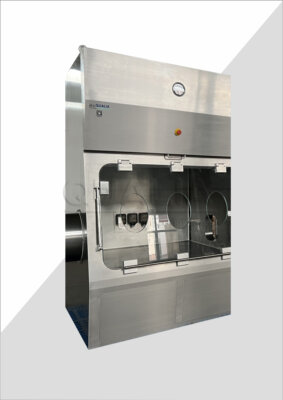
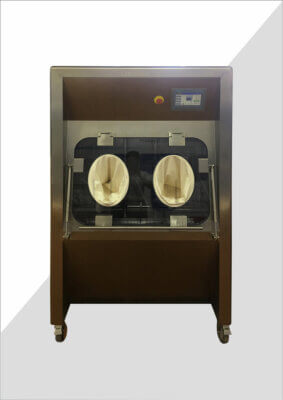
Шкаф BSC является наиболее важным элементом первичной защиты. Шкафы класса I защищают только персонал и окружающую среду, часто используются в качестве корпусов для центрифуг. Шкафы класса II, являющиеся рабочей лошадкой большинства лабораторий, также защищают продукт с помощью ламинарного нисходящего потока с фильтрацией HEPA. Выбор зависит от деталей: Шкафы типа A2 рециркулируют воздух обратно в лабораторию и не подходят для работы с летучими токсичными веществами или радионуклидами. Шкафы типа B2 имеют вытяжку 100%, необходимую для таких работ. Минимальная скорость потока воздуха 75 футов в минуту является обязательным условием, которое подтверждается ежегодной сертификацией на Стандарт NSF/ANSI 49.
Изоляторы и автоклавы: Замыкание контура контейнера
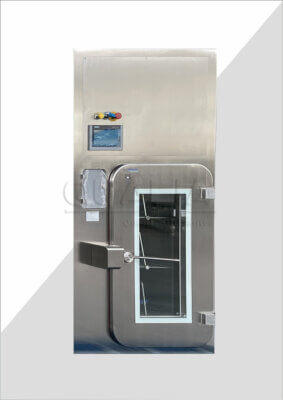
При работе с животными изолирующие клетки или вентилируемые вольеры предотвращают выделение аэрозоля от инфицированных хозяев. Выбор между клетками с фильтром и изоляторами с отрицательным давлением зависит от динамики передачи возбудителя. Не менее важен путь обеззараживания. Для BSL-3/4 необходим двухдверный проходной автоклав, обеспечивающий безопасный выход материала. Его проверка имеет первостепенное значение; биологические индикаторы, такие как Geobacillus stearothermophilus должны доказать стерильность. Кроме того, качество воды, подаваемой в автоклав, как определено в ANSI/AAMI ST108, Это может повлиять на качество пара и долговечность камеры.
Проверка модифицированного или интегрированного оборудования
Стандартное оборудование часто требует модификации для использования в контайнменте. Задокументированный случай связан с адаптацией ПЭТ/КТ-сканера для визуализации животных в условиях BSL-3. 8-миллиметровая трубка из ПММА расширила границы защитной оболочки. Очень важно, что производительность была подтверждена в соответствии с Стандарт NEMA NU2-2012 чтобы убедиться, что модификации не нарушили целостность диагностики. На этом этапе проверяется, что оборудование функционирует в соответствии с требованиями в пределах в контексте сдерживания - часто упускается из виду при закупках. Это должно быть обязательным пунктом в плане и бюджете проекта.
Классы и основные характеристики кабинетов биологической безопасности
| Класс BSC | Тип защиты | Типовые применения и стандарты |
|---|---|---|
| Класс I | Персонал и окружающая среда (внутренний поток воздуха). | Корпуса для оборудования (например, центрифуги), генерирующего аэрозоли; BSL-1/2/3. |
| Класс II (A2, B2) | Персонал, продукт и окружающая среда (приточно-вытяжная вентиляция с фильтрами HEPA). | Микробиологические работы, работа с культурами клеток; стандарт для BSL-2/3. NSF/ANSI 49. |
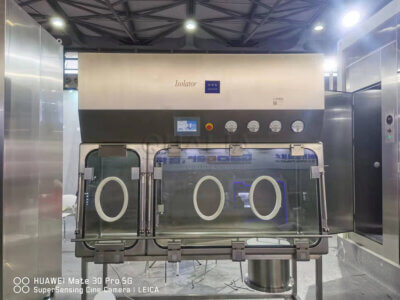
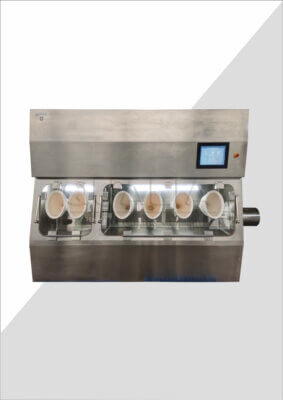
| Класс III | Максимальная герметичность (газонепроницаемость, перчаточный ящик). | Работа с агентами BSL-4 или материалами повышенной опасности BSL-3. Строгие испытания на целостность. |
Примечание: Минимальная скорость движения внутрь для шкафов классов I и II составляет 75 футов/мин.
Источник: Стандарт NSF/ANSI 49, CDC/NIH BMBL.
За пределами коробки: Интеграция систем отопления, вентиляции и кондиционирования воздуха, обеззараживания сточных вод и систем помещений для обеспечения полной герметичности
ОВКВ в качестве вторичного средства защиты
BSC бесполезна, если вентиляция помещения нарушает воздушный поток. Для BSL-3 система HVAC должна обеспечивать направленный поток воздуха внутрь помещения, при этом вытяжка не должна рециркулировать. Для этого часто требуются специальные приточные и вытяжные вентиляторы с регуляторами перепада давления. Для BSL-4 ставки повышаются: вытяжка должна проходить через два последовательно соединенных фильтра HEPA, с резервными системами и аварийным питанием. Перепады давления должны постоянно контролироваться и сигнализироваться. Я был свидетелем проектов, в которых спецификация BSC была безупречной, но при вводе в эксплуатацию системы ОВКВ не удалось добиться стабильного отрицательного давления в помещении, что задержало запуск лаборатории на несколько месяцев.
Управление сточными водами: Часто забываемый путь
Жидкие отходы являются основным путем воздействия. В то время как в BSL-3 может использоваться химическая деактивация в канализации, в BSL-4 требуется централизованная система дезактивации сточных вод (EDS), обрабатывающая все дренажные воды лаборатории с помощью тепла или химических инъекций. Валидация этой системы так же важна, как и автоклава, с использованием регистрирующего термометра и биологических индикаторов. Ее размещение, мощность и доступ к обслуживанию должны быть предусмотрены на этапе планирования объекта, а не дооборудованы позже.
Препятствия и проходы в помещениях
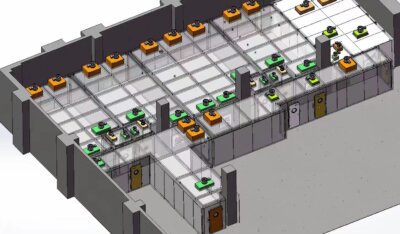
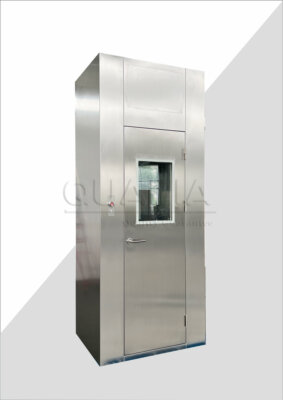
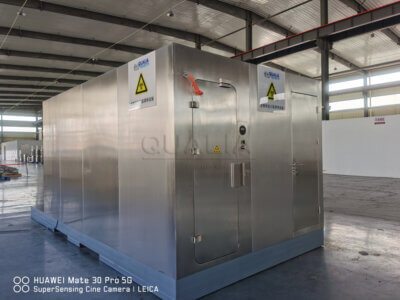
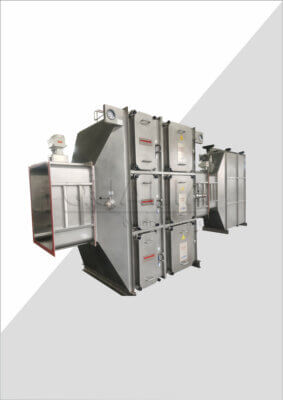
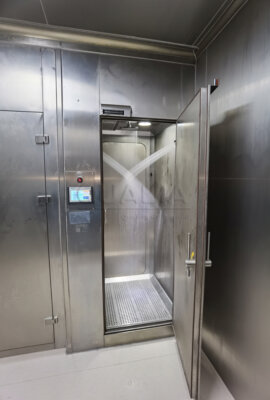
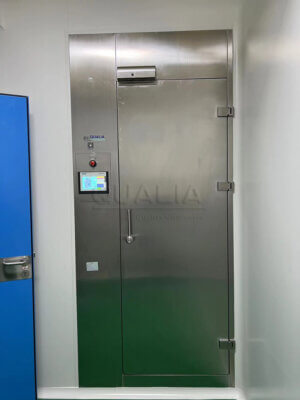
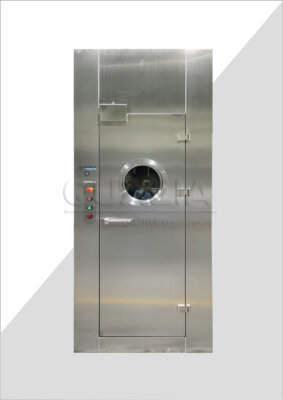
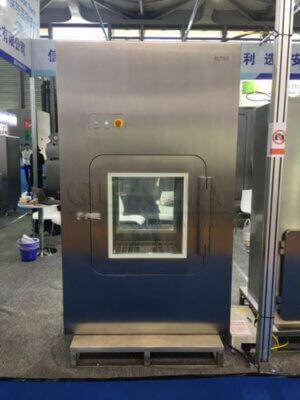
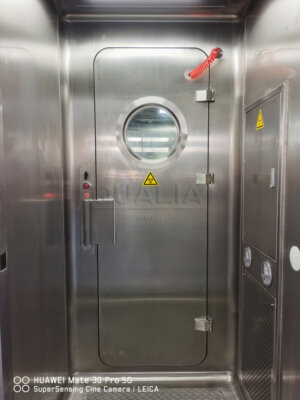
Оболочка объекта является последним барьером. BSL-3 требует герметичных проходов и последовательности входа через две двери. BSL-4 требует герметичной внутренней оболочки, шлюзовой камеры с душем и проходного резервуара или фумигационной камеры для оборудования, которое нельзя подвергать автоклавированию. Это не архитектурные изыски; это неотъемлемые защитные устройства. Приобретение проходного автоклава без определения спецификации стены, в которую он будет монтироваться, является распространенным и дорогостоящим упущением. Стена должна выдерживать вес и сохранять герметичность.
Системные требования к объектам BSL-3 и BSL-4
| Тип системы | Технические характеристики BSL-3 | Технические характеристики BSL-4 |
|---|---|---|
| Вентиляция (HVAC) | Направленный внутренний поток воздуха; выхлопные газы не рециркулируют. | Двойная вытяжка с HEPA-фильтром (последовательно); дублирующие блоки; сигнализация перепада давления. |
| Обеззараживание сточных вод | Обычно не требуется для жидких отходов. | Обязательно для всех жидких отходов; подтвержденная термическая/химическая обработка. |
| Доступ к объекту и барьеры | Две самозакрывающиеся двери или шлюз; герметичные проходы. | Шлюз с выходом для душа; герметичная внутренняя оболочка; проход для резервуара/камеры дезинфекции. |
Источник: CDC/NIH Биобезопасность в микробиологических и биомедицинских лабораториях (BMBL).
Обеспечение соответствия и защита от будущего: Валидация, сертификация и адаптация к изменяющимся нормативным требованиям
Цикл сертификации, не подлежащий обсуждению
Соответствие требованиям должно быть продемонстрировано, а не предполагаться. БСК класса II требуют ежегодной ресертификации в соответствии с NSF/ANSI 49. Автоклавы и EDS требуют периодической ревизии с использованием биологических индикаторов. Перепады давления в системах ОВКВ требуют постоянного мониторинга и периодической калибровки. Это создает постоянные эксплуатационные расходы и логистическое бремя. При закупках необходимо учитывать контракты на обслуживание и наличие поставщиков для выполнения этих специализированных работ. Шкаф без сертифицированного местного техника для его обслуживания становится обузой.
Документация и обучение как средства обеспечения соответствия
Руководство по биобезопасности - это живой документ. В нем должны быть подробно описаны процедуры для каждой единицы изолирующего оборудования. Закупки должны включать положения о разработке и проверке этих СОПов. Кроме того, необходимо провести обучение персонала по конкретным моделям оборудования. Общего обучения по BSC недостаточно; операторы должны знать коды сигналов тревоги, значения манометров и процедуры аварийного отключения оборудования конкретной марки и модели. Выделите средства на проведение практического обучения под руководством поставщика и включите его в договор о закупке.
Адаптация к эволюции нормативно-правовой базы
Нормативные акты меняются. Обновляются правила по выборочным агентам, правила транспортировки (42 CFR, часть 72) и международные рекомендации. Ваши системы изоляции должны обладать свойственной им адаптивностью. Это означает выбор BSC с современными системами управления, которые могут регистрировать оперативные данные для проведения аудита. Это означает проектирование систем отопления, вентиляции и кондиционирования воздуха с некоторым резервированием и запасом мощности. Это означает выбор модульных компонентов объекта, которые можно переконфигурировать. Во время одного аудита наши подробные записи о валидации и сертификации оборудования стали основным доказательством сохранения аккредитации, несмотря на изменение интерпретации стандарта.
Критические интервалы валидации и сертификации
| Оборудование / система | Ключевой стандарт / направление | Интервал сертификации / валидации |
|---|---|---|
| БСК класса II | NSF/ANSI Standard 49 (производительность, целостность). | При установке, после перемещения и не реже одного раза в год. |
| Автоклавы / дезинфекция сточных вод | Валидация биологических индикаторов (например, Geobacillus stearothermophilus). | Первоначальная валидация; повторная валидация в течение цикла использования и после капитального ремонта. |
| Вентиляция помещений | Перепады давления, проверка направления воздушного потока. | Постоянный мониторинг с периодической проверкой в соответствии с руководством по безопасности. |
Источник: Стандарт NSF/ANSI 49, CDC/NIH BMBL.
Общая стоимость владения и стратегический сорсинг: Составление бюджета на приобретение, обслуживание и долгосрочную эксплуатационную целостность
Распаковка полного спектра затрат
Цена покупки составляет лишь малую часть от общей стоимости. Прямые эксплуатационные расходы включают ежегодную сертификацию BSC ($500-$1500 на шкаф), замену HEPA-фильтров (каждые 3-5 лет, стоимость тысячи), сервисные контракты и расходные материалы, такие как проверенные биологические индикаторы. Косвенные затраты доминируют в проектах высокой концентрации: специализированные системы ОВКВ, герметичные конструкции и EDS составляют 60-70% от первоначальных капитальных затрат. Коммунальные услуги для систем вытяжки 100% и тепловая обработка сточных вод являются значительными текущими расходами.
Анализ жизненного цикла обеспечивает стратегический сорсинг
Более дешевый БСК с неэффективными двигателями или хрупкими элементами управления будет иметь более высокие затраты на электроэнергию и ремонт в течение 15 лет. Оцените стоимость жизненного цикла. Учитывайте стоимость замены фильтров и удобство доступа к ним. На объектах использование грубых предварительных фильтров для приточного воздуха может продлить срок службы дорогостоящих конечных фильтров HEPA. Стратегический поиск поставщиков означает выбор партнеров, которые предлагают комплексную поддержку на протяжении всего жизненного цикла, а не просто самое низкое предложение. Это означает составление бюджета с учетом неизбежного, как в клиническом исследовании, в котором отдельно закладываются расходы на образцы, персонал и основное оборудование для анализа, учитывая их разные финансовые жизненные циклы.
Формирование устойчивого операционного бюджета
План закупок должен перейти в операционный бюджет. Смоделируйте расходы на сертификацию, фильтры, запчасти и энергию на 10 лет вперед. Включите резервы капитала для обновления оборудования в середине срока службы. Обеспечьте резервирование критически важных компонентов; лаборатории BSL-4 необходим резервный двигатель вытяжного вентилятора, имеющийся в наличии, а не поставляемый с 6-недельной задержкой. Такая финансовая предусмотрительность - отличительная черта зрелой программы биобезопасности. Она гарантирует, что закупаемая вами сегодня защитная оболочка будет финансово устойчивой в течение всего срока эксплуатации.
Система анализа совокупной стоимости владения
| Категория затрат | Примеры | Стратегические соображения по поиску поставщиков |
|---|---|---|
| Прямые капитальные и операционные расходы | Приобретение BSC/автоклава, ежегодная сертификация, фильтры HEPA, сервисные контракты. | Учитывайте стоимость сертификации; выбирайте надежные и проверенные в условиях изоляции устройства. |
| Косвенные и вспомогательные средства | Модернизация системы отопления, вентиляции и кондиционирования воздуха, герметичное строительство, система очистки сточных вод, инженерные сети. | Доминирует в лабораториях с высокой степенью защиты; требует предварительного планирования интеграции и составления бюджета на весь жизненный цикл. |
| Жизненный цикл и соответствие нормативным требованиям | Процедуры дезактивации, замена фильтров, системы аварийного питания, обучение нормативным требованиям. | Планируйте периодические расходы; обеспечьте поддержку поставщиком специализированного обслуживания и будущей адаптации к нормативным требованиям. |
Эффективная закупка оборудования для обеспечения биобезопасности основывается на трех непреложных принципах: оценке рисков, при которой изучаются конкретные процедуры, а не только списки агентов; системной интеграции, при которой устройства ОВКВ и локализации рассматриваются как единое целое; и модели совокупной стоимости владения, которая обеспечивает эффективность в течение всего срока службы актива. При выборе поставщика отдавайте предпочтение доказательствам валидации и поддержке на протяжении всего жизненного цикла.
Необходимы профессиональные рекомендации по определению и интеграции лабораторные системы с высокой степенью защиты для вашего предприятия? Сложность требует квалифицированной навигации. QUALIA предлагает инженерные решения, соответствующие этим строгим рамкам. Свяжитесь с нами чтобы обсудить конкретный профиль риска вашего проекта и цели по его сдерживанию.
Часто задаваемые вопросы
Вопрос: Когда мы должны применять для данного патогена меры защиты BSL-3 вместо BSL-2, и кто принимает такое решение?
О: Директор лаборатории отвечает за окончательную оценку рисков, которая может потребовать BSL-3 для агентов, включенных в список BSL-2, исходя из конкретных процедур, объема агентов или условий лаборатории. Деятельность с высоким аэрозольным потенциалом, большими объемами производства или близостью к чувствительным зонам требует более высокой степени изоляции. Вы должны проконсультироваться с Сводные ведомости агентов CDC BMBL в качестве базового уровня, но оценка директора может предписывать более строгие протоколы.
Вопрос: Можем ли мы использовать лабораторию BSL-2 для работы с агентом BSL-3, если мы используем все методы безопасности BSL-3 и изолирующее оборудование?
О: Да, для определенных, хорошо контролируемых видов деятельности. Оценка рисков директором лаборатории может определить, что строгое соблюдение всех стандартных и специальных практик BSL-3, включая проведение всех работ в Шкаф биологической безопасности класса II, может обеспечить приемлемую безопасность в условиях BSL-2. Это часто применимо для рутинных диагностических процедур, но не подходит для исследовательской деятельности с высоким риском, например, для создания аэрозолей.
Вопрос: Каковы основные требования к производительности и валидации при адаптации оборудования для клинической визуализации для использования в защитной оболочке BSL-3?
О: Модификации должны сохранять целостность защитной оболочки и работоспособность оборудования. Один из проверенных подходов использует герметичную трубку из полиметилметакрилата (ПММА) для расширения биологического барьера. После модификации необходимо провести эксплуатационные испытания, например, описанные в Стандарт NEMA NU2-2012, Убедитесь, что такие параметры, как чувствительность, соответствуют спецификациям производителя.
Вопрос: Как должны быть валидированы системы обеззараживания сточных вод для жидких отходов в установках BSL-4?
О: Процедура обеззараживания должна быть проверена механически и биологически. При механической проверке используется регистрирующий термометр для подтверждения температурных профилей. Биологическая валидация требует использования индикаторного микроорганизма с определенной схемой восприимчивости к нагреванию, чтобы доказать, что система достигает полного уничтожения до того, как стоки выйдут из защитной зоны.
Вопрос: Каков обязательный график сертификации шкафов биологической безопасности (ШББ) и что является основанием для внеплановой ресертификации?
О: БСК класса I и II требуют первоначальной сертификации при установке и, как минимум, ежегодной ресертификации в дальнейшем, согласно Стандарт NSF/ANSI 49. Они также должны проходить повторную сертификацию после любого перемещения или ремонта, который может повлиять на целостность защитной оболочки. Если отработанный воздух шкафа рециркулирует внутри лаборатории, ежегодная сертификация однозначно требуется.
Вопрос: Каковы отличия критических систем объекта между лабораторией BSL-3 и BSL-4?
О: Для BSL-4 требуются более надежные вторичные барьеры и системы. Ключевыми отличиями являются: герметичная внутренняя оболочка, обязательный душ для персонала, очистка всех жидких стоков и специальная система ОВКВ с фильтрацией отработанного воздуха через два последовательно установленных фильтра HEPA. BSL-3 требует направленного потока воздуха и герметичных поверхностей, но не требует двойной HEPA-фильтрации или стандартного обеззараживания сточных вод в масштабах всего объекта.
Вопрос: Какие правила упаковки и транспортировки применяются при перевозке этиологических агентов между штатами?
О: Межгосударственные перевозки строго регулируются в соответствии с 42 CFR, часть 72, в котором указаны требования к упаковке, маркировке и документации. Вы должны использовать тройную упаковку (первичная емкость, вторичная упаковка, внешний транспортный контейнер) с абсорбирующим материалом. Для импорта некоторых средств может также потребоваться разрешение Министерства сельского хозяйства США. Всегда проверяйте действующие правила перед отправкой.
Сопутствующие материалы:
- Шкафы биологической безопасности класса I: Особенности и применение
- Шкафы биологической безопасности класса II типа B2: Общая вытяжка
- Изоляторы биологической безопасности класса III: Максимальная защита
- Размеры шкафов биологической безопасности: Поиск идеального варианта
- Установка шкафа биологической безопасности: Что нужно знать
- Выбор правильного шкафа биологической безопасности: 5 ключевых факторов
- ISO 14644 и шкафы биологической безопасности: Стандарты чистого воздуха
- Сертификация кабинетов биологической безопасности: Почему это важно
- Шкафы биологической безопасности класса II типа A2 Объяснение