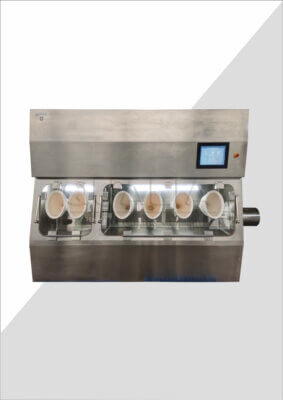
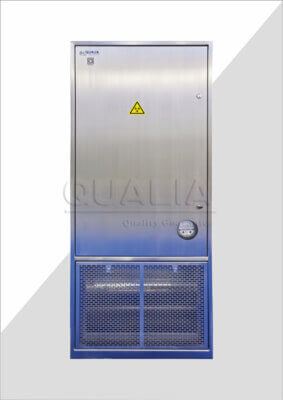
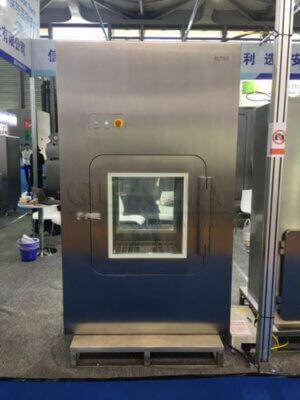
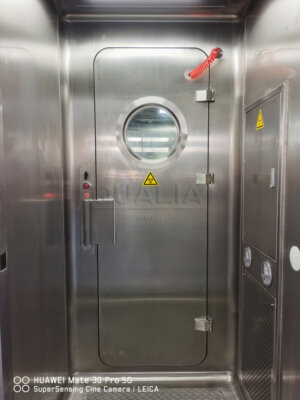
Menținerea unei cascade de presiune stabile este cea mai importantă provocare tehnică în izolarea BSL-3. O defecțiune a acestei bariere invizibile poate compromite siguranța întregii instalații. În cazul laboratoarelor modulare BSL-3, această provocare este intensificată de necesitatea de a obține o etanșeitate la nivelul unui laborator într-o structură prefabricată, integrând în același timp controale HVAC complexe înainte ca modulul să părăsească vreodată fabrica. Acest articol detaliază cele mai bune practici de inginerie pentru proiectarea, monitorizarea și validarea sistemelor diferențiale de presiune în mediile modulare de înaltă securitate.
Integritatea sistemului diferențial de presiune este nenegociabilă pentru conformitatea cu reglementările și siguranța operațională. Pe măsură ce construcția modulară accelerează termenele proiectelor și oferă flexibilitate în implementare, înțelegerea cerințelor unice de integrare și validare pentru aceste sisteme devine extrem de importantă. Principiile prezentate aici sunt bazate pe standarde internaționale și abordează constrângerile și avantajele specifice ale proiectării modulare.
Principii fundamentale de proiectare a diferențialelor de presiune
Cascada ca piatră de temelie pentru izolare
Principalul control tehnic pentru izolarea BSL-3 este o cascadă de presiune negativă, care asigură fluxul de aer din coridoarele curate în anticamere și, în cele din urmă, în laboratorul principal. Acest flux de aer direcțional, menținut de obicei la -15 Pa până la -30 Pa, creează o barieră invizibilă împotriva evadării aerosolilor. Pentru a realiza acest lucru, este necesară o anvelopă etanșă a clădirii, o provocare amplificată în construcția modulară, unde îmbinările panourilor și penetrarea utilităților necesită o integritate superioară a etanșării. Diferența de presiune trebuie să fie calibrată cu precizie - suficientă pentru a depăși perturbările minore, dar nu atât de mare încât să împiedice funcționarea ușii.
Stabilitate în condiții dinamice
Această cascadă de presiune este în permanență pusă la încercare de activitățile de rutină. Deschiderea ușilor, mișcarea personalului și funcționarea echipamentelor creează fluctuații de presiune tranzitorii. Conform cercetărilor efectuate de ANSI/ASSP Z9.14-2021, capacitatea sistemului de a se redresa rapid și de a menține fluxul direcțional corect este un parametru cheie de performanță. Experții din industrie recomandă proiectarea pentru aceste sarcini dinamice încă de la început, ceea ce subliniază necesitatea unor sisteme de control automatizate, cu acțiune rapidă. Investiția în astfel de sisteme de control este o cerință fundamentală de siguranță, nu un upgrade opțional.
Matematica simplă a izolării
Principiul de proiectare este simplu și elegant: debitul de aer evacuat trebuie să depășească în mod constant debitul de aer de alimentare cu un decalaj volumetric calculat. Acest decalaj creează presiunea negativă care protejează personalul și mediul. Cu toate acestea, simplitatea se oprește la formulă. În practică, calcularea acestui offset necesită luarea în considerare a infiltrațiilor, exfiltrațiilor și a factorilor dinamici menționați mai sus. Printre detaliile ușor de trecut cu vederea se numără impactul încărcării filtrelor asupra performanței ventilatorului și necesitatea unor clapete de refulare a aerului de alimentare pentru a preveni inversarea presiunii în timpul defectării ventilatorului de evacuare.
Principalele componente tehnice și arhitectura sistemului
Sistemul activ: Echilibrul HVAC
Cascada de presiune este generată activ de un sistem HVAC meticulos echilibrat. Componentele esențiale includ sisteme de evacuare dedicate cu filtrare HEPA și ventilatoare redundante (N+1) pentru a asigura funcționarea continuă. Sistemele de alimentare cu aer, care încorporează adesea amortizoare de tiraj, asigură aer condiționat fără a compromite echilibrul presiunii. Sasurile de aer cu uși cu interblocare sunt esențiale pentru menținerea gradientului de presiune în timpul intrării și ieșirii.
Constrângeri de integrare modulară
Proiectarea modulară impune constrângeri unice de integrare, forțând componentele HVAC să fie proiectate în module compacte, transportabile. Acest lucru necesită o schimbare de paradigmă către sisteme mecanice plug-and-play, testate în fabrică. Din experiența mea, achizițiile trebuie să acorde prioritate furnizorilor care oferă aceste module integrate prevalidate pentru a evita eșecurile costisitoare de integrare la fața locului. Întregul sistem mecanic trebuie să fie proiectat pentru rigorile transportului și ale conectării finale la fața locului.
Specificațiile și impactul componentelor
Selecția fiecărei componente dictează în mod direct performanța și costul sistemului. Arhitectura redundanței crește direct cu nivelul de biosecuritate; BSL-3 impune HEPA pe evacuare cu ventilatoare redundante, o specificație care are un impact direct asupra bugetului proiectului și complexității operaționale. Tabelul următor prezintă componentele cheie și considerentele critice ale acestora.
Componente critice ale sistemului
Arhitectura unui sistem modular de presiune BSL-3 este definită de componente specifice, nenegociabile. Fiecare joacă un rol în generarea și menținerea cascadei de izolare.
| Componentă | Specificații/cerințe cheie | Impact / Considerații |
|---|---|---|
| Sistem de evacuare | Filtrare HEPA obligatorie | Bariera de izolare finală |
| Ventilatoare de evacuare | Configurație redundantă (N+1) | Asigură funcționarea continuă |
| Sisteme de alimentare cu aer | Încorporarea amortizoarelor de tiraj | Previne compromiterea presiunii |
| Integrare modulară | Testat în fabrică, plug-and-play | Reducerea riscului de integrare la fața locului |
| Nivel de redundanță | Escaladează cu nivelul de biosecuritate | Impactul direct asupra bugetului proiectului |
Sursă: ANSI/AIHA/ASSP Z9.5-2022: Ventilația în laborator. Acest standard stabilește cerințele minime pentru sistemele de ventilație de laborator, inclusiv necesitatea unui flux de aer adecvat, relații de presiune și izolare, care informează în mod direct specificațiile pentru evacuare, alimentare și redundanță în arhitectura BSL-3.
Strategii de control și sisteme de monitorizare
Metodologii de control de bază
Laboratoarele BSL-3 modulare moderne utilizează sisteme sofisticate de automatizare a clădirilor (BAS) pentru controlul dinamic. Principalele strategii sunt controlul direct al presiunii, care modulează amortizoarele pe baza feedback-ului senzorilor pentru o precizie ridicată, și controlul urmăririi fluxului, care menține un decalaj volumetric fix între alimentare și evacuare pentru stabilitate. O abordare hibridă robustă utilizează adesea controlul direct pentru spațiile de ancorare, cum ar fi coridoarele, cu laboratoare care funcționează pe baza urmăririi fluxului în raport cu acestea.
Linia de bază de monitorizare ne-negociabilă
Monitorizarea continuă, în timp real, cu alarme acustice și vizuale pentru abateri este obligatorie. Tendința strategică este trecerea de la sisteme reactive bazate pe alarme la controale proactive, bazate pe inteligență artificială. Rețelele de senzori IoT permit întreținerea predictivă și creează un traseu digital continuu, auditabil pentru autoritățile de reglementare, transformând conformitatea într-un proces bazat pe date. Investițiile în această infrastructură inteligentă asigură siguranța pe viitor a operațiunilor și simplifică auditurile de reglementare.
Selectarea unei strategii de control
Alegerea strategiei potrivite depinde de profilul operațional. Tabelul de mai jos compară metodologiile de control primar, care sunt verificate utilizând standarde de performanță precum ANSI/ASSP Z9.14-2021.
| Strategia de control | Mecanismul primar | Cel mai bun pentru aplicare |
|---|---|---|
| Control direct al presiunii | Modularea amortizoarelor prin feedback-ul senzorilor | Precizie ridicată, laboratoare statice |
| Controlul urmăririi fluxului | Menține un decalaj volumetric fix | Stabilitate în spații cu trafic intens |
| Control hibrid | Combină ambele strategii de bază | Performanță robustă a suitei complete |
| Monitorizarea liniei de bază | Timp real continuu cu alarme | Ne-negociabil pentru conformitate |
| Tendință avansată | Rețele de senzori IoT, bazate pe IA | Întreținere predictivă și audit |
Sursă: ANSI/ASSP Z9.14-2021: Metodologii de testare și verificare a performanței pentru incinte de nivel 3 de biosecuritate (BSL-3) și de nivel 3 de biosecuritate pentru animale (ABSL-3). Acest standard prevede metodologii de verificare a performanței izolării, inclusiv a diferențelor de presiune și a fluxului de aer, care sunt parametrii fundamentali gestionați și monitorizați de strategiile de control enumerate.
Provocări unice în implementarea BSL-3 modulară
Prefabricarea și etanșeitatea la aer
Prefabricarea intensifică accentul pe proiectarea integrată și pe etanșarea structurală. Întregul sistem HVAC și de control trebuie proiectat și instalat în timpul fabricației, ceea ce necesită o punere în funcțiune prealabilă meticuloasă. Modulul în sine trebuie să atingă gradul de etanșeitate de laborator folosind garnituri specializate și cusături sudate, verificate prin teste de presiune înainte de expediere. Acest efort ingineresc frontal este esențial pentru a evita defecțiunile catastrofale la fața locului.
Lanțul de aprovizionare ca factor de biosecuritate
Aceste constrângeri fac din reziliența lanțului de aprovizionare un factor critic de biosecuritate. Dependența de componente specializate și certificate pentru implementarea rapidă expune proiectele la riscuri logistice globale. Selecția furnizorilor trebuie să evalueze acum rețelele regionale de producție și de piese de schimb, alături de specificațiile tehnice, pentru a asigura continuitatea operațională. O supapă de control sau un senzor întârziat poate bloca punerea în funcțiune sau compromite siguranța continuă.
Verificarea și flexibilitatea strategică
Provocările implementării modulare sunt soluționate prin metode de verificare specifice și oferă avantaje strategice unice. Progresul laboratoarelor certificate, containerizate, separă activitățile de înaltă securitate de infrastructura fixă, transformând biosecuritatea într-o resursă mobilizabilă.
| Provocare | Cerință specifică modulului | Metoda de verificare |
|---|---|---|
| Etanșeitatea la aer a anvelopei clădirii | Etanșări și suduri de laborator | Testarea de degradare a presiunii înainte de expediere |
| Integrare HVAC și control | Preinstalare completă în fabrică | Punere în funcțiune prealabilă meticuloasă (FAT) |
| Reziliența lanțului de aprovizionare | Componente certificate, specializate | Evaluarea rețelelor regionale de producție |
| Flexibilitate operațională | Laboratoare containerizate, implementabile | Decuplarea de infrastructura fixă |
Sursă: ISO 10648-2:2023: Partea 2: Clasificare în funcție de etanșeitate și metode de verificare asociate. Acest standard definește clasificările etanșeității și specifică metodele de testare, cum ar fi scăderea presiunii, care este verificarea critică a integrității plicului modular înainte de expediere.
Protocoale operaționale de monitorizare și răspuns
Mandate zilnice și periodice
Proiectarea eficientă trebuie să fie susținută de practici operaționale riguroase. Verificările zilnice ale monitoarelor de presiune, calibrarea periodică a senzorilor și testarea anuală a integrității filtrului HEPA sunt obligatorii. Sunt esențiale protocoalele de răspuns clare și documentate pentru condițiile de alarmă, care detaliază investigarea imediată, restricționarea accesului, îmbrăcarea echipamentului individual de protecție și procedurile de urgență. Aceste protocoale transformă un sistem proiectat într-o cultură vie a siguranței.
Costul real al filtrării HEPA
Această sarcină operațională subliniază rolul strategic al filtrării HEPA, care servește drept barieră finală de izolare. Calcularea costului total de proprietate trebuie să includă costurile recurente ale schimbării filtrelor în condiții de siguranță prin intermediul carcaselor Bag-in/Bag-out, decontaminarea și testarea conformității, nu doar cheltuielile de capital. Am comparat calculul costurilor exclusiv de capital cu calculul costurilor pe durata ciclului de viață și am constatat că acesta din urmă relevă importanța critică a planificării întreținerii.
Stratul uman al siguranței
O echipă bine instruită și protocoale solide reprezintă ultimul strat care asigură funcționarea sistemelor de siguranță proiectate conform destinației, atât în condiții de rutină, cât și în situații de urgență. Personalul trebuie să înțeleagă nu doar ce să facă atunci când sună o alarmă, dar de ce cascada de presiune este fundamentală pentru siguranța acestora. Această integrare a factorilor umani cu proiectarea tehnică completează strategia de izolare.
Validarea și punerea în funcțiune a sistemului modular de izolare
Procesul de verificare în etape
Punerea în funcțiune este un proces etapizat esențial pentru laboratoarele modulare. Testele de acceptare în fabrică (FAT) ar trebui să includă teste de scădere a presiunii (“blower door”) pentru a verifica integritatea anvelopei și echilibrarea preliminară a sistemului HVAC. Punerea în funcțiune finală la fața locului validează întreaga cascadă de presiune în condiții dinamice, simulând utilizarea din lumea reală, cum ar fi ciclul ușilor și funcționarea echipamentelor. Omiterea sau grăbirea FAT nu face decât să transfere riscul și costurile la locul proiectului.
Stabilirea unui nivel de referință al performanței
Această validare riguroasă este momentul în care designul modular integrat își dovedește valoarea. Sistemele pre-testate ca o unitate completă în fabrică reduc riscurile și întârzierile la fața locului. Datele obținute în urma acestor teste stabilesc, de asemenea, un nivel de referință al performanței pentru sistemele de monitorizare AI și IoT, permițând o întreținere predictivă reală și stabilirea tendințelor de performanță pe parcursul ciclului de viață al instalației.
Activități cheie de punere în funcțiune
Fiecare fază a punerii în funcțiune are activități definite cu scopuri specifice, după cum se subliniază mai jos. Cadrul pentru această testare se aliniază standardelor pentru dispozitive separatoare, cum ar fi ISO 14644-7:2022.
| Faza de punere în funcțiune | Activitate cheie | Scop / rezultat |
|---|---|---|
| Acceptarea în fabrică (FAT) | Testul de scădere a presiunii (“blower door”) | Verifică integritatea plicului modulului |
| Acceptarea în fabrică (FAT) | Echilibrarea preliminară HVAC | Asigură funcționarea sistemului ca o unitate |
| Punerea în funcțiune finală a amplasamentului | Validează cascada de presiune completă | Teste în condiții dinamice, din lumea reală |
| Performanță de referință | Colectarea datelor de la toate testele | Permite întreținerea predictivă |
Sursă: ISO 14644-7:2022: Camere curate și medii controlate asociate - Partea 7: Dispozitive de separare. Acest standard prezintă cerințele pentru proiectarea, construcția și testarea dispozitivelor de separare (de exemplu, izolatoare), oferind un cadru pentru testarea în fabrică și la fața locului a sistemelor modulare de izolare.
Selectarea strategiei de control potrivite pentru aplicația dvs.
Adaptarea strategiei la profilul operațional
Alegerea între presiunea directă, urmărirea fluxului sau controlul hibrid depinde de profilurile operaționale și de toleranța la risc. Controlul direct oferă precizie pentru laboratoarele statice cu trafic minim, în timp ce urmărirea fluxului oferă stabilitate inerentă în spațiile frecvent accesate, precum anticamerele. Un model hibrid oferă adesea cea mai robustă performanță pentru o suită completă de laboratoare și spații de sprijin.
Apariția modelelor hibride de izolare
O tendință strategică care influențează această alegere este orientarea către modele hibride de izolare. Integrarea dispozitivelor de izolare primară precum izolatoarele într-o cameră BSL-3 creează o strategie de “izolare în profunzime” pe niveluri. Aceasta permite un control mai puțin agresiv al presiunii în întreaga încăpere, rezervând presiunea negativă de mare energie doar pentru procedurile cu cel mai mare risc la punctul de utilizare. Această abordare optimizează atât siguranța, cât și eficiența operațională pe termen lung, reducând sarcina HVAC și consumul de energie.
Cadrul decizional
Decizia începe cu o evaluare a riscurilor procedurilor de laborator. Pentru activitatea desfășurată în principal în sisteme închise, o strategie de urmărire a fluxului pentru încăpere poate fi suficientă. Pentru lucrul în banc deschis cu aerosoli cu risc ridicat, controlul direct al presiunii oferă cel mai înalt nivel de siguranță. Modelul hibrid este din ce în ce mai favorizat pentru flexibilitatea sa, permițând zone de control diferite în cadrul aceleiași instalații modulare pentru a corespunde nivelurilor de risc specifice.
Asigurarea performanței și conformității pe termen lung
Analiza costurilor ciclului de viață
Succesul pe termen lung depinde de întreținerea adaptivă și de înțelegerea costului total de proprietate. În timp ce instalațiile modulare BSL-3 pot oferi costuri de capital cu 15-30% mai mici, avantajul lor semnificativ constă în economiile operaționale - până la 20% costuri energetice mai mici - și în extinderea viitoare mai ieftină. Eficiența energetică ar trebui să se concentreze pe optimizarea în intervalul standard de 6-12 schimburi de aer pe oră (ACH), deoarece studiile arată o scădere a randamentului în materie de siguranță în cazul unor rate mai mari.
Conformitate bazată pe date
Acest cost total de proprietate favorabil democratizează accesul la cercetarea în condiții de izolare ridicată. Asigurarea conformității continue necesită valorificarea sistemelor moderne de monitorizare pentru înregistrarea automată a datelor și analiza tendințelor, depășind înregistrările manuale pe hârtie. Prin prioritizarea performanței pe durata ciclului de viață, a proiectării scalabile și a întreținerii bazate pe date, instalațiile pot susține siguranța fără compromisuri și conformitatea cu reglementările pe termen lung.
Cuantificarea valorii pe termen lung
Avantajele financiare și operaționale ale unui sistem modular bine conceput sunt măsurabile pe întreaga sa durată de viață. Aceste măsurători ar trebui să stea la baza deciziilor inițiale de proiectare și achiziție pentru un laborator mobil BSL-3.
| Factor de performanță | Metrică cantitativă / Interval | Impactul operațional |
|---|---|---|
| Economii de costuri de capital | 15-30% inferior vs. construcție tradițională | Investiție inițială mai mică |
| Economii operaționale de energie | Costuri de energie cu până la 20% mai mici | Reducerea cheltuielilor pe durata de viață |
| Rata de schimbare a aerului (ACH) | Gama standard: 6-12 pe oră | Optimizează siguranța și eficiența |
| Luarea în considerare a duratei de viață a instalației | Expansiune viitoare mai ieftină | Avantaj de proiectare scalabilă |
| Metoda de conformitate | Înregistrarea automată a datelor și a tendințelor | Trece dincolo de înregistrările manuale |
Sursă: Documentație tehnică și specificații industriale.
Integritatea sistemului diferențial de presiune definește siguranța operațiunilor dumneavoastră BSL-3. Acordați prioritate etanșeității anvelopei, verificată prin teste înainte de expediere, investiți în controlul și monitorizarea automatizate cu o bază de logare a datelor și selectați o strategie de control care să corespundă profilului dvs. de risc specific și modelelor operaționale. Aceste decizii constituie fundamentul unei izolări fiabile.
Aveți nevoie de îndrumare profesională pentru proiectarea unui sistem de izolare sub presiune pentru o instalație de izolare ridicată desfășurabilă? Experții de la QUALIA se specializează în proiectarea și validarea integrată a soluțiilor modulare de biocontainment. Pentru o discuție detaliată cu privire la cerințele proiectului dumneavoastră, puteți, de asemenea Contactați-ne.
Întrebări frecvente
Î: Care este intervalul de presiune diferențială recomandat pentru o cascadă de izolare BSL-3 și cum se menține acesta?
R: Cascada de presiune negativă necesară este menținută de obicei între -15 și -30 Pa, asigurând fluxul de aer din coridoarele curate în laboratoare. Acest gradient este generat în mod activ de un sistem HVAC echilibrat, în care fluxul de aer evacuat depășește în mod constant alimentarea cu un offset calculat. Pentru proiectele în care stabilitatea în timpul deschiderii ușilor este critică, trebuie să bugetați amortizoare automate cu acțiune rapidă și sisteme de control, deoarece aceasta este o cerință fundamentală de siguranță, nu o caracteristică opțională.
Î: Cum validați etanșeitatea la aer a unui înveliș de laborator modular BSL-3 înainte de instalare?
R: Validați integritatea anvelopei prin teste riguroase de acceptare în fabrică, inclusiv teste de scădere a presiunii (“blower door”) pentru a confirma etanșeitatea de laborator la îmbinările și penetrațiile panourilor. Această verificare a performanței se aliniază metodologiilor din ANSI/ASSP Z9.14-2021 și clasificările de etanșeitate conform ISO 10648-2:2023. Aceasta înseamnă că ar trebui să impuneți aceste teste înainte de expediere în contractele cu furnizorii pentru a reduce eșecurile și întârzierile costisitoare de integrare la fața locului.
Î: Care sunt principalele diferențe dintre strategiile de control prin presiune directă și urmărire a debitului pentru HVAC?
R: Controlul direct al presiunii modulează amortizoarele pe baza feedback-ului senzorilor în timp real pentru o precizie ridicată în medii statice, în timp ce urmărirea fluxului menține un decalaj volumetric fix între alimentare și evacuare pentru o mai mare stabilitate în spațiile accesate frecvent. Un model hibrid oferă adesea cea mai robustă performanță, folosind controlul direct pentru coridoarele de ancorare cu laboratoare pe urmărirea fluxului. Dacă profilul dvs. operațional implică utilizarea variabilă a spațiilor, planificați un sistem hibrid pentru a echilibra precizia cu reziliența.
Î: De ce este esențială arhitectura de redundanță în proiectarea HVAC BSL-3 și ce implică aceasta?
R: Redundanța este o cerință de biosecuritate obligatorie pentru a asigura izolarea continuă în timpul unei defecțiuni a componentelor. Pentru BSL-3, acest lucru înseamnă în special sisteme de evacuare cu filtru HEPA cu ventilatoare redundante (N+1) și, adesea, amortizoare de contracurent la alimentare. Acest lucru are un impact direct asupra bugetului proiectului și a complexității operaționale, astfel încât trebuie să evaluați propunerile furnizorilor nu doar în funcție de costul inițial, ci și în funcție de designul modulului de redundanță integrat și pre-validat.
Î: Cum afectează integrarea dispozitivelor de izolare primară, cum ar fi izolatoarele, proiectarea generală a presiunii în cameră?
R: Utilizarea izolatoarelor sau a cutiilor de mănuși într-o cameră BSL-3 creează o strategie de “izolare în profunzime” pe niveluri. Aceasta permite o presiune negativă mai puțin agresivă în întreaga încăpere, rezervând cele mai mari diferențiale pentru dispozitivul primar în timpul procedurilor cu risc ridicat. Aceasta înseamnă că instalațiile care planifică să lucreze frecvent cu agenți patogeni deschiși ar trebui să proiecteze acest model hibrid pentru a optimiza costurile de energie HVAC pe termen lung, menținând în același timp siguranța, așa cum susțin standardele pentru dispozitive de separare precum ISO 14644-7:2022.
Î: Ce monitorizare operațională este obligatorie pentru menținerea conformității izolării sub presiune BSL-3?
R: Practicile obligatorii includ verificări zilnice ale presiunii, calibrarea periodică a senzorilor și testarea anuală a integrității filtrului HEPA, toate susținute de protocoale documentate de răspuns la alarme. Tendința strategică este tranziția de la jurnalele manuale la rețelele de senzori IoT și la controalele bazate pe inteligența artificială pentru întreținerea predictivă și pistele de audit automate. Acest lucru înseamnă că ar trebui să investiți în infrastructura de monitorizare inteligentă în avans pentru a transforma conformitatea într-un proces bazat pe date și pentru a reduce sarcina operațională pe termen lung.
Î: Care sunt considerațiile privind costul total al proprietății pentru o instalație modulară BSL-3 dincolo de cheltuielile de capital?
R: Costurile recurente semnificative includ schimbarea sigură a filtrelor HEPA utilizând carcase Bag-in/Bag-out, decontaminarea, testarea conformității și energia pentru menținerea a 6-12 schimburi de aer pe oră. Deși construcțiile modulare pot oferi costuri de capital cu 15-30% mai mici, avantajul lor major este operațional, cu o utilizare a energiei cu până la 20% mai mică și o extindere viitoare mai ieftină. Aceasta înseamnă că modelul dvs. financiar trebuie să acorde prioritate performanței pe durata ciclului de viață și designului scalabil pentru a obține economii pe termen lung.
Conținut înrudit:
- Cascade de presiune BSL-4: Proiectarea avansată a sistemului
- Laboratoare BSL-4 modulare: Reducerea costurilor fără compromisuri
- Instalarea laboratoarelor modulare BSL-3: Ghid expert
- Laboratoare BSL-3 personalizabile: Modele modulare personalizate
- Laboratoare modulare BSL-3: Soluții rapide de construcție
- Laboratoare BSL-3 extensibile: Sisteme modulare scalabile
- Ventilația laboratoarelor BSL-3: Proiectare pentru siguranță optimă
- Integrarea sistemelor HVAC avansate în laboratoarele cu modul BSL-3
- Laboratoare modulare BSL-3/4: Soluții de implementare rapidă