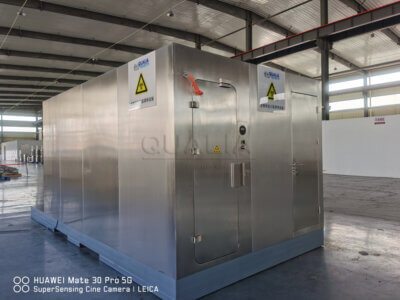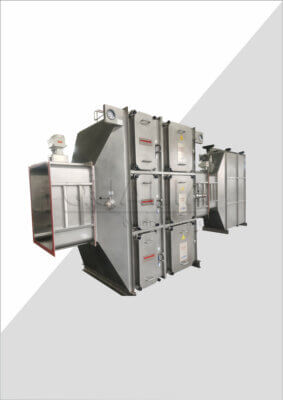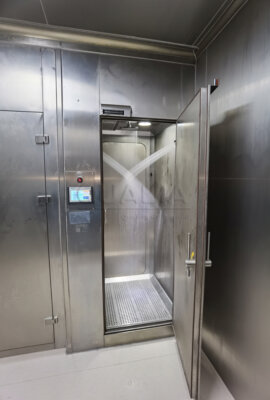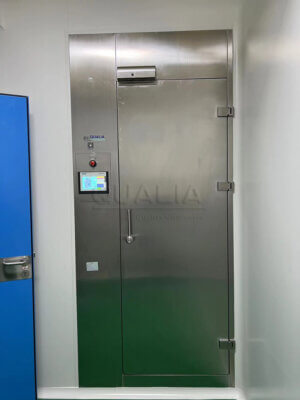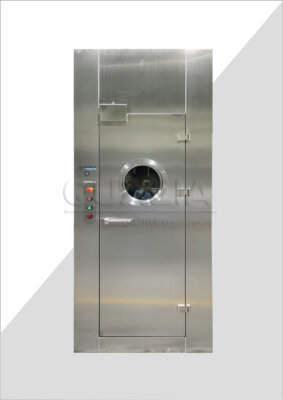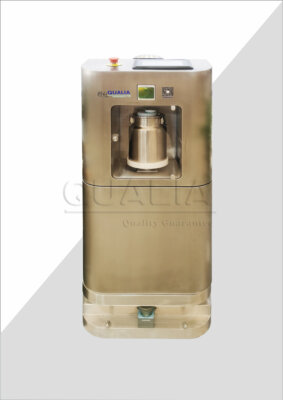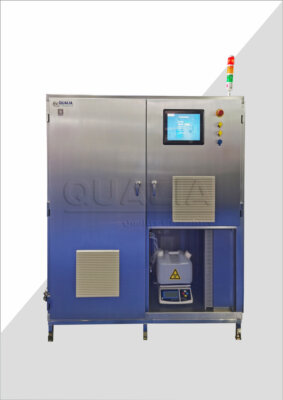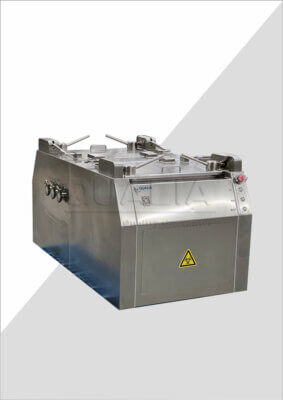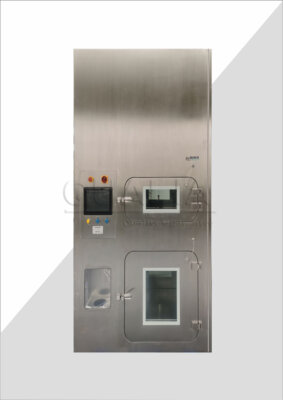
Instalațiile BSL-3 și BSL-4 se confruntă cu un mandat nenegociabil: deșeurile lichide care părăsesc zona de izolare trebuie să fie complet neinfectate înainte de evacuare. Metodele chimice introduc variabile - incertitudinea timpului de contact, sensibilitatea la pH, subprodusele de dezinfecție. UV se luptă cu turbiditatea. Decontaminarea termică a efluenților elimină aceste variabile. La temperaturi cuprinse între 121°C și 160°C sub presiune, căldura denaturează proteinele, rupe pereții celulari și distruge chiar și organismele care formează spori și care rezistă oricărei alte metode de tratare.
Standardul critic de performanță este o reducere de 6-log-99,9999% a inactivării celor mai rezistenți agenți patogeni. Acest lucru nu este teoretic. Cadrele de reglementare ale CDC, APHIS și EPA impun demonstrarea acestei rate de distrugere utilizând indicatori biologici validați. Întrebarea nu este dacă tratamentul termic funcționează. Este vorba de modul în care se combină ingineria, protocoalele de validare și controalele operaționale pentru a oferi performanțe constante și verificabile în instalații în care eșecul izolării este inacceptabil.
Principiul de bază: transferul de căldură și cinetica inactivării microbiene
Mecanisme de inactivare termică
Dezinfecția termică acționează prin trei mecanisme simultane: denaturarea proteinelor din cadrul structurilor celulare, deteriorarea integrității pereților celulari și creșterea presiunii interne care provoacă ruperea celulelor. Spre deosebire de metodele chimice sau UV, eficacitatea rămâne constantă indiferent de turbiditatea, materia organică naturală, duritatea apei sau contaminarea cu metale din fluxul de efluenți. Procesul elimină bacteriile, protozoarele, virușii și, în mod esențial, organismele care formează spori, cum ar fi Bacillus și Clostridium specii care supraviețuiesc la concentrații de înălbitor de peste 5 700 ppm timp de două ore.
Temperatura și timpul funcționează în relație inversă. La 121°C, sistemele discontinue necesită 30-60 de minute de expunere. Creșteți temperatura la 140°C, iar sistemele cu flux continuu obțin aceeași reducere logaritmică în 10 minute. La 160°C, timpul de rezidență scade la 1-10 minute. Un studiu pilot de tratare a apelor reziduale spitalicești cu o turbiditate a influentului de 100 NTU a obținut o inactivare microbiană de 8 log la 140°C cu o perioadă de așteptare de 10 minute - performanță pe care metodele chimice nu o pot reproduce în aceste condiții.
Cadrul valoric F0
Validarea procesului utilizează parametrul F0 pentru a exprima timpul de sterilizare echivalent la temperatura de referință de 121°C. Sistemele care vizează aplicații BSL-3/4 specifică de obicei valori F0 între 25 și 50, în funcție de nivelul de izolare și de profilul agenților patogeni. Acest parametru standardizat permite compararea diferitelor combinații temperatură-timp și oferă o țintă cuantificabilă pentru testele de validare. În mod esențial, tratamentul termic nu produce subproduse de dezinfecție măsurabile, eliminând complexitatea de reglementare a trihalometanilor și a acizilor haloacetici care afectează sistemele de clorinare.
Proiectarea procesului: Componentele cheie ale unui sistem de decontaminare a efluenților termici
Batch vs. Arhitectura fluxului continuu
Două modele fundamentale răspund diferitelor cerințe ale instalațiilor. Sistemele discontinue colectează efluentul într-un vas de sterilizare - un singur rezervor pentru volume mici, două rezervoare pentru colectarea continuă în timp ce un vas sterilizează. Efluentul se încălzește până la temperatura țintă, se menține pentru timpul specificat, se răcește, apoi se descarcă. Aceste sisteme gestionează amestecuri lichid-solid cu particule de până la 4 mm, ceea ce le face potrivite pentru spălarea instalațiilor pentru animale și pentru situații de contaminare gravă. Agitarea previne sedimentarea și îmbunătățește distribuția căldurii în întreaga încărcătură.
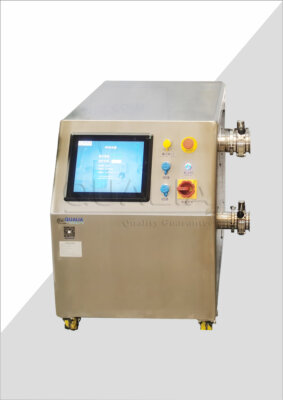
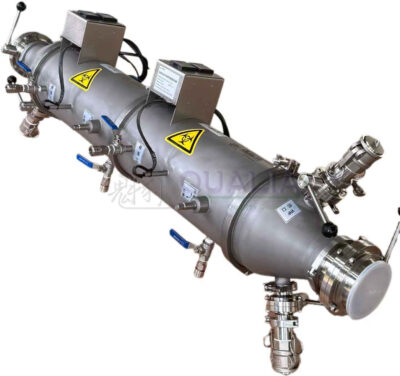
Sistemele cu debit continuu transportă efluentul printr-o serie de schimbătoare de căldură: preîncălzire cu efluent tratat (recuperare de căldură), încălzire la temperatura de sterilizare, reținere într-o buclă de reținere, apoi răcire înainte de evacuare. Această arhitectură se potrivește instalațiilor care generează volume mari și constante - între 10 000 și 190 000 de litri pe zi. Caracteristicile sisteme de decontaminare termică pentru deșeuri lichide BSL-3/4 încorporează schimbătoare de căldură regenerative care recuperează 75-95% de energie termică, transformând costurile de operare pentru instalațiile cu randament ridicat.
Configurația sistemului și specificațiile componentelor
| Tip sistem | Interval de capacitate | Eficiența recuperării căldurii | Metoda de încălzire primară |
|---|---|---|---|
| Lot (rezervor unic) | <100 până la 63.000 L/zi | N/A | Cameră de aburi, încălzire electrică |
| Batch (rezervor dublu) | 1.000 până la 63.000 L/zi | N/A | Cămașă de abur, injecție directă de abur |
| Flux continuu | 10.000 până la 190.000 L/zi | 75-95% | Schimbător de căldură regenerativ, abur |
Notă: Materialul de construcție este minim 316SS; Hastelloy pentru efluenți corozivi.
Sursa: Standarde pentru echipamente de bioprocesare ASME BPE.
Tehnologia materialelor și a încălzirii
Materialele de construcție determină longevitatea sistemului. Suprafețele de contact cu produsele încep de la oțelul inoxidabil 316. Efluenții foarte corozivi - acizi concentrați, solvenți halogenați - necesită aliaje duplex sau super-austenitice precum Hastelloy. Metodele de încălzire depind de infrastructura instalației: jachete de abur pentru instalațiile cu centrale cu abur existente, injecție directă de abur pentru viteze de încălzire mai mari sau elemente de încălzire electrice în cazul în care aburul nu este disponibil. Tehnologia brevetată de încălzire electrică “Actijoule” oferă un control precis al temperaturii fără a depinde de abur. Am văzut instalații care aleg metode de încălzire bazate mai mult pe disponibilitatea utilităților decât pe superioritatea tehnică - o decizie pragmatică care afectează termenele de instalare și costurile de exploatare pentru zeci de ani.
Validarea performanței: De la indicatorii biologici la monitorizarea continuă
Protocoale privind indicatorii biologici
Validarea necesită dovezi, nu afirmații. Geobacillus stearothermophilus sporii servesc drept indicator biologic standard datorită rezistenței excepționale la căldură. Protocolul pune la încercare sistemul cu o concentrație cunoscută - de obicei 10^6 spori - plasați în cele mai nefavorabile locuri: puncte reci în rezervoarele discontinue, puncte de intrare ale buclelor de reținere în sistemele continue. Metodele de cultură posttratament trebuie să demonstreze absența creșterii, confirmând o reducere de cel puțin 6 log.
Strategia de amplasare determină credibilitatea validării. Studiile de cartografiere identifică cel mai rece punct din vase prin intermediul mai multor rețele de termocupluri în timpul punerii în funcțiune. Benzile de spori din comerț pot elibera spori în lichid, ceea ce poate duce la confuzii în rezultate. Pachetele de spori preparate în laborator în tuburile de dializă asigură o izolare mai riguroasă, permițând în același timp penetrarea termică. Frecvența validării urmează o cadență standard: instalarea inițială, intervale trimestriale sau anuale și revalidarea obligatorie după reparații semnificative sau modificări ale procesului.
Protocolul de validare și cerințele de monitorizare
| Componenta de validare | Indicator/Metodă | Performanță țintă | Frecvența |
|---|---|---|---|
| Validarea biologică | G. stearothermophilus spori | Reducere ≥6-log de la 10^6 spori | Inițial, trimestrial/anual, post-reparare |
| Indicatori chimici | Bandă/bandă sensibilă la temperatură | Confirmarea vizuală a pragului de temperatură | Fiecare ciclu (rutină) |
| Monitorizarea fizică | Înregistrarea datelor PLC (T, P, timp) | Arhiva continuă a parametrilor critici | În timp real, toate ciclurile |
Sursa: ISO 17665 / EN 285, FDA 21 CFR Partea 11.
Monitorizarea continuă a parametrilor
Indicatorii chimici - bandă sau benzi sensibile la temperatură - asigură confirmarea ciclului de rutină între validările biologice. Adevărata validare are loc prin monitorizarea fizică continuă. Controlerele moderne bazate pe PLC înregistrează timpul, temperatura și presiunea pentru fiecare ciclu. Arhivele de date stochează mii de cicluri anterioare cu trasabilitate completă a parametrilor critici și a evenimentelor de alarmă. Acest lucru creează o înregistrare verificabilă care îndeplinește cerințele de reglementare și oferă o capacitate criminalistică atunci când se investighează abaterile de la proces. Sistemele conforme cu FDA 21 CFR Partea 11 să pună în aplicare controale ale semnăturii electronice și măsuri de integritate a datelor pentru instalațiile care fac obiectul supravegherii FDA.
Integrare și control: Asigurarea funcționării în condiții de siguranță în medii BSL-3/4
Întreruperi de siguranță și integritatea contenției
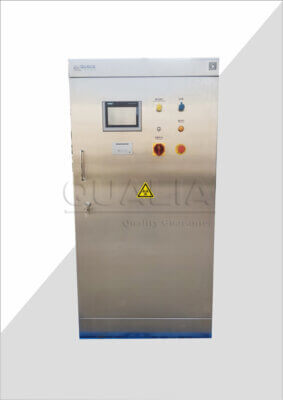
Sistemele de control construite pe PLC-uri cu ecrane tactile HMI gestionează funcționarea, monitorizarea și arhivarea datelor. Distincția critică în aplicațiile BSL-3/4 este ingineria de siguranță. Supapa dublă la intrările de efluenți previne refluxul în canalizările laboratorului. Sistemele de reducere a presiunii protejează integritatea vasului. Blocajele software și hardware asigură un ciclu de sterilizare complet și validat înainte de deschiderea supapelor de evacuare. Toate conexiunile vasului sub presiune sunt amplasate pe suprafețele superioare pentru a minimiza riscurile de scurgere - un principiu de proiectare care reduce probabilitatea de încălcare a izolării.
Configurațiile de redundanță variază în funcție de gradul de criticitate. Sistemele discontinue cu două rezervoare asigură o funcționare N+1 inerentă: un rezervor colectează în timp ce celălalt sterilizează. Sistemele continue pot specifica pompe duble, generatoare de abur de rezervă sau skid-uri de tratare paralele. Decizia privind redundanța echilibrează costul de capital cu impactul operațional al indisponibilității sistemului. Pentru instalațiile BSL-4, o perioadă de nefuncționare înseamnă suspendarea operațiunilor de cercetare și potențiale încălcări ale protocolului de izolare.
Caracteristici de proiectare Fail-Safe pentru sistemele BSL-3/4
| Caracteristica de siguranță | Punerea în aplicare | Funcția |
|---|---|---|
| Supapă dublă | Supape de admisie automatizate cu interblocare | Prevenirea refluxului la canalizarea laboratorului |
| Redundanță (N+1) | Rezervoare duble, pompe duble, abur de rezervă | Menținerea capacității de tratare în timpul defectării componentelor |
| Automatizare CIP | Cicluri automatizate de curățare la locul lor | Decontaminați componentele interne înainte de accesul pentru întreținere |
| Gestionarea alarmelor | Alerte pe mai multe niveluri cu arhivare de date | Notificarea imediată a abaterilor de la T, P, nivel |
| Controlul accesului | PLC protejat prin parolă cu niveluri de rol | Limitarea modificărilor operaționale la personalul autorizat |
Sursa: BMBL Ediția a 6-a.
Gestionarea alarmelor și controlul accesului
Ierarhiile de alarmă oferă notificări sonore și vizuale pentru abaterile de temperatură, anomaliile de presiune, excursiile de nivel sau defecțiunile de fază ale ciclului. Arhiva de date captează fiecare eveniment de alarmă cu marca temporală și valorile parametrilor. Securitatea sistemului de control implementează mai multe niveluri de acces - operator, tehnician, inginer - cu protecție prin parolă care împiedică modificarea neautorizată a parametrilor. Funcțiile de anulare manuală există pentru situațiile de urgență, dar necesită acreditări ridicate. Într-un proiect de instalație cu grad ridicat de izolare pe care l-am analizat, o defecțiune a tratamentului termic a declanșat redirecționarea automată către un rezervor de așteptare și a inițiat un ciclu de dezinfecție - sistemul a trecut în mod implicit la izolare, în loc să necesite intervenția operatorului.
Dincolo de sterilizare: Gestionarea încărcăturii chimice și de particule în efluenți
Modificări ale proprietăților fizico-chimice
Tratamentul termic modifică caracteristicile efluentului dincolo de inactivarea agenților patogeni. Temperatura și presiunea ridicate descompun particulele, schimbând distribuția dimensiunilor de la 0-200 µm la predominant 0-60 µm. Acest lucru complică metodele analitice: Măsurătorile carbonului organic total pot arăta creșteri aparente pe măsură ce particulele mai mici trec prin filtrele standard, chiar dacă cererea chimică de oxigen rămâne neschimbată din punct de vedere statistic. Schimbarea reprezintă solubilizarea particulelor organice și a grăsimilor, nu crearea unei încărcături organice suplimentare.
Concentrațiile de fosfat scad adesea după tratare prin complexarea cu metale precum fierul prezent în fluxul de deșeuri, provocând precipitarea. pH-ul și conductivitatea rămân de obicei nealterate de dezinfecția termică în sine. Principala preocupare este introducerea metalelor grele din componentele sistemului. Coroziunea cuprului din schimbătoarele de căldură și a fierului din oțelul inoxidabil poate crește în efluentul tratat, necesitând o selecție a materialelor care să echilibreze eficiența transferului de căldură cu limitele de evacuare.
Modificări ale compoziției efluentului după tratamentul termic
| Parametru | Pretratament | Post-tratament | Mecanism |
|---|---|---|---|
| Distribuția dimensiunii particulelor | 0-200 µm | 0-60 µm (trecerea la dimensiuni mai mici) | Rupere indusă de căldură/presiune |
| TOC (filtrat) | Linia de bază | Crescută (aparentă) | Solubilizarea substanțelor organice, particulele mai mici trec prin filtre |
| Concentrația PO4-P | Linia de bază | Scăzut | Complexarea cu metale, precipitarea |
| Metale grele (Cu, Fe) | Linia de bază | Creștere | Coroziunea componentelor sistemului |
| pH / Conductivitate | Linia de bază | Neschimbat | Alterare chimică minimă |
Notă: COD rămâne neschimbat din punct de vedere statistic; creșterea temperaturii cu 5-8°C necesită respectarea limitelor de descărcare termică.
Cerințe privind descărcarea termică și neutralizarea
Efluentul se răcește înainte de evacuare, dar o creștere netă a temperaturii de 5-8°C față de influent este tipică. Ordonanțele locale privind canalizarea stabilesc limite de descărcare termică, ceea ce poate necesita o capacitate suplimentară de răcire. Sistemele care utilizează înălbitor în configurații hibride se confruntă cu o complexitate suplimentară: clorul liber rezidual trebuie neutralizat la mai puțin de 0,1 ppm înainte de evacuare, utilizând substanțe chimice precum tiosulfatul de sodiu. Acest lucru sporește complexitatea manipulării produselor chimice, a echipamentelor de dozare și de monitorizare, pe care sistemele exclusiv termice le evită complet.
Considerații operaționale: Eficiență, scalabilitate și gestionarea ciclului de viață
Consumul de energie și recuperarea căldurii
Consumul de energie domină analiza costurilor operaționale. Sistemele discontinue fără recuperare de căldură consumă 50-100 kWh/m³. Sistemele cu flux continuu cu schimbătoare de căldură regenerative reduc acest consum la 10-37 kWh/m³ - o reducere energetică de 80-95%. Un sistem pilot cu flux continuu a obținut aproximativ 10 Watt-ore pe litru prin proiectarea optimizată a recuperării căldurii. Majorarea costului de capital pentru schimbătoarele de căldură regenerative se amortizează în câteva luni la rate de producție ridicate.
Consumul de apă de răcire reprezintă o altă povară pentru utilități. Sistemele de răcire cu trecere unică consumă volume mari de apă potabilă. Răcirea prin recirculare sau integrarea cu sistemele de apă răcită ale instalației reduc consumul. Decizia privind metoda de răcire implică costuri de capital, costuri curente cu utilitățile și constrângeri legate de infrastructura instalației - apa răcită necesită capacitatea existentă sau instalarea unui nou răcitor.
Parametrii de sterilizare termică în funcție de condițiile de funcționare
| Temperatura | Presiunea | Timp de rezidență | F0 Intervalul de valori | Reducerea buștenilor |
|---|---|---|---|---|
| 121°C | 2 bar | 30-60 min (lot) | 25-50 | ≥6-log |
| 140°C | 7 bar | 10 min (continuu) | 25-50 | ≥6-log la 8-log |
| 160°C | 11 bar | 1-10 min (continuu) | 25-50 | ≥6-log |
Sursa: Biosecuritatea în laboratoarele microbiologice și biomedicale (BMBL).
Scalabilitate și planificare a ciclului de viață
Capacitatea sistemului variază de la mai puțin de 100 de litri pe zi pentru chiuvetele de la punctul de utilizare la peste 190 000 de litri pe zi pentru instalațiile industriale mari. Dimensionarea necesită o analiză a volumului zilnic, a profilelor debitelor de vârf și a cerințelor de extindere viitoare. Proiectarea modulară, montată pe skid, facilitează instalarea și permite creșterea capacității prin adăugarea de skid-uri paralele, mai degrabă decât prin înlocuirea completă a sistemului.
Cerințele de întreținere includ inspectarea trimestrială a supapelor, pompelor, senzorilor și schimbătoarelor de căldură pentru depistarea depunerilor de calcar sau a murdăririi. Sistemele automate de detartrare prelungesc intervalele dintre curățările manuale. Selecția materialelor determină longevitatea - sistemele bine întreținute din aliaje rezistente la coroziune au o durată de viață de 20-25 de ani. Calculul costului ciclului de viață trebuie să includă energia, taxele de apă/canal, munca de întreținere și eventuala înlocuire a componentelor, nu doar cheltuielile inițiale de capital.
Performanță operațională și măsurători ale ciclului de viață
| Metric | Sisteme de loturi | Sisteme de debit continuu | Considerații privind proiectarea |
|---|---|---|---|
| Consumul de energie | 50-100 kWh/m³ | 10-37 kWh/m³ (cu recuperare de căldură) | Recuperarea căldurii este esențială pentru eficiență |
| Utilizarea apei de răcire | Înaltă (o dată prin) | Scăzut (răcire regenerativă) | Recircularea reduce cererea de apă potabilă |
| Amprenta sistemului | Moderat până la mare | Compact (montat pe skid) | Modelele modulare facilitează extinderea |
| Interval de întreținere | Inspecție trimestrială | Inspecție trimestrială + decalcifiere | Selecția materialului afectează longevitatea |
| Durata de viață preconizată | 20-25 de ani | 20-25 de ani | Aliajele rezistente la coroziune prelungesc durata de viață |
Sursa: Orientările CDC BMBL.
Obținerea unei reduceri fiabile de 6 log a agenților patogeni necesită integrarea cineticii termice validate, a controalelor tehnice de siguranță și a protocoalelor de monitorizare continuă. Cadrul decizional începe cu cerințele de capacitate și caracteristicile efluentului, determină arhitectura discontinuă sau continuă, apoi specifică nivelul de redundanță pe baza cerințelor de izolare și a toleranței la riscul operațional. Selecția materialelor echilibrează costul de capital cu durabilitatea pe durata ciclului de viață. Recuperarea căldurii determină dacă costurile de exploatare rămân gestionabile la scară largă.
Aveți nevoie de soluții profesionale de decontaminare a efluenților validate pentru operațiuni BSL-3/4? QUALIA oferă sisteme de tratament termic proiectate cu protocoale complete de validare și suport pentru ciclul de viață. Contactați-ne pentru proiectarea sistemului și specificațiile de performanță specifice amplasamentului.
Întrebări frecvente
Î: Ce standarde de reglementare impun decontaminarea efluenților termici pentru laboratoarele de înaltă securitate?
R: The Biosecuritatea în laboratoarele microbiologice și biomedicale (BMBL) impune decontaminarea efluenților pentru toate laboratoarele BSL-3 și BSL-4, specificând tratamentul termic ca metodă preferată. Orientările CDC/APHIS confirmă, de asemenea, că metodele termice sau chimice sunt acceptabile pentru deșeurile lichide din laboratoarele care manipulează agenți selectivi. Sistemele trebuie să fie validate pentru a obține o reducere a agenților patogeni de minimum 6 log, în conformitate cu orientările EPA privind eficacitatea dezinfectanților.
Î: Cum este cuantificată și validată eficacitatea sterilizării într-un EDS termic?
R: Validarea necesită demonstrarea unei reduceri de minimum 6-log a sporilor bacterieni foarte rezistenți, de obicei Geobacillus stearothermophilus. Indicatorii biologici (BI) sunt plasați în cele mai nefavorabile locații din cadrul sistemului, iar un ciclu de succes arată că nu există creștere după tratament. Procesul este standardizat în cadrul ISO 17665 / EN 285, iar monitorizarea continuă a timpului și a temperaturii oferă o asigurare de rutină. Controlerele PLC moderne arhivează aceste date pentru conformitate, care pot intra sub incidența FDA 21 CFR Partea 11 pentru înregistrările electronice.
Î: Care sunt principalele diferențe operaționale între sistemele de decontaminare termică discontinue și cele cu flux continuu?
R: Sistemele discontinue colectează efluentul într-un “rezervor de ucidere”, îl încălzesc la 121°C-160°C, îl mențin timp de 30-60 de minute, apoi îl răcesc și îl descarcă. Sistemele continue utilizează schimbătoare de căldură regenerative pentru a trata efluenții care curg la temperaturi mai ridicate (140-160°C) cu timpi de ședere mai scurți (1-10 minute). Proiectele cu flux continuu realizează o recuperare a căldurii de 75-95%, oferind o eficiență energetică superioară pentru volume mari și constante, în timp ce sistemele discontinue gestionează mai bine sarcinile variabile și amestecurile lichid/solid.
Î: De ce este esențială selectarea materialului pentru longevitatea sistemului și ce aliaje sunt specificate pentru efluenții corozivi?
R: Oțelul inoxidabil 316 standard este utilizat pentru majoritatea pieselor care intră în contact cu produsul, dar efluenții corozivi pot accelera uzura. Pentru fluxurile de deșeuri agresive care conțin săruri, acizi sau încărcături organice ridicate, se specifică oțeluri inoxidabile duplex sau super-austenitice precum Hastelloy. Acest lucru previne coroziunea componentelor, cum ar fi schimbătoarele de căldură, care, în caz contrar, ar putea leviga metale precum cuprul și fierul în efluentul tratat, ceea ce ar putea încălca ordonanțele privind evacuarea.
Î: Cum poate un EDS termic să asigure funcționarea în condiții de siguranță în cadrul unui înveliș de izolare BSL-3/4?
R: Sistemele integrează mai multe interblocări de siguranță hardware și software prin intermediul unui controler PLC. Acestea includ o supapă dublă la intrările de efluenți, sisteme de reducere a presiunii și o logică care împiedică descărcarea până la finalizarea unui ciclu de sterilizare verificat. Proiectele redundante (N+1), precum sistemele discontinue cu două rezervoare, asigură funcționarea continuă. Integritatea containerului este menținută prin amplasarea conexiunilor vasului în partea superioară pentru a minimiza riscurile de scurgere și prin utilizarea filtrelor de aerisire sterilizabile cu abur.
Î: Care sunt principalii factori care determină costul operațional și eficiența unui EDS termic?
R: Consumul de energie este cel mai important factor de cost. Sistemele de flux continuu cu schimbătoare de căldură regenerative de înaltă eficiență pot recupera 80-95% de energie termică, reducând în mod dramatic consumul de energie în comparație cu sistemele discontinue. Costurile suplimentare includ apa pentru răcire, substanțele chimice pentru ajustarea pH-ului sau pentru declorare, dacă este necesar, munca de întreținere și monitorizarea conformității. O analiză completă a ciclului de viață trebuie, de asemenea, să ia în considerare durabilitatea sistemului de 20-25 de ani, influențată de selecția materialelor.
Conținut înrudit:
- Decontaminarea termică vs chimică vs termochimică a efluenților: 8 diferențe esențiale de performanță pentru instalațiile BSL-3 și BSL-4
- BioSafe EDS: Sisteme termice pentru tratarea efluenților
- Tratamentul termic: Revoluționarea sistemelor de decontaminare a efluenților
- Cum funcționează sistemele de decontaminare a efluenților | Prezentare generală a proceselor | 2025
- BioSafe EDS: Sisteme de tratare discontinuă-continuă
- Decontaminarea efluenților termici: Protejarea mediului nostru
- BioSafe EDS: Sisteme inovatoare de recuperare a căldurii
- Protejarea sănătății: Sisteme avansate de decontaminare a efluenților
- Sterilizare termică vs. tratament chimic | Comparație tehnologie EDS