Pentru instalațiile de producție a vaccinurilor de volum mare, alegerea sistemului de decontaminare a efluenților (EDS) este un punct critic de blocaj. Alegerea între fluxul continuu și procesarea pe loturi are un impact direct asupra randamentului, costurilor operaționale și scalabilității instalației. Un sistem nealiniat poate paraliza capacitatea de producție cu timpi de ciclu excesivi sau un consum de energie nesustenabil.
Această decizie nu mai ține doar de conformitate; este o strategie tehnică și financiară de bază. Pe măsură ce producția se extinde pentru a satisface cererea globală, eficiența și amprenta la sol a tratării deșeurilor devin factori limitativi. Înțelegerea compromisurilor tehnice precise în ceea ce privește debitul, timpul de retenție și costul total de proprietate este esențială pentru construirea unor operațiuni rezistente și de mare capacitate.
Principalele diferențe de proiectare: Flux continuu vs. EDS discontinuu
Definirea paradigmei operaționale
Diferența fundamentală constă în cadența procesului. Un EDS cu flux continuu funcționează într-o stare de echilibru, tratând efluenții într-un flux constant. Deșeurile sunt încălzite rapid, menținute la o temperatură precisă de sterilizare într-un serpentin proiectat și răcite pentru a fi evacuate imediat - totul în câteva minute. Sistemele discontinue, în schimb, funcționează în cicluri discrete, de mai multe ore, de umplere, tratare și evacuare. Această diferență în modul de funcționare dictează fiecare caracteristică ulterioară de proiectare și performanță.
Inginerie pentru flux și letalitate
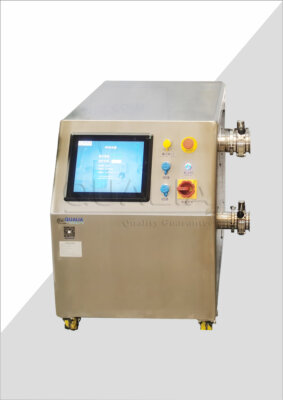
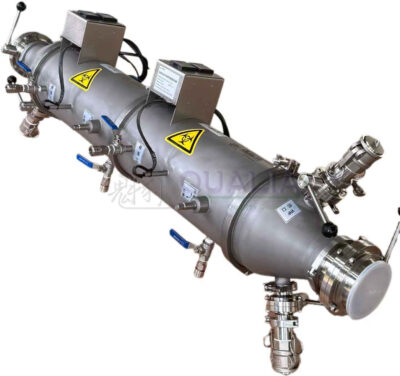
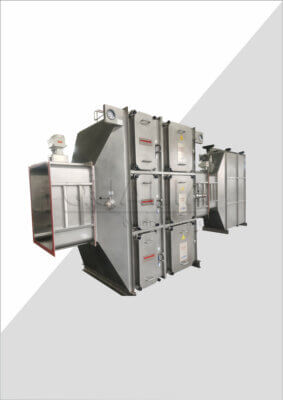
Proiectarea sistemului continuu se axează pe relația precisă dintre debit și timpul de retenție fizică în tubul de retenție. Inginerii trebuie să garanteze că fiecare particulă de fluid are suficient timp la temperatură pentru inactivarea validată a agenților patogeni. Această arhitectură tubulară, montată pe skid, duce la o amprentă semnificativ mai mică per volum tratat. Pe baza analizei noastre a planurilor instalațiilor, acest design compact permite adesea instalarea în zone mecanice cu spațiu limitat, unde un vas discontinuu ar fi prohibitiv.
Matricea aplicațiilor și potrivirea tehnologiei
Alegerea creează o matrice clară de aplicații. Fluxul continuu este proiectat pentru fluxuri de deșeuri lichide cu volum mare și conținut scăzut de solide, tipice operațiunilor cu bioreactoare la scară largă. Sistemele discontinue se pot adapta mai bine instalațiilor cu deșeuri cu conținut solid sau cu debite foarte variabile. Principiul de bază al ingineriei este diferit: continuitatea prioritizează precizia debitului și a timpului de retenție, în timp ce discontinuitatea pune accentul pe optimizarea timpului de ciclu și pe mecanica de umplere/descărcare.
| Parametru de proiectare | Flux continuu EDS | Lot EDS |
|---|---|---|
| Mod operațional | Flux în stare stabilă | Cicluri discrete de mai multe ore |
| Durata tratamentului | Minute pe volum | Ore pe ciclu |
| Amprenta | Volum mic pe volum tratat | Mai mare |
| Tipul optim de deșeuri | Volum mare, lichid cu conținut scăzut de solide | Cu încărcătură solidă, cursuri de apă variabile |
| Principiul ingineriei | Debit și timp de retenție | Durata ciclului și umplere/descărcare |
Sursă: ASME BPE-2022 Echipamente de bioprocesare. Acest standard definește proiectarea igienică și cerințele tehnice pentru sistemele de procesare sterilă, direct relevante pentru arhitectura tubulară montată pe skid și specificațiile materialelor sistemelor cu flux continuu.
Analiza costurilor: Investiții de capital și cheltuieli de exploatare
Evaluarea costului total al proprietății
Analiza financiară trebuie să se extindă dincolo de prețul de achiziție. Sistemele cu flux continuu presupun, de obicei, cheltuieli inițiale de capital (CAPEX) mai mari. Acest cost acoperă schimbătoare de căldură regenerative sofisticate, instrumentație de precizie și controale avansate de automatizare. Sistemele discontinue prezintă adesea o investiție inițială mai mică. Eroarea critică constă în prioritizarea doar a CAPEX, fără modelarea duratei de viață operaționale.
Motorul cheltuielilor operaționale
Justificarea financiară pentru fluxul continuu apare în cheltuielile de exploatare (OPEX). Integrarea schimbătoarelor de căldură regenerative recuperează până la 80% de energie termică, făcând aceste sisteme cu până la 95% mai eficiente din punct de vedere energetic decât operațiunile discontinue. Acest lucru se traduce prin costuri cu utilitățile mult mai mici, o economie recurentă care se acumulează semnificativ pe durata de viață a sistemului. Am observat că pentru instalațiile cu volume zilnice mari de efluenți, economiile OPEX pot justifica CAPEX-ul mai mare în mai puțin de trei ani.
Selectarea materialelor și costul ciclului de viață
Selecția materialelor, determinată de chimia fluxului de deșeuri, are un impact direct atât asupra capitalului, cât și asupra costurilor pe termen lung. Deși oțelurile duplex rezistente la cloruri cresc investiția inițială, acestea previn defectarea catastrofală prin coroziune. Alegerea unor materiale inferioare pentru a reduce CAPEX duce la înlocuirea prematură a sistemului și la timpi de inactivitate costisitori.
| Componenta de cost | Flux continuu EDS | Lot EDS |
|---|---|---|
| Cheltuieli de capital (CAPEX) | Investiție inițială mai mare | Investiție inițială mai mică |
| Cheltuieli de exploatare (OPEX) | Scădere dramatică | Mai mare |
| Eficiența energetică | Până la 95% mai eficient | Eficiență mai scăzută |
| Principalul motor OPEX | Recuperare termică ridicată (până la 80%) | Încălzire directă |
| Impactul costurilor materialelor | Mai mare pentru oțelurile duplex | Variabilă |
Notă: Justificarea financiară prioritizează economiile OPEX pe toată durata de viață față de CAPEX inițial.
Sursă: Documentație tehnică și specificații industriale.
Compararea performanțelor: Throughput și eficiență energetică
Debitul ca factor de extindere
Divergența de performanță este cea mai evidentă în ceea ce privește debitul. EDS în flux continuu atinge capacități zilnice de peste 190 000 de litri prin tratarea efluenților în câteva minute. Acest lucru eclipsează procesarea discontinuă, care este constrânsă de timpii de ciclu măsurați în ore. Acest debit ridicat nu este întâmplător; el este proiectat prin echilibrul dintre debit și timpul de retenție definit fizic în serpentina de retenție. Aceasta susține în mod direct necesitățile de producție scalabile, de volum mare, fără a multiplica unitățile sistemului.
Eficiența ca imperativ operațional
Eficiența energetică este principalul factor OPEX. Proiectarea sistemului pentru transferul rapid și uniform de căldură și recuperarea termică ridicată minimizează cererea de utilități. Această caracteristică de performanță nu este negociabilă pentru funcționarea durabilă și rentabilă la scară largă. Funcționarea de înaltă eficiență transferă riscul de la funcționarea manuală la complexitatea sistemului, deoarece controalele PLC complet automatizate gestionează toți parametrii critici și măsurile de siguranță.
| Metrica de performanță | Flux continuu EDS | Note / Specificații |
|---|---|---|
| Capacitatea de producție zilnică | Depășește 190.000 litri | Facilitat de tratamentul la scară minuțioasă |
| Eficiența energetică | Principalul motor OPEX | Până la 95% vs. lot |
| Recuperare termică | Până la 80% recuperate | Prin intermediul schimbătoarelor de căldură regenerative |
| Controlul proceselor | PLC complet automatizat | Gestionează toți parametrii critici |
| Profilul de risc | Complexitatea sistemului | Trecerea de la funcționarea manuală |
Sursă: Documentație tehnică și specificații industriale.
Care sistem este mai bun pentru instalațiile de înaltă securitate (BSL-3/4)?
Integritatea inerentă a izolării
Pentru instalațiile cu grad ridicat de izolare, ambele sisteme îndeplinesc cerințele de biosecuritate, însă fluxul continuu oferă avantaje distincte. Calea sa de curgere tubulară presurizată, complet sudată, asigură integritatea inerentă a izolării, fără picioare moarte. Acest lucru este esențial pentru prevenirea scurgerilor atunci când se procesează deșeuri cu decontaminanți chimici agresivi. Amprenta compactă facilitează instalarea în spații de izolare sau zone mecanice cu spațiu limitat, simplificând aspectul instalației.
Minimizarea expunerii operatorului
Funcționarea automatizată, în buclă închisă, reprezintă un beneficiu semnificativ pentru siguranță. Sistemele continue cu deviere automată la abaterea parametrilor reduc la minimum intervenția operatorului. Acest lucru reduce riscul de expunere în timpul procesării de rutină și în condiții de alarmă. Pentru instalațiile cu volume mari și constante de deșeuri lichide - frecvente în producția de vaccinuri pe scară largă - debitul sistemului continuu se aliniază la obiectivele operaționale, sporind în același timp siguranța personalului.
Sprijinirea producției distribuite
Natura modulară, montată pe patine, a sistemelor cu flux continuu sprijină economiile de scară pentru rețelele de producție distribuite. Acesta este un aspect esențial pentru strategiile de producție regionale, rezistente la pandemii. Un proiect EDS standardizat, de mare capacitate, poate fi reprodus în mai multe locații, asigurând performanțe constante de tratare a deșeurilor și simplificând eforturile de validare a reglementărilor.
Implementare și integrare: Spațiu, utilități și calendar
Pre-planificarea pentru integrare
Integrarea cu succes depinde de planificarea din timp. Sistemul EDS continuu montat pe skid oferă o amprentă compactă, dar necesită conexiuni adecvate la utilități. Dimensionarea rezervorului tampon din amonte este esențială pentru a atenua fluctuațiile de alimentare și a asigura un flux constant în sistem. Alegerea utilităților - abur pentru capacitate mare sau electric pentru flexibilitate - afectează atât proiectarea inițială, cât și OPEX-ul continuu, deși eficiența termică ridicată reduce cererea pe termen lung, indiferent de sursă.
Furnizorul ca furnizor de soluții
Termenele de implementare trebuie să țină seama de rolul furnizorului. Angajarea unui furnizor de soluții complete cu experiență în inginerie, achiziții și construcții (EPC) reduce riscul total al proiectului. Integrarea lor verticală acoperă fabricarea la comandă, integrarea automatizării și asistența pentru punerea în funcțiune. Angajamentul timpuriu asigură optimizarea proiectului atât pentru inactivarea patogenului garantat, cât și pentru obiectivele operaționale strategice de la început.
| Factor de integrare | Specificație / Cerință | Impact |
|---|---|---|
| Amprenta fizică | Compact, montat pe skid | Economisește spațiu în sala de izolare |
| Sursă de utilități | Abur sau electric | Afectează proiectarea și OPEX |
| Cerință în amonte | Rezervor tampon pentru netezirea furajelor | Asigură un flux constant |
| Cererea termică | Reducere pe termen lung | Datorită eficienței ridicate |
| Rolul furnizorului | Furnizor de soluții complete (EPC) | Reducerea riscului total al proiectului |
Sursă: ASME BPE-2022 Echipamente de bioprocesare. Standardul oferă îndrumări esențiale cu privire la integrarea igienică a sistemelor montate pe skid, conexiunile la utilități și cerințele de fabricație, care sunt esențiale pentru implementarea cu succes a EDS.
Strategii de validare pentru inactivarea garantată a agenților patogeni
Depășirea blocajului validării
Validarea reprezintă o provocare tehnică esențială pentru fluxul continuu. De obicei, indicatorii biologici tradiționali nu pot supraviețui traseului presurizat, cu debit mare. Furnizorii abordează această problemă prin protocoale specializate, cum ar fi dozarea suspensiilor de spori dintr-un rezervor de validare de mici dimensiuni sau utilizarea de biopuțuri integrate și sanitizabile pentru indicatori autonomi. Achizițiile trebuie să mandateze și să bugeteze această strategie de la bun început; aceasta nu este o completare opțională.
Controale tehnice eligibile
Validarea se bazează din ce în ce mai mult pe calificarea controlului consecvent al parametrilor proiectați de către echipament. Pentru a dovedi că timpul de retenție calculat este întotdeauna atins, este necesar să se demonstreze controlul precis al temperaturii, presiunii și, în mod esențial, al debitului. Acest lucru este în concordanță cu o evoluție a reglementărilor către asigurarea continuă a datelor în detrimentul testelor biologice periodice. Înregistrarea electronică robustă a datelor pentru trasabilitate este, prin urmare, extrem de importantă, constituind coloana vertebrală a dosarului de validare.
| Provocarea validării | Soluție de debit continuu | Parametru cheie |
|---|---|---|
| Indicator biologic Utilizare | Protocoale de dozare specializate | Validarea suspensiei de spori |
| Plasarea indicatorului | Tuburi biologice integrate sanitizabile | Autoconținut |
| Metoda de asigurare primară | Controale tehnice eligibile | Temperatură, presiune, debit |
| Factor critic calculat | Timp de retenție garantat | Pe baza debitului |
| Cerința privind datele | Înregistrare electronică robustă | Pentru trasabilitate și conformitate |
Sursă: ISO 15883-5:2021 Mașini de spălat și dezinfectat. Acest standard definește cerințele de performanță și metodele de testare pentru validarea eficacității decontaminării, informând în mod direct strategiile pentru dovedirea inactivării agenților patogeni în sistemele automatizate.
Criterii de selecție a furnizorului și specificații cheie
Specificații tehnice ca referință
Specificațiile hardware constituie baza de referință pentru comparație. Parametrii cheie includ debitul proiectat (de exemplu, 100-12 000 L/h), timpul de retenție garantat la o temperatură de sterilizare stabilită și materialele de construcție. Alegerea între 316L și oțel inoxidabil duplex este dictată de chimia deșeurilor. Eficiența recuperării căldurii (>80%) este un factor determinant major al OPEX. Platforma de automatizare trebuie să fie un PLC/HMI cu înregistrare completă a datelor pentru conformitate.
Evaluarea parteneriatului strategic
Prioritizați furnizorii cu experiență demonstrată în domeniul EPC și expertiză în domeniul reglementărilor. Evaluați pachetul lor de asistență pentru validare și transparența software-ului pentru simularea modurilor de defectare. Peisajul furnizorilor se consolidează în jurul partenerilor care reduc riscul total al proiectului, de la proiectare până la conformitate. Aceștia nu sunt furnizori de echipamente, ci furnizori de soluții integrale. Capacitatea lor de a naviga prin standarde precum ASME BPE-2022 pentru fabricarea și ISO 13408-6 pentru principiile de izolare este nenegociabilă.
| Criterii de selecție | Specificații tehnice cheie | Considerații strategice |
|---|---|---|
| Capacitatea sistemului | Debit de proiectare: 100-12,000 L/oră | Potrivește volumul profilului deșeurilor |
| Garanția de letalitate | Timp de retenție la temperatura stabilită | Parametru de performanță de bază |
| Materiale | 316L vs. oțel inoxidabil duplex | Dictate de chimia deșeurilor |
| Eficiență metrică | Recuperarea căldurii >80% | Determinant major al OPEX |
| Automatizare și date | PLC/HMI cu logare | Pentru control și conformitate |
Sursă: ASME BPE-2022 Echipamente de bioprocesare. Specificațiile furnizorului pentru materiale, fabricație și proiectarea sistemului trebuie să se alinieze la acest standard definitiv pentru echipamentele de bioprocesare pentru a asigura integritatea igienică și acceptarea reglementărilor.
Pașii următori: Solicitați o propunere de proiectare personalizată a sistemului
Inițierea dialogului privind proiectarea
Etapa finală este solicitarea unei propuneri personalizate. Acest lucru presupune furnizarea către furnizori a unei analize complete a profilului deșeurilor. Datele trebuie să acopere volumul, variabilitatea debitului, conținutul de solide, compoziția chimică și spectrul de agenți patogeni. Acest profil contribuie în mod direct la proiectarea debitului, a timpului de retenție și la selectarea materialului pentru sistem continuu de decontaminare a efluenților.
Definirea domeniului de aplicare al propunerii
Propunerea trebuie să detalieze mai mult decât hardware-ul. Aceasta trebuie să includă strategia de validare, capacitățile software de automatizare și suportul pentru ciclul de viață. Având în vedere nevoia de flexibilitate operațională, luați în considerare solicitarea de proiecte cu adaptabilitate inerentă pentru viitoarele modificări ale procesului. Angajarea timpurie a unui furnizor de soluții complete asigură că proiectul final este optimizat pentru inactivarea garantată a agenților patogeni și pentru obiectivele operaționale strategice.
Decizia între EDS continuu și discontinuu depinde de trei priorități: alinierea tehnologiei la profilul deșeurilor, modelarea costului total de proprietate pe decenii și selectarea unui furnizor capabil să garanteze atât performanța, cât și conformitatea. Orice pas greșit în orice domeniu compromite producția, siguranța și viabilitatea financiară.
Aveți nevoie de îndrumare profesională pentru a proiecta un sistem pentru cerințele specifice de volum și de izolare ale instalației dumneavoastră? Experții de la QUALIA se specializează în proiectarea de soluții de decontaminare validate, cu randament ridicat, care se integrează perfect în operațiunile BSL-3/4. Contactați-ne pentru a discuta parametrii proiectului dvs. și pentru a solicita o analiză detaliată a proiectului.
Întrebări frecvente
Î: Cum garantați inactivarea agenților patogeni într-un EDS cu flux continuu atunci când nu puteți utiliza indicatori biologici tradiționali?
R: Validarea necesită protocoale specializate, cum ar fi dozarea suspensiilor presurizate de spori sau utilizarea biopuțurilor integrate, dezinfectabile, pentru indicatori autonomi. Strategia se bazează din ce în ce mai mult pe calificarea controlului consecvent al echipamentului asupra parametrilor proiectați - temperatură, presiune și debit - pentru a dovedi că timpul de retenție calculat este întotdeauna atins. Aceasta înseamnă că trebuie să solicitați și să bugetați acest pachet de validare non-standard din partea furnizorului în timpul achiziției, nu ca un gând ulterior.
Î: Care sunt specificațiile tehnice cheie pe care trebuie să le comparați atunci când selectați un furnizor de EDS cu flux continuu?
R: Specificațiile critice includ debitul proiectat (de exemplu, 100-12 000 L/h), timpul de retenție garantat la temperatura de sterilizare, materialele de construcție și eficiența recuperării căldurii (> 80%). De asemenea, trebuie să evaluați înregistrarea datelor platformei de automatizare și expertiza în materie de reglementare a furnizorului, în special suportul de validare. Pentru proiectele în care fiabilitatea pe termen lung este esențială, acordați prioritate furnizorilor cu experiență EPC completă, care pot reduce riscul total al proiectului, de la proiectare până la conformitate, nu doar să vândă echipamente.
Î: Care sistem de decontaminare a efluenților este mai bun pentru o instalație BSL-3 de înaltă securitate?
R: Sistemele de curgere continuă oferă avantaje distincte pentru apartamentele cu grad ridicat de izolare, datorită căii de curgere tubulare presurizate, complet sudate, care asigură integritatea de izolare inerentă, fără picioare moarte. Amprenta lor compactă și funcționarea complet automatizată, în buclă închisă, minimizează intervenția operatorului și riscul de expunere. Aceasta înseamnă că instalațiile cu volume mari și constante de deșeuri lichide ar trebui să acorde prioritate fluxului continuu pentru alinierea sa atât la obiectivele de biosecuritate, cât și la nevoile operaționale de mare randament.
Î: Care este impactul selecției materialelor asupra costului total de proprietate pentru un EDS?
R: Alegerea materialului, determinată de chimia fluxului de deșeuri, afectează în mod direct atât costul de capital, cât și longevitatea sistemului. Deși oțelurile duplex rezistente la cloruri cresc cheltuielile inițiale de capital (CAPEX), acestea sunt esențiale pentru prevenirea coroziunii în medii dure, evitând defecțiunile premature costisitoare. Aceasta înseamnă că modelul dvs. financiar trebuie să evalueze specificațiile materialelor în funcție de profilul specific al deșeurilor; optarea pentru materiale mai ieftine poate duce la costuri semnificativ mai mari pe durata de viață prin întreținere și timpii morți.
Î: Ce standarde reglementează proiectarea și fabricarea igienică a unui EDS cu flux continuu?
R: Proiectarea mecanică și fabricarea trebuie să respecte ASME BPE-2022 pentru cerințele sistemului igienic, inclusiv conducte, supape și fitinguri. Pentru validarea eficacității decontaminării, principiile din standarde precum ISO 15883-5:2021 privind performanța de curățare sunt relevante. Acest lucru înseamnă că ar trebui să selectați un furnizor cu experiență demonstrată în aceste standarde pentru a asigura pregătirea pentru reglementare și integritatea sistemului.
Î: Cum pregătiți datele pentru o propunere de proiectare EDS cu flux continuu personalizat?
R: Trebuie să furnizați o analiză cuprinzătoare a profilului deșeurilor care să acopere volumul zilnic, variabilitatea debitului, conținutul de solide, compoziția chimică și spectrul de agenți patogeni țintă. Aceste date influențează în mod direct proiectarea debitului sistemului, timpul de retenție fizică și selecția materialelor. În cazul în care operațiunea dvs. necesită flexibilitate viitoare pentru diferite procese sau fluxuri de deșeuri, planificați discutarea adaptabilității inerente a proiectului cu furnizorul în timpul etapei de propunere.
Conținut înrudit:
- BioSafe EDS: Sisteme de tratare discontinuă-continuă
- Flux continuu EDS: Soluții eficiente BioSafe
- Tipuri de sisteme EDS | Batch vs debit continuu | Ghid de comparare
- Procesarea continuă vs. procesarea pe loturi: Optimizarea operațiunilor EDS
- Ghid de cumpărare a sistemului EDS | Selecția furnizorului | Compararea prețurilor 2025
- Sisteme de decontaminare a efluenților cu flux discontinuu vs. flux continuu: Capacitate, cost și comparație operațională pentru producția biologică
- BioSafe EDS: Sisteme termice pentru tratarea efluenților
- Gestionarea fluxului de efluenți reziduali: BioSafe EDS
- Când să alegeți sistemele de decontaminare a efluenților discontinui: Cadrul decizional privind dimensiunea instalației și volumul deșeurilor