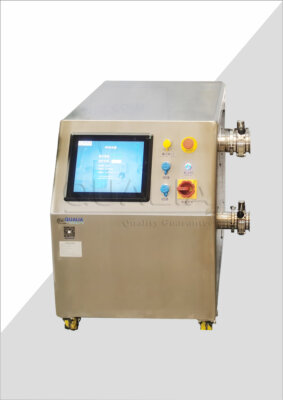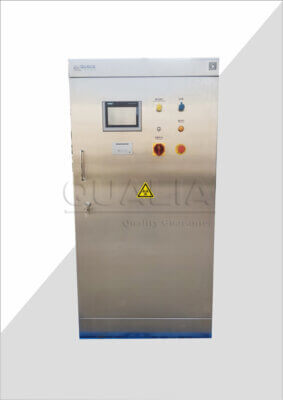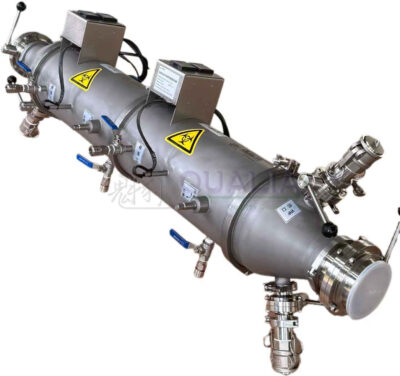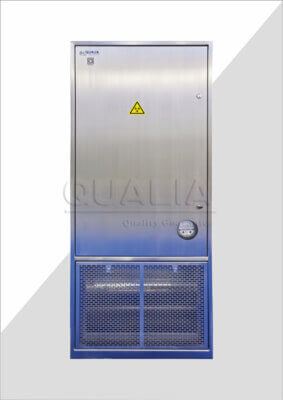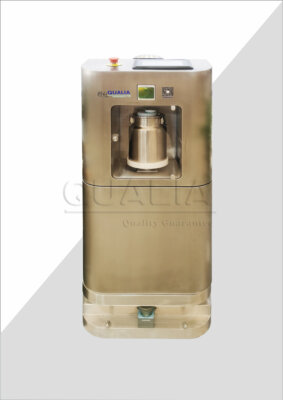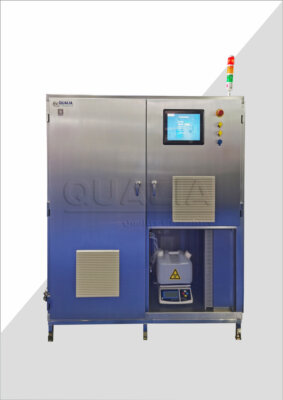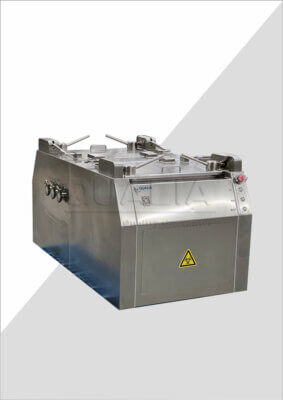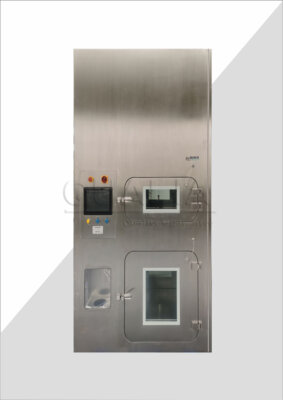
Pentru liderii din domeniul producției biologice, alegerea unui sistem de decontaminare a efluenților (EDS) reprezintă o decizie tehnică și financiară cu miză mare. Alegerea între tehnologiile discontinue și cele cu flux continuu dictează eficiența operațională pe termen lung, sarcina conformității și costul total de proprietate. Nealinierea dintre tipul de sistem și nevoile instalației duce la dureri de cap legate de validare, risipă de energie sau defecțiuni operaționale catastrofale. Această decizie nu poate fi luată după aceea.
Presiunea de a optimiza atât eficiența capitalului, cât și durabilitatea se intensifică. Examinarea reglementărilor privind validarea fluxurilor de deșeuri este în creștere, în timp ce costurile energiei și mandatele de contabilizare a emisiilor de carbon fac din eficiența operațională un imperativ strategic. Înțelegerea profilurilor operaționale, financiare și de conformitate fundamentale ale fiecărui sistem este esențială pentru o investiție de capital justificabilă care să sprijine atât operațiunile curente, cât și creșterea viitoare.
EDS discontinuu vs debit continuu: Principiile operaționale de bază comparate
Definirea metodologiilor de prelucrare
ADN-ul operațional al fiecărui sistem este fundamental diferit. Un EDS discontinuu funcționează pe principiul "umple și reține". Efluentul este colectat într-un vas de sterilizare presurizat. Odată umplut, vasul este sigilat, încălzit la minimum 121°C și menținut pentru o perioadă definită - adesea 30 de minute sau mai mult - pentru a obține reducerea logară necesară. Agitația mecanică asigură distribuția uniformă a căldurii și menține solidele în suspensie. În schimb, un sistem cu flux continuu tratează deșeurile într-un flux neîntrerupt. Efluentul este pompat printr-un schimbător de căldură regenerativ, menținut la o temperatură mai ridicată (până la 150°C) pentru o durată mai scurtă (60-120 de secunde) într-un serpentin de menținere, apoi răcit înainte de evacuare.
Profilul de risc invers
Această distincție de bază creează un spectru de risc invers. Sistemele discontinue simplifică provocarea validării, dar generează costuri energetice de rutină mai mari pentru ciclurile repetate de încălzire și răcire. Funcționarea lor este discretă și măsurabilă. Sistemele cu flux continuu minimizează consumul de energie per volum prin recuperarea avansată a căldurii, dar concentrează riscul în validarea procesului continuu și necesită o calitate perfectă a hranei pentru a preveni înfundarea. Principiul este acela al letalității termice în timp, dar aplicațiile diferă foarte mult.
Impactul asupra proiectării și controlului proceselor
Metodologia aleasă dictează procesele din amonte și din aval. Procesarea pe loturi permite, în mod natural, operațiunile pe schimburi și eliberarea calității pe ciclu. Fluxul continuu impune funcționarea în regim staționar și se integrează strâns cu rezervoarele tampon din amonte pentru a atenua variabilitatea alimentării. Din experiența mea, instalațiile care subestimează necesitatea acestei condiționări în amonte pentru un sistem continuu se confruntă cu probleme persistente de stabilitate a fluxului. Principiul operațional pe care îl selectați devine piatra de temelie a întregului flux de gestionare a deșeurilor lichide.
Costul total de proprietate (TCO): Analiza CAPEX vs OPEX
Descompunerea cheltuielilor de capital și operaționale
Evaluarea TCO necesită separarea investiției inițiale de costurile operaționale pe termen lung. Pentru capacități de tratare echivalente, cheltuielile de capital (CAPEX) pentru sistemele discontinue și cele cu flux continuu sunt adesea comparabile. Costurile sunt determinate de materialele de construcție (de exemplu, oțel inoxidabil 316L), sofisticarea sistemului de control și orice cerințe de redundanță. Divergența financiară critică apare în cheltuielile operaționale (OPEX), unde sistemele au factori de cost opuși.
Compromisul energie vs. validare
Sistemele cu flux continuu cu schimbătoare de căldură regenerative pot atinge o recuperare de energie termică de peste 95%. Acest lucru reduce drastic cererea de abur sau electricitate și elimină frecvent nevoia de apă de răcire externă, poziționându-le ca punct de referință pentru eficiența termică. Sistemele discontinue, prin încălzirea și răcirea repetată a unor volume discrete de rezervoare, au costuri de utilități per volum semnificativ mai mari. Cu toate acestea, acest avantaj OPEX pentru fluxul continuu poate fi compensat de strategia sa de validare. Standardul industrial pentru dovedirea eficacității - testele de inoculare cu suspensie de spori la scară largă - poate costa aproximativ $19.000 per eveniment, o povară recurentă pe care sistemele discontinue o evită prin verificarea indicatorului biologic (BI) cu costuri reduse.
Un cadru TCO cuprinzător
O adevărată analiză TCO trebuie să integreze atât consumul de utilități, cât și sarcina validării pe termen lung. Aceasta ar trebui să modeleze costurile energetice pe un orizont de 10 ani, ținând cont în același timp de frecvența și costul evenimentelor de revalidare. Potrivit experților din industrie, o greșeală frecventă este compararea izolată doar a prețului de achiziție sau a economiilor de energie. Am comparat modelele ciclului de viață și am constatat că, pentru site-urile cu volume mari, economiile de energie în flux continuu justifică, de obicei, costul validării, în timp ce pentru operațiunile cu volume mai mici sau variabile, OPEX-ul previzibil și cu validare redusă al sistemelor discontinue generează adesea un TCO mai bun.
Compararea capacității și a debitului: Adaptarea sistemului la volum
Interpretarea specificațiilor privind volumul și debitul
Capacitatea și profilul debitului efluentului sunt principalele motive tehnice pentru selecție. Specificațiile sunt exprimate diferit: sistemele discontinue sunt clasificate în funcție de volumul zilnic total (de exemplu, de la 100 la peste 16 000 de litri pe zi), în timp ce sistemele cu debit continuu sunt proiectate pentru un debit specific (de exemplu, de la 4 la 250 de litri pe minut). Această distincție este esențială. Un debit continuu se traduce printr-o capacitate zilnică uriașă - peste 190 000 de litri pentru un sistem de 250 LPM - dar numai dacă alimentarea este constantă.
Alinierea tehnologiei cu modelele de efluenți
Aplicația ideală pentru fiecare tehnologie este definită de consistența debitului. Sistemele discontinue sunt în mod inerent potrivite pentru generarea de efluenți variabilă, intermitentă sau în funcție de schimburi. Acestea se adaptează supratensiunilor prin umplerea în timpul perioadelor active și procesarea pe o bază programată. Sistemele cu debit continuu excelează în mediile cu randament ridicat, cu o descărcare constantă și previzibilă, cum ar fi fermentațiile pe scară largă sau procesele de perfuzie constantă. Acestea nu pot gestiona eficient fluctuațiile mari fără o tamponare semnificativă în amonte.
Rolul esențial al analizei materiilor prime
O analiză precisă a profilului volumului zilnic și a încărcăturii de solide nu este negociabilă. Selectarea tehnologiei nepotrivite pentru tipul de efluent garantează eșecul operațional. Tabelul următor clarifică parametrii de capacitate pentru fiecare tip de sistem.
| Parametru | Lot EDS | Flux continuu EDS |
|---|---|---|
| Metoda de prelucrare | Rezervoare de umplere și păstrare | Flux neîntrerupt |
| Intervalul de volum zilnic | 100 - 16.000+ litri | Până la 190.000+ litri |
| Expresia fluxului | Volumul zilnic | 4 - 250 LPM (debit) |
| Profil de debit ideal | Variabil, intermitent | Ridicat, constant, consecvent |
| Toleranța la solide | Moderat, prin agitație | Necesită prefiltrare |
Sursă: Documentație tehnică și specificații industriale.
Validare și conformitate: Care sistem este mai simplu?
Provocarea fundamentală a validării
Complexitatea validării este un diferențiator operațional major. Pentru sistemele discontinue, abordarea validării este relativ simplă și se aliniază la principiile familiare ale autoclavelor. Indicatorii biologici pot fi plasați în interiorul vasului de tratare, experimentând profilul exact timp-temperatură al deșeurilor, permițând verificarea de rutină a performanțelor, la costuri reduse. Validarea fluxului continuu este în mod inerent mai complexă, deoarece biologii biologici tradiționali nu pot trece prin calea fluxului constrâns și presurizat al unui schimbător de căldură și al serpentinei de menținere.
Costul și metodologia de probă
Această limitare fizică forțează instalațiile să recurgă la metode alternative, costisitoare. Standardul acceptat este inocularea suspensiei de spori, în care o concentrație cunoscută de spori rezistenți este introdusă în fluxul de hrană, iar supraviețuitorii sunt numărați după tratament. Fiecare eveniment de testare reprezintă un efort logistic și financiar semnificativ. În consecință, inovarea furnizorilor se concentrează intens pe rezolvarea acestui blocaj. Noile soluții, cum ar fi modelele de biopuțuri integrate - care supun un BI la temperatura procesului fără expunerea directă la fluide - și software-ul avansat de testare a procesului au ca scop să facă validarea de rutină fezabilă și accesibilă.
Evaluarea maturității furnizorului
Metodologia de validare proprie a unui furnizor este în prezent un element diferențiator cheie și un indicator direct al maturității sistemului. Este un factor esențial în procesul de selecție. Următoarea comparație evidențiază situația validării.
| Aspectul validării | Lot EDS | Flux continuu EDS |
|---|---|---|
| Metoda primară | Indicatori biologici (BI) în nave | Inocularea suspensiei de spori |
| Costul testului de rutină | Scăzut | Mare (~$19,000/eveniment) |
| Complexitate | Simplu | Inerent problematic |
| Inovarea furnizorilor | Practică standard | Proiecte Biowell, software de probă a procesului |
| Diferențiator cheie | Verificare dovedită | Maturitatea metodologiei proprietare |
Sursă: ISO 11139:2018. Acest standard furnizează vocabularul definitiv pentru termeni precum “proces discontinuu” și “proces continuu”, care este fundamental pentru înțelegerea și comunicarea provocărilor și cerințelor de validare distincte pentru fiecare tip de SDE.
Gestionarea fluxurilor variabile și a solidelor: Flexibilitatea operațională comparată
Toleranța pentru variabilitatea procesului
Flexibilitatea operațională este dictată de toleranța unui sistem la variabilitatea materiilor prime, o realitate comună în instalațiile multiprodus. Sistemele discontinue sunt proiectate în mod explicit pentru generarea de efluenți imprevizibili. Ele pot gestiona un conținut semnificativ de solide prin agitare în rezervor, ceea ce le face robuste pentru procesele cu programe schimbătoare sau fluxuri complexe de deșeuri care conțin resturi de celule sau componente media. Sistemele cu flux continuu necesită o alimentare constantă, fără particule. Acestea depind de rezervoarele tampon din amonte pentru a atenua variabilitatea debitului și sunt foarte susceptibile la înfundare din cauza materialelor solide sau fibroase.
Concentrarea riscurilor în amonte
Această cerință transferă și concentrează riscul operațional în amonte. Un EDS cu flux continuu necesită o separare solid/lichid impecabilă prin prefiltrare riguroasă, care necesită adesea filtre duplex sau filtre cu sac cu un nivel definit de microni. Locul riscului operațional se mută din cadrul EDS în sine la fiabilitatea sistemului de pretratare. Alegerea în acest caz se aliniază direct cu toleranța la risc a unei organizații și cu competențele interne în materie de întreținere și filtrare.
Luarea deciziei privind flexibilitatea
Matricea deciziilor este clară. Pentru instalațiile cu fluxuri de deșeuri foarte variabile sau solide semnificative, tehnologia discontinuă oferă flexibilitate dovedită, cu risc redus. Pentru instalațiile cu deșeuri constante, curate, fluxul continuu poate fi exploatat în mod fiabil. Tabelul de mai jos sintetizează factorii operaționali.
| Factor operațional | Lot EDS | Flux continuu EDS |
|---|---|---|
| Variabilitatea debitului | Toleranță excelentă | Necesită rezervoare tampon |
| Manipularea solidelor | Conținut semnificativ permis | Foarte sensibile la înfundare |
| Nevoia de pretratare | Minimală | Este necesară o filtrare riguroasă |
| Locus de risc operațional | În cadrul sistemului | În amonte, în calitatea furajelor |
| Potrivite pentru | Generație imprevizibilă | Flux constant, fără particule |
Sursă: ANSI/AAMI ST108:2023. Acest standard pentru calitatea apei în procesare este relevant, deoarece calitatea apei de alimentare are un impact direct asupra conținutului de solide și a încărcăturii chimice a efluentului, care este un factor determinant principal al flexibilității operaționale și al necesităților de pretratare pentru fiecare tip de SDE.
Considerații privind spațiul, utilitățile și integrarea instalațiilor
Amprenta la sol și eficiența spațială
Amprenta fizică și necesitățile de utilități influențează în mod direct proiectarea instalației și costurile de exploatare. Pentru o capacitate echivalentă, sistemele cu flux continuu au de obicei o amprentă mai mică. Acestea înlocuiesc rezervoarele discontinue de mari dimensiuni cu schimbătoare de căldură compacte cu carcasă și tuburi sau cu plăci și cadre și cu bucle de conducte. Sistemele discontinue necesită mai mult spațiu pentru recipientele de sterilizare, rezervoarele de alimentare asociate și conductele. Această eficiență spațială face ca fluxul continuu să fie atractiv pentru amplasamentele noi sau pentru modernizările cu spațiu limitat.
Cererea de utilități și eficiența termică
Divergența profilului utilităților este semnificativă. Eficiența termică ridicată a sistemelor regenerative cu flux continuu reduce dramatic consumul curent de abur sau energie electrică. Această eficiență elimină adesea nevoia de apă răcită din instalație pentru răcire, simplificând racordarea la utilități. Sistemele discontinue au cereri mai mari per ciclu atât pentru încălzire, cât și pentru răcire. Tendința către schele modulare, pre-proiectate “plug-and-play” permite o implementare mai rapidă pentru ambele tehnologii, reducând timpul de proiectare și instalare.
Integrarea și costurile utilităților pe durata ciclului de viață
Integrarea instalației se extinde dincolo de conectarea fizică. Aceasta include costul ciclului de viață al utilităților și compatibilitatea sistemului cu presiunea aburului sau capacitatea electrică a instalației existente. Printre detaliile ușor de trecut cu vederea se numără strategia de returnare a condensului pentru sistemele pe bază de abur și clasificarea spațiului care găzduiește EDS. Tabelul următor compară factorii cheie ai instalației.
| Factor de facilitate | Lot EDS | Flux continuu EDS |
|---|---|---|
| Amprenta fizică | Mai mare pentru rezervoare | Schimbătoare de căldură compacte |
| Eficiență termică | Mai mici | Înaltă (regenerativă) |
| Cererea de abur/electrică | Mai mare per ciclu | Reducere drastică |
| Nevoi de apă de răcire | Adesea necesare | Deseori eliminate |
| Tendința de integrare | Modular, plug-and-play | Modular, plug-and-play |
Sursă: Documentație tehnică și specificații industriale.
Criterii cheie de selecție pentru aplicațiile de biomecanizare
O evaluare tehnică multifațetată
Alegerea EDS-ului optim nu este o decizie bazată pe un singur factor. Aceasta necesită o evaluare structurată, cu multiple fațete. În primul rând, efectuați o analiză completă a profilului efluentului: caracterizați volumul zilnic, consistența debitului, temperatura, pH-ul și conținutul de solide. Debitul variabil și conținutul de solide favorizează fluxul discontinuu; fluxurile constante și curate favorizează fluxul continuu. În al doilea rând, luați în considerare volumul și scara: instalațiile cu randament ridicat beneficiază de eficiența fluxului continuu, în timp ce operațiunile cu volum mai mic sau multifuncționale pot prefera adaptabilitatea discontinuă.
Încorporarea costurilor legate de ciclul de viață și de conformitate
În al treilea rând, efectuați o analiză a costurilor întregului ciclu de viață care integrează în mod onest cheltuielile de validare, nu doar utilitățile. În al patrulea rând, evaluați în mod critic capacitățile dumneavoastră interne de validare și toleranța la risc. Echipa dvs. de asigurare a calității poate gestiona teste complexe de suspendare a sporilor sau este preferată verificarea BI de rutină? În al cincilea rând, evaluați constrângerile de spațiu și infrastructura de utilități existentă în raport cu cerințele fiecărui sistem. În al șaselea rând și în mod critic, specificați materialele de construcție pe baza unei analize riguroase a efluenților; oțelurile inoxidabile duplex avansate pot fi necesare pentru fluxurile de deșeuri corozive pentru a asigura longevitatea sistemului și a preveni defectarea prematură.
Furnizorul ca partener de soluții
În cele din urmă, evaluați furnizorii ca parteneri de soluții complete. Furnizorul potrivit oferă mai mult decât hardware; acesta oferă metodologii integrate de validare, asistență pentru punerea în funcțiune și software de date. Acest parteneriat este esențial pentru navigarea în peisajul conformității, inclusiv standardele pentru echipamentele care generează efluenții, cum ar fi cele prezentate în ISO 15883-5:2021 pentru spălătoarele dezinfectoare. Expertiza lor transformă achiziția de la o achiziție de echipamente la implementarea unui program de decontaminare.
Ce sistem de decontaminare a efluenților este potrivit pentru dumneavoastră?
Decizia finală echilibrează nevoile operaționale imediate cu previziunile strategice. Pentru instalațiile cu generare variabilă de deșeuri, o prioritate pentru simplitatea validării și toleranță pentru OPEX mai mari în materie de energie, un EDS discontinuu oferă performanțe dovedite și flexibile. Pentru operațiunile cu volum mare și descărcare constantă, în care economiile de energie și durabilitatea pe termen lung sunt primordiale, EDS cu flux continuu este superior, cu condiția gestionării complexității validării.
Planificarea strategică trebuie să includă acum contabilizarea viitoare a emisiilor de carbon, deoarece mandatele de durabilitate vor accelera adoptarea sistemelor continue eficiente din punct de vedere energetic. Analiza dvs. ar trebui să proiecteze costurile operaționale în cadrul potențialelor modele de impozitare a carbonului. În plus, investiția în integrarea sofisticată a datelor transformă conformitatea dintr-o povară periodică într-o verificare continuă a proceselor, creând o pistă gata de audit pentru oricare dintre tehnologii.
Aveți nevoie de o evaluare profesională a sistemului de decontaminare a efluenților care se aliniază cu obiectivele dvs. de producție biologică? Experții de la QUALIA vă poate ajuta să luați această decizie critică, oferind soluții precum Sistem de decontaminare a efluenților Biosafe concepute pentru deșeuri lichide BSL-2, -3 și -4. Contactați echipa noastră pentru a discuta profilul efluentului dvs. specific și cerințele de conformitate.
Întrebări frecvente
Î: Cum validați un sistem de decontaminare a efluenților cu flux continuu fără a utiliza indicatori biologici tradiționali?
R: Validarea unui EDS cu flux continuu este complexă deoarece indicatorii biologici tradiționali nu pot trece prin calea fluxului presurizat. Industria se orientează către modele de biopuțuri integrate, care expun un BI la temperatura procesului fără contact direct cu fluidul, și către un software avansat de testare a procesului pentru verificarea continuă. Acest lucru înseamnă că instalațiile care iau în considerare fluxul continuu trebuie să evalueze metodologia de validare proprie a unui furnizor ca un criteriu de selecție cheie, deoarece aceasta are un impact direct asupra costurilor operaționale pe termen lung și asupra riscului de conformitate.
Î: Care tip de sistem este mai rentabil pentru o instalație cu volum mare și debit constant de efluenți?
R: Pentru operațiunile cu volum mare și descărcare constantă, un sistem EDS cu flux continuu oferă de obicei o eficiență superioară a costurilor pe termen lung. Schimbătoarele sale de căldură regenerative pot recupera până la 95% de energie termică, reducând drastic costurile cu aburul și apa de răcire comparativ cu sistemele discontinue. Cu toate acestea, o analiză cuprinzătoare a costului total de proprietate trebuie să ia în considerare și cheltuielile inițiale mai mari de validare, cum ar fi testele de suspendare a sporilor la scară reală. Pentru proiectele în care sustenabilitatea energetică este un obiectiv strategic, economiile operaționale ale fluxului continuu vor justifica probabil investiția inițială de validare.
Î: Care sunt principalele riscuri operaționale la manipularea deșeurilor cu debit variabil sau conținut ridicat de solide?
R: Sistemele discontinue sunt proiectate în mod explicit pentru această provocare, folosind agitarea pentru a pune în suspensie solidele și stocarea în rezervoare pentru a face față creșterilor de debit. Sistemele cu debit continuu, în schimb, necesită o alimentare constantă, fără particule și sunt foarte sensibile la înfundare. Acestea depind de rezervoarele tampon din amonte și de prefiltrarea riguroasă, ceea ce concentrează riscul operațional în etapa de pretratare. Dacă activitatea dumneavoastră generează deșeuri imprevizibile, un sistem discontinuu oferă robustețe dovedită și reduce riscul de întrerupere a procesului din cauza variabilității stocului de alimentare.
Î: Cum influențează standardele industriale pentru terminologia sterilizării selectarea și validarea EDS?
R: Standarde precum ISO 11139:2018 furnizează vocabularul definitiv pentru termeni precum “proces discontinuu”, “proces continuu” și “decontaminare”. Utilizarea acestor definiții standardizate este fundamentală pentru o comunicare clară în protocoalele de validare, cererile de reglementare și discuțiile cu furnizorii. Aceasta înseamnă că echipa dvs. de proiect ar trebui să își alinieze terminologia la acest standard încă de la început pentru a preveni ambiguitatea în specificațiile sistemului și în cerințele de performanță, asigurându-se că toate părțile interesate au o înțelegere comună a procesului.
Î: Ce factori de integrare a instalației favorizează alegerea unui EDS cu flux continuu în locul unui sistem discontinuu?
R: Sistemele cu flux continuu au de obicei o amprentă fizică mai mică, înlocuind rezervoarele mari cu schimbătoare de căldură compacte. Eficiența lor termică ridicată reduce, de asemenea, consumul continuu de energie și adesea elimină nevoia de apă răcită externă, simplificând conexiunile la utilități. Aceasta înseamnă că instalațiile cu constrângeri semnificative de spațiu sau cu obiective de reducere la minimum a consumului de energie pe termen lung și a emisiilor de carbon ar trebui să acorde prioritate fluxului continuu, cu condiția ca profilul efluentului să fie adecvat. Tendința spre sisteme modulare, pre-construite, sprijină în continuare implementarea mai rapidă a ambelor tehnologii.
Î: De ce este calitatea apei influente un aspect esențial pentru proiectarea sistemului de decontaminare a efluenților?
R: Încărcătura chimică și microbiană a apei de intrare dictează în mod direct sarcina impusă EDS. Standarde precum ANSI/AAMI ST108:2023 specificarea calității apei necesare pentru prelucrare, care influențează caracteristicile efluentului. Aceasta înseamnă că o analiză amănunțită a efluentului nu este negociabilă; înțelegerea corozivității fluxului rezidual și a conținutului de solide este esențială pentru specificarea materialelor corecte, cum ar fi oțelurile inoxidabile duplex, și pentru proiectarea unui pretratament adecvat care să asigure longevitatea sistemului și să prevină defectarea prematură.
Conținut înrudit:
- BioSafe EDS: Sisteme de tratare discontinuă-continuă
- Tipuri de sisteme EDS | Batch vs debit continuu | Ghid de comparare
- BioSafe EDS: Sisteme termice pentru tratarea efluenților
- Simplificarea decontaminării efluenților: Procesare continuă vs. procesare discontinuă
- Flux continuu EDS: Soluții eficiente BioSafe
- Gestionarea fluxului de efluenți reziduali: BioSafe EDS
- Răcirea efluenților sterili: Tehnologia EDS de la BioSafe
- Procesarea continuă vs. procesarea pe loturi: Optimizarea operațiunilor EDS
- EDS termochimic care funcționează sub 98°C: Economii de energie și beneficii de întreținere pentru fabricile de produse farmaceutice