
As equipes de compras que tratam uma caixa de passagem estática como um simples trabalho de fabricação de chapas metálicas raramente descobrem o erro até o início da qualificação, momento em que a falta de especificações de intertravamento, a ausência de registros de rastreabilidade de material e dados incompletos de vedação podem interromper os envios técnicos por semanas. Como essas unidades não possuem filtragem ativa ou compensação de ar forçado, cada função de controle de contaminação depende inteiramente da qualidade do mecanismo de intertravamento e da integridade do acabamento interno. Um fornecedor que não consegue demonstrar uma fabricação controlada e uma disciplina de documentação regulamentada cria um defeito que vem à tona durante o comissionamento ou a auditoria, e não durante a comparação inicial de custos, quando o preço parece competitivo. Entender onde a capacidade do fornecedor realmente se separa - e quais lacunas de documentação devem ser antecipadas antes que elas paralisem um projeto - é o julgamento que este artigo foi elaborado para apoiar.
Pontos de verificação de qualificação para fornecedores de caixas de passagem estáticas
O primeiro erro de qualificação é aplicar o benchmark de capacidade errado à avaliação do fornecedor. As caixas de passagem estáticas geralmente são adequadas para ambientes que visam à limpeza ISO 7, em que o intertravamento e o acabamento da superfície são suficientes para gerenciar a contaminação entre zonas adjacentes. Para ambientes que exigem ISO 5 ou ISO 6 - onde os limites de partículas são substancialmente mais rígidos - uma unidade estática é a categoria de produto errada, independentemente da qualidade de sua fabricação, e uma caixa de passagem ativa ou dinâmica com filtragem HEPA autônoma torna-se a especificação adequada. Executar um processo de qualificação de fornecedor com base no tipo de produto errado desperdiça tempo de avaliação e atrasa a decisão correta de aquisição.
Essa distinção define qual nível de fornecedor vale a pena avaliar. Uma caixa de passagem estática operando em um ambiente ISO 7 exige um fornecedor com competência comprovada em confiabilidade de intertravamento e construção de superfície lavável, mas não necessariamente o mesmo nível de engenharia de filtragem integrada que as unidades ativas exigem. O risco de incompatibilidade de especificação ocorre em ambas as direções: a aquisição de uma unidade estática para um ambiente que, na verdade, exige o gerenciamento ativo do ar ou a especificação excessiva de um sistema ativo em que uma unidade estática fabricada adequadamente funcionaria. Estabelecer a classe de limpeza desejada antes de fazer as consultas aos fornecedores evita ambos os erros e restringe o campo aos fornecedores cuja capacidade real corresponda à aplicação.
Os desenhos de amostra e os registros FAT de projetos anteriores comparáveis são os filtros iniciais mais práticos. Um fornecedor capaz de produzir desenhos de fabricação detalhados com chamadas de materiais, especificações de solda e diagramas lógicos de intertravamento, além de fornecer registros FAT que demonstram o desempenho da unidade em relação a um protocolo de aceitação definido, está demonstrando capacidade de uma forma que uma oficina geral normalmente não consegue reproduzir. Solicitar esses documentos com antecedência, antes de qualquer negociação de preço, separa os fornecedores que trabalham em um ambiente de fabricação controlado daqueles que não conseguem manter a disciplina de documentação exigida pelos projetos regulamentados.
Detalhes de fabricação e intertravamento que revelam a qualidade da construção
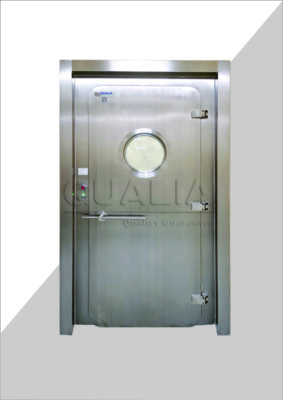
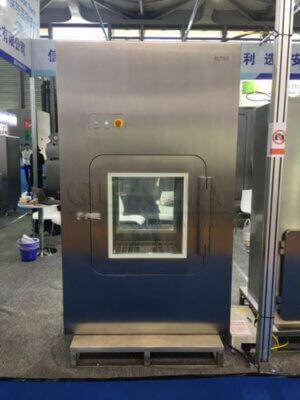
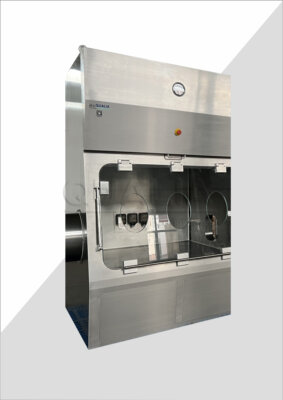
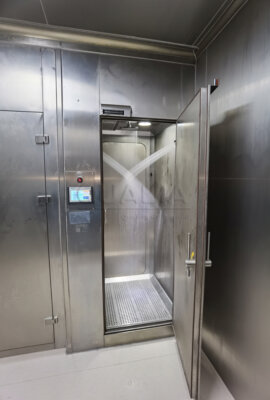
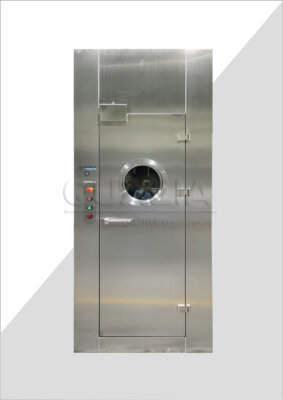
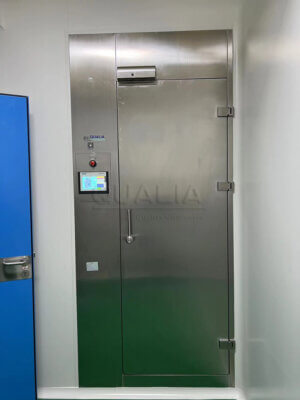
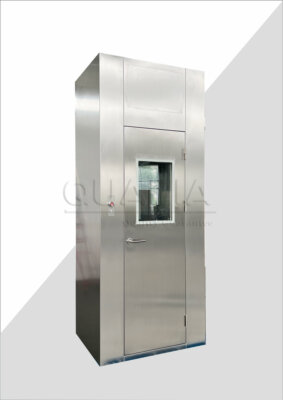
As caixas de passagem estáticas não têm nenhum recurso de filtragem ativo. Se o intertravamento falhar em impedir a abertura simultânea da porta, ou se a superfície interna mantiver a contaminação em costuras ou fendas não limpas, não haverá mecanismo de compensação - a falha no controle da contaminação é direta e imediata. Isso faz com que a avaliação da fabricação e do intertravamento seja o ponto de verificação de maior importância na qualificação do fornecedor, e não uma revisão secundária após o acordo de preço.
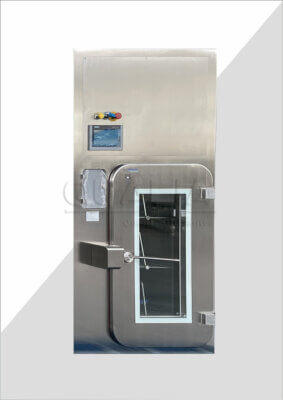
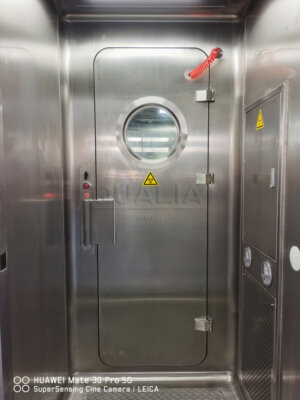
A seleção do tipo de intertravamento requer confirmação explícita em relação ao contexto da aplicação. Os intertravamentos mecânicos - que operam sem energia e são inerentemente compatíveis com ambientes classificados pela ATEX - são a escolha apropriada quando os sistemas elétricos apresentam riscos ou quando não se pode permitir que a interrupção de energia desative a barreira de contaminação. Os intertravamentos eletrônicos, que usam sensores de porta, travas eletromagnéticas e sequências lógicas cronometradas, oferecem maior controle operacional e audibilidade, mas introduzem a dependência da continuidade elétrica e da integração do sistema de controle. Nenhum dos tipos é universalmente superior; o tipo errado para uma determinada aplicação pode produzir uma falha de conformidade ou segurança difícil de corrigir após a instalação sem retrabalho significativo.
A qualidade da superfície interna é igualmente importante. A construção sem emendas, sem bordas e com emendas contínuas não é uma preferência cosmética - é a condição de projeto que torna a câmara limpável de acordo com o padrão exigido pelo ambiente. Fendas em soldas, bordas expostas em molduras de portas ou descontinuidades na construção de cantos são locais onde a contaminação se acumula e a validação da limpeza se torna difícil de defender. A especificação do material padrão de aço inoxidável AISI 316L para o corpo, com frentes e portas de alumínio anodizado, reflete a compatibilidade química da limpeza e a resistência à corrosão que os ambientes farmacêuticos e de biotecnologia impõem, e os desvios dessa especificação devem exigir uma justificativa técnica documentada, não apenas a aceitação por padrão.
| Ponto de controle de qualidade | O que confirmar | Risco se negligenciado |
|---|---|---|
| Tipo de intertravamento | Mecânico (compatível com ATEX, sem energia) vs. eletrônico (sensores, travas eletromagnéticas, lógica temporizada), de acordo com a aplicação | O tipo incorreto causa falhas de segurança ou conformidade |
| Especificação do material | Corpo em aço inoxidável AISI 316L, frentes/portas em alumínio anodizado, interior sem emendas | Os defeitos de acabamento aumentam o risco de contaminação e a dificuldade de limpeza |
| Vedação da câmara | Construção selada de parede dupla, câmara hermeticamente selada, sem rachaduras ou fendas | Os vazamentos permitem a entrada de contaminação |
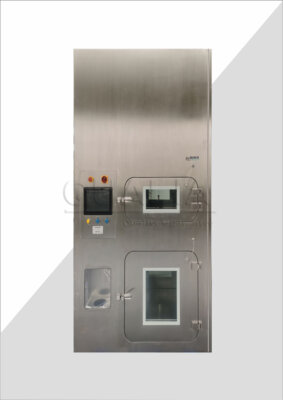
| Indicadores de controle avançados | Status da porta em LED, medidores de horas de UV, alarmes sonoros de abertura de porta | A falta de controles pode levar ao uso indevido ou ao atraso na resposta à contaminação |
| Prova de confiabilidade do intertravamento | Registros FAT demonstrando a função de intertravamento em uso simulado | O intertravamento não comprovado compromete diretamente o controle de contaminação |
Vale a pena avaliar os recursos de controle, como indicadores LED de status da porta, horímetros UV e alarmes sonoros de abertura de porta, não como aprimoramentos opcionais, mas como indicadores da sofisticação do projeto operacional do fornecedor. Um fornecedor que os inclui por padrão está construindo para casos de uso em ambientes regulamentados; um fornecedor que os trata como adições não padronizadas pode não ter a experiência em segurança operacional para prever as lacunas que sua ausência cria. Para aplicativos em que a caixa de passagem serve para caixa de passagem de biossegurança entre zonas de contenção, a ausência de monitoramento de status em tempo real cria um risco de uso indevido que se torna visível somente após um incidente.
Lacunas na documentação que causam atrasos nas aquisições
O indicador mais confiável de um atraso na apresentação técnica é um fornecedor que nunca preparou um pacote de documentos para a análise de um projeto regulamentado. As lacunas geralmente não são um único certificado ausente, mas um conjunto de omissões relacionadas: A certificação CE está ausente, a documentação de conformidade com a ISO 14644 está incompleta e a classificação de grau GMP da UE não foi formalmente estabelecida para a configuração da unidade que está sendo fornecida. Cada lacuna aciona um ciclo separado de solicitação de informações, e esses ciclos são executados sequencialmente no processo de aprovação, e não em paralelo.
A certificação CE funciona como uma porta de qualificação básica em projetos regulamentados sujeitos a estruturas da UE ou equivalentes. Ela não é uma garantia de adequação para uma aplicação específica, mas sua ausência indica que o fornecedor não submeteu o equipamento aos testes sistemáticos e à avaliação de conformidade que os compradores regulamentados exigem como condição inicial. Tratar a certificação CE como um documento que pode ser fornecido após a aprovação do envio técnico é um equívoco na sequência da aquisição - é um pré-requisito para a análise do envio, não um resultado dela.
A documentação de conformidade com a ISO 14644 e a classificação de grau GMP da UE têm uma lógica de aquisição semelhante. Quando essas estruturas são exigidas contratual ou regulamentarmente para o projeto, um fornecedor que não pode fornecer a documentação correspondente não está simplesmente atrasado na papelada - ele está demonstrando que o produto não foi caracterizado em relação aos requisitos de limpeza e limite de partículas que a especificação do projeto impõe. A aprovação não pode prosseguir até que essa caracterização exista, e o tempo necessário para produzi-la após o fato, em vez de tê-la pronta para o envio inicial, é a origem das semanas de atraso no cronograma.
| Documento obrigatório | Finalidade | Consequência da omissão |
|---|---|---|
| Certificação CE | Demonstra conformidade com os padrões de qualidade, segurança e desempenho da UE | O fornecedor pode ser impedido de se qualificar |
| Documentação de conformidade com a ISO 14644 | Está em conformidade com os requisitos de classificação de salas limpas | Apresentação técnica rejeitada, aquisição suspensa |
| Classificação EU GMP Grau A-D | Valida a adequação para classificação em ambiente asséptico/controlado | A aprovação é interrompida por semanas, atrasando o cronograma do projeto |
A implicação prática é que a prontidão da documentação deve ser avaliada durante a seleção do fornecedor, e não durante a revisão do envio técnico. Solicitar o certificado CE, a referência da documentação de conformidade com a ISO 14644 e a classificação de grau de GMP da UE aplicável como parte da resposta inicial do fornecedor identifica se a infraestrutura de documentação existe antes do compromisso de aquisição. É improvável que um fornecedor que não possa fornecer esses documentos durante a pré-seleção os produza mais rapidamente sob pressão de cronograma posteriormente.
Custo versus compensações de retrabalho entre os níveis de fornecedores
A diferença de custo entre uma oficina de fabricação geral e um fornecedor especializado em equipamentos para salas limpas é real e visível na fase de cotação. O custo de retrabalho decorrente do uso do nível errado de fornecedor também é real, mas aparece semanas ou meses depois, incorporado em relatórios de não conformidade, ciclos de reapresentação e, nos piores casos, eventos de recomissionamento após falhas de FAT exporem deficiências de intertravamento ou acabamento que estavam presentes na entrega. A comparação de preços que orienta a decisão inicial do fornecedor raramente inclui esses custos posteriores, e é por isso que a compensação é constantemente subestimada.
Em geral, uma oficina de chapas metálicas pode produzir um invólucro de caixa de passagem dimensionalmente correto. O que muitas vezes não consegue sustentar é o ambiente de fabricação controlado, a documentação de rastreabilidade do material e a disciplina de integração elétrica que convertem um produto dimensional em um produto qualificável. A carcaça parece aceitável na entrega. A lógica de intertravamento pode não estar documentada em um formato que dê suporte à revisão de qualificação. Os certificados de material podem não ser rastreáveis até o calor ou lote específico usado na fabricação. A construção da costura pode passar na inspeção visual, mas não passar em uma avaliação rigorosa do acabamento da superfície durante o comissionamento. Esses não são modos de falha hipotéticos; eles são o padrão de falha que se repete quando a aquisição é orientada apenas pelo preço unitário.
| Tipo de caixa de passagem | Classe de limpeza alcançável | Mecanismo de controle de contaminação | Custo relativo e complexidade | Nível típico de fornecedor |
|---|---|---|---|---|
| Estático | ISO 7-8 | Depende exclusivamente da confiabilidade do intertravamento e do acabamento da superfície | Menor custo, fabricação mais simples | A oficina geral de chapas metálicas é suficiente, mas o risco de documentação permanece |
| Ativo/Dinâmico | ISO 5-6 | Filtragem HEPA autônoma e circulação de ar ativa | Custo mais alto, maior complexidade | Necessidade de um fornecedor especializado em equipamentos para salas limpas para gerenciar a documentação e a integração |
A distinção entre estático e ativo/dinâmico é importante aqui porque define qual nível de fornecedor apresenta risco aceitável. As caixas de passagem estáticas na ISO 7-8 representam a extremidade inferior da faixa de complexidade, o que pode criar a impressão enganosa de que qualquer fabricante capaz é suficiente. O risco de documentação, no entanto, não varia de acordo com a complexidade da unidade - uma caixa de passagem estática adquirida de um fornecedor sem disciplina de documentação de projeto regulamentado cria o mesmo problema de atraso de envio que uma unidade mais complexa. O prêmio que os fornecedores especializados cobram em relação às oficinas gerais normalmente compra um pacote de documentos mais previsível e menos não conformidades no FAT, o que protege o cronograma de maneiras que um preço unitário mais baixo não pode recuperar quando os envios são rejeitados e os ciclos de reapresentação começam.
Prontidão para projetos regulamentados como o limite de aceitação do fornecedor
Para projetos que operam dentro das estruturas ISO 14644-1 e EU GMP Grade A-D - ou estruturas regulatórias nacionais equivalentes - o limite de aceitação do fornecedor é efetivamente binário. Ou o fornecedor consegue demonstrar conformidade com os limites de partículas aplicáveis para as condições “Em repouso” e “Em operação”, e consegue produzir a documentação que respalda essa demonstração, ou não pode avançar na qualificação, independentemente do preço ser competitivo. Não se trata de um julgamento aplicado de forma diferente por diferentes equipes de aquisição; é uma consequência estrutural de como funciona a qualificação de projetos regulamentados.
A certificação CE funciona como o piso desse limite. Sem ela, não há base para prosseguir com a avaliação técnica na maioria dos contextos de aquisição regulamentados em que se aplicam as GMP da UE ou estruturas equivalentes. Ela representa o resultado de testes sistemáticos de conformidade com padrões definidos de qualidade, segurança e desempenho, e sua ausência significa que os testes não foram concluídos ou documentados de uma forma que a estrutura reconheça. Um fornecedor bloqueado no estágio de certificação CE está completamente bloqueado; a avaliação técnica restante não pode prosseguir em paralelo.
| Requisito de conformidade | Escopo | Impacto da não conformidade |
|---|---|---|
| ISO 14644-1 e GMP da UE, graus A-D | Define limites de partículas para classes de limpeza, tanto ‘em repouso’ quanto ‘em operação’ | Fornecedor desqualificado para projetos regulamentados |
| Certificação CE | Testes de linha de base para qualidade, segurança e desempenho | Fornecedor impedido de se qualificar; nenhuma avaliação adicional |
O Manual de Biossegurança Laboratorial da OMS (4ª edição) fornece uma base útil para os princípios de contenção que as caixas de passagem servem dentro da infraestrutura de biossegurança, especialmente quando o equipamento conecta zonas de classificação de biossegurança diferentes. Esse contexto reforça o motivo pelo qual o limite de aceitação para projetos regulamentados é definido onde está: falhas no controle de contaminação nesses ambientes acarretam consequências difíceis de conter e caras para remediar, tornando a disciplina de documentação um requisito de gerenciamento de risco, não uma preferência administrativa.
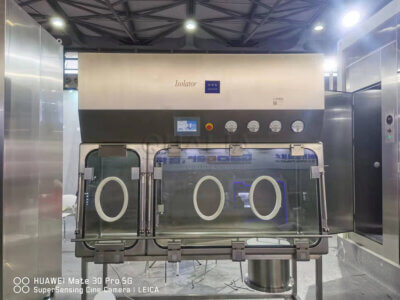
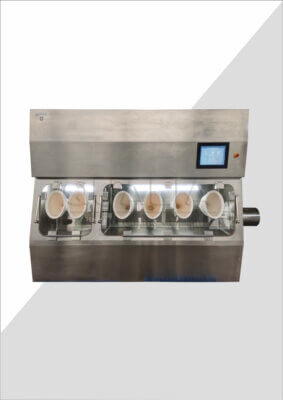
Quando um projeto envolve a passagem integrada de descontaminação - por exemplo, quando um Câmara de descontaminação de capela de segurança biológica faz parte da estratégia de contenção - os critérios de qualificação do fornecedor se estendem à compatibilidade química, validação de ciclo e requisitos adicionais de documentação além da linha de base aplicável a unidades estáticas simples. Os fornecedores qualificados para uma configuração podem não ter a capacidade adequada para a outra, e essa distinção deve ser resolvida antes do compromisso do fornecedor, e não descoberta durante o FAT.
A qualificação de um fornecedor de caixa de passagem estática de acordo com os critérios corretos antes do comprometimento da aquisição é o que separa uma FAT tranquila e uma apresentação técnica limpa de um projeto que fica parado no estágio de aprovação. O julgamento mais concreto a ser feito logo no início é se um fornecedor candidato opera em um ambiente de fabricação controlado que produz registros de materiais rastreáveis, documentação de intertravamento verificada e uma apresentação regulamentar coerente - ou se ele produz um invólucro dimensionalmente correto que precisará ser qualificado por exceção, com dados ausentes perseguidos sob pressão de cronograma.
A próxima etapa prática é solicitar amostras de desenhos, registros FAT de uma entrega de projeto regulamentado comparável e o certificado CE juntamente com a documentação de conformidade com a ISO 14644 antes de finalizar a seleção. Se esses documentos não estiverem prontamente disponíveis ou chegarem incompletos, esse é o sinal para resolver a capacidade do fornecedor antes de se comprometer - e não depois que as apresentações técnicas forem rejeitadas e o cronograma já tiver absorvido o custo da escolha errada.
Perguntas frequentes
P: Nosso projeto usa uma estrutura regulatória nacional em vez de GMP da UE. A certificação CE ainda funciona como limite de aceitação do fornecedor?
R: A certificação CE continua sendo o proxy de linha de base mais prático, mesmo fora dos contextos de GMP da UE, porque representa testes de conformidade sistemáticos concluídos em relação a padrões definidos de qualidade, segurança e desempenho. Se sua estrutura nacional especificar uma marca de conformidade diferente, a lógica é a mesma: o fornecedor deve demonstrar que uma avaliação estruturada equivalente foi concluída e documentada antes que o envio técnico possa prosseguir. É improvável que um fornecedor que não tenha ultrapassado qualquer limite de conformidade reconhecido - independentemente da estrutura aplicável - tenha a disciplina de documentação exigida pela qualificação do projeto regulamentado.
P: Depois de selecionar um fornecedor qualificado, qual é a ação mais importante antes de comprometer a aquisição?
R: Resolva o pacote de envio técnico antes do compromisso do contrato, não depois. Especificamente, confirme se o certificado CE, a documentação de conformidade com a ISO 14644, os registros de rastreabilidade de materiais e a documentação de lógica de intertravamento estão completos e disponíveis em sua forma final. O risco de cronograma mais comum é descobrir, durante a revisão do envio, que um ou mais desses documentos exige um ciclo separado de solicitação de informações, que é executado sequencialmente, não em paralelo, e absorve semanas que não podem ser recuperadas pela vantagem de preço em nível de unidade.
P: Em que ponto a complexidade da aplicação de contenção faz com que os critérios de qualificação da caixa de passagem estática ultrapassem o que até mesmo um fornecedor especializado normalmente cobre?
R: Quando a aplicação envolve ciclos de descontaminação integrados, compatibilidade com agentes químicos ou passagem entre zonas de classificação de biossegurança diferente, os critérios de qualificação se estendem à validação do ciclo, à documentação de resistência química e à evidência de desempenho específico da contenção. Um fornecedor qualificado para uma unidade estática padrão que atende a um limite de sala limpa ISO 7 pode não ter capacidade comprovada para esses requisitos adicionais. Essa distinção deve ser mapeada em relação ao histórico real do projeto do fornecedor - especificamente, registros FAT comparáveis - antes do compromisso, pois a lacuna raramente é visível apenas a partir de uma cotação ou folha de dados do produto.
P: Um fornecedor especializado em equipamentos para salas limpas é sempre a opção certa ou há condições de projeto em que um fabricante geral é um risco aceitável?
R: Um fabricante geral tem um risco aceitável somente quando o projeto não tem obrigações de documentação de projeto regulamentado - nenhum requisito CE, nenhum envio de conformidade com a ISO 14644, nenhuma GMP da UE ou classificação equivalente e nenhum protocolo FAT vinculado a um dossiê de qualificação. Na prática, isso descreve muito poucos projetos farmacêuticos ou de biotecnologia. O julgamento mais útil é que o risco de documentação não é escalonado com a complexidade da unidade: uma simples caixa de passagem estática adquirida de um fornecedor sem disciplina de documentação regulamentada cria o mesmo padrão de atraso de envio que uma unidade mais complexa, portanto, a decisão de nível deve ser orientada pelas obrigações de qualificação do projeto, não pela aparente simplicidade da unidade.
P: Como o acabamento da fabricação deve ser avaliado quando apenas desenhos e uma visita ao fornecedor estão disponíveis - antes que uma unidade física possa ser inspecionada?
R: Os indicadores mais confiáveis na ausência de uma unidade física são o nível de especificação de acabamento nos desenhos de fabricação do próprio fornecedor e a linguagem de construção de superfície em seus registros FAT anteriores. Os desenhos que especificam a construção interna sem emendas, sem fendas e com costura contínua, com tratamento explícito de cantos e soldas - em vez de delegar o acabamento a uma chamada geral “sanitária” - indicam um fornecedor que constrói de acordo com um padrão de limpeza definido. Os registros FAT que incluem critérios de aceitação de acabamento de superfície e registram o resultado dessa avaliação, em vez de simplesmente confirmar a conformidade dimensional, confirmam que o fornecedor entregou de acordo com esse padrão sob revisão de qualificação. A ausência dessa especificidade em ambos os documentos é o sinal de que o acabamento provavelmente será resolvido por exceção durante o comissionamento.