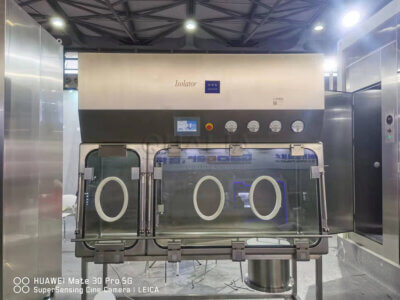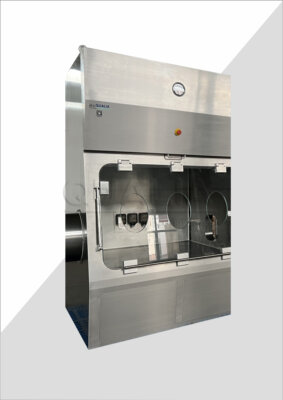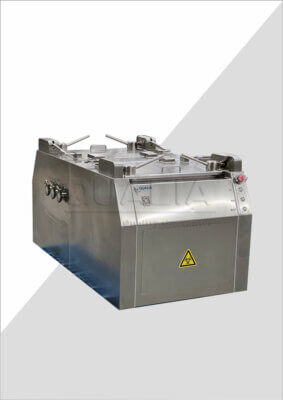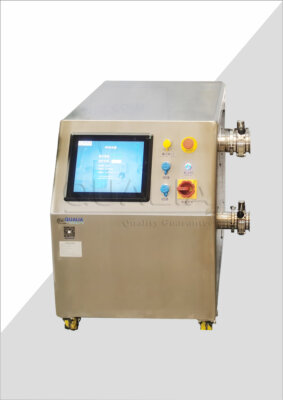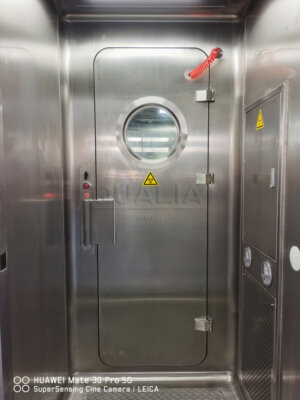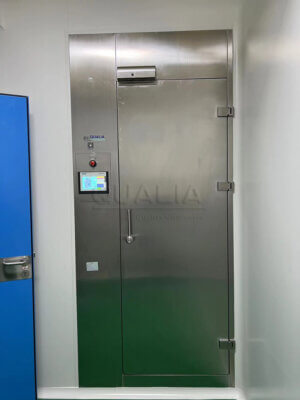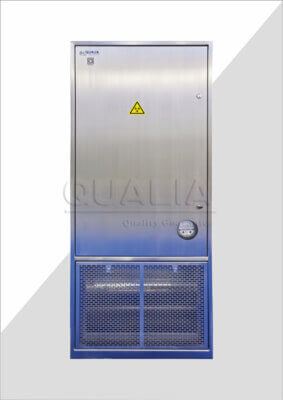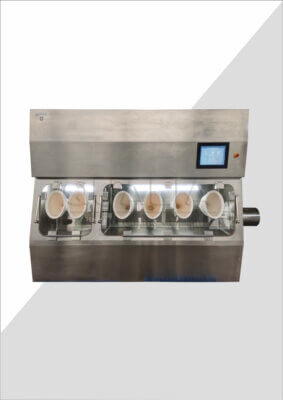

Aprovar um fornecedor com base apenas nas especificações do produto é um dos erros mais certos de gerar custos elevados nas aquisições para instalações regulamentadas. Um fornecedor pode listar filtragem HEPA e construção em aço inoxidável em uma ficha técnica e, ainda assim, ser incapaz de apresentar a documentação da lógica de intertravamento, explicar a metodologia dos testes de recuperação ou demonstrar como um filtro é substituído sem desmontar a câmara — nada disso vem à tona até o FAT ou o primeiro ciclo de manutenção. Nessa fase, o projeto já comprometeu o prazo de entrega, o orçamento e o escopo de qualificação com um fabricante cuja capacidade real está bem abaixo do que a ficha técnica sugeria. A lista de verificação abaixo ajuda os compradores a avaliar fabricantes de caixas de passagem dinâmicas nos aspectos que realmente determinam se o equipamento atende aos requisitos dentro do prazo e permanece passível de manutenção ao longo de sua vida útil.
São esperadas comprovações do fornecedor antes do alinhamento técnico
O primeiro erro na maioria das avaliações de fornecedores é pular diretamente para o alinhamento técnico — valores de fluxo de ar, dimensões da câmara, recursos de intertravamento — antes de determinar se o fornecedor realmente já fabricou e qualificou equipamentos comparáveis para ambientes regulamentados. Um fabricante que não consiga apresentar um histórico documentado de projetos em aplicações de transferência classificadas pela ISO ou em conformidade com as BPF está pedindo ao comprador que aceite a capacidade de fabricação como um indicador da capacidade de dar suporte à validação. Essas duas coisas não são a mesma coisa.
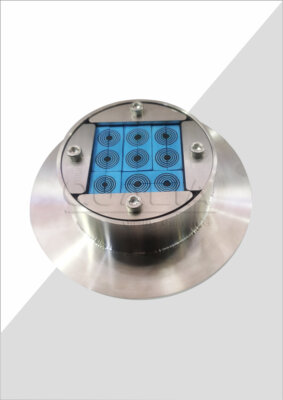
A verificação prática nesta etapa diz respeito à questão das portas de teste DOP/PAO. As portas de teste integradas para validação do filtro HEPA são uma característica de projeto que deve ser especificada antes do encerramento do processo de aquisição. Uma câmara entregue sem elas não pode ser certificada no local — não há como fazer uma adaptação prática depois que a unidade estiver instalada — e a qualificação não pode prosseguir até que a integridade do filtro seja confirmada. Perguntar se o projeto padrão de um fornecedor em potencial inclui essas portas e solicitar documentação que comprove isso é uma forma mais rápida de avaliar a maturidade do fornecedor do que qualquer comparação de catálogos.
As evidências do fornecedor também devem incluir referências a projetos anteriores nos quais a documentação de qualificação tenha sido entregue como parte do contrato, e não reunida retroativamente após o comprador ter levantado a questão. Um fabricante que já tenha prestado suporte a FATs de projetos regulamentados anteriormente compreenderá as expectativas em relação à documentação sem que seja solicitado. Aquele que não tiver essa experiência, muitas vezes, responderá a essa pergunta descrevendo as características técnicas do equipamento, em vez do processo de qualificação — o que, por si só, já é um dado significativo.
Para compradores que trabalham com aplicações que exigem nível de contenção, a Qualia Bio’s portfólio de projetos serve como referência para o tipo de histórico de projetos documentado que vale a pena solicitar a qualquer fornecedor pré-selecionado.
FAT e marcadores de documentação da capacidade real
Um teste de aceitação em fábrica que não inclua dados de fluxo de ar, registros da sequência de intertravamento e desenhos de conformidade com a obra não é um FAT — é uma inspeção. Essa distinção é importante porque a documentação produzida no FAT se torna a base probatória para a qualificação do local, e as lacunas descobertas após a entrega são significativamente mais caras de corrigir do que aquelas identificadas antes do envio da caixa.
A sequência de intertravamento é uma área específica em que a qualidade da documentação distingue fabricantes competentes de oficinas que se limitam à fabricação. A lógica operacional de uma caixa de passagem dinâmica deve impor uma sequência clara de controle de contaminação: a abertura de uma porta trava a porta oposta; o fechamento aciona um ciclo de purga com atraso de tempo; e ambas as portas só são destravadas após a confirmação da conclusão da purga. Essa sequência deve constar nos desenhos de obra com documentação de tempos — não descrita verbalmente por um representante de vendas, mas legível no pacote de FAT como um registro de engenharia passível de revisão. Fornecedores que não possam apresentar esse registro não validaram sua lógica de intertravamento de forma defensável.
Os valores de velocidade do ar e de desempenho do filtro seguem o mesmo princípio. Um filtro HEPA H14 com eficiência nominal de ≥99,995% para partículas de 0,3 µm e uma velocidade do ar na câmara de 0,45 m/s ±20% são metas de projeto amplamente aceitas para ambientes de transferência da Classe 5 da ISO / Grau A; no entanto, indicar esses valores em uma ficha técnica não é o mesmo que confirmá-los por meio de medições. O pacote de FAT deve incluir leituras reais de velocidade obtidas pelas portas DOP/PAO e dados de certificação do filtro que comprovem a correspondência entre o filtro instalado e a declaração de desempenho. Sem isso, a especificação é uma afirmação, não um resultado verificado.
A falta de dados de pressão diferencial é uma lacuna mais sutil, mas com consequências significativas. As leituras dos medidores que monitoram o carregamento do filtro e a velocidade do fluxo descendente durante o Teste de Aceitação de Fábrica (FAT) estabelecem a linha de base para o monitoramento de tendências ao longo da vida útil do equipamento. As instalações que recebem uma unidade sem essa linha de base são obrigadas a estabelecer uma por conta própria — muitas vezes à custa de um atraso na liberação da sala ou de uma condição inicial não documentada, o que complica a recertificação futura.
Cada item do pacote FAT desempenha uma função específica nas etapas posteriores do processo de qualificação e manutenção, e a ausência de qualquer um deles gera uma lacuna significativa.
| Item FAT | Por que é importante | O que verificar no pacote FAT |
|---|---|---|
| Validação da sequência de intertravamento | Garante o controle de contaminação por meio do bloqueio das portas e da purga com temporizador | Exigir desenhos de obra concluída, acompanhados de documentação sobre a lógica de intertravamento e a sincronização |
| Dados de pressão diferencial / exibição digital | Fornece o histórico de carga do filtro e da velocidade de fluxo descendente para monitoramento de tendências | Incluir as leituras dos medidores de pressão e velocidade no relatório FAT |
| Validação do fluxo de ar conforme a Classe 5 da ISO | Confirma que a câmara atende ao padrão de limpeza Grau A com filtro HEPA H14 ≥99,995% para partículas de 0,3 µm | Verifique os dados de fluxo de ar e a certificação que comprovam a conformidade com a Classe 5 da ISO |
| Medição da velocidade do ar (0,45 m/s ±20%) | Mantém o fluxo unidirecional, essencial para a contenção | Confirme se as leituras de velocidade nas portas DOP/PAO estão dentro da faixa especificada |
| Certificação de filtros e teste de integridade de DOP/PAO | Obrigatório para a validação do filtro HEPA no local; relatórios ausentes causam atrasos na qualificação | Certifique-se de que a embalagem do FAT inclua a certificação do filtro e os dados dos testes de DOP/PAO |
Disposições relativas à facilidade de manutenção incorporadas ao projeto da câmara
A facilidade de manutenção é uma questão relacionada à aquisição, não apenas à manutenção. As decisões de projeto tomadas antes da emissão do pedido de compra determinam se a substituição do filtro, a limpeza da superfície e a verificação do desempenho são operações de rotina ou eventos que causam interrupções, exigindo desmontagem parcial e tempo de inatividade prolongado.
O acabamento da superfície interna é um fator determinante para a validação da limpeza. O aço inoxidável polido, com cantos arredondados e côncavos com Ra ≤ 1,2, é uma especificação de projeto alinhada às BPF que permite tanto a desinfecção de rotina quanto a validação documentada da limpeza exigida para ambientes de Grau A. Uma superfície que não pode ser limpa de forma confiável não pode ser validada de forma confiável, e as lacunas de validação descobertas durante a qualificação geram discussões sobre alterações retroativas no projeto que quase nenhum cronograma de projeto consegue acomodar.
O acesso aos filtros é a questão mais comumente negligenciada na fase de projeto. Os filtros HEPA com vedação de gel e borda afiada, bem como os pré-filtros, devem poder ser substituídos sem a necessidade de uma grande desmontagem da câmara. Um fornecedor que não consiga demonstrar o caminho de acesso para a troca de filtros durante a revisão do projeto — de preferência por meio de uma demonstração física ou de um desenho detalhado — está apresentando uma câmara que, na prática, pode se tornar imprópria para manutenção. A primeira troca de filtro não é um evento futuro teórico; é um marco de manutenção programada que ocorrerá nos primeiros anos de operação do equipamento.
| Disposição | Especificação | Justificativa |
|---|---|---|
| Acabamento da superfície interna | Aço inoxidável polido, cantos arredondados/côncavos, Ra ≤ 1,2 | Oferece suporte à validação de limpeza e desinfecção em conformidade com as Boas Práticas de Fabricação (GMP), reduzindo o risco de contaminação |
| Acesso para troca do filtro HEPA/pré-filtro | Acessibilidade integrada para filtros selados com gel de borda afiada, sem necessidade de desmontagem significativa | Evita paralisações prolongadas e o risco de contaminação durante as trocas de filtro |
A escolha do tipo de soprador agrava o quadro de facilidade de manutenção ao longo da vida útil do equipamento. Os sopradores manuais de circuito aberto apresentam menor custo inicial, mas exigem verificação e ajuste manuais periódicos para manter a velocidade do ar alvo, o que transfere uma carga contínua para a equipe da instalação e introduz o risco de desvio na velocidade entre os intervalos de inspeção. Os sopradores EC de circuito fechado mantêm automaticamente o ponto de ajuste da velocidade e reduzem substancialmente essa carga, mas a um custo inicial mais alto. Essa diferença de custo tende a parecer desfavorável no momento da compra e se mostra bem diferente após o primeiro ou segundo ciclo de recertificação, quando os custos acumulados de mão de obra e de programação da verificação manual se tornam visíveis.
| Aspecto | Ventilador manual de circuito aberto | Ventilador EC de circuito fechado |
|---|---|---|
| Controle de velocidade | Ajuste manual; sem compensação automática | Mantém automaticamente o ponto de referência de velocidade |
| Carga de serviços | Mais alto – requer verificação e ajuste manuais periódicos | Menor – autorregulação, menos intervenções manuais |
| Custo inicial | Geralmente mais baixos | Normalmente mais alto |
| Risco de contenção | A variação da velocidade pode comprometer o fluxo unidirecional ao longo do tempo | A velocidade constante contribui para um desempenho estável do sistema de contenção |
Riscos de entrega decorrentes de um controle de mudanças deficiente
Uma aquisição dinâmica de caixas de transferência que não conte com uma estrutura definida de controle de mudanças entre o comprador e o fornecedor acarreta riscos ao cronograma que podem não se tornar visíveis até que a entrega esteja iminente. O controle de mudanças não é uma exigência regulatória formal na maioria das relações de fornecimento de caixas de transferência, mas sua ausência gera um padrão de atritos na fase final que é amplamente reconhecido nas aquisições para instalações regulamentadas.
A versão mais comum desse problema são as alterações de projeto não documentadas realizadas durante a fabricação, que só são comunicadas ao comprador durante o FAT — ou, pior ainda, após a entrega. Uma câmara que é enviada com um modelo de soprador diferente, um parâmetro de temporização de intertravamento revisado ou um layout de painel modificado em relação ao que foi aprovado na revisão do projeto gera um ônus de qualificação: o comprador deve agora determinar se a alteração afeta as especificações de desempenho validadas, e essa determinação exige tempo, documentação e, às vezes, novos testes. Nada disso constava no plano do projeto.
Um risco relacionado é a incapacidade do fornecedor de dar suporte à documentação de alterações após a entrega. Instalações regulamentadas precisam ser capazes de modificar, reconfigurar ou atualizar equipamentos dentro de um processo gerenciado de controle de alterações. Um fabricante que não mantenha registros de projeto, históricos de revisão ou arquivos de desenhos de obra não pode dar suporte a esse processo — o que significa que o comprador acaba assumindo inteiramente o problema de gerenciamento de alterações, sem os registros de engenharia que o tornariam mais fácil de lidar.
Os compradores devem perguntar diretamente, antes da adjudicação do contrato, como o fornecedor lida com alterações no projeto durante a fabricação, quais são os requisitos de notificação e se a documentação de obra concluída é revisada para refletir as alterações feitas após a aprovação do projeto. É improvável que um fornecedor que não consiga responder a essa pergunta apresentando um processo claro consiga lidar com alterações no meio do projeto de forma a proteger o cronograma de qualificação do comprador.
Apoio a projetos validados como critério para a seleção do fabricante
A questão central na seleção de uma câmara de transferência dinâmica em um ambiente regulamentado não é se o equipamento atende a uma especificação — é se o fabricante pode oferecer suporte à qualificação desse equipamento de acordo com a classificação de salas limpas da norma ISO 14644 e os requisitos de transferência do Grau A/B do Anexo 1 das BPF da UE. Essas estruturas definem o ambiente de qualificação para o qual o fornecedor deve comprovar experiência. Um fornecedor que não consiga comprovar essa experiência fica abaixo do limite mínimo de seleção, independentemente de como as especificações do equipamento se comparem às exigências.
Essa distinção é especialmente importante para caixas de passagem dinâmicas com recirculação, sem dutos externos. Como essas unidades realizam a filtragem e o fluxo de ar inteiramente em seu próprio sistema, não há um sistema de climatização do prédio com o qual se possa comparar durante a qualificação. O sistema integrado de ventilador e filtro deve ser validado de forma independente, e essa responsabilidade de validação recai fortemente sobre a capacidade do fabricante de fornecer dados de teste, apoiar os testes no local e se envolver no processo de qualificação como um participante ativo, e não apenas como um fornecedor de peças. Um fabricante que se limita à fabricação não pode desempenhar esse papel de forma confiável.
A consequência prática de escolher um fabricante sem capacidade de oferecer suporte a projetos validados é que o comprador arca com o ônus da qualificação. Isso significa organizar documentação que o fornecedor nunca planejou produzir, realizar testes que o fornecedor não pode apoiar e, muitas vezes, contratar um terceiro para reconstruir as evidências de qualificação a partir de registros incompletos do fabricante. O custo em tempo e recursos dessa abordagem quase sempre excede o acréscimo de preço que distingue um fabricante capacitado de uma oficina de fabricação.
Os resultados esperados que definem a capacidade de apoio a projetos validados são específicos, e cada um deles tem uma consequência distinta nas etapas posteriores caso venha a faltar.
| Entrega | Finalidade | Risco em caso de falta |
|---|---|---|
| Certificação de filtros | Verifica a eficiência do filtro HEPA para operação na Classe A/ISO 5 | Não é possível certificar o filtro no local, o que está atrasando a liberação do quarto |
| Relatórios de testes de fluxo de ar | Documentar a velocidade do ar e o padrão de fluxo na câmara, de acordo com a norma ISO 14644 | A falta de dados compromete a aprovação da classificação da sala limpa |
| Validação da lógica de intertravamento | Comprova que a sequência de purga e o bloqueio da porta evitam a contaminação cruzada | Intertravamentos não validados podem resultar em observações regulatórias durante a qualificação |
| Desenhos de obra concluída | Fornecer um registro preciso da construção e dos componentes da câmara | Atrasa a análise de qualificação e dificulta futuras modificações |
| Apoio à qualificação de projetos | O fornecedor comprova ter experiência no apoio à validação regulamentada (ISO 14644, GMP da UE, Anexo 1, grau A/B) | O comprador foi obrigado a gerenciar por conta própria o processo de qualificação, o que causou atrasos no cronograma e sobrecarregou os recursos |
Os compradores que avaliam fornecedores para aplicações de caixas de passagem em ambientes confinados ou assépticos devem confirmar se esses itens estão definidos como entregas contratuais — e não como complementos opcionais — antes da emissão do pedido de compra. O momento em que as lacunas na documentação se tornam visíveis é quase sempre aquele em que se torna mais caro corrigi-las.
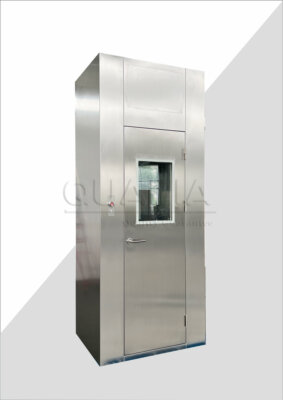
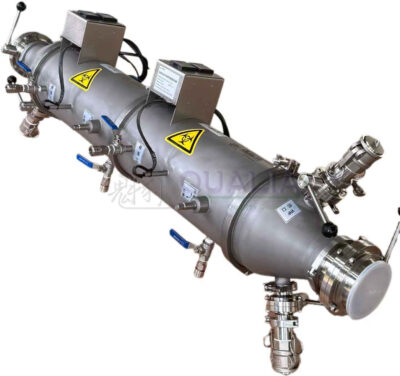
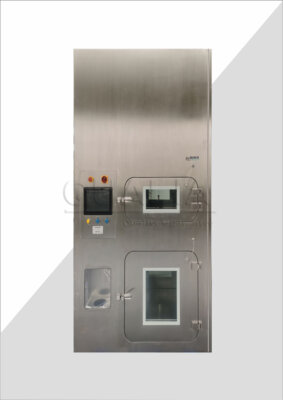
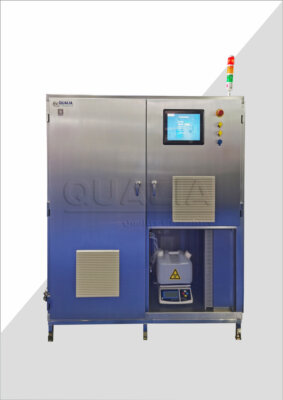
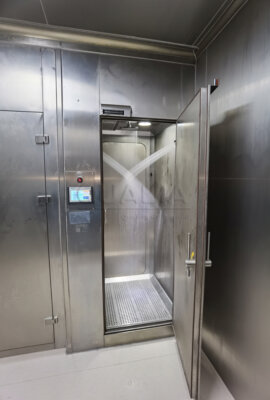
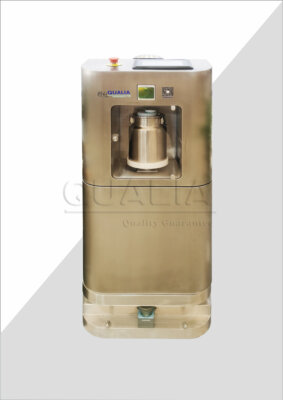
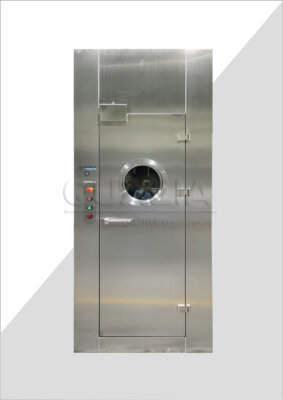
Para contextos de aplicação em que os requisitos de transferência vão além dos ambientes padrão da Classe 5 da ISO, a Qualia Bio oferece caixa de passagem de biossegurança e Caixa de passes VHP Essas configurações ilustram a arquitetura de projeto e documentação que a qualificação de projetos regulamentados normalmente exige.
A escolha de um fabricante de caixas de passagem dinâmicas é, na prática, uma decisão que visa garantir a validação, tomada antes mesmo de qualquer encomenda de equipamentos. A análise da ficha técnica e as discussões sobre alinhamento técnico são secundárias em relação à questão prévia de saber se o fornecedor possui maturidade de processo para fornecer certificação de filtros, relatórios de testes de fluxo de ar, validação da lógica de intertravamento e desenhos de conformidade como resultados padrão do projeto — e para dar suporte à qualificação no local quando o equipamento chegar às instalações.
Antes de selecionar qualquer fornecedor, confirme se a integração da porta de teste DOP/PAO é uma característica do projeto, estabeleça o que o pacote de FAT (Teste de Aceitação de Fábrica) conterá como questão contratual, verifique as disposições de acesso ao filtro com evidências físicas ou documentadas, compreenda a arquitetura do soprador e suas implicações de manutenção e defina por escrito as expectativas relativas ao controle de mudanças. Essas cinco verificações revelarão lacunas de capacidade que as comparações de produtos nunca conseguirão identificar e criarão as condições nas quais um fornecedor qualificado pode realmente ser diferenciado daquele que apenas fabrica.
Perguntas frequentes
P: E se o fornecedor tiver sólidas credenciais em termos de hardware, mas só tiver feito entregas para instalações não regulamentadas — isso seria uma lacuna que o desqualificaria?
R: Sim, para a maioria das aquisições destinadas a instalações regulamentadas, essa lacuna constitui motivo de desqualificação. A capacidade de fabricação e a capacidade de suporte à validação são competências distintas, e um fornecedor sem histórico em projetos regulamentados não pode demonstrar o conhecimento de processo necessário para produzir documentação de FAT (Teste de Aceitação de Fabricação) defensável, participar de processos de qualificação conforme a ISO 14644 ou o Anexo 1 das BPF da UE, nem gerenciar a entrega da documentação como um resultado padrão do projeto. Um hardware robusto, por si só, não compensa essa ausência — ele transfere inteiramente o ônus da qualificação para o comprador.
P: Após a análise do pacote FAT e a aprovação do fornecedor, o que deve ocorrer antes da emissão do pedido de compra?
R: Os documentos a serem entregues — certificação do filtro, relatórios de teste de fluxo de ar, registros de validação da lógica de intertravamento e desenhos conforme construído — devem ser definidos como entregas contratuais na ordem de compra, e não considerados como prática padrão. As expectativas relativas ao controle de mudanças também devem ser incluídas no contrato nesta fase, incluindo a exigência de notificação por parte do fornecedor sobre alterações de projeto realizadas durante a fabricação. Esses compromissos são significativamente mais difíceis de fazer valer após a emissão da ordem de compra do que antes.
P: As orientações deste artigo ainda se aplicam caso a câmara de transferência seja adquirida para uma sala limpa que não siga as boas práticas de fabricação (GMP), em vez de um ambiente farmacêutico de grau A?
R: As verificações de fabricação e operabilidade — portas de teste DOP/PAO, dispositivos de acesso aos filtros, acabamento superficial — continuam sendo relevantes independentemente da classificação regulatória, pois determinam se a câmara pode ser certificada e mantida em operação. O limite de apoio à validação torna-se menos crítico em contextos não GMP, nos quais a qualificação segundo a ISO 14644 ou o Anexo 1 das BPF da UE não é exigida; no entanto, os compradores devem, mesmo assim, confirmar se a documentação do FAT abrange o desempenho real medido, em vez de meras afirmações de especificações, uma vez que valores de referência não documentados geram problemas de recertificação em qualquer ambiente de sala limpa.
P: Em que situações o custo adicional de um soprador EC de circuito fechado se justifica em comparação com um soprador manual de circuito aberto?
R: O custo adicional tende a se justificar já no segundo ou terceiro ciclo de recertificação, quando o custo acumulado de mão de obra e de tempo da verificação e do ajuste manuais da velocidade se torna visível. A diferença de preço inicial é real e, muitas vezes, parece desfavorável no momento da compra; os argumentos a favor da seleção em circuito fechado se fortalecem em instalações com alta frequência de recertificação, equipes de manutenção enxutas ou ambientes em que o desvio de velocidade entre os intervalos de inspeção acarreta um risco significativo de contaminação. Em ambientes de menor rendimento, com equipes de manutenção bem dotadas de recursos, a opção de circuito aberto continua justificável se os intervalos de verificação manual estiverem claramente definidos.
P: Um fornecedor que não consegue apresentar uma amostra do pacote FAT quando solicitado está simplesmente ocultando documentos internos, ou essa ausência indica algo mais estrutural?
R: Isso geralmente indica um problema estrutural. Um fabricante com experiência genuína em projetos regulamentados terá pacotes de FAT de projetos anteriores como registros comerciais de rotina e compreenderá imediatamente por que um comprador em potencial está solicitando um. A relutância ou a incapacidade de fornecer um exemplo com informações ocultadas geralmente indica que o fornecedor ou nunca produziu essa documentação antes ou não a trata como um produto a ser entregue de forma padrão — o que, em ambos os casos, reflete a lacuna de maturidade do processo que o artigo identifica como o principal risco de seleção. A solicitação em si funciona como um diagnóstico, não apenas como uma verificação de documentos.