
As falhas de qualificação em projetos de laboratórios BSL-3/4 raramente se manifestam como eventos isolados e dramáticos. Na maioria das vezes, elas se acumulam discretamente — execuções de OQ concluídas antes que a documentação de instalação seja formalmente encerrada, funções de contenção testadas com base em critérios que nunca foram definidos para os limites específicos de um equipamento, ou protocolos combinados que agrupam etapas de IQ e OQ sem uma justificativa documentada capaz de resistir ao escrutínio de uma auditoria. O custo resultante é a necessidade de reteste na pior fase possível do projeto: depois que os prazos de comissionamento já foram definidos, após a programação da entrega das instalações e, às vezes, depois que a primeira inspeção já tiver sinalizado a falha. A decisão que evita a maior parte disso ocorre mais cedo do que as equipes esperam — trata-se da decisão sobre os limites que separa o que o equipamento deve demonstrar por si só daquilo que depende das condições da sala, das conexões de serviços públicos ou dos procedimentos do operador. Os leitores deste artigo estarão mais bem posicionados para estruturar as evidências de qualificação para equipamentos de contenção BSL-3/4 de forma que sejam rastreáveis, defensáveis em cada fase e com poucas chances de exigirem reconstrução durante a revisão.
Estrutura de qualificação entre IQ, OQ e PQ
A sequência IQ-OQ-PQ não é uma invenção regulatória imposta aos ambientes laboratoriais a partir das estruturas de BPF farmacêuticas. As diretrizes do CDC BMBL descrevem a Qualificação de Projeto, a Qualificação de Instalação, a Qualificação Operacional e a Qualificação de Desempenho como uma estrutura de planejamento para instalações e equipamentos BSL-3/4 — um reconhecimento de que os sistemas de contenção exigem evidências estruturadas em cada etapa de seu ciclo de vida, e não apenas a aprovação do comissionamento. Essa distinção é importante porque impede que as equipes tratem a qualificação como um mero exercício burocrático pós-instalação, em vez de um processo de construção de evidências em fases e orientado por dependências.
A lógica de dependência segue em uma única direção. A DQ deve ser formalmente aprovada antes do início da IQ, pois a IQ consiste na verificação de que a configuração instalada corresponde ao projeto aprovado. Se a intenção do projeto não tiver sido estabelecida, não haverá nada contra o qual se possa verificar. A OQ não pode começar até que a IQ seja aprovada, e a PQ não pode começar até que a OQ esteja concluída. Não se trata de preferências processuais — são requisitos de integridade das evidências. Dados coletados fora de sequência não podem ser adotados retrospectivamente como evidência válida de qualificação sem um desvio documentado e uma justificativa que será submetida a um escrutínio minucioso.
Cada fase tem um objetivo específico que não pode ser incorporado a outra sem que se perca algo que possa ser auditado.
| Fase | Finalidade | Principais atividades | Pré-requisito |
|---|---|---|---|
| QI | Confirme se todos os dispositivos de contenção, filtros e sistemas foram instalados conforme o projeto. | Verificação dos recursos de contenção, filtros HEPA, conexões de serviços públicos e configuração do painel de controle, em conformidade com as especificações do projeto. | Qualificação de Projeto (DQ) aprovada. |
| OQ | Verifique se o equipamento opera dentro dos intervalos controlados para as funções de contenção. | Medições de cascata de pressão, testes de padrão de fluxo de ar, integridade do filtro HEPA, estanqueidade do invólucro, ciclagem do sistema de descontaminação, teste de lógica de controle. (Câmaras de segurança biológica Classe II: certificação conforme a norma NSF/ANSI 49.) | Aprovado pelo IQ; configuração instalada e documentação confirmadas. |
| PQ | Demonstrar desempenho estável em condições representativas de uso. | Execuções simuladas de processos ou simulações reais de processos com carga, movimentação de pessoal e sequências operacionais. | Aprovado pela OQ; faixas operacionais estabelecidas. |
Nos casos em que o Anexo 15 do Volume 4 do EudraLex e as diretrizes de validação de processos da FDA forem relevantes, eles servem como estruturas de referência para os processos que reforçam a abordagem em fases — e não como fonte regulatória direta para os requisitos de qualificação de laboratórios BSL-3/4. As equipes que atuam tanto no contexto de conformidade farmacêutica quanto no de biossegurança devem aplicá-las com cuidado, em vez de importar definições farmacêuticas de forma indiscriminada para um plano de qualificação de contenção sem adaptá-las.
Comprovação da instalação antes dos testes de desafio operacional
A IQ é uma etapa de verificação física, não um exercício de coleta de documentos. Sua função é confirmar que cada elemento de contenção, filtro, conexão de serviços públicos e configuração de controle instalado no local corresponda efetivamente ao que foi especificado no projeto aprovado. É essa confirmação que confere significado aos dados subsequentes da OQ: os resultados dos testes só podem ser atribuídos a uma configuração conhecida e fixa se essa configuração tiver sido formalmente verificada e aceita.
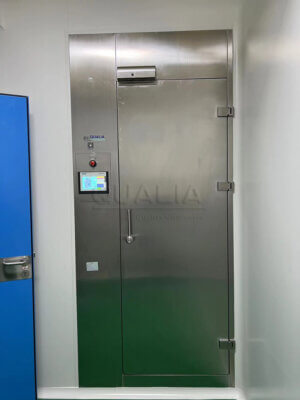
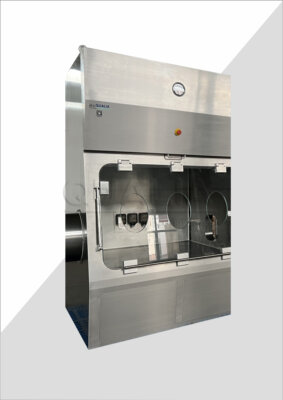
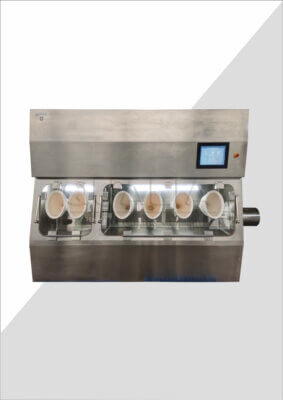
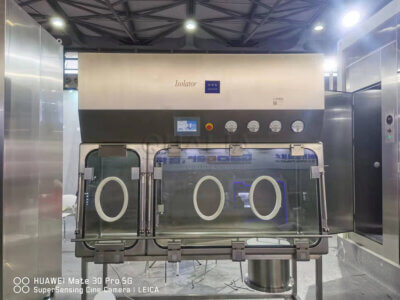
O escopo prático da IQ para equipamentos BSL-3/4 normalmente inclui a verificação da instalação e integridade dos filtros HEPA em relação às especificações da estrutura, a confirmação das conexões de serviços (elétricas, de ar comprimido, de drenagem e de exaustão) de acordo com a intenção do projeto, a verificação da configuração do painel de controle em relação à descrição do sistema de controle e a documentação dos números de série, certificados de calibração e desenhos de obra concluída em conformidade com os resultados aprovados do URS e do DQ. Para um isolador de biossegurança No caso de um sistema modular BSL-3, isso também significa verificar se as configurações das portas de luva, os intertravamentos das portas das câmaras de equilíbrio e os compartimentos dos filtros de exaustão estão instalados conforme o projeto antes do início de qualquer teste funcional.
O padrão de falha que gera mais retrabalho é a execução paralela das atividades de IQ e OQ — muitas vezes justificada como uma resposta à pressão do cronograma — sem reconhecer que quaisquer dados de OQ coletados antes da aceitação formal da IQ são inválidos. Isso não é uma mera questão técnica. Se uma discrepância na IQ for descoberta após a conclusão dos testes de OQ, esses testes não poderão ser recuperados como evidência validada. A sequência deve recomeçar a partir do ponto da falha. Para uma instalação confinada com acesso restrito e requisitos complexos de descontaminação, repetir as execuções de OQ não é um inconveniente menor — é um custo significativo em termos de recursos e tempo. Tratar a IQ como uma etapa formal de aprovação, com uma autorização documentada que autorize explicitamente a execução da OQ, é a única maneira confiável de evitar esse resultado.
Evidências do intervalo de operação para funções de contenção
A OQ comprova que o equipamento instalado opera dentro dos intervalos definidos para cada função de contenção — em condições controladas, normalmente sem carga. A distinção entre “intervalo operacional” e “desempenho em condições de uso” é importante: a OQ não tem como objetivo simular interações reais do processo. Seu objetivo é confirmar que o equipamento atinge e mantém, de forma confiável, os parâmetros de contenção para os quais foi projetado.
No caso dos equipamentos de laboratório BSL-3/4, o escopo dos testes de qualificação operacional (OQ) é mais amplo do que no de muitas outras categorias de equipamentos. A tabela abaixo apresenta as principais funções de contenção e os métodos de verificação associados a cada uma delas.
| Função de contenção | Método de verificação de OQ | Critérios típicos ou de referência | Notas |
|---|---|---|---|
| Cascatas de pressão | Medições de pressão diferencial entre zonas | Pressão negativa de –10 a –30 Pa entre salas | Necessário para o controle direcional do fluxo de ar. |
| Padrões de fluxo de ar | Medição da taxa de renovação de ar (ACH), visualização de fumaça | ≥12 ACH (meta de projeto para BSL-3) | Confirma que a diluição é suficiente e que o ar está entrando. |
| Integridade do filtro HEPA | Teste de exposição a aerossóis (por exemplo, DOP, PAO) | Nenhum vazamento que exceda as especificações do fabricante | Realizado no local para filtros já instalados. |
| Estanqueidade do invólucro | Ensaio de queda de pressão ou de pressão constante | Normalmente, de acordo com a norma ISO 10648-2 ou com a norma da unidade | Aplica-se ao invólucro de contenção de salas ou isoladores. |
| Sistemas de descontaminação | Validação do ciclo de descontaminação por meio de indicadores biológicos | Morte de organismos indicadores (por exemplo, Geobacillus stearothermophilus) | Parâmetros do ciclo (tempo, concentração, temperatura) foram alterados. |
| Lógica de controle | Testes funcionais de alarmes, intertravamentos e sequências de segurança | Resposta conforme especificado na descrição do controle | Inclui bloqueio de porta, alarmes de perda de pressão e falha no sistema de climatização. |
| Cabine de Biossegurança (Classe II) | Certificação conforme a norma NSF/ANSI 49 | Velocidade de fluxo descendente, velocidade de entrada, vazamento no filtro HEPA, etc. | Fornece evidências de qualificação operacional (OQ) para as funções de contenção da cabine de segurança biológica (BSC). |
Dois pontos de referência merecem atenção. Em primeiro lugar, os valores de pressão e ACH listados — diferenças entre salas na faixa de –10 a –30 Pa e taxas de fluxo de ar com meta de ≥12 ACH para projetos de BSL-3 — são critérios de projeto de instalações derivados de diretrizes de biossegurança e da prática de engenharia. Não se trata de limites regulatórios fixos. Os critérios aplicáveis a um projeto específico devem ser estabelecidos durante a qualificação de projeto (DQ), com base na avaliação de riscos e na norma pertinente para a instalação, e depois incorporados aos critérios de aceitação da qualificação operacional (OQ) sem modificações. Utilizar metas de projeto publicadas como um atalho para os critérios de OQ, sem primeiro vinculá-las à DQ aprovada, cria uma lacuna na documentação que é difícil de sanar durante uma auditoria.
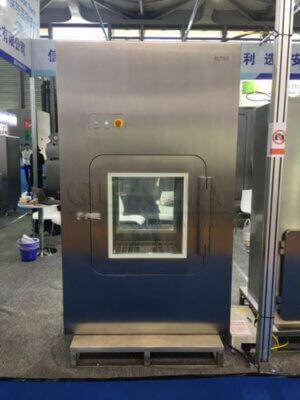
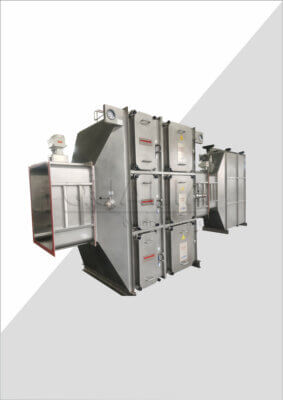
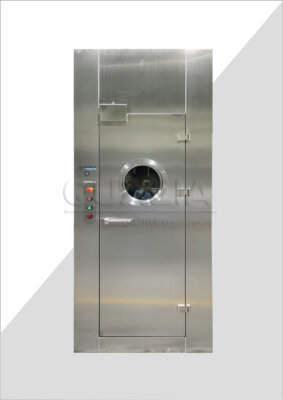
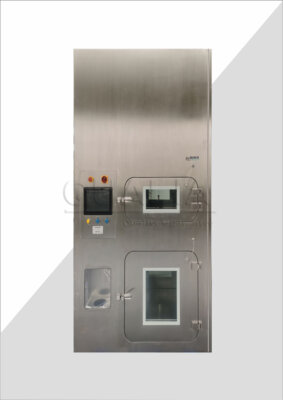
Em segundo lugar, a questão de delimitação que deve ser resolvida antes da execução da OQ é determinar quais funções de contenção são atribuíveis exclusivamente ao equipamento e quais requerem que as condições da sala, dos serviços públicos ou do sistema de climatização estejam confirmadas para que sejam significativas. Os testes de cascata de pressão entre zonas não podem produzir evidências confiáveis para a OQ se o sistema de climatização que fornece o diferencial de pressão não estiver operando em uma condição confirmada e estável. O teste de integridade do filtro HEPA para um Caixa de passes VHP ou, no caso de um sistema de transferência contido, é necessária a confirmação da instalação do conjunto de filtros antes da realização do teste de exposição ao aerossol. As equipes que deixam esse limite pouco claro durante o planejamento da qualificação operacional (OQ) tendem a se deparar com divergências quanto ao escopo — e, às vezes, com a necessidade de repetir os testes — quando os auditores, posteriormente, rastreiam as condições de teste até interfaces não verificadas.
Dados de desempenho em condições representativas de uso
O PQ passa de faixas operacionais controladas para condições dinâmicas e representativas. Seu objetivo é demonstrar que o equipamento mantém suas funções de contenção quando submetido às interações decorrentes do uso operacional real ou simulado — movimentação de pessoal, abertura e fechamento de portas, transferências de materiais, carga do processo e as sequências procedimentais que os operadores seguem durante o trabalho normal em laboratório.
Essa é uma distinção significativa em relação à OQ, e não uma mera formalidade. Um isolador ou um módulo BSL-3 pode ser aprovado em todos os testes de OQ em condições controladas e estáticas e, ainda assim, apresentar variações de pressão durante o ciclo de intertravamento das portas em padrões de tráfego realistas, ou desvio da pressão diferencial do filtro HEPA durante ciclos de descontaminação sob alta carga. O PQ é o teste de robustez do sistema nessas condições. Conforme definido na Seção 11 do BMBL do CDC, o PQ deve demonstrar desempenho estável em condições operacionais reais, incluindo simulações de processos reais ou simuladas.
O escopo do que constitui “uso representativo” deve ser definido no plano de validação antes do início da PQ — e não deduzido a partir dos resultados da OQ. Para equipamentos de contenção BSL-3/4, essa definição deve abordar o pior cenário operacional relevante para a função de contenção que está sendo testada: ocupação máxima, maior frequência de transferência de material ou o ciclo de descontaminação que impõe a maior demanda ao sistema de distribuição de VHP. Quando o teste de exposição a agentes biológicos não for viável ou proporcional ao perfil de risco do equipamento, condições substitutas ou simuladas podem satisfazer os requisitos de PQ, desde que o plano de validação documente a justificativa para a seleção da condição substituta.
Um limite que deve ficar explícito no protocolo de PQ é se as evidências geradas são evidências no nível do equipamento ou no nível da instalação. Para um equipamento autônomo, como um isolador ou uma câmara de descontaminação, a PQ pode estar inteiramente dentro do escopo do equipamento. Para funções de contenção que dependem das relações de pressão da sala, ventilação por extração ou sequências de portas intertravadas envolvendo espaços adjacentes, as evidências da PQ incluirão as interfaces da instalação e devem ter seu escopo definido de acordo com isso.
Fundamentação do protocolo combinado para um escopo restrito de equipamentos
No caso de equipamentos com um escopo funcional restrito — uma única autoclave, uma unidade BIBO compacta, um pequeno isolador —, as equipes às vezes optam por combinar as etapas de IQ, OQ e PQ em um único protocolo de qualificação. Essa abordagem não é automaticamente inválida. No entanto, trata-se de uma exceção que requer justificativa explícita, e essa justificativa é mais frequentemente omitida do que redigida.
O principal risco em um protocolo combinado é a falta de delimitação entre as fases: quando a verificação da instalação, os testes de faixa de operação e as condições representativas de uso são todos registrados em um único documento sem uma delimitação clara entre as fases, fica difícil atribuir a origem dos desvios. Um auditor que analise um protocolo combinado e encontre uma variação de pressão registrada na seção 4 não consegue determinar facilmente se ela reflete uma deficiência na instalação, uma condição operacional fora da faixa ou uma falha de desempenho sob carga — a menos que o protocolo separe explicitamente essas questões com critérios de aceitação distintos e etapas de aprovação. A analogia com a validação de autoclave é esclarecedora: a OQ deve ser realizada com a câmara vazia antes da introdução de qualquer carga de produto. O princípio de sequenciamento é o mesmo, seja o protocolo dividido ou combinado — os testes de fases posteriores não podem substituir a verificação das fases anteriores, e a estrutura do protocolo deve tornar essa separação legível.
A tabela abaixo identifica os riscos específicos decorrentes de um protocolo único com estrutura pouco rígida e como uma estrutura separada de IQ/OQ/PQ os aborda.
| Problema em potencial | Risco em um único protocolo flexível | Como a estrutura dividida de IQ/OQ/PQ reduz o risco |
|---|---|---|
| Pré-requisitos ausentes (por exemplo, instalação não confirmada, calibração) | Os dados de OQ podem ser coletados em equipamentos não qualificados; a validade do protocolo fica comprometida. | A IQ deve ser aprovada antes da execução da OQ; nenhum dado de OQ poderá ser coletado até que a documentação de instalação seja aceita. |
| Rastreabilidade de desvios durante as auditorias | É difícil determinar se um desvio se originou na instalação, na faixa de operação ou nas condições de uso. | Cada fase possui seu próprio protocolo e registro de desvios; a atribuição clara simplifica a investigação. |
| Escopo restrito de equipamentos (por exemplo, uma única autoclave, um pequeno isolador) | O protocolo combinado pode ser defensável, mas, se não for claramente justificado, pode ocultar a falta de separação entre IQ e OQ. | A estrutura dividida continua sendo a expectativa padrão do controle de qualidade; qualquer abordagem combinada requer uma justificativa explícita e documentada. |
Nos casos em que um protocolo combinado seja genuinamente justificado — escopo restrito do equipamento, complexidade funcional limitada, ausência de dependência de interfaces com o ambiente ou de serviços de apoio —, o plano de validação deve documentar explicitamente a justificativa, identificar quais seções correspondem às funções de IQ, OQ e PQ, respectivamente, e conter uma assinatura de aprovação do Controle de Qualidade (QA) antes do início da execução. Sem isso, um protocolo combinado que pareça eficiente durante a execução muitas vezes se torna um problema durante a inspeção, quando a ausência de uma justificativa documentada já constitui, por si só, uma não conformidade.
Etapa de aprovação antes da execução da OQ
A etapa de aprovação do IQ não é uma sugestão de processo. É o momento em que a configuração instalada é formalmente aceita como base para todas as evidências de qualificação subsequentes. Nenhuma execução de OQ deve ser iniciada, e nenhum dado de OQ deve ser coletado, até que essa aceitação seja documentada e assinada.
O princípio é absoluto porque a alternativa gera problemas irreparáveis relacionados às evidências. Se os testes de OQ forem realizados enquanto um item de IQ permanecer pendente — um desvio em relação ao projeto, um instrumento não calibrado, uma conexão de serviços públicos não verificada —, os dados resultantes não poderão ser certificados como tendo sido produzidos por uma configuração confirmada e conforme o projeto. Se o item de IQ for resolvido posteriormente, os dados de OQ não se tornam válidos retroativamente. A sequência do protocolo deve recomeçar a partir do ponto em que ocorreu a falha no IQ. Para equipamentos de laboratório BSL-3/4, nos quais os testes de OQ podem envolver condições de acesso restrito, ciclos de descontaminação e requisitos de EPI para o pessoal, repetir os testes de OQ não é uma correção menor — isso acarreta custos reais em termos de tempo, acesso e alocação de recursos.
O mecanismo prático para garantir o cumprimento dessa exigência é simples: o protocolo de IQ deve conter um bloco de assinatura de aprovação formal que autorize explicitamente a execução do OQ. Esse bloco deve ser revisado e assinado pela equipe de controle de qualidade (QA), e não apenas confirmado pela equipe de engenharia que realizou as verificações de instalação. Para equipamentos como um Sistema de laboratório modular BSL-3/4, em que o escopo da Qualificação de Operação (IQ) abrange verificações mecânicas, elétricas, de climatização (HVAC) e de interface de contenção em várias disciplinas, um único relatório de encerramento da IQ aprovado pelo Controle de Qualidade (QA) — que libera formalmente o protocolo de Qualificação Operacional (OQ) — é muito mais defensável do que um conjunto de aprovações de disciplinas individuais que nunca são consolidadas em uma declaração formal de aceitação.
A consequência oculta de ignorar essa etapa não se resume apenas ao custo de refazer os testes. Trata-se do efeito a jusante sobre a conformidade ao longo do ciclo de vida. Um pacote de qualificação elaborado com base em uma lacuna de aprovação é algo que precisa ser explicado — e, às vezes, reconstruído — em todas as inspeções de BPF, revisões de controle de mudanças e eventos de requalificação subsequentes. O investimento antecipado em uma etapa formal gera uma economia consideravelmente maior do que o próprio custo.
As decisões mais importantes na estruturação das evidências de qualificação para equipamentos de laboratório BSL-3/4 são tomadas antes do início de qualquer teste: quais funções de contenção são atribuíveis exclusivamente ao equipamento, quais são os critérios de aceitação e de onde eles se originam, e se a estrutura do protocolo — dividida ou combinada — possui uma justificativa explícita e aprovada pelo controle de qualidade. Documentar essas decisões antes da realização da primeira verificação de qualificação (IQ) determina se o pacote de qualificação resultante será defensável ao longo de toda a vida útil do equipamento ou se ele conterá lacunas latentes que virão à tona sob a pressão da inspeção.
As equipes que estão se preparando para a FAT, a SAT ou a qualificação pós-instalação devem confirmar se os resultados da DQ foram formalmente aprovados e se o plano de validação define limites claros entre as fases antes do início da execução da IQ. Para obter mais informações sobre abordagens de qualificação relacionadas, o Artigo sobre o protocolo de validação do VHP e o Artigo sobre o protocolo de qualificação do chuveiro de névoa abordar estruturas de fase análogas para categorias específicas de equipamentos de descontaminação, nas quais se aplica a mesma disciplina de IQ-OQ-PQ.
Perguntas frequentes
P: Nosso laboratório BSL-3 possui equipamentos de contenção antigos que foram instalados há anos sem uma qualificação inicial (IQ), qualificação operacional (OQ) e qualificação de desempenho (PQ) formais. Ainda podemos aplicar essa estrutura de qualificação agora?
R: Sim, mas o esforço deve ser tratado como um projeto de qualificação retrospectiva. Comece com uma análise de lacunas para determinar quais evidências de instalação ainda existem e, em seguida, execute uma qualificação de instalação (IQ) formal com base na documentação de projeto atual antes de qualquer teste de qualificação operacional (OQ) ou qualificação de desempenho (PQ). Se faltarem dados de referência, será necessário reconstruir a verificação da instalação por meio de inspeção física e revisão da documentação de obra concluída. A lógica de dependência permanece inalterada: os dados de OQ e PQ não podem ser considerados válidos sem uma configuração instalada confirmada; portanto, o processo exigirá um desvio documentado e a aceitação, pelo controle de qualidade (QA), da abordagem retrospectiva.
P: Após concluir a qualificação prévia (PQ) de um isolador BSL-3, qual é a próxima etapa imediata para liberar o equipamento para uso rotineiro?
R: Elabore um relatório resumido de qualificação que consolide os resultados da IQ, OQ e PQ, verifique se todos os critérios de aceitação foram atendidos e se todos os desvios foram resolvidos, e obtenha a aprovação do Controle de Qualidade (QA) para liberação. Esse relatório se torna o documento controlado que autoriza o uso do equipamento e serve como base para futuras requalificações e controle de alterações. Nesta etapa, defina também os requisitos de monitoramento contínuo — como verificações periódicas da integridade do filtro HEPA e verificação do diferencial de pressão — e vincule-os ao cronograma de manutenção.
P: A partir de que nível de complexidade do equipamento um protocolo combinado de IQ/OQ/PQ se torna inaceitável para dispositivos de contenção BSL-3/4?
R: Não há um limite regulatório fixo, mas o fator decisivo é se um protocolo combinado prejudicará a rastreabilidade de desvios. Se o equipamento suportar múltiplas funções de contenção (por exemplo, cascata de pressão, integridade do filtro HEPA, ciclo de descontaminação), depender de utilidades externas ou se basear em uma lógica de intertravamento coordenada entre sistemas separados, a falta de clareza nas fases cria vulnerabilidade em auditorias. Nesses casos, uma estrutura separada de IQ/OQ/PQ é a única abordagem defensável. Protocolos combinados são aceitáveis apenas quando o equipamento possui uma única função autônoma, sem dependências além de seus limites físicos, e o plano de validação justifica explicitamente esse formato.
P: Como posso decidir se um teste de cascata de pressão deve fazer parte da qualificação operacional (OQ) do equipamento ou do protocolo de comissionamento da instalação?
R: O teste deve ser incluído na qualificação operacional (OQ) do equipamento se o diferencial de pressão for gerado por um ventilador ou válvula dedicada integrada ao próprio dispositivo. Se o diferencial for mantido pelo sistema de climatização do prédio que atende a várias zonas, o teste é uma atividade no nível da instalação e deve ser incluído no escopo do comissionamento. A qualificação operacional (OQ) do equipamento deve, então, confirmar que o dispositivo é capaz de atingir o diferencial de projeto nas condições de alimentação especificadas para a instalação, enquanto a estabilidade dessas condições é verificada separadamente. Definir esse limite durante a qualificação de design (DQ) evita a necessidade de novos testes e disputas sobre o escopo posteriormente.
P: Para um pequeno laboratório BSL-3 que conta apenas com uma cabine de biossegurança e uma autoclave com passagem direta, o protocolo completo de IQ/OQ/PQ é realmente necessário, ou podemos simplificá-lo?
R: Mesmo em um laboratório pequeno, a sequência de IQ/OQ/PQ deve permanecer conceitualmente distinta, mas é possível documentar as atividades em um único protocolo, desde que o plano de validação identifique claramente quais seções correspondem a cada fase de qualificação e inclua uma justificativa aprovada pelo controle de qualidade. A etapa de aprovação da IQ continua sendo essencial, independentemente da escala — ignorá-la acarreta o risco de invalidar dados de testes posteriores, caso surja uma discrepância na instalação. A simplificação deve reduzir o volume de documentos, não eliminar as dependências lógicas que tornam as evidências de qualificação defensáveis.