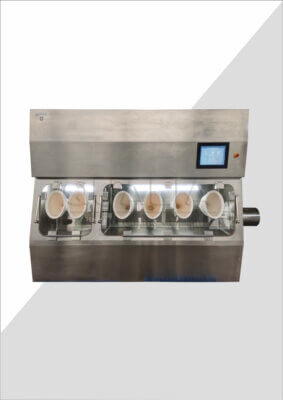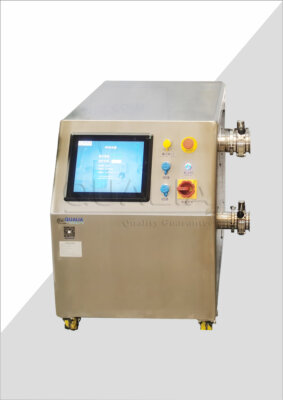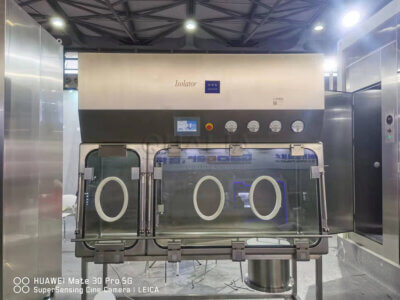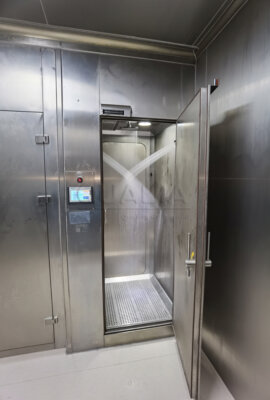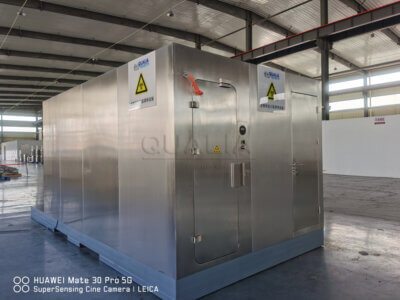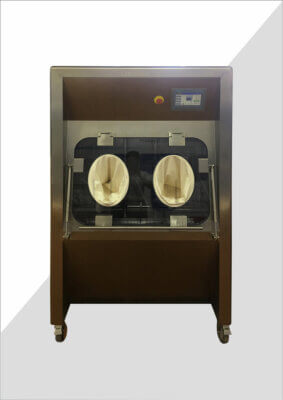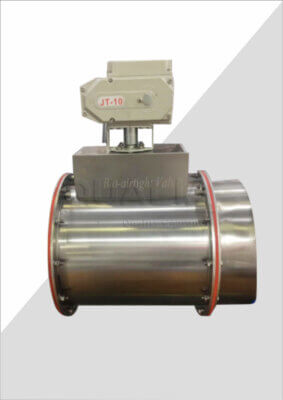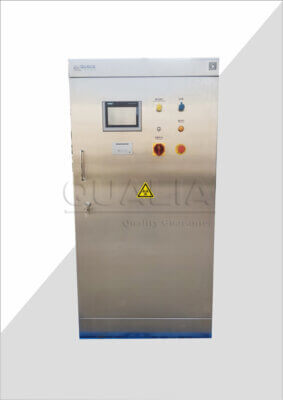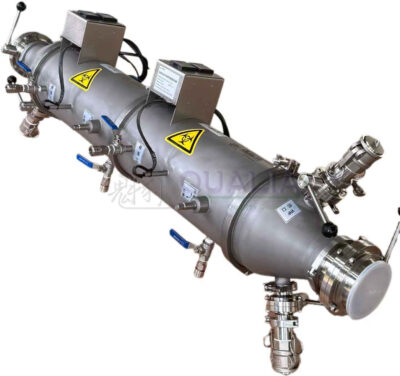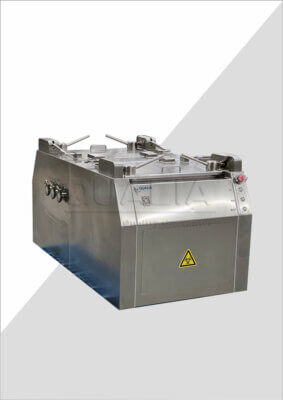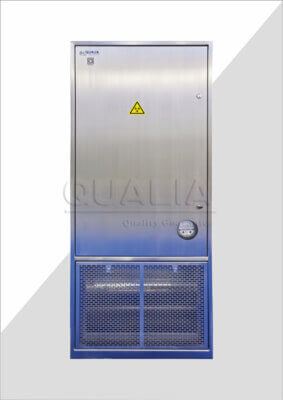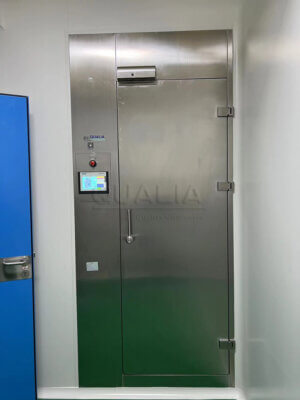
Quando um sistema de descontaminação de efluentes se situa na fronteira entre contenção, serviços de apoio ao edifício e automação da instalação, as lacunas entre essas disciplinas não permanecem teóricas. Elas se manifestam como retrabalho durante o comissionamento — inclinações de drenagem que comprometem os requisitos de contenção contra refluxo, capacidade de vapor que se torna insuficiente na carga de pico do ciclo, roteamento de alarmes que nenhum responsável pelo BMS aceitou formalmente. O custo não é abstrato: a definição incompleta de responsabilidades pelas interfaces na fase conceitual gera rotineiramente revisões de desenhos, falhas na verificação de circuitos e atrasos na aceitação da descarga, o que adia a aprovação regulatória em semanas. A solução que resolve a maior parte disso é aparentemente simples — definir quem é o responsável por cada interface antes do início do projeto detalhado —, mas colocá-la em prática requer compreender o que cada condição de limite realmente controla e o que dá errado quando ela não é resolvida. O que se segue foi estruturado para ajudar os responsáveis pela biossegurança, engenheiros de serviços de apoio, equipes de controle de qualidade e parceiros de EPC a identificar esses limites e tomar decisões fundamentadas na fase correta do projeto.
Responsabilidade pela interface EDS entre disciplinas
A atribuição de responsabilidade pelas interfaces de um EDS não é uma questão de governança que se resolve por si só durante o comissionamento. Trata-se de uma questão de coordenação de engenharia que, se deixada em aberto durante a concepção e o projeto detalhado, gera um padrão específico de falha em que cada disciplina — contenção, serviços de apoio, automação predial — presume que outra parte definiu as condições de contorno. Essa suposição só se torna visível durante a instalação, quando as conexões físicas exigem responsáveis documentados e as equipes de comissionamento não dispõem de uma linha de base acordada para realizar os testes.
A primeira decisão estrutural é se o EDS será implantado no nível do laboratório ou no nível do prédio. Cada modelo acarreta uma consequência distinta em termos de responsabilidade, não se tratando apenas de uma preferência de layout.
| Modelo de integração | Principais características | Implicações em matéria de propriedade |
|---|---|---|
| EDS integrado ao laboratório | Descontaminação no local de geração; reduz os riscos de exposição; simplifica o manuseio de resíduos | A propriedade tende a se concentrar no nível laboratorial, com a interface no ponto de geração |
| EDS integrado ao edifício | Tratamento centralizado para vários laboratórios; consolida a infraestrutura; ponto único de manutenção | A propriedade tende a ser no nível do prédio, com a transferência centralizada da interface dos serviços públicos |
Um modelo integrado ao laboratório coloca a responsabilidade pela interface próxima ao ponto de geração. Essa proximidade simplifica o manuseio de resíduos e reduz o risco de transferência, mas concentra as questões de responsabilidade dentro do escopo da infraestrutura do laboratório — o que significa que a equipe de biossegurança ou de operações do laboratório, e não a equipe de instalações, é normalmente responsável por definir as condições de entrada do dreno, os pontos finais do trajeto de ventilação e a integração do controle local. Um modelo integrado ao edifício transfere essa responsabilidade para um proprietário de infraestrutura centralizado, o que pode tornar a responsabilidade pela manutenção mais clara, mas introduz risco de coordenação quando as condições operacionais individuais do laboratório — tempo de ciclo, carga de sólidos, estado de pressão — não correspondem às premissas de projeto do sistema central.
A norma ISO 35001:2019 oferece uma estrutura de referência útil para a atribuição de responsabilidades relacionadas a riscos biológicos entre as funções organizacionais. Ela não determina a seleção do modelo de integração do EDS, mas sua lógica de atribuição documentada de responsabilidade pelos controles de biorrisco reforça o argumento de que os limites de interface precisam de um responsável designado em cada ponto de transferência, independentemente do modelo de integração escolhido. Quando essa responsabilidade está ausente no momento do congelamento do projeto, a consequência a jusante é, normalmente, um pacote de comissionamento que não pode ser concluído sem decisões retroativas — decisões tomadas sob pressão de prazos, em vez de por meio de revisão técnica.
Integração da válvula de drenagem, da válvula de ventilação e do dispositivo antirretorno
A inclinação de drenagem, o posicionamento das válvulas de isolamento, o traçado das linhas de ventilação e a prevenção de refluxo representam, cada um, um risco cumulativo nas instalações de BSL-3/4: decisões tomadas principalmente para atender aos requisitos de contenção podem, de forma imperceptível, prejudicar a facilidade de manutenção, e decisões otimizadas para o acesso de manutenção podem introduzir trechos sem fluxo ou configurações de ventilação que não serão aceitas pela avaliação de biossegurança. Esses conflitos raramente são visíveis nos desenhos até o início da instalação.
O ponto de atrito inicial é o gerenciamento de sólidos. Os drenos que atendem às áreas BSL-3/4 podem transportar meios biológicos, resíduos de reagentes ou condensado de autoclave com carga de partículas que não é constante nem previsível. As grades nas entradas dos drenos e as bombas trituradoras nas linhas de coleta são controles de implementação que reduzem o risco de sólidos chegarem ao EDS em concentrações que comprometam a eficácia do tratamento ou exijam acesso para manutenção não planejada dentro de um perímetro de contenção. Essas não são especificações universalmente obrigatórias — a configuração correta depende dos fluxos específicos de resíduos, dos comprimentos das linhas de drenagem e das condições de acesso —, mas, quando são omitidas e o teor de sólidos é variável, o modo de falha é a degradação do desempenho do EDS, difícil de distinguir de uma falha no ciclo de tratamento durante a validação.
A escolha entre o processo em lote e o de fluxo contínuo determina diretamente como a integração de drenagem lida com essa variabilidade.
| Recurso de integração | O que aborda | Efeito no sistema |
|---|---|---|
| Telas de drenagem e bombas trituradoras | Sólidos que reduzem a eficácia do tratamento | Aumenta a confiabilidade e reduz a manutenção |
| EDS do tipo em lote | Teor variável de sólidos nos fluxos de resíduos | Lida melhor com sólidos do que o sistema de fluxo contínuo; orienta a escolha da integração quando há variação nos sólidos |
| Processamento em circuito fechado | Exposição dos funcionários a agentes nocivos | Mantém um ambiente vedado; atende aos requisitos de contenção para controles de ventilação e refluxo |
Um sistema EDS de fluxo contínuo pressupõe um fluxo de afluente relativamente estável e com baixo teor de sólidos. Quando essa suposição não se aplica, a integração do escoamento em um sistema contínuo requer um condicionamento a montante — peneiramento, capacidade de retenção ou modulação do fluxo — para proteger o processo de tratamento. Um sistema em batelada tolera, por seu próprio projeto, a variabilidade tanto na vazão quanto no teor de sólidos, o que simplifica a interface com o esgoto, mas traz implicações diferentes no planejamento quanto ao dimensionamento do tanque de retenção, à sequência das válvulas de isolamento e ao comportamento da ventilação durante os ciclos de enchimento e descarga.
O processamento em circuito fechado — que mantém um ambiente vedado durante todo o ciclo de tratamento — é um princípio de projeto fundamental para a contenção, que determina como as linhas de ventilação devem ser traçadas e terminadas. Qualquer configuração de ventilação que crie uma via potencial de retorno às áreas ocupadas ou se conecte ao sistema de exaustão do edifício sem o isolamento adequado compromete a integridade da contenção que o EDS se destina a garantir. O Manual de Biossegurança Laboratorial da OMS (4ª edição) não estabelece especificações específicas para drenos, mas sua filosofia de contenção é consistente com o tratamento de qualquer caminho não vedado na cadeia de manuseio de resíduos líquidos como uma rota potencial de exposição. A prevenção de refluxo na conexão entre os sistemas de drenagem do laboratório e a entrada do EDS deve ser especificada com base nesse enquadramento de risco — não como uma conveniência hidráulica, mas como um controle de contenção cujo modo de falha é a exposição do operador, e não o dano ao equipamento.
A localização das válvulas de isolamento merece uma análise específica do projeto. Válvulas posicionadas para facilitar o acesso operacional podem entrar em conflito com as condições de pressão exigidas durante os ciclos de descontaminação, e válvulas localizadas com o objetivo de contenção de biossegurança podem ficar inacessíveis para manutenção de rotina sem controles adicionais. Nenhuma dessas situações é automaticamente aceitável; o equilíbrio entre esses fatores precisa ser documentado e aprovado na fase de projeto, em vez de ser resolvido de forma improvisada durante a instalação.
Capacidade da rede elétrica em ciclos de tratamento de pico
O erro mais comum no dimensionamento do planejamento de serviços de utilidade do EDS é projetar com base na taxa de processamento em estado estacionário, sem uma margem definida para a demanda de pico do ciclo. Os sistemas de vapor, ar comprimido, água de resfriamento e neutralização química possuem, cada um, uma capacidade de fornecimento limitada, e um EDS que execute ciclos simultâneos de descontaminação — ou que esteja se recuperando de um ciclo interrompido — pode atingir cargas de pico que excedam o fornecimento disponível das redes de utilidade compartilhadas sem acionar alarmes visíveis até que o ciclo já esteja comprometido.
Os sistemas EDS podem ser projetados para uma ampla faixa de vazão — de 100 a 100.000 galões por dia, como valor de referência da prática de engenharia —, mas essa faixa não constitui uma especificação de dimensionamento. Ela indica que a capacidade deve ser explicitamente adaptada ao perfil real de demanda da instalação atendida, incluindo a expansão projetada e a possibilidade de ciclos simultâneos em vários laboratórios atendidos por um sistema compartilhado.
| Parâmetro | Sistemas de fluxo contínuo | Sistemas em lote |
|---|---|---|
| Variabilidade da carga | Adequado para cargas previsíveis | Lida com fluxos variáveis de resíduos |
| Conteúdo de sólidos | Destina-se a fluxos com baixo teor de sólidos | Lida com alto teor de sólidos |
| Eficiência energética | Maximiza a eficiência energética | — |
| Pegada ecológica | Ocupação de espaço reduzida | — |
| Validação | Validado para condições de estado estacionário | Simplifica a validação de feeds inconsistentes |
A distinção entre fluxo contínuo e em lote tem uma consequência direta no dimensionamento da instalação: a vantagem de eficiência de um sistema contínuo depende de um afluente previsível e constante, que permita que o fornecimento da instalação seja ajustado com precisão à taxa de tratamento. Quando a demanda de pico é irregular — impulsionada pelo horário de descarga da autoclave, eventos de descontaminação de emergência ou ciclos de produção em lote —, essa premissa de eficiência deixa de se sustentar. A demanda por serviços públicos de um sistema em lote é mais esporádica e potencialmente maior por ciclo, mas sua base de validação é mais fácil de definir em relação a um envelope de ciclo discreto do que em relação a uma carga contínua variável.
A recuperação de calor a partir do efluente tratado é uma consideração operacional que pode reduzir os custos com serviços públicos em ciclos de pico prolongados. Vale a pena avaliá-la na fase de projeto conceitual, especialmente em instalações com altos requisitos de vazão, mas ela introduz interfaces adicionais no trocador de calor e possíveis modos de falha que precisam ser considerados no escopo de manutenção e comissionamento. Ela deve ser tratada como uma opção de eficiência com consequências reais de engenharia, e não como um recurso padrão.
A análise da capacidade da rede de serviços que é constantemente adiada até que seja tarde demais é a confirmação do fornecimento de vapor em condições de ciclo de pico simultâneo. O vapor é normalmente compartilhado com autoclaves, sistemas de climatização (HVAC) e sistemas de processo em instalações BSL, e a demanda de pico do ciclo EDS raramente é modelada em relação à carga total de vapor da instalação na fase de projeto. Quando isso ocorre, a margem às vezes é suficiente; quando não é, a constatação durante os testes de ciclo de pico na fase de comissionamento não deixa opções de recuperação sem a modificação da infraestrutura.
Permissões de encaminhamento de alarmes e retenção de dados
O roteamento de alarmes para um EDS localizado na interface entre a área de contenção e os sistemas de serviços do prédio envolve pelo menos três responsáveis pela instalação: a equipe de biossegurança ou de operações laboratoriais, o responsável pelo sistema de gerenciamento do prédio e — quando o EDS possui sua própria camada de PLC ou SCADA — a equipe de automação ou controle de processos. Sem um acordo explícito na fase de projeto sobre para onde cada alarme deve ser encaminhado, quais funções podem confirmar ou silenciar quais categorias de alarmes e o que constitui um registro em comparação com um log, o pacote de transferência ficará incompleto e a defensabilidade da conformidade contínua da instalação dependerá de práticas improvisadas, em vez de configurações validadas.
As categorias específicas de alarmes que exigem acordo na fase de projeto geralmente incluem: alarmes de falha no ciclo do EDS (falha no tratamento, desvio de temperatura, pH fora das especificações), alarmes críticos de contenção (detecção de refluxo no dreno, anomalia na pressão do tanque, falha no isolamento da ventilação), alarmes de fornecimento de serviços (baixa pressão de vapor, falha no ar comprimido, vazão da água de resfriamento) e alarmes de descarga (posição da válvula de descarga, confirmação da qualidade do efluente). Cada um desses alarmes pode seguir um caminho de escalonamento diferente — alguns exigem resposta imediata do operador, outros requerem notificação ao Sistema de Gerenciamento de Edifícios (BMS) e outros precisam gerar um registro que possa ser recuperado durante uma inspeção regulatória ou uma análise de incidente de risco biológico.
As estruturas de permissão merecem atenção equivalente. Em instalações BSL-3/4, a capacidade de silenciar, anular ou confirmar um alarme crítico para a contenção não deve estar vinculada por padrão a um nível geral de permissão do operador. Se a configuração do alarme no painel de controle do EDS permitir que qualquer usuário credenciado confirme uma falha de isolamento da ventilação sem gerar um registro separado, isso cria uma lacuna de auditoria que pode não vir à tona até o momento da inspeção. Definir níveis de permissão de usuário — o que cada função pode visualizar, confirmar, silenciar ou anular — é um requisito do projeto de controle, não uma consideração tardia na fase de comissionamento.
As expectativas de retenção de dados devem ser definidas de acordo com os próprios requisitos regulatórios e de análise de biorrisco da instalação. A norma ASTM E2500-25 fornece uma referência útil para a lógica da documentação de verificação — particularmente o princípio de que as evidências dos testes devem ser rastreáveis, recuperáveis e suficientes para fundamentar as decisões operacionais em andamento —, mas não prescreve períodos específicos de retenção para registros de alarmes do EDS. A questão relevante para a revisão do projeto é se a arquitetura de registro do sistema de controle do EDS é capaz de produzir um registro coerente e com data e hora dos eventos do ciclo, dos estados de alarme e das ações do operador, em um formato que suporte tanto a revisão de conformidade de rotina quanto a investigação de incidentes. Quando o sistema registra em um historiador local que não possui backup ou não é acessível fora do painel do EDS, isso representa um risco de retenção de dados que deve ser resolvido antes do comissionamento, e não depois.
As respostas a emergências durante ciclos ativos geram um conflito específico de permissões: alguns estados de falha exigem intervenção imediata do operador, que pode precisar anular um bloqueio de segurança, enquanto esse mesmo bloqueio existe para impedir uma descarga descontrolada. A lógica de permissões para esses cenários — quem pode autorizar uma anulação, qual registro é gerado, qual sequência de recuperação é necessária — precisa ser definida na especificação de projeto funcional antes da construção do sistema de controle, e não negociada durante o comissionamento.
Parada de emergência e controles em caso de falha
Um EDS que atende a uma instalação de nível BSL-3/4 não pode tratar uma parada de emergência como um simples evento de desligamento. O estado de falha do sistema — o que as válvulas de isolamento de drenagem fazem, o que acontece com o conteúdo do recipiente, o que ocorre no caminho de ventilação, se algum ciclo parcial pode ser recuperado — tem consequências diretas para a contenção que precisam ser definidas na especificação funcional e verificadas durante a qualificação.
A principal questão de projeto para controles em caso de falha é: qual é o estado seguro para cada componente do processo quando há perda de energia, perda do sinal de controle ou ativação de uma parada de emergência iniciada pelo operador? Para válvulas de isolamento nas entradas de drenagem e nas linhas de descarga, a posição de segurança em caso de falha (aberta ou fechada) precisa ser determinada pela lógica de risco de contenção, e não pelo comportamento padrão do atuador. Uma válvula de entrada de drenagem que falhe na posição aberta em caso de perda de energia pode permitir o refluxo de efluente não tratado sob certas condições de pressão. Uma válvula de descarga que falhe na posição aberta em caso de perda do sinal de controle pode liberar efluente parcialmente tratado para o sistema de drenagem. Nenhum desses modos de falha é inerentemente evitável, mas ambos precisam ser explicitamente avaliados e documentados.
A redundância em pontos específicos do processo de tratamento oferece proteção parcial contra o risco de descarga em caso de falha. Um difusor de reserva — que fornece uma via alternativa de aeração ou tratamento durante a manutenção ou em caso de falha de um componente principal — é uma medida de implementação que garante a continuidade operacional sem exigir a paralisação total do sistema. Não se trata de um componente universalmente obrigatório; sua inclusão se justifica pela criticidade da capacidade de processamento e pelas consequências de uma interrupção no ciclo de tratamento no contexto específico da instalação. Nos casos em que a falha de um único difusor forçaria uma interrupção não planejada que criasse um risco de contenção — pois o tanque contém resíduos biológicos ativos que não podem ser mantidos com segurança em condições ambientais —, a redundância torna-se uma escolha de projeto justificável com uma base de risco clara. Nos casos em que a interrupção do tratamento possa ser gerenciada com segurança por meio de um procedimento de retenção definido, o argumento a favor da redundância é mais fraco.
O comportamento da parada de emergência também precisa ser coordenado com os sistemas de geração de resíduos a montante. Se uma parada de emergência do EDS isolar as entradas de drenagem enquanto as operações do laboratório continuam gerando resíduos líquidos, a capacidade de retenção nas linhas de coleta a montante torna-se um parâmetro crítico. Quando essa capacidade é insuficiente, a parada de emergência cria um problema de contenção secundário a montante, em vez de resolver a falha do EDS. Essa interface de coordenação — entre o comportamento do EDS em estado de falha e a capacidade de drenagem do laboratório a montante — é sistematicamente subestimada na fase de projeto e constantemente identificada como um conflito durante o comissionamento.
O teste da parada de emergência e do comportamento em condições de falha durante a qualificação não é opcional para a integração em BSL-3/4. Cada modo de falha definido deve ter um caso de teste correspondente que confirme que o sistema atinge o estado de segurança pretendido, que os alarmes são gerados e encaminhados corretamente e que a sequência de recuperação pode ser executada sem criar uma via de exposição descontrolada. Esses registros de teste fazem parte do pacote de transferência.
Documentação de transferência para integração do utilitário BSL
As evidências de entrega de um EDS integrado aos sistemas de serviços públicos de laboratórios BSL-3/4 são defensáveis quando são completas, rastreáveis e organizadas em torno das interfaces reais que foram testadas — e não quando reproduzem um modelo genérico de comissionamento. A lacuna que mais frequentemente atrasa a aprovação regulatória não é a falta de documentação; é a falta de evidências de teste para as condições específicas das interfaces que diferenciam a integração dos serviços públicos de laboratórios BSL do comissionamento padrão de equipamentos de processo.
O conjunto de evidências deve abranger, no mínimo: desenhos de obra de todas as interfaces de drenagem, ventilação, válvulas de isolamento e prevenção de refluxo; registros de verificação de circuitos que confirmem a continuidade do sinal de controle entre o painel EDS e qualquer BMS ou SCADA do edifício conectado; dados de validação de ciclo que demonstrem a eficácia do tratamento sob as condições de carga de pico definidas no URS; registros de teste de alarmes que mostrem o encaminhamento e a resposta corretos para cada categoria de alarme em todos os níveis de permissão de usuário definidos; registros de teste de parada de emergência que confirmem as posições das válvulas à prova de falha e a geração de alarmes; e registros de aceitação de descarga que confirmem que a qualidade do efluente atende aos critérios de liberação definidos antes que a conexão com o sistema de drenagem do edifício seja estabelecida.
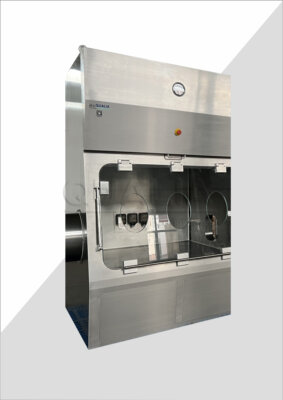
A biografia do Qualia Sistema de descontaminação de efluentes foi projetado tendo em mente o suporte à documentação e à validação, o que constitui um contexto relevante ao definir o que se espera que o fabricante forneça em comparação com o que cabe à equipe de integração do local gerar.
A norma ASTM E2500-25 defende uma abordagem baseada na ciência e no risco para a documentação de verificação, que é útil como estrutura para organizar o pacote de transferência: as atividades de verificação devem ser proporcionais ao risco, as evidências devem ser rastreáveis aos requisitos e a documentação deve ser suficiente para apoiar as decisões operacionais contínuas, e não apenas a aprovação inicial. A norma ISO 35001:2019 acrescenta um enquadramento complementar: a responsabilidade pelo risco biológico na cadeia de manuseio de resíduos líquidos deve ser explicitamente documentada, com um responsável designado para cada interface e um mecanismo de revisão definido para alterações que afetem a integridade do sistema de contenção.
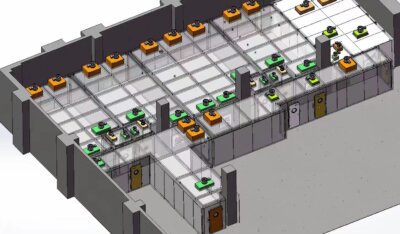
A verificação de transferência que mais frequentemente revela lacunas é o registro de aceitação de descarga. A aceitação da descarga depende da qualidade comprovada do efluente em condições reais de operação; e, quando as interfaces com a concessionária — fornecimento de vapor, fornecimento de produtos químicos de neutralização, ar comprimido — não tiverem sido confirmadas na carga máxima do ciclo antes dos testes de qualificação, os dados do ciclo podem não representar o envelope operacional real do sistema. A realização de testes de IQ, OQ e PQ com base em condições de fornecimento de serviços que não foram verificadas em relação à demanda de pico resulta em registros de qualificação que são tecnicamente completos, mas operacionalmente não confiáveis. Para Laboratório com módulo BSL-3/4 Em projetos em que o EDS está integrado a um pacote de infraestrutura fechado, o alinhamento antecipado entre o escopo da qualificação dos serviços públicos e a sequência de comissionamento do EDS é particularmente importante para evitar essa lacuna.
O pacote de transferência também é o momento em que as decisões sobre a responsabilidade pelas interfaces, tomadas no início do projeto, ou se mostram sólidas ou se revelam como lacunas. Quando o registro de interfaces da fase de projeto está completo e cada condição de limite tem um responsável designado, o pacote de transferência pode ser montado a partir dos registros existentes. Quando a atribuição de responsabilidade pelas interfaces foi adiada, a equipe de comissionamento passa a montar retroativamente a documentação para decisões que nunca foram formalmente tomadas — um processo lento, inconsistente e difícil de justificar em caso de inspeção.
Em todas as etapas do projeto, a implicação prática da integração dos serviços públicos no EDS é que as decisões relativas à contenção e aos serviços públicos são tomadas por equipes diferentes em momentos distintos, e suas consequências são vivenciadas em conjunto durante o comissionamento e a qualificação. O risco de coordenação não depende do tamanho do projeto ou da complexidade do sistema — ele depende de quão cedo a responsabilidade pelas interfaces, o comportamento em caso de falha e a capacidade de pico dos serviços públicos forem definidos como compromissos de projeto explícitos, em vez de suposições implícitas.
Antes que o projeto detalhado seja finalizado, os itens que mais se beneficiam de uma confirmação explícita são: o modelo de integração e seus limites de responsabilidade, o tipo de sistema de drenagem em relação à carga real de sólidos, as margens de fornecimento de serviços públicos em relação à demanda de pico simultânea e o roteamento de alarmes e a estrutura de permissões do sistema de controle. Essas não são decisões sequenciais — elas interagem entre si, e uma alteração tardia em qualquer uma delas normalmente obriga à revisão das demais. A documentação de transferência que sustenta a aprovação regulatória é tão confiável quanto as decisões de projeto que ela reflete.
Perguntas frequentes
P: O que a equipe do projeto deve fazer imediatamente após a atribuição da responsabilidade pela interface na fase conceitual?
R: O próximo passo imediato é documentar cada atribuição de responsabilidade em um registro formal de interface vinculado ao marco de congelamento do projeto, em vez de deixá-la apenas como anotações de reunião. Sem um registro rastreável, os acordos de responsabilidade firmados verbalmente durante a revisão do conceito não sobrevivem às mudanças na equipe, às transferências para subcontratados ou ao intervalo entre o projeto e o comissionamento — e as mesmas questões de delimitação ressurgem sob a pressão do cronograma durante a instalação.
P: As orientações deste artigo ainda se aplicam caso o EDS atenda apenas a um único laboratório BSL-3, em vez de vários laboratórios em um sistema compartilhado?
R: Os princípios fundamentais de integração se aplicam independentemente da escala, mas o perfil de risco muda. Uma instalação com um único laboratório reduz a complexidade da coordenação em torno de ciclos de pico simultâneos e coletores de serviços compartilhados, mas concentra a responsabilidade pelas interfaces em uma equipe menor — o que muitas vezes significa que o responsável pela biossegurança e a equipe de operações do laboratório assumem responsabilidades que, em uma instalação maior, seriam distribuídas por uma equipe dedicada às instalações. O roteamento de alarmes, as estruturas de permissão e os controles de estado de falha ainda exigem as mesmas decisões formais de projeto; apenas há menos partes interessadas às quais atribuí-las, o que pode criar lacunas se a responsabilidade for assumida de fato, em vez de documentada.
P: Em que momento a escolha de um EDS de fluxo contínuo em vez de um sistema em lote se torna uma decisão equivocada para a integração com o sistema de drenagem?
R: Um sistema de fluxo contínuo deixa de ser a escolha adequada quando o fluxo real de resíduos da instalação não atende à premissa de que o efluente de entrada seja constante e com baixo teor de sólidos, premissa da qual o sistema depende. Especificamente, se o tempo de descarga da autoclave, cargas variáveis de meios biológicos ou eventos de descontaminação de emergência produzirem vazões irregulares ou elevado teor de sólidos sem que haja controles de condicionamento a montante, um sistema contínuo exigirá infraestrutura adicional — peneiramento, capacidade de retenção, modulação de vazão — que pode exceder o custo e a complexidade de um sistema em lote. O limite não é um único número; trata-se de saber se a carga de condicionamento necessária para proteger o processo de tratamento de um sistema contínuo supera a vantagem de eficiência que motivou a escolha.
P: Como um sistema EDS em lote se compara a um sistema de fluxo contínuo quando a prioridade é minimizar os custos operacionais de longo prazo das concessionárias, em vez de simplificar a validação?
R: Para instalações com alto volume de processamento previsível, um sistema de fluxo contínuo apresenta uma vantagem significativa em termos de custo operacional, pois seu consumo de energia e serviços públicos pode ser ajustado com precisão a uma taxa de tratamento constante, e a integração da recuperação de calor é mais simples em um processo contínuo. A demanda episódica por serviços públicos de um sistema em lote — maior por ciclo, com períodos de inatividade entre os ciclos — torna a recuperação de calor menos eficiente e o consumo de serviços públicos mais difícil de otimizar. Se o custo operacional em um horizonte de dez anos for o critério principal e a variabilidade do fluxo de resíduos for realmente baixa, o modelo contínuo é mais vantajoso. Se o fluxo de resíduos for irregular ou se a carga de trabalho de validação para caracterizar uma carga contínua variável for uma restrição do projeto, essa vantagem de custo diminui consideravelmente.
P: A integração dos serviços públicos do EDS só justifica o investimento em coordenação descrito aqui para instalações BSL-3/4 de construção nova, ou ela se aplica igualmente a reformas?
R: As reformas apresentam maior risco de coordenação, e não menor, o que torna o investimento na resolução antecipada de interfaces ainda mais importante, e não menos. Em uma construção nova, as linhas de abastecimento de serviços públicos, os declives de drenagem e a arquitetura do sistema de controle podem ser especificados para atender aos requisitos do EDS desde o início. Em uma reforma, cada um desses elementos já existe com capacidades fixas, restrições de roteamento e históricos de propriedade — o que significa que o EDS deve ser integrado em torno de condições que não foram projetadas para ele. Margens de fornecimento de vapor, correções de inclinação de drenagem e roteamento de alarmes do BMS, no contexto de uma reforma, frequentemente exigem ordens de alteração em sistemas existentes com proprietários já estabelecidos, o que torna as decisões de interface adiadas mais caras de resolver do que em um projeto totalmente novo.