
عادةً ما يتم إجراء اختبار القبول لتدفق الهواء الاتجاهي في مختبر BSL مرة واحدة، في ظل أنظف الظروف الممكنة - الأبواب مغلقة، والتدفئة والتهوية وتكييف الهواء في حالة مستقرة، ولا توجد عمليات نقل نشطة. يمكن أن يفي هذا النهج بقائمة تدقيق دون التقاط علاقات الضغط التي تحكم الاحتواء فعليًا أثناء التشغيل اليومي. عندما تظهر هذه الثغرات أثناء التدقيق أو، بشكل أكثر خطورة، أثناء مراجعة حادث، فإن التكلفة لا تتمثل في جدول إعادة الاختبار: بل في عدم القدرة المثبتة على إثبات أن حاجز الاحتواء كان يؤدي وظيفته كما هو مفترض في ظل الظروف الحقيقية. الحكم الذي يحل هذه المشكلة هو تحديد، قبل بدء الاختبار، حالات الباب، وأحداث النقل، وسيناريوهات الفشل التي يجب أن يتضمنها الاختبار لدعم استنتاج قبول يمكن الدفاع عنه.
اختبار الدخان تحت حالات الباب التمثيلي
لا تمثل نتيجة اختبار الدخان سوى الظروف التي تم التقاطها في ظلها. ينتج عن الاختبار مع إغلاق جميع الأبواب وإغلاق جميع الأبواب ووجود نظام التدفئة والتهوية وتكييف الهواء في حالة توازن حراري نتيجة تصف حالة واحدة مثالية. فهو لا يصف ما يحدث عندما يبقي الفني الباب مفتوحًا جزئيًا أثناء نقل العربة، أو عندما يتم تحرير باب التعشيق في منتصف الدورة، أو عندما تكون الغرفة تحت الضغط السلبي القصير الذي يتبع إغلاق الباب الذي تم إغلاقه للتو.
يتمثل الأثر العملي في أنه يجب تصميم تصور الدخان حول سيناريوهات حالة الباب التي تعكس سير العمل الفعلي، وليس حول ظروف حالة الباب التي يسهل التحكم فيها. وهذا يعني، كحد أدنى، التقاط سلوك التدفق الاتجاهي في حالات الفتح الكامل والفتح الجزئي والإغلاق مع القطع عند كل مدخل أو ممر حرج. إن CDC BMBL و دليل منظمة الصحة العالمية للسلامة البيولوجية في المختبرات كلاهما يضعان إطارًا لتدفق الهواء الاتجاهي كآلية احتواء فيزيائية أساسية، مما يعني أن أدلة الاختبار التي تدعم تلك الآلية يجب أن تعكس الظروف التي يتوقع أن يصمد فيها الاحتواء.
لا تظهر النتائج النهائية لتخطي اختبار الباب متعدد الحالات على الفور. يمكن للمنشأة أن تجتاز الاختبار، وتحصل على الموافقة وتبدأ العمليات دون أن يلاحظ أي شخص انعكاسًا. لا يصبح الانعكاس مشكلة موثقة إلا عندما يطلب مراجع السلامة البيولوجية دليلًا على تأكيد التدفق الاتجاهي في ظل حالة الباب المحددة التي حدث خلالها التعرض المحتمل، ولا يوجد هذا الدليل. تؤدي هيكلة اختبارات الدخان لتغطية حالات الأبواب التمثيلية إلى تحويل الفجوة المحتملة إلى سجل أداء موثق - وهذا السجل هو ما يمكن للمراجعين تدقيقه بالفعل.
استرداد تدفق الهواء بعد أحداث النقل الروتينية
تُعد فروق الضغط في الحالة الثابتة مقياسًا أساسيًا مفيدًا، لكنها لا تصف الأداء في لحظة الخطر العابر الأكبر. تُدخل الأحداث التشغيلية الروتينية - على وجه التحديد، عمليات نقل الطاقة إلى الطاقة الاحتياطية والعودة إلى الطاقة العادية - تغييرات قصيرة في حالة النظام يمكن أن تؤدي إلى ضغط عابر لمنطقة الاحتواء إلى الخارج إذا لم يتم التحقق من تسلسل الاسترداد بشكل واضح.
هذا التمييز مهم لأن عمليات نقل الطاقة ليست أحداث فشل، بل هي أحداث تشغيلية متوقعة. إن التحويل التلقائي إلى طاقة المولدات أثناء انقطاع التيار الكهربائي، متبوعًا بالعودة إلى الطاقة العادية عند استعادة طاقة المولدات، هو حدث مخطط له وقابل للتكرار. إذا لم يتم التحقق من التسلسل الذي يحكم إعادة تشغيل مروحة العادم والإمداد مقابل معايير الأداء أثناء هذه الانتقالات، فقد يحدث حدث ضغط إيجابي من منطقة الاحتواء ولا يتم تسجيله - ليس لأنه غير قابل للكشف، ولكن لأنه لم يتم تصميم أي اختبار لمراقبته. وينطوي توقيت الاسترداد لتبديل التكرار على نفس الخطر: لحظة تسليم المكوّن الفاشل إلى بديله N+1 هو حدث عابر وليس حالة ثابتة، وإذا كان هذا التبديل بطيئًا أو خاطئًا، فقد ينعكس تتابع الضغط لفترة وجيزة.
| حدث التحويل | المخاطر العابرة | متطلبات التحقق |
|---|---|---|
| نقل الطاقة إلى النسخ الاحتياطي والعودة | الضغط الإيجابي من مناطق الاحتواء أثناء التحويل | إظهار عدم وجود حدث ضغط إيجابي أثناء كلتا الحالتين الانتقاليتين (إلى النسخ الاحتياطي والعودة إلى الوضع الطبيعي) |
| التبديل التكراري لمكونات N+1 الزائدة عن الحاجة | انعكاس تدفق الهواء أثناء لحظة تفعيل التكرار | مراجعة توقيت التحويل مقابل معايير الأداء؛ ومراقبة وتوثيق عدم حدوث أي انعكاس أثناء عملية التحويل |
بالنسبة لكل حدث نقل، فإن شرط التحقق هو إثبات عدم وجود حدث ضغط إيجابي - وليس مجرد تأكيد أن النظام يتعافى في النهاية. والتمييز بين “يتعافى في غضون وقت مقبول” و“لا ينعكس أثناء التعافي” هو عتبة القبول ذات الصلة، وهذان الشرطان لا يتزامنان دائمًا.
أنماط الفشل التي يمكن أن تعكس التدفق الاتجاهي
إن أنماط الأعطال الأكثر أهمية من الناحية التشغيلية ليست تلك التي تتسبب في إيقاف تشغيل النظام بالكامل - فهذه الحالات تظهر على الفور. والأوضاع التي تسبب مشاكل الاحتواء هي تلك التي تنتج انعكاسًا عابرًا وجيزًا أثناء عملية استجابة النظام: لحظة تنشيط الطاقة الاحتياطية قبل إعادة تشغيل مراوح العادم، أو لحظة تولي أحد المكونات الاحتياطية قبل إعادة تسلسل منطق التحكم، أو لحظة فشل وحدة تدفئة وتهوية وتكييف وتكييف هواء واحدة تخدم منطقة احتواء دون أن يكتمل تبديل التكرار بشكل نظيف.
أدى عطل ميكانيكي في نظام تدفئة وتهوية وتبريد وتكييف هواء واحد يخدم منطقة احتواء من المستوى 3 من المستوى BSL-3 إلى حدوث خروقات موثقة للاحتواء من انعكاس تدفق الهواء في مرفق تشغيلي. هذه السابقة جديرة بالذكر بوضوح لأنها تعيد صياغة ما يعنيه “فشل نقطة واحدة” في سياق اختبار قبول تدفق الهواء: إنه ليس سيناريو نظريًا يجب معالجته في سجل المخاطر. إنه وضع فشل حدث بالفعل وينبغي تصميم اختبار القبول لمعالجته. إن نافذة الانعكاس الأساسية في هذا السيناريو - وفي سيناريوهات نقل الطاقة والتبديل - هي اللحظة العابرة، وليس حالة الفشل المستمر.
| وضع الفشل | خطر الانعكاس | ما الذي يجب تأكيده |
|---|---|---|
| نقل الطاقة غير المُدارة من/إلى الطاقة الاحتياطية | الضغط الإيجابي من مناطق الاحتواء | يتم اختبار كل من التنشيط الاحتياطي التلقائي والعودة إلى الطاقة العادية لعدم وجود انعكاس |
| العطل الميكانيكي لنظام تدفئة وتهوية وتكييف هواء واحد | خرق الاحتواء الموثق من انعكاس تدفق الهواء | لا يتسبب فشل نقطة واحدة في حدوث انعكاس؛ فالتكرار فعال |
| استعادة المكون التكراري N+1 الزائد عن الحاجة | الانعكاس العابر أثناء التبديل | يتم ملاحظة لحظة التحول وتوثيقها على أنها خالية من الانعكاس |
إن ما يحتاج اختبار القبول إلى تأكيده ليس مجرد وجود التكرار فحسب، بل أن تفعيل التكرار لا يؤدي في حد ذاته إلى حدوث انعكاس. ويتطلب هذا التأكيد الملاحظة والتوثيق في لحظة التحويل، وليس مجرد التحقق من أن المكون التكراري يعمل ويعود النظام إلى الضغط السلبي في نهاية المطاف.
توثيق أدلة تدفق الهواء المرئية
التصور البصري للدخان فعال في الكشف عن سلوك تدفق الهواء الاتجاهي الذي لا يمكن لمقاييس الضغط إظهاره - التدفق حول حواف الباب، والسلوك عند الشقوق السفلية، والاتجاه من خلال فتحات المرور. كما أنه نوعي بطبيعته، وهذا يخلق مشكلة في التوثيق عندما يحتاج مراجعو ضمان الجودة والسلامة الحيوية إلى دليل قابل للتدقيق بدلاً من ملخص فني مكتوب لما تمت ملاحظته.
لا يكمن الخلاف في أن اختبار الدخان غير صالح. بل هو أنه من الصعب الدفاع عن الأدلة البصرية النوعية بمعزل عن غيرها، خاصةً عندما يحاول المراجع تقييم ما إذا كان الاحتواء قد صمد أثناء حالة معينة كان اختبار الدخان يهدف إلى محاكاتها. يمكن الدفاع عن تسجيلات الفيديو التي تحتوي على ظروف حالة الباب المشروحة أكثر من الصور الثابتة الملتقطة في لحظات غير واضحة. ولكن لا يوفر أي منهما السجل المستمر والمختوم زمنيًا لسلوك الضغط الذي يمكن أن توفره بيانات اتجاهات نظام التشغيل الآلي للمبنى.
| نوع الدليل | الوصف | النظر في قبول ضمان الجودة |
|---|---|---|
| تصور تدفق الدخان | فيديو نوعي أو صور ثابتة تُظهر تدفق الهواء الاتجاهي عند المداخل والممرات | ذاتي؛ قد يتطلب سردًا إضافيًا أو بيانات بديلة لتلبية توقعات المراجعين |
| خطوط اتجاه ضغط الغرفة BAS | بيانات تفاضل الضغط المستمر المسجلة بواسطة نظام التشغيل الآلي للمبنى | يوفر سجلًا غير مرئي قابل للتدقيق وغير مرئي لعدم وجود ضغط إيجابي من مناطق الاحتواء |
يتمثل النهج العملي في استخدام التصور المرئي للدخان كسجل مرئي للاتجاهية واستخدام خطوط اتجاهات ضغط BAS كسجل غير مرئي قابل للتدقيق لعدم الانعكاس. عندما يتم الجمع بين هذين النوعين من الأدلة ومقارنتها بظروف اختبار محددة - حالات الباب، وأحداث النقل، وسيناريوهات الفشل - فإن حزمة الوثائق تمنح مراجعي ضمان الجودة شيئًا يمكنهم تثبيت استنتاج القبول عليه. يؤدي الاعتماد على دليل الدخان وحده إلى خلق فجوة تميل إلى الظهور في أسوأ اللحظات: عندما يسأل المراجع عن سجل الضغط أثناء حالة اختبار محددة، وتكون الإجابة أنه تم تسجيل الملاحظة البصرية فقط.
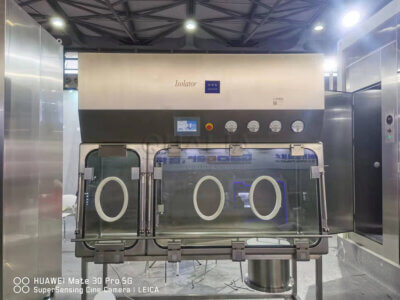
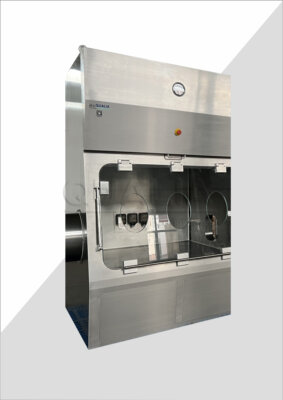
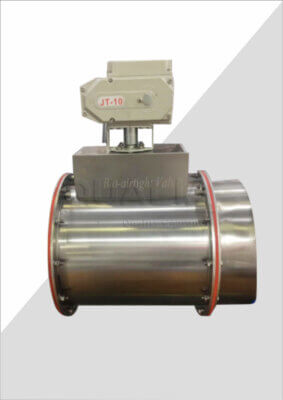
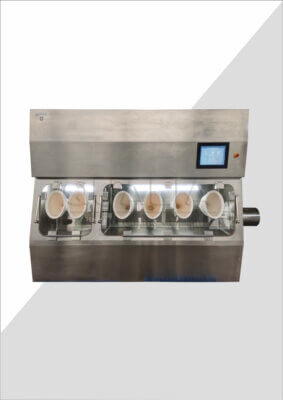
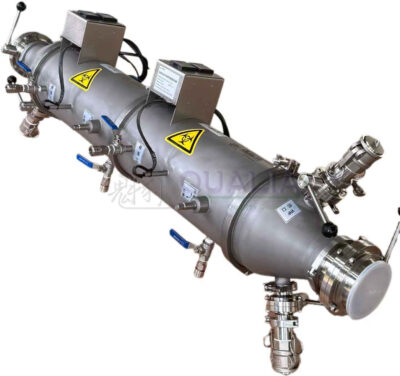
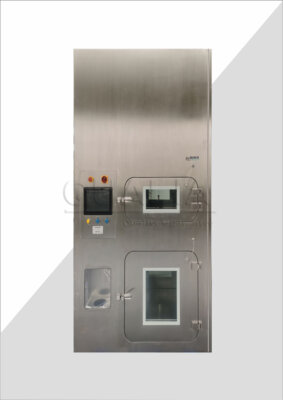
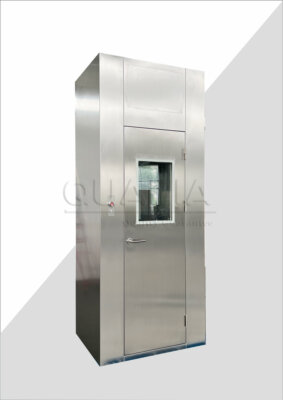
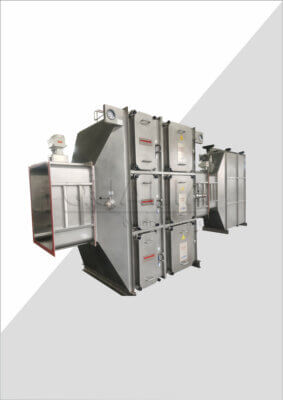
بالنسبة لأنظمة العازل وأنظمة التمرير التي تعتبر جزءًا لا يتجزأ من إدارة حدود الاحتواء، تمتد متطلبات أدلة تدفق الهواء إلى تلك الواجهات أيضًا. أنظمة مثل علب فلتر الكيس داخل الكيس خارج الكيس إدخال خصائص مسار العادم الخاصة بهم التي يجب أن تظهر في سجل اتجاهات نظام تقييم الأداء عندما تتضمن ظروف الاختبار معدات مخدومة من BIBO.
تغييرات سير العمل التي تتطلب إعادة الاختبار
قبول تدفق الهواء الاتجاهي ليس حالة دائمة. إنها حالة تم التحقق منها تظل قائمة طالما ظل تكوين النظام ومنطق التحكم الذي أنتج النتيجة التي تم التحقق منها سليمة. أي تغيير يغير علاقات الضغط، أو توازن العادم أو الإمداد، أو تسرب الغرفة، أو منطق التسلسل، هو محفز لإعادة الاختبار - ليس لأن اللائحة تتطلب ذلك في كل حالة، ولكن لأن نتيجة الاختبار الأصلية لم تعد تصف النظام الحالي.
The underlying principle is straightforward: if the variable that governed containment performance has changed, the evidence that containment performance was acceptable is now evidence about a different configuration. Teams sometimes treat post-construction changes as administrative events rather than technical triggers, particularly under commissioning pressure when schedules are compressed. Fan repairs, damper adjustments, and BAS logic revisions are each individually easy to rationalize as minor. Collectively, or sometimes individually, they can shift the pressure cascade enough to introduce reversal conditions that were not present when testing was originally conducted.
| Change Event | Why Retesting Is Required |
|---|---|
| Fan replacement or repair | May alter airflow balance and pressure differentials |
| Ductwork damper changes | Can shift air distribution and reverse flow paths |
| HVAC control system or BAS logic changes | Could mis-sequence startup, shutdown, or failure recovery |
| Structural modifications | May change room leakage characteristics and pressure cascades |
| Addition or removal of hard-ducted BSCs | Alters exhaust and supply balance at the containment boundary |
| Any event compromising the containment envelope | Introduces unknown risks of undetected directional reversal |
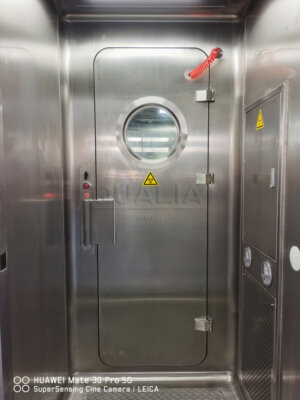
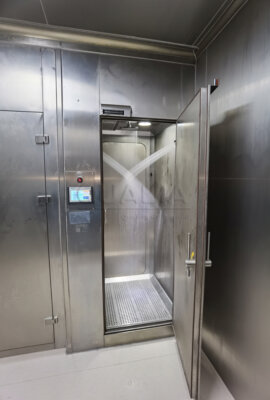
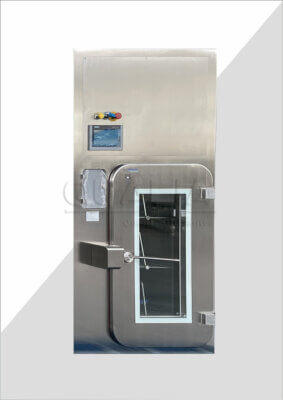
The consequence of not retesting after a triggering change is that handover documentation asserts a performance state that the system no longer reflects. If that gap is identified during an external audit or following an incident, the retesting scope expands significantly — because reviewers will want to know which other changes may have gone unverified. Treating the retesting list as a living commissioning obligation, not a one-time checklist, is the posture that keeps the audit trail defensible. For facilities using purpose-built containment door systems with pneumatic seals and controlled interlock logic — such as ختم هوائي APR الأبواب — door logic changes specifically should be treated as an immediate retesting trigger, since interlock sequencing is directly coupled to the door-state conditions under which directional flow was originally confirmed.
For broader context on how airflow verification fits within the full commissioning sequence, the step-by-step BSL-3 commissioning guide addresses sequencing dependencies between system qualification and occupancy readiness.
Acceptance trigger for real-use airflow assumptions
The minimum condition for accepting real-use airflow assumptions before handover is that the verification record demonstrates containment is maintained under both normal operating conditions and defined failure conditions, without reversal into non-containment areas. That planning criterion defines the lower boundary of what the test scope must cover, not the upper boundary of what rigorous testing would include.
Acceptance criteria for BSL-3 and ABSL-3 facilities can be developed in accordance with ANSI Z9.14-2014, which provides a recognized testing and performance verification framework that QA and biosafety reviewers can treat as a defensible benchmark. Using a recognized methodology matters not only for the initial acceptance record but for the retesting record after any triggering change — because a consistent methodology makes the before-and-after comparison auditable. Applying different criteria at different test events makes it harder to demonstrate that performance is equivalent.
The practical acceptance trigger is this: if the test conditions used to generate the acceptance record would not reproduce the pressure relationships that occur during actual operation — including door cycles, power transfers, and single-component failure scenarios — then the acceptance record describes a system that has never been tested under the conditions it is expected to maintain. That is not a documentation gap. It is a gap in what the facility can actually claim about its containment performance. The acceptance decision should be made on test conditions that reflect real use, not on test conditions that were selected because they were easier to control.
For facilities where negative pressure cascade design underpins the acceptance criteria, the assumptions embedded in that design need to be verified under the same range of conditions that testing covers. The article on designing negative pressure cascade systems for BSL-3 HVAC containment addresses the design-side variables that directly affect what testing must confirm.
The most concrete implication of this article is a sequencing question: before any acceptance decision is made, confirm that the test record includes pressure evidence — not just visual observation — from at least one door-cycling condition, at least one power transfer condition, and at least one redundancy switchover condition. If any of those are missing, the acceptance record reflects ideal conditions, not real-use conditions, and that distinction will matter during the first external review that asks specifically what was tested.
What to define next is the relationship between your retesting obligation list and your change control process. If change control does not currently flag fan repairs, BAS logic revisions, damper adjustments, or hard-ducted BSC additions as retesting triggers, those events will be processed as administrative changes while the acceptance record quietly becomes stale. Treating airflow acceptance as a maintained condition rather than a completed milestone is the procedural shift that keeps the documentation defensible past handover.
الأسئلة المتداولة
Q: Does ANSI Z9.14-2014 apply if the facility is being commissioned outside the United States?
A: ANSI Z9.14-2014 remains a useful benchmark even for non-U.S. facilities, but it is not the only defensible framework. The WHO Laboratory Biosafety Manual and ISO 14644-3:2019 are internationally recognized references that biosafety and QA reviewers in other jurisdictions are more likely to accept as primary authority. What matters is selecting a recognized, documented methodology and applying it consistently across the initial test and any subsequent retests — so that before-and-after comparisons remain auditable regardless of which standard anchors the acceptance criteria.
Q: If BAS trend data is used as the primary pressure record, how granular does the logging interval need to be to capture a transient reversal during a power transfer or switchover event?
A: The article does not specify a logging interval, and the answer depends on how quickly your system can transition between states. A transient reversal during a power transfer or redundancy switchover can last seconds. If BAS logging is set to one-minute intervals, a brief reversal may fall entirely between recorded data points and go undetected in the trend record. Before relying on BAS data as the auditable evidence of no reversal, confirm that the logging resolution is fine enough to capture the transient window — and document that the interval was deliberately set for this purpose, not left at a default commissioning configuration.
Q: At what point should airflow acceptance testing be sequenced relative to biological agent introduction and occupancy?
A: Airflow acceptance, including failure mode and power transfer verification, should be completed and documented before biological agent introduction — not concurrently with occupancy preparation. Once agents are introduced, the conditions required for some failure-mode tests become safety constraints rather than test conditions. Scheduling those tests after occupancy creates a situation where the acceptance record is either incomplete or was generated under conditions that can no longer be safely reproduced, which undermines the defensibility of the handover documentation.
Q: Is a full retest required after a minor BAS logic revision, or is a targeted partial retest acceptable?
A: A targeted partial retest is often appropriate, but only if the scope can be credibly bounded. The retesting obligation exists because a BAS logic change can alter sequencing in ways that affect the pressure cascade — but if the change is isolated to a single control loop and the impact on exhaust-supply balance and switchover timing can be documented as contained, a partial retest covering the affected conditions is defensible. The risk is scope creep rationalization: teams frequently classify changes as minor to avoid retest scheduling pressure, and reviewers will scrutinize that judgment. The safer position is to define in advance, as part of change control, which categories of BAS revision require full versus partial reverification.
Q: How should a facility handle directional airflow acceptance when the HVAC system is not yet at full operational balance during phased construction handover?
A: Testing before the HVAC is at operational balance produces a result that describes a temporary system state, not the state under which the facility will actually operate. If phased handover requires some acceptance activities before full balance is achieved, the documentation must clearly identify the system state at the time of testing and treat those results as provisional — with a defined retesting obligation once balance is confirmed. Treating a provisional result as a final acceptance record is the specific gap that external reviewers will identify if the test conditions in the record do not match the operational configuration at the time of agent introduction or occupancy.