
Die Abnahmeprüfung der Luftstromrichtung in einem BSL-Labor wird üblicherweise einmalig unter möglichst sauberen Bedingungen durchgeführt – bei geschlossenen Türen, im stationären Betriebszustand der Lüftungsanlage und ohne aktive Materialtransfers. Dieser Ansatz mag zwar die Anforderungen einer Checkliste erfüllen, erfasst jedoch nicht die Druckverhältnisse, die die Eindämmung im täglichen Betrieb tatsächlich bestimmen. Wenn diese Lücken bei einem Audit oder, schlimmer noch, bei der Nachuntersuchung eines Vorfalls zutage treten, sind die Kosten nicht in einem erneuten Testplan zu veranschlagen: Es handelt sich vielmehr um die nachweisliche Unfähigkeit zu belegen, dass die Eindämmungsbarriere unter realen Bedingungen jemals wie angenommen funktioniert hat. Die Lösung hierfür besteht darin, vor Beginn der Prüfung zu entscheiden, welche Türzustände, Transferereignisse und Ausfallszenarien die Prüfung umfassen muss, um eine vertretbare Abnahmeentscheidung zu stützen.
Rauchprüfung unter repräsentativen Türzuständen
Ein Rauchprüfergebnis ist nur so aussagekräftig wie die Bedingungen, unter denen es ermittelt wurde. Ein Test bei geschlossenen Türen und thermischem Gleichgewicht der Klimaanlage liefert ein Ergebnis, das einen einzelnen, idealisierten Zustand beschreibt. Er beschreibt nicht, was passiert, wenn ein Techniker während eines Transportvorgangs eine Tür teilweise offen hält, wenn eine Verriegelungstür mitten im Zyklus entriegelt wird oder wenn in einem Raum kurzzeitig ein Unterdruck entsteht, nachdem eine Tür gerade geschlossen wurde.
In der Praxis bedeutet dies, dass die Rauchvisualisierung auf Türzustandsszenarien ausgerichtet sein sollte, die den tatsächlichen Arbeitsablauf widerspiegeln, und nicht auf Türzustände, die am einfachsten zu steuern sind. Das bedeutet zumindest, dass das Strömungsverhalten in Richtung bei vollständig geöffneten, teilweise geöffneten und geschlossenen (mit Unterzug) Zuständen an jeder kritischen Türöffnung oder Durchgangsstelle erfasst werden muss. Die CDC BMBL und WHO-Handbuch für biologische Sicherheit im Labor Beide betrachten die gerichtete Luftströmung im Rahmen als primären physikalischen Rückhaltemechanismus, was bedeutet, dass die Testergebnisse, die diesen Mechanismus stützen, die Bedingungen widerspiegeln müssen, unter denen der Rückhalt voraussichtlich funktioniert.
Die Folge des Verzichts auf Türtests in verschiedenen Zuständen ist nicht sofort erkennbar. Eine Anlage kann die Inbetriebnahme bestehen, die Abnahme erhalten und den Betrieb aufnehmen, ohne dass jemand eine Umkehrung beobachtet hat. Die Umkehrung wird erst dann zu einem dokumentierten Problem, wenn ein Prüfer für Biosicherheit Nachweise dafür verlangt, dass der Durchfluss unter den spezifischen Türbedingungen, unter denen eine potenzielle Exposition stattfand, bestätigt wurde, und diese Nachweise nicht vorliegen. Die Gestaltung von Rauchprüfungen, die repräsentative Türzustände abdecken, wandelt eine potenzielle Lücke in einen dokumentierten Leistungsnachweis um – und genau diesen Nachweis können Prüfer tatsächlich überprüfen.
Wiederherstellung des Luftstroms nach routinemäßigen Transfervorgängen
Druckunterschiede im stationären Zustand sind zwar eine nützliche Basisgröße, geben jedoch keinen Aufschluss über die Leistungsfähigkeit in dem Moment, in dem das größte transiente Risiko besteht. Routinemäßige Betriebsereignisse – insbesondere die Umschaltung auf Notstromversorgung und die Rückkehr zur normalen Stromversorgung – führen zu kurzzeitigen Änderungen des Systemzustands, die eine Sicherheitshülle vorübergehend nach außen unter Druck setzen können, wenn die Abfolge der Wiederherstellungsmaßnahmen nicht ausdrücklich überprüft wurde.
Diese Unterscheidung ist wichtig, da Stromumschaltungen keine Störfälle sind, sondern erwartete Betriebsereignisse. Eine automatische Umschaltung auf Generatorstrom während eines Netzausfalls, gefolgt von einer Rückkehr zur normalen Stromversorgung bei Wiederherstellung des Netzstroms, ist ein geplantes, wiederholbares Ereignis. Wenn die Abfolge, die den Neustart der Abluft- und Zuluftventilatoren regelt, während dieser Übergänge nicht anhand von Leistungskriterien überprüft wird, kann es zu einem positiven Druckereignis aus dem Sicherheitsbehälterbereich kommen, das unentdeckt bleibt – nicht weil es nicht nachweisbar war, sondern weil kein Test vorgesehen war, um es zu beobachten. Der Zeitpunkt der Wiederherstellung bei einer Redundanzumschaltung birgt das gleiche Risiko: Der Moment, in dem eine ausgefallene Komponente an ihren N+1-Ersatz übergibt, ist ein vorübergehendes Ereignis, kein stationärer Zustand, und wenn diese Umschaltung langsam erfolgt oder die Abfolge fehlerhaft ist, kann sich die Druckkaskade kurzzeitig umkehren.
| Transferveranstaltung | Vorübergehendes Risiko | Verifizierungsanforderung |
|---|---|---|
| Kraftübertragung auf den Rücklauf und den Rückweg | Überdruck aus den Sicherheitsbehälterbereichen während des Umschaltvorgangs | Es darf während beider Übergänge (zum Backup-Modus und zurück zum Normalbetrieb) zu keinem Überdruck kommen |
| Umschaltung bei N+1-Komponentenredundanz | Umkehrung der Luftströmung im Moment der Aktivierung der Redundanz | Überprüfen Sie den Zeitpunkt der Umstellung anhand der Leistungskriterien; stellen Sie sicher, dass während der Umstellung keine Rückbuchungen erfolgen, und dokumentieren Sie dies. |
Bei jedem Übertragungsvorgang besteht die Anforderung an die Überprüfung darin, nachzuweisen, dass kein positiver Druckaufbau auftritt – und nicht lediglich zu bestätigen, dass sich das System letztendlich wieder normalisiert. Der entscheidende Akzeptanzschwellenwert ist die Unterscheidung zwischen “Normalisierung innerhalb einer akzeptablen Zeitspanne” und “kein Druckaufbau während der Normalisierung”, wobei diese beiden Bedingungen nicht immer gleichzeitig eintreten.
Fehlerzustände, die eine Umkehrung der Durchflussrichtung bewirken können
Die betrieblich relevantesten Ausfallarten sind nicht diejenigen, die zu einem vollständigen Systemausfall führen – diese sind sofort erkennbar. Die Ausfallarten, die zu Problemen bei der Eindämmung führen, sind diejenigen, die eine kurze, vorübergehende Umkehrung bewirken, während das System gerade reagiert: in dem Moment, in dem die Notstromversorgung aktiviert wird, bevor die Abluftventilatoren wieder angelaufen sind, in dem Moment, in dem eine redundante Komponente die Funktion übernimmt, bevor die Steuerlogik die Abfolge neu gesteuert hat, oder in dem Moment, in dem eine einzelne HLK-Anlage, die eine Sicherheitszone versorgt, ausfällt, ohne dass die Umschaltung auf die Redundanz ordnungsgemäß abgeschlossen wurde.
Ein mechanischer Ausfall einer einzelnen HLK-Anlage, die eine BSL-3-Sicherheitszone versorgt, hat in einer in Betrieb befindlichen Einrichtung zu dokumentierten Sicherheitsverletzungen aufgrund einer Umkehrung der Luftströmung geführt. Dieser Präzedenzfall sollte klar hervorgehoben werden, da er die Bedeutung des Begriffs “Single-Point-Failure” im Zusammenhang mit Abnahmetests der Luftströmung neu definiert: Es handelt sich nicht um ein theoretisches Szenario, das lediglich im Risikoregister behandelt werden muss. Es handelt sich um einen Ausfallmodus, der bereits eingetreten ist und auf den Abnahmetests ausgelegt sein sollten. Das primäre Zeitfenster für eine Umkehrung in diesem Szenario – sowie in Szenarien der Stromübertragung und -umschaltung – ist der vorübergehende Moment, nicht der anhaltende Ausfallzustand.
| Fehlermodus | Risiko einer Trendwende | Was zu bestätigen ist |
|---|---|---|
| Unüberwachte Stromübertragung zum/vom Notstromaggregat | Überdruck aus den Sicherheitsbehälterbereichen | Sowohl die automatische Umschaltung auf Notstromversorgung als auch die Rückkehr zur normalen Stromversorgung werden auf korrekte Funktion geprüft |
| Technischer Defekt einer einzelnen Klimaanlage | Dokumentierter Durchbruch der Sicherheitsbarriere aufgrund einer Umkehrung der Luftströmung | Ein einzelner Ausfall führt nicht zu einer Umkehrung; die Redundanz ist wirksam |
| Wiederherstellung von N+1-Redundanzkomponenten | Kurzzeitige Umkehrung während der Umschaltung | Der Umschaltzeitpunkt wird beobachtet und als umkehrungsfrei dokumentiert |
Bei Abnahmetests muss nicht nur bestätigt werden, dass eine Redundanz vorhanden ist, sondern auch, dass die Aktivierung der Redundanz selbst keine Umkehrung bewirkt. Diese Bestätigung erfordert eine Beobachtung und Dokumentation zum Zeitpunkt der Umschaltung und nicht nur die Überprüfung, ob die redundante Komponente funktionsfähig ist und das System schließlich wieder in den Unterdruckzustand zurückkehrt.
Dokumentation visueller Hinweise auf Luftströmungen
Die Rauchvisualisierung eignet sich hervorragend dazu, das gerichtete Strömungsverhalten aufzudecken, das mit Druckmessgeräten nicht erfasst werden kann – beispielsweise die Strömung an Türkanten, das Verhalten an Hinterschneidungen oder die Strömungsrichtung durch Durchgangsschlitze. Da es sich dabei jedoch um eine rein qualitative Methode handelt, entsteht ein Dokumentationsproblem, wenn Qualitätssicherungs- und Biosicherheitsprüfer nachprüfbare Nachweise benötigen und nicht nur die schriftliche Zusammenfassung eines Technikers über das Beobachtete.
Der Streitpunkt ist nicht, dass Rauchversuche ungültig wären. Vielmehr ist es so, dass qualitative visuelle Nachweise für sich genommen schwer zu rechtfertigen sind, insbesondere wenn ein Prüfer beurteilen soll, ob die Abschirmung unter einer bestimmten Bedingung gehalten hat, die der Rauchversuch simulieren sollte. Videoaufzeichnungen mit kommentierten Angaben zum Türzustand sind besser zu rechtfertigen als Standbilder, die zu unklaren Zeitpunkten aufgenommen wurden. Doch keine der beiden Methoden liefert die kontinuierliche, mit Zeitstempeln versehene Aufzeichnung des Druckverhaltens, die die Trenddaten des Gebäudeautomationssystems bieten können.
| Art der Evidenz | Beschreibung | Überlegungen zur Abnahme durch die Qualitätssicherung |
|---|---|---|
| Visualisierung der Rauchströmung | Qualitativ hochwertige Video- oder Standbilder, die die Luftströmungsrichtung an Türen und Durchgängen zeigen | Subjektiv; erfordert möglicherweise zusätzliche beschreibende oder Ersatzdaten, um den Erwartungen der Gutachter gerecht zu werden |
| Trendlinien für den Raumdruck im BAS | Vom Gebäudeautomationssystem aufgezeichnete Daten zum kontinuierlichen Druckunterschied | Liefert einen nachprüfbaren, nicht visuellen Nachweis dafür, dass in den Sicherheitsbehälterbereichen kein Überdruck herrscht |
Der praktische Ansatz besteht darin, die Rauchvisualisierung als Beobachtungsprotokoll zur Richtungsbestimmung zu nutzen und die BAS-Druckverlaufskurven als nicht-visuelles, überprüfbares Protokoll für das Ausbleiben einer Umkehrung heranzuziehen. Wenn diese beiden Arten von Nachweisen kombiniert und mit spezifischen Testbedingungen – Türzustände, Transferereignisse, Ausfallszenarien – abgeglichen werden, bietet das Dokumentationspaket den QA-Prüfern eine Grundlage, auf die sie ihre Abnahmeentscheidung stützen können. Sich allein auf Rauchnachweise zu verlassen, schafft eine Lücke, die meist im ungünstigsten Moment zutage tritt: wenn ein Prüfer nach dem Druckaufzeichnungsprotokoll unter einer bestimmten Testbedingung fragt und die Antwort lautet, dass nur visuelle Beobachtungen aufgezeichnet wurden.
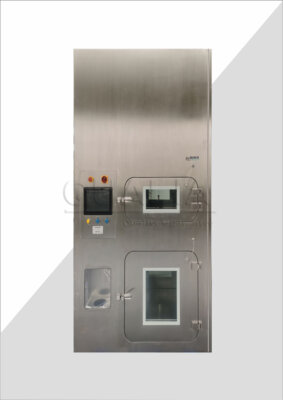
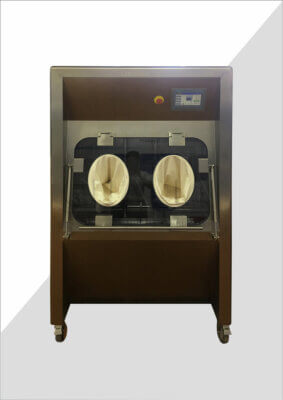
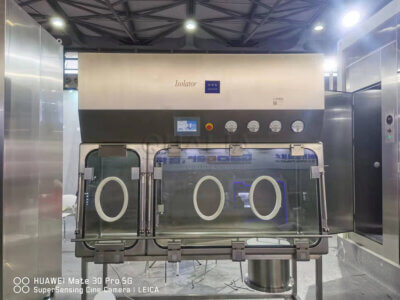
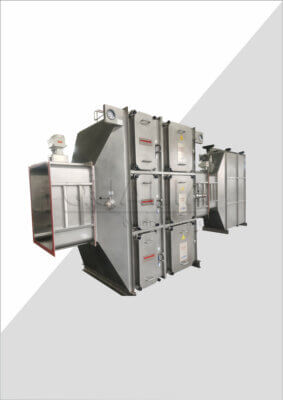
Für Isolator- und Durchführungssysteme, die ein wesentlicher Bestandteil des Managements der Sicherheitshüllen sind, gelten die Anforderungen an den Luftstromnachweis auch für diese Schnittstellen. Systeme wie Filtergehäuse vom Typ „Bag-In-Bag-Out“ die eigenen Eigenschaften des Abgaswegs einbringen, die in der BAS-Trendaufzeichnung erscheinen sollten, wenn bei den Testbedingungen Geräte zum Einsatz kommen, die von BIBO bedient werden.
Änderungen am Arbeitsablauf, die eine erneute Prüfung erfordern
Die Zulassung der gerichteten Luftströmung ist kein dauerhafter Zustand. Es handelt sich um einen verifizierten Zustand, der so lange gilt, wie die Systemkonfiguration und die Steuerungslogik, die zu dem verifizierten Ergebnis geführt haben, unverändert bleiben. Jede Änderung, die die Druckverhältnisse, das Gleichgewicht zwischen Abluft und Zuluft, die Raumleckage oder die Ablauflogik verändert, ist ein Auslöser für eine erneute Prüfung – nicht weil die Vorschrift dies in jedem Fall vorschreibt, sondern weil das ursprüngliche Prüfergebnis das aktuelle System nicht mehr beschreibt.
Das zugrunde liegende Prinzip ist einfach: Wenn sich die Variable, die die Sicherheitsbehälterleistung bestimmt hat, geändert hat, gilt der Nachweis, dass die Sicherheitsbehälterleistung akzeptabel war, nun für eine andere Konfiguration. Teams behandeln Änderungen nach der Fertigstellung manchmal eher als administrative Vorgänge denn als technische Auslöser, insbesondere unter dem Druck der Inbetriebnahme, wenn die Zeitpläne eng sind. Reparaturen an Ventilatoren, Anpassungen an Klappen und Überarbeitungen der BAS-Logik lassen sich jeweils für sich genommen leicht als geringfügig abtun. Zusammen oder manchmal auch einzeln können sie die Druckkaskade jedoch so stark verschieben, dass Umkehrbedingungen entstehen, die bei der ursprünglichen Prüfung nicht vorhanden waren.
| Ereignis ändern | Warum eine erneute Prüfung erforderlich ist |
|---|---|
| Austausch oder Reparatur des Lüfters | Kann das Luftstrombild und die Druckunterschiede verändern |
| Änderungen an den Luftklappen im Rohrleitungssystem | Kann die Luftverteilung verändern und die Strömungswege umkehren |
| Änderungen an der HLK-Steuerung oder der BAS-Logik | Es kann zu Fehlern beim Start, beim Herunterfahren oder bei der Fehlerbehebung kommen |
| Bauliche Änderungen | Kann die Leckageeigenschaften des Raums und Druckkaskaden verändern |
| Einbau oder Ausbau von BSCs mit starren Luftkanälen | Ändert die Bilanz zwischen Abgas und Zuluft an der Sicherheitshüllengrenze |
| Jedes Ereignis, das die Sicherheitshülle gefährdet | Birgt unbekannte Risiken durch unerkannte Richtungswechsel |
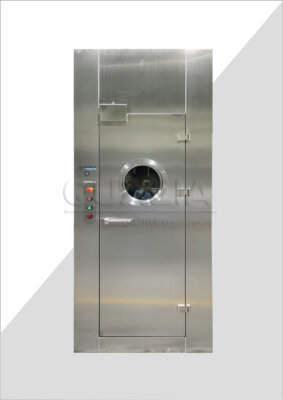
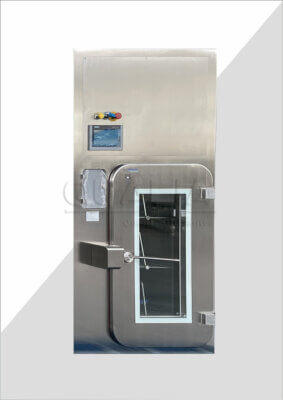
Die Folge einer unterlassenen Nachprüfung nach einer auslösenden Änderung ist, dass die Übergabedokumentation einen Leistungszustand bescheinigt, den das System nicht mehr widerspiegelt. Wird diese Diskrepanz bei einem externen Audit oder nach einem Vorfall festgestellt, erweitert sich der Umfang der Nachprüfung erheblich – denn die Prüfer werden wissen wollen, welche weiteren Änderungen möglicherweise nicht überprüft wurden. Die Behandlung der Liste für die erneute Prüfung als eine fortlaufende Verpflichtung zur Inbetriebnahme und nicht als einmalige Checkliste ist die Vorgehensweise, die den Prüfpfad vertretbar hält. Für Anlagen, die speziell angefertigte Sicherheitsbehältersysteme mit pneumatischen Dichtungen und kontrollierter Verriegelungslogik verwenden – wie beispielsweise pneumatische Dichtung APR-Türen — Änderungen der Türlogik sollten ausdrücklich als Auslöser für eine sofortige erneute Prüfung behandelt werden, da die Verriegelungsabfolge direkt mit den Türzuständen gekoppelt ist, unter denen der Durchfluss ursprünglich bestätigt wurde.
Um einen umfassenderen Überblick darüber zu erhalten, wie sich die Überprüfung des Luftstroms in den gesamten Inbetriebnahmeprozess einfügt, bietet die Schritt-für-Schritt-Anleitung zur Inbetriebnahme von BSL-3 befasst sich mit den Abfolgeabhängigkeiten zwischen der Systemqualifizierung und der Bezugsfertigkeit.
Annahmeauslöser für Annahmen zum Luftstrom unter realen Einsatzbedingungen
Die Mindestvoraussetzung für die Anerkennung der Annahmen zum Luftstrom im realen Betrieb vor der Übergabe ist, dass das Verifikationsprotokoll belegt, dass die Eindämmung sowohl unter normalen Betriebsbedingungen als auch unter definierten Ausfallbedingungen aufrechterhalten wird, ohne dass es zu einem Rückfluss in nicht eingedämmte Bereiche kommt. Dieses Planungskriterium definiert die Untergrenze dessen, was der Testumfang abdecken muss, nicht die Obergrenze dessen, was strenge Tests umfassen würden.
Abnahmekriterien für BSL-3- und ABSL-3-Einrichtungen können gemäß ANSI Z9.14-2014 entwickelt werden, das einen anerkannten Rahmen für die Prüfung und Leistungsüberprüfung bietet, den Qualitätssicherungs- und Biosicherheitsprüfer als vertretbaren Maßstab heranziehen können. Die Verwendung einer anerkannten Methodik ist nicht nur für die erstmalige Abnahme wichtig, sondern auch für die Nachprüfung nach einer auslösenden Änderung – denn eine einheitliche Methodik macht den Vorher-Nachher-Vergleich überprüfbar. Die Anwendung unterschiedlicher Kriterien bei verschiedenen Prüfungen erschwert den Nachweis, dass die Leistung gleichwertig ist.
Der praktische Auslöser für die Abnahme ist folgender: Wenn die Testbedingungen, die zur Erstellung des Abnahmeprotokolls herangezogen wurden, die im tatsächlichen Betrieb auftretenden Druckverhältnisse – einschließlich Türzyklen, Energieübertragungen und Szenarien mit dem Ausfall einzelner Komponenten – nicht reproduzieren würden, dann beschreibt das Abnahmeprotokoll ein System, das nie unter den Bedingungen getestet wurde, unter denen es voraussichtlich betrieben wird. Das ist keine Lücke in der Dokumentation. Es ist eine Lücke in dem, was die Anlage tatsächlich über ihre Eindämmungsleistung behaupten kann. Die Abnahmeentscheidung sollte auf der Grundlage von Testbedingungen getroffen werden, die den tatsächlichen Einsatz widerspiegeln, und nicht auf der Grundlage von Testbedingungen, die ausgewählt wurden, weil sie leichter zu kontrollieren waren.
Bei Anlagen, bei denen die Zulassungskriterien auf einem Unterdruck-Kaskadensystem basieren, müssen die diesem System zugrunde liegenden Annahmen unter denselben Bedingungen überprüft werden, die auch bei den Prüfungen berücksichtigt werden. Der Artikel über Entwurf von Unterdruck-Kaskadensystemen für BSL-3-Lüftungs- und Klimatechnik-Eindämmungsanlagen befasst sich mit den entwurfsbezogenen Variablen, die sich unmittelbar darauf auswirken, was durch Tests bestätigt werden muss.
Die konkreteste Schlussfolgerung aus diesem Artikel betrifft die Reihenfolge der Schritte: Bevor eine Abnahmeentscheidung getroffen wird, muss sichergestellt werden, dass der Prüfbericht Druckmessdaten – und nicht nur visuelle Beobachtungen – aus mindestens einem Türzyklus, mindestens einem Stromübertragungsvorgang und mindestens einer Redundanzumschaltung enthält. Fehlt einer dieser Punkte, spiegelt das Abnahmeprotokoll ideale Bedingungen wider, nicht die Bedingungen im realen Einsatz, und dieser Unterschied wird bei der ersten externen Überprüfung von Bedeutung sein, bei der konkret gefragt wird, was getestet wurde.
Als Nächstes muss die Beziehung zwischen Ihrer Liste der Nachprüfungsverpflichtungen und Ihrem Änderungskontrollprozess definiert werden. Wenn die Änderungskontrolle derzeit Reparaturen an Ventilatoren, Überarbeitungen der BAS-Logik, Anpassungen an Luftklappen oder den Einbau von BSC-Anlagen in starren Luftkanälen nicht als Auslöser für Nachprüfungen kennzeichnet, werden diese Ereignisse als administrative Änderungen behandelt, während die Abnahmeprotokolle unbemerkt ihre Gültigkeit verlieren. Die Behandlung der Luftdurchsatzabnahme als einen fortlaufenden Zustand und nicht als einen abgeschlossenen Meilenstein ist die Verfahrensänderung, die die Dokumentation auch nach der Übergabe rechtlich haltbar macht.
Häufig gestellte Fragen
F: Gilt die Norm ANSI Z9.14-2014 auch, wenn die Anlage außerhalb der Vereinigten Staaten in Betrieb genommen wird?
A: ANSI Z9.14-2014 bleibt auch für Einrichtungen außerhalb der USA ein nützlicher Maßstab, ist jedoch nicht der einzige vertretbare Rahmen. Das WHO-Handbuch zur Laborsicherheit und die Norm ISO 14644-3:2019 sind international anerkannte Referenzen, die von Prüfern für Biosicherheit und Qualitätssicherung in anderen Rechtsräumen eher als primäre Autorität akzeptiert werden. Entscheidend ist die Auswahl einer anerkannten, dokumentierten Methodik und deren konsequente Anwendung sowohl bei der Erstprüfung als auch bei allen nachfolgenden Wiederholungsprüfungen – damit Vorher-Nachher-Vergleiche unabhängig davon, welcher Standard die Akzeptanzkriterien festlegt, nachprüfbar bleiben.
F: Wenn BAS-Trenddaten als primäre Druckaufzeichnung verwendet werden, wie fein muss das Aufzeichnungsintervall sein, um eine vorübergehende Umkehrung während einer Stromübertragung oder eines Umschaltvorgangs zu erfassen?
A: Der Artikel gibt kein Protokollierungsintervall vor, und die Antwort hängt davon ab, wie schnell Ihr System zwischen den Zuständen wechseln kann. Eine vorübergehende Umkehrung während einer Stromübertragung oder einer Redundanzumschaltung kann Sekunden dauern. Wenn die BAS-Protokollierung auf Ein-Minuten-Intervalle eingestellt ist, kann eine kurze Umkehrung vollständig zwischen den aufgezeichneten Datenpunkten liegen und in der Trendaufzeichnung unentdeckt bleiben. Bevor Sie sich auf BAS-Daten als nachprüfbaren Nachweis für das Nichtvorliegen einer Umkehrung verlassen, vergewissern Sie sich, dass die Protokollierungsauflösung fein genug ist, um das vorübergehende Zeitfenster zu erfassen – und dokumentieren Sie, dass das Intervall bewusst für diesen Zweck festgelegt wurde und nicht auf einer Standardkonfiguration bei der Inbetriebnahme belassen wurde.
F: Zu welchem Zeitpunkt sollten die Abnahmeprüfungen der Luftzirkulation im Verhältnis zur Einbringung biologischer Wirkstoffe und zur Belegung durchgeführt werden?
A: Die Abnahme der Luftströmung, einschließlich der Überprüfung der Ausfallmodi und der Leistungsübertragung, sollte vor dem Einbringen biologischer Arbeitsstoffe abgeschlossen und dokumentiert werden – und nicht parallel zur Vorbereitung der Inbetriebnahme. Sobald die Arbeitsstoffe eingebracht sind, werden die für bestimmte Ausfallmodustests erforderlichen Bedingungen zu Sicherheitsauflagen und nicht mehr zu Testbedingungen. Die Planung dieser Tests nach der Inbetriebnahme führt zu einer Situation, in der das Abnahmeprotokoll entweder unvollständig ist oder unter Bedingungen erstellt wurde, die nicht mehr sicher reproduzierbar sind, was die Nachvollziehbarkeit der Übergabedokumentation untergräbt.
F: Ist nach einer geringfügigen Überarbeitung der BAS-Logik eine vollständige erneute Prüfung erforderlich, oder reicht eine gezielte Teilprüfung aus?
A: Eine gezielte Teilwiederholprüfung ist oft angebracht, jedoch nur, wenn der Umfang glaubhaft eingegrenzt werden kann. Die Verpflichtung zur erneuten Prüfung besteht, weil eine Änderung der BAS-Logik die Abfolge so verändern kann, dass sie sich auf die Druckkaskade auswirkt – wenn die Änderung jedoch auf einen einzelnen Regelkreis beschränkt ist und die Auswirkungen auf das Gleichgewicht zwischen Abgas- und Zuluft sowie den Umschaltzeitpunkt als begrenzt dokumentiert werden können, ist eine Teilprüfung, die die betroffenen Bedingungen abdeckt, vertretbar. Das Risiko besteht in einer schleichenden Ausweitung des Umfangs: Teams stufen Änderungen häufig als geringfügig ein, um den Druck durch die Planung von Nachprüfungen zu vermeiden, und Prüfer werden diese Einschätzung genau unter die Lupe nehmen. Die sicherere Vorgehensweise besteht darin, im Rahmen der Änderungskontrolle im Voraus festzulegen, welche Kategorien von BAS-Änderungen eine vollständige bzw. eine teilweise Nachprüfung erfordern.
F: Wie sollte eine Einrichtung mit der Abnahme der Luftströmungsrichtung umgehen, wenn die Klimaanlage während der schrittweisen Bauübergabe noch nicht voll funktionsfähig ist?
A: Eine Prüfung, bevor das HLK-System sein Betriebsgleichgewicht erreicht hat, liefert ein Ergebnis, das einen vorübergehenden Systemzustand beschreibt, nicht jedoch den Zustand, unter dem die Anlage tatsächlich betrieben wird. Wenn eine schrittweise Übergabe einige Abnahmeaktivitäten erfordert, bevor das vollständige Gleichgewicht erreicht ist, muss die Dokumentation den Systemzustand zum Zeitpunkt der Prüfung klar identifizieren und diese Ergebnisse als vorläufig behandeln – mit einer festgelegten Verpflichtung zur erneuten Prüfung, sobald das Gleichgewicht bestätigt ist. Die Behandlung eines vorläufigen Ergebnisses als endgültiges Abnahmeprotokoll ist genau die Lücke, die externe Prüfer aufdecken werden, wenn die Testbedingungen im Protokoll nicht mit der Betriebskonfiguration zum Zeitpunkt der Einweisung des Personals oder der Belegung übereinstimmen.