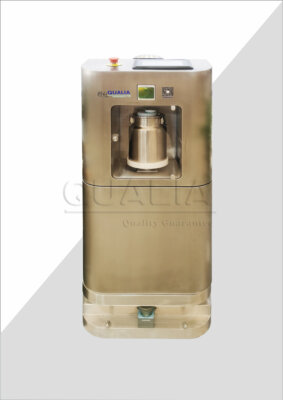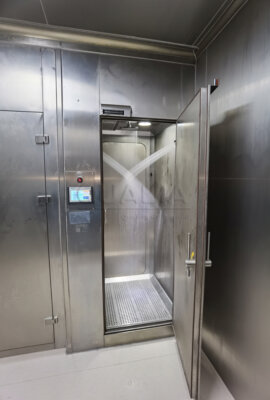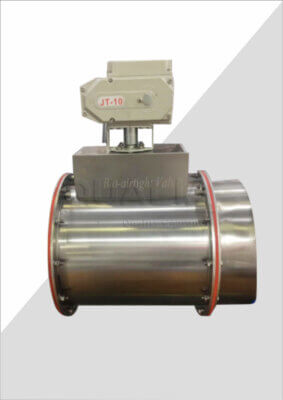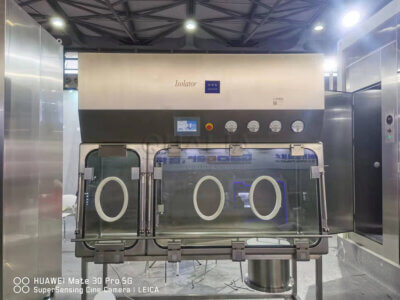

Acceptarea unui modul BSL-4 se realizează adesea pe etape, în funcție de pachetul de echipamente — sistemul HVAC este pus în funcțiune separat, testele filtrelor HEPA sunt aprobate independent, iar interblocările ușilor sunt verificate de o echipă diferită la o dată diferită. Această secvență reprezintă un risc. Inversările de presiune în cascadă în timpul comutării la rezervă a ventilatoarelor, decalajele de sincronizare ale clapetelor care întrerup continuitatea anvelopei și logica netestată a interblocării combinate a ușilor sunt exact modurile de eșec care rămân ascunse atunci când sistemele sunt acceptate în mod izolat. Costul se manifestă ulterior: refacerea lucrărilor în timpul testării funcționale integrate, restricții operaționale bazate pe risc impuse înainte de prima utilizare sau dispute în timpul inspecției de reglementare cu privire la subcontractantul responsabil pentru un rezultat eșuat al testului combinat. Soluția care rezolvă această problemă constă în tratarea sistemelor HVAC, a sistemului de evacuare HEPA, a camerelor de echilibrare, a ușilor APR, a sistemului VHP și a sistemului EDS ca un singur sistem de izolare în timpul acceptării — cu atribuirea clară a responsabilității pentru fiecare interfață înainte de trecerea pragului modulului. După citirea acestui articol, veți fi mai bine pregătiți să stabiliți criterii integrate de acceptare/respingere, să atribuiți responsabilitatea pentru interfețe și să determinați ce dovezi sunt necesare înainte de începerea funcționării.
Acceptare integrată la nivelul sistemelor modulare
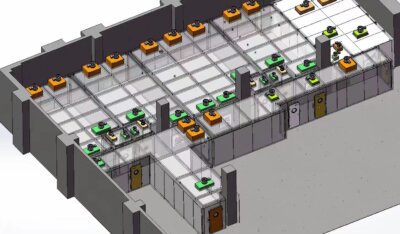
Separarea acceptării pe pachete de echipamente reprezintă cea mai frecventă eroare structurală în procesul de punere în funcțiune a modulelor BSL-4. Nu este o simplă chestiune de comoditate în planificarea programului, ci un mecanism de transfer al riscului care mută defecțiunile de interfață nerezolvate dincolo de etapa de predare, transformându-le în restricții operaționale sau constatări ale autorităților de reglementare.
A 6-a ediție a BMBL prevede că parametrii de proiectare și procedurile operaționale trebuie documentați ca parte a procesului de verificare pentru instalațiile de nivel BSL-4 și ABSL-4. Această cerință se aplică modulului ca sistem, nu componentelor individuale luate separat. Atunci când o secvență de punere în funcțiune generează rapoarte de validare separate pentru sistemele mecanice, sistemele de control HVAC, ușile de izolare și decontaminare — fiecare fiind testat în cadrul propriului domeniu de aplicare — dovezile documentate nu demonstrează că sistemul combinat funcționează conform proiectului în cadrul unei secvențe operaționale realiste sau într-o situație de defecțiune.
Implicația practică este că acceptarea integrată necesită o planificare interdisciplinară, desemnarea unui responsabil de testare și stabilirea unor responsabilități clare pentru fiecare graniță a sistemului înainte de începerea testării. Acest lucru generează tensiuni. Comprimă termenele, impune coordonarea cu subcontractanții și necesită ca cineva să-și asume responsabilitatea pentru un rezultat combinat de tip „promovat/respins”, în loc de un rezultat la nivel de componentă. Structurile contractuale prevăd rareori acest lucru în mod natural. Compromisul este real: o acceptare secvențială este mai ușor de programat, dar mai greu de apărat în timpul inspecției, în timp ce o acceptare integrată este mai dificil de executat, dar produce dovezi de izolare care reflectă modul în care instalația va funcționa efectiv. Decizia nu este dacă să se accepte integrarea – obligația de verificare BMBL există oricum –, ci dacă să se proiecteze secvența de acceptare în jurul acesteia încă de la început sau să se suporte costul refacerii atunci când lacunele ies la iveală ulterior.
Pentru o perspectivă mai amplă asupra modului în care proiectarea modulară influențează secvența de punere în funcțiune și domeniul de aplicare al verificării, Ghidul complet privind laboratoarele modulare de biosecuritate pentru administratorii de unități și responsabilii cu biosecuritatea oferă informații relevante privind proiectarea și implementarea.
Cascada de presiune și dovezi privind evacuarea prin filtrul HEPA
Integritatea cascadei de presiune în condiții tranzitorii — comutarea la un ventilator de rezervă și transferul către sursa de alimentare de rezervă — reprezintă domeniul în care dovezile de acceptare sunt cel mai adesea incomplete. Măsurătorile statice ale presiunii diferențiale efectuate în condiții normale de funcționare nu demonstrează comportamentul cascadei în timpul tranzițiilor care prezintă cea mai mare importanță pentru conteniment.
Cerința esențială de verificare este ca trecerea la un ventilator redundant să se realizeze fără inversarea fluxului de aer din laboratorul BSL-4 și ca transferul la sursa de alimentare de rezervă să se realizeze fără inversarea fluxului de aer la limita incintei de izolare. Liniile de tendință ale presiunii din sistemul BAS constituie o cale de dovadă acceptată: datele continue privind presiunea din încăpere, înregistrate în timpul unei simulări de defectare a ventilatorului sau a unei simulări de întrerupere a alimentării cu energie electrică, pot demonstra dacă presiunea în cascadă a rămas negativă pe toată durata tranziției sau dacă a avut loc o inversare tranzitorie. Cuvântul cheie este “pe toată durata”. O linie de tendință care revine rapid la valoarea de referință nu dovedește automat că izolarea a fost menținută dacă inversarea a atins valoarea maximă înainte ca sistemul să se restabilizeze. Criteriile de acceptare trebuie să ia în considerare profilul tranziției, nu doar rezultatul în stare staționară.
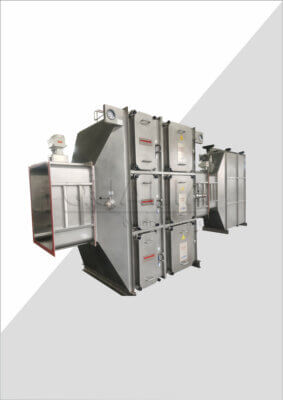
Integritatea filtrului HEPA este evaluată împreună cu cascada de presiune în cadrul aceluiași pachet de dovezi. Filtrele de pe conductele de evacuare ale sistemului HVAC, conductele de ventilație ale instalațiilor sanitare și conductele de evacuare pentru decontaminare necesită toate verificarea prin mijloace adecvate — testul cu aerosoli, măsurarea căderii de presiune sau alte metode adaptate configurației filtrului — cu criterii de acceptare definite înainte de punerea în funcțiune. Metoda nu este prescrisă universal; este responsabilitatea unității să definească și să documenteze limitele de acceptare adecvate pentru fiecare instalație de filtrare. O lacună frecventă constă în considerarea sistemului de evacuare HEPA din incintă ca fiind verificat atunci când există doar măsurători de presiune la nivelul conductelor, fără confirmarea integrității prin testul cu aerosoli sau prin metode echivalente.
| Cerință | Tipul probelor | Criterii de acceptare |
|---|---|---|
| Redundanța ventilatoarelor mecanice – trecerea la ventilatorul de rezervă fără inversarea sensului de curgere a aerului | Liniile de tendință ale cascadei de presiune BAS | Nu se înregistrează nicio inversare a fluxului de aer din laboratorul BSL-4; cascada de presiune rămâne negativă pe toată durata tranziției |
| Transferul alimentării de rezervă – trecerea la alimentarea de rezervă fără inversarea sensului de curgere a aerului | Liniile de tendință ale presiunii din camera BAS în timpul unei întreruperi simulate a alimentării cu energie electrică | Nu s-a înregistrat nicio inversare a fluxului de aer; datele privind evoluția situației confirmă că limita de izolare a fost menținută |
| Integritatea filtrului – Filtre HEPA pentru instalațiile de încălzire, ventilație și aer condiționat (HVAC), conductele de aerisire ale instalațiilor sanitare și sistemul de decontaminare | Înregistrări privind testele de integritate a filtrelor (metodă adecvată, de exemplu testul cu aerosoli, scăderea presiunii) | Filtrele îndeplinesc criteriile de acceptare stabilite; nu se înregistrează nicio deviere sau scurgere care să depășească limitele |
O consecință ulterioară care merită menționată: datele furnizate de linia de tendință BAS sunt valabile doar dacă rata de achiziție a datelor BAS este suficientă pentru a înregistra evenimentele tranzitorii. Dacă intervalul de înregistrare este mai mare decât durata tranziției, un eveniment de inversare poate avea loc și se poate încheia între două puncte de date, fără a lăsa nicio urmă. Verificați rezoluția înregistrării înainte de a efectua testele de failover.
Înregistrări privind camera de echilibrare, ușa APR și sistemul de interblocare
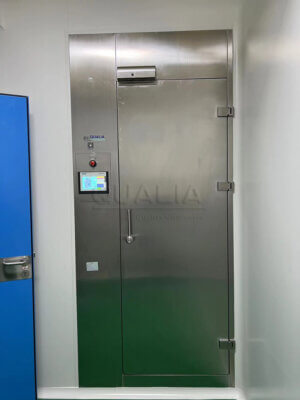
Înregistrările privind camerele de echilibrare a presiunii și ușile APR reprezintă adesea partea cea mai subțire a dosarului de acceptare a unui modul — nu pentru că testele sunt omise, ci pentru că inspecția garniturilor, testele de scădere a presiunii și testele funcționale ale sistemului de interblocare sunt documentate separat și nu există nicio înregistrare care să le coreleze cu un strat de izolare verificat.
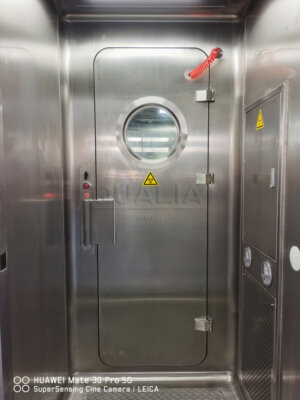
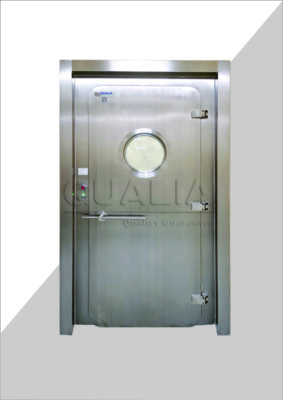
Integritatea incintei primare la ușile APR necesită o inspecție fizică a garniturilor, cu un răspuns definit în cazul detectării unui defect: dacă o garnitură este defectă, este necesară înlocuirea acesteia înainte ca ușa să fie acceptată ca parte a limitei incintei. Aceasta este o verificare la nivel de componentă cu un rezultat binar, dar nu este echivalentă cu un test complet al învelișului incintei. O garnitură care trece de inspecția vizuală și tactilă poate totuși să cedeze în condiții de cicluri operaționale sau de schimbări de temperatură. Înregistrările de acceptare la nivel de componentă trebuie tratate ca o condiție prealabilă, nu ca dovadă definitivă a integrității învelișului.
Verificarea învelișului secundar de izolare — care include garniturile ușilor APR și clapetele sistemului HVAC ca elemente combinate — poate utiliza testarea prin scăderea presiunii ca metodă acceptabilă. Testarea prin scăderea presiunii, acolo unde se utilizează, trebuie documentată cu precizarea metodei de testare, a duratei, a presiunilor inițiale și finale, precum și a criteriului de acceptare aplicat. Este important să se țină cont de următoarele: scăderea presiunii reprezintă o cale de verificare, nu un standard impus universal, iar pragul de acceptare este derivat din parametrii de proiectare aprobați ai instalației, nu dintr-o singură valoare reglementată. De asemenea, este necesară supravegherea continuă a învelișului secundar, ceea ce înseamnă că integritatea acestuia nu este o verificare efectuată o singură dată la punerea în funcțiune, ci o obligație operațională recurentă.
| Strat de izolare | Componente | Metoda de verificare | Răspunsul la defecte |
|---|---|---|---|
| Izolarea primară | APR prin garnituri | Inspecția garniturilor | Înlocuirea componentelor defecte |
| Înveliș de protecție secundar | Garnituri pentru uși APR, clapete HVAC | Testarea scăderii presiunii (poate fi utilizată); monitorizare continuă | Reparați sau înlocuiți componentele pentru a restabili integritatea învelișului |
Înregistrările privind sistemul de blocare a ușilor APR trebuie analizate cu deosebită atenție în cadrul verificării de acceptare. Blocarea mecanică și logica electronică sunt adesea testate de către departamente diferite, în momente diferite. Faptul că fiecare dintre ele trece testul individual nu garantează că secvența combinată mecanico-electronică funcționează corect într-un scenariu anormal — de exemplu, o întrerupere a alimentării cu energie electrică în timpul unei mișcări a ușii. Acest test combinat trebuie documentat ca un singur raport, cu un singur rezultat (promovat/respins), în care să fie menționată partea responsabilă.
Pentru îndrumări detaliate privind proiectarea ușilor cu garnitură gonflabilă și verificarea stratului de izolare, Standarde de izolare BSL-4 pentru proiectarea ușilor APR abordează aspectele legate de proiectare și performanță relevante pentru planificarea acceptării.
Verificarea stării de pregătire a sistemelor VHP și EDS înainte de operațiune
Conformitatea cu cerințele VHP și EDS nu reprezintă elemente opționale de acceptare amânate pentru validarea operațională — ele constituie condiții de utilizare pentru un modul BSL-4. O instalație care îndeplinește cerințele privind cascada de presiune și acceptarea filtrelor HEPA, dar nu poate demonstra conformitatea sistemului de decontaminare, nu a finalizat dosarul de dovezi privind izolarea.
Sistemele de decontaminare a încăperilor trebuie verificate folosind indicatori biologici înainte de punerea în funcțiune și, ulterior, la intervale prestabilite. Aceasta este o cerință a cadrului de testare prevăzută în politica FSAP, nu o specificație de proiectare privind concentrația de VHP sau parametrii ciclului. Implicația practică pentru acceptare este că prima serie de teste cu indicatori biologici trebuie finalizată, documentată și evaluată în raport cu criteriile de acceptare definite înainte de prima utilizare — nu programată ca o activitate ulterioară punerii în funcțiune. Criteriile de acceptare, tulpina de indicator biologic utilizată și ținta de reducere logaritmică trebuie definite în procedura operațională a sistemului VHP și menționate în registrul de acceptare. Tratarea verificării indicatorilor biologici ca pe o sarcină anuală de calibrare care poate fi amânată până la funcționarea de rutină denaturează cerința: aceasta este o verificare a stării de pregătire înainte de punerea în funcțiune.
Pregătirea sistemului EDS înainte de punerea în funcțiune acoperă un domeniu de aplicare diferit. Trebuie să se confirme că sistemul EDS este operațional — inclusiv funcțiile de alarmă și interblocare, verificarea ciclului de tratare și dirijarea fluxului de deșeuri — înainte ca orice deșeu lichid provenit din activitățile cu agenți selectați să poată fi generat. Procesul-verbal de acceptare trebuie să confirme că sistemul EDS a fost testat din punct de vedere funcțional, nu doar instalat și conectat. Deficiențele în acest sens tind să apară atunci când sistemul EDS este pus în funcțiune ca sistem utilitar, mai degrabă decât ca o componentă principală de izolare, și atunci când integrarea acestuia cu sistemele de control al scurgerilor din laborator și cu sistemul BAS nu a fost verificată ca sistem combinat. Pentru informații contextuale privind redundanța sistemului EDS și cerințele de proiectare cu protecție împotriva defecțiunilor în mediile BSL-4, EDS pentru laboratorul de izolare maximă BSL-4: Redundanță, controale de siguranță și protocoale de urgență prezintă principiile esențiale de proiectare operațională.
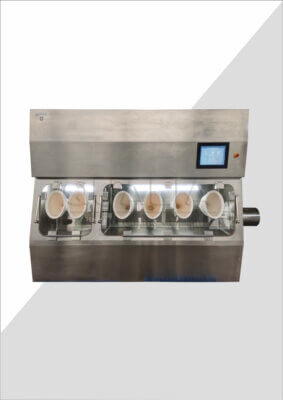
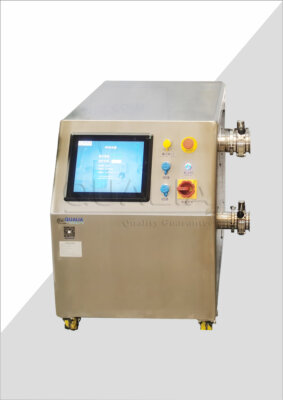
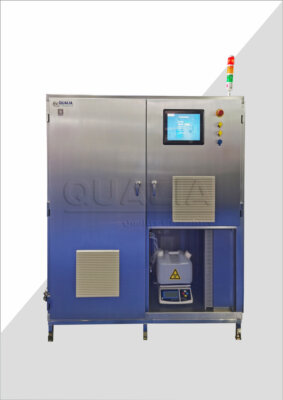
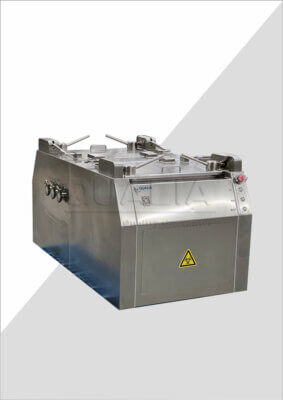
The Generator de peroxid de hidrogen VHP tip I și Sistem de decontaminare a efluenților Biosafe reprezintă cele două limite principale ale sistemului de decontaminare care trebuie confirmate în mod independent înainte de atingerea pragului de acceptare a modulului.
Responsabilitatea pentru defectele de interfață în timpul recepției
Eșecurile de interfață în procesul de acceptare a modulelor de nivel BSL-4 nu sunt în primul rând probleme tehnice — ci probleme de responsabilitate. Modul de eșec tehnic poate fi, de obicei, identificat. Problema mai dificilă constă în faptul că nu a fost desemnată nicio parte care să-și asume responsabilitatea pentru rezultatul combinat al testelor atunci când eșecul depășește limitele sistemului.
Politica FSAP prevede în mod explicit că interblocările critice trebuie confirmate și testate ca secvențe combinate: ventilatorul de evacuare către unitatea de tratare a aerului, fluxul de aer de evacuare din laborator către fluxul de aer de alimentare și interblocările mecanice ale ușilor cu logica electronică a ușilor. Distincția este importantă deoarece testarea fiecărei componente în mod izolat — ventilatorul de evacuare se declanșează corect, unitatea de tratare a aerului răspunde corect, dar secvența combinată nu a fost niciodată executată — lasă interfața neverificată, chiar dacă există înregistrări ale testelor individuale. Un pachet complet de acceptare confirmă faptul că testele au fost efectuate sub formă de secvențe combinate, nu faptul că fiecare element a trecut propriul test.
| Interlock | Cerința de verificare | Ce trebuie clarificat (discrepanța privind dreptul de proprietate) |
|---|---|---|
| Ventilator de evacuare – blocare între unitatea de tratare a aerului și ventilatorul de evacuare | Verificați funcționarea sistemului de interblocare și testați comanda manuală de suprascriere | Indiferent dacă testul a fost efectuat ca o secvență combinată între sistemele mecanice de ventilație și sistemele de control BMS, și nu separat |
| Interblocare între fluxul de aer de evacuare din laborator și fluxul de aer de alimentare | Verificați dacă fluxul de aer de alimentare reacționează corect la o defecțiune a fluxului de aer de evacuare | Dacă verificarea controlului fluxului de aer al sistemului HVAC și a logicii sistemului BAS s-a efectuat în mod concomitent și cine își asumă responsabilitatea pentru rezultatul combinat (admis/respins) |
| Dispozitive mecanice și electronice de blocare a ușilor | Testarea blocării mecanice și a funcției de suprascriere electronică a logicii | Dacă validarea producătorului de feronerie pentru uși și a sistemului BMS al instalației au fost integrate într-un singur test, evitând astfel lacunele în documentația justificativă |
Același cadru se aplică și după efectuarea modificărilor. Înlocuirea sau modificarea clapetelor din rețeaua de conducte, a sistemelor de control HVAC sau a programării logice a sistemului BAS determină o reverificare a izolarei — nu doar o retestare la nivel de componentă a elementului modificat. Această obligație de reverificare înseamnă că înregistrările de acceptare pentru interblocările de interfață trebuie structurate astfel încât să fie repetabile, cu scenarii de testare definite care pot fi rulate din nou după efectuarea modificărilor. Dacă acceptarea inițială a fost efectuată ad hoc, fără un scenariu de testare formal, reverificarea după o modificare devine dificil de delimitat și de justificat.
Modelul practic de eșec constă în faptul că lacunele privind responsabilitatea pentru interfețe, apărute în timpul punerii în funcțiune, sunt preluate de echipa de operațiuni a instalației. Atunci când un test combinat produce un rezultat ambiguu — de exemplu, o inversare a cascadei de presiune în timpul unei comutări combinate a ventilatorului și a tranziției ușii — absența unui responsabil desemnat pentru interfață înseamnă că echipa instalației suportă costul investigării cauzei principale și al retestării, adesea sub presiunea timpului, înainte de un termen limită operațional. Desemnarea responsabililor de interfață în matricea de responsabilități de acceptare înainte de începerea testării nu este o formalitate; este o alocare a riscurilor.
Pragul de acceptare a modulelor pentru limitele critice ale sistemului
Pragul de acceptare a modulului nu reprezintă o singură măsurătoare sau un singur rezultat al unui test — ci punctul în care toate limitele critice ale sistemului au fost verificate, testele de interfață au fost finalizate sub formă de secvențe combinate, iar orice restricții de utilizare sunt documentate în mod explicit, pe baza unei evaluări a riscurilor și a unui registru de aprobare.
Cerința BMBL conform căreia o instalație trebuie testată pentru a se verifica dacă parametrii de proiectare și de funcționare au fost respectați înainte de punerea în funcțiune stabilește mandatul general. Criteriile specifice de acceptare/respingere pentru fiecare parametru — valorile de referință ale presiunii diferențiale, limitele de integritate ale filtrului, obiectivele de reducere a log-ului BI — sunt stabilite de documentele de proiectare și de exploatare aprobate ale instalației, nu de o valoare reglementară universală. Criteriile de acceptare definite în URS și aplicate prin etapele IQ/OQ/PQ sau etapele echivalente de calificare ar trebui să constituie punctul de referință, nu comparația cu valorile de performanță ale unei alte instalații.
Un modul ar trebui acceptat pentru punerea în funcțiune numai atunci când: cascada de presiune a fost verificată în condiții tranzitorii cu date de tendință, integritatea filtrului HEPA a fost confirmată printr-o metodă adecvată cu criterii de acceptare documentate, integritatea garniturilor ușilor APR și a învelișului a fost verificată, cu înregistrarea răspunsurilor la defecte, decontaminarea cu VHP a fost verificată cu indicatori biologici, EDS a fost testat funcțional ca sistem combinat, iar toate blocările critice au fost testate ca secvențe combinate, cu părți responsabile desemnate pentru fiecare rezultat al interfeței. Dacă oricare dintre aceste elemente este incomplet la momentul acceptării propuse, calea corectă este o restricție operațională documentată și evaluată din punct de vedere al riscurilor, cu un program definit pentru finalizarea verificărilor restante — nu o presupunere amânată că lacuna va fi rezolvată în timpul funcționării.
Decizia privind pragul de acceptare este, de asemenea, o decizie contractuală. Acceptarea unui modul înainte de finalizarea tuturor verificărilor de interfață transferă răspunderea nerezolvată către operatorul instalației. Atunci când apar ulterior litigii cu privire la un rezultat eșuat al testului combinat, partea care a acceptat modulul fără un raport complet privind interfața are o capacitate limitată de a transfera costurile înapoi către contractantul inițial. Echipele de punere în funcțiune ar trebui să trateze matricea de verificare a interfețelor ca pe un punct de blocare contractual, nu ca pe o listă de verificare administrativă.
Un pachet de acceptare a unui modul BSL-4 este justificabil numai atunci când reflectă modul în care funcționează efectiv sistemul de izolare — în cadrul tranzițiilor de sistem, al răspunsurilor la defecțiuni și al secvențelor operaționale combinate — și nu modul în care componentele individuale funcționează izolat. Dovezile relevante pentru un responsabil cu biosecuritatea, o echipă de asigurare a calității sau un inspector de reglementare sunt cele care demonstrează că cascada de presiune a fost menținută în timpul comutării la rezervă a ventilatorului, că integritatea filtrului HEPA a fost confirmată printr-o metodă adecvată cu criterii documentate, că decontaminarea a fost validată înainte de prima utilizare și că fiecare interblocare critică a fost testată ca secvență combinată, cu un responsabil desemnat pentru rezultate.
Înainte de a accepta orice limită a modulului, asigurați-vă că au fost analizate datele privind tendințele rezultate din evenimente tranzitorii — nu doar valorile măsurate în regim staționar — și că matricea de responsabilități privind interfața este semnată înainte de începerea testării, și nu abia după apariția unui rezultat contestat. Decalajul dintre o restricție documentată și o ipoteză nedocumentată este sursa modificărilor ulterioare acceptării, iar eliminarea acestui decalaj înainte de depășirea pragului modulului reprezintă cea mai fiabilă modalitate de a asigura pregătirea pentru inspecție.
Întrebări frecvente
Î: Această listă de verificare se aplică și în cazul în care unitatea mea de nivel BSL-4 nu este reglementată de Programul federal american privind agenții selectați?
R: Da, principiul acceptării integrate reprezintă o cerință esențială a standardelor internaționale, precum Manualul OMS privind biosecuritatea în laboratoare, și nu doar a politicii FSAP. Deși este posibil ca anumite formate ale dovezilor și referințele la politici să trebuiască adaptate la reglementările naționale, obligația de a verifica izolarea ca sistem integrat înainte de punerea în funcțiune rămâne neschimbată.
Î: După ce toate testele de acceptare integrate au fost trecute cu succes, care este următorul pas imediat înainte ca modulul să intre în utilizare curentă?
R: Se vor consemna toate restricțiile operaționale rămase, evaluate din punct de vedere al riscurilor, împreună cu un calendar de remediere bine definit, și se va stabili imediat programul de monitorizare a integrității învelișului de izolare secundar. De asemenea, ar trebui programată prima verificare anuală a indicatorilor biologici pentru sistemul VHP, astfel încât pregătirea pentru decontaminare să rămână la zi și să nu devină o etapă amânată.
Î: În ce situație devine acceptabil să se instaleze separat sistemele HVAC, filtrele HEPA sau camerele de echilibrare, în loc să se realizeze un sistem combinat?
R: Numai în cazul în care domeniul de aplicare se limitează la o modificare minoră a unui singur subsistem și o evaluare formală a impactului asupra interfețelor confirmă că nu există niciun efect asupra altor limite de izolare. În cazul livrării unui modul nou, punerea în funcțiune independentă lasă interfețele critice nevalidate și nu ar trebui acceptată ca dovadă definitivă a performanței sistemului de izolare.
Î: Când ar trebui să se recurgă la testul de scădere a presiunii în locul altor metode, cum ar fi testul de expunere la aerosoli, pentru a verifica integritatea învelișului de contenție secundar?
R: Testul de scădere a presiunii este cel mai potrivit pentru cuantificarea scurgerilor totale la nivelul întregii anvelope și se pretează foarte bine pentru monitorizarea pe termen lung. Dacă este necesar să se identifice defecte individuale ale garniturilor sau să se verifice instalarea filtrelor, acesta ar trebui completat cu o inspecție vizuală sau cu un test localizat cu aerosoli, deoarece testul de scădere a presiunii, în sine, nu identifică cu precizie locurile exacte ale scurgerilor.
Î: Coordonarea interdisciplinară costisitoare a acceptării integrate merită cu adevărat efortul, în comparație cu aprobările secvențiale ale echipamentelor?
R: Da, deoarece costul inițial de planificare este aproape întotdeauna compensat prin evitarea refacerilor, a restricțiilor operaționale și a disputelor de natură normativă care apar atunci când se descoperă ulterior defecte ascunse la nivelul interfețelor. Acceptarea integrată reduce riscul total asociat punerii în funcțiune și împiedică echipa instalației să preia răspunderi nerezolvate după predare.