
Proiectele care prevăd instalarea unei cutii de transfer lângă o cabină de biosecuritate fără a stabili mai întâi întreaga secvență de transfer — raza de acțiune a operatorului, poziția geamului glisant în momentul predării, timpul de recuperare a fluxului de aer și secvența de interblocare a ușilor — tind să identifice problemele abia la punerea în funcțiune, și nu încă din faza de proiectare. Modificările efectuate în această etapă sunt costisitoare: modificările dimensionale ale unei linii de cabine, redirecționarea conexiunilor de evacuare sau revizuirea logicii de interblocare adăugată după acceptarea din fabrică implică toate costuri legate de termenul de execuție și de calificare, care ar fi putut fi evitate printr-o proiectare inițială mai atentă. Decizia care rezolvă majoritatea acestor eșecuri nu este dacă să se includă o cutie de transfer, ci dacă aceasta este cu adevărat integrată în învelișul de izolare al cabinei sau pur și simplu amplasată alături de aceasta. Ceea ce urmează vă oferă cadrul analitic necesar pentru a face distincția între aceste două condiții și pentru a anticipa unde fiecare dintre ele generează riscuri în etapele ulterioare.
Barierele de izolare dintre dulap și camera de transfer
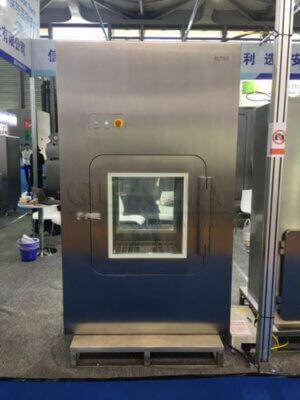
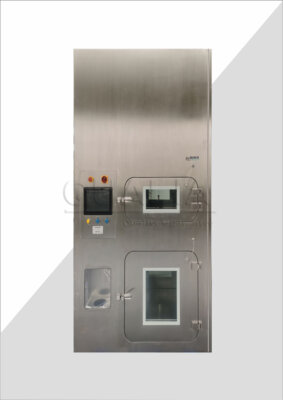
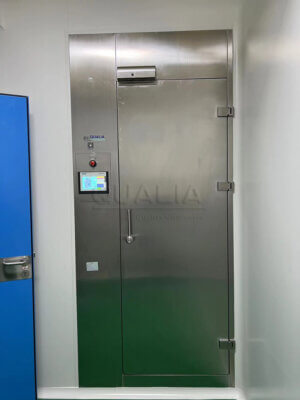
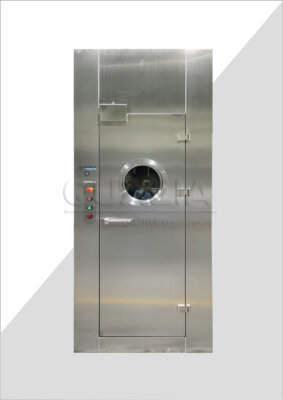
Limita de izolare dintre o cabină și o cutie de transfer nu reprezintă o singură interfață — ci o secvență controlată de bariere, fiecare dintre acestea trebuind menținută sau restabilită între utilizări. Pentru cabinele de biosiguranță de clasa III, Manualul OMS privind biosiguranța în laboratoare (ediția a IV-a) identifică cutia de transfer cu ușă dublă, rezervorul de imersie și accesoriul pentru autoclavă ca fiind configurațiile prin care materialele intră sau ies din incinta etanșă la gaze. Consecința critică din punct de vedere al planificării este că decontaminarea între utilizări nu reprezintă o operațiune opțională de întreținere; este mecanismul prin care limita de izolare este restabilită după fiecare transfer. O cutie de transfer conectată la o cabină de clasa III care nu dispune de o etapă de decontaminare definită și documentată pentru camera de transfer nu este un sistem izolat — este o breșă în învelișul de izolare, înconjurată de echipamente.
Fiecare element de delimitare îndeplinește o funcție distinctă de transfer, iar metoda de decontaminare trebuie adaptată tipului de material, direcției de transfer și frecvenței ciclului pe care fluxul de lucru o impune efectiv.
| Element de frontieră | Scopul transferului | Cerința de decontaminare |
|---|---|---|
| Cutie de transfer cu două uși și deschidere transversală | Transferul de materiale în/din cabinetul de clasa III | Decontaminarea între utilizări (de exemplu, cu substanțe chimice sau cu vapori) |
| Accesoriu pentru autoclavă | Eliminarea deșeurilor din dulapul de clasa III | Ciclul de sterilizare în autoclavă după fiecare utilizare |
| Rezervor de scufundări | Transferul de material printr-o barieră lichidă | Decontaminarea chimică continuă sau în serie |
Atașamentul autoclavului merită o atenție deosebită în planificarea instalației, deoarece este adesea tratat mai degrabă ca o facilitate pentru gestionarea deșeurilor decât ca un element esențial pentru izolare. Atunci când o linie de cabine de clasa III include un autoclav atașat, camera autoclavului însăși devine parte a limitei de izolare; aceasta înseamnă că garniturile ușii autoclavului, dispozitivele de blocare și validarea ciclului fac parte din domeniul de aplicare al performanței de izolare a cabinei, nu reprezintă o funcție utilitară separată. Instalațiile care pun în funcțiune autoclavul independent de validarea cabinetului descoperă adesea, în urma unui audit, că au un segment nevalidat al limitei de izolare — o lacună care necesită o campanie de calificare retroactivă pentru a fi remediată.
Probleme legate de fluxul de aer și de ergonomie la treptele de transfer integrate
Apropierea dintre o cameră curată și o cameră de transfer nu rezolvă problema interacțiunii fluxurilor de aer dintre acestea — ci doar face ca această interacțiune să devină inevitabilă. Modelul obișnuit de eșec în proiectarea sistemelor de transfer integrate constă în tratarea celor două echipamente ca unități care funcționează independent și care, întâmplător, împart un perete comun, când, în practică, fluxul de aer la interfață reprezintă o condiție comună care afectează controlul contaminării în timpul fiecărui ciclu de transfer.
O abordare de proiectare care rezolvă direct această problemă utilizează fante pe suprafața interioară a părții de racordare a camerei de transfer, pentru a permite fluxului de aer de evacuare din dulap să se extindă în interiorul camerei de transfer, folosind chiar fluxul de aer al dulapului pentru a elimina particulele și a reduce încărcarea statică din interiorul camerei de transfer. O perdea despărțitoare cu fante deasupra marginii sale inferioare poate direcționa în continuare acest flux de aer pentru a menține un nivel constant de curățenie în interiorul camerei de transfer, în loc să permită formarea unor zone de stagnare în apropierea punctului de transfer. Un ionizator amplasat deasupra punctului de ramificare a fluxului de aer din interiorul dulapului reduce sarcina statică reziduală la sursă, ceea ce sporește beneficiul eliminării sarcinii statice pe măsură ce fluxul de aer se deplasează prin camera de transfer.
| Element de design | Funcția | Avantajul controlului contaminării |
|---|---|---|
| Fante pe suprafața interioară a piesei de racordare a cutiei de trecere | Permite fluxului de aer de evacuare al sistemului BSC să se răspândească în interiorul camerei de transfer | Îndepărtarea prafului și eliminarea electricității statice |
| Perdele despărțitoare cu fante deasupra marginii inferioare | Direcționează fluxul de aer pentru a menține o curățenie uniformă în interiorul camerei de transfer | Eliminare îmbunătățită a electricității statice și curățenie constantă |
| Ionizator amplasat deasupra punctului de ramificare a fluxului de aer în interiorul BSC | Reduce electricitatea statică din dulap | Risc redus de contaminare în timpul transferului prin camera de transfer |
Acestea sunt caracteristici de proiectare care țin cont de legile fizicii cunoscute la interfața dintre dulap și camera de transfer — ele nu reprezintă cerințe standardizate conform standardului NSF/ANSI 49, iar detaliile privind implementarea lor variază în funcție de producător. Din punct de vedere al achiziției, este important să se întrebe, în mod specific, cum a abordat furnizorul continuitatea fluxului de aer și controlul electricității statice la interfața de transfer și apoi să se verifice dacă răspunsul este susținut de date de testare obținute din configurația integrată, și nu din testarea separată a dulapului și a cutiei de transfer. Echipamentele care funcționează conform specificațiilor ca unități individuale pot avea performanțe diferite atunci când câmpurile de flux de aer interacționează, iar testele de calificare ar trebui să reflecte starea de asamblare.
Dimensiunea ergonomică a transferului integrat este subestimată în majoritatea discuțiilor inițiale din cadrul proiectului. Raza de acțiune a mănușii în interiorul dulapului, poziția cercevelei în momentul deschiderii ușii de transfer și poziția corpului operatorului în raport cu ușa camerei de transfer influențează toate posibilitatea de a finaliza transferul fără a compromite izolarea din cauza posturii — o mișcare incomodă care forțează ridicarea cercevelei mai sus decât permite fluxul de aer sau deschiderea ușii în timp ce operatorul încă repoziționează un container în interiorul dulapului. Cartografierea acestei secvențe pe baza contribuției reale a operatorului înainte ca linia de dulapuri să fie stabilită dimensional este una dintre puținele intervenții care previn în mod fiabil eșecurile ergonomice din etapa de punere în funcțiune.
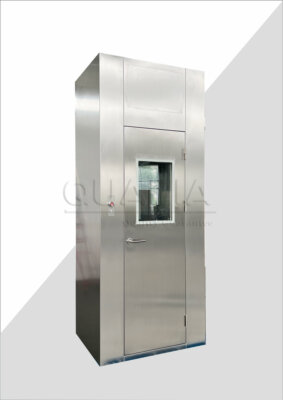
În cazul aplicațiilor în care complexitatea fluxului de lucru de transfer justifică adoptarea unei abordări cu un nivel mai ridicat de izolare, Izolator de biosecuritate reprezintă configurația în care fluxul de aer și interfața cu operatorul sunt proiectate încă de la început ca un sistem unificat, în loc să fie realizate la punctul de conectare dintre două unități proiectate separat.
Responsabilitatea privind interfața între furnizorii de echipamente asociate
Atunci când o cabină de biosecuritate și o cutie de transfer sunt achiziționate de la furnizori diferiți — ceea ce se întâmplă frecvent în proiectele în care cabina este specificată de echipa de biosecuritate, iar cutia de transfer este considerată un accesoriu al instalației — logica de interblocare și arhitectura comună a alarmelor se încadrează într-un domeniu care nu este reglementat în mod clar de niciunul dintre contracte. Acesta nu este un risc teoretic; este punctul de fricțiune care apare, de cele mai multe ori, abia târziu, la testarea de acceptare în fabrică sau la calificarea integrării la fața locului, când cele două sisteme sunt operate împreună pentru prima dată în conformitate cu un protocol formal.
Modul specific de defectare este logica de interblocare: secvența de deschidere a ușilor care împiedică deschiderea simultană a ambelor uși ale camerei de transfer, semnalul de alarmă care transmite o încălcare a izolației către un sistem central de gestionare a clădirii și protocolul de acces pentru service care stabilește care tehnician al furnizorului este responsabil atunci când o stare de alarmă integrată nu poate fi rezolvată. Fiecare dintre aceste funcții necesită un responsabil bine definit. Atunci când această responsabilitate nu este stabilită încă din faza de specificare — când ambii furnizori presupun că celălalt se ocupă de gestionarea interblocării — apare o lacună în cea mai nepotrivită etapă a proiectului, după ce ambele sisteme au fost fabricate conform specificațiilor respective.
O verificare practică în cadrul procesului de achiziții constă în a solicita, încă din etapa cererii de ofertă (RFQ), ca fiecare furnizor să descrie în mod explicit ce furnizează la nivelul interfeței: ce semnale electrice furnizează, ce interblocări controlează, pentru ce stări de alarmă sunt responsabili și care este protocolul lor de acces la service pentru componentele situate fizic pe echipamentul celuilalt furnizor. Neconcordanțele dintre cele două răspunsuri identifică lacuna înainte ca aceasta să devină o problemă la punerea în funcțiune. Dacă cele două răspunsuri sunt incompatibile între ele — fiecare furnizor susținând că celălalt gestionează un dispozitiv de interblocare comun —, acesta este un semnal că este necesară o furnizare integrată dintr-o singură sursă sau un integrator de sisteme clar desemnat pentru a remedia această lacună prin contract.
Această chestiune legată de responsabilitatea asupra interfeței se aplică chiar și în cazul achizițiilor de la un singur furnizor, dacă camera de transfer și dulapul sunt dezvoltate de echipe de produs diferite, cu documentație și istoricul calificărilor separate. Punctul de integrare necesită în continuare o guvernanță explicită; problema nu se rezolvă de la sine doar pentru că pe plăcuțele de identificare ale ambelor echipamente apare același nume de companie.
Cuplaj de validare creat prin integrare dedicată
Integrarea dedicată — în care o cutie de transfer este conectată fizic și operațional la o cabină de biosiguranță ca parte a unui sistem proiectat — simplifică fluxul de lucru al transferului, dar creează un domeniu de validare pe care niciuna dintre unități nu îl poate satisface în mod independent. Condițiile comune de flux de aer și filtrare ale unui sistem integrat înseamnă că performanța de curățenie a cutiei de transfer depinde de starea de funcționare a cabinei și viceversa. O cutie de transfer testată izolat nu va reproduce condițiile de flux de aer cu care se va confrunta efectiv atunci când va fi conectată. O cabină testată fără cutia de transfer atașată nu va reflecta sarcina fluxului de aer și condițiile la limită pe care le introduce conectarea cutiei de transfer.
Această integrare are consecințe directe asupra planificării certificării. Standardul NSF/ANSI 49 stabilește cerințele de performanță pe care trebuie să le îndeplinească cabinele de biosecuritate, iar aceste cerințe sunt evaluate în raport cu configurația de funcționare a echipamentului. Atunci când o cutie de transfer este integrată într-o linie de cabine, înainte de redactarea primului protocol de calificare a performanței trebuie să se răspundă la întrebarea: care este configurația de referință testată și certificată — doar cabina sau cabina împreună cu cutia de transfer? În caz contrar, unitatea ar putea finaliza o certificare a cabinei care nu reflectă condițiile reale de funcționare și ar putea fi confruntată cu identificarea unor neconformități atunci când configurația integrată este analizată în cadrul unui audit sau al unei inspecții de reglementare.
Liniile de dulapuri de clasa III adaugă un nivel suplimentar de cuplare, deoarece echipamentele instalate în interiorul acestora — inclusiv cutiile de transfer, dar și frigiderele, centrifugele și incubatoarele — sunt, în general, construite la comandă pentru a se potrivi cu învelișul etanș. Aceasta înseamnă că toleranțele dimensionale, etanșarea punctelor de penetrare și conexiunile interne sunt specificate pentru o singură instalație, iar în cazul în care o componentă trebuie înlocuită, nu există o procedură standard de înlocuire. O unitate care înlocuiește o cutie de transfer integrată — din cauza unei modificări a fluxului de lucru, a unei creșteri a capacității sau a întreruperii livrărilor de către furnizor — se poate confrunta cu o revalidare a întregii linii de dulapuri, în loc de o recalificare localizată a componentei înlocuite. Această implicație asupra costurilor pe durata ciclului de viață ar trebui să facă parte din decizia de integrare, nu să fie o constatare făcută abia la prima înlocuire a echipamentului.
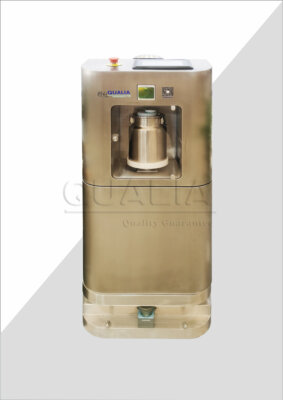
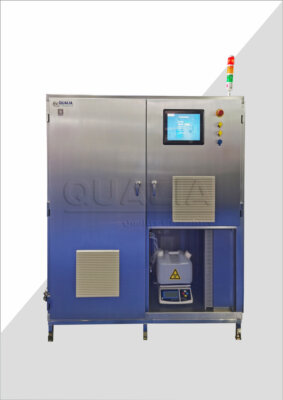
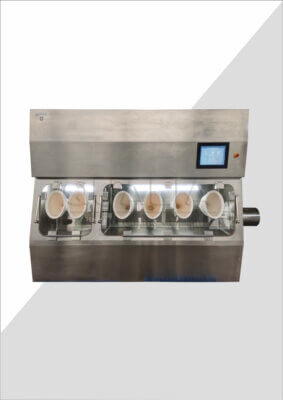
The Cameră de decontaminare pentru hota de biosecuritate este un exemplu de dispozitiv de transfer special conceput pentru a fi integrat în incinte de biosecuritate, în care funcția de decontaminare și interfața de izolare sunt tratate ca o problemă de proiectare unitară, și nu ca două componente validate separat.
Etapele de predare-preluare separate, care prezintă riscuri, ca prag pentru integrare
În cazul cabinelor de biosiguranță de clasa III, pragul pentru proiectarea obligatorie a unui sistem integrat de transfer nu ține de o decizie subiectivă — acesta decurge direct din natura incintei. O cabină de clasa III este un sistem etanș la gaze: porturi etanșe pentru mănuși, o fereastră frontală care nu se deschide și o presiune negativă menținută în mod continuu față de camera înconjurătoare. Transferul de materiale în interiorul sau în afara acelei incinte fără o cutie de transfer integrată sau un dispozitiv de schimb echivalent ar necesita ruperea învelișului etanș, ceea ce elimină funcția de izolare pe care cabinetul este menit să o asigure. În această configurație, tratarea unei cutii de transfer ca pe o îmbunătățire opțională, mai degrabă decât ca pe o cerință de proiectare de bază, nu este o alegere conservatoare — ci una incompatibilă.
Pentru clasele BSC inferioare, criteriul de referință este mai degrabă un test practic al logicii de izolare decât unul structural. Întrebarea relevantă este dacă o cutie de transfer standard, amplasată separat, ar lăsa vreo parte a secvenței de transfer expusă, ar crea dificultăți sau ar compromite izolarea în timpul funcționării normale. O etapă de transfer expusă este aceea în care un material se deplasează prin aerul liber al încăperii, între dulap și cutia de transfer. O etapă de transfer incomodă este aceea în care operatorul trebuie să se repoziționeze, să se întindă dincolo de limita stabilă a mănușii sau să țină geamul la o înălțime nesigură pentru a finaliza predarea. Orice dintre aceste condiții, dacă ar apărea în mod obișnuit în fluxul de lucru prevăzut, marchează pragul la care proiectarea integrată încetează să mai fie o îmbunătățire și devine configurația minimă viabilă.
Greșeala care generează lucrări suplimentare constă în tratarea acestei întrebări-prag ca pe o detaliere de ultim moment — ceva ce trebuie revizuit abia după ce echipamentul a fost selectat și amplasat. În acel moment, gabaritul dimensional este deja stabilit, dulapul a fost proiectat pentru o înălțime a ușii și un debit de aer care nu au fost stabilite având în vedere o interfață specifică cu camera de transfer, iar orice integrare necesită fie modificări personalizate, fie un compromis în ceea ce privește fluxul de lucru. Punerea acestei întrebări esențiale încă din etapa de cartografiere a fluxului de lucru — înainte de specificarea echipamentului — menține decizia de proiectare a integrării în momentul proiectului în care rezolvarea acesteia este cea mai economică. Mai multe detalii despre modul în care această chestiune esențială se aplică în practică pentru aplicațiile de transfer steril sunt prezentate în discuția despre proiectare avansată a cutiei de transfer pentru biosiguranță, destinată mediilor cu risc ridicat.
Cea mai clară decizie care trebuie luată înainte de achiziție este dacă proiectul a depășit pragul de integrare sau dacă echipamentele separate amplasate în același loc sunt cu adevărat viabile, având în vedere fluxul de lucru. În cazul incintelor de clasa III, această întrebare are un răspuns prestabilit, bazat pe principiile fizicii de izolare. Pentru alte aplicații, este necesară cartografierea secvenței reale de transfer — poziția operatorului, starea canatului, intervalul de recuperare a fluxului de aer, secvența de interblocare a ușii — și confirmarea faptului că nicio etapă din această secvență nu creează un punct de transfer expus sau care compromite izolarea, înainte de a opta pentru o configurație standard separată.
Odată ce se confirmă necesitatea integrării, problemele legate de cuplarea de validare și de proprietatea interfeței devin riscurile principale pentru execuția proiectului. Ambele pot fi rezolvate încă din faza de specificare, dacă se adresează furnizorilor, încă din timp, întrebările potrivite: cine deține logica de interblocare, care este configurația de referință certificată și care este domeniul de aplicare al recalificării în cazul în care cutia de transfer este modificată ulterior, în cursul ciclului de viață al echipamentului. Proiectele care amână aceste întrebări până la punerea în funcțiune sau până la acceptarea în fabrică se confruntă în mod constant cu ele în cel mai nepotrivit moment posibil.
Întrebări frecvente
Î: Logica de integrare descrisă aici se aplică și în cazul în care unitatea utilizează o cabină de clasa II în locul uneia de clasa III?
R: Pragul structural se modifică semnificativ în cazul dulapurilor de clasa II, deoarece acestea nu dispun de o incintă etanșă la gaze — abordarea de izolare se bazează pe fluxul de aer, mai degrabă decât pe izolarea fizică. Aceasta înseamnă că o cutie de transfer nu este în mod automat obligatorie, dar testul practic rămâne valabil: dacă vreo etapă din secvența de transfer permite materialului să treacă prin aerul liber al încăperii sau impune operatorului să ridice geamul peste o înălțime sigură pentru a finaliza transferul, fluxul de lucru a depășit pragul necesar pentru proiectarea integrată. Logica integrării este aceeași; se schimbă doar punctul de plecare.
Î: Odată ce integrarea dintre dulap și camera de transfer a fost specificată și validată ca o configurație combinată, ce se întâmplă cu domeniul de aplicare al certificării în cazul în care camera de transfer trebuie înlocuită ulterior?
R: Înlocuirea unei cutii de trecere într-un sistem integrat dedicat va determina, cel mai probabil, recalificarea întregii linii de dulapuri, nu doar a componentei înlocuite. Deoarece condițiile comune de circulație a aerului și de filtrare înseamnă că linia de bază certificată reflectă configurația combinată, o componentă modificată alterează sistemul descris în certificarea inițială. În special în cazul liniilor de clasă III, unde echipamentele interne sunt construite la comandă pentru a se potrivi cu carcasa etanșă, nu există o procedură standard de înlocuire — specificațiile privind dimensiunile și etanșarea punctelor de penetrare sunt specifice fiecărei instalări. Acest cost al ciclului de viață ar trebui să facă parte din decizia inițială de integrare, nu să fie o constatare ulterioară.
Î: În cazul în care un singur furnizor livrează atât dulapul, cât și cutia de transfer, este totuși necesar ca proprietatea asupra interfeței să fie documentată în mod explicit?
R: Da — achiziția de la un singur furnizor nu rezolvă automat problema responsabilității pentru interfață dacă dulapul și cutia de transfer provin de la echipe de produs distincte, cu documentație și istoricul de calificare independente. Aceleași lacune privind logica de interblocare, arhitectura de alarmă și accesul la service pot exista între două produse ale aceluiași producător dacă nimeni nu a desemnat în mod explicit care echipă deține responsabilitatea pentru fiecare funcție la punctul de integrare. Solicitarea furnizorului de a descrie, în scris, ce furnizează și ce gestionează la nivelul interfeței — inclusiv semnalele de interblocare, stările de alarmă și responsabilitățile de service — este un pas necesar, indiferent dacă sunt implicați unul sau doi furnizori.
Î: Există un moment în care efortul suplimentar de validare generat de integrarea dedicată depășește beneficiile aduse fluxului de lucru, făcând ca echipamentele separate amplasate în același loc să fie alegerea mai bună?
R: În cazul fluxurilor de lucru în care fiecare etapă de transfer este clară și complet gestionabilă cu echipamente separate — fără predări expuse, fără mișcări incomode, cu geamul întotdeauna la o înălțime sigură — complexitatea validării cuplajelor și a proprietății interfețelor asociate integrării dedicate reprezintă un cost real, fără un beneficiu proporțional în ceea ce privește izolarea. Compromisul înclină spre integrare atunci când fluxul de lucru nu poate fi executat în siguranță fără aceasta, nu doar atunci când integrarea ar fi mai convenabilă. Dacă o cartografiere riguroasă a poziției operatorului, a secvenței de interblocare a ușilor și a timpului de recuperare a fluxului de aer confirmă faptul că nicio etapă de transfer nu este compromisă prin utilizarea echipamentelor separate amplasate în același loc, acea configurație este justificabilă și evită constrângerile dimensionale și de recalificare mai stricte pe care le creează integrarea.
Î: În ce etapă a proiectului poate contribui încă în mod semnificativ la rezultatul final integrarea opiniilor operatorilor cu privire la raza de acțiune a mănușii și la poziția ferestrei?
R: Informațiile furnizate de operator pot fi luate în considerare doar înainte ca dimensiunile liniei de dulapuri să fie stabilite definitiv — odată ce înălțimea canatului, adâncimea dulapului și punctul de conectare al cutiei de transfer sunt stabilite în caietul de sarcini, problemele ergonomice pot fi rezolvate doar prin modificări personalizate sau prin compromisuri la nivelul fluxului de lucru. În practică, aceasta înseamnă că sesiunea de cartografiere a fluxului de lucru, care înregistrează raza de acțiune a operatorului, poziția corpului și starea canatului la fiecare etapă de transfer, trebuie să aibă loc în faza de pre-specificare, odată cu definirea limitelor de izolare, și nu după selectarea echipamentelor. Proiectele care tratează analiza ergonomică ca pe o verificare efectuată abia în etapa de punere în funcțiune descoperă în mod constant riscuri de izolare legate de postura operatorului tocmai în momentul în care remedierea acestora este cea mai costisitoare.