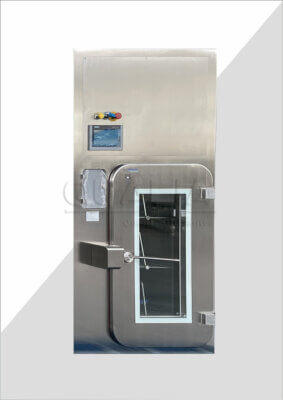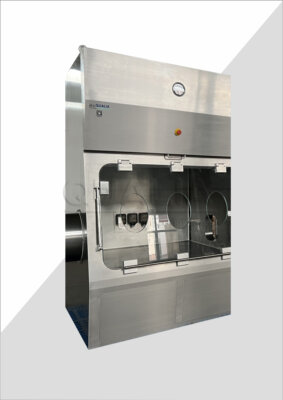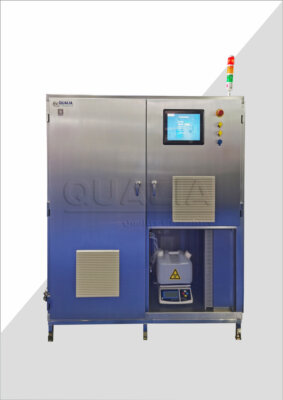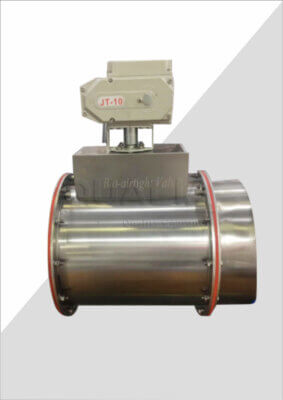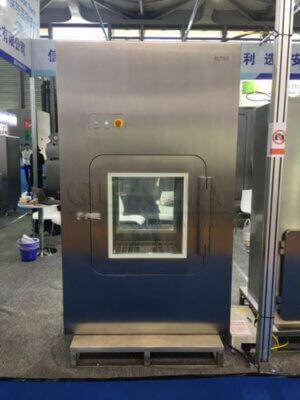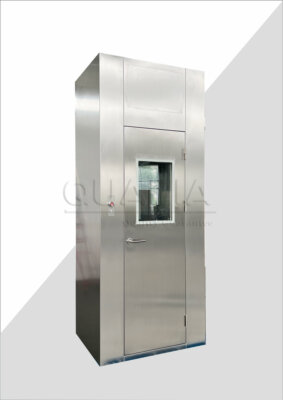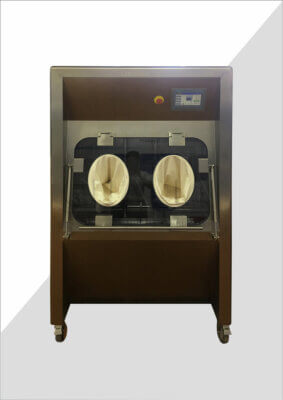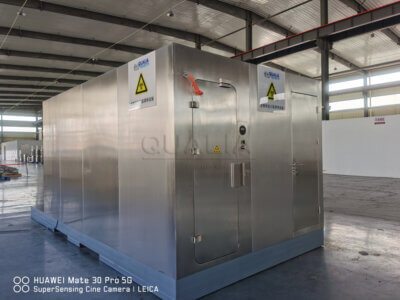

Atunci când o garnitură gonflabilă a ușii APR este înlocuită în timpul unei opriri programate sau când un inginer de control modifică permisiunile de interblocare pentru a se adapta la o secvență de acces revizuită, ordinul de lucru este adesea înregistrat ca întreținere minoră. Cadrul și canatul rămân neschimbate; ecranul de control arată la fel. Cu toate acestea, câteva săptămâni mai târziu, testele de recuperare a presiunii eșuează, sincronizarea alarmelor s-a modificat, iar secvența de eliberare de urgență produce o întârziere neprevăzută. Responsabilul cu biosecuritatea se trezește cu o grămadă de fișe de testare a echipamentelor care indică o integritate bună a garniturii, dar fără o verificare corespunzătoare a stării sistemului de control, și cu un auditor care întreabă cum s-a demonstrat că bariera de izolare este intactă. Ciclul rezultat de retestări, audituri ale logicii și întârzierea repunerii în funcțiune reprezintă un eșec de planificare care poate fi evitat chiar în momentul modificării. Judecata care determină dacă recalificarea se menține conform programului sau se transformă într-o serie de testări repetate constă în a trata înlocuirea garniturilor și actualizările logicii de control ca pe adevărate modificări ale limitei de izolare, care necesită dovezi privind echipamentul și starea de control colectate în mod coordonat. După lectură, veți fi mai în măsură să definiți ce trebuie să conțină un pachet de recalificare după modificările aduse ușilor APR și camerelor de echilibrare, astfel încât dovezile privind eliberarea să reziste la examinare.
Înlocuirea sigiliului ca modificare a limitelor
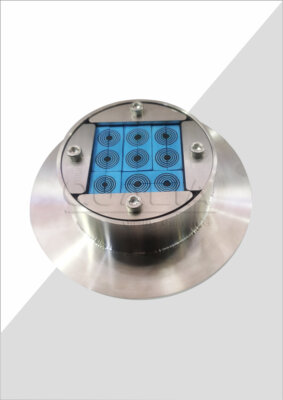
Înlocuirea garniturii, fie că este vorba de o ușă APR gonflabilă pneumatic, fie de un sistem mecanic cu garnitură de compresie, modifică calea de scurgere a perimetrului de izolare chiar și atunci când cadrul și canatul ușii rămân intacte. Deformarea permanentă la compresiune a noii garnituri, conformitatea suprafeței și comportamentul dinamic în timpul umflării sau închiderii pot diferi de cele ale garniturii originale, modificând etanșeitatea efectivă a ușii și răspunsul la presiune. Acest lucru înseamnă că tratarea înlocuirii garniturii ca pe o simplă operațiune de înlocuire cu un element identic — bazându-se doar pe o inspecție vizuală post-întreținere sau pe o verificare de bază a căderii de presiune, fără un plan formal de testare — introduce un risc la adresa integrității sistemului de izolare care s-ar putea să nu se manifeste până când sistemul nu este readus sub presiune diferențială.
Reevaluarea după înlocuirea garniturii trebuie să pornească de la premisa că caracteristicile scurgerii s-au modificat. Cadrul de testare se poate baza pe ISO 14644-3, care descrie metodologiile de testare a scurgerilor adecvate pentru evaluarea camerelor curate și a barierelor de izolare, însă criteriile de acceptare și condițiile de testare efective trebuie definite în cadrul procedurii standard de operare (SOP) proprii a unității și adaptate la specificațiile de performanță de izolare ale ușii APR. În cazul ușilor APR cu garnitură gonflabilă, un protocol dedicat de testare a menținerii presiunii, precum APHT, oferă o metodă de verificare a faptului că noua garnitură menține rata de scădere necesară în condițiile unor diferențe de presiune definite. Obiectivul este de a demonstra că bariera îndeplinește în continuare limita de scurgere stabilită atât în condiții statice, cât și în condiții ciclice, nu doar de a confirma că ușa se închide.
Echipele care amână această recalificare până la următorul ciclu de validare programat riscă să descopere că înlocuirea garniturii a creat o vulnerabilitate nedetectată în cascadă, ceea ce face ca camera de echilibrare să nu mai poată menține ierarhia de presiune. Consecința este adesea o defecțiune neașteptată în timpul calificării de performanță de rutină, ceea ce declanșează o anchetă care întârzie operațiunile și impune repetarea testelor care ar fi putut fi efectuate imediat după schimbarea garniturii.
Efectele logicii de control asupra semnalelor de permisiune și a alarmelor
O actualizare a logicii de control — fie că vizează ajustarea permisiunilor de acces la uși, a temporizării interblocării, a întârzierilor de declanșare a alarmei sau a secvenței de eliberare de urgență — poate invalida logica de izolare verificată anterior, fără nicio modificare vizibilă a hardware-ului. Această modificare poate fi la fel de simplă ca modificarea protocolului de acces pentru o nouă procedură de curățare sau ajustarea timpului de așteptare înainte de declanșarea unei alarme. Deoarece logica se află în spatele aceleiași interfețe de operare și a aceluiași echipament de ușă, sistemul poate părea neschimbat, în timp ce condițiile în care se menține izolarea s-au modificat.
| Funcția de control | Ce se poate schimba fără modificări la nivel de hardware | De ce este necesară reverificarea |
|---|---|---|
| Permisive (logica de interblocare a ușilor) | Condițiile de interblocare sau secvențele de acces pot fi modificate | Previne încălcarea neintenționată a zonei de izolare din cauza unor permisiuni incorecte de deschidere a ușii |
| Intervalul de alarmă | Întârzierile sau durata declanșării alarmei pot varia | Asigură că alarmele critice pentru siguranță oferă în continuare un timp adecvat de avertizare și de reacție |
| Comportamentul în caz de eliberare de urgență | Secvența de eliberare sau logica de suprascriere se pot comporta diferit | Asigură o ieșire de urgență sigură, fără a compromite izolarea |
Riscul constă în faptul că o condiție permisivă care permite acum deschiderea unei uși în timp ce ușa asociată, conectată prin interblocare, este deblocată, sau o alarmă care se declanșează acum cu câteva secunde mai târziu, creează o fereastră de oportunitate pentru inversarea direcției fluxului de aer sau expunerea operatorului. Comportamentul sistemului de eliberare de urgență este deosebit de sensibil: dacă logica de suprascriere a fost modificată, o ieșire de urgență în caz de panică s-ar putea să nu restabilească cascada în modul prevăzut inițial în evaluarea de siguranță, compromițând potențial chiar protecția pe care eliberarea urma să o echilibreze. Din acest motiv, orice actualizare a logicii de control — indiferent cât de mică — ar trebui să declanșeze o verificare specifică a tuturor permisiunilor, a valorilor de referință ale alarmelor și a secvențelor de eliberare afectate, în raport cu linia de bază aprobată. Această verificare nu este acoperită de standardele de testare pentru camere sterile; este o verificare a siguranței funcționale care se încadrează în mod clar în domeniul automatizării și al biosiguranței.
Nerealizarea unei reverificări a logicii de control după o actualizare poate duce la o constatare în urma unei inspecții de reglementare, în care documentația indică existența unui înregistrare a modificării, dar nu există dovezi corespunzătoare care să ateste că sistemul de control continuă să asigure respectarea strategiei de izolare. Soluția nu constă în evitarea modificărilor software, ci în asocierea fiecărei modificări cu o reverificare documentată a stării de control, care să surprindă starea înainte și după a dispozitivelor de interblocare și a alarmelor.
Recuperarea presiunii după schimbarea ușii și a camerei de echilibrare
Recuperarea presiunii este un indicator direct al eficienței cu care camera de echilibrare restabilește diferența de presiune după un ciclu al ușii. Atunci când se modifică oricare dintre factorii care influențează schimbul de aer și scurgerile — performanța garniturii, viteza ușii, timpul de staționare sau secvența de deschidere a ușii — profilul de recuperare se poate modifica suficient încât să depășească limitele de calificare. Un test de recuperare a presiunii repetat după o modificare a camerei de echilibrare detectează dacă noua configurație susține în continuare cascada de izolare prevăzută.
| Modificare eveniment | Cum influențează aceasta recuperarea presiunii | Este necesară o nouă testare |
|---|---|---|
| Modificarea secvenței camerei de echilibrare | Modifică durata și ordinea mișcărilor ușii, influențând schimbul de volum de aer | Testul de recuperare a presiunii |
| Reglarea sincronizării ușilor | Modiseddr țrtâuăi ee ens ld iufalui cne,lau nubeelpc rcsțaartuiai uaimrtfidnnzaainii | Testul de recuperare a presiunii |
| Modificarea performanței garniturii (înlocuire sau uzură) | Modifică căile de scurgere și rezistența la curgerea aerului, modificând profilul de recuperare | Testul de recuperare a presiunii |
Importanța recuperării presiunii constă în capacitatea sa de a evidenția schimbări subtile pe care testele de etanșeitate, efectuate separat, ar putea să le omită. O garnitură care trece un test de menținere a presiunii statice poate prezenta totuși o revenire lentă sau o așezare parțială în timpul funcționării dinamice a ușii, prelungind timpul necesar camerei de echilibrare pentru a atinge diferența de presiune țintă. În mod similar, o modificare a logicii de control care scurtează durata de purjare dintre mișcările ușii poate reduce volumul de aer condiționat schimbat, prelungind timpul de recuperare. Dacă aceste efecte nu sunt recunoscute, camera de echilibrare poate expune partea cu presiune mai mică la un flux invers tranzitoriu în timpul perioadei de recuperare, o condiție care subminează cascada fluxului de aer direcțional.
ISO 14644-3 oferă o metodologie generică de testare a recuperării, care poate fi adaptată la secvența specifică a camerei de echilibrare și la valoarea țintă a presiunii. Procedura de testare implică, de obicei, măsurarea timpului scurs de la închiderea ușii până la momentul în care presiunea diferențială revine în limitele unei toleranțe definite față de valoarea de referință. Repetarea acestei măsurători după orice modificare a garniturii de etanșare sau a sistemului de control care ar putea afecta durata sau scurgerile oferă o comparație directă cu valoarea de referință. Un retest care arată că timpul de recuperare depășește pragul inițial de acceptare indică faptul că modificarea a alterat în mod semnificativ performanța de izolare și necesită o investigație suplimentară, nu o derogare de la toleranță.
Dovezi privind hardware-ul și starea de control, luate împreună
O recalificare justificată nu se poate baza doar pe dovezi hardware. Testele de etanșeitate, verificările căderii de presiune și măsurătorile de recuperare confirmă starea fizică a barierii, dar nu oferă nicio indicație cu privire la faptul dacă logica sistemului se va comporta corect atunci când se declanșează o alarmă, o ușă este forțată sau se activează un sistem de eliberare de urgență. În schimb, dovezile privind starea de control — cum ar fi jurnalele de verificare a interblocărilor și înregistrările testelor de secvență a alarmelor — pot arăta că logica este corectă, dar nu pot dovedi că etanșările fizice și ansamblul ușii mențin efectiv presiunea necesară. Cele două categorii de dovezi se completează reciproc, iar separarea lor între diferite evenimente de testare sau diferite grupuri responsabile lasă adesea o lacună care devine vizibilă abia atunci când sistemul de izolare este pus la încercare.
| Categoria probelor | Ce validează | Exemple |
|---|---|---|
| Probe materiale | Integritatea sistemului de izolare fizică | Testarea etanșeității, testarea recuperării presiunii |
| Probe privind starea de control | Logica sistemului, permisiunile și secvențele de alarmă | Verificarea sistemului de interblocare, validarea secvenței de alarme, analiza înregistrărilor de resetare |
Greșeala frecventă constă în colectarea probelor hardware imediat după acțiunea de întreținere și tratarea apoi a verificării stării de control ca pe o activitate separată, ulterioară, efectuată în cadrul unei verificări periodice a sistemului. Atunci când testul de recuperare a presiunii este finalizat miercuri, dar secvența de interblocare este verificată abia luna următoare, orice discrepanță între logica sistemului și noua stare fizică poate rămâne neobservată timp de săptămâni întregi. În acest interval, camera de izolare funcționează cu o barieră de izolare care poate trece un test static de etanșeitate, dar nu îndeplinește condițiile logice care reglementează utilizarea sa. Pentru a evita acest lucru, planul de recalificare ar trebui să specifice că atât dovezile hardware, cât și cele privind starea de control trebuie colectate în cadrul aceleiași campanii de testare, analizate împreună și acceptate numai atunci când sunt aliniate. Aceasta nu este o cerință normativă impusă de un singur standard, ci o necesitate practică derivată din modul în care funcționează izolarea camerei de echilibrare: limita fizică și logica secvenței sunt interdependente.
Înregistrări privind alarma și resetarea dispozitivului de blocare în caz de scurgere
Analizarea înregistrărilor privind alarma de blocare în caz de scurgere și resetarea acesteia, după o schimbare a etanșării sau a logicii, servește ca o verificare a integrității stării de control, care confirmă faptul că sistemul răspunde conform proiectării la evenimente reale de scurgere. Atunci când se declanșează o alarmă de scurgere — fie ca urmare a unei breșe reale, fie în cadrul unui test — sistemul de blocare trebuie să acționeze pentru a izola zona afectată, iar secvența de resetare ulterioară trebuie să asigure restabilirea condițiilor necesare înainte de reluarea funcționării normale. După orice modificare care ar putea afecta pragurile de alarmă, logica sistemului de blocare sau caracteristicile fizice ale scurgerii, aceste înregistrări ajută la verificarea faptului că lanțul de evenimente corespunde în continuare secvenței aprobate și că nu există defecțiuni latente.
The Manualul OMS de biosecuritate în laborator, ediția a 4-a, subliniază importanța documentării evenimentelor legate de alarmele de izolare în instalațiile cu grad ridicat de izolare, deși nu prescrie un format specific de înregistrare. În practică, analiza ar trebui să compare marcajele temporale ale alarmelor, acțiunile de interblocare și confirmările de resetare cu comportamentul așteptat definit în secvența de operațiuni a instalației. De exemplu, înlocuirea unei garnituri care îmbunătățește ușor scurgerea ar putea modifica pragul de alarmă în raport cu semnalul real de presiune, provocând alarme false care nu existau anterior. Numai prin examinarea jurnalului de alarme poate echipa să detecteze că valoarea de referință a alarmei intră acum în conflict cu noua limită fizică și să decidă apoi dacă să ajusteze valoarea de referință printr-un proces formal de control al modificărilor — nu doar să oprească alarma.
Includerea acestei revizuiri în pachetul de recalificare, în loc să fie amânată pentru etapa de monitorizare de rutină, garantează că echipa de exploatare va aproba comportamentul sistemului de alarmă numai după ce starea modificată a fost pe deplin înțeleasă.
Criterii de eliberare după recalificarea ușii APR
Decizia privind momentul în care camera de echilibrare a presiunii poate fi repusă în funcțiune necesită criterii concrete de acceptare care să acopere atât domeniul hardware, cât și cel al stării de control. Un test de etanșeitate efectuat separat sau o măsurare reușită a recuperării presiunii, fără verificarea corespunzătoare a sistemului de interblocare, nu oferă o imagine completă. Decizia de repunere în funcțiune trebuie să confirme că fiecare element care menține intactă bariera de izolare — atât fizică, cât și logică — îndeplinește performanțele specificate.
| Criterii | Cerință | Tipeorbpl ulor |
|---|---|---|
| Testarea scurgerilor | Efectuați o nouă testare și verificați dacă debitele de scurgere se încadrează în limitele specificate | Probe materiale |
| Testarea recuperării presiunii | Efectuați o nouă testare și verificați dacă timpul de recuperare și presiunea se încadrează în specificațiile aprobate | Probe materiale |
| Verificarea sistemului de blocare | Verificați dacă toate condițiile de permisiune și secvențele corespund logicii aprobate | Probe privind starea de control |
| Verificarea alarmei | Verificați dacă temporizarea alarmei și comportamentul sistemului de eliberare de urgență sunt corecte | Probe privind starea de control |
| Reinițializarea verificării înregistrărilor | Asigurați-vă că înregistrările privind scurgerile, blocările, alarmele și resetările respectă secvența aprobată | Probe privind starea de control |
Cadrul decizional nu este o simplă listă de verificare de tip „admis/respins”; este o analiză integrată. Dacă testul de etanșeitate este trecut cu succes, dar verificarea secvenței de alarmă relevă o abatere de sincronizare care ar putea întârzia izolarea automată, sistemul nu poate fi dat în funcțiune până când această discrepanță nu este remediată, chiar dacă echipamentul pare să funcționeze corect. În schimb, dacă toate verificările stării de control sunt satisfăcătoare, dar recuperarea presiunii rămâne ușor în afara limitei inițiale de acceptare, echipa trebuie să decidă dacă abaterea este acceptabilă în conformitate cu evaluarea actuală a riscurilor sau dacă trebuie corectată sincronizarea garniturii sau a ușii. În ambele cazuri, decizia de punere în funcțiune necesită o judecată bazată pe ambele seturi de dovezi, cu trasabilitate completă față de linia de bază aprobată.
Considerarea criteriilor de eliberare ca pe doi piloni — dovezile privind echipamentul, ghidate de o metodologie de testare adaptată din standardele pentru camere sterile, și dovezile privind starea de control, susținute de principiile de documentare din ghidurile de biosiguranță — ajută la structurarea dosarului de recalificare astfel încât nimic să nu fie omis. Atunci când înregistrările privind echipamentul și starea de control sunt reunite și analizate împreună, echipa poate confirma cu încredere că camera de echilibrare este echivalentă din punct de vedere funcțional cu starea sa validată și este pregătită pentru funcționarea în condiții de izolare.
Reevaluarea ușii și a camerei de echilibrare APR după înlocuirea unei garnituri sau actualizarea logicii de control eșuează în tăcere atunci când modificarea este tratată ca o sarcină minoră, iar datele relevante sunt colectate în mod fragmentat. Concluzia cea mai concretă este că atât bariera fizică, cât și logica de control trebuie să fie validate din nou în raport cu linia de bază inițială, în cadrul unei campanii unice și coordonate. Înainte de a întocmi ordinul de lucru, definiți testele hardware (detectarea scurgerilor și recuperarea presiunii) și verificările stării de control (interblocare, alarmă și secvența de resetare) care vor fi înregistrate înainte de punerea în funcțiune. Asigurați-vă că criteriile de acceptare sunt derivate din documentația de validare existentă, nu improvizate la finalul lucrărilor de întreținere. Această definire prealabilă previne ciclul de teste eșuate, întârzierea repunerii în funcțiune și dovezile de audit incomplete care apar atunci când recalificarea este abordată ca o măsură de ultim moment.
Întrebări frecvente
Î: Camera de echilibrare APR a instalației noastre a fost instalată cu mulți ani în urmă și nu dispunem de date de referință documentate privind ratele de scurgere, timpul de recuperare a presiunii sau secvențele de interblocare. Cum putem totuși să efectuăm o recalificare relevantă după înlocuirea garniturii?
R: Mai întâi trebuie să stabiliți o valoare de referință retrospectivă. Comandați o campanie de testare unică, utilizând starea operațională actuală — înainte de schimbarea garniturii — pentru a măsura scurgerile în condiții de menținere a presiunii, timpul de recuperare la ciclul ușii, întârzierile de declanșare a alarmei și secvența pașilor de interblocare, apoi documentați aceste valori ca referință. După înlocuirea garniturii, repetați aceleași măsurători și comparați rezultatele. Fără acest demers, nu puteți demonstra că limitele sunt echivalente cu starea acceptată anterior, iar orice dovadă de recalificare va fi susceptibilă de contestare din partea auditorului. Dacă datele anterioare schimbării nu sunt disponibile, puteți crea valoarea de referință pe baza noii configurații a garniturii și puteți înăspri criteriile de acceptare conform specificațiilor producătorului, dar acest demers devine, de fapt, o punere în funcțiune inițială, nu o recalificare.
Î: După ce vom centraliza rezultatele testelor hardware și ale celor privind starea sistemului de control, cine ar trebui să fie responsabil pentru decizia finală privind lansarea?
R: Decizia de punere în funcțiune trebuie să fie aprobată în comun de către proprietarul sistemului (managerul de zonă sau șeful departamentului de inginerie), reprezentantul departamentului de automatizare/control și departamentul de asigurare a calității. O singură semnătură din partea departamentului de întreținere sau automatizare nu este suficientă, deoarece elementele hardware și logica sunt interdependente — numai o revizuire interdisciplinară poate confirma că integritatea fizică a limitelor și logica operațională sunt aliniate. Această autorizare comună este, de obicei, documentată într-un registru de punere în funcțiune care face referire la ambele pachete de testare înainte ca camera de echilibrare să fie repusă în funcțiune.
Î: Am actualizat interfața om-mașină (HMI) pentru a afișa o valoare suplimentară a temperaturii, dar nu am modificat nicio logică de interblocare, de alarmă sau de autorizare. Mai este necesar să efectuăm vreo recalificare?
R: Nu, cu condiția să verificați în mod oficial că modificarea s-a limitat la funcțiile de afișare care nu țin de siguranță și că nu a afectat în mod neintenționat parametrii critici pentru izolare. O revizuire documentată a modificării, însoțită de o declarație din partea inginerului de control care să ateste “lipsa impactului asupra logicii de izolare”, ar trebui să fie suficientă. Dacă există vreo ambiguitate — de exemplu, același modul de cod partajează variabile cu dispozitivele de interblocare — este necesară o verificare specifică a semnalelor de interblocare afectate și a pragurilor de alarmă. Necesitatea unei recalificări complete este determinată de evaluarea de siguranță a acelei modificări specifice, nu de o regulă generală.
Î: Este acceptabil să se efectueze testele hardware imediat după înlocuirea garniturii și să se amâne verificările stării de funcționare până la următorul audit trimestrial de automatizare, în cazul în care camera de echilibrare nu va fi utilizată în perioada respectivă?
R: Nu este recomandat, chiar și atunci când camera de echilibrare este inactivă. Riscul constă în faptul că o nealiniere nedetectată între noua garnitură și logica de control existentă — cum ar fi un semnal întârziat de închidere a ușii care modifică intervalul de declanșare a alarmei — ar rămâne neidentificată până la reluarea operațiunilor. Insistența articolului asupra colectării ambelor fluxuri de dovezi în cadrul aceleiași campanii are scopul de a preveni această situație. Dacă amânarea este inevitabilă din cauza unor constrângeri severe de resurse, efectuați o evaluare formală a riscurilor, aplicați controale administrative provizorii, cum ar fi accesul restricționat, și validați starea de control înainte de reluarea oricăror lucrări de izolare.
Î: Este necesară aplicarea integrală a abordării de recalificare bazată pe dovezi duble pentru o cameră de echilibrare a unui laborator de nivel BSL-2 sau putem simplifica această procedură?
R: Puteți adapta rigurozitatea în funcție de nivelul de biosecuritate și de consecințele unei defecțiuni, dar principiul rămâne același: aveți nevoie de dovezi că bariera de izolare este intactă și că logica de siguranță funcționează. Pentru o cameră de echilibrare APR de nivel BSL-2, testele hardware s-ar putea concentra pe un test de bază al scăderii presiunii și pe o verificare simplificată a revenirii la starea normală, în timp ce verificarea stării de control s-ar putea limita la confirmarea faptului că sistemul de interblocare împiedică deschiderea simultană a ușilor și că contactul de alarmă se declanșează. Documentați o justificare bazată pe risc pentru orice test omis. Lecția esențială — să nu vă bazați niciodată doar pe dovezi hardware atunci când logica asigură izolarea — se aplică la toate nivelurile de izolare, deoarece chiar și laboratoarele cu risc mai scăzut pot fi expuse la riscuri dacă un sistem de interblocare se defectează fără a da semne.