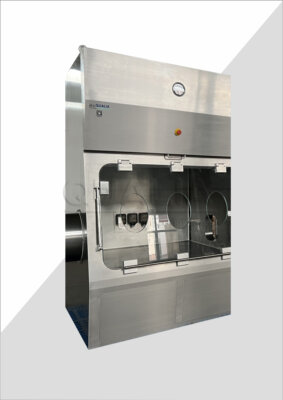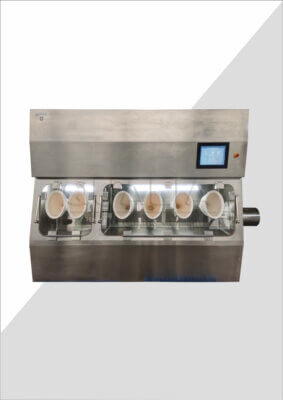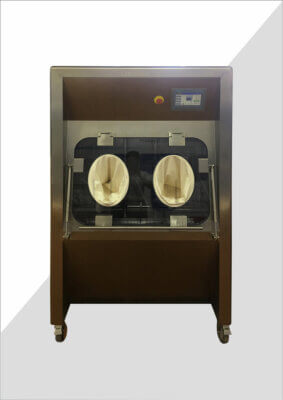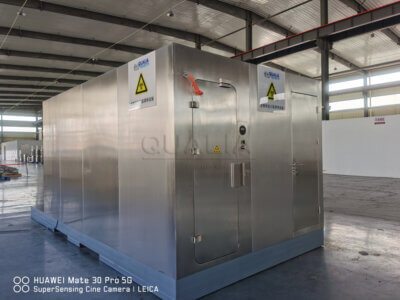

A instalação de um laboratório modular BSL-3 é uma decisão estratégica que acelera os cronogramas de pesquisa. Entretanto, seu sucesso depende de uma preparação meticulosa do local. Uma concepção errônea comum é que um módulo pré-fabricado requer apenas um terreno plano. Na realidade, o local deve ser projetado como uma interface precisa e de alto desempenho. Essa base deve suportar uma contenção rigorosa, integrar utilidades complexas e aplicar protocolos de biocontenção desde o primeiro dia.
Negligenciar essa fase crítica pode acarretar atrasos dispendiosos, falhas de conformidade e gargalos operacionais. Como as instituições buscam soluções ágeis e de alta contenção para patógenos emergentes ou redes de pesquisa distribuídas, é fundamental compreender esses requisitos específicos do local. O planejamento adequado transforma o local de uma localização passiva em um componente ativo da segurança e da funcionalidade do laboratório.
Requisitos estruturais e de fundação para módulos BSL-3
Definição da interface
A fundação não é apenas uma laje; ela é a interface crítica de engenharia entre o local permanente e o módulo de laboratório pré-fabricado. Sua principal função é fornecer uma base estável e nivelada capaz de suportar cargas concentradas da estrutura do módulo, muitas vezes transferidas por meio de quatro pontos de apoio primários. Isso exige análise geotécnica precisa e construção de acordo com as especificações do fabricante.
Executando com precisão
A construção envolve a criação de quatro pilares de concreto reforçado ou um bloco contínuo, com pilares que se estendem pelo menos 20 cm acima do nível final para evitar a entrada de água e a corrosão. O local deve ser limpo, nivelado para drenagem positiva e compactado de acordo com a capacidade de suporte especificada. Sistemas de ancoragem seguros e projetados são integrados para resistir a cargas sísmicas e de vento. Esse rigor técnico permite a vantagem estratégica da construção paralela, em que a preparação do local ocorre simultaneamente à fabricação na fábrica, reduzindo os prazos totais do projeto em até 50%.
Planejamento para flexibilidade futura
Um benefício fundamental da construção modular é redefinir a permanência. O projeto da fundação e da conexão deve suportar inerentemente uma possível desconexão e realocação futuras. Isso requer o planejamento de desconexões de serviços públicos acessíveis e pontos estruturais que permitam a elevação e o transporte seguros. Em minha experiência na análise de projetos, a especificação de ancoragem aparafusada versus ancoragem soldada durante a preparação do local é um detalhe frequentemente negligenciado com grandes implicações para a adaptabilidade futura.
A tabela a seguir descreve os principais componentes e suas funções essenciais para uma instalação estável.
| Componente | Principais especificações | Função crítica |
|---|---|---|
| Tipo de fundação | Pilares/camadas de concreto reforçado | Suporta cargas concentradas |
| Altura do pilar | 20 cm acima do nível do solo | Evita a entrada de água |
| Método de construção | Construção paralela | Linha do tempo de cortes por 50% |
| Planejamento futuro | Projetado para desconexão | Permite a realocação de laboratórios |
Fonte: Documentação técnica e especificações do setor.
Integração de serviços públicos: Conexões elétricas, de água e de HVAC
O desafio da penetração
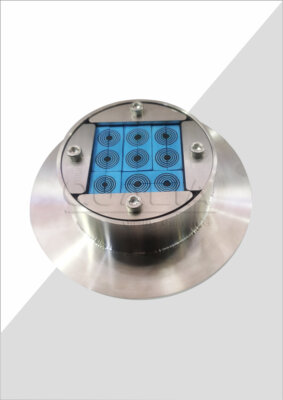
A integração de utilitários representa o maior desafio técnico, pois todas as conexões devem penetrar no envelope selado do laboratório sem violar a integridade da contenção. O planejamento prévio do roteamento, dos pontos de interface e dos métodos de vedação não é negociável. Cada penetração de utilitário representa um ponto de falha em potencial para a contenção, exigindo protocolos rigorosos de projeto e instalação.
Requisitos específicos do sistema
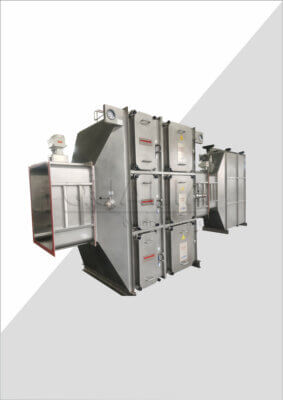
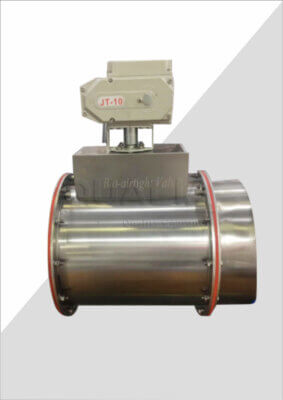
Os sistemas elétricos exigem um suprimento dedicado e confiável com geração automática de backup; os conduítes normalmente são embutidos na fundação. As linhas de água potável precisam de válvulas de fechamento externas e todos os efluentes do laboratório devem ser encaminhados para um Sistema de Descontaminação de Efluentes (EDS) separado e validado. O sistema HVAC dedicado, essencial para manter a pressão negativa e as trocas de ar, requer espaço externo alocado para condensadores, caixas de exaustão e filtros de entrada.
A vantagem do Plug-and-Play
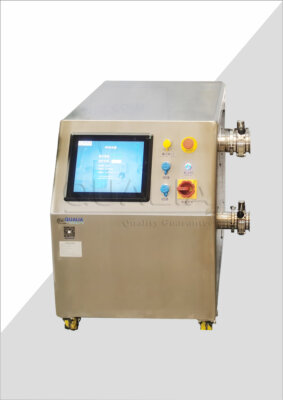
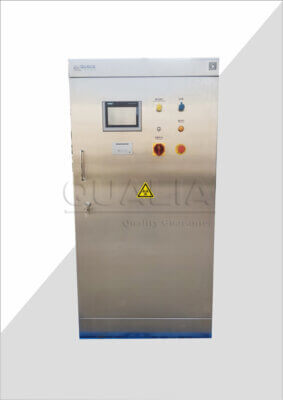
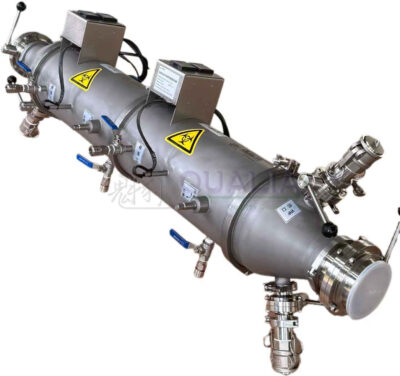
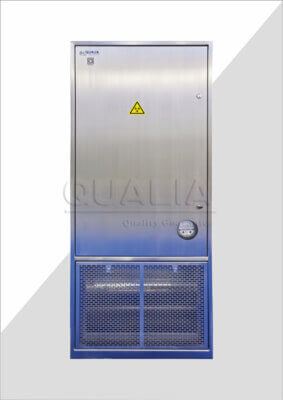
O benefício estratégico aqui é a natureza integrada e testada em fábrica dos sistemas modulares avançados. Os principais componentes, como os skids de HVAC e o EDS, são unidades pré-projetadas. Eles chegam com as conexões internas completas, exigindo apenas a conexão com as tomadas de utilidades do local. Isso reduz significativamente a complexidade da integração no local, acelera o comissionamento e elimina os riscos da validação do desempenho desses sistemas de segurança essenciais.
A integração de cada sistema utilitário deve obedecer a especificações precisas para garantir a segurança e a operabilidade.
| Sistema de utilidade pública | Requisito básico | Nota de integração |
|---|---|---|
| Fornecimento de energia elétrica | Dedicado com backup | Conduítes na fundação |
| Água potável | Válvulas de fechamento externas | Linha de suprimento separada |
| Efluente de resíduos | Canalizado para EDS | Descontaminação obrigatória |
| Sistema HVAC | Espaço externo do condensador | Mantém a pressão negativa |
Fonte: NSF/ANSI 49-2022 Armários de biossegurança. Esse padrão de desempenho dos gabinetes de biossegurança é fundamental para os dispositivos de contenção integrados e testados em fábrica que se conectam às tomadas de energia do local, garantindo a integridade do sistema de segurança desde a instalação.
Acesso, fluxo de trabalho e planejamento de zoneamento de biocontenção
Aplicação do protocolo por meio do design
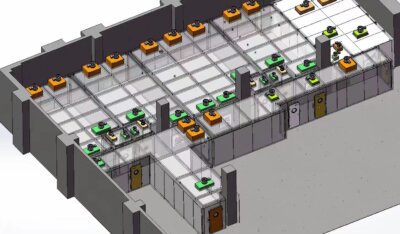
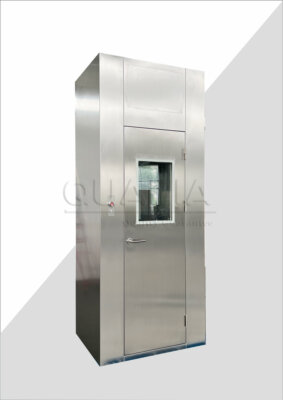
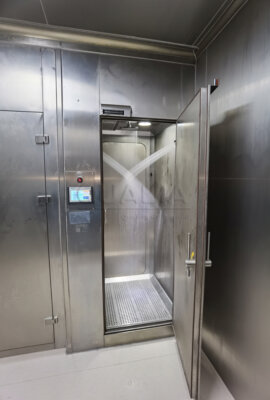
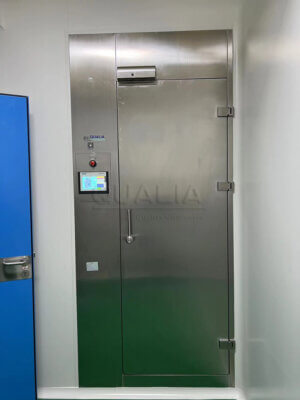
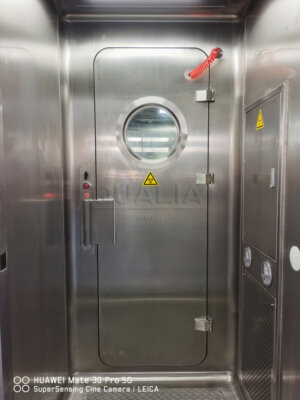
O layout do local deve impor fisicamente o protocolo de biossegurança operacional do laboratório. Isso começa com a sequência de acesso controlado - normalmente um corredor de acesso, vestiário e câmara de ar - para manter os diferenciais críticos de pressão. O plano externo do local deve acomodar essa sequência e fornecer um perímetro seguro, geralmente com cercas e sistemas de controle de acesso, para atender aos requisitos de biossegurança.
Segregação de caminhos de materiais
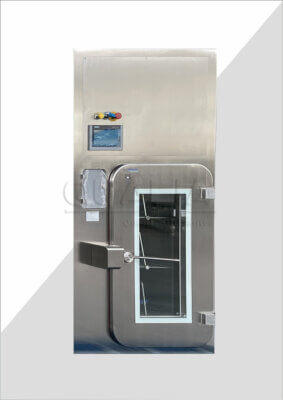
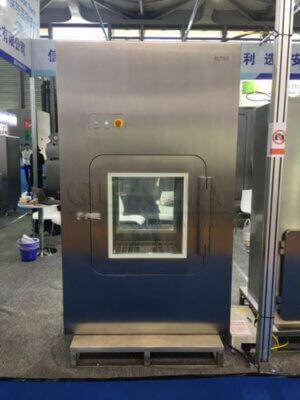
O zoneamento eficaz exige a segregação dos fluxos de materiais limpos e contaminados. O local deve permitir rotas dedicadas para a entrega de amostras, geralmente por meio de autoclaves de passagem segura ou tanques de imersão, e para a remoção de resíduos esterilizados. Comparamos vários planos operacionais que falharam e descobrimos que a inadequação das áreas de preparação externas para suprimentos limpos e contêineres de resíduos era uma causa raiz comum de violações de procedimentos.
Validação do fluxo de ar e da contenção
O objetivo final do zoneamento é proteger o pessoal e o meio ambiente. O local deve oferecer acesso livre para testes e certificação dos sistemas de contenção do laboratório. Isso inclui espaço para testes de visualização do fluxo de ar (testes de fumaça) nos pontos de entrada e acesso seguro às chaminés de exaustão para testes de partículas a fim de verificar a integridade do filtro HEPA e a dispersão adequada dos efluentes.
Análise de custos: Orçamento de preparação do local e variáveis-chave
Identificação dos principais geradores de custos
Um orçamento realista vai além da escavação básica e do concreto. As maiores variáveis geralmente envolvem extensões de serviços públicos. Levar energia trifásica, água de alta pureza ou linhas de esgoto dedicadas a um local remoto ou não desenvolvido pode dominar os custos. O tipo e a capacidade do Sistema de Descontaminação de Efluentes (EDS) necessário também representam um investimento significativo e inegociável.
Contabilidade para o ensino médio essencial
A infraestrutura de segurança - cercas de perímetro, sistemas de controle de acesso e iluminação - forma uma linha de orçamento essencial. Os custos de suportes externos especializados para equipamentos de HVAC e chaminés de exaustão também devem ser incluídos. Os especialistas do setor recomendam alocar uma contingência de 15-20% especificamente para condições imprevistas do subsolo ou conflitos de serviços públicos descobertos durante a escavação.
Análise do custo total de propriedade
Embora os custos iniciais de preparação do local possam ser comparáveis aos das construções tradicionais, a vantagem financeira estratégica surge na análise do custo do ciclo de vida. A flexibilidade inerente para facilitar a expansão, a reconfiguração ou a realocação protege o investimento de capital contra a obsolescência. Essa adaptabilidade oferece economia a longo prazo e um custo total de propriedade superior, tornando as soluções modulares uma decisão financeira estrategicamente sólida para portfólios de pesquisa em evolução.
Um orçamento abrangente deve levar em conta fatores financeiros imediatos e de longo prazo.
| Custo variável | Descrição | Impacto financeiro |
|---|---|---|
| Extensão do utilitário | Complexidade do site remoto | Principal fator de custo |
| Tratamento de efluentes | Tipo de sistema EDS | Variável significativa |
| Infraestrutura de segurança | Controle de acesso e perímetro | Linha orçamentária essencial |
| Valor a longo prazo | Design flexível e realocável | Custo total de propriedade superior |
Fonte: Documentação técnica e especificações do setor.
Requisitos do local do laboratório BSL-3 modular vs. tradicional
Filosofias divergentes
Os requisitos de local para laboratórios BSL-3 modulares e tradicionais divergem fundamentalmente. A construção tradicional requer uma área grande e ininterrupta por um período prolongado, acomodando guindastes, preparação de materiais e as operações sequenciais de uma construção no local. A abordagem modular precisa de uma plataforma precisa e robusta e de suportes de utilidades, dissociando a capacidade sofisticada do laboratório das complexas atividades de construção no local.
Caminhos contrastantes de qualidade e controle
O controle de qualidade é um diferencial importante. A construção tradicional está sujeita a atrasos climáticos, riscos de contaminação no local durante a construção e mão de obra variável. Os laboratórios modulares se beneficiam do controle de qualidade superior da fabricação em fábrica em um ambiente controlado. Isso leva a uma maior previsibilidade na obtenção das rigorosas classificações de limpeza do ar necessárias para a contenção, conforme definido em normas como Salas limpas ISO 14644-1:2015.
Expansão das possibilidades de implementação
Essa mudança fundamental expande drasticamente os possíveis locais de implantação. A abordagem modular torna viável o estabelecimento de uma capacidade de alta contenção em áreas remotas, em campi existentes com espaço limitado ou em regiões que não dispõem de conhecimento especializado em construção local. O desafio do local muda de “podemos construir aqui?” para “podemos preparar uma plataforma estável e conectar os serviços públicos?”
A escolha entre abordagens modulares e tradicionais dita demandas de locais fundamentalmente diferentes.
| Requisito | Abordagem modular de laboratório | Construção tradicional |
|---|---|---|
| Pegada do site | Somente plataforma precisa | Área ampla e ininterrupta |
| Local de construção | Fabricação na fábrica | Construção no local |
| Controle de qualidade | Ambiente com controle de fábrica | Sujeito ao local/clima |
| Local de implantação | Sites remotos são viáveis | Áreas com restrições logísticas |
Fonte: Salas limpas ISO 14644-1:2015. Esse padrão para a classificação da limpeza do ar é fundamental para ambas as abordagens, mas o ambiente controlado de fábrica da construção modular oferece um caminho mais previsível e confiável para alcançar e validar a Classe ISO necessária para zonas de contenção.
Conformidade regulatória e caminhos de certificação
Navegando em um processo de duas fases
A conformidade regulatória para uma instalação modular segue um caminho simplificado de duas fases. Primeiro, todo o trabalho específico do local - fundação, conexões de serviços públicos e suportes externos - deve atender aos códigos locais de construção, elétricos, de encanamento e ambientais. A documentação meticulosa desse trabalho, incluindo certificações de materiais e relatórios de inspeção, forma a base para a aprovação da autoridade com jurisdição (AHJ).
Aproveitamento da garantia de fábrica
O principal diferencial estratégico é o carregamento antecipado da validação do sistema de contenção crítica. Os principais controles de engenharia, como unidades de filtragem HEPA, sistemas de controle de pressão negativa e pacotes de alarme, passam por rigorosos testes de aceitação de fábrica (FAT). Isso transfere uma parte substancial do ônus da certificação para um ambiente controlado, reduzindo o risco do cronograma do projeto antes que o módulo chegue ao local.
Execução do comissionamento integrado
A certificação final se concentra no desempenho do sistema integrado. Os órgãos reguladores, como o CDC ou autoridades nacionais equivalentes, verificam se o módulo pré-certificado funciona corretamente com os utilitários preparados para o local e se todos os parâmetros de contenção são atendidos na configuração final instalada. Esse comissionamento integrado é mais previsível e eficiente, pois se baseia em um alicerce de componentes pré-validados.
Considerações sobre operação e manutenção de longo prazo
Projetando para a capacidade de manutenção
A eficiência operacional começa durante o planejamento do local. O acesso externo fácil e seguro aos fechamentos de utilidades, aos condensadores de HVAC, aos alojamentos dos exaustores e ao EDS é essencial para a manutenção de rotina e de emergência. O layout do local deve evitar que esses componentes críticos sejam encaixotados ou tornados inacessíveis, um descuido comum que aumenta os custos do ciclo de vida e o tempo de inatividade.
Facilitando a evolução futura
O plano do local deve acomodar uma possível expansão, como a adição de um segundo módulo de laboratório ou anexo de suporte. Isso significa reservar espaço, planejar cabeçalhos de distribuição de serviços públicos com capacidade sobressalente e garantir que os caminhos de acesso ao guindaste permaneçam livres. A flexibilidade da abordagem modular só será totalmente aproveitada se a preparação inicial do local for executada com uma mentalidade voltada para o futuro.
Integração da infraestrutura inteligente
Para maximizar o valor de longo prazo, o planejamento para a integração de tecnologia inteligente está passando de opcional para essencial. A alocação de conduítes e energia para redes de monitoramento ambiental orientadas por IA e sensores de IoT permite a manutenção preditiva de sistemas de contenção. Isso é especialmente importante para instalações remotas ou autônomas, garantindo a verificação contínua da segurança e otimizando o tempo de atividade operacional por meio de insights orientados por dados.
Seleção de um parceiro de preparação do local: Critérios-chave
O mandato da especialização híbrida
A escolha de um parceiro para a preparação do local é uma decisão estratégica fundamental. A empreiteira ideal possui um conjunto de habilidades híbridas que abrange a engenharia civil tradicional, a integração de serviços públicos e uma compreensão diferenciada dos princípios de biocontenção e das interfaces de construção modular. Esse requisito está catalisando o surgimento de um novo nicho de empreiteiras especializadas com foco em plataformas de instalações técnicas.
Avaliação da experiência relevante
Experiência comprovada não é negociável. Os principais critérios incluem um histórico com instalações modulares de alta contenção ou outras instalações pré-fabricadas tecnicamente sensíveis, e não apenas construção comercial em geral. O parceiro deve demonstrar a capacidade de interpretar e executar especificações precisas do fabricante quanto a tolerâncias de fundação, profundidades de embutimento e locais de encaixe de utilidades.
Garantia de rigor regulatório e de documentação
O parceiro deve ter um processo documentado para garantia de qualidade e documentação de conformidade. Seu trabalho será examinado durante as revisões regulatórias, portanto, é essencial manter registros meticulosos de testes de solo, concretagem, desenhos as-built e testes de pressão de serviços públicos. O parceiro certo atua como uma extensão do fornecedor do laboratório, garantindo que o trabalho no local complemente perfeitamente a alta qualidade da construção feita na fábrica laboratório móvel de alta contenção, garantindo uma instalação final segura, em conformidade e rapidamente operacional.
A decisão de instalar um laboratório modular BSL-3 está centrada em três prioridades principais de implementação: precisão no projeto da interface fundamental, planejamento rigoroso para penetrações de serviços públicos e zoneamento de contenção e seleção de um parceiro com o conhecimento híbrido especializado para executar o trabalho no local. Cada prioridade afeta diretamente o cronograma, o orçamento e a viabilidade operacional de longo prazo da instalação. O local não é um estágio passivo, mas um componente ativo e projetado do sistema de contenção.
Precisa de orientação profissional para lidar com as complexidades da preparação do local para uma solução modular de alta contenção? A equipe da QUALIA combina a precisão da engenharia com uma profunda experiência em regulamentação para garantir que a base do seu projeto ofereça suporte à segurança imediata e à flexibilidade futura. Para uma consulta detalhada sobre seus requisitos específicos, você também pode Entre em contato conosco.
Perguntas frequentes
P: Como o projeto da fundação de um laboratório modular BSL-3 difere de uma fundação tradicional e quais são as principais especificações?
R: A fundação funciona como uma plataforma precisa para o módulo pré-fabricado, não como uma laje de construção completa. Ela requer uma base estável e nivelada de pilares de concreto reforçado ou um bloco contínuo, com suportes que se estendam 20 cm acima do nível para evitar a entrada de água. O local deve ser nivelado para drenagem e compactado de acordo com as especificações exatas do fabricante. Isso significa que seu empreiteiro civil deve executar com tolerâncias rígidas para permitir a rápida colocação do módulo e o potencial de realocação futura.
P: Qual é o maior desafio técnico ao conectar os serviços públicos a um laboratório modular BSL-3 e como ele é gerenciado?
R: O principal desafio é direcionar todas as conexões elétricas, de água e de HVAC através do invólucro vedado do laboratório sem comprometer a contenção. Isso requer um planejamento prévio meticuloso de todos os pontos de penetração e caminhos de conduíte, muitas vezes embutidos na fundação. Para projetos em que a velocidade de operação é fundamental, a seleção de um fornecedor com módulos utilitários pré-projetados e testados em fábrica simplifica a integração no local e reduz a complexidade do comissionamento.
P: Como o caminho da certificação regulatória para uma instalação modular BSL-3 reduz o risco do cronograma do projeto?
R: A certificação é simplificada por meio de uma abordagem em duas fases. Os sistemas críticos de contenção, como a filtragem HEPA e os controles de pressão negativa, passam por testes e validação de fábrica antes do envio, transferindo uma grande carga de conformidade para fora do local. O comissionamento final, então, concentra-se na integração desse módulo pré-certificado com o local preparado. Isso significa que o cronograma do seu projeto enfrenta menos variáveis no local, criando um caminho mais previsível para a aprovação de órgãos como o CDC.
P: Quais são as vantagens de custo de longo prazo de um laboratório BSL-3 modular ao considerar a preparação do local?
R: Embora os custos iniciais de preparação do local possam ser semelhantes aos das construções tradicionais, a vantagem estratégica está no custo do ciclo de vida e na adaptabilidade. A fundação e o projeto de utilidades suportam inerentemente a expansão futura, a reconfiguração ou até mesmo a realocação do módulo. Para instituições com portfólios de pesquisa em evolução ou necessidades geográficas incertas, essa flexibilidade protege seu investimento de capital e oferece um custo total de propriedade superior em comparação com uma estrutura permanentemente fixa.
P: Que conhecimento especializado devemos procurar em uma empresa contratada para a preparação do local para um laboratório modular de alta contenção?
R: Você precisa de um parceiro com um conjunto de habilidades híbridas além do trabalho civil padrão. Eles devem entender os princípios de biocontenção, interpretar as especificações precisas da interface do fabricante para fundações e pontos de utilidade e ter experiência com a documentação necessária para a conformidade regulamentar. Isso significa que você deve priorizar empreiteiras com histórico comprovado em projetos modulares de alta contenção em relação àquelas que oferecem apenas serviços gerais de construção comercial.
P: Como o planejamento do layout do local impõe fisicamente a segurança da biocontenção e do fluxo de trabalho em uma instalação modular BSL-3?
R: O projeto do local externo deve codificar o protocolo operacional do laboratório, estabelecendo pontos de acesso controlados, separando os caminhos de materiais limpos e contaminados e fornecendo espaço para passagens dedicadas de amostras e rotas de remoção de resíduos. Esse zoneamento é a manifestação física dos protocolos de segurança. O planejamento eficaz reduz os riscos operacionais diários ao tornar os princípios de contenção inerentes ao layout do local, minimizando assim o potencial de violações de procedimentos.
P: Por que o acesso externo aos sistemas mecânicos é uma consideração fundamental durante a fase de preparação do local?
R: O acesso fácil e seguro aos componentes externos de HVAC, aos fechamentos de serviços públicos e ao Sistema de Descontaminação de Efluentes (EDS) é essencial para a manutenção de rotina e para a resposta a emergências. O plano do local deve alocar espaço livre ao redor desses suportes. Se a sua instalação estiver em um local remoto ou tiver uma equipe técnica limitada no local, isso se torna ainda mais crucial para garantir o tempo de atividade operacional e facilitar a manutenção oportuna por técnicos externos.
Conteúdo relacionado:
- Laboratórios modulares BSL-4: Redução de custos sem comprometimento
- Instalação de laboratórios modulares BSL-3: Guia do especialista
- Laboratórios modulares BSL-3: Soluções rápidas de construção
- Custos do laboratório modular BSL-3: Análise abrangente
- Laboratório modular de biossegurança versus construção tradicional de tijolo e argamassa: 8 diferenças críticas de custo, cronograma e flexibilidade
- Laboratórios BSL-3 personalizáveis: Projetos modulares sob medida
- Cronograma de construção do laboratório modular de biossegurança: Da aprovação do projeto à conclusão do comissionamento
- Laboratórios BSL-3 expansíveis: Sistemas modulares escaláveis
- Laboratórios modulares BSL-3/4: Soluções de implantação rápida