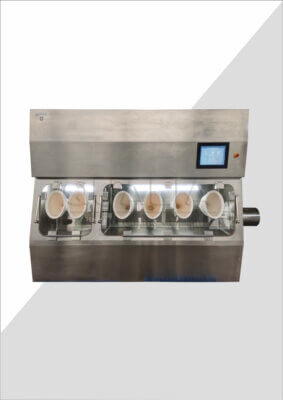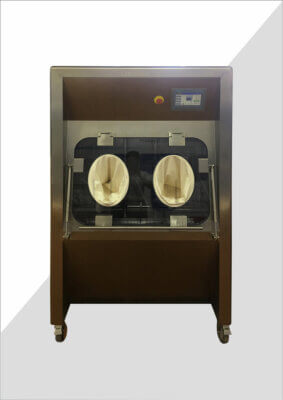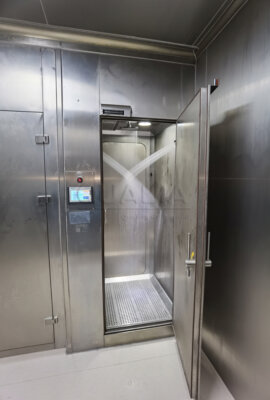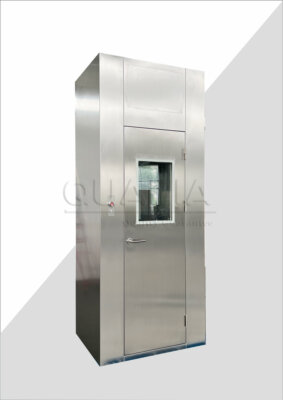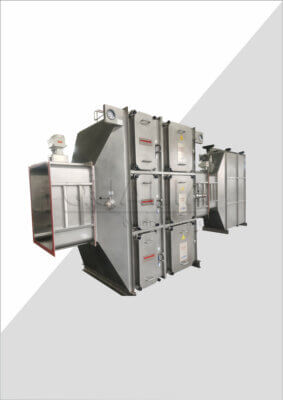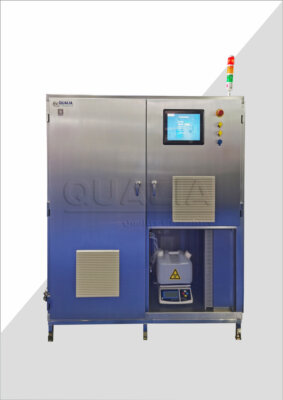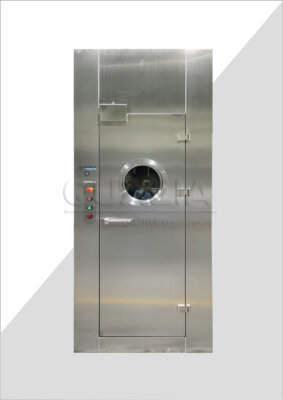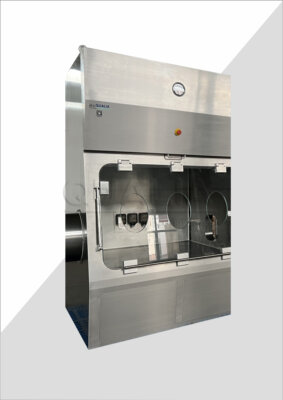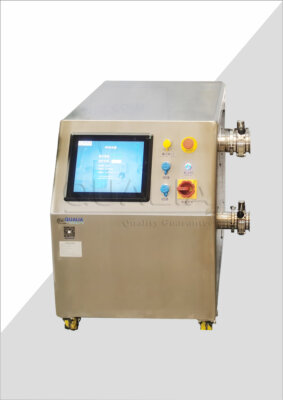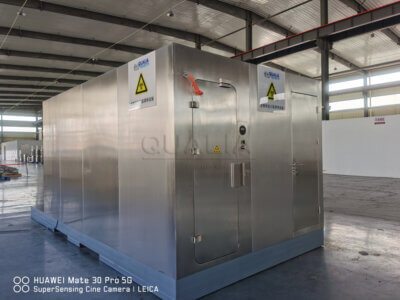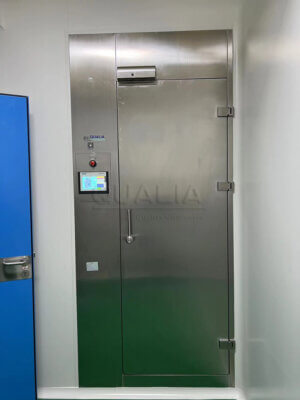

Especificar uma câmara de transferência para um ambiente sensível à luz sem considerar a exclusão da luz como o principal fator determinante do projeto é uma das maneiras mais confiáveis de gerar retrabalho no pior momento possível. A falha geralmente vem à tona durante a revisão da maquete ou no pré-comissionamento, quando os operadores confirmam pela primeira vez que a janela de visualização padrão de vidro de 5 mm e a iluminação interna — frequentemente operando entre 300 e 500 lux — são fundamentalmente incompatíveis com o processo que precisam executar. Corrigir isso tardiamente significa reavaliar decisões de fabricação relacionadas ao projeto da porta, à geometria da vedação e à seleção de acessórios — questões que deveriam ter sido resolvidas na fase de especificação. O texto a seguir foi elaborado para ajudá-lo a identificar o ponto exato em que uma configuração padrão de câmara de transferência se torna inadequada e quais decisões de projeto decorrem desse limite.
Restrições do processo em câmara escura que determinam o projeto da caixa de passagem
Um ambiente de transferência em câmara escura apresenta restrições que vão além do controle de contaminação. A exigência física de impedir a entrada de luz — e não apenas a entrada de partículas — significa que dois mecanismos padrão de caixa de passagem precisam ser avaliados especificamente quanto à sua função de controle de luz, e não apenas quanto à sua função de controle de contaminação.
Portas com intertravamento são um recurso padrão na maioria das câmaras de transferência, mas, no contexto de uma câmara escura, sua finalidade muda. O intertravamento garante que apenas uma porta esteja aberta a qualquer momento, o que, em uma aplicação padrão de sala limpa, protege a pressão diferencial e a integridade contra contaminação. Em uma configuração de câmara escura, o mesmo mecanismo torna-se a principal defesa contra a entrada acidental de luz decorrente de operação incorreta. Se ambas as portas pudessem se abrir simultaneamente, mesmo que por um breve instante, a luz ambiente da sala adjacente alcançaria a câmara de transferência. O intertravamento é, portanto, um critério de planejamento específico para esse ambiente, e não uma exigência regulatória herdada de outra aplicação.
As caixas de passagem dinâmicas acrescentam uma segunda restrição que afeta diretamente o tempo do fluxo de trabalho. Essas unidades executam um ciclo de limpeza com um tempo de permanência do ar — normalmente na faixa de 2 a 5 minutos — antes que a segunda porta se abra. Esse período de permanência existe para concluir a função de descontaminação, mas se torna uma etapa de espera obrigatória em toda transferência na câmara escura. Fluxos de trabalho de transferência que dependem de trocas rápidas, como o manuseio de reagentes fotossensíveis com prazos críticos, precisam levar em conta esse ciclo como um elemento fixo do processo. Se a espera de 2 a 5 minutos for operacionalmente inaceitável, essa é uma restrição de especificação que deve orientar a escolha da unidade, e não um problema a ser contornado após a instalação.
| Restrição do processo | Requisito de projeto | Impacto operacional |
|---|---|---|
| Portas com travamento mútuo para impedir a abertura simultânea | Mecanismo de intertravamento que garante que apenas uma porta possa estar aberta por vez | Elimina a entrada acidental de luz causada por operação incorreta; mantém o ambiente escuro durante a transferência |
| Ciclo dinâmico de limpeza | Temporizador integrado para limpeza com atraso na abertura da porta; 2 a 5 minutos de circulação de ar antes que a segunda porta se abra | Introduz uma etapa de permanência obrigatória; os fluxos de trabalho de transferência devem levar em conta o tempo de permanência |
Ambas as restrições — a lógica de intertravamento e o tempo de limpeza — precisam ser resolvidas na fase de projeto do fluxo de trabalho. A constatação de qualquer uma dessas incompatibilidades durante os testes de qualificação representa um risco para o cronograma que pode ser facilmente evitado por meio do mapeamento da sequência de transferência antes do início da fabricação.
Detalhes de vedação contra a entrada de luz que resistem à limpeza
Conseguir a exclusão da luz logo na primeira instalação é a parte mais fácil do problema. Manter essa exclusão ao longo de meses de ciclos repetidos de desinfecção é onde as decisões relativas ao projeto da vedação têm consequências duradouras.
A geometria interna da câmara de passagem é tão importante quanto a vedação da porta. Uma construção hermética com coveias internas — as transições arredondadas entre paredes, piso e teto — evita o acúmulo de sujeira nas juntas, mas, o que é mais importante para o desempenho de estanqueidade à luz, preserva a superfície de vedação contínua da qual as juntas dependem. Uma junção plano a plano em um canto interno cria um ponto de tensão que pode se deformar sob ciclos térmicos repetidos e exposição química a desinfetantes. Essa deformação raramente é visível durante a inspeção, mas abre uma brecha pela qual a luz pode passar exatamente na geometria em que a formação de fendas é mais difícil de detectar e mais difícil de corrigir sem desmontagem.
A escolha do material influencia o tempo de vida útil das superfícies de vedação. As opções de aço inoxidável — SS304, SS316 e SS316L — diferem em sua resistência a desinfetantes à base de cloreto e agentes de limpeza químicos utilizados em ambientes farmacêuticos. O aço laminado a frio com pintura a forno oferece vantagens de custo, mas apresenta um risco diferente de degradação caso a superfície pintada seja danificada por agentes de limpeza agressivos, que podem, então, atacar o material de base e comprometer a planicidade da geometria de vedação ao longo do tempo. A escolha correta depende dos produtos químicos de desinfecção específicos e da frequência de limpeza da aplicação; nenhuma das categorias de material é categoricamente superior sem o conhecimento desses parâmetros.
No caso de uma configuração de câmara escura, a integridade da vedação durante a limpeza deve ser considerada um critério de manutenção de longo prazo, e não apenas uma especificação de instalação. Se a compressão da junta for comprometida pela desinfecção repetida — especialmente nas juntas de transição, onde a geometria muda —, o resultado será um caminho de vazamento de luz que se desenvolve gradualmente e pode não ser identificado até que um desvio no processo seja atribuído à exposição inesperada do material.
Compromissos em termos de visibilidade decorrentes de uma construção opaca
A decisão de eliminar a janela de visualização padrão resolve o problema do vazamento de luz por esse caminho, mas cria imediatamente um desafio operacional diferente: os operadores perdem o método mais direto de que dispõem para confirmar o status da transferência, o posicionamento do material e a ocupação da câmara.
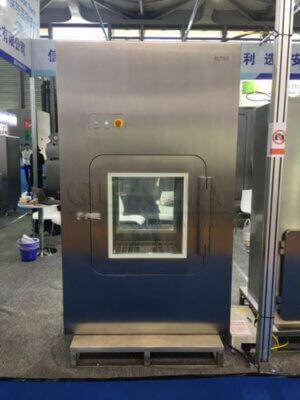
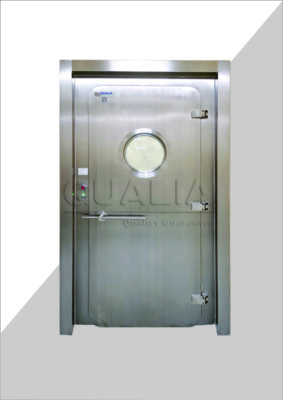
Uma caixa de transferência padrão inclui uma janela de vidro duplamente temperado de 5 mm exatamente por esse motivo — ela permite que os operadores de ambos os lados confirmem que a transferência foi concluída e que a câmara está livre antes de abrir a porta. É fácil não dar o devido valor a essa função até que ela seja removida. Em uma configuração com porta opaca, o operador não consegue ver se a transferência foi concluída corretamente, se algum recipiente foi deixado para trás ou se a porta da câmara do lado oposto foi fechada adequadamente. Essas confirmações precisam vir de algum lugar e, se nenhum método alternativo de monitoramento for especificado, elas se baseiam, por padrão, na confiança no procedimento — o que é operacionalmente frágil e difícil de justificar durante auditorias.
| Aspecto do design | Caixa de passagem padrão com janela | Caixa de passagem opaca para câmara escura |
|---|---|---|
| Visibilidade do operador | Visão clara através da janela de vidro duplo temperado de 5 mm | Não há confirmação visual direta; são necessários métodos alternativos de monitoramento |
| Risco de vazamento de luz | A janela é um possível caminho de entrada de luz; o risco depende da integridade da vedação | Janela removida, minimizando o risco de vazamento |
| Complexidade da fabricação | Design padrão de janelas integradas | Uma construção opaca especializada pode aumentar a complexidade e exigir uma vedação cuidadosa para evitar o acúmulo de sujeira |
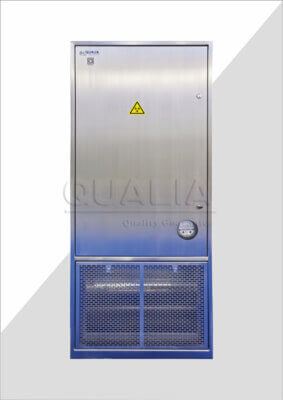
A consequência prática é que as configurações com portas opacas exigem uma resposta deliberada à questão da visibilidade antes que o projeto seja finalizado. Essa resposta pode ser um sistema de luzes indicadoras, um intertravamento que só é liberado quando condições específicas são atendidas, um sensor que confirme o status de ocupação da câmara ou um protocolo procedural com etapas documentadas de verificação pelo operador. Qualquer uma dessas opções é uma resposta válida do ponto de vista da engenharia, mas nenhuma delas é isenta de custos, complexidade de fabricação ou carga de validação. O erro comum nos projetos é perceber essa lacuna durante a revisão da maquete — após a conclusão da fabricação —, quando os usuários tentam realizar uma transferência pela primeira vez e percebem que não conseguem confirmar o que aconteceu dentro da câmara. Nessa fase, a adaptação de um sistema de indicação de status muitas vezes exige a reabertura de um conjunto vedado ou a aceitação de uma solução que comprometa a geometria do rebordo.
Alterações de última hora nos requisitos que prejudicam a fabricação
A alteração de última hora mais prejudicial em um projeto de caixa de passagem para câmara escura não é uma revisão drástica das especificações — é um pequeno esclarecimento que acaba se revelando um fator determinante do projeto desde o início. A decisão sobre a janela de visualização é o exemplo mais comum. Na fase de especificação, é fácil adiar essa questão, optando por padrão pela opção “igual ao padrão” ou tratando-a como um detalhe a ser confirmado posteriormente. Assim que a unidade entra na fase de fabricação, o conjunto da porta, a geometria da moldura e o layout dos cantos são definidos. Adicionar ou remover uma janela nesse momento não é uma modificação em um acessório; exige a reavaliação de decisões estruturais já definidas sobre a integridade da moldura, a continuidade dos cantos e o assentamento das juntas.
Um padrão semelhante de interrupção ocorre na escolha de acessórios. Lâmpadas UV, configurações de filtros HEPA e painéis de controle com intertravamento são frequentemente tratados como opções a serem selecionadas após a especificação da unidade básica. Em uma configuração de câmara escura, essas escolhas não são independentes do projeto do compartimento. Uma lâmpada UV adicionada posteriormente requer blindagem que deve se integrar à geometria interna do compartimento. Um painel de controle que não tenha sido especificado para uso em câmara escura pode incluir luzes indicadoras ou retroiluminação do visor que introduzam luz visível na câmara. Resolver esses conflitos após o início da fabricação normalmente envolve aceitar uma solução subótima ou arcar com o custo de uma revisão do projeto.
A verificação prática é simples: antes que o projeto seja liberado para fabricação, a especificação deve abordar explicitamente a exclusão de luz para cada componente — não apenas a porta e o gabinete, mas todos os acessórios, indicadores, lâmpadas e passagens. Se o status de controle de luz de qualquer componente for descrito como “A definir” ou “padrão”, isso é um sinal de que a exigência de sala escura não foi totalmente incorporada ao projeto. Detectar isso na revisão do projeto é barato. Detectá-lo durante o pré-comissionamento, por outro lado, não é.
Para projetos que envolvem vários sistemas interligados — como, por exemplo, um caixa de passagem de biossegurança integrado a um compartimento de ambiente controlado — a mesma verificação de propagação se aplica em toda a interface. A exclusão de luz no limite da caixa de passagem só é eficaz se o sistema adjacente não introduzir luz ambiente por meio de uma penetração compartilhada ou de uma conexão mal vedada.
A intolerância ao vazamento de luz como limite de projeto
A maneira mais clara de definir o critério de projeto é a seguinte: qualquer recurso que introduza luz visível dentro da câmara de transferência torna uma caixa de passagem padrão inadequada para uso em câmara escura. Esse princípio é simples de explicar, mas costuma ser subestimado nas especificações iniciais do projeto.
As caixas de passagem padrão são projetadas com foco na usabilidade do operador em ambientes com iluminação normal. A iluminação interna de 300 a 500 lux facilita o manuseio e a inspeção de materiais dentro da câmara. A janela de visualização de vidro é retroiluminada pela luz ambiente da sala em ambos os lados. Essas não são falhas de projeto em uma aplicação padrão; são características. No contexto de uma sala escura, elas se tornam características incompatíveis que não podem ser gerenciadas por meio de procedimentos ou blindagem parcial — elas devem ser eliminadas do projeto.
| Recurso padrão | Requisitos de projeto da câmara escura | Risco de vazamento de luz, caso seja incluído |
|---|---|---|
| Janela de visualização de vidro e iluminação interna (300–500 lux) | Elimine a iluminação das janelas e a iluminação interna; utilize uma construção totalmente opaca | A luz visível que penetra pela janela e a iluminação tornam a câmara de transferência inadequada para materiais sensíveis à luz |
| Lâmpadas UV (acessório opcional) | Remova as lâmpadas UV ou a proteção para evitar qualquer emissão de luz visível | As lâmpadas UV sem blindagem emitem luz visível indesejada, comprometendo o design à prova de luz |
As lâmpadas UV merecem atenção especial, pois costumam ser incluídas como acessório opcional sem que se reconheça o conflito. Lâmpadas UV especificadas para fins de descontaminação podem emitir luz visível, especialmente em configurações em que o invólucro da lâmpada não contém totalmente o espectro de emissão. Em uma caixa de passagem padrão, isso não é motivo de preocupação. Em uma configuração de câmara escura, uma lâmpada UV sem blindagem compromete o objetivo do projeto de vedação à luz a partir do interior da câmara. A solução é eliminar totalmente as lâmpadas UV da configuração ou especificar uma blindagem que impeça qualquer emissão de luz visível — mas esse requisito de blindagem precisa fazer parte do briefing de projeto original, e não ser uma adaptação posterior. Projetos que incluem UV como acessório padrão sem avaliá-lo em relação aos requisitos de câmara escura encontrarão esse conflito durante a validação do comissionamento, em um estágio em que a correção se torna desproporcionalmente cara.
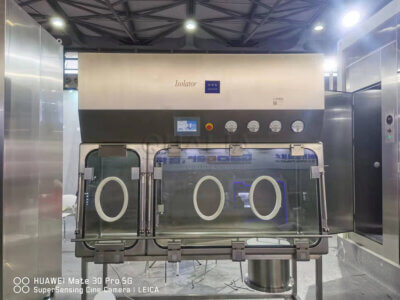
A questão prática fundamental para qualquer projeto é se o risco de exposição do material pode tolerar qualquer vazamento rotineiro por meio de um painel de visualização, folga na junta ou penetração de acessórios. Se a resposta for não, o projeto entra no âmbito da configuração de câmara escura dedicada, e essa classificação deve orientar todas as decisões de especificação subsequentes — geometria de vedação, seleção de materiais, análise de acessórios e lógica de intertravamento. Para aplicações em que tanto o desempenho de contenção quanto a integridade asséptica são exigidos, além da exclusão de luz, é necessário analisar como esses requisitos interagem no nível do sistema — conforme discutido em detalhes em configurações de isoladores assépticos — pode ajudar a identificar em que casos os requisitos de sala escura criam restrições adicionais de projeto, além daquelas típicas de aplicações padrão de esterilidade.
A confirmação mais clara antes da aquisição, para um projeto de caixa de passagem para câmara escura, é saber se a exclusão da luz foi tratada como uma restrição primária do projeto desde o início — o que significa que a geometria da vedação, a seleção de materiais, a análise dos acessórios e a lógica de intertravamento foram todas especificadas tendo o controle da luz como requisito determinante, e não ajustadas posteriormente para atendê-lo. Se qualquer parte da especificação atual for formulada como “caixa de passagem padrão com modificações relacionadas à luz”, o risco de surgir um conflito entre visibilidade e exclusão da luz durante a montagem do protótipo ou o comissionamento é real e vale a pena resolvê-lo agora.
Antes da liberação da fabricação, duas perguntas devem ter respostas documentadas: qual é o limite aceitável de vazamento de luz para o material específico que está sendo transferido e qual método os operadores utilizarão para confirmar o status da transferência quando o acesso visual por meio de uma janela for impossibilitado? A primeira pergunta determina se é necessária uma configuração de câmara escura dedicada. A segunda determina se o projeto está completo.
Perguntas frequentes
P: E se o material fotossensível tiver alguma tolerância à exposição breve à luz — isso muda a necessidade de uma configuração específica de câmara escura?
R: Sim, o limiar de exposição real do material é o que determina se é necessária uma configuração específica de câmara escura ou se basta uma unidade padrão reforçada com painéis de visualização controlados. O limiar de projeto descrito neste contexto pressupõe tolerância zero a vazamentos rotineiros. Se o seu material tiver uma janela de exposição segura definida — medida em lux-segundos ou equivalente —, essa tolerância pode ser considerada no projeto, mas deve ser quantificada e documentada antes do início do projeto, e não simplesmente presumida. Sem um limite específico proveniente dos dados de risco de exposição do seu material, a única opção padrão defensável é tratar qualquer vazamento como motivo de desqualificação.
P: Depois que o projeto da caixa de passagem for finalizado e liberado para fabricação, qual é o próximo passo para evitar a lacuna de confirmação causada pela construção opaca?
R: O próximo passo imediato é definir o método de indicação do status da transferência antes que a unidade entre na fase de fabricação, e não depois. Isso significa selecionar e documentar — durante a revisão do projeto — como os operadores de cada lado confirmarão a ocupação da câmara, a conclusão da transferência e o status de fechamento da porta. Seja um sistema de luzes indicadoras, um sensor de ocupação ou uma lógica de liberação baseada em intertravamento, a escolha afeta a fiação, as passagens no painel e a geometria dos caixilhos. Deixar essa decisão para depois da fabricação é exatamente a condição que leva os projetos a enfrentarem adaptações onerosas durante a revisão da maquete.
P: Uma câmara de passagem compatível com VHP apresenta riscos adicionais de vazamento de luz em comparação com uma configuração padrão de câmara escura?
R: Sim, é possível, pois os projetos compatíveis com VHP geralmente incluem penetrações adicionais, portas para sensores e pontos de conexão do gerador, cada um dos quais representa um caminho potencial de entrada de luz. Uma configuração padrão de câmara escura exige que todos os acessórios e aberturas sejam analisados quanto à conformidade com o controle de luz; uma caixa de passagem para VHP estende essa análise à entrada de VHP, ao trajeto de exaustão e a qualquer instrumentação de monitoramento de ciclo. Se for necessária a descontaminação por VHP juntamente com a exclusão de luz, ambos os requisitos devem ser estabelecidos como restrições co-primárias desde a fase de especificação, para que a vedação das aberturas e o posicionamento dos sensores sejam projetados em conjunto, em vez de serem ajustados após a fabricação.
P: O aço inoxidável é sempre a melhor opção de material para uma caixa de passagem de câmara escura, ou há situações em que o aço laminado a frio com pintura de forno é aceitável?
R: O aço inoxidável é a opção de menor risco para aplicações em salas escuras com ciclos de desinfecção agressivos ou frequentes, mas não é categoricamente obrigatório em todas as situações. O aço laminado a frio com pintura a forno é uma opção justificável se os produtos químicos de desinfecção forem suaves, a frequência de limpeza for baixa e a integridade do revestimento puder ser mantida de forma confiável ao longo da vida útil da unidade. O fator crítico é se a deterioração da pintura causada por agentes de limpeza comprometerá a planicidade das superfícies de vedação ao longo do tempo — o que é o tipo de falha que abre caminhos para vazamento de luz nas juntas das bordas curvas. Se esse risco não puder ser controlado por meio de um protocolo de manutenção, o aço inoxidável o elimina estruturalmente.
P: Se um projeto já possui uma câmara de passagem padrão instalada e processos sensíveis à luz estão sendo adicionados a esse espaço, a adaptação é viável ou deve-se sempre especificar a substituição?
R: A adaptação de uma caixa de passagem padrão para uso em câmara escura raramente é viável quando as principais incompatibilidades — iluminação interna, janela de visualização de vidro e geometria padrão das juntas — estão todas presentes simultaneamente. Cada modificação interage com as demais: a remoção da janela altera a integridade da moldura e a continuidade do rebordo; a eliminação da iluminação interna exige a verificação de que não haja nenhum caminho de luz residual através das passagens da fiação; a atualização das juntas requer a confirmação de que a geometria da moldura da porta suportará a compressão ao longo dos ciclos de limpeza. Se for possível resolver um único elemento sem afetar os demais, uma adaptação direcionada pode ser avaliada; se todos os três estiverem presentes, o custo de fabricação e a carga de validação de uma adaptação adequada geralmente se aproximam ou excedem o custo da substituição, e a substituição produz um registro de qualificação mais justificável.