Selecionar a configuração correta do equipamento de biossegurança é uma decisão de alto risco para os gerentes de laboratório. A escolha entre os sistemas BSL 2, 3 e 4 afeta diretamente os orçamentos de capital, os fluxos de trabalho operacionais e, o que é mais importante, a segurança do pessoal. Um equívoco comum é que o nível de biossegurança é determinado apenas pela lista de patógenos, o que leva a um excesso de contenção dispendioso ou a uma subproteção perigosa.
O cenário regulatório em evolução e a necessidade de gerenciar patógenos emergentes com riscos desconhecidos tornam essencial uma estrutura estratégica e baseada em riscos. Essa decisão exige que se vá além de uma simples lista de verificação para uma análise holística dos procedimentos, dos requisitos de validação e do custo total de propriedade.
BSL 2 vs BSL 3 vs BSL 4: definindo as principais diferenças
A escalada dos princípios de contenção
A distinção fundamental entre os Níveis de Biossegurança está na combinação crescente de práticas, equipamentos de segurança e proteções de instalações necessárias para mitigar o risco crescente. O BSL-2 gerencia agentes de risco moderado, contando com o uso adequado de gabinete de biossegurança (BSC) e EPI. A BSL-3 é para agentes graves, potencialmente transmitidos por aerossol, exigindo controles de engenharia aprimorados, como pressão de ar negativa e exaustão com filtro HEPA. A BSL-4 é reservada para os agentes exóticos mais perigosos, utilizando BSCs Classe III selados ou trajes de ar fornecido com pressão positiva.
Orientado por atividades, não apenas por agentes
Um detalhe importante e muitas vezes negligenciado é que o nível BSL é orientado pela atividade. Por exemplo, o teste de diagnóstico de rotina para um agente BSL-3 pode ser realizado com frequência em BSL-2, enquanto a cultura viral do mesmo agente requer contenção BSL-3. Essa dissociação significa que as decisões devem ser baseadas em avaliações de risco robustas e específicas do local, avaliando o potencial de aerossol e as consequências da exposição, e não apenas os nomes dos patógenos. Os especialistas do setor recomendam o mapeamento de cada procedimento, desde a pipetagem até a sonicação, para identificar o verdadeiro requisito de contenção.
A implicação estratégica para a configuração
Esse foco processual cria flexibilidade estratégica. A implementação de métodos validados de inativação de amostras pode funcionar como uma porta de entrada para o procedimento, permitindo que os materiais sejam analisados com segurança em um nível de BSL mais baixo. Essa abordagem pode fornecer acesso a equipamentos especializados localizados em laboratórios padrão sem comprometer a segurança, uma consideração importante para maximizar a utilidade das instalações.
Comparação de custos: Análise de capital, operacional e de TCO
Entendendo o aumento financeiro
O compromisso financeiro aumenta drasticamente a cada BSL, afetando as despesas de capital (CapEx), os custos operacionais (OpEx) e o custo total de propriedade (TCO). A BSL-2 envolve principalmente BSCs e EPIs básicos. A BSL-3 exige uma reforma significativa da instalação para fluxo de ar direcional e filtragem HEPA. A BSL-4 representa um investimento monumental em uma zona estruturalmente independente com sistemas redundantes e complexos. De acordo com a análise do setor, o maior fator de custo muda de equipamentos na BSL-2 para engenharia de instalações na BSL-3 e 4.
Planejamento estratégico de capital e flexibilidade
O planejamento de capital deve seguir a hierarquia de controle de engenharia, priorizando os dispositivos de contenção primária, como os BSCs. Um insight estratégico fundamental é projetar espaços BSL-2 flexíveis com infraestrutura que possa suportar protocolos aprimorados, como capacidade para BSCs adicionais ou potencial para fluxo de ar direcional. Isso pode atrasar o grande investimento de capital para uma construção completa de BSL-3, criando uma zona híbrida estratégica para gerenciar pesquisas de patógenos emergentes ou surtos de diagnósticos. Comparamos as abordagens de planejamento e descobrimos que esse projeto “BSL-2 plus” melhora significativamente a adaptabilidade de longo prazo.
Detalhamento comparativo de custos
A tabela a seguir apresenta uma comparação de alto nível dos principais componentes de custo entre os níveis de biossegurança, ilustrando a mudança no ônus financeiro.
| Componente de custo | BSL-2 | BSL-3 | BSL-4 |
|---|---|---|---|
| Capital primário (BSCs) | BSCs de classe I/II | BSCs sofisticadas de Classe II | Linha BSC Classe III / Laboratório de trajes |
| Engenharia de instalações | Bancadas básicas, pias | Pressão negativa, exaustão HEPA | Zona estruturalmente independente |
| Sistema de descontaminação | Acesso à autoclave | Suíte de autoclave no local | Sistemas redundantes e validados |
| Complexidade operacional | Certificação anual do BSC | EPI aprimorado, treinamento rigoroso | Manutenção especializada de trajes |
Fonte: Documentação técnica e especificações do setor.
Contenção primária: Requisitos da BSC comparados por BSL
O papel central do BSC
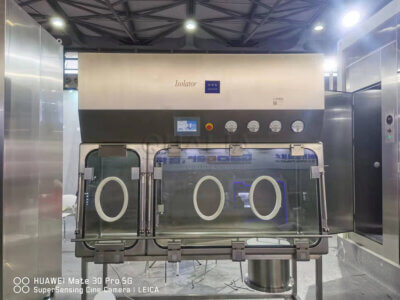
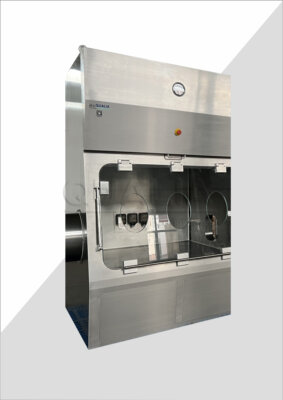
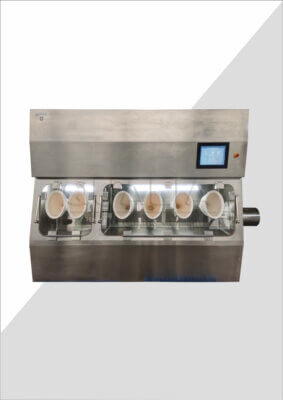
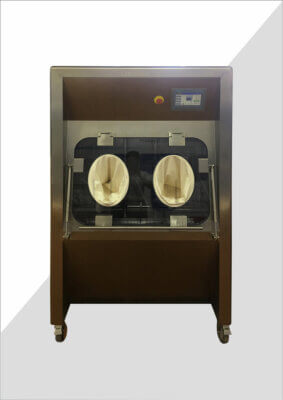
A contenção primária está centrada na cabine de segurança biológica, com requisitos que se ajustam diretamente ao risco. Na BSL-2, um BSC Classe I ou II é necessário para o potencial de aerossol ou respingos. A BSL-3 exige todos O trabalho com materiais infecciosos deve ser realizado em uma BSC Classe II ou em um dispositivo semelhante. A BSL-4 oferece dois modelos: contenção absoluta por meio de uma linha de BSC Classe III ou o uso de BSCs Classe II em um ambiente de traje de pressão positiva. O limite que define a necessidade de uma BSC é a geração de aerossol.
Mandatos específicos de procedimentos
Procedimentos como vórtex, pipetagem ou sonicação exigem contenção primária em um BSC, independentemente do BSL nominal. Um erro comum é presumir que a manipulação em bancada aberta é permitida no BSL-2 para etapas de “baixo risco”; isso é proibido para qualquer atividade geradora de aerossol. Se uma BSC não estiver disponível, uma combinação de contenção secundária selada e proteção respiratória aprimorada torna-se o requisito mínimo, vinculando diretamente a configuração do equipamento ao mapeamento de risco do procedimento.
Requisitos do BSC por procedimento
Os requisitos são claramente definidos por orientações oficiais. A tabela abaixo, baseada na Biossegurança em laboratórios microbiológicos e biomédicos (BMBL) 6ª edição, O BSC, que compara os requisitos do BSC para procedimentos laboratoriais comuns em todos os níveis de biossegurança.
| Procedimento de trabalho | Requisito BSL-2 | Requisito BSL-3 | Requisito BSL-4 |
|---|---|---|---|
| Procedimentos de geração de aerossóis | Na classe I/II BSC | Na Classe II BSC | No BSC Classe III / Laboratório de Fatos |
| Manipulação de banco de dados aberto | Proibido para aerossóis | Todo o trabalho no BSC | Não se aplica |
| Centrifugação | Copos de segurança selados | Copos de segurança selados | Contenção absoluta |
| Se o BSC não estiver disponível | Contenção selada + respirador | Não é uma prática padrão | Não permitido |
Fonte: Biossegurança em laboratórios microbiológicos e biomédicos (BMBL) 6ª edição. O BMBL define as barreiras de contenção primárias necessárias para cada nível de biossegurança, especificando os tipos de BSCs (Biological Safety Cabinets) e os dispositivos de contenção física necessários para operações seguras.
Contenção secundária: Escalonamento do controle das instalações e da engenharia
A instalação como barreira
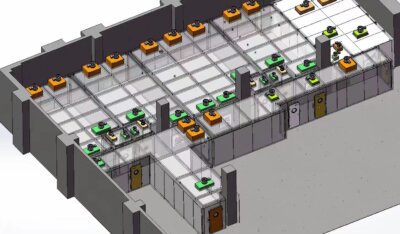
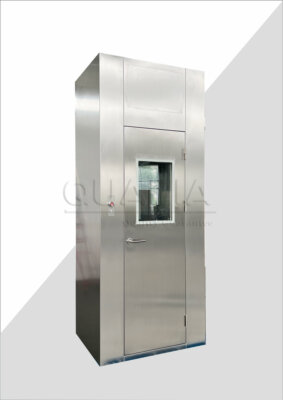
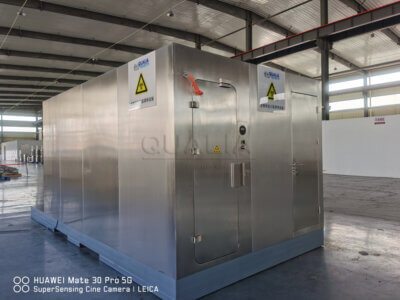
A contenção secundária refere-se aos controles de engenharia da instalação, que sofrem um grande aumento na BSL-3. Os laboratórios BSL-2 exigem recursos básicos, como bancadas e pias impermeáveis. O BSL-3 introduz salvaguardas essenciais: pressão de ar negativa, exaustão filtrada por HEPA descarregada para o exterior e acesso por uma ante-sala. As instalações BSL-4 são estruturalmente independentes, com sistemas de suprimento/exaustão dedicados e redundantes e descontaminação por chuveiro químico. De acordo com a minha experiência, a adaptação desses controles em um espaço BSL-2 existente costuma ser mais cara e complexa do que uma nova construção.
Especificações de controle de engenharia
Os requisitos específicos para esses controles estão codificados nos padrões de biossegurança. A tabela a seguir descreve o escalonamento dos principais controles de engenharia, conforme detalhado no Biossegurança em laboratórios microbiológicos e biomédicos (BMBL) 6ª edição.
| Controle de engenharia | BSL-2 | BSL-3 | BSL-4 |
|---|---|---|---|
| Pressão do ar | Nenhum requisito específico | Pressão negativa | Pressão negativa, redundante |
| Ar de exaustão | Ventilação geral | Filtro HEPA, para o exterior | HEPA dedicado e redundante |
| Controle de acesso | Portas com fechamento automático | Antessala ou câmara de ar | Câmara de ar, chuveiro químico |
| Saída de resíduos | Acesso confiável à descontaminação | Autoclave em laboratório | Vários sistemas de efluentes validados |
Fonte: Biossegurança em laboratórios microbiológicos e biomédicos (BMBL) 6ª edição. O BMBL descreve as salvaguardas específicas da instalação e as barreiras secundárias, como fluxo de ar direcional e provisões de acesso, que aumentam a cada nível crescente de biossegurança.
Fluxo de trabalho ditado por fluxos de resíduos
Uma implicação estratégica importante é que o gerenciamento integrado do fluxo de resíduos determina fundamentalmente o layout do laboratório. A exigência de descontaminação de todos os resíduos antes da remoção cria um gargalo crítico no fluxo de trabalho. Um projeto eficiente deve ter engenharia reversa a partir do ponto de saída dos resíduos - seja uma autoclave ou um sistema de tratamento de efluentes - até a bancada. Isso garante um fluxo de material seguro e lógico que mantém a continuidade operacional e a integridade da contenção, evitando a contaminação cruzada e atrasos nos procedimentos.
Requisitos de EPI e de pessoal: Uma visão geral comparativa
A última linha de defesa
O EPI serve como defesa pessoal final, com requisitos que se intensificam de acordo com a BSL. A BSL-2 exige jalecos de laboratório, luvas e proteção para os olhos. A BSL-3 exige aventais ou macacões de frente sólida, geralmente com luvas duplas e proteção respiratória (N95 a PAPR). A BSL-4 exige um traje de corpo inteiro com pressão positiva ou equivalente. As demandas de pessoal também aumentam, com a BSL-3/4 exigindo treinamento rigoroso e especializado e taxas de supervisão mais altas. Detalhes facilmente negligenciados incluem a necessidade de testes formais de ajuste para respiradores e verificações de integridade dos trajes.
Uma hierarquia em camadas dentro de cada BSL
A seleção de EPIs segue uma hierarquia de níveis dentro de cada BSL. O trabalho BSL-2 de alto risco, como a manipulação de estoques concentrados, pode exigir aventais de frente sólida e respiradores N95. Por outro lado, os procedimentos BSL-3 de menor risco com contenção validada podem não exigir PAPRs. Essa subclassificação significa que a aquisição deve ir além de uma abordagem única, adaptando os kits de EPI aos riscos processuais específicos identificados na avaliação. Normas internacionais como ISO 15190:2020 fornecem uma estrutura para essa seleção baseada em riscos.
Visão geral comparativa do EPI e da equipe
O aumento dos requisitos de proteção pessoal e de pessoal é sistemático. A tabela abaixo compara esses principais requisitos entre os níveis de biossegurança.
| Requisito | BSL-2 | BSL-3 | BSL-4 |
|---|---|---|---|
| Traje básico | Jaleco de laboratório, luvas | Vestido com frente sólida, luvas duplas | Fato de pressão positiva para todo o corpo |
| Proteção respiratória | Proteção para os olhos/face | Respirador N95 para PAPR | Suprimento de ar integrado para o traje |
| Nível de treinamento | Segurança padrão do laboratório | Treinamento rigoroso e especializado | Treinamento extensivo e específico para o traje |
| Supervisão da equipe | Índices padrão | Índices de supervisão mais altos | Supervisão constante e especializada |
Fonte: ISO 15190:2020 Laboratórios médicos - Requisitos de segurança. Esta norma fornece uma estrutura para a seleção de equipamentos de proteção individual (EPI) com base no risco e estabelece requisitos para a competência e o treinamento do pessoal, que são dimensionados de acordo com o risco operacional.
Descontaminação e manuseio de resíduos: Equipamentos por nível de biossegurança
Protocolos de descontaminação em escala
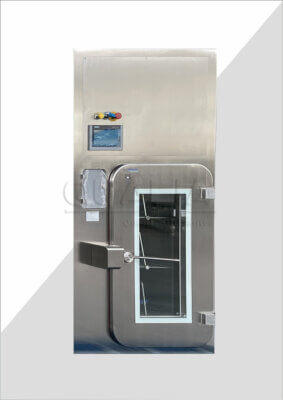
Os protocolos e equipamentos de descontaminação são dimensionados de acordo com o nível de contenção. O BSL-2 exige acesso confiável a uma autoclave. A BSL-3 exige uma autoclave dentro do conjunto do laboratório, com possível necessidade de tratamento de efluentes líquidos. A BSL-4 exige sistemas redundantes e validados para todos os fluxos de resíduos. Uma mudança crítica está ocorrendo no foco regulatório: da suposição de desempenho para a exigência de provas empíricas. Isso faz com que a descontaminação deixe de ser uma atividade de apoio e passe a ser uma função essencial de conformidade.
O imperativo da validação
Os órgãos reguladores exigem cada vez mais estudos de validação para autoclaves, desinfetantes químicos e fumigantes. Os laboratórios devem orçar e realizar validação regular usando indicadores biológicos, tratando isso como uma atividade de conformidade não negociável. Essa ênfase em métodos comprovados também permite a criação de portas estratégicas para o fluxo de trabalho. Por exemplo, a inativação de amostras validadas permite a transferência segura de materiais para BSLs mais baixos para análise usando equipamento analítico de alto rendimento, O sistema de gerenciamento de dados é um sistema de gerenciamento de dados que permite maior capacidade de pesquisa ou diagnóstico sem comprometer a segurança.
Requisitos de equipamento por fluxo de resíduos
As necessidades específicas de equipamentos para gerenciar diferentes fluxos de resíduos aumentam significativamente. A tabela a seguir descreve os requisitos típicos.
| Fluxo de resíduos | BSL-2 | BSL-3 | BSL-4 |
|---|---|---|---|
| Resíduos sólidos | No local/acesso à autoclave | Autoclave no conjunto de laboratórios | Autoclaves validadas redundantes |
| Resíduos líquidos | Desinfecção química | Sistema de tratamento de efluentes líquidos | Descontaminação validada de efluentes |
| Resíduos gasosos | Ventilação geral | Filtragem HEPA no escapamento | Descontaminação gasosa completa |
| Foco na validação | Desempenho presumido | Prova empírica necessária | Atividade principal de conformidade |
Fonte: Documentação técnica e especificações do setor.
Qual é a configuração ideal para seu caso de uso específico?
Iniciar com uma avaliação formal de riscos
A seleção da configuração correta é um processo sistemático e baseado em riscos. Ele começa com a identificação do agente e de cada procedimento específico, seguido de uma avaliação formal dos riscos. Essa avaliação deve avaliar o potencial de aerossol, as consequências da exposição e a disponibilidade de profilaxia pós-exposição. O resultado mapeia cada procedimento para as necessidades de contenção primária e define o equipamento de apoio, como centrífugas seladas ou fermentadores de sistema fechado.
Navegue pela dinâmica regulatória
Os gerentes devem estar cientes de que o status regulatório pode mudar os requisitos no meio do processo. A identificação de um Agente Selecionado ou Toxina desencadeia mudanças imediatas no protocolo e na contenção. Os laboratórios precisam de planos pré-aprovados para a transferência de agentes e procedimentos claros e conservadores para o manuseio de amostras de risco indeterminado. Esse cenário dinâmico de conformidade exige um sistema de gerenciamento que seja documentado e adaptável.
Aproveite os Procedural Gateways
A estratégia mais eficaz geralmente envolve a criação de gateways de procedimento usando inativação validada. Essa abordagem de gerenciamento de risco permite que um único laboratório opere em vários níveis de contenção eficazes com base no estágio do fluxo de trabalho. Ela otimiza o uso de recursos e a segurança simultaneamente, garantindo que a contenção mais alta seja reservada apenas para procedimentos com risco não mitigado.
Implementando sua decisão: Uma estrutura de aquisição passo a passo
Verificar primeiro a capacidade das instalações
A implementação requer uma abordagem estruturada. A primeira etapa, não negociável, é verificar a capacidade da instalação. Não é possível implementar práticas BSL-3 em um espaço BSL-2. Confirme se o fluxo de ar direcional, a capacidade de tratamento de exaustão e a infraestrutura de descontaminação estão fisicamente presentes e validados operacionalmente. Essa etapa evita o erro crítico de adquirir equipamentos para um nível de contenção que a instalação não pode suportar.
Especificações de documentos e planos de validação
Em seguida, documente formalmente a avaliação de risco e as especificações de desempenho do equipamento resultantes. Ao mesmo tempo, estabeleça os planos de validação para esses equipamentos - protocolos de indicadores biológicos para autoclaves, certificação anual para BSCs e testes de eficácia de desinfetantes. Adquira equipamentos que sejam compatíveis com o nível de contenção, priorizando os controles primários de engenharia em relação às soluções secundárias ou administrativas.
Treinamento específico do protocolo do instituto
Por fim, institua um treinamento rigoroso e específico para o protocolo. A tendência futura aponta para uma orientação BSL específica para o protocolo, e não para todo o laboratório. Os funcionários precisam entender o “porquê” de cada equipamento e requisito de EPI para suas tarefas específicas. Isso exige ferramentas digitais para gerenciar avaliações de risco dinâmicas para cada fluxo de trabalho, indo além das certificações estáticas das instalações para demonstrar conformidade e competência em tempo real, com base em procedimentos.
Os principais pontos de decisão dependem de sua avaliação de risco processual, não de uma lista estática de agentes. Priorize a validação dos métodos primários de contenção e descontaminação, pois eles formam a espinha dorsal de seu caso de segurança. Projete fluxos de trabalho com gateways de inativação claros para maximizar a flexibilidade operacional e manter a integridade.
Precisa de orientação profissional para navegar em seus requisitos específicos de configuração e validação de biossegurança? Os especialistas da QUALIA fornecer suporte consultivo para traduzir as avaliações de risco em sistemas laboratoriais eficientes e em conformidade. Entre em contato conosco para discutir os requisitos de seu projeto.
Perguntas frequentes
P: Como determinamos se um agente BSL-3 requer um laboratório BSL-3 completo ou se podemos trabalhar em BSL-2?
R: O nível de biossegurança é determinado pelo procedimento específico, não apenas pelo agente. Testes de diagnóstico como o ELISA para um patógeno BSL-3 geralmente podem ser realizados em BSL-2, enquanto as atividades que geram aerossóis, como a cultura viral, exigem contenção BSL-3. Você deve realizar uma avaliação de risco específica do local, avaliando o potencial de aerossol e as consequências da exposição. Isso significa que a configuração do seu equipamento deve se basear em um mapa de risco processual, permitindo operações econômicas em BSL-2 quando os métodos validados permitirem, conforme descrito nos princípios básicos de gerenciamento de risco em ISO 15190:2020.
P: Qual é o fator de custo mais significativo ao planejar uma atualização de contenção de BSL-2 para BSL-3?
R: O maior obstáculo financeiro é a revisão da contenção secundária e dos controles de engenharia, não do equipamento primário. A mudança para BSL-3 exige a instalação de pressão de ar negativa direcional, sistemas de exaustão com filtro HEPA e, muitas vezes, uma antecâmara ou câmara de vácuo. Essas modificações nas instalações excedem em muito o custo de adicionar gabinetes de biossegurança ou EPIs mais sofisticados. Para projetos em que o capital é restrito, você deve investir primeiro em uma infraestrutura BSL-2 flexível que possa posteriormente suportar protocolos aprimorados para adiar a construção completa da BSL-3.
P: Quando uma cabine de biossegurança é absolutamente necessária e quais são as alternativas se não houver uma disponível?
R: Uma BSC é obrigatória para qualquer procedimento com potencial de aerossol ou respingo, como pipetagem, vórtex ou sonicação, independentemente do nível nominal de biossegurança. Se uma BSC não estiver disponível, o requisito mínimo passa a ser o uso de dispositivos de contenção secundária selados, como copos de centrífuga de segurança, combinados com proteção respiratória aprimorada (por exemplo, um PAPR). Essa ligação direta entre procedimento e equipamento significa que sua avaliação de risco deve identificar explicitamente todas as etapas geradoras de aerossol para especificar a combinação correta de contenção primária ou EPI.
P: Como devemos projetar o fluxo de trabalho do laboratório para lidar com a descontaminação de resíduos BSL-3 de forma eficiente?
R: O projeto eficiente deve ter engenharia reversa a partir do ponto de saída dos resíduos. A exigência de autoclavar os resíduos dentro do conjunto do laboratório antes da remoção cria um gargalo crítico no fluxo de trabalho. O layout do laboratório deve ser planejado de modo que os resíduos fluam logicamente da bancada para a autoclave no local, mantendo a contenção durante todo o processo. Isso significa que as instalações que planejam uma atualização devem priorizar a localização e a capacidade do equipamento de descontaminação no início da fase de projeto para garantir a continuidade e a segurança operacional.
P: Qual é o foco de conformidade emergente para equipamentos de descontaminação, como autoclaves, em laboratórios de alta contenção?
R: Os órgãos reguladores agora enfatizam a validação empírica da eficácia da descontaminação em vez do desempenho presumido. Você deve conduzir e documentar regularmente estudos de validação usando indicadores biológicos para autoclaves e verificar protocolos de desinfetantes químicos. Essa é uma atividade essencial de conformidade, não uma verificação opcional. Se a sua operação exigir o manuseio de materiais regulamentados, planeje o orçamento para a validação contínua e trate esses estudos como portas críticas do fluxo de trabalho que permitem a transferência segura de amostras inativadas para áreas com níveis mais baixos de BSL.
P: Podemos implementar práticas de trabalho BSL-3 em um espaço de laboratório BSL-2 existente?
R: Não, não é possível implementar totalmente as práticas BSL-3 em uma instalação BSL-2. Os controles secundários de engenharia são fundamentalmente diferentes. A BSL-3 exige pressão de ar negativa verificada, exaustão com filtro HEPA e controle de acesso por meio de uma antecâmara, que normalmente não existem em espaços BSL-2. Isso significa que sua primeira etapa de implementação deve ser verificar e potencialmente atualizar a infraestrutura da instalação antes de adquirir equipamentos BSL-3 ou iniciar o trabalho, conforme definido nas seções de projeto da instalação do Biossegurança em laboratórios microbiológicos e biomédicos (BMBL) 6ª edição.
P: Como devemos abordar a aquisição de EPIs para procedimentos diferentes dentro do mesmo nível de biossegurança?
R: Vá além de uma abordagem de tamanho único, adaptando o EPI aos riscos específicos do procedimento. O trabalho BSL-2 de alto risco pode exigir aventais de frente sólida e respiradores N95, enquanto alguns procedimentos BSL-3 de baixo risco podem não precisar de respiradores purificadores de ar (PAPRs). Essa subclassificação exige que sua avaliação de risco mapeie os requisitos de EPI diretamente para o potencial de aerossol de cada fluxo de trabalho e as consequências da exposição. Para laboratórios com protocolos diversos, espere estocar e gerenciar vários níveis de EPI para corresponder ao risco avaliado de cada atividade.
Conteúdo relacionado:
- Estudos de aerossol BSL-3: Práticas seguras de pesquisa
- BSL-3 vs BSL-4: Principais diferenças nos níveis de segurança dos laboratórios
- Centrífugas BSL-3: Recursos avançados de segurança
- Inspeções de segurança BSL-3/4: Lista de verificação abrangente
- Pesquisa com animais BSL-4: Garantindo a segurança do manipulador
- Gerenciamento de resíduos BSL-3: Equipamentos de última geração
- Esterilização de resíduos BSL-4: Como garantir o descarte seguro
- Gerenciamento de resíduos BSL-4: Protocolos para descarte seguro
- Gerenciamento de resíduos BSL-4: Protocolos para descarte seguro