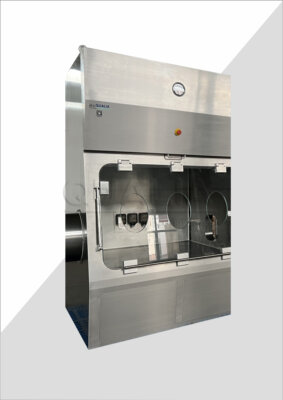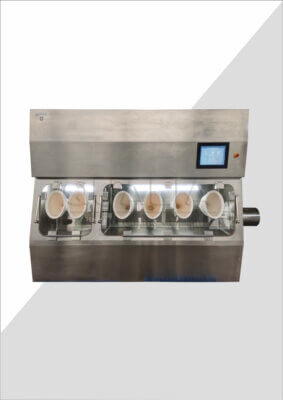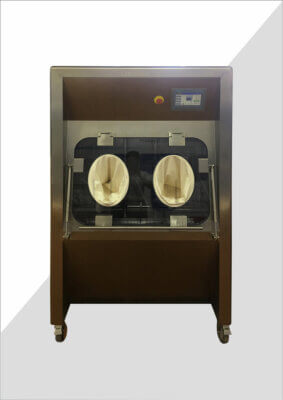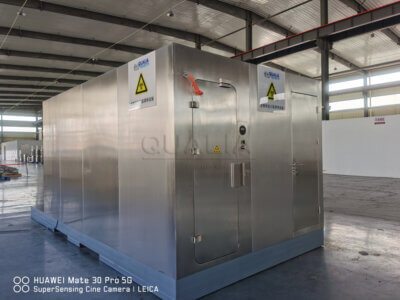
A obtenção da certificação ISO 5 (Classe 100) para uma sala limpa pré-fabricada é um requisito essencial e inegociável para operações de enchimento e acabamento asséptico. O desafio não está apenas em atender a um padrão de partículas, mas em projetar um ecossistema controlado que garanta a esterilidade desde o primeiro dia e a mantenha durante o ciclo de vida do produto. Erros no zoneamento, na estratégia de validação ou na seleção de parceiros podem levar a atrasos dispendiosos, falhas de conformidade e ineficiências operacionais que comprometem a qualidade do produto e a segurança do paciente.
O foco em soluções pré-fabricadas se intensificou. O escrutínio regulatório, especialmente sob estruturas revisadas como o Anexo 1 das BPF da UE, exige estratégias de controle de contaminação mais rigorosas. Ao mesmo tempo, as pressões do mercado para a implantação mais rápida de terapias avançadas tornam insustentáveis os cronogramas tradicionais de construção. A seleção e a implementação do ambiente modular ISO 5 correto é agora uma decisão estratégica que afeta a velocidade de colocação no mercado, o custo operacional e a agilidade regulatória de longo prazo.
Componentes principais de um projeto de sala limpa pré-fabricada ISO 5
Definição do mandato de desempenho da ISO 5
Um ambiente ISO 5 é definido por um limite rigoroso de partículas de ≤3.520 partículas (≥0,5µm) por metro cúbico. Isso não é alcançado por uma sala padrão com filtros adicionados. É necessário um sistema projetado para um fluxo de ar unidirecional (laminar) que se mova a aproximadamente 90 pés por minuto, gerado por filtros HEPA ou ULPA com eficiência de 99,99% a 0,3µm. A infraestrutura de suporte deve fornecer taxas de troca de ar excepcionalmente altas, normalmente entre 240 e 600 por hora, para manter esse controle. Todos os materiais, desde os painéis de parede de aço revestido até o piso de vinil soldado, devem ser resistentes a derramamentos e limpos para evitar a proliferação de contaminação.
O princípio da zona dentro de uma zona
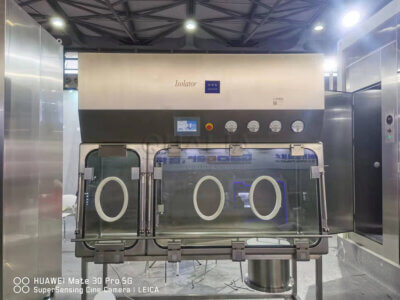
Um princípio de projeto crítico, muitas vezes mal compreendido, é que a ISO 5 é uma zona, não uma sala. A área crítica da ISO 5, como o ponto de enchimento, deve ser protegida em um ambiente de fundo de ISO 7 (Grau B) de pressão mais alta. Esse projeto de pressão em cascata e aninhado é o principal mecanismo de contenção, usando o fluxo de ar direcional para proteger a zona crítica contra a entrada de partículas. O desempenho do ambiente ISO 7 circundante é, portanto, fundamental; uma falha na cascata de pressão de fundo compromete diretamente a zona ISO 5, independentemente do desempenho do fluxo de ar interno.
Principais especificações técnicas e vantagens e desvantagens
A integração dos componentes cria o perfil de desempenho final. A taxa de troca de ar é o fator mais significativo do desempenho e do custo. A diferença de ordem de magnitude na ACH entre a ISO 5 e a ISO 7 se traduz diretamente em sistemas HVAC muito maiores e em gastos perpétuos com energia. Isso torna a classificação correta uma decisão crítica de controle de custos. A especificação excessiva de uma área como ISO 5 incorre em penalidades operacionais graves e permanentes sem agregar valor de segurança. O projeto deve equilibrar essas especificações com pontos de monitoramento integrados para rastreamento contínuo do diferencial de pressão, pois esses dados em tempo real são mais importantes para o controle diário da contaminação do que as contagens periódicas de partículas.
| Componente | Principais especificações | Função principal |
|---|---|---|
| Filtragem HEPA/ULPA | 99,99% a 0,3 µm | Criação de fluxo de ar unidirecional |
| Velocidade do fluxo de ar | ~90 pés por minuto | Varredura de contaminantes |
| Taxa de troca de ar (ACH) | 240 - 600 por hora | Controle de partículas |
| Limite de partículas (≥0,5µm) | ≤3.520 por m³ | Classificação ISO 5 |
| Materiais de construção | Aço revestido, FRP | Superfícies que não soltam pelos e que podem ser limpas |
Fonte: Anexo 1 das BPF da UE: Fabricação de produtos medicinais estéreis. Essa diretriz determina as condições ambientais e de projeto para zonas de Grau A/ISO 5, incluindo fluxo de ar unidirecional, taxas de troca de ar e limites de partículas essenciais para operações assépticas.
O processo de certificação ISO 5: Etapas do DQ ao PQ
A estrutura do ciclo de vida da validação
A certificação segue um ciclo de vida de validação rigoroso e em fases, alinhado com as expectativas regulatórias, começando com a Qualificação do Projeto (DQ). A DQ confirma que o projeto pré-fabricado atende a todas as Especificações de Requisitos do Usuário (URS), que devem abranger não apenas os padrões de partículas da ISO 14644-1, mas também os requisitos integrados de padrões como ISO 13408-1 para processamento asséptico. Uma vantagem fundamental da construção modular é que ela separa a validação da construção. Os sistemas críticos passam por testes de aceitação de fábrica (FAT) fora do local, comprovando o fluxo de ar, a integridade do filtro e o controle de pressão antes do envio. Isso transfere uma carga significativa de qualificação para o início do processo, reduzindo o risco do cronograma do projeto ao resolver problemas de desempenho em um ambiente de fábrica controlado.
Fases críticas de qualificação no local
No local, a Qualificação de Instalação (IQ) verifica se o módulo está instalado corretamente de acordo com o projeto aprovado. Em seguida, a Qualificação Operacional (OQ) testa a sala vazia e “em repouso”. Os principais testes de OQ incluem varreduras de integridade do filtro HEPA, testes de uniformidade de volume e velocidade do fluxo de ar e o teste definitivo de contagem de partículas não viáveis para comprovar a conformidade com a ISO 5. É essencial entender que as classificações “em repouso” versus “em operação” definem o verdadeiro desempenho. Os órgãos reguladores exigem condições mais limpas “em repouso” para garantir que o ambiente possa suportar o estresse operacional. Portanto, a Qualificação de Desempenho (PQ) é fundamental, testando a sala em condições dinâmicas de “operação” com processamento simulado para validar o tempo de recuperação e a conformidade sustentada.
| Fase de qualificação | Atividade principal | Principais resultados |
|---|---|---|
| Qualificação do projeto (DQ) | Confirmação da URS | Especificações de projeto aprovadas |
| Aceitação de fábrica (FAT) | Teste de sistema fora do local | Prova de desempenho antes da remessa |
| Qualificação de instalação (IQ) | Verificação da instalação no local | Documentação as-built |
| Qualificação operacional (OQ) | “Teste de desempenho ”em repouso" | Prova de contagem de partículas ISO 5 |
| Qualificação de desempenho (PQ) | “Simulação ”em operação | Validação de conformidade sustentada |
Fonte: Anexo 1 das BPF da UE: Fabricação de produtos medicinais estéreis. O Anexo 1 exige explicitamente uma abordagem de qualificação estruturada (DQ, IQ, OQ, PQ) para demonstrar que a sala limpa é adequada para o uso pretendido e mantém as condições ambientais necessárias.
Como projetar o zoneamento de sua sala limpa para preenchimento e acabamento
Implementação de um regime de pressão em cascata
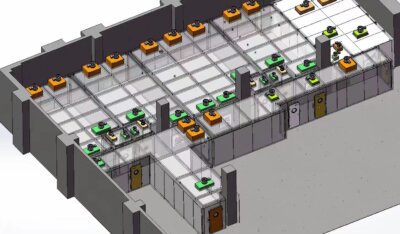
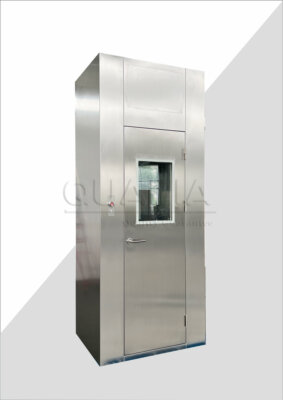
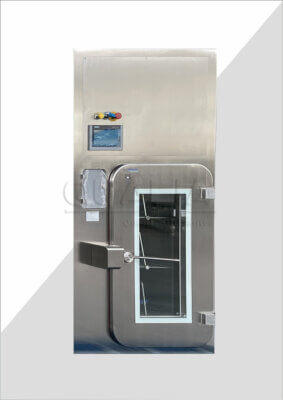
O zoneamento eficaz cria um ecossistema controlado. Um conjunto típico de enchimento e acabamento é dividido em cascatas, desde o Grau D (ISO 8) para preparação, passando pelo Grau C (ISO 7) para preparação, até um fundo de Grau B (ISO 7 em operação). A zona central de Grau A (ISO 5) reside dentro desse ambiente de Grau B. Os módulos pré-fabricados são excelentes aqui, pois cada classe ISO pode ser uma unidade autônoma com HVAC integrado, conectada por meio de câmaras de ar pressurizadas e passagens para manter a integridade da cascata. A estratégia de zoneamento deve levar em conta o fato de que as estruturas regulatórias impõem requisitos além da ISO. Embora a ISO 14644-1 defina limites de partículas, as cGMP e o Anexo 1 da UE impõem exigências adicionais para o monitoramento microbiano, procedimentos de vestimenta e fluxos unidirecionais de material e pessoal.
Uso estratégico de zonas de suporte
Os espaços de grau C e D surgem como amortecedores críticos de flexibilidade. Ao projetar essas zonas de suporte de classificação inferior com partições reconfiguráveis e não permanentes, elas podem absorver tarefas não críticas, preparação de equipamentos e ajustes no fluxo de trabalho. Essa abordagem estratégica protege o núcleo ISO 5/7 validado e de alto custo de mudanças perturbadoras que desencadeariam uma revalidação cara e demorada. De acordo com minha experiência, os projetos que tratam essas zonas de suporte como uma reflexão tardia geralmente enfrentam gargalos operacionais significativos e eventos de requalificação inesperados ao aumentar a produção.
Integração do fluxo de materiais e de pessoal
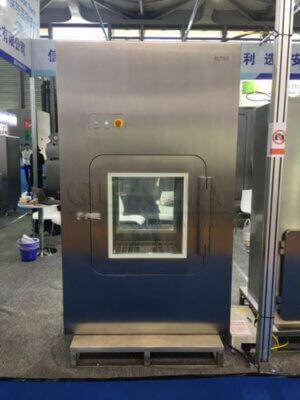
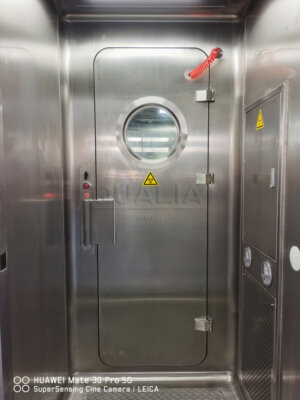
O zoneamento é ineficaz sem fluxos controlados. O projeto deve impor uma progressão lógica e unidirecional de materiais e pessoal das classificações mais baixas para as mais altas, com etapas de descontaminação apropriadas em cada transição. As eclusas de ar não são apenas portas; elas são componentes essenciais para manter os diferenciais de pressão e executar os procedimentos de vestimenta. O projeto deve proporcionar uma separação clara entre corredores limpos e sujos e definir caminhos precisos para a remoção de resíduos a fim de evitar a contaminação cruzada.
Validação e manutenção da conformidade com a ISO 5 ao longo do tempo
Estabelecimento do programa de controle contínuo
A certificação inicial é o começo. A conformidade sustentada exige um programa robusto de monitoramento e requalificação definido de acordo com ISO 14644-5:2025. O monitoramento de rotina inclui contagem contínua de partículas não viáveis, rastreamento do diferencial de pressão e registro de parâmetros ambientais. A amostragem regular de ar e superfície microbiana viável é obrigatória. A requalificação periódica, normalmente a cada 6 a 12 meses para a ISO 5, repete os principais testes de OQ, como a integridade do filtro e a contagem de partículas, para reconfirmar o cumprimento do padrão.
A mudança para o monitoramento ambiental contínuo
O futuro da conformidade são os sistemas de dados integrados. Os Sistemas de Monitoramento Ambiental Contínuo (EMS) fornecem provas auditáveis e em tempo real de um estado de controle, oferecendo uma garantia mais robusta do que apenas testes periódicos. Essa infraestrutura digital se transforma de um custo de conformidade em um ativo estratégico, permitindo a manutenção preditiva e a garantia de qualidade superior. A manutenção eficaz se baseia no princípio de que a cascata de pressão é o mecanismo de contenção inegociável, tornando o monitoramento contínuo da pressão com alarmes uma prioridade diária mais alta para evitar eventos de contaminação do que a contagem de partículas.
| Atividade | Parâmetro / Frequência | Objetivo de controle |
|---|---|---|
| Monitoramento contínuo | Partículas não viáveis, pressão | Estado de controle em tempo real |
| Monitoramento viável | Amostragem de ar e superfície (rotina) | Controle de contaminação microbiana |
| Teste de integridade do filtro | A cada 6-12 meses | Verificação do selo HEPA/ULPA |
| Requalificação completa | A cada 6-12 meses | Reconfirmação da norma ISO 5 |
| Diferencial de pressão | Contínuo com alarmes | Integridade da cascata de contenção |
Fonte: ISO 14644-5:2025. Essa norma fornece os requisitos operacionais para salas limpas, incluindo frequências de monitoramento, métodos de teste e atividades de manutenção necessárias para garantir a conformidade contínua com as classes de limpeza especificadas, como a ISO 5.
Comparação entre salas limpas pré-fabricadas e salas limpas tradicionais construídas em palito
Cronograma do projeto e perfil de risco
A escolha entre salas limpas pré-fabricadas e construídas em palito afeta fundamentalmente o risco e o cronograma do projeto. A construção em palito envolve a montagem sequencial de matérias-primas no local, o que leva a cronogramas mais longos e vulneráveis a atrasos na coordenação comercial e ao clima. A validação é totalmente dependente da mão de obra no local. As salas limpas pré-fabricadas são fabricadas fora do local, paralelamente à preparação do local, reduzindo o caminho crítico. Essa abordagem transfere a vantagem competitiva para a velocidade, permitindo a implementação da capacidade de conformidade em semanas ou meses, em vez de anos, para uma resposta mais rápida à produção de material para testes clínicos ou às oportunidades de mercado.
Validação e garantia de qualidade
O projeto modular desvincula a validação da construção. Com o Teste de Aceitação de Fábrica (FAT) abrangente que documenta o desempenho do sistema antes do envio, o processo de IQ/OQ/PQ no local é simplificado e mais previsível. Isso reduz significativamente o risco do projeto. Os projetos de construção fixa não têm esse ponto de prova fora do local, tornando sua validação totalmente dependente da qualidade da construção no local, que é mais difícil de controlar e documentar.
| Critérios | Pré-fabricado (Modular) | Construção tradicional em palito |
|---|---|---|
| Cronograma do projeto | Semanas a meses | Meses a anos |
| Risco de validação | Menor (FAT transfere a carga) | Maior (dependendo do trabalho no local) |
| Local de construção | Fábrica controlada | Montagem no local |
| Previsibilidade do cronograma | Alta | Baixo (atrasos na coordenação comercial) |
| Principais vantagens | Velocidade de colocação no mercado | Integração arquitetônica personalizada |
Fonte: Documentação técnica e especificações do setor.
Orçamento para seu projeto: Considerações sobre custos e ROI
Análise de despesas operacionais e de capital
O orçamento requer uma perspectiva de custo total de propriedade. Os principais fatores de despesas de capital (CapEx) incluem os módulos de sala limpa, HVAC integrado com controles redundantes, filtragem HEPA/ULPA e serviços de validação. As despesas operacionais (OpEx) são dominadas pelo consumo de energia necessário para alimentar o fluxo de ar de alto volume para 240-600 ACH, juntamente com a substituição do filtro e o monitoramento contínuo. A percepção de custo mais importante é que as taxas de troca de ar determinam os custos operacionais e de energia. A classificação excessiva de um espaço incorre em graves penalidades perpétuas.
Cálculo do retorno real do investimento
O ROI de uma abordagem pré-fabricada é calculado com base na velocidade de colocação no mercado, e não apenas no custo inicial. Uma implementação mais rápida pode levar a uma geração de receita mais rápida a partir de novas terapias, muitas vezes superando qualquer diferencial de custo inicial. A escolha de um fornecedor pronto para uso para seu laboratório móvel de alta contenção pode reduzir os custos do ciclo de vida, minimizando os riscos de integração de vários fornecedores e garantindo a responsabilidade de uma única fonte para todo o ambiente validado.
| Categoria de custo | Principais motivadores | Principais considerações |
|---|---|---|
| Despesas de capital (CapEx) | Módulos, HVAC, HEPA, validação | Integração de um único fornecedor versus integração de vários fornecedores |
| Despesas operacionais (OpEx) | Energia (240-600 ACH), substituição do filtro | Alta carga de energia permanente |
| Fator de cálculo do ROI | Aceleração da velocidade de colocação no mercado | Geração de receita de terapia anterior |
| Penalidade de custo | Classificação excessiva do espaço | Aumento perpétuo e grave de OpEx |
| Estratégia de custo do ciclo de vida | Seleção de provedor turnkey | Responsabilidade de fonte única |
Fonte: Documentação técnica e especificações do setor.
Selecionando o parceiro certo para salas limpas modulares
Avaliação da capacidade técnica e regulatória
A seleção de um fornecedor é uma decisão estratégica. Vá além da construção básica e procure parceiros que ofereçam ambientes validados e com garantia de desempenho. Os critérios essenciais incluem um histórico comprovado em aplicações assépticas farmacêuticas, suporte interno de engenharia e validação e pacotes de documentação transparentes, desde o FAT até a qualificação do local. O parceiro deve demonstrar que entende que a ISO 5 é uma zona, não uma sala, garantindo que sua solução se integre a uma estratégia mais ampla de controle de contaminação.
O imperativo do provedor turnkey
O mercado está se consolidando em torno de fornecedores prontos para uso. A complexidade da integração de arquitetura, HVAC, controles e validação impulsiona a demanda por soluções de fonte única. Isso marginaliza os fornecedores de componentes que não podem oferecer um ambiente totalmente garantido. O setor de compras deve avaliar os fornecedores com base na garantia de conformidade do ciclo de vida total, e não apenas nas especificações do equipamento. Um parceiro qualificado também oferecerá soluções dimensionáveis, atendendo à necessidade de zonas de suporte flexíveis, permitindo a reconfiguração futura sem afetar o núcleo validado.
Próximas etapas: Como iniciar seu projeto de certificação ISO 5
Iniciar com uma abordagem estruturada e multifuncional. Reúna uma equipe central de qualidade, instalações, engenharia e produção para desenvolver Especificações de Requisitos do Usuário (URS) abrangentes. Esse documento deve definir padrões de partículas e integrar todos os mandatos regulamentares relevantes para controle e fluxos microbianos. Envolva-se com possíveis fornecedores turnkey desde o início para o projeto conceitual e o orçamento. Aproveite a experiência deles para otimizar o zoneamento. Priorize os fornecedores que demonstrem como o projeto modular desvincula a validação da construção, fornecendo protocolos FAT claros. Por fim, desenvolva um plano de projeto integrado que vincule a fabricação do módulo, a preparação do local, a instalação e o ciclo de vida da validação, com o objetivo claro de reduzir os cronogramas para acelerar o caminho do seu produto até o mercado.
O sucesso do seu projeto depende de três decisões fundamentais: adotar uma filosofia de design "zona dentro de uma zona" desde o início, selecionar um parceiro com base na garantia de conformidade do ciclo de vida em vez do menor custo e aproveitar a pré-fabricação como uma estratégia de redução do cronograma. Um passo em falso em qualquer uma dessas áreas introduz riscos e atrasos desnecessários.
Precisa de um parceiro que ofereça ambientes ISO 5 validados e de alto desempenho com a velocidade e a certeza que seu programa exige? Explore as soluções projetadas e a metodologia de projeto em QUALIA. Entre em contato com nossa equipe técnica para discutir sua aplicação específica de acabamento de enchimento e o cronograma do projeto.
Perguntas frequentes
P: Como você projeta o sistema de tratamento de ar para atender aos limites de partículas da ISO 5 para enchimento asséptico?
R: Para obter a classificação ISO 5, é necessário um sistema que forneça de 240 a 600 trocas de ar por hora (ACH) usando filtros HEPA montados no teto que ofereçam eficiência de 99,99% a 0,3µm. Isso cria o fluxo de ar unidirecional necessário, movendo-se a aproximadamente 90 pés por minuto para varrer as partículas da zona crítica. Para projetos em que a eficiência energética é uma prioridade, é necessário dimensionar cuidadosamente o sistema HVAC, já que esse ACH extremo é o principal fator dos custos operacionais de longo prazo.
P: Qual é a principal diferença entre a validação de uma sala limpa pré-fabricada e uma sala limpa tradicional construída em palito?
R: A principal vantagem é que o projeto modular desvincula a validação da construção. Os principais sistemas, como o fluxo de ar e a integridade do filtro, são submetidos ao Teste de Aceitação de Fábrica (FAT) fora do local antes do envio, transferindo a carga de qualificação para o início e reduzindo o risco do cronograma do projeto. Isso significa que as instalações com cronogramas de lançamento agressivos devem priorizar fornecedores que ofereçam protocolos FAT abrangentes, pois isso agiliza o processo de IQ/OQ/PQ no local e proporciona resultados de certificação mais previsíveis.
P: Por que a cascata de pressão é mais importante para o controle diário de contaminação do que a contagem de partículas?
R: O diferencial de pressão mantido entre as zonas adjacentes da sala limpa atua como um mecanismo de contenção inegociável, criando um bloqueio de ar direcional que impede a entrada de contaminantes. Embora as contagens periódicas de partículas comprovem a classificação, o monitoramento contínuo da pressão com alarmes oferece defesa em tempo real contra violações. Isso significa que os procedimentos operacionais padrão da sua instalação devem tratar o monitoramento da pressão como uma prioridade diária mais alta para evitar eventos de contaminação do que os testes de partículas programados.
P: Como nossa estratégia de zoneamento deve levar em conta os requisitos da ISO 14644 e das BPF farmacêuticas?
R: Seu projeto deve integrar padrões em camadas, usando a ISO 14644-1 para limites de partículas e, ao mesmo tempo, atender a exigências mais rigorosas de monitoramento microbiano, vestimentas e fluxos de materiais de normas como Anexo 1 das BPF da UE. Uma abordagem aninhada, em que uma zona ISO 5 (Grau A) é protegida por um fundo ISO 7 (Grau B), é essencial. Se a sua operação envolve produtos estéreis, planeje essa estratégia holística de controle de contaminação desde a fase inicial do projeto para evitar adaptações dispendiosas.
P: Quais são as considerações sobre o custo total de propriedade de uma sala limpa pré-fabricada ISO 5?
R: O orçamento exige a avaliação das despesas de capital (CapEx) para o sistema modular e o HVAC integrado, e das despesas operacionais (OpEx), dominadas pela energia necessária para 240-600 ACH. O retorno do investimento para a pré-fabricação é geralmente calculado com base na velocidade de colocação no mercado, em que a implantação mais rápida acelera a receita. Isso significa que, para projetos que envolvem materiais de testes clínicos ou terapias de rápida evolução, a vantagem competitiva dos cronogramas reduzidos pode superar qualquer diferencial de custo inicial em relação às construções tradicionais.
P: Quais critérios devemos usar para selecionar um parceiro de sala limpa modular para processamento asséptico?
R: Selecione um fornecedor pronto para uso com um histórico farmacêutico comprovado, suporte interno de engenharia e validação e pacotes de documentação transparentes desde o FAT até a qualificação do local. O parceiro deve entender que a ISO 5 é uma zona dentro de um ecossistema controlado maior, e não apenas uma sala isolada. Para garantir a conformidade a longo prazo, você deve priorizar fornecedores que ofereçam ambientes validados e com garantia de desempenho em vez daqueles que competem apenas com base nas especificações do equipamento ou no menor custo inicial.
P: Como a classificação “em repouso” versus “em operação” afeta nossa qualificação de desempenho?
R: Estruturas regulatórias como Anexo 1 das BPF da UE exigem estados de “repouso” mais limpos para garantir que o ambiente possa suportar o estresse operacional. Portanto, a Qualificação de Desempenho (PQ) deve testar a sala limpa em condições dinâmicas de “operação” com processamento simulado para validar o tempo de recuperação e a conformidade sustentada. Isso significa que o ciclo de vida da validação deve incluir PQ com simulações de pessoal e equipamentos, e não apenas testes de OQ em uma sala vazia, para comprovar a verdadeira robustez operacional.
Conteúdo relacionado:
- Laboratórios BSL-3 pré-fabricados: Soluções de implantação rápida
- ISO 14644-1 Requisitos de classificação para salas limpas pré-fabricadas: padrões de projeto e especificações de contagem de partículas ISO 4 a ISO 8
- O Guia Completo de Salas Limpas Pré-fabricadas para Instalações Farmacêuticas e de Biotecnologia: Padrões, projeto e análise de ROI
- Custo de sala limpa pré-fabricada por pé quadrado: Dados reais de orçamento por classe ISO e setor
- Sala limpa pré-fabricada versus construção tradicional em palito: 12 Diferenças de custo, cronograma e desempenho para setores regulamentados
- ROI de eficiência energética: Custos operacionais de salas limpas pré-fabricadas versus tradicionais ao longo de um ciclo de vida de 15 anos
- Isoladores de biossegurança: Guia de Conformidade com a ISO 14644
- ISO 14644 e gabinetes de biossegurança: Padrões de ar limpo
- Padrões ISO para cRABS: Garantia de qualidade farmacêutica