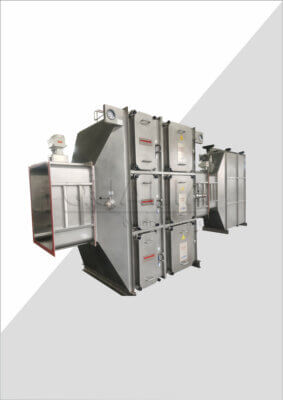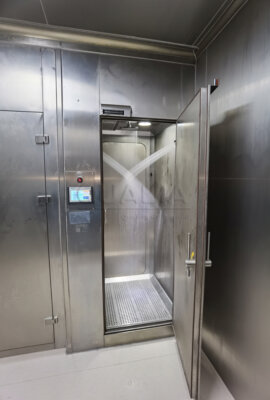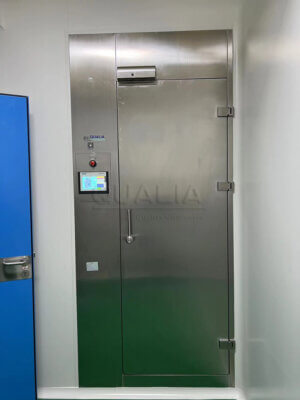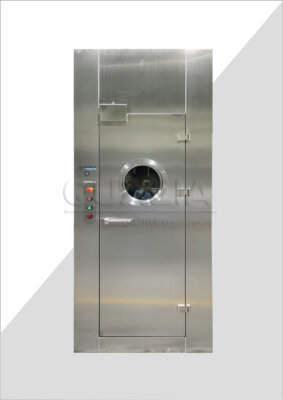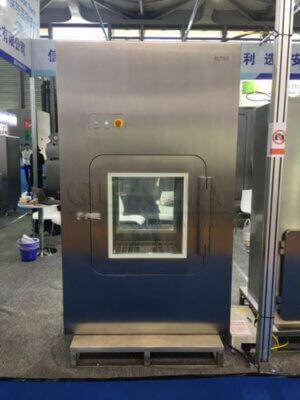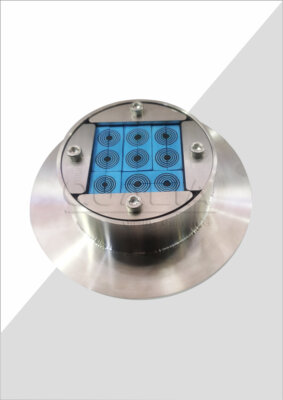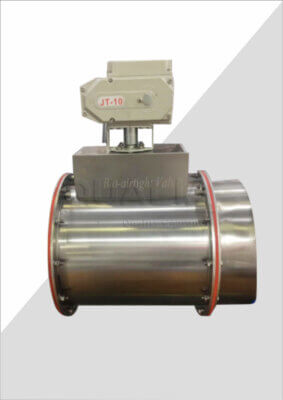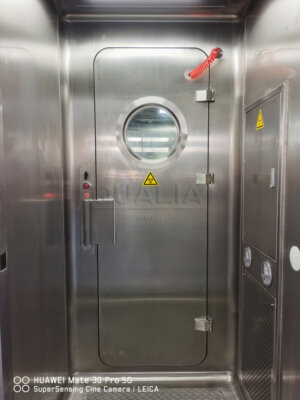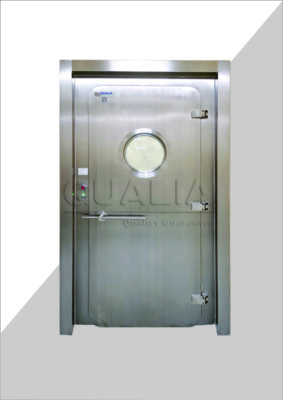

Para a fabricação estéril, o ponto crítico de falha geralmente não é o filtro HEPA ou a vestimenta da sala limpa - é a vedação dinâmica da porta. Uma vedação inflável mal instalada ou especificada compromete as cascatas de pressão, invalida os ciclos de biodescontaminação e introduz caminhos diretos de contaminação em ambientes de Grau A/B. A suposição de que se trata de simples gaxetas pneumáticas leva a falhas de validação e a interrupções de produção dispendiosas.
O Anexo 1 atualizado das BPF da UE aumentou fundamentalmente os riscos. Ele redefine as câmaras de ar como salas limpas ativamente controladas, exigindo filosofias mais rígidas de segregação e intertravamento. Isso transforma a instalação do selo inflável de uma tarefa mecânica em um procedimento validado e crítico para o sistema. Fazer isso corretamente agora é um pré-requisito para a conformidade regulamentar e a integridade operacional.
Projeto de pré-instalação e requisitos de BPF para vedações infláveis
Definição da estratégia de controle de contaminação
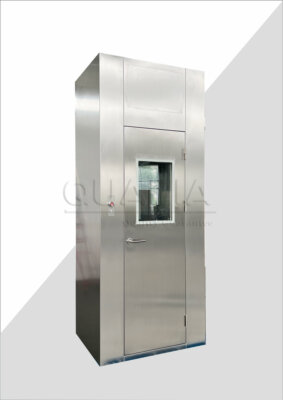
O protocolo de instalação começa com o projeto, que deve ser orientado pela Estratégia de Controle de Contaminação validada da instalação. As vedações infláveis não são apenas barreiras; elas são componentes ativos para manter a pressão diferencial e permitir uma descontaminação eficaz. O projeto deve responder a uma pergunta fundamental: trata-se de uma eclusa de ar para pessoal ou material? De acordo com a pesquisa das diretrizes regulatórias, os erros comuns incluem usando um único projeto de eclusa de ar para ambas as funções, o que introduz um risco significativo de contaminação cruzada e cria uma carga de validação insustentável. Para zonas de Grau A/B, câmaras de ar dedicadas e unidirecionais são a única opção estratégica que se alinha aos princípios do Anexo 1.
Navegando pelos mandatos do Anexo 1 para o projeto da câmara de compressão
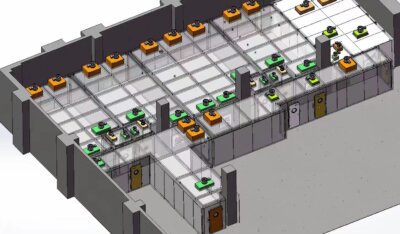
A versão atualizada Anexo 1 das BPF da UE: Fabricação de produtos medicinais estéreis exige o fornecimento de ar com filtro HEPA ativo em todas as câmaras de ar. Isso as eleva a salas limpas em miniatura, aumentando o custo de capital e a complexidade da validação. O projeto do selo deve suportar esse controle ativo. Para câmaras de ar de materiais que servem como câmaras de descontaminação, a vedação deve alcançar integridade hermética para conter biocidas. Para câmaras de ar de pessoal que exigem espaços graduados sequenciais, o tempo de resposta e a confiabilidade da vedação afetam diretamente a estabilidade da cascata de pressão. Detalhes facilmente negligenciados incluem o design da moldura da porta e do canal de montagem, que deve acomodar o perfil de inflação total da vedação sem beliscar ou amassar, uma fonte comum de falha prematura.
Procedimento de instalação passo a passo para selos em conformidade com GMP
Protocolo de montagem mecânica e alinhamento
Uma instalação metódica e limpa não é negociável. Comece isolando o sistema da porta e desengordurando e limpando completamente o canal de montagem. Faça um ajuste a seco da vedação, garantindo que ela fique completamente plana, sem torções ou dobras. A fixação permanente deve usar as ferragens especificadas pelo fabricante, começando do centro de cada lado e indo para fora para evitar deformações e garantir a distribuição uniforme da pressão. O aperto excessivo dos fixadores é um erro frequente que pode distorcer o perfil da vedação ou danificar o elastômero, criando um caminho de vazamento desde o primeiro dia.
Integração de sistemas pneumáticos e de controle
Conecte o suprimento de ar do instrumento por meio de um filtro e regulador em linha para garantir uma pressão limpa, seca e consistente. A etapa crítica é a integração do sistema pneumático com o controlador lógico programável (PLC) da porta. A lógica de controle deve ser programada para que a vedação infle antes de a braçadeira da porta é engatada e esvaziada somente após o grampo é totalmente liberado. Essa sequência precisa protege a vedação contra danos por cisalhamento. Além disso, o sensor de pressão da vedação deve ser conectado ao circuito de intertravamento. Em nossa experiência de modernização de instalações antigas, a negligência em tornar a pressão da vedação uma condição permissiva para a operação da porta é a falha de controle mais comum, deixando o sistema vulnerável a falhas não detectadas.
Protocolos de teste, verificação e validação pós-instalação
Testes funcionais e de integridade
O teste pós-instalação passa da verificação para a validação. Comece com os testes funcionais básicos: faça o ciclo da vedação de 50 a 100 vezes, verificando a inflação total e uniforme e a deflação completa. O teste fundamental é o de estanqueidade, realizado por meio de um método de decaimento de pressão na câmara vedada. A taxa de vazamento medida deve atender aos critérios de aceitação predefinidos, geralmente fazendo referência às classificações de ISO 10648-2 Gabinetes de contenção - Parte 2. Esse teste valida a integridade da vedação primária e é um pré-requisito para todas as qualificações subsequentes.
Integração à qualificação operacional (OQ)
A qualificação operacional integra a vedação ao sistema de eclusa de ar mais amplo. Os testes devem verificar se a operação da vedação suporta a manutenção da cascata de pressão durante os ciclos da porta e se seu status está corretamente integrado à lógica de intertravamento da porta. Crucialmente, o desempenho da vedação é fundamental para validar a eficácia do ciclo de descontaminação. Uma câmara não pode ser validada para VHP ou outros biocidas gasosos sem antes comprovar a integridade hermética. A tabela a seguir descreve as fases críticas desse protocolo pós-instalação.
Protocolos de teste, verificação e validação pós-instalação
| Fase de teste | Teste-chave | Critérios de desempenho |
|---|---|---|
| Funcional | Ciclos de inflação/deflação | Operação uniforme e completa |
| Integridade | Método de decaimento de pressão | Taxa de vazamento validada |
| Qualificação (OQ) | Lógica de intertravamento do sistema | Manutenção da cascata de pressão |
| Validação | Eficácia do ciclo de descontaminação | Integridade do selo hermético |
Fonte: ISO 10648-2 Gabinetes de contenção - Parte 2. Essa norma define as classificações de estanqueidade e os métodos de teste associados, como o decaimento de pressão, que são diretamente aplicáveis para validar a integridade hermética da vedação após a instalação.
Desenvolvimento de SOPs e de um cronograma de manutenção preventiva
Da instalação à operação sustentável
Uma documentação robusta transforma uma instalação bem-sucedida em uma conformidade sustentável. Atualize todos os desenhos as-built, esquemas pneumáticos e listas de instrumentos para refletir a instalação final. Desenvolva POPs claros e acionáveis para operação de rotina, inspeção visual e manutenção básica. Os POPs devem detalhar a sequência correta de operações e especificar agentes de limpeza compatíveis que não degradarão o elastômero da vedação.
Implementação de um programa de confiabilidade preditiva
Considerando que a falha do selo pode interromper a produção estéril, uma estratégia de substituição reativa acarreta um risco inaceitável. O gerenciamento do ciclo de vida deve evoluir para um programa preditivo. Uma programação de manutenção preventiva deve incluir inspeções visuais trimestrais para verificar se há cortes, abrasões ou degradação química, verificações funcionais semestrais do tempo de inflação/deflação e testes periódicos de vazamento. Os especialistas do setor recomendam estabelecendo um cronograma de substituição com base nos dados de ciclo de vida do fabricante e em sua frequência de ciclo e exposição química específicas. Essa abordagem proativa minimiza o tempo de inatividade não planejado e evita falhas não contidas na barreira das suas zonas mais críticas.
Principais critérios de seleção de materiais: Silicone vs. FKM vs. EPDM
As implicações estratégicas da escolha do elastômero
A seleção do material da vedação determina o envelope operacional, a resistência química e a vida útil final. Essa escolha é estratégica, não apenas técnica. O elastômero deve resistir não apenas ao ambiente da sala limpa, mas também aos produtos químicos agressivos usados na limpeza (esporicidas, álcoois) e à biodescontaminação (peróxido de hidrogênio vaporizado). A seleção do material errado leva ao endurecimento prematuro, rachaduras e perda da força de vedação, resultando em falha na validação.
Comparação das opções de elastômeros primários
Comparamos os principais elastômeros e descobrimos que que atendem a um nicho operacional distinto. O silicone oferece a mais ampla faixa de temperatura e boa resistência química geral, o que o torna um padrão versátil para muitas aplicações de GMP. O fluoroelastômero (FKM/Viton) é essencial para processos de alta temperatura ou exposição a solventes agressivos. O EPDM oferece excelente resistência a vapor e intempéries, mas geralmente é menos adequado para aplicações estéreis críticas. O setor de compras deve priorizar fornecedores que forneçam materiais com certificações relevantes, como conformidade com a FDA e USP Classe VI, que indicam um processo de fabricação controlado e de grau farmacêutico. A tabela a seguir resume os principais critérios de decisão.
Principais critérios de seleção de materiais: Silicone vs. FKM vs. EPDM
| Material | Propriedade principal | Aplicativo principal |
|---|---|---|
| Silicone | -60°C a +200°C | Ampla faixa de temperatura |
| FKM (Viton) | Até 250°C | Produtos químicos agressivos |
| EPDM | Boa resistência ao vapor | Aplicativos menos críticos |
| Todos | FDA, USP Classe VI | Certificações necessárias |
Fonte: Documentação técnica e especificações do setor.
Integração do controle de vedação com intertravamentos e alarmes de eclusa de ar
Intertravamentos obrigatórios para zonas críticas
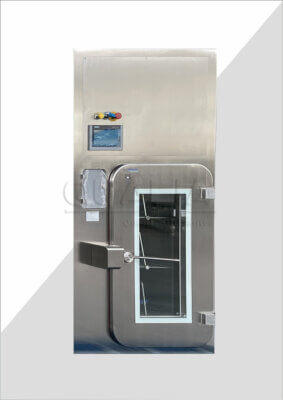
A integração do sistema é onde os componentes individuais se tornam um sistema de controle em conformidade. Para portas que protegem áreas de grau A e B, as BPF exigem intertravamentos com fio ou software para evitar a abertura simultânea. O status do selo inflável deve ser uma parte fundamental dessa lógica de intertravamento. A regra é simples: a perda de pressão do selo deve impedir que a porta seja destravada e aberta. Essa integração exige que o interruptor de pressão do selo envie um sinal de permissão para o PLC.
Estratégias de alarme e sequência de descontaminação
Para áreas de grau C e D, os alarmes podem ser aceitáveis como requisito mínimo, mas o intertravamento continua sendo a melhor prática. A integração se torna mais complexa para um SAS de descontaminação. Nesse caso, o sistema de controle deve gerenciar um processo sequenciado: a vedação é inflada, a porta é fixada, o ciclo de biocida é iniciado, a câmara é aerada, a vedação é desinflada, a porta é desinflada. Isso transforma uma simples porta em uma unidade de processo automatizada. A lógica de controle para esse tipo de Vedação pneumática de porta de grau GMP devem ser tolerantes a falhas e incluir alarmes sonoros/visuais para qualquer desvio na sequência ou perda de pressão.
Integração do controle de vedação com intertravamentos e alarmes de eclusa de ar
| Grau da zona | Requisito de controle | Regra de integração do selo |
|---|---|---|
| Grau A/B | Intertravamentos obrigatórios | Impedir a abertura simultânea |
| Grau C/D | Alarmes mínimos | Alerta sobre falha na vedação |
| Todas as séries | Lógica baseada em PLC | Inflação antes da fixação |
| Decon. SAS | Controle automatizado de processos | Gerencia os ciclos de biocidas |
Fonte: Anexo 1 das BPF da UE: Fabricação de produtos medicinais estéreis. O anexo exige filosofias rígidas de segregação e intertravamento para câmaras de ar, definindo os requisitos do sistema de controle no qual o status da vedação inflável deve ser integrado como uma condição permissiva.
Validação da eficácia do ciclo de descontaminação e da estanqueidade
A Fundação: Integridade da Câmara
Para a transferência de materiais para zonas de Grau A/B, a câmara de vácuo é uma câmara de descontaminação validada. Nesse contexto, a vedação inflável é o facilitador essencial de todo o processo biocida. A cadeia de validação começa com a estanqueidade. Um teste de decaimento de pressão, de acordo com os métodos da norma ISO 10648-2, confirma a integridade hermética da câmara. Sem essa confirmação da estanqueidade, qualquer validação subsequente do ciclo de biodescontaminação é fundamentalmente falha, pois os biocidas não podem ser mantidos na concentração e no tempo de contato necessários.
Possibilitando ciclos automatizados reproduzíveis
A integridade validada permite a qualificação do próprio ciclo de descontaminação. O impulso para a padronização está impulsionando a adoção de ciclos totalmente automatizados, controlados por sensores e gerenciados por PLCs. Esses sistemas fornecem trilhas de auditoria completas, atendendo às expectativas mais elevadas de integridade dos dados e reduzindo o erro humano. A operação confiável do selo é incorporada a essa sequência automatizada, garantindo que cada transferência seja reproduzível. A tabela abaixo relaciona os componentes de validação.
Validação da eficácia do ciclo de descontaminação e da estanqueidade
| Componente de validação | Pré-requisito | Resultado |
|---|---|---|
| Integridade da Câmara | Teste de decaimento de pressão | Estanqueidade confirmada |
| Eficácia do biocida (por exemplo, VHP) | Integridade da vedação hermética | Concentração efetiva contida |
| Padronização de processos | Ciclos automatizados e controlados por sensores | Transferências reproduzíveis |
| Integridade dos dados | PLC com trilha de auditoria completa | Redução de erros humanos |
Fonte: ISO 10648-2 Gabinetes de contenção - Parte 2. A classificação e o teste de estanqueidade que ele fornece são o pré-requisito fundamental para validar que uma câmara de descontaminação pode conter biocidas nas concentrações necessárias para um tempo de contato eficaz.
Criação da especificação do projeto e da lista de verificação do fornecedor
Criação de uma especificação técnica abrangente
Uma especificação detalhada do projeto é sua principal ferramenta de mitigação de riscos. Ela deve ir além das dimensões básicas e incluir: classe de estanqueidade exigida (referenciando a ISO 10648-2), certificações de materiais (FDA, USP Classe VI), tolerâncias de tempo de inflação/deflação, pontos de integração de sensores e controle (por exemplo, saída de pressão de 4-20 mA, sinais digitais permissivos) e compatibilidade com agentes específicos de limpeza e descontaminação. Esse documento se torna a base objetiva para a seleção de fornecedores e testes de aceitação de fábrica.
Avaliação da capacidade do fornecedor e do suporte ao ciclo de vida
A lista de verificação do fornecedor deve avaliar a capacidade técnica, os sistemas de qualidade e o suporte de longo prazo. Priorize fornecedores com certificações relevantes em vários setores (ISO 9001, ISO 13485) que demonstrem um gerenciamento de qualidade maduro. Avalie sua capacidade de oferecer suporte ao ciclo de vida completo, desde a supervisão da instalação até peças de reposição e solução de problemas. Como o Anexo 1 forçará atualizações generalizadas das instalações antigas, um diferencial importante é a experiência do fornecedor em oferecer serviços de retrofit prontos para uso - incluindo desmontagem, atualização e suporte à requalificação - que podem ser um caminho mais estratégico e econômico para a conformidade do que uma construção totalmente nova.
A instalação de um selo inflável em conformidade com as BPF é uma sequência validada, não uma tarefa única. Priorize a integração do status do selo em sua lógica de intertravamento e a confirmação da estanqueidade antes de qualquer validação de descontaminação. A seleção do material deve ser uma decisão estratégica baseada em todo o ciclo de vida químico e térmico, e não apenas no custo inicial. Por fim, trate a vedação como um instrumento essencial em sua programação de manutenção preventiva para evitar falhas catastróficas não contidas.
Precisa de orientação profissional para especificar, instalar e validar sistemas de vedação de portas para a atualização de sua suíte estéril? A equipe de engenharia da QUALIA é especializada em traduzir os requisitos do Anexo 1 em soluções de barreira confiáveis e em conformidade. Entre em contato conosco para discutir a especificação do seu projeto e o processo de avaliação de fornecedores.
Perguntas frequentes
P: Como o Anexo 1 atualizado afeta o projeto e a validação de câmaras de ar que usam vedações infláveis?
R: A versão revisada Anexo 1 das BPF da UE exige ar com filtro HEPA ativo em todas as câmaras de ar, transformando-as efetivamente em salas limpas com controle ativo. Essa mudança aumenta o gasto de capital e o escopo de validação, exigindo uma segregação mais rígida entre os projetos de câmaras de ar de pessoal e de material. Para projetos de atualização de instalações antigas, é necessário orçar custos de validação mais altos e considerar câmaras de ar separadas e dedicadas ao fluxo de materiais para minimizar o risco de contaminação.
P: Qual é a sequência correta para integrar os controles da vedação inflável ao sistema pneumático de uma porta?
R: A lógica de controle deve garantir que a vedação seja totalmente inflada antes de o grampo da porta se engata e permanece inflado até que após o grampo é liberado quando a porta é aberta. Esse sequenciamento preciso, gerenciado pelo PLC da instalação, é essencial para a longevidade e o desempenho da vedação. Você deve programar o monitoramento da pressão para acionar um alarme e evitar a liberação do intertravamento da porta se a pressão do selo cair, pois esse é um controle de segurança fundamental das BPF.
P: Qual norma define o método de teste de estanqueidade para validar o desempenho de uma vedação inflável?
R: O teste de deterioração da pressão, uma pedra angular da validação pós-instalação, deve ser realizado de acordo com ISO 10648-2. Essa norma classifica a estanqueidade do compartimento de contenção e especifica os métodos de verificação associados. A especificação do seu projeto deve definir a taxa de vazamento aceitável com base nessa norma, pois ela é um pré-requisito para a qualificação operacional e a eficácia do ciclo de descontaminação.
P: Ao selecionar um elastômero de vedação, como faço para escolher entre silicone, FKM e EPDM?
R: Sua escolha determina os limites operacionais e deve ser orientada pela exposição a agentes de limpeza, produtos químicos de descontaminação e temperatura. O silicone se adapta a uma ampla faixa de temperatura (-60 °C a +200 °C), enquanto o FKM lida com temperaturas mais altas e produtos químicos agressivos. O EPDM funciona para vapor, mas é menos adequado para zonas críticas. Isso significa que as instalações que usam biocidas agressivos, como o VHP, devem priorizar o silicone ou o FKM com certificações relevantes da FDA ou USP Classe VI do fornecedor.
P: Por que a integridade da vedação inflável está diretamente ligada à validação da eficácia de um ciclo de descontaminação?
R: A estanqueidade validada da vedação é a base para a biodescontaminação eficaz, pois contém o biocida na concentração necessária para o tempo de contato validado. Sem uma barreira hermética, os ciclos que usam peróxido de hidrogênio vaporizado (VHP) não podem ser reproduzidos ou atender aos critérios de validação. Se a câmara de vácuo do seu material funcionar como uma câmara de descontaminação, planeje validar a estanqueidade da vedação por meio de decaimento de pressão antes de tentar a qualificação do ciclo.
P: O que deve ser incluído em uma programação de manutenção preventiva para vedações infláveis?
R: Um programa preditivo deve programar inspeções visuais periódicas quanto a desgaste ou rachaduras, limpeza de rotina com agentes compatíveis e verificações funcionais do tempo de inflação/deflação. Estabelecer um cronograma de substituição com base nos dados do fabricante e no histórico operacional também é essencial. Essa mudança estratégica da substituição reativa significa que você pode evitar falhas incontroláveis que interrompem a produção estéril, minimizando assim o tempo de inatividade e o risco de contaminação.
P: Como posso criar uma lista de verificação de fornecedores para obter selos infláveis em conformidade com as GMP?
R: Sua lista de verificação deve avaliar as especificações técnicas - como certificações de materiais e taxas de vazamento necessárias - juntamente com os sistemas de qualidade do fornecedor. Priorize os fornecedores com certificações de vários setores (ISO 9001, familiaridade com Anexo 1 das BPF da UE) e a capacidade de oferecer suporte a todo o ciclo de vida, incluindo instalação e qualificação. Para projetos de modernização, a parceria com um fornecedor que ofereça serviços de atualização prontos para uso geralmente é mais econômica do que gerenciar uma nova construção.
Conteúdo relacionado:
- Isoladores OEB4/OEB5: Guia de conformidade com o Anexo 1 das BPF da UE
- Porta com vedação inflável vs. vedação por compressão: 8 diferenças críticas de desempenho para aplicações em salas limpas
- Vida útil do ciclo do selo inflável versus durabilidade do selo de compressão: Dados de testes no mundo real
- Vedações de portas APR industriais | Guia de compra | Comparação de especificações
- O que são vedações pneumáticas para portas APR e como elas funcionam
- Entendendo a tecnologia de vedação pneumática de portas APR
- O Guia Completo de Portas com Lacre Inflável para Ambientes Regulamentados: FDA, GMP e Aplicações de Biossegurança (Edição 2025)
- Vedações pneumáticas genéricas para portas APR versus opções de marca
- Portas APR com selo mecânico em conformidade com GMP | Requisitos e validação da FDA