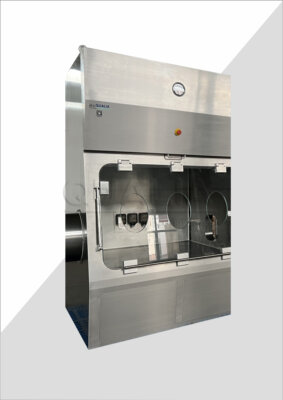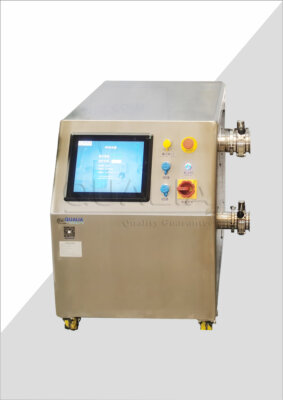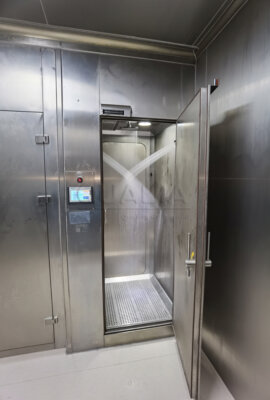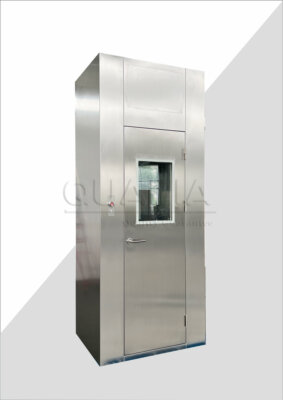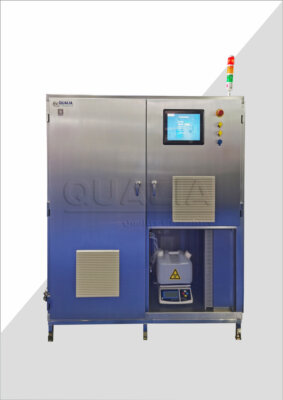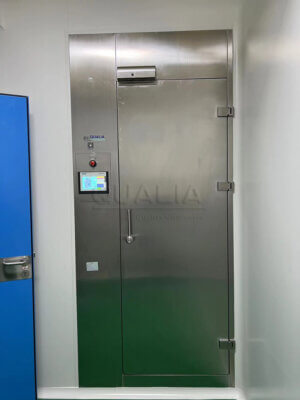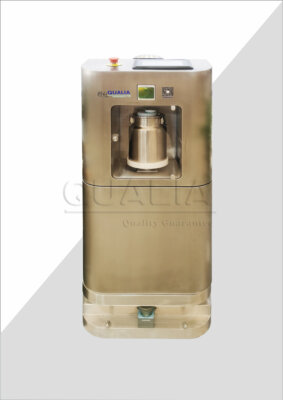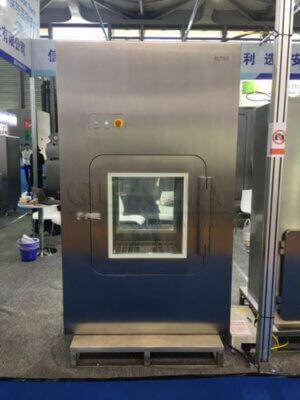

As lacunas nos controles de equipamentos de alta contenção geralmente não vêm à tona durante a aquisição — elas surgem na SAT, quando um teste funcional testemunhado revela que a lógica do PLC para uma condição de intertravamento nunca foi formalmente especificada, que o esquema de prioridade de alarmes existe apenas nas anotações do programador e que a lista de sinais do BMS não corresponde aos desenhos de engenharia com os quais a equipe de validação está trabalhando. O custo disso são cronogramas apertados, retrabalho na documentação que deveria ter sido entregue pelo fornecedor e atividades de qualificação que não podem ser concluídas sem evidências que não foram exigidas na fase de solicitação de cotação (RFQ). A decisão que evita isso não é uma revisão mais aprofundada no comissionamento — é uma especificação estruturada dos controles na RFQ que classifica cada função por criticidade e atribui um método de aceitação antes que o fornecedor inicie o projeto. Os compradores que tomam essa decisão antecipadamente responsabilizam os fornecedores por um conjunto definido de evidências; os que não o fazem herdam uma lacuna na documentação que persiste durante as etapas de IQ, OQ e além.
Sequências de controle que devem ser especificadas
Especificar os controles como “PLC/HMI com saídas de alarme” é comum em solicitações de cotação para equipamentos de contenção e quase sempre insuficiente. O problema principal é que, sem uma lógica de sequência explícita no escopo do fornecedor, o programa do PLC passa a ser a especificação de fato — e, se esse programa não for revisado antes da aceitação na fábrica, o proprietário não terá uma linha de base para realizar os testes.
Cada um dos elementos abaixo apresenta um risco específico de falha se for deixado à interpretação do fornecedor. As sequências operacionais normais devem ser descritas passo a passo, de modo que o equipamento seja executado em uma ordem previsível que tanto os operadores quanto os engenheiros de validação compreendam antes do SAT. Os estados de alarme precisam de condições definidas, texto de mensagem e níveis de prioridade, para que os alarmes sejam passíveis de ação e consistentes com o treinamento dos operadores. As condições de intertravamento exigem uma lógica explícita — estabelecendo qual estado do processo aciona qual resposta de segurança —, pois lacunas no projeto do intertravamento criam riscos à contenção ou à integridade do processo que são difíceis de detectar durante os testes de rotina. Os acionadores de sinal do BMS precisam definir pontos e tempos específicos para permitir que a integração da instalação ocorra paralelamente à qualificação do equipamento, e não após ela.
| Elemento de controle | O que especificar | Risco se não estiver claro |
|---|---|---|
| Sequência operacional | Lógica de funcionamento normal, passo a passo | O equipamento pode não funcionar conforme o esperado |
| Estados de alarme | Condições de alarme, mensagens e níveis de prioridade | Os alarmes podem ser ambíguos ou estar ausentes |
| Condições de intertravamento | Lógica de ligação entre os estados do processo e as funções de segurança | Lacunas na segurança ou na integridade do processo |
| Acionadores de sinal do BMS | Pontos e cronograma para a substituição do sistema de gerenciamento predial | Integração incompleta ou atrasada |
| Configuração do nível de acesso | Quem pode realizar cada ação e como o acesso é controlado | Risco de acesso não autorizado |
| Comportamento de backup/fallback | Resposta à queda de energia, à perda de comunicação ou à falha do sistema | Estado descontrolado durante a recuperação |
A configuração dos níveis de acesso e o comportamento do backup são frequentemente tratados como detalhes de implementação, em vez de funções especificadas, e é aí que a ambiguidade se torna um problema no ciclo de vida. Se o comportamento do backup em caso de perda de energia ou falha de comunicação não estiver definido na solicitação de cotação (RFQ), a configuração padrão do fornecedor pode não corresponder à estratégia de contenção — o que é particularmente relevante para Ambientes BSL-3 onde um evento de perda de contenção durante a recuperação de uma falha de energia acarreta consequências graves. Especificar esses elementos na solicitação de cotação (RFQ) não significa complicar excessivamente os documentos de aquisição; trata-se de criar uma base de análise que já exista antes da fabricação do equipamento.
O comportamento de fallback indefinido passa a ser uma decisão de projeto de contenção tomada por padrão, e não pela engenharia.
Evidências de PLC e HMI no escopo do fornecedor
A solicitação de cotação (RFQ) deve exigir entregas específicas do escopo de controles do fornecedor, e não apenas um sistema funcional. Essa distinção é importante porque o que um fornecedor considera documentação padrão de PLC/HMI — diagramas de fiação, listas de E/S e um backup de software — raramente atende aos requisitos de evidência para SAT, qualificação de BPF ou verificação de intertravamento crítico para a biossegurança.
No mínimo, o escopo do fornecedor deve incluir uma especificação de projeto funcional (FDS) que documente a lógica pretendida para cada modo de operação, alarme e intertravamento antes do início da programação. Esse documento estabelece o ponto de verificação que permite à equipe do proprietário e, quando aplicável, à equipe de validação, confirmar se a lógica reflete a intenção especificada antes de ser codificada. Sem ele, as revisões de projeto são realizadas com base em um programa em execução, em vez de uma especificação, o que transfere o ônus da qualificação para as etapas posteriores e compromete a rastreabilidade da integridade dos dados, conforme entendido nas estruturas de sistemas computadorizados, tais como Anexo 11 do EudraLex.
O escopo da IHM deve definir a estrutura das telas, a hierarquia de navegação e a configuração dos níveis de acesso antes do FAT. Descobrir durante o FAT que a IHM apresenta alarmes sem diferenciação de prioridade, ou que os níveis de acesso não impõem as restrições de ação definidas no URS, gera retrabalho que atrasa tanto o encerramento do FAT quanto as atividades de qualificação posteriores. Exigir que o fornecedor entregue um pacote de revisão do projeto da IHM como um entregável pré-FAT, em vez de um documento pós-entrega, transforma uma constatação comum do FAT em uma etapa de revisão controlada.
As evidências práticas a serem exigidas no escopo dos controles incluem: o FDS com histórico de revisões, a lista de E/S com identificações de sinais referenciadas aos P&IDs, o registro de alarmes com causa e ponto de ajuste para cada alarme, a matriz de níveis de acesso mostrando as ações permitidas por função do usuário e o registro da versão do software que será mantido no FAT e comparado no SAT. Cada um desses documentos deve ser listado como um produto contratual a ser entregue pelo fornecedor, com um prazo de entrega definido — e não tratado como material de referência opcional.
Uma lista de E/S sem um registro de alarme correspondente constitui um escopo de controle, e não um pacote de evidências de controle.
Documentação sobre sinais e alarmes do BMS
A integração entre os controles dos equipamentos de contenção e um sistema de gerenciamento predial é, consistentemente, um dos últimos itens a serem resolvidos em projetos de alta contenção; no entanto, a documentação necessária para uma integração correta precisa ser elaborada muito antes do envio dos equipamentos. Quando a documentação dos sinais do SGP é tratada como um atividade na fase de comissionamento, a integração costuma ser conduzida por trocas informais entre o engenheiro de controles do fornecedor do equipamento e o prestador de serviços do sistema de gerenciamento predial (BMS) — resultando em mapeamentos ponto a ponto que ficam registrados em e-mails, em vez de em documentos controlados.
Os quatro itens de documentação que devem ser exigidos na Solicitação de Cotação (RFQ) abordam, cada um, um modo de falha diferente na integração e na qualificação.
| Item de documentação | O que está coberto | Risco em caso de falta |
|---|---|---|
| Lista de pontos de sinalização | Todos os sinais discretos e analógicos a serem trocados | Pontos que passaram despercebidos durante a integração |
| Alarme de racionalização | Causa, valor de referência e resposta para cada alarme | Alarmes que não podem ser processados ou não foram validados |
| Mapeamento ponto a ponto | Correspondência entre a etiqueta do equipamento, a etiqueta do BMS e a descrição | Incompatibilidade de sinal ou mapeamento incompleto |
| Estados do sinal de segurança contra falhas | Comportamento do sinal durante a perda de comunicação | O BMS recebe uma indicação de status incorreta |
A lista de pontos de sinal define o conjunto de trocas discretas e analógicas. A racionalização de alarmes vincula cada alarme a uma causa definida, um ponto de ajuste e uma resposta esperada — se esse documento não existir, os alarmes não poderão ser sistematicamente qualificados de acordo com as expectativas do Anexo 11 quanto à integridade dos dados e à trilha de auditoria. O mapeamento ponto a ponto é o documento de trabalho que os prestadores de serviços de BMS utilizam durante a integração; sem ele, os sinais costumam ser perdidos ou atribuídos a endereços incorretos. Os estados de sinal à prova de falha são o item mais frequentemente omitido: quando a comunicação entre o controlador do equipamento de contenção e o BMS é perdida, o BMS deve receber um status definido — e não uma entrada ambígua ou silenciosa — para que as respostas no nível da instalação sejam adequadas e não se baseiem em dados desatualizados ou incorretos.
Exigir esses documentos como itens a serem fornecidos pelo fornecedor na Solicitação de Cotação (RFQ) significa que eles já existem como base para revisão antes do início da integração. Tratá-los como resultados do comissionamento significa que eles são criados de forma reativa, sob pressão de prazos e, muitas vezes, sem uma revisão formal.
Comportamento do intertravamento em condições anormais
Os testes de intertravamento são uma das áreas com maior probabilidade de gerar observações do SAT quando a especificação original era deficiente. A razão é estrutural: os intertravamentos são normalmente testados por meio de condições anormais induzidas deliberadamente — perda de pressão diferencial, falha na vedação da porta, falha no exaustor, esgotamento do reagente em um ciclo de descontaminação—e, se a resposta esperada nunca foi formalmente especificada, o teste não tem nenhum critério de aceitação com o qual se comparar.
A solicitação de cotação deve definir não apenas quais intertravamentos existem, mas também o que se espera que o equipamento faça em cada estado acionado. Para intertravamentos críticos para a contenção — como aqueles que regem status da fechadura da porta de acesso No fp aea afcdotr oe rdonr deo mqe-ê od eee cdseaplãlna sar- s sr i tse itprunloaspuveso anmnzr—jada fauólae eitoes eacaeer cmop rooedeloe prcrdoempoççi T ni ãouau eecvsafrimiidaqoae eeo;d mxãs sa lraitooi- aad asnucdp t mcdorei s acaeedbamne eetaaorioleaqeàtalo uesi sbses uoc tptha ioreacqeec rãeeçaclrlmcãesnaitaqroeh,te aaiàçqçs tdnonáae prmiõrLás dàoadpspefrç r mir ristãpaep uaevplmouS teuuoaas sm ne a peu õrvsc,aens mcoo oo bo edzeto,ada etpesasveqç Bcs3se,tr s. doua pcoa enmsra dçcaeeooeo ucddsatoeeargrmicn ád rçrrãsnoedir,daão.
No que diz respeito especificamente ao comportamento do intertravamento em caso de perda de comunicação ou de alimentação, a especificação deve abordar o estado que o equipamento assume em caso de perda (fail-safe versus fail-operational), como a IHM indica esse estado, se é permitida alguma recuperação automática ou se é necessária intervenção manual, e que tipo de registro é gerado. ASTM E2500-25 defende uma abordagem baseada no risco para identificar quais funções são críticas o suficiente para exigir esse nível de definição, e Anexo 15 do EudraLex reforça a necessidade de testar e documentar as respostas a condições anormais como parte da qualificação. Nenhuma das normas prescreve ações específicas de intertravamento para tipos específicos de equipamentos — essa determinação cabe à análise de riscos do projeto.
Um intertravamento sem sequência de recuperação especificada transfere a decisão sobre a contenção para quem estiver na sala naquele momento.
O ponto de atrito para muitas equipes de proprietários é que as especificações detalhadas de intertravamento exigem que elas concluam a identificação de riscos antes de emitir a solicitação de cotação (RFQ), o que gera trabalho adicional nas etapas anteriores. A alternativa — receber equipamentos com a lógica de intertravamento padrão do fornecedor e, em seguida, redefinir os critérios de aceitação com base no que foi entregue — é uma opção consistentemente mais cara.
GxP versus controles essenciais para as instalações
Nem todas as funções de controle acarretam a mesma obrigação de comprovação, e tratar todas as saídas do PLC como igualmente exigentes em termos de documentação é tão problemático quanto tratá-las todas como igualmente de baixa prioridade. O desafio prático nas solicitações de cotação (RFQs) de equipamentos de contenção é que os controles GxP, os controles críticos para a biossegurança e os controles críticos para as instalações frequentemente compartilham o mesmo controlador físico — mas o escopo do fornecedor, a profundidade da documentação e o rigor de aceitação exigidos para cada categoria diferem significativamente.
Esse quadro é uma ferramenta de planejamento para definir as expectativas em relação à documentação na Solicitação de Cotação (RFQ), e não um conjunto de classificações regulatórias com definições fixas. Seu valor reside no fato de que ele obriga a equipe do proprietário a tomar decisões sobre o grau de criticidade antes que o escopo da documentação do fornecedor seja definido.
| Categoria de controle | Característica definidora | Solicitação de Cotação/Implicações em termos de provas |
|---|---|---|
| Controles GxP | Afetar a qualidade do produto ou a integridade dos dados | Exige evidências validadas de alarmes, trilha de auditoria e documentação de BPF |
| Controles críticos de biossegurança | Evitar violação da contenção ou exposição do pessoal | Exige testes de validação do sistema de intertravamento e verificação da integridade de segurança |
| Controles essenciais para as instalações | Manter a operacionalidade dos equipamentos (não GxP, não relacionado à segurança) | Requer teste funcional, mas a documentação é menos rigorosa |
Os controles GxP — aqueles que afetam a qualidade do produto ou a integridade dos dados — exigem a capacidade de gerar trilha de auditoria, evidências validadas de alarmes e Documentação de BPF estruturado para apoiar a qualificação. Um registro de temperatura em uma incubadora dentro de uma sala de contenção, por exemplo, está sujeito às obrigações de trilha de auditoria previstas no Anexo 11, o que não ocorre com um sensor de posição da porta que alimenta apenas um ponto do BMS. Controles críticos de biossegurança, que regem a integridade do confinamento e a proteção do operador, exigem testes de verificação de intertravamento e verificação da integridade da segurança como condição para liberação — mas podem não necessitar de toda a infraestrutura de trilha de auditoria exigida para os controles GxP, dependendo do modelo de validação da instalação. Os controles críticos para a instalação exigem testes funcionais e evidências documentadas de operação correta, mas o nível de detalhamento da documentação pode ser proporcional ao risco operacional.
A consequência de não fazer essas distinções na solicitação de cotação (RFQ) é que os fornecedores normalmente definem o escopo da documentação de controles de maneira uniforme — geralmente no nível “crítico para a instalação” —, pois esse é o menor denominador comum. Isso significa que os controles críticos para GxP e biossegurança são apresentados com documentação insuficiente em relação ao que a qualificação exigirá, e a equipe do proprietário precisa gerar as evidências que faltam após a entrega, em vez de recebê-las como parte da entrega do fornecedor.
Método de aceitação para cada função de controle crítica
Cada função de controle crítica especificada na solicitação de cotação (RFQ) deve ter um método de aceitação definido e um documento de entrega identificado. Isso não se trata de rigor processual — é a única maneira de evitar que uma especificação de controles se desarticule das atividades de qualificação que irão encerrá-la.
O teste prático é simples: se a solicitação de cotação (RFQ) especificar uma função de controle, mas não definir como ela será aceita e quais evidências serão apresentadas, a equipe do proprietário terá que lidar com esse exercício de definição durante o FAT ou o SAT, sob pressão de prazos. Concluir esse exercício na fase de aquisição, quando o fornecedor pode confirmar a viabilidade e incorporar as evidências ao escopo de entrega, evita que as observações se acumulem na fase de qualificação.
| Função de Controle Crítico | Méta cotoid eeadção | Documento a ser entregue |
|---|---|---|
| Ativação e desativação do alarme | Teste funcional supervisionado com condições induzidas | Relatório de teste de alarme com comprovação de data e hora |
| Acionamento do intertravamento | Teste cada condição de intertravamento e verifique a resposta | Lista de verificação do sistema de intertravamento |
| Aplicação de níveis de acesso | Tente realizar cada ação restrita em diferentes níveis de acesso | Registro de testes de nível de acesso |
| Sequência de operações | Executar a sequência completa em condições simuladas | Registro de verificação de sequência |
| Troca de sinais do BMS | Simular sinais e verificar o recebimento pelo BMS | Relatório de confirmação do mapeamento de sinais |
| Comportamento de backup/fallback | Provocar uma falha na energia ou nas comunicações e registrar a recuperação | Resumo do teste de fallback |
Alguns desses métodos de aceitação trazem implicações específicas que merecem destaque. O teste de ativação de alarmes requer condições induzidas — e não uma revisão do código do PLC —, pois o comportamento testado em condições reais é o que a qualificação está verificando. As evidências de data e hora no relatório de teste entregue estabelecem a rastreabilidade em relação às expectativas de trilha de auditoria previstas no Anexo 11. Os testes de acionamento de intertravamentos devem testar cada condição de forma independente, e não como parte de uma sequência combinada, para que cada resposta do intertravamento seja verificada individualmente. Os testes de aplicação de níveis de acesso precisam tentar realizar ações restritas em níveis de acesso incorretos e registrar a resposta, e não simplesmente confirmar que as contas de usuário estão configuradas.
O teste de comportamento de fallback é frequentemente omitido do FAT e transferido para a unidade, em parte porque induzir a perda de energia ou de comunicação nas instalações do fornecedor exige coordenação. Quando é adiado sem um protocolo SAT definido, muitas vezes nem chega a ser realizado como um teste formal — é observado informalmente durante o comissionamento e nunca documentado. Isso cria uma discrepância entre o que foi observado e o que pode ser apresentado como evidência durante a inspeção.
Um teste de controle realizado sem um critério de aceitação definido resulta em uma observação, e não em um registro de qualificação.
O momento em que esse mapeamento se mostra mais valioso é antes da elaboração do protocolo FAT, quando o fornecedor ainda tem a oportunidade de construir a infraestrutura de testes e gerar as evidências adequadas. Exigir isso na fase de solicitação de cotação (RFQ) é o que preserva essa oportunidade.
O principal problema recorrente na aquisição de equipamentos de contenção não é a falta de capacidade de controle — é a falta de precisão nas especificações, justamente no momento em que as decisões críticas ainda podem ser tomadas com baixo custo. Quando uma SAT revela que não existem documentos de racionalização de alarmes, que a lista de sinais do BMS não corresponde à configuração de E/S entregue ou que nenhum teste formal de intertravamento foi realizado durante o FAT, o custo da correção recai sobre a equipe do proprietário, e não sobre o fornecedor.
Antes de emitir uma solicitação de cotação (RFQ) de controles para equipamentos de alta contenção, a equipe do proprietário deve confirmar: quais funções são GxP, críticas para a biossegurança e críticas para a instalação; qual é o comportamento esperado para cada estado anormal, incluindo perda de energia e falha de comunicação; quais sinais do BMS devem ser documentados antes do início da integração; e qual documento comprovativo encerrará cada função de controle crítica no momento da aceitação. Essas quatro determinações, feitas na fase de aquisição, definem a diferença entre um pacote de controles que dá suporte à qualificação e um que requer reconstrução durante o processo.
Perguntas frequentes
P: E se nossa equipe não tiver conhecimento suficiente em engenharia de controles para elaborar sequências e avaliações de criticidade antes do envio da solicitação de cotação?
R: Contrate um consultor externo especializado em controles ou um especialista dedicado em automação para a fase de aquisição. A estrutura do artigo pressupõe que o responsável tome decisões sobre a criticidade desde o início; no entanto, caso não haja esse conhecimento especializado, a alternativa é incorporar essas definições em um estudo de projeto pré-adjudicação pago, realizado com um fornecedor pré-selecionado — de modo que a especificação seja desenvolvida em conjunto antes do compromisso, e não deixada inteiramente à interpretação padrão do fornecedor.
P: Assim que o fornecedor entregar o pacote de documentação de controles, qual deve ser a primeira ação da nossa equipe de validação?
R: Realize uma análise de rastreabilidade que vincule cada entrega (FDS, registro de alarmes, lista de E/S, matriz de acesso) às funções de controle críticas do URS e aos métodos de aceitação que você especificou. O objetivo é confirmar, antes do FAT, que a documentação abrange todas as funções críticas com um registro de aceitação correspondente — as lacunas identificadas nesta fase são muito mais baratas de corrigir do que no SAT, quando o equipamento já estiver no local.
P: A partir de qual tamanho de projeto ou nível de risco esse nível de detalhamento na solicitação de cotação (RFQ) passa a ser obrigatório, em vez de apenas recomendável?
R: O critério de limiar abrange qualquer equipamento de contenção que interaja com um processo GxP, uma barreira crítica de biossegurança ou uma integração com o sistema de gerenciamento de instalações (BMS) que exija evidências qualificadas para liberação. Para um freezer de armazenamento BSL-2 autônomo, sem impacto nas normas GxP e sem integração com o BMS, uma especificação mais simplificada pode ser suficiente. Mas se os intertravamentos do equipamento protegerem uma cascata de pressão ou se seus dados alimentarem as trilhas de auditoria do Anexo 11, os detalhes da solicitação de cotação (RFQ) são essenciais — e não opcionais.
P: Como essa abordagem, que dá grande ênfase às solicitações de cotação (RFQ), se compara a um contrato “chave na mão”, no qual o fornecedor projeta, constrói e qualifica todo o sistema?
R: Em um projeto verdadeiramente “chave na mão”, com garantias de desempenho e qualificação conduzida pelo fornecedor, o proprietário ainda precisa definir funções críticas de controle e critérios de aceitação — caso contrário, o fornecedor tomará como referência sua própria interpretação, e você acabará aceitando o que ele entregar. A abordagem do artigo é compatível com a entrega “chave na mão”, mas transfere a definição das evidências para os documentos de aquisição, de modo que os planos de projeto e de teste do fornecedor sejam elaborados com base na sua estrutura de risco, e não no padrão de menor custo dele.
P: O esforço inicial adicional de definir controles nesse nível realmente se justifica para um único equipamento, como uma câmara de passagem VHP?
R: Sim, se o ciclo de descontaminação desse equipamento, a lógica da vedação da porta ou os registros de alarme puderem atrasar a liberação de um lote ou a aprovação de biossegurança. Mesmo para uma única unidade, o custo de reconstruir a documentação após o SAT (Teste de Aceitação no Local) costuma exceder o custo de especificar os requisitos de evidência na RFQ (Solicitação de Cotação). A lógica do artigo se aplica em menor escala: você ainda decide quais funções são críticas para GxP ou para a segurança — e, para uma caixa de passagem VHP, isso pode ser apenas três intertravamentos e dois alarmes, exigindo uma especificação muito mais enxuta, mas ainda assim bem definida.