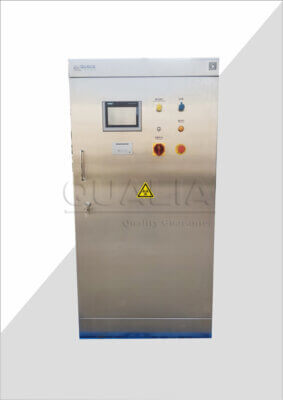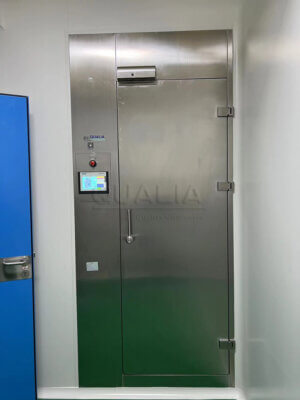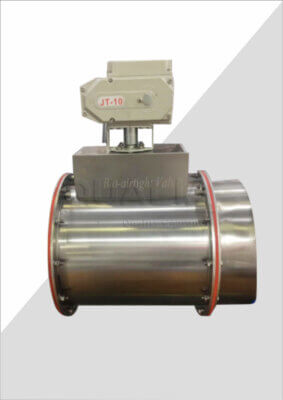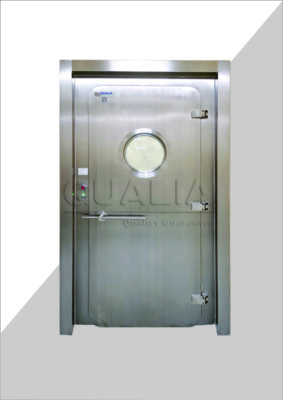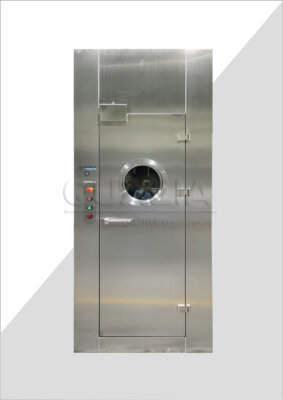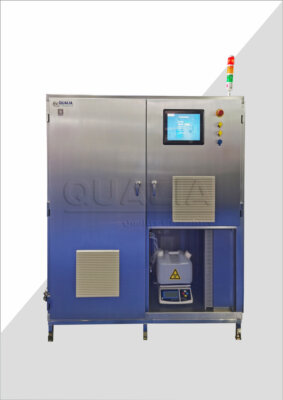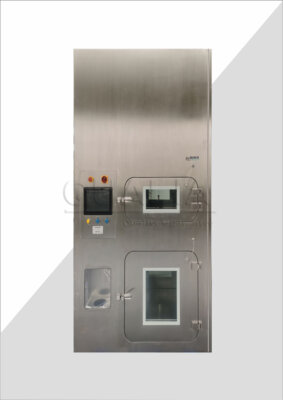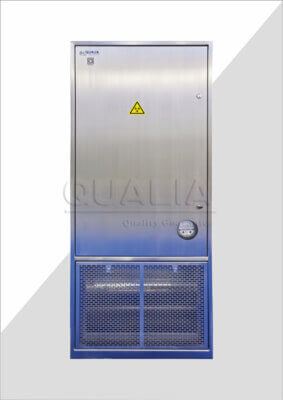
Os laboratórios de Nível de Biossegurança 3 (BSL-3) são instalações essenciais projetadas para lidar com patógenos perigosos e realizar pesquisas de alto risco. Garantir procedimentos adequados de descontaminação nesses laboratórios é fundamental para manter a segurança, evitar a disseminação de agentes potencialmente nocivos e proteger a equipe do laboratório e o meio ambiente. À medida que a complexidade e a importância da pesquisa BSL-3 continuam a crescer, cresce também a necessidade de protocolos de descontaminação eficazes e confiáveis.
Neste guia abrangente, exploraremos os aspectos essenciais dos procedimentos de descontaminação de laboratórios BSL-3, abrangendo tudo, desde a limpeza de rotina até as respostas a derramamentos de emergência. Vamos nos aprofundar nas mais recentes técnicas, equipamentos e práticas recomendadas que garantem o mais alto nível de biossegurança nesses ambientes especializados.
À medida que navegamos pelos meandros da descontaminação de laboratórios BSL-3, examinaremos os vários métodos empregados, os desafios enfrentados pela equipe do laboratório e as soluções de ponta desenvolvidas para enfrentar esses desafios. De desinfetantes químicos a sistemas avançados baseados em vapor, forneceremos uma visão geral completa das ferramentas e técnicas à disposição dos gerentes e da equipe das instalações BSL-3.
Os procedimentos de descontaminação do laboratório BSL-3 são um componente essencial dos protocolos de biossegurança, projetados para neutralizar agentes biológicos potencialmente perigosos e evitar sua liberação no ambiente. Esses procedimentos envolvem uma combinação de métodos físicos e químicos, equipamentos especializados e treinamento rigoroso para garantir a inativação completa de agentes patogênicos e a segurança do pessoal do laboratório.
Quais são os princípios fundamentais da descontaminação de laboratórios BSL-3?
A base da descontaminação eficaz do laboratório BSL-3 está na compreensão e na adesão aos princípios fundamentais que regem as práticas de biossegurança. Esses princípios formam a espinha dorsal de todos os procedimentos de descontaminação e garantem consistência e confiabilidade na manutenção de um ambiente laboratorial seguro.
Em sua essência, a descontaminação de laboratórios BSL-3 baseia-se no conceito de contenção e eliminação de possíveis riscos biológicos. Isso envolve uma abordagem em várias camadas que combina barreiras físicas, tratamentos químicos e protocolos rigorosos para evitar a disseminação de patógenos perigosos.
Um dos princípios fundamentais é o uso de métodos de descontaminação validados e comprovadamente eficazes contra os agentes patogênicos específicos manipulados no laboratório. Isso requer uma compreensão completa dos agentes biológicos presentes e sua suscetibilidade a várias técnicas de descontaminação.
A descontaminação eficaz do laboratório BSL-3 depende de uma abordagem abrangente que inclui a desinfecção da superfície, a descontaminação do ar e o manuseio adequado dos materiais contaminados. O uso de equipamento de proteção individual (EPI) adequado e a adesão aos procedimentos operacionais padrão (POPs) são componentes essenciais desse processo.
| Princípio | Descrição |
|---|---|
| Contenção | Uso de barreiras físicas e pressão negativa do ar para evitar a disseminação de patógenos |
| Validação | Empregar métodos cientificamente comprovados e eficazes contra patógenos específicos |
| Abrangência | Abordagem de todas as possíveis rotas de contaminação: superfícies, ar e materiais |
| Segurança | Priorizar a proteção do pessoal por meio de EPI e treinamento adequados |
Como funciona a descontaminação de superfícies em laboratórios BSL-3?
A descontaminação de superfícies é um aspecto essencial da manutenção da biossegurança em laboratórios BSL-3. Esse processo envolve a limpeza e a desinfecção sistemáticas de todas as superfícies de trabalho, equipamentos e áreas tocadas com frequência para eliminar qualquer risco biológico em potencial.
A primeira etapa da descontaminação de superfícies normalmente envolve a remoção de sujeira visível e matéria orgânica usando agentes de limpeza apropriados. Em seguida, é feita a aplicação de desinfetantes químicos eficazes contra os patógenos específicos manipulados no laboratório.
Os desinfetantes comuns usados em laboratórios BSL-3 incluem hipoclorito de sódio (alvejante), peróxido de hidrogênio e compostos de amônio quaternário. A escolha do desinfetante depende de fatores como o tipo de patógenos presentes, a compatibilidade do material e o tempo de contato necessário para uma descontaminação eficaz.
A descontaminação de superfícies em laboratórios BSL-3 exige o uso de desinfetantes registrados pela EPA com eficácia comprovada contra os patógenos específicos manipulados na instalação. A aplicação desses desinfetantes deve seguir protocolos rigorosos, incluindo a diluição adequada, o tempo de contato adequado e o equipamento de proteção individual apropriado para o pessoal que realiza a descontaminação.
| Desinfetante | Vantagens | Desvantagens |
|---|---|---|
| Hipoclorito de sódio | Amplo espectro, econômico | Corrosivo, instável ao longo do tempo |
| Peróxido de hidrogênio | Resíduo não tóxico, eficaz contra esporos | Mais caro, possível incompatibilidade de material |
| Compostos de amônio quaternário | Boa compatibilidade de materiais, baixa toxicidade | Menos eficaz contra determinados vírus e esporos |
A descontaminação de superfícies não é um evento único, mas um processo contínuo que exige diligência e atenção aos detalhes. É preciso estabelecer cronogramas regulares de limpeza e desinfecção e segui-los rigorosamente para manter um ambiente de trabalho seguro. Além disso, a documentação adequada de todas as atividades de descontaminação é essencial para fins de conformidade regulamentar e garantia de qualidade.
Qual é a função da descontaminação do ar na segurança do laboratório BSL-3?
A descontaminação do ar é um componente essencial da segurança dos laboratórios BSL-3, pois a transmissão de patógenos pelo ar representa um risco significativo nesses ambientes de alta contenção. O objetivo da descontaminação do ar é remover ou inativar qualquer partícula potencialmente infecciosa suspensa no ar, garantindo um ambiente respiratório seguro para o pessoal do laboratório e evitando a fuga de patógenos da área de contenção.
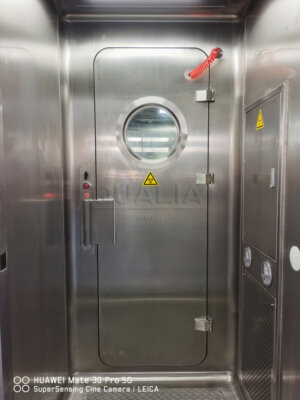
Os laboratórios BSL-3 são projetados com sistemas de ventilação especializados que mantêm a pressão negativa do ar em relação às áreas adjacentes. Esse diferencial de pressão garante que o ar flua para dentro do laboratório e não para fora, contendo quaisquer contaminantes transportados pelo ar dentro da instalação.
A filtragem de ar particulado de alta eficiência (HEPA) é uma tecnologia essencial usada na descontaminação de ar BSL-3. Os filtros HEPA são capazes de remover 99,97% de partículas com tamanho igual ou superior a 0,3 mícron, prendendo com eficácia a maioria dos patógenos transportados pelo ar.
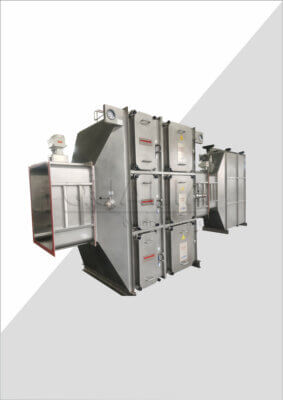
A descontaminação do ar em laboratórios BSL-3 envolve uma combinação de controles de engenharia e métodos de descontaminação ativa. Esses métodos incluem o uso de filtragem HEPA, irradiação germicida ultravioleta (UVGI) e sistemas de descontaminação à base de vapor. A seleção e a implementação desses métodos devem ser baseadas em uma avaliação de risco completa e na validação de sua eficácia contra os patógenos específicos manipulados na instalação.
| Método de descontaminação do ar | Mecanismo | Aplicativo |
|---|---|---|
| Filtragem HEPA | Remoção física de partículas | Filtragem contínua do ar de exaustão |
| UVGI | Danos ao DNA/RNA causados pela luz UV-C | Tratamento suplementar em unidades de tratamento de ar |
| Sistemas à base de vapor | Inativação química de agentes patogênicos | Descontaminação de toda a sala durante a manutenção |
Além desses métodos primários, algumas instalações BSL-3 podem empregar tecnologias adicionais, como ionização bipolar ou oxidação fotocatalítica, para melhorar a qualidade do ar e reduzir o risco de contaminação do ar. O monitoramento e a manutenção regulares dos sistemas de tratamento de ar são essenciais para garantir sua eficácia contínua na manutenção de um ambiente laboratorial seguro.
Como são tratados os materiais e resíduos contaminados nos laboratórios BSL-3?
O manuseio e o descarte adequados de materiais e resíduos contaminados são um aspecto essencial dos procedimentos de descontaminação de laboratórios BSL-3. Esses materiais podem incluir equipamentos de laboratório, equipamentos de proteção individual (EPI), meios de cultura e outros itens que tenham entrado em contato com agentes potencialmente infecciosos.
A primeira etapa no manuseio de materiais contaminados é minimizar a geração de resíduos por meio de um projeto experimental cuidadoso e do uso de equipamentos reutilizáveis sempre que possível. Quando um resíduo é gerado, ele deve ser segregado de acordo com seu nível de perigo e tratado adequadamente antes de ser removido da instalação BSL-3.
A autoclavagem é o método mais comum de descontaminação de resíduos sólidos em laboratórios BSL-3. Esse processo usa vapor de alta pressão para inativar os agentes patogênicos, tornando os resíduos seguros para descarte por meios convencionais. Os resíduos líquidos podem ser tratados quimicamente ou autoclavados, dependendo de sua composição e dos agentes patogênicos específicos envolvidos.
Todos os materiais e resíduos contaminados nos laboratórios BSL-3 devem ser descontaminados antes de deixar as instalações. Normalmente, isso envolve autoclavagem para resíduos sólidos e tratamento químico para resíduos líquidos. A eficácia desses métodos de descontaminação deve ser validada regularmente usando indicadores biológicos para garantir a inativação completa dos agentes patogênicos.
| Tipo de resíduo | Método de descontaminação | Considerações |
|---|---|---|
| Resíduos sólidos | Autoclavagem | Embalagem adequada, validação da esterilização |
| Resíduos líquidos | Tratamento químico ou autoclavagem | Compatibilidade com sistemas de esgoto, neutralização |
| Tubos | Autoclavagem em recipientes resistentes a perfurações | Manuseio especial para evitar lesões |
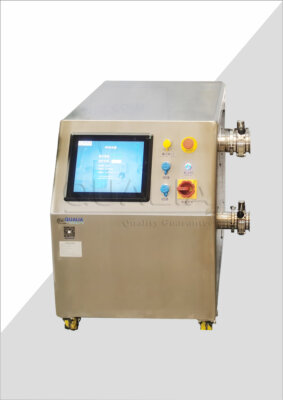
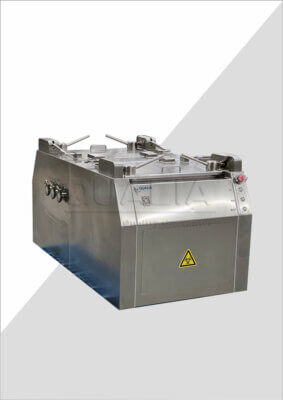
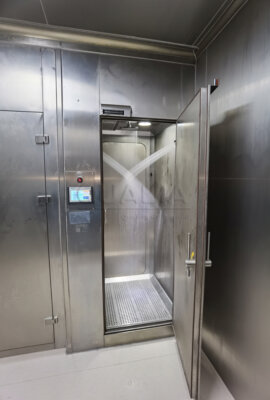
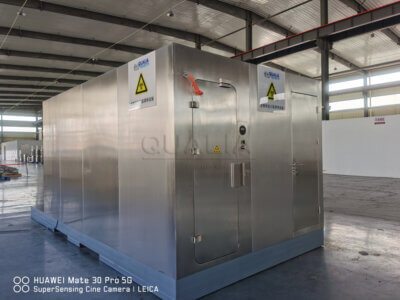
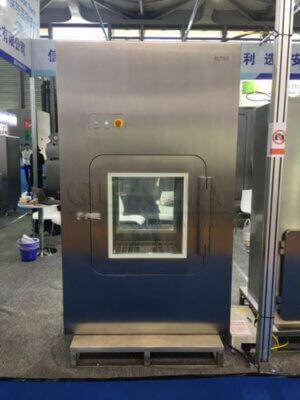
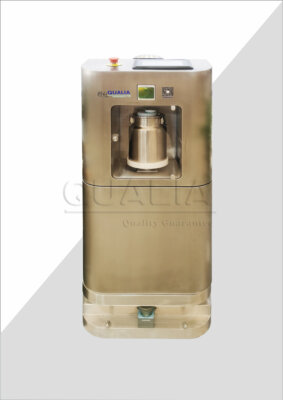
É importante observar que alguns materiais podem não ser adequados para autoclavagem devido à sensibilidade ao calor ou a outros fatores. Nesses casos, podem ser empregados métodos alternativos de descontaminação, como o tratamento com peróxido de hidrogênio gasoso ou vaporizado. O QUALIA oferece soluções inovadoras para o manuseio de diversos tipos de materiais contaminados em ambientes BSL-3, garantindo uma descontaminação abrangente e preservando a integridade de equipamentos sensíveis.
Quais procedimentos de emergência estão em vigor para derramamentos em laboratórios BSL-3?
Os procedimentos de emergência para derramamentos em laboratórios BSL-3 são um componente essencial dos protocolos gerais de biossegurança. Esses procedimentos são projetados para conter e descontaminar rapidamente os derramamentos de materiais potencialmente infecciosos, minimizando o risco de exposição do pessoal do laboratório e evitando a disseminação de agentes patogênicos.
Quando ocorre um derramamento em um laboratório BSL-3, a resposta imediata é alertar todo o pessoal na área e evacuar, se necessário. A área do derramamento é então isolada para evitar mais contaminação. Somente pessoal treinado e com EPI adequado deve participar do processo de limpeza.
As etapas específicas para a limpeza de derramamentos dependem da natureza e do tamanho do derramamento, bem como do tipo de patógeno envolvido. Em geral, o processo envolve cobrir cuidadosamente o derramamento com material absorvente, aplicar um desinfetante apropriado e permitir tempo de contato suficiente para a inativação completa do patógeno.
Os procedimentos de resposta a derramamentos no laboratório BSL-3 devem ser claramente definidos, praticados regularmente e imediatamente acessíveis a todo o pessoal do laboratório. Esses procedimentos devem incluir etapas específicas para diferentes tipos de derramamentos (por exemplo, pequenos ou grandes, dentro ou fora de uma cabine de segurança biológica) e devem ser adaptados aos patógenos manipulados na instalação.
| Tipo de derramamento | Resposta inicial | Método de descontaminação |
|---|---|---|
| Derramamento pequeno (<10 ml) | Cobrir com material absorvente | Aplique o desinfetante, aguarde o tempo de contato |
| Derramamento grande (>10 mL) | Evacuar a área, notificar o oficial de biossegurança | Use o kit de derramamento e siga o protocolo de limpeza detalhado |
| Derramamento na BSC | Manter a operação do BSC, descontaminar a zona de trabalho | Use almofadas absorventes e desinfete todas as superfícies |
Após a limpeza inicial, é necessária uma descontaminação completa da área afetada e de qualquer equipamento potencialmente contaminado. Isso pode envolver o uso de equipamentos especializados, como unidades portáteis de filtragem de ar ou Procedimentos de descontaminação do laboratório BSL-3 para garantir a remoção completa de qualquer contaminação residual.
Como é verificada a eficácia dos procedimentos de descontaminação?
Verificar a eficácia dos procedimentos de descontaminação é fundamental para garantir a segurança e a integridade das operações do laboratório BSL-3. Esse processo de verificação envolve uma combinação de inspeções visuais, indicadores químicos e monitoramento biológico para confirmar que todos os possíveis agentes patogênicos foram inativados.
As inspeções visuais são a primeira linha de verificação, garantindo que todas as superfícies pareçam limpas e livres de contaminação visível. No entanto, a inspeção visual por si só não é suficiente para garantir uma descontaminação eficaz, principalmente para patógenos microscópicos.
Os indicadores químicos são usados para verificar se as condições necessárias para a descontaminação foram atendidas. Por exemplo, a fita de autoclave muda de cor quando exposta à temperatura e pressão adequadas, indicando que o ciclo de esterilização foi concluído.
Os indicadores biológicos, que contêm esporos bacterianos altamente resistentes, são o padrão ouro para verificar a eficácia dos procedimentos de descontaminação em laboratórios BSL-3. Esses indicadores são processados juntamente com os materiais contaminados e, em seguida, cultivados para garantir a inativação completa dos organismos de teste. O uso regular de indicadores biológicos é essencial para validar os processos de descontaminação e manter a conformidade regulamentar.
| Método de verificação | Aplicativo | Frequência |
|---|---|---|
| Inspeção visual | Todas as superfícies e equipamentos descontaminados | Após cada uso |
| Indicadores químicos | Autoclaves, processos de desinfecção química | Cada ciclo |
| Indicadores biológicos | Autoclaves, sistemas de descontaminação de salas | Semanal ou mensal |
Além desses métodos, algumas instalações podem empregar tecnologias avançadas, como o teste de bioluminescência ATP ou métodos de detecção baseados em PCR para verificar a ausência de patógenos específicos. O monitoramento ambiental regular, incluindo amostragem de ar e superfície, também pode fornecer dados valiosos sobre a eficácia geral dos procedimentos de descontaminação.
Que treinamento é necessário para o pessoal envolvido na descontaminação de laboratórios BSL-3?
O treinamento adequado é essencial para todo o pessoal envolvido nos procedimentos de descontaminação de laboratórios BSL-3. Esse treinamento garante que os membros da equipe tenham o conhecimento e as habilidades necessárias para executar as tarefas de descontaminação com segurança e eficácia, minimizando o risco de exposição para si e para os outros.
O treinamento de descontaminação BSL-3 geralmente começa com uma compreensão abrangente dos patógenos manipulados na instalação e dos riscos associados. Isso inclui o conhecimento das rotas de transmissão, da infectividade e da suscetibilidade a vários métodos de descontaminação.
O pessoal deve ser totalmente treinado no uso de equipamentos de proteção individual (EPI), inclusive nos procedimentos adequados de colocação e retirada. Isso é fundamental para evitar a autocontaminação durante as atividades de descontaminação.
O treinamento para a descontaminação de laboratórios BSL-3 deve ser prático, atualizado regularmente e incluir conhecimentos teóricos e habilidades práticas. O pessoal deve demonstrar proficiência em todos os aspectos dos procedimentos de descontaminação, incluindo o uso de equipamentos, a preparação de desinfetantes e a documentação adequada das atividades de descontaminação. A avaliação contínua e o treinamento de atualização são essenciais para manter a competência e abordar quaisquer mudanças em protocolos ou tecnologias.
| Componente de treinamento | Descrição | Frequência |
|---|---|---|
| Princípios de biossegurança | Visão geral da contenção e dos riscos do BSL-3 | Anual |
| Uso de EPI | Seleção adequada, colocação e retirada do EPI | Trimestral |
| Métodos de descontaminação | Procedimentos específicos para superfícies, ar e materiais | Semestralmente |
| Resposta a emergências | Limpeza de derramamentos e gerenciamento de outros incidentes | Trimestral |
O treinamento também deve abranger o uso adequado e a manutenção de equipamentos de descontaminação, incluindo autoclaves, nebulizadores químicos e sistemas de filtragem HEPA. A compreensão dos princípios por trás dessas tecnologias permite que a equipe solucione problemas e garanta o desempenho ideal.
Em conclusão, os procedimentos de descontaminação de laboratórios BSL-3 são um componente essencial dos protocolos de biossegurança em instalações de pesquisa de alta contenção. Esses procedimentos abrangem uma ampla gama de atividades, desde a limpeza rotineira de superfícies até sistemas complexos de tratamento de ar e respostas a derramamentos de emergência. A eficácia desses procedimentos depende de uma combinação de protocolos bem elaborados, equipamentos apropriados e pessoal totalmente treinado.
À medida que o campo da biossegurança continua a evoluir, o mesmo acontece com os métodos e tecnologias usados na descontaminação de laboratórios BSL-3. A pesquisa e o desenvolvimento contínuos em áreas como novos desinfetantes, sistemas de descontaminação automatizados e tecnologias de monitoramento em tempo real prometem aumentar ainda mais a segurança e a eficiência desses procedimentos essenciais.
Em última análise, o objetivo da descontaminação de laboratórios BSL-3 é criar e manter um ambiente de trabalho seguro que permita aos pesquisadores realizar estudos vitais sobre patógenos perigosos e, ao mesmo tempo, proteger o pessoal do laboratório e a comunidade ao redor. Ao aderir a rigorosos protocolos de descontaminação e melhorar continuamente nossas abordagens, podemos garantir que os laboratórios BSL-3 permaneçam na vanguarda da descoberta científica sem comprometer a segurança.
Recursos externos
Procedimento de descontaminação biológica BSL-3 - Este documento do Laboratorio de Genómica Viral y Humana, Facultad de Medicina UASLP, detalha os procedimentos operacionais padrão (POPs) para a descontaminação de resíduos biológicos e materiais potencialmente contaminados por agentes do grupo de risco 3. Ele inclui procedimentos para desinfecção de superfícies, equipamentos de proteção individual (EPI) e autoclavagem de resíduos biológicos perigosos.
Padrões de projeto de laboratório de nível de biossegurança 3 (BSL-3) - Este documento da Universidade da Califórnia fornece padrões de projeto para laboratórios BSL-3, incluindo requisitos para descontaminação de áreas, superfícies de laboratório e colocação de gabinetes de segurança biológica para garantir a contenção e a ventilação adequadas.
DERRAMAMENTO DE NÍVEL DE BIOSSEGURANÇA 3 (BSL-3) - Este guia da Universidade de Yale descreve os procedimentos para lidar com derramamentos em um laboratório BSL-3, incluindo o uso de desinfetantes, equipamentos de proteção individual e as etapas para descontaminar a área do derramamento e as superfícies ao redor.
Diretrizes para o uso das instalações BSL-3 da Elizabeth A. Rich - Este documento da Case Western Reserve University fornece diretrizes para o uso de instalações BSL-3, incluindo procedimentos de descontaminação para equipamentos e materiais que devem deixar as instalações e protocolos para evitar a disseminação da contaminação.
Biossegurança em Laboratórios Microbiológicos e Biomédicos (BMBL) 5ª Edição - Embora não esteja diretamente vinculada aqui, esta publicação do CDC e do NIH é um recurso abrangente que inclui diretrizes detalhadas para operações de laboratório BSL-3, inclusive procedimentos de descontaminação. Ela pode ser encontrada no site do CDC.
Organização Mundial da Saúde - Manual de Biossegurança Laboratorial - Esse manual fornece padrões globais para biossegurança laboratorial, incluindo seções detalhadas sobre procedimentos de descontaminação e esterilização relevantes para laboratórios BSL-3. Ele pode ser acessado no site da OMS.
CDC - Níveis de biossegurança - O site dos Centros de Controle e Prevenção de Doenças (CDC) tem uma seção dedicada aos níveis de biossegurança, incluindo o BSL-3. Ele fornece informações sobre o projeto do laboratório, equipamentos de segurança e procedimentos de descontaminação.
NIH - Requisitos de projeto para laboratórios BSL-3 e BSL-4 - Este recurso do National Institutes of Health (NIH) detalha os requisitos de projeto para laboratórios BSL-3 e BSL-4, incluindo especificações para sistemas de descontaminação e procedimentos para garantir a biossegurança. Ele pode ser encontrado no site do NIH.