A seleção da cabine de segurança biológica (BSC) correta é uma decisão de alto risco para qualquer laboratório BSL 2/3/4. A escolha errada cria vulnerabilidades de segurança imediatas, falhas de conformidade e dificuldades financeiras de longo prazo. Muitas equipes de aquisição concentram-se no custo de capital, negligenciando a integração crítica da classe do gabinete, o projeto da instalação e os padrões precisos de certificação. Essa incompatibilidade leva a riscos operacionais e a um custo total de propriedade inesperado.
O cenário está mudando. Protocolos aprimorados para patógenos de alto risco e requisitos rigorosos de certificação NSF/ANSI 49 exigem uma estrutura de seleção mais sofisticada. Um simples mapeamento de classes BSL para BSC não é mais suficiente. Sua decisão deve levar em conta os riscos químicos, a escala de procedimentos e os custos do ciclo de vida da validação e da manutenção.
BSCs de Classe I vs. Classe II vs. Classe III: Principais diferenças
Definição da hierarquia de proteção
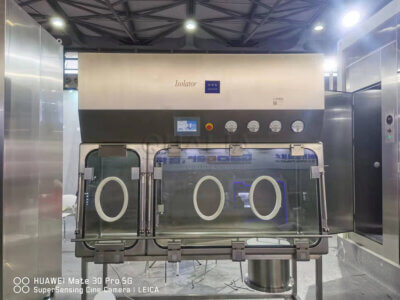
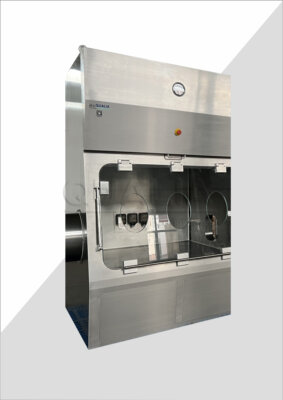
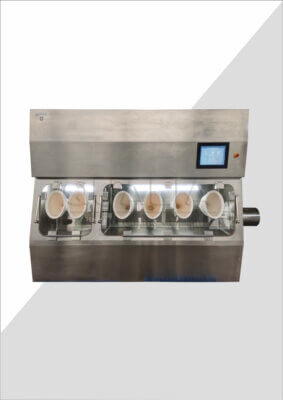
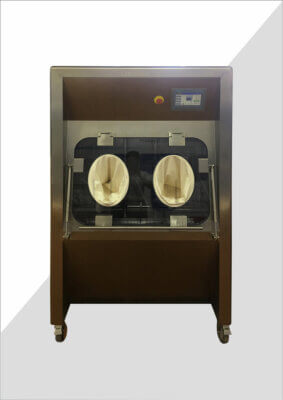
A classificação fundamental dos BSCs é baseada na proteção que eles oferecem: pessoal, produto e ambiente. Um gabinete de Classe I é um dispositivo de pressão negativa com a frente aberta. Ele protege o usuário e o ambiente puxando o ar do ambiente para dentro e exaurindo-o por meio de um filtro HEPA. De forma crítica, ele não oferece proteção ao produto. Em contrapartida, um BSC Classe II adiciona proteção ao produto por meio de um fluxo de ar laminar descendente unidirecional e filtrado por HEPA dentro do espaço de trabalho. Um gabinete Classe III é um sistema totalmente fechado, à prova de gás, operado por meio de portas de luvas, oferecendo proteção máxima para todos os três elementos.
Mandatos de aplicativos por nível de risco
Essa hierarquia cria uma estrutura de seleção obrigatória e baseada em riscos. A conformidade regulatória determina a seleção da classe do BSC com base no Nível de Biossegurança (BSL) atribuído aos agentes em uso. O trabalho BSL-2 normalmente usa gabinetes de Classe I ou II. O BSL-3 pode usar qualquer classe, com a seleção dependendo do risco do procedimento. O BSL-4 exige gabinetes de Classe III. A tendência de protocolos BSL-3 “aprimorados” para patógenos como o HPAI H5N1 significa que os laboratórios devem, com frequência, projetar além das especificações clássicas, optando potencialmente por uma contenção mais alta, como a Classe III, mesmo dentro de uma designação BSL-3.
Análise comparativa das funções essenciais
Para tomar uma decisão informada, é preciso entender as diferenças operacionais. A tabela a seguir esclarece as principais funções de proteção e as aplicações típicas de cada classe de BSC, com base nas orientações internacionais de biossegurança.
| Tipo de proteção | Classe I | Classe II | Classe III |
|---|---|---|---|
| Proteção de pessoal | Sim (por meio de fluxo de ar interno) | Sim (por meio de fluxo de ar interno) | Sim (máximo, à prova de gás) |
| Proteção do produto | Não | Sim (fluxo descendente filtrado por HEPA) | Sim (gabinete total) |
| Proteção ambiental | Sim (exaustão com filtro HEPA) | Sim (exaustão com filtro HEPA) | Sim (HEPA duplo/incineração) |
| Projeto de fluxo de ar | Frente aberta, pressão negativa | Fluxo descendente laminar, ar interno | Totalmente fechado, porta-luvas |
| Aplicação típica de BSL | BSL-2, BSL-3 (alguns) | BSL-2, BSL-3 (primário) | BSL-3, BSL-4 (obrigatório) |
Fonte: Manual de Biossegurança Laboratorial da OMS, 4ª edição. Essa orientação internacional básica define os princípios fundamentais de proteção e a aplicação baseada em risco das classes da BSC em todos os níveis de biossegurança, formando a base para essa comparação.
Comparação de custos: Despesas de capital, instalação e operacionais
Entendendo os custos de capital e de instalação
Os custos de capital aumentam da Classe I para a Classe III, mas a complexidade da instalação é o verdadeiro diferencial. Os gabinetes Classe II Tipo A2, que recirculam o ar na sala, têm exigências de instalação menores. As unidades de Tipo B1/B2 ou Classe III com dutos rígidos exigem sistemas de exaustão dedicados e, potencialmente, descontaminação de efluentes. Isso ressalta uma tendência fundamental: o projeto integrado da instalação substituirá a aquisição de BSCs autônomos. O desempenho do gabinete depende da engenharia adequada da instalação, o que torna inegociável a colaboração antecipada entre os planejadores de laboratório e os engenheiros de HVAC.
A predominância das despesas operacionais
O maior compromisso financeiro é operacional. A certificação anual NSF/ANSI 49 - que exige velocidade de face precisa e teste de integridade do filtro HEPA - é um requisito recorrente e de alto custo. Gabinetes mais confiáveis e com especificações mais altas reduzem o risco de falhas a longo prazo e os problemas dispendiosos de recertificação. Em nossa análise, a análise do custo do ciclo de vida favorecerá um investimento inicial mais alto no BSC. A escolha de um gabinete mais barato geralmente leva a um custo total de propriedade (TCO) mais alto devido à manutenção frequente, às falhas de certificação e ao tempo de inatividade não planejado.
Detalhamento do custo total de propriedade
Uma visão clara dos componentes de custo em todo o ciclo de vida do gabinete é essencial para o planejamento orçamentário. A tabela abaixo descreve as principais considerações financeiras para diferentes tipos de BSC.
| Componente de custo | Classe I / II Tipo A2 | Classe II Tipo B1/B2 | Classe III |
|---|---|---|---|
| Custo de capital | Baixo a médio | Médio a alto | Muito alta |
| Complexidade da instalação | Baixo (recirculação do ar ambiente) | Alta (duto de exaustão dedicado) | Muito alto (sistemas de descontaminação à prova de gás) |
| Despesa operacional dominante | Certificação anual NSF/ANSI 49 | Certificação anual NSF/ANSI 49 | Certificação anual e validação do sistema |
| Principais insights sobre o TCO | Menor risco inicial, maior risco operacional | Projeto integrado de instalações é fundamental | O custo do ciclo de vida favorece um investimento inicial mais alto |
Fonte: Documentação técnica e especificações do setor.
Desempenho e proteção: Qual classe de BSC é a certa para sua BSL?
Correspondência entre BSC e nível de biossegurança
O alinhamento da classe do BSC com o nível de biossegurança não é negociável. O trabalho no BSL-2 com agentes de risco moderado normalmente requer um BSC de Classe I ou II para procedimentos que geram aerossóis. O BSL-3, para patógenos respiratórios graves, pode usar gabinetes de Classe I, II ou III, com a seleção dependendo dos riscos específicos do procedimento. O BSL-4 exige o uso de BSCs Classe III ou trajes de pressão positiva com um BSC Classe II. Uma consideração estratégica importante é a tendência de que os protocolos BSL-3 “aprimorados” se tornem a nova linha de base para patógenos de alto risco.
Considerações estratégicas para riscos em evolução
O trabalho com agentes como o HPAI H5N1 pode exigir BSL-3 “aprimorado” com controles adicionais. Isso significa que os laboratórios devem projetar além das especificações clássicas e, potencialmente, optar por uma contenção maior (por exemplo, Classe III), mesmo dentro de uma designação BSL-3. A avaliação proativa de riscos deve considerar as futuras direções de pesquisa e a evolução do patógeno, não apenas os inventários atuais de agentes.
Guia de seleção da BSC pela BSL
A estrutura a seguir, derivada de orientações confiáveis sobre biossegurança, fornece um ponto de partida claro para combinar a classe da BSC com o nível de biossegurança e as necessidades de procedimento de seu laboratório.
| Nível de biossegurança (BSL) | Requisito mínimo de BSC | Seleção de BSC comum | Considerações sobre as principais tendências |
|---|---|---|---|
| BSL-2 | Classe I ou Classe II | Classe II (A2) | Padrão para procedimentos de geração de aerossol |
| BSL-3 | Classe I, II ou III | Classe II (B1/B2) ou Classe III | “Protocolos ”aprimorados" podem exigir Classe III |
| BSL-4 | Classe III (obrigatório) | Linha de gabinetes Classe III | Trajes de pressão positiva com BSC Classe II |
Fonte: Manual de Biossegurança Laboratorial da OMS, 4ª edição. O manual estabelece a estrutura baseada em riscos para combinar a classe BSC com o nível de biossegurança, incluindo considerações para protocolos aprimorados dentro do BSL-3.
Conformidade e certificação NSF/ANSI 49: O que você deve verificar
Testes de desempenho obrigatórios
A NSF/ANSI 49 é o padrão de desempenho definitivo para BSCs Classe II. A verificação da conformidade é fundamental e envolve testes de campo específicos. Os principais testes incluem medição da velocidade da face, teste de integridade do filtro HEPA por meio de desafio quantitativo de aerossol e visualização do padrão de fumaça da contenção. É um erro comum presumir que todos os BSCs têm o mesmo requisito de velocidade de face; os regulamentos exigem 100 pés por minuto (fpm) para os Tipos B1/B2 da Classe II, mas apenas 75 fpm para alguns gabinetes do Tipo A.
A precisão do teste de filtro HEPA
Os padrões de teste do filtro HEPA definem a falha com extrema precisão. Os testes quantitativos anuais de desafio de aerossol devem detectar penetrações no filtro superiores a 0,005% de partículas de 0,3 µm. Qualquer medição acima de 0,03% constitui uma falha, exigindo a substituição imediata do filtro e a recertificação. Esse limite preciso cria um nível de mercado premium, com certificação de conformidade. Verificações genéricas do filtro ou inspeções visuais são insuficientes e não estão em conformidade com os laboratórios de alta contenção.
Requisitos de certificação e limites de falha
Compreender os parâmetros exatos e as tolerâncias definidas por NSF/ANSI 49-2024 é essencial para o gerenciamento da certificação. A tabela abaixo resume os requisitos críticos de teste.
| Parâmetro de teste | Requisito (Classe II) | Limite de falha
|-|-|-|-|
| Velocidade de face (Tipo A2) | Mínimo de 75 pés por minuto (fpm) | Mínimo abaixo do especificado
| Velocidade de face (Tipo B1/B2) | Mínimo de 100 fpm | Mínimo abaixo do especificado
| Teste de Integridade do Filtro HEPA | Desafio quantitativo anual de aerossol | Penetração > 0,03% de partículas de 0,3µm | Teste de integridade do filtro HEPA
| Sensibilidade de detecção | Deve detectar penetração > 0,005% | N/A |
Fonte: NSF/ANSI 49-2024: Armários de biossegurança. Esse é o padrão americano que define os critérios precisos de desempenho, os métodos de teste e os limites de falha para a certificação BSC, incluindo a velocidade da face e a integridade do filtro HEPA.
Tipos de BSC Classe II comparados: A2, B1, B2 para produtos químicos e radionuclídeos
Os padrões de fluxo de ar definem o aplicativo
A subdivisão dos BSCs Classe II em tipos (A2, B1, B2) cria uma hierarquia de desempenho crítico com base no fluxo de ar e na exaustão. Os gabinetes do tipo A2 recirculam aproximadamente 70% de ar filtrado por HEPA de volta ao espaço de trabalho e são adequados para trabalhos microbiológicos com baixas concentrações de voláteis. Para o trabalho com produtos químicos tóxicos voláteis ou radionuclídeos, são necessários gabinetes Tipo B1 (recirculação parcial) ou Tipo B2 (exaustão total de 100%) com dutos rígidos. Eles mantêm todos os dutos contaminados sob pressão negativa, impedindo o escape de vapor químico.
Critérios de seleção específicos de risco
A seleção do subtipo errado para uma aplicação gera falhas significativas de segurança e conformidade. Esse conhecimento especializado em especificações é vital, pois o uso do BSC vai além da microbiologia tradicional. Por exemplo, o manuseio de riscos farmacêuticos, como drogas citotóxicas, faz referência à USP 800, o que pode exigir gabinetes com dutos rígidos. Da mesma forma, o trabalho com radionuclídeos para rotulagem ou rastreamento exige a capacidade de exaustão total de um Tipo B2 para evitar a contaminação do laboratório.
Comparação dos subtipos de classe II
A decisão entre A2, B1 e B2 depende da compreensão de seus perfis de exaustão e recirculação em relação ao seu perfil de risco. A comparação a seguir, baseada em NSF/ANSI 49, A seção "Aplicação principal", esclarece a aplicação principal de cada tipo.
| Tipo | Recirculação de ar | Exaustão | Risco de aplicação primária |
|---|---|---|---|
| A2 | ~70% recirculado para o espaço de trabalho | 30% exaurido, ar ambiente | Microbiológico, baixo teor de voláteis |
| B1 | ~30% recirculado (negativo do duto contaminado) | 70% escapamento com duto rígido | Produtos químicos tóxicos voláteis, radionuclídeos |
| B2 | 0% recirculação (100% escapamento) | 100% escapamento com duto rígido | Produtos químicos de alta volatilidade, radionuclídeos |
Observação: A seleção do subtipo errado para riscos químicos/radiológicos gera falhas de segurança significativas.
Fonte: NSF/ANSI 49-2024: Armários de biossegurança. A norma define a construção, os padrões de fluxo de ar e os requisitos de desempenho para cada tipo de BSC Classe II, determinando sua adequação a classes de risco específicas.
Principais fatores de seleção além do nível de biossegurança: Uma estrutura de decisão
Realização de uma avaliação abrangente de riscos
Embora a BSL forneça o mandato principal, é essencial uma avaliação completa dos riscos de agentes, procedimentos e perigos auxiliares. Essa avaliação deve determinar a necessidade de manuseio de produtos químicos ou radionuclídeos, o que exige um gabinete Tipo B com dutos rígidos. Ela também deve considerar a escala do procedimento, o espaço ocupado pelo equipamento dentro do gabinete e as propriedades físicas dos agentes (por exemplo, potencial de aerossolização). O posicionamento longe de portas, áreas de tráfego intenso e correntes de ar perturbadoras é fundamental para manter a integridade da contenção.
A alavanca estratégica da reclassificação de agentes
Um fator estratégico poderoso, mas frequentemente negligenciado, é a reclassificação do agente. O investimento proativo em revisões baseadas em evidências para rebaixar o grupo de risco de um agente (por exemplo, de RG3 para RG2) pode mudar o trabalho de BSL-3 para BSL-2. Essa ação reduz drasticamente os custos operacionais e de infraestrutura. Os estudos de reclassificação, embora exijam justificativa científica, podem ser uma alavanca significativa de economia a longo prazo, alterando os requisitos fundamentais de contenção para programas de pesquisa inteiros.
Implementação de um processo de decisão estruturado
Recomendamos uma estrutura de decisão estruturada que se mova sequencialmente do mandato regulamentar (BSL) para o risco processual (produtos químicos/radionuclídeos) para as restrições da instalação (espaço, exaustão). Esse processo evita o erro comum de selecionar um gabinete com base em um único fator, como orçamento ou BSL apenas. A documentação de cada etapa dessa avaliação também é fundamental para auditorias internas e para demonstrar a devida diligência no gerenciamento da segurança do laboratório.
Instalação, manutenção e custo total de propriedade (TCO)
Fatores críticos de instalação
O sucesso da operação do BSC depende da instalação adequada. Essa fase deve levar em conta a localização em relação às correntes de ar do ambiente, as conexões de exaustão externa para gabinetes com dutos e a integração com os sistemas de alarme da instalação. Mesmo um gabinete Classe II Tipo B2 perfeitamente projetado falhará nos testes de contenção se for instalado a jusante de uma ventilação de suprimento de ar. O processo de qualificação da instalação (IQ) deve verificar se todos os requisitos do fabricante e da instalação foram atendidos antes do início da qualificação operacional (OQ).
O regime de manutenção rigorosa
A manutenção é dominada pelo requisito de certificação anual NSF/ANSI 49. Essa não é uma manutenção opcional, mas um imperativo de conformidade. Ela inclui os testes precisos de integridade da HEPA e de velocidade da face discutidos anteriormente. Os registros de todas as certificações, incluindo quaisquer ações corretivas, devem ser mantidos durante toda a vida útil do gabinete e estão sujeitos a auditoria por comitês de segurança institucionais e reguladores externos.
Análise dos custos do ciclo de vida
O conceito de que a análise do custo do ciclo de vida favorece um investimento inicial mais alto está diretamente ligado ao TCO. As despesas operacionais e de manutenção geralmente superam o custo de capital em um período de 10 anos. A escolha de um gabinete confiável de um fornecedor com suporte de serviço local sólido minimiza o tempo de inatividade dispendioso e o risco de conformidade. Isso protege o investimento substancial na segurança do laboratório e na continuidade da pesquisa. A tabela abaixo descreve as principais atividades durante o ciclo de vida do gabinete.
| Fase | Atividade principal | Fator crítico |
|---|---|---|
| Instalação | Localização, conexão do escapamento | Evite correntes de ar perturbadoras |
| Manutenção anual | Certificação de campo NSF/ANSI 49 | Testes de integridade HEPA e de velocidade de face |
| Manutenção de registros | Documentação de certificação | Necessário para auditoria e conformidade |
| Custo total de propriedade (TCO) | Custos operacionais e de manutenção | Frequentemente supera o custo de capital |
Fonte: Documentação técnica e especificações do setor.
Próximas etapas: Validação de sua seleção de BSC e lista de verificação do fornecedor
Desenvolvimento de uma lista de verificação disciplinada do fornecedor
Para finalizar sua seleção, é necessário passar da especificação para a validação. Desenvolva uma lista de verificação do fornecedor que exija a comprovação da certificação atual NSF/ANSI 49 para o modelo específico de gabinete que você está comprando. Exija informações detalhadas sobre o serviço de certificação pós-instalação e o programa de recertificação anual, garantindo que eles atendam explicitamente à sensibilidade de detecção do teste HEPA de 0,005%. Verifique a compatibilidade do gabinete com a infraestrutura de exaustão da sua instalação, inclusive os recursos de pressão estática e os tipos de conexão.
Escolha entre níveis de mercado
O mercado de BSC é estratificado. Você deve decidir se o seu laboratório precisa de um produto premium com certificação de conformidade para trabalhos de alta contenção e alta confiabilidade ou um modelo econômico para aplicações de baixo risco e alto volume. Para trabalhos críticos de BSL-3/4, o fornecedor deve ser um parceiro capaz de dar suporte ao sistema de contenção integrado durante toda a sua vida operacional, e não apenas um fornecedor de equipamentos. Isso inclui oferecer uma resposta rápida para falhas de certificação e fornecer documentação detalhada e pronta para auditoria.
Finalização da decisão de aquisição
Antes da compra, solicite uma visita ao local da equipe de engenharia do fornecedor para confirmar a viabilidade da instalação. Certifique-se de que o pedido de compra inclua cláusulas para verificação do desempenho pós-instalação em relação à NSF/ANSI 49. Para laboratórios que integram sistemas complexos tecnologia de contenção e sala limpa, Para que o fornecedor escolhido entenda a interação entre o BSC e o ambiente de controle mais amplo, conforme definido por normas como a ISO 14644-1, é necessário que ele tenha um conhecimento profundo do ambiente de controle. O objetivo final é um sistema de contenção totalmente validado e em conformidade, e não apenas um equipamento entregue.
Sua seleção de BSC determina a segurança, a conformidade e a eficiência operacional do laboratório por uma década ou mais. Priorize o sistema integrado - gabinete, instalação e certificação - em vez do custo unitário. Valide as alegações do fornecedor em relação à NSF/ANSI 49 e garanta que o modelo de serviço dele atenda às suas necessidades de conformidade de longo prazo. Um processo de seleção disciplinado reduz os riscos e protege a integridade de sua pesquisa.
Precisa de orientação profissional para navegar pelas especificações do BSC, integração de instalações e protocolos de certificação? Os especialistas da QUALIA A KPMG fornece consultoria personalizada para alinhar sua estratégia de contenção com as exigências de segurança e as metas operacionais. Ajudamos a traduzir padrões complexos em planos acionáveis de aquisição e validação. Para uma discussão detalhada dos requisitos de seu projeto, você também pode Entre em contato conosco.
Perguntas frequentes
P: Como os requisitos de velocidade de face da NSF/ANSI 49 diferem entre os tipos de BSC Classe II e quais são as implicações de conformidade?
R: A norma exige velocidades de face mínimas diferentes para tipos de gabinetes distintos. Por exemplo, os gabinetes Classe II Tipo B1 e B2 com dutos rígidos exigem 100 pés por minuto (fpm), enquanto alguns gabinetes Tipo A precisam de apenas 75 fpm. Essa variação significa que sua certificação anual de campo deve verificar a velocidade correta para seu modelo específico. Se o seu laboratório lida com produtos químicos voláteis que exigem um Tipo B2, planeje uma validação de fluxo de ar mais rigorosa e um consumo de energia potencialmente maior para manter o padrão de 100 fpm.
Q: Qual é o limite de falha para o teste de integridade do filtro HEPA de acordo com a NSF/ANSI 49 e por que isso é importante para laboratórios de alta contenção?
R: A norma define a falha com extrema precisão: qualquer penetração de filtro que exceda 0,03% de partículas de 0,3 µm constitui uma falha, com testes anuais projetados para detectar penetrações tão baixas quanto 0,005%. Esse limite rigoroso cria um nível de mercado distinto para produtos premium com certificação de conformidade. Isso significa que as instalações que executam trabalhos BSL-3 ou BSL-4 devem garantir que o serviço de certificação do fornecedor use o teste quantitativo de desafio de aerossol, pois as verificações qualitativas genéricas são insuficientes para a conformidade e a segurança regulamentares.
P: Quando um laboratório deve considerar um BSC Classe III em vez de um Classe II para trabalhos BSL-3?
R: Embora os protocolos BSL-3 possam permitir gabinetes de Classe I ou II, uma mudança estratégica em direção a protocolos BSL-3 “aprimorados” para patógenos de alto risco está tornando a contenção mais alta a linha de base prudente. Para o trabalho com agentes como o HPAI H5N1, que pode exigir esses controles aprimorados, a opção por um gabinete de Classe III oferece o máximo de proteção ao pessoal, ao produto e ao ambiente. Isso significa que os laboratórios devem projetar além das especificações clássicas de BSL-3 e avaliar os riscos processuais para determinar se a contenção máxima de um sistema de Classe III é garantida, conforme recomendado no Manual de Biossegurança Laboratorial da OMS, 4ª edição.
P: Como a escolha entre um Tipo A2 de Classe II e um Tipo B2 com duto rígido afeta o projeto da instalação e o custo total?
R: A escolha determina a infraestrutura mecânica de suas instalações. Um Tipo A2 pode recircular o ar, enquanto um Tipo B2 requer um sistema de exaustão dedicado e negativamente pressurizado e, potencialmente, uma unidade de descontaminação de efluentes. Essa integração aumenta significativamente a complexidade da instalação e as despesas de capital. Para projetos em que o manuseio de produtos químicos tóxicos voláteis ou radionuclídeos é necessário, espere orçar modificações substanciais nas instalações juntamente com o custo do gabinete, pois a seleção do subtipo errado gera falhas críticas de segurança e conformidade.
P: Quais são os principais elementos de uma lista de verificação do fornecedor para validar a seleção do BSC e garantir a conformidade de longo prazo?
R: Sua lista de verificação deve exigir a comprovação da certificação NSF/ANSI 49 atual para o modelo exato de gabinete e requerer detalhes sobre o suporte de serviço para uma pós-instalação precisa e certificação anual em campo. Crucialmente, verifique se o teste de integridade HEPA do fornecedor atende ao padrão de detecção 0,005%. Isso significa que você deve priorizar os fornecedores que possam demonstrar experiência com o NSF/ANSI 49-2024 e oferecem serviço confiável e de longo prazo para minimizar o tempo de inatividade operacional e o risco de conformidade.
P: Além do nível de biossegurança, qual fator operacional influencia mais significativamente a seleção da BSC e os custos de longo prazo?
R: Uma avaliação abrangente dos riscos dos procedimentos e dos perigos auxiliares é fundamental. A necessidade de manusear diretamente vapores químicos ou radionuclídeos exige um gabinete Tipo B com dutos rígidos, o que afeta tanto a seleção quanto as despesas operacionais ao longo da vida útil. Isso significa que as instalações que planejam trabalhos com vários riscos devem analisar todos os riscos processuais antecipadamente, pois a adaptação de dutos ou a substituição posterior de um gabinete inadequado é muito mais cara do que o investimento de capital inicial na unidade correta e de especificação mais alta.
Conteúdo relacionado:
- NSF/ANSI 49: Explicação do padrão de cabine de biossegurança
- Cabine de segurança biológica Classe III vs. BSC Classe II: 12 diferenças críticas para a seleção de contenção BSL-3 e BSL-4
- Desempenho do fluxo de ar da cabine de segurança biológica Classe III vs. Classe II: Comparação de dados de CFM e contenção
- Isoladores de biossegurança Classe III: Proteção máxima
- Cabines de segurança biológica Classe II Tipo B2: Exaustão total
- Quando fazer o upgrade de uma cabine de segurança biológica de Classe II para Classe III: Critérios de avaliação de risco BSL-4
- Instalação da cabine de biossegurança: O que você precisa saber
- O Guia Completo da Cabine de Segurança Biológica Classe III para Laboratórios BSL-4 e Pesquisa de Patógenos de Alto Risco: 2025 Standards and Implementation (Padrões e Implementação)
- Escolhendo a cabine de segurança biológica certa: 5 fatores-chave