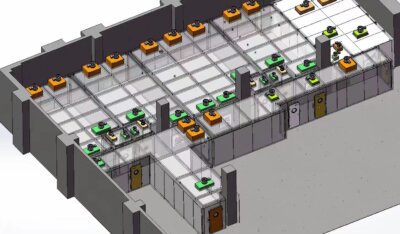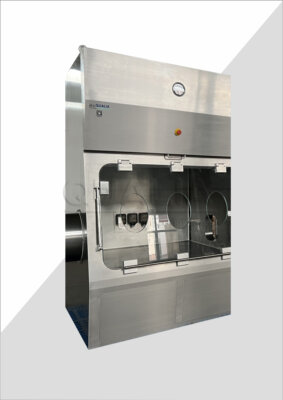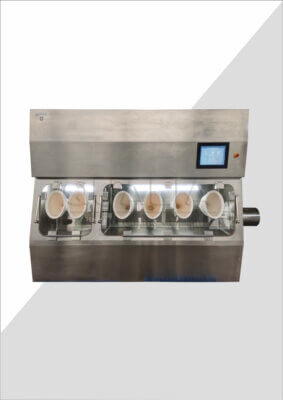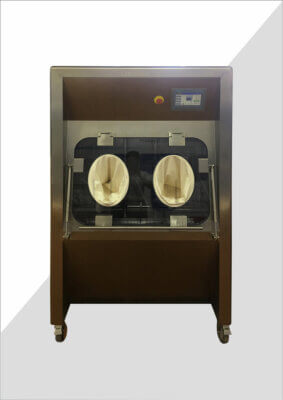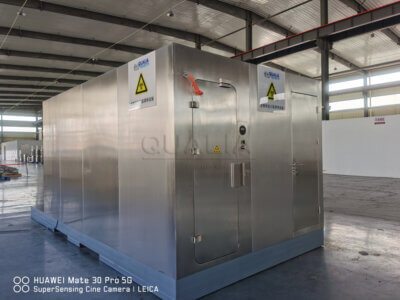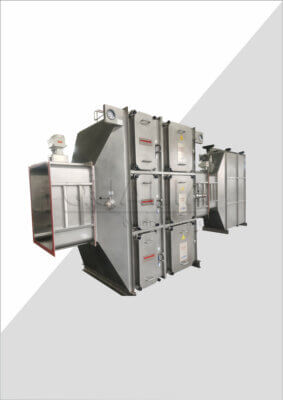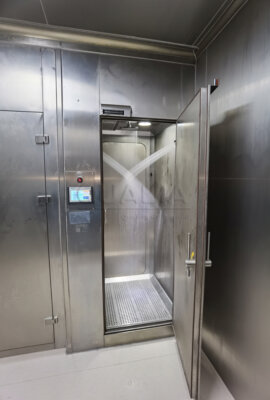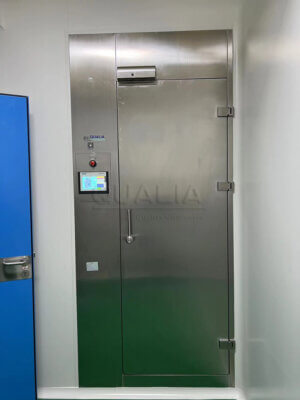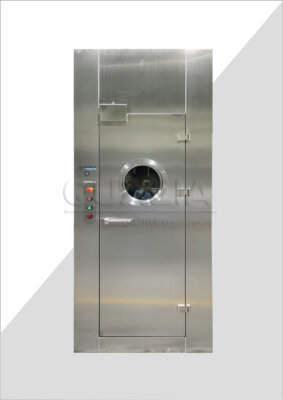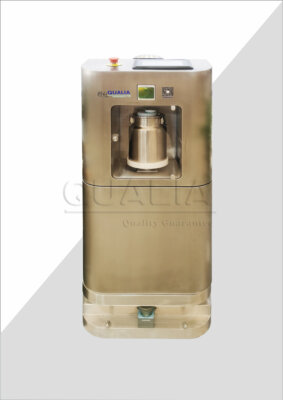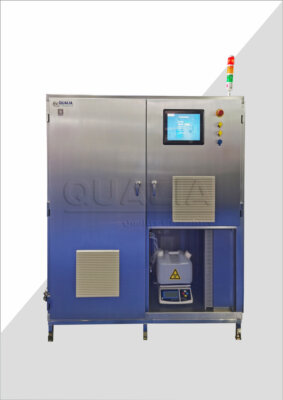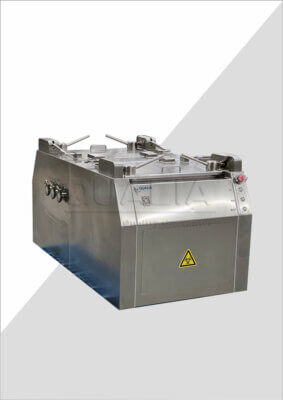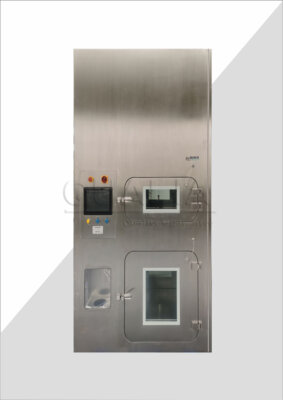
A integração de sistemas de gaiola ventilada individual (IVC) em um laboratório ABSL-3 é um desafio de engenharia de sistemas, não uma simples compra de equipamento. O principal risco é uma falha na contenção em camadas, em que uma violação na barreira primária (a gaiola) coincide com uma falha na barreira secundária (a instalação). As concepções errôneas comuns se concentram em tratar a seleção de IVC como uma aquisição autônoma, subestimando os pontos críticos de integração com HVAC, fluxos de resíduos e protocolos operacionais.
A atenção a essa integração é fundamental agora, devido à evolução dos padrões globais e a uma mudança estratégica em direção a uma pesquisa mais flexível e de alto rendimento. Novas diretrizes, como a ANSI/ASSP Z9.14, estão formalizando os requisitos de comissionamento e recertificação, tornando a conformidade mais rigorosa. Simultaneamente, a demanda por capacidade para estudar vários patógenos de alta consequência está impulsionando a adoção de soluções avançadas de contenção que maximizam a produção de pesquisa dentro das áreas físicas existentes.
Principais especificações de projeto para a integração do BSL-3 IVC
O paradigma de contenção “Keep-In
O princípio fundamental do projeto do IVC BSL-3 é manter a pressão negativa dentro da gaiola ou do isolador. Essa abordagem “keep-in” garante que qualquer agente aerossolizado seja contido na fonte. O sistema deve ser projetado para impedir a fuga, exigindo exaustão com filtro HEPA e intertravamentos de segurança que impeçam a pressurização positiva. De acordo com a pesquisa da engenharia de contenção, um erro comum é especificar o equipamento com base apenas no conforto do animal, sem esse fator primário de biossegurança. Todo o projeto deve começar com esse requisito inegociável.
Integridade do material para longevidade
As superfícies devem ser impermeáveis e resistentes à descontaminação química agressiva ao longo de décadas. Comprometer a qualidade do material para economizar nos custos iniciais arrisca a penetração de patógenos e leva a adaptações dispendiosas e perturbadoras. Os especialistas do setor recomendam uma análise do custo do ciclo de vida em vez do preço de compra inicial. Comparamos vários acabamentos poliméricos e de aço inoxidável e descobrimos que a integridade de longo prazo sob exposição repetida a peróxido de hidrogênio vaporizado ou dióxido de cloro é o diferencial crítico.
Engenharia para tolerância a falhas
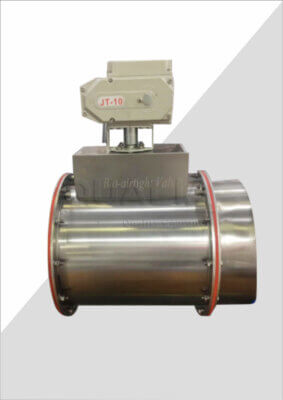
A redundância não é um recurso opcional, mas uma especificação essencial do projeto. Isso requer motores de sopradores duplos com comutação automática e backup de bateria integrado para manter a pressão negativa durante eventos de energia. Detalhes facilmente negligenciados incluem a posição à prova de falhas dos dampers e a programação do sistema de controle. O objetivo é garantir que nenhum ponto único de falha - seja mecânico, elétrico ou humano - possa comprometer o limite da contenção primária.
Principais especificações de projeto para a integração do BSL-3 IVC
| Princípio de design | Especificação básica | Recurso crítico |
|---|---|---|
| Contenção primária | Pressão negativa na gaiola | “Paradigma ”Keep-in |
| Ar de exaustão | Exaustão com filtro HEPA | Evita a fuga de agentes |
| Integridade do material | Impermeável, resistente a produtos químicos | Resiste à descontaminação repetida |
| Redundância do sistema | Motores de soprador duplo | Comutação automática |
| Resiliência de energia | Sistemas de backup de bateria | Mantém a contenção durante as interrupções |
Fonte: ISO 10648-2:1994 Invólucros de contenção - Parte 2: Classificação de acordo com a estanqueidade e métodos de verificação associados. Esta norma fornece a classificação e os métodos de teste para verificar a estanqueidade dos compartimentos de contenção, diretamente relevantes para garantir a construção vedada e a integridade da pressão negativa dos sistemas IVC como barreira primária.
Integração de sistemas IVC com HVAC de instalações ABSL-3
Gerenciando a cascata de pressão
A integração bem-sucedida depende da interface do diferencial de pressão entre o IVC e a sala. O HVAC da instalação deve manter uma cascata negativa, mas o sistema IVC deve manter uma pressão mais negativa internamente. O gerenciamento da exaustão é um ponto-chave de decisão: a exaustão do IVC deve ser canalizada diretamente para um sistema de exaustão dedicado e filtrado por HEPA ou deve ser exaurida com segurança na sala para captura imediata pela exaustão geral. Em nossa experiência, a canalização direta é preferível para garantir o máximo de contenção, mas exige uma integração mais complexa da instalação.
Interface com a automação predial
Todas as penetrações de energia, dados e dutos devem ser permanentemente vedadas para manter o envelope do laboratório. Os intertravamentos elétricos são essenciais; os motores do soprador do IVC devem ser conectados para falhar na posição “desligado” e ser integrados ao Sistema de Automação Predial (BAS). Essa integração permite o monitoramento contínuo dos diferenciais de pressão, do fluxo de ar e do status do filtro, fornecendo alertas em tempo real para qualquer desvio de parâmetro. O BAS torna-se o sistema nervoso central para a verificação da contenção.
Integração de sistemas IVC com HVAC de instalações ABSL-3
| Ponto de integração | Principais requisitos | Interface do sistema |
|---|---|---|
| Diferencial de pressão | Manutenção da pressão negativa | Interface da IVC para a sala |
| Gerenciamento de exaustão | Duto direto ou exaustão do ambiente | Filtragem HEPA obrigatória |
| Intertravamentos elétricos | Posição “desligada” à prova de falhas | Integrado com o BAS |
| Vedação de penetração | Necessidade de vedações permanentes | Linhas de alimentação e de dados |
| Redundância de instalações | Exaustores de reserva | Nenhum ponto único de falha |
Fonte: Documentação técnica e especificações do setor.
Verificação de desempenho e análise CFD para contenção
Simulação de falha antes que ela ocorra
A verificação da integridade da contenção requer testes em condições de falha simuladas. A análise de dinâmica de fluidos computacional (CFD) é agora uma ferramenta essencial de engenharia de pré-validação. A CFD modela o movimento do ar e a dispersão de partículas para simular cenários de ruptura, como uma manga de gaiola rasgada com escape normal ou com falha. Essa modelagem fornece um caso de segurança orientado por dados, demonstrando que uma ruptura catastrófica exigiria duas falhas simultâneas e improváveis. Essa evidência é crucial para justificar novos projetos de contenção para os comitês institucionais de biossegurança.
Mudança para a manutenção preditiva
O processo de validação estabelece uma linha de base de desempenho. A tendência atual é a integração de sensores de IoT com o BAS para permitir uma mudança da manutenção programada para protocolos preditivos e baseados em condições. O monitoramento contínuo da vibração, da corrente do motor e da pressão diferencial do filtro pode evitar o desvio de parâmetros e a falha de componentes. Essa abordagem proativa minimiza o tempo de inatividade e reduz o risco de operar fora dos parâmetros de contenção validados entre as recertificações anuais.
Verificação de desempenho e análise CFD para contenção
| Estágio de verificação | Ferramenta/método principal | Principais resultados/métricas |
|---|---|---|
| Modelagem de pré-validação | Dinâmica de fluidos computacional (CFD) | Simula cenários de violação |
| Simulação de falhas | Duas falhas simultâneas | Caso de segurança baseado em dados |
| Justificativa regulatória | Evidência de CFD | Aprovação de novos designs |
| Monitoramento contínuo | Sensores IoT com BAS | Manutenção preditiva |
| Turno de manutenção | Dados baseados em condições | Evita o desvio de parâmetros |
Fonte: Documentação técnica e especificações do setor.
Seleção de materiais e integração de descontaminação
Além da gaiola: a concha de barreira secundária
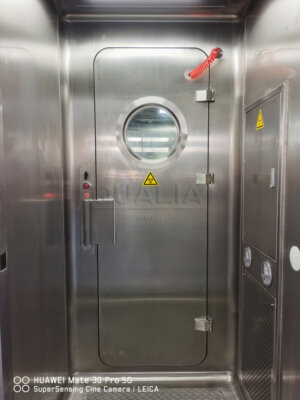
As especificações de materiais vão além do IVC e abrangem todo o envelope ABSL-3. A barreira secundária - piso de resina epóxi com coving integral, sistemas de paredes monolíticas vedadas e tetos com gaxetas - deve suportar os mesmos ciclos de descontaminação rigorosos que o equipamento primário. Comprometer a qualidade do selante ou da superfície aqui corre o risco de criar um reservatório de contaminação e um possível ponto de violação. O invólucro passivo é um componente fundamental e de longo prazo da estratégia de contenção.
Integração de fluxos de resíduos
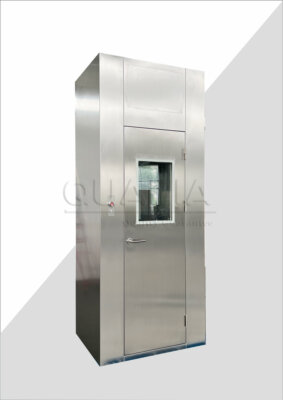
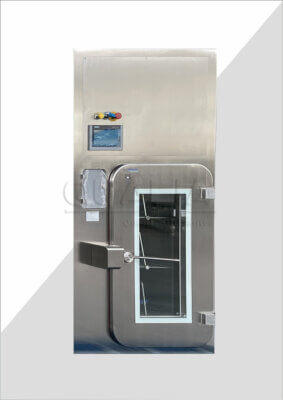
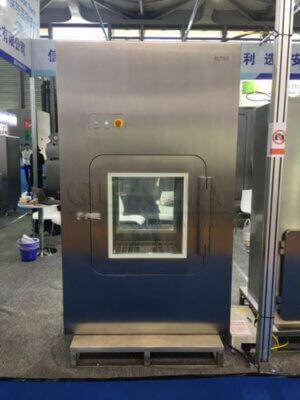
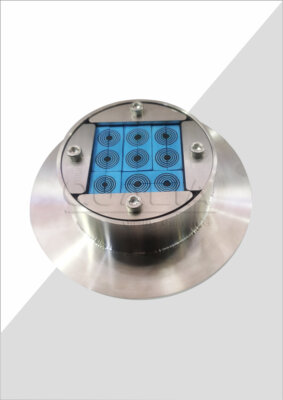
A integração da descontaminação deve abordar todos os caminhos de efluentes. Os resíduos líquidos das pias e da lavagem da gaiola devem ser tratados por um Sistema de Descontaminação de Efluentes (EDS) central. As autoclaves de passagem e os tanques de imersão exigem flanges bioseal para manter o limite de contenção durante a transferência de resíduos. O material e o projeto mecânico dessas interfaces são tão importantes quanto o próprio IVC, garantindo que o limite de contenção permaneça intacto durante todos os procedimentos operacionais.
Protocolos de comissionamento e recertificação contínua
Estabelecimento da linha de base de desempenho
O comissionamento é o processo abrangente e documentado de verificação de que todos os sistemas integrados funcionam de acordo com as especificações do projeto em condições operacionais e de falha. Não se trata apenas de uma verificação de instalação. Essa fase inclui o teste das sequências de alarme, a verificação dos diferenciais de pressão em todas as barreiras e a realização de varreduras de integridade do filtro HEPA no fornecimento e na exaustão. O relatório de comissionamento torna-se a linha de base de desempenho da instalação e um documento regulatório importante.
Orçamento para conformidade contínua
A recertificação anual é um requisito operacional e financeiro permanente. Os orçamentos operacionais devem alocar fundos para essa atividade obrigatória, que exige serviços especializados de empreiteiras. O processo repete os principais testes de comissionamento para garantir que não tenha ocorrido nenhuma degradação. A falta de planejamento para esse custo recorrente garante lapsos de conformidade e riscos de paralisação da instalação. A adoção de metodologias padronizadas, como as da ANSI/ASSP Z9.14, simplifica o processo e cria uma referência clara.
Protocolos de comissionamento e recertificação contínua
| Fase do protocolo | Principais atividades | Frequência necessária |
|---|---|---|
| Comissionamento inicial | Verificação completa do desempenho do sistema | Uma vez no início do projeto |
| Teste de alarme | Verifica todos os alarmes de contenção | Recertificação anual |
| Verificação de pressão | Verifica os diferenciais da sala e da gaiola | Recertificação anual |
| Teste de filtro HEPA | Verificação da integridade e teste de vazamento | Recertificação anual |
| Planejamento orçamentário | Alocar fundos para a recertificação | Custo operacional permanente |
Fonte: Documentação técnica e especificações do setor.
SOPs operacionais e fluxos de trabalho de segurança pessoal
Unindo engenharia e prática
Os controles de engenharia só são eficazes quando combinados com Procedimentos Operacionais Padrão rigorosos e praticados. Os POPs devem reger todos os fluxos de trabalho: manuseio de animais, transferência de materiais por meio de passagens, remoção de resíduos e resposta de emergência a alarmes ou perda de energia. O treinamento da equipe nesses POPs e no uso correto de EPIs - a barreira terciária - não é negociável. A complexidade dos sistemas integrados faz com que o suporte contínuo do fornecedor para atualizações de treinamento seja um fator essencial para a segurança a longo prazo.
Definição do objetivo operacional
O paradigma “keep-in vs. keep-out” determina a configuração do equipamento. Entender se o risco principal é conter um agente dentro da gaiola (keep-in) ou proteger os animais de patógenos externos (keep-out) é essencial para especificar o regime de pressão correto. Essa avaliação de risco fundamental deve ser claramente definida nos POPs para garantir que todos os funcionários entendam o objetivo por trás de cada protocolo e controle projetado.
Selecionando o sistema de IVC correto para seu laboratório BSL-3
Isoladores para flexibilidade e produtividade
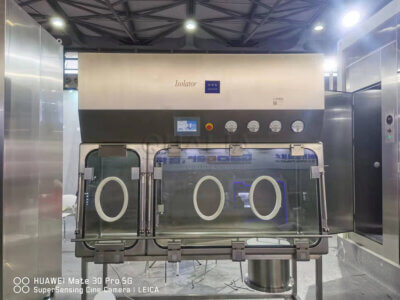
Para máxima flexibilidade, os isoladores semirrígidos modificados oferecem uma barreira primária validada e autônoma que pode abrigar gaiolas padrão. Esse design é uma vantagem estratégica, pois permite estudos simultâneos e distintos de agentes BSL-3 em uma única sala, evitando a contaminação cruzada. Ele multiplica efetivamente a capacidade de pesquisa sem a necessidade de construir suítes de contenção adicionais e caras. A escolha entre esse rack e o rack IVC tradicional deve ser orientada por protocolos e espécies de pesquisa.
Avaliação do ciclo de vida completo da parceria
A seleção do fornecedor está mudando do foco no custo inicial do equipamento para uma avaliação dos recursos de suporte ao ciclo de vida completo. Os principais critérios agora incluem a profundidade do suporte à integração com o HVAC/BAS da instalação, a abrangência dos programas de treinamento, a disponibilidade e o custo dos serviços de recertificação e a capacidade de resposta do suporte técnico. O parceiro certo garante a resiliência operacional e a conformidade durante toda a vida útil da instalação. Para os laboratórios que buscam contenção primária validada e flexível, a exploração de sistemas avançados de contenção primária pode ser uma opção. sistemas modulares de isoladores de contenção é uma etapa essencial.
Selecionando o sistema de IVC correto para seu laboratório BSL-3
| Tipo de sistema | Vantagem principal | Aplicação ideal |
|---|---|---|
| Isolador Semi-Rígido Modificado | Barreira primária validada | Caixa de gaiola padrão |
| Sistemas baseados em isoladores | Evita a contaminação cruzada | Estudos com múltiplos agentes |
| Racks de IVC tradicionais | Flexibilidade específica do protocolo | Modelos de pesquisa estabelecidos |
| Critérios de seleção do fornecedor | Recursos de suporte ao ciclo de vida | Resiliência operacional de longo prazo |
| Meta estratégica | Aumenta o rendimento da pesquisa | Multiplicação de capacidade |
Fonte: Documentação técnica e especificações do setor.
Roteiro de implementação e critérios de seleção de fornecedores
Uma abordagem de engenharia de sistemas em fases
Uma implementação bem-sucedida segue um roteiro deliberado: avaliação de risco para definir as necessidades, projeto detalhado, validação CFD, comissionamento e desenvolvimento de POP. Cada fase requer a contribuição de agentes de biossegurança, engenheiros de instalações, pesquisadores e do fornecedor. Essa visão holística trata o IVC não como um móvel, mas como um componente integral do sistema de contenção. A tendência de unidades BSL-3 móveis e pré-validadas oferece uma alternativa de implantação rápida, alterando os modelos tradicionais de planejamento de instalações.
Pontuação de compras estratégicas
O setor de compras deve usar um modelo de pontuação ponderada que enfatize o serviço e o suporte de longo prazo. Avalie os fornecedores quanto aos seus pacotes de documentação, currículo de treinamento, logística de peças de reposição e experiência da equipe de serviço de recertificação. O contrato deve definir claramente as responsabilidades de suporte pós-comissionamento. O objetivo é selecionar um parceiro que garanta a integridade operacional e a conformidade da instalação pelos próximos 15 a 20 anos, e não apenas a proposta mais baixa para o equipamento.
A integração bem-sucedida de sistemas IVC em laboratórios BSL-3 depende de três prioridades: tratar a contenção como um sistema integrado de barreiras primárias, secundárias e terciárias; planejar o custo total do ciclo de vida, especialmente a recertificação obrigatória; e selecionar parceiros de tecnologia com base no suporte de longo prazo, não apenas nas especificações iniciais. A estrutura de decisão deve começar com uma avaliação de risco clara que defina o objetivo operacional, o qual, por sua vez, orienta todas as escolhas subsequentes de projeto e aquisição.
Precisa de orientação profissional para projetar ou validar seu espaço de pesquisa animal de alta contenção? Os especialistas em integração da QUALIA A equipe de especialistas da BMS é especializada na implementação perfeita de soluções avançadas de contenção primária em ambientes BSL-3 complexos. Entre em contato conosco para discutir os requisitos do seu projeto e as metas estratégicas de capacidade.
Perguntas frequentes
P: Como você garante a integridade da contenção ao integrar a exaustão do IVC com o sistema HVAC da instalação?
R: A barreira primária do IVC deve ter uma interface perfeita com a barreira HVAC secundária do laboratório. Isso requer a canalização direta da exaustão do IVC para um sistema com filtro HEPA ou exaustão de sala segura, com todas as penetrações de serviço permanentemente vedadas. Os intertravamentos elétricos críticos devem garantir que os motores do soprador falhem em um estado “desligado” seguro e sejam monitorados pelo Sistema de Automação Predial. Para a integração do planejamento de instalações, espere projetar redundância em camadas, incluindo ventiladores de exaustão de reserva da instalação, para eliminar pontos únicos de falha na cadeia de contenção.
P: Qual é a função da análise CFD na validação de um sistema de contenção BSL-3?
R: A Dinâmica de Fluidos Computacional fornece um método de pré-comissionamento orientado por dados para verificar a contenção por meio da modelagem de fluxos de ar e dispersão de partículas durante cenários de violação simulados. Essas análises comprovam que uma falha catastrófica exigiria dois eventos simultâneos e improváveis, criando um caso de segurança robusto para aprovação regulatória. Isso significa que os projetos com novos designs de contenção ou aqueles que buscam justificar os protocolos operacionais para os comitês de biossegurança devem orçar estudos de CFD no início da fase de design para agilizar a validação.
P: Por que a seleção de materiais é fundamental, além das próprias unidades de IVC em um laboratório ABSL-3?
R: A integridade da contenção de longo prazo depende de todo o envelope da instalação resistir à descontaminação química repetida. Isso inclui a especificação de pisos de resina epóxi com coving integral e sistemas de paredes monolíticas vedadas como parte da barreira secundária passiva. Se o seu plano operacional envolve ciclos frequentes de descontaminação, comprometer a qualidade do material ou do selante para economizar no início pode causar uma falha catastrófica na contenção e exigir reformas muito mais caras posteriormente.
P: Como os orçamentos operacionais devem planejar os custos contínuos de uma instalação BSL-3 com IVCs integradas?
R: Os orçamentos devem alocar permanentemente fundos para a recertificação anual obrigatória, que inclui testes de alarmes, diferenciais de pressão e integridade do filtro HEPA. Esse processo especializado exige serviços terceirizados e estabelece um custo operacional contínuo, não uma despesa de capital única. As instalações que não planejarem esse compromisso financeiro recorrente enfrentarão lapsos de conformidade e correrão o risco de paralisação operacional, tornando a análise do custo do ciclo de vida mais estratégica do que o preço de compra inicial.
P: Qual é o principal diferencial entre um rack IVC tradicional e um sistema de isolador modificado para pesquisa BSL-3?
R: Os isoladores semirrígidos modificados atuam como uma barreira primária validada e autônoma que pode abrigar gaiolas padrão, permitindo estudos de agentes BSL-3 distintos em uma única sala, evitando a contaminação cruzada. Esse projeto multiplica efetivamente a capacidade de pesquisa sem a construção de suítes adicionais. Para laboratórios que desejam maximizar a flexibilidade e o rendimento do protocolo com vários agentes ou espécies, a abordagem baseada em isoladores oferece uma vantagem estratégica em relação aos sistemas de rack tradicionais.
P: Quais são os critérios mais importantes para selecionar um fornecedor para a integração do IVC BSL-3?
R: A seleção do fornecedor deve priorizar a experiência comprovada na integração de seus equipamentos com os sistemas HVAC e de automação predial das instalações, além de um suporte robusto pós-comissionamento para treinamento e atualizações de SOP. A aquisição deve dar aos parceiros uma pontuação mais alta para esses recursos de serviço de longo prazo do que para o custo inicial do equipamento. Isso significa que, para garantir décadas de resiliência operacional e conformidade, você deve avaliar os fornecedores como parceiros de suporte ao ciclo de vida, e não apenas como fornecedores de equipamentos.
P: Quais padrões são diretamente aplicáveis para classificar a estanqueidade dos gabinetes de contenção BSL-3?
R: O projeto e a qualificação de sistemas de contenção vedados, como os IVCs, devem fazer referência a ISO 10648-2:1994 para classificação de estanqueidade e métodos de teste associados. Além disso, a manutenção da limpeza do ar classificado do ambiente controlado circundante é regida por ISO 14644-1:2015. Isso estabelece uma referência de conformidade global, simplificando a validação para instalações que precisam atender a requisitos regulatórios ou de colaboração internacional.
Conteúdo relacionado:
- Qual é o melhor tipo de sistema de ventilação para o controle de fluxo de ar em laboratórios animais BSL-3?
- Recursos avançados e especificações de desempenho na construção moderna de laboratórios BSL-3 para animais
- Ventilação de laboratório BSL-3: Projeto para segurança ideal
- Como selecionar equipamentos especializados para agentes transmissíveis por aerossol em laboratórios de animais BSL-3
- Manuseio de ar BSL-4: Requisitos críticos do sistema
- Manuseio de ar em BSL-3 vs BSL-4: comparação de sistemas
- Cascatas de pressão BSL-4: Projeto de sistema avançado
- Comissionamento de seu laboratório BSL-3: Guia passo a passo
- Princípios de projeto técnico de laboratório animal BSL-3 para manuseio de agentes transmissíveis por aerossol