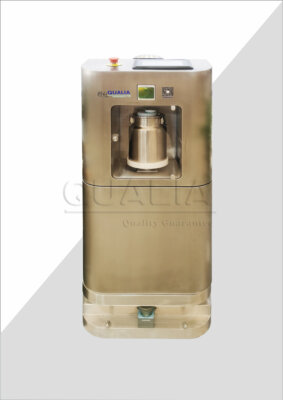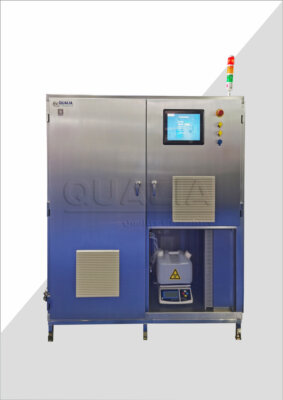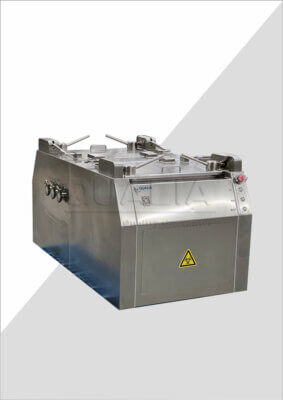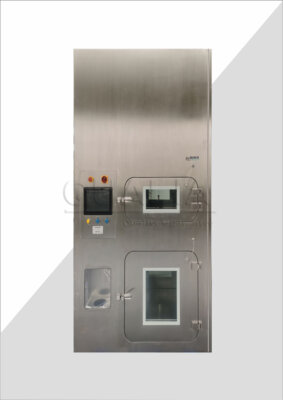
Memilih peralatan kontainmen OEB 4 adalah keputusan teknis dan finansial yang berisiko tinggi. Pilihan yang salah berisiko terhadap keselamatan operator, ketidakpatuhan terhadap peraturan, dan inefisiensi operasional yang signifikan. Tantangan utamanya adalah bergerak melampaui klasifikasi OEB generik untuk mencocokkan kemampuan peralatan tertentu dengan risiko proses, bentuk zat, dan skala operasional Anda yang tepat. Kesalahan langkah sering kali berasal dari rekayasa berlebihan dengan isolator yang mahal di mana solusi yang lebih sederhana sudah cukup, atau meremehkan beban validasi dan integrasi.
Keputusan ini menuntut perhatian segera. Pasar HPAPI semakin berkembang, dan pengawasan peraturan semakin ketat, terutama seputar pembuangan lingkungan dan penanganan limbah. Strategi modern berbasis risiko tidak lagi menjadi pilihan. Ini adalah prasyarat untuk pembuatan obat sitotoksik yang aman, patuh, dan layak secara ekonomi. Pemilihan peralatan Anda akan menentukan budaya keselamatan fasilitas Anda, alur kerja operasional, dan total biaya kepemilikan selama bertahun-tahun.
Perbedaan Utama Antara Jenis Peralatan Kontainmen OEB 4
Mendefinisikan Teknologi Inti
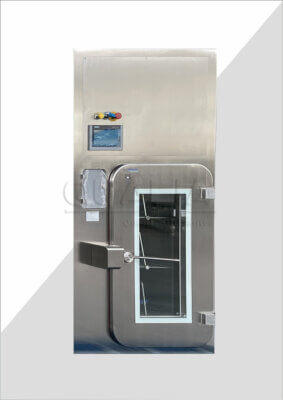
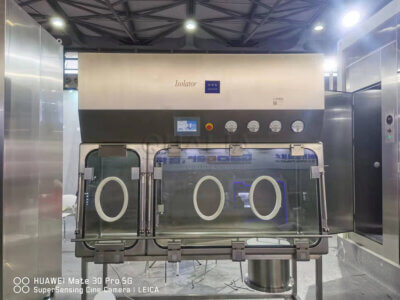
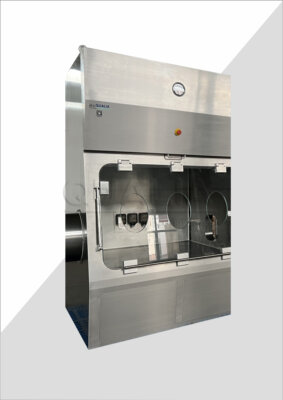
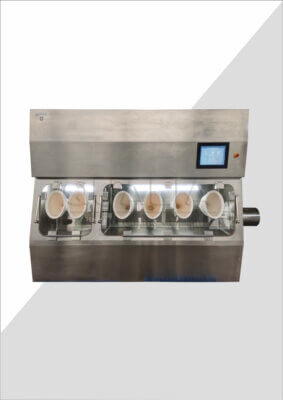
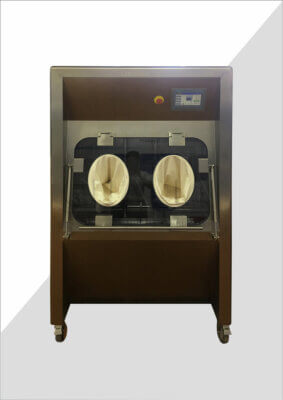
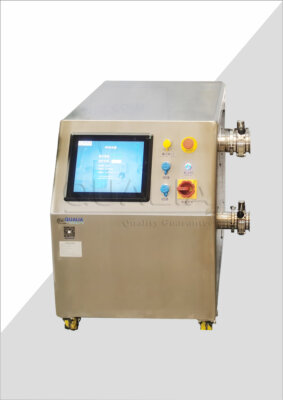
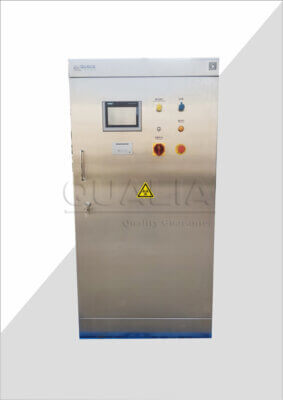
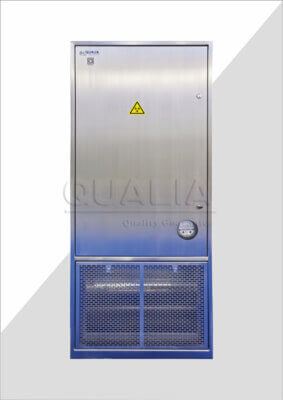
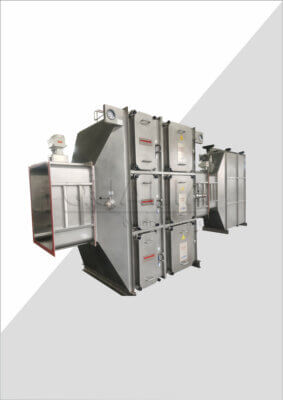
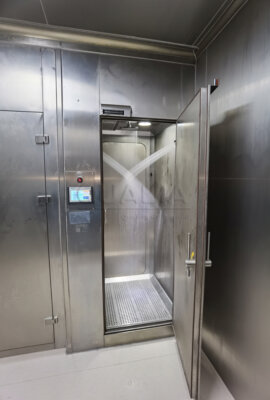
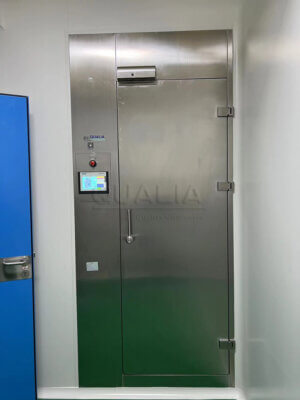
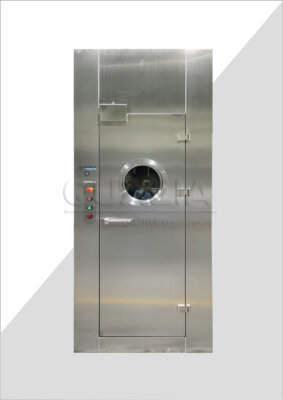
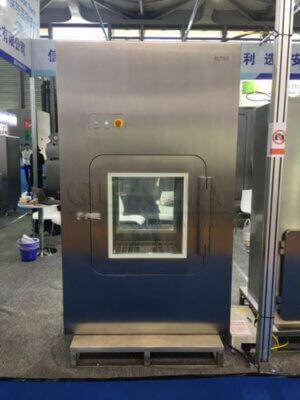
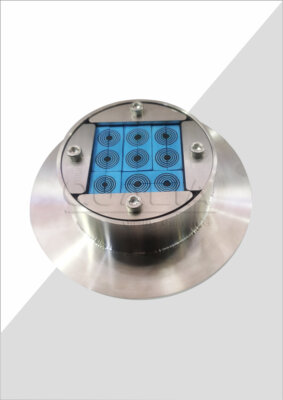
Penahanan OEB 4 bukanlah solusi tunggal tetapi merupakan pita kinerja (1-10 µg/m³) yang dicapai melalui desain rekayasa yang berbeda. Isolator penahanan tinggi menyediakan lingkungan dinding yang disegel dan kaku yang dipertahankan di bawah tekanan negatif (-15 hingga -30 Pa) dengan penyaringan HEPA / ULPA. Mereka menggunakan port sarung tangan dan Port Transfer Cepat (RTP) untuk transfer material, menjadikannya pilihan pasti untuk penanganan bubuk berisiko tinggi seperti penimbangan API. Lemari Pengaman Sitotoksik (CSC) dirancang untuk pekerjaan skala laboratorium, menggunakan aliran udara searah tertentu untuk melindungi operator, produk, dan lingkungan selama manipulasi cairan atau bubuk terbatas.
Seleksi Berbasis Aplikasi
Variasi ini mencerminkan pergeseran strategis industri dari strategi penahanan biner ke strategi penahanan berbasis risiko. Pemilihan peralatan harus dikalibrasi dengan fase proses tertentu yang diidentifikasi melalui Analisis Modus Kegagalan, Efek, dan Kekritisan (FMECA). Untuk pembuatan dosis padat, solusi Dry Containment berintegrasi langsung ke dalam peralatan seperti mesin cetak tablet, yang dilengkapi dengan penutup kedap debu dan sistem transfer serbuk yang terkandung. Sifat khusus dari solusi ini didorong oleh pasar HPAPI yang berkembang pesat, yang mendorong ekosistem vendor khusus yang berfokus pada rekayasa khusus sitotoksik.
Keharusan Strategis
Hal penting yang dapat disimpulkan adalah bahwa OEB 4 mewakili pita penting di mana penahanan yang direkayasa dan otomatis menjadi strategi utama, melampaui ketergantungan pada kontrol prosedural. Memilih jenis yang tepat adalah langkah pertama dalam membangun rangkaian proses yang tertutup dan terintegrasi. Kelalaian yang umum terjadi adalah tidak mempertimbangkan bagaimana peralatan akan berinteraksi dengan langkah hulu dan hilir, yang dapat menciptakan kesenjangan penahanan selama pemindahan material.
Perbandingan Biaya: Modal, Operasional & Total Biaya Kepemilikan
Di luar Harga Pembelian
Analisis keuangan harus melampaui belanja modal awal (Capex). Isolator penahanan tinggi dan sistem penahanan kering terintegrasi membutuhkan belanja modal yang signifikan karena rekayasa, validasi, dan pemasangan yang rumit. Lemari Pengaman Sitotoksik menghadirkan biaya awal yang lebih rendah tetapi cocok untuk operasi skala kecil. Biaya operasional (OpEx) termasuk biaya berkelanjutan untuk penggantian filter HEPA, konsumsi utilitas untuk mempertahankan kaskade tekanan, dan validasi ulang berkala wajib.
Model Total Biaya Kepemilikan
Hal ini menggarisbawahi implikasi strategis bahwa pembenaran harus menggunakan model Total Biaya Kepemilikan (TCO). Solusi teknis otomatis, meskipun padat modal, memberikan penahanan yang dapat diprediksi dan berulang yang menurunkan risiko siklus hidup dan kewajiban. Menurut pengalaman saya, proyek yang hanya berfokus pada CapEx sering kali menghadapi lonjakan OpEx yang tidak terduga dari perubahan filter, layanan validasi, dan waktu henti yang tidak direncanakan karena integrasi yang buruk.
Mengevaluasi Gambaran Keuangan Secara Keseluruhan
Strategi prosedural yang sangat mengandalkan APD dan kontrol administratif memiliki belanja modal yang rendah tetapi menimbulkan TCO jangka panjang yang lebih tinggi. Hal ini disebabkan oleh pelatihan yang terus-menerus, pemantauan lingkungan, dan risiko inheren kesalahan manusia yang mengarah pada insiden paparan dan remediasi yang mahal. Saat mengevaluasi vendor, carilah vendor yang menawarkan portofolio penahanan berjenjang yang selaras dengan tingkat OEB tertentu. Pendekatan “respons termodulasi” ini mencegah rekayasa berlebihan yang mahal dan mengoptimalkan efisiensi modal dan operasional jangka panjang.
| Jenis Peralatan | Belanja Modal (Capex) | Faktor Pendorong Biaya Operasional (OpEx) |
|---|---|---|
| Isolator Kontainmen Tinggi | Signifikan / Tinggi | Penggantian filter HEPA, konsumsi utilitas |
| Sistem Penahanan Kering | Signifikan / Tinggi | Validasi ulang, sistem aspirasi terintegrasi |
| Lemari Pengaman Sitotoksik (Cytotoxic Safety Cabinets/CSC) | Biaya awal yang lebih rendah | Perubahan filter, pemantauan prosedural |
| Pengendalian Prosedur (APD) | Belanja Modal Rendah | Pelatihan konstan, risiko insiden paparan |
Sumber: Dokumentasi teknis dan spesifikasi industri.
Isolator vs Lemari Pengaman Sitotoksik: Mana yang Lebih Baik untuk Proses Anda?
Aplikasi Utama Menentukan Pilihan
Keputusan ini pada dasarnya ditentukan oleh skala proses dan bentuk zat. Isolator adalah solusi untuk pemrosesan bubuk curah API sitotoksik OEB 4, seperti penimbangan, pengeluaran, dan pengambilan sampel. Lingkungannya yang tertutup rapat, divalidasi untuk mempertahankan paparan di bawah 1 µg/m³, dirancang untuk penanganan langsung serbuk berpotensi tinggi. CSC dibuat khusus untuk manipulasi terkendali formulasi cairan atau bubuk di apotek atau laboratorium, seperti menyiapkan produk obat sitotoksik steril.
Pertimbangan Integrasi dan Transfer
Secara strategis, keputusan ini menyoroti pentingnya kemampuan integrasi. Isolator sering kali merupakan bagian dari rangkaian proses yang lebih besar dan terkendali, yang membutuhkan antarmuka dengan sistem transfer dan peralatan hilir. CSC biasanya berfungsi sebagai unit mandiri. Kerangka kerja juga harus memperhitungkan kerentanan penahanan yang paling kritis: transfer material. Isolator mengatasi hal ini dengan port yang direkayasa (RTP, katup kupu-kupu terpisah), sedangkan CSC mengandalkan prosedur akses pembukaan depan yang ketat.
Membuat Panggilan Strategis
Untuk produksi OEB 4 yang dapat diskalakan yang melibatkan serbuk curah, isolator menyediakan tingkat penanganan otomatis tertutup yang diperlukan. Tolok ukur kinerja jelas, seperti yang ditentukan oleh standar seperti ISO 14644-7: Selungkup terpisah. Untuk aktivitas peracikan steril skala laboratorium, CSC selaras dengan USP <797> Sediaan Steril Peracikan Farmasi persyaratan adalah alat yang sesuai dan terkalibrasi. Aplikasi yang salah akan mengorbankan keselamatan dan efisiensi.
| Faktor Keputusan | Isolator | Lemari Pengaman Sitotoksik (Cytotoxic Safety Cabinets/CSC) |
|---|---|---|
| Aplikasi Utama | Pemrosesan bubuk curah (penimbangan) | Formulasi cairan/bubuk skala laboratorium |
| Validasi Penahanan | <1 µg/m³ target paparan | Perlindungan bidang aliran udara yang steril |
| Metode Transfer Material | Port yang direkayasa (RTP, katup) | Prosedur akses bukaan depan |
| Model Integrasi | Bagian dari kereta proses yang terkandung | Biasanya unit yang berdiri sendiri |
Sumber: ISO 14644-7: Selungkup terpisah. Standar ini menetapkan persyaratan minimum untuk desain dan pengujian selungkup pemisah seperti isolator dan kotak sarung tangan, yang memberikan kriteria kinerja dasar untuk tingkat penahanan yang dibahas.
Solusi Penahanan Kering vs Isolator untuk Pembuatan Dosis Padat
Tantangan Dosis Padat
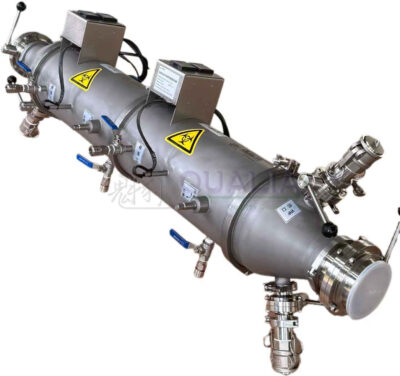
Untuk pembuatan dosis padat OEB 4 (misalnya, pembuatan tablet, pengisian kapsul), pilihannya sering kali terletak pada solusi Dry Containment khusus yang diintegrasikan ke dalam mesin pengolah dan menggunakan isolator untuk menutup seluruh peralatan. Desain Dry Containment memiliki fitur penutup mesin langsung dengan segel kedap debu, dipertahankan di bawah tekanan negatif dengan aspirasi yang disaring dengan HEPA terintegrasi untuk menangkap debu yang dihasilkan dari proses. Hal ini menawarkan kontrol teknik yang efisien dan spesifik untuk proses tertentu.
Membandingkan Integrasi dan Fleksibilitas
Isolator penuh memberikan batas penahanan yang lebih fleksibel tetapi bisa lebih rumit untuk diintegrasikan dengan mekanik mesin, pembersihan, dan akses pemeliharaan. Perbandingan ini mencontohkan kriteria “respons termodulasi” dalam pemilihan vendor. Sistem Dry Containment adalah solusi terkalibrasi yang dirancang khusus untuk band OEB 4, memastikan perlindungan selama proses produksi normal tanpa infrastruktur penuh dari isolator mandiri.
Memilih Saldo yang Dioptimalkan
Implikasi strategisnya adalah bahwa untuk proses dosis padat bervolume tinggi yang berdedikasi, Dry Containment sering kali memberikan keseimbangan yang lebih optimal antara kinerja, biaya, dan jejak fasilitas. Ini merupakan pendekatan yang ditargetkan untuk kontrol bubuk yang direkayasa untuk API berpotensi tinggi. Namun, pilihan tersebut harus divalidasi melalui pengujian standar seperti SMEPAC untuk memastikan desain terintegrasi memenuhi target eksposur yang ketat untuk OEB 4. Keputusannya bergantung pada apakah Anda memerlukan penutup yang fleksibel atau solusi yang diperkeras dengan proses.
Validasi Kinerja & Pengujian SMEPAC untuk Kepatuhan OEB 4
Keharusan Validasi
Peringkat OEB yang dinyatakan tidak ada artinya tanpa validasi kinerja yang terstandardisasi secara empiris. Metodologi Standardized Measurement of Equipment Particulate Airborne Concentration (SMEPAC) adalah tolok ukur industri. Metode ini melibatkan pengujian peralatan dengan bubuk pengganti (misalnya, laktosa) selama simulasi skenario operasional terburuk dan mengukur konsentrasi di udara di luar batas penahanan. Untuk memenuhi kepatuhan OEB 4, sistem harus menunjukkan bahwa sistem dapat secara konsisten mempertahankan tingkat paparan dalam rentang 1-10 µg/m³.
Mengubah Pengadaan
Persyaratan yang ketat ini mengubah validasi dari pemeriksaan akhir menjadi kriteria pengadaan strategis inti. Kontrak pengadaan harus mengamanatkan pengujian SMEPAC yang disaksikan, sehingga menggeser dasar pembelian dari klaim pemasaran menjadi data yang dapat diaudit. Proses ini juga menutup kesenjangan pengetahuan dari apa peralatan yang harus dibeli untuk bagaimana untuk membuktikannya bekerja. Kami membandingkan beberapa klaim vendor dengan data SMEPAC mereka dan menemukan perbedaan yang signifikan dalam kinerja dunia nyata dalam kondisi dinamis.
Cakupan Kepatuhan yang Semakin Luas
Selain itu, ruang lingkup validasi semakin meluas. Pengawasan peraturan meluas dari paparan operator hingga mencakup keamanan lingkungan, yang berarti pengujian dan desain sistem juga harus mempertimbangkan penahanan limbah buangan dan aliran limbah. Hal ini sejalan dengan ekspektasi kontrol holistik yang ditemukan dalam pedoman seperti Lampiran GMP UE 1: Pembuatan Produk Obat Steril, yang menekankan perlindungan terhadap produk dan lingkungan sekitar.
| Parameter Uji | Persyaratan / Tolok Ukur | Detail Utama |
|---|---|---|
| Target Tingkat Paparan | Pita 1-10 µg/m³ | Target desain terkemuka <1 µg/m³ |
| Materi Tantangan | Bubuk pengganti (misalnya laktosa) | Mensimulasikan skenario operasional kasus terburuk |
| Fokus Validasi | Paparan operator & keamanan lingkungan | Termasuk penampungan limbah gas buang |
| Mandat Pengadaan | Menyaksikan data pengujian SMEPAC | Dasar untuk kepatuhan yang dapat diaudit |
Sumber: Dokumentasi teknis dan spesifikasi industri.
Mengintegrasikan Kontainer dengan Pembersihan, Pemeliharaan & Penanganan Limbah
Mengatasi Seluruh Siklus Hidup
Strategi penahanan harus mencakup seluruh siklus operasional, termasuk fase pembersihan, pemeliharaan, dan penanganan limbah yang berisiko tinggi. Untuk OEB 4, kegiatan akhir batch sering kali melibatkan sistem vakum terintegrasi untuk pemulihan serbuk dan protokol pembersihan basah yang terkandung menggunakan sistem clean-in-place (CIP) atau clean-out-of-place (COP) di dalam isolator. Limbah, termasuk filter dan residu pembersih, harus ditangani sebagai bahan sitotoksik, yang sering kali memerlukan pengantongan ganda melalui port yang disegel.
Intervensi Berisiko Tinggi
Pemeliharaan biasanya membutuhkan pembongkaran kontainmen, dengan mengandalkan SOP yang ketat, APD lengkap, dan siklus dekontaminasi sebelumnya. Integrasi ini merupakan titik kerentanan yang kritis, yang menekankan bahwa pemindahan dan intervensi material tetap merupakan operasi dengan risiko tertinggi. Integrasi yang efektif membutuhkan peralatan yang dirancang untuk tugas tambahan ini, seperti port limbah masuk/keluar dan perkakas internal untuk meminimalkan intervensi manual.
Merancang untuk Pengoperasian yang Mulus
Tantangan strategisnya adalah menciptakan kereta proses yang mulus dan tertutup di mana penahanan tidak dilanggar untuk operasi rutin. Pendekatan holistik ini diperlukan untuk mengelola total biaya kepemilikan, karena integrasi yang buruk menyebabkan beban prosedural, waktu henti, dan risiko yang lebih tinggi. Sistem yang sulit dibersihkan atau dipelihara akan mengikis keefektifannya sendiri dan menjadi penghambat, sehingga meniadakan investasi modal awal dalam rekayasa keselamatan.
Dampak Ruang, Staf & Fasilitas dari Sistem Penahanan yang Berbeda
Jejak Fasilitas dan Infrastruktur
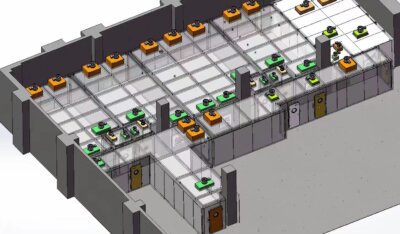
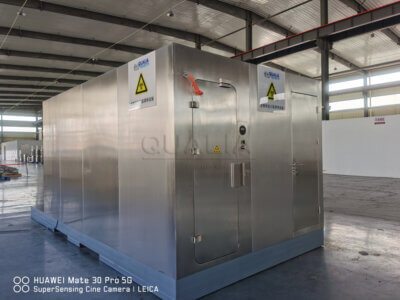
Pilihan peralatan kontainer memiliki implikasi fasilitas yang signifikan. Isolator dengan kapasitas tinggi memerlukan ruang lantai khusus, sambungan utilitas untuk kontrol tekanan dan penyaringan, dan sering kali HVAC ruangan yang disempurnakan untuk mendukung kaskade tekanan. Lemari Pengaman Sitotoksik hemat tempat tetapi membutuhkan infrastruktur laboratorium yang sesuai. Solusi Penahanan Kering yang diintegrasikan ke dalam jalur pemrosesan mungkin memiliki tapak yang lebih kecil daripada mesin yang tertutup isolator tetapi masih membutuhkan sambungan utilitas.
Pergeseran Staf dan Keterampilan
Dari perspektif kepegawaian, penahanan teknis otomatis mengurangi jumlah personel yang berisiko langsung tetapi membutuhkan teknisi yang sangat terlatih untuk pengoperasian, pemeliharaan, dan validasi. Faktor-faktor ini secara langsung memengaruhi Total Biaya Kepemilikan dan model operasional. Pergeseran ke kontrol yang direkayasa di OEB 4 mengubah persyaratan kepegawaian dari sejumlah besar operator yang bergantung pada APD menjadi kader yang lebih kecil dari insinyur dan teknisi yang terampil.
Perencanaan Multidisiplin
Desain fasilitas juga harus mengantisipasi perluasan fokus peraturan pada keselamatan lingkungan, yang berpotensi memerlukan ketentuan untuk sistem dekontaminasi limbah dan area penanganan limbah yang terkendali. Oleh karena itu, perencanaan harus bersifat multidisiplin, yang melibatkan teknik, EHS, dan operasi. Prinsip-prinsip ventilasi dasar, sebagaimana diuraikan dalam standar seperti ANSI/AIHA Z9.5: Ventilasi Laboratorium, menginformasikan infrastruktur yang dibutuhkan untuk mendukung sistem ini dengan aman dan efektif.
| Jenis Sistem | Jejak Fasilitas & Utilitas | Persyaratan Staf & Keterampilan |
|---|---|---|
| Isolator Kontainmen Tinggi | Ruang khusus, HVAC ruangan yang disempurnakan | Teknisi dan insinyur yang sangat terlatih |
| Lemari Keamanan Sitotoksik | Infrastruktur laboratorium | Operator dengan pelatihan khusus |
| Solusi Penahanan Kering | Terintegrasi, tapak yang lebih kecil | Pemeliharaan dan validasi yang terampil |
| Dampak Strategis | Perencanaan multidisiplin (K3LH, teknik) | Kader yang lebih kecil, mengurangi personel berisiko langsung |
Sumber: ANSI/AIHA Z9.5: Ventilasi Laboratorium. Standar ini menetapkan prinsip-prinsip berbasis risiko untuk penanganan dan penahanan udara laboratorium, yang secara langsung menginformasikan persyaratan fasilitas dan infrastruktur untuk pengoperasian yang aman dari sistem ini.
Memilih Peralatan OEB 4 yang Tepat: Kerangka Kerja Keputusan
Mulailah dengan Penilaian Risiko Granular
Kerangka kerja keputusan yang terstruktur dimulai dengan penilaian risiko proses granular (FMECA) untuk mengidentifikasi langkah-langkah yang berisiko tinggi. Hal ini selaras dengan paradigma berbasis risiko modern dan secara langsung menginformasikan persyaratan teknis, memastikan “respons termodulasi” daripada rekayasa yang berlebihan. Analisis ini harus memetakan setiap langkah proses ke tingkat kinerja penahanan yang diperlukan, dengan mempertimbangkan tugas-tugas rutin dan berbasis intervensi.
Evaluasi Terhadap Kriteria Inti
Kerangka kerja ini kemudian harus mengevaluasi solusi berdasarkan kriteria utama: kinerja yang divalidasi melalui pengujian SMEPAC yang disaksikan, kemampuan integrasi dengan proses hulu/hilir dan penanganan limbah, dan model Total Biaya Kepemilikan yang komprehensif. Pemilihan mitra strategis sangat penting. Prioritaskan vendor dari ekosistem peralatan sitotoksik khusus yang menunjukkan filosofi desain berbasis risiko dan dapat memberikan solusi berjenjang yang dapat diskalakan.
Dari Seleksi hingga Eksekusi
Terakhir, pahami bahwa keunggulan kompetitif terletak pada penguasaan eksekusi-integrasi FMECA, kontrol teknis, dan langkah-langkah prosedural. Pilihan yang tepat bukanlah satu perangkat saja, melainkan strategi yang terintegrasi dan tervalidasi yang memastikan keselamatan, kepatuhan, dan efisiensi operasional di seluruh siklus hidup produk. Dokumentasikan alasan keputusan, termasuk data SMEPAC dan analisis TCO, untuk mendukung audit di masa mendatang dan perubahan proses.
Keputusan berporos pada penyelarasan kinerja teknis yang tervalidasi dengan bahaya proses yang spesifik, bukan pada pencarian solusi “terbaik” yang universal. Menerapkan sistem yang dipilih dengan fokus pada integrasi tanpa batas untuk transfer material, pembersihan, dan penanganan limbah agar tidak menimbulkan risiko operasional baru. Strategi OEB 4 yang sukses ditentukan oleh eksekusi loop tertutup.
Perlu panduan profesional untuk menavigasi keputusan kompleks ini untuk lini produksi sitotoksik Anda? Para ahli di QUALIA mengkhususkan diri dalam strategi penahanan berbasis risiko dan dapat membantu Anda menerapkan solusi yang tervalidasi dan efisien. Untuk konsultasi langsung, Anda juga dapat Hubungi Kami.
Pertanyaan yang Sering Diajukan
T: Bagaimana Anda memvalidasi bahwa peralatan penahanan OEB 4 benar-benar memenuhi klaim kinerjanya?
J: Anda harus meminta pengujian SMEPAC (Standardized Measurement of Equipment Particulate Airborne Concentration) yang disaksikan dengan menggunakan bubuk pengganti selama simulasi operasi terburuk. Metodologi terstandardisasi ini mengukur konsentrasi udara eksternal untuk memverifikasi bahwa sistem dapat mempertahankan paparan dalam rentang 1-10 µg/m³, dengan desain terkemuka yang menargetkan <1 µg/m³. Ini berarti kontrak pengadaan harus mengamanatkan data SMEPAC sebagai kriteria lulus/gagal, mengalihkan pemilihan vendor dari klaim pemasaran ke bukti kinerja yang dapat diaudit.
T: Apa kesalahan finansial utama saat membandingkan isolator dan lemari pengaman sitotoksik?
J: Kesalahan utama adalah hanya mengevaluasi belanja modal awal alih-alih menghitung Total Biaya Kepemilikan. Isolator memiliki biaya di muka yang lebih tinggi tetapi menawarkan penahanan otomatis yang dapat diprediksi, sementara kabinet memiliki CapEx yang lebih rendah tetapi mungkin menimbulkan OpEx jangka panjang yang lebih tinggi dari kontrol prosedural dan pelatihan. Untuk penanganan bubuk OEB 4 yang dapat diskalakan, Anda harus memodelkan biaya siklus hidup termasuk penggantian filter, validasi, dan pertanggungjawaban risiko untuk menjustifikasi investasi modal dalam kontrol yang direkayasa.
T: Kapan sebaiknya kita memilih solusi penahanan kering daripada isolator penuh untuk pembuatan dosis padat?
J: Pilih sistem penahanan kering terintegrasi untuk proses khusus bervolume tinggi seperti pembuatan tablet di mana penutup yang ramping dan khusus untuk mesin memberikan kinerja dan jejak yang dioptimalkan. Isolator penuh menawarkan fleksibilitas yang lebih besar tetapi menambah kompleksitas integrasi. Jika operasi Anda menjalankan satu produk dengan hasil tinggi, respons termodulasi dari solusi penahanan kering yang dibuat khusus biasanya memberikan keseimbangan yang lebih baik antara biaya, validasi, dan efisiensi operasional.
T: Bagaimana fokus peraturan pada pengujian peralatan OEB 4 berdampak pada keselamatan lingkungan?
J: Pengawasan peraturan meluas di luar paparan operator hingga mencakup penahanan limbah gas buang dan aliran limbah. Fokus yang meluas ini berarti validasi SMEPAC dan desain sistem Anda sekarang harus memperhitungkan pelepasan lingkungan, yang berpotensi memerlukan penyaringan limbah atau ketentuan dekontaminasi tambahan. Oleh karena itu, fasilitas yang merencanakan instalasi baru harus melibatkan EHS sejak dini untuk memastikan strategi penahanan memenuhi kriteria pelepasan personel dan lingkungan.
T: Apa titik kerentanan paling kritis saat mengintegrasikan penahanan ke dalam rangkaian proses penuh?
J: Operasi pemindahan material, termasuk penanganan dan pembersihan limbah, merupakan titik pelanggaran dengan risiko tertinggi untuk integritas penahanan. Integrasi yang efektif memerlukan peralatan dengan solusi rekayasa seperti Rapid Transfer Ports (RTP) dan sistem limbah kantong masuk/kantong keluar untuk menjaga lingkungan tertutup. Jika proses Anda memerlukan pemindahan material yang sering, Anda harus memprioritaskan vendor yang desainnya menunjukkan kemampuan transfer yang mulus dan tertutup untuk meminimalkan intervensi prosedural dan risiko pemaparan.
T: Standar mana yang memberikan persyaratan desain minimum untuk isolator yang digunakan dalam pembuatan obat sitotoksik steril?
J: The Lampiran GMP Uni Eropa 1 menetapkan tolok ukur global untuk lingkungan manufaktur yang steril, termasuk spesifikasi isolator dan sistem penghalang. Selain itu, ISO 14644-7 menetapkan persyaratan minimum untuk desain dan pengujian selungkup pemisah seperti isolator. Ini berarti kualifikasi peralatan Anda harus mengacu pada kedua standar tersebut untuk memastikan kepatuhan terhadap kinerja penahanan dan kondisi pemrosesan yang steril.
T: Bagaimana perpindahan ke kontainmen rekayasa OEB 4 mengubah persyaratan staf fasilitas?
J: Ini menggeser model operasional dari mengandalkan banyak operator yang menggunakan APD menjadi mempekerjakan tim yang lebih kecil yang terdiri dari teknisi dan insinyur yang sangat terampil. Personel ini diperlukan untuk mengoperasikan sistem otomatis, melakukan pemeliharaan dalam protokol penahanan, dan mengelola validasi ulang. Saat merencanakan fasilitas Anda, anggarkan untuk program pelatihan khusus dan perkirakan adanya perubahan dalam struktur organisasi Anda untuk mendukung keahlian teknis ini.
Konten Terkait:
- Penanganan Obat Sitotoksik dengan Isolator Keamanan Hayati
- OEB 3 vs OEB 4 vs OEB 5: Persyaratan Peralatan dan Perbedaan Strategi Penahanan
- Isolator OEB4/OEB5 untuk Penyimpanan Obat Sitotoksik
- Bagaimana Memilih Isolator OEB yang Tepat: Panduan Ahli
- Isolator OEB4 / OEB5 untuk Penanganan Serbuk Farmasi
- Cara Menghitung Tingkat Penahanan yang Diperlukan untuk API dan HPAPI Menggunakan Data Toksikologi
- Apa yang Dimaksud dengan Tingkat OEB dalam Manufaktur Farmasi dan Bagaimana Penentuannya?
- Menguji Serbuk Antibiotik Steril dalam Isolator
- Isolator OEB dalam Manufaktur Farmasi: Panduan