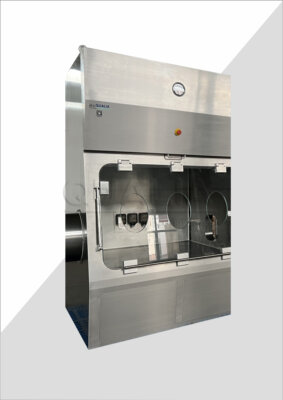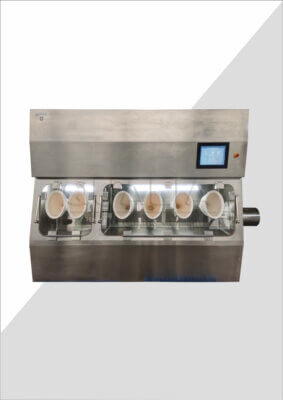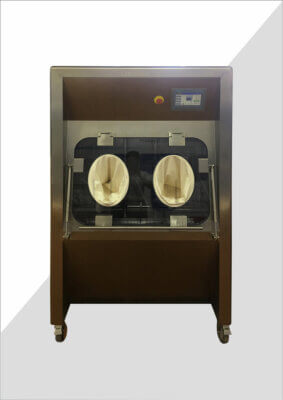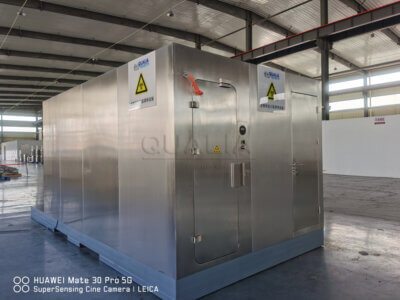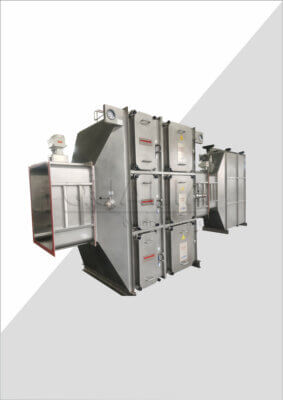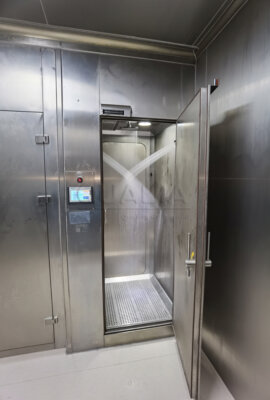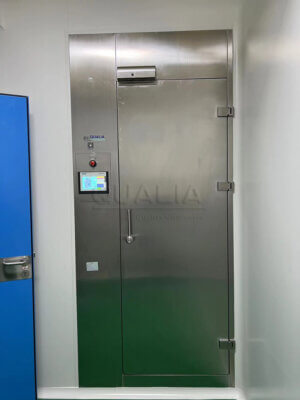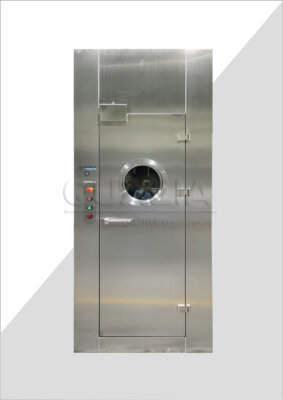
Sebagian besar tim pengadaan baru menyadari adanya kekurangan dokumentasi pada peralatan VHP setelah pemasangan — saat proses komisioning sudah dimulai dan jadwal kualifikasi tiba-tiba terdesak. Paket IQ/OQ dari produsen yang mengabaikan langkah-langkah integrasi HVAC khusus fasilitas tidak akan terdeteksi sebagai dokumen yang tidak lengkap selama evaluasi vendor; hal ini baru terungkap enam minggu setelah proses kualifikasi dimulai, ketika amandemen di lokasi harus disusun dari awal. Demikian pula, sertifikat kompatibilitas bahan untuk komponen yang terpapar jarang dicantumkan sebagai persyaratan penawaran, yang berarti gasket yang mengandung selulosa dapat lolos tinjauan pengadaan tanpa memicu satu pun peringatan, hanya untuk kemudian menyebabkan penghentian siklus selama uji validasi. Perbedaan antara urutan komisioning yang lancar dan retrofit yang mahal sering kali bergantung pada dokumentasi apa yang Anda minta pada tahap RFQ — sebelum pengaturan default pabrikan menjadi masalah fasilitas Anda.
Persyaratan Protokol IQ/OQ untuk Peralatan VHP
Protokol IQ/OQ yang Anda terima dari produsen bukanlah dokumen netral — dokumen tersebut mencerminkan konfigurasi yang diasumsikan produsen sebagai konfigurasi yang Anda beli. Untuk sistem VHP, asumsi tersebut biasanya terbagi menjadi dua: apakah peralatan tersebut terintegrasi dengan sistem HVAC fasilitas dan otomatisasi gedung, atau beroperasi sebagai unit penanganan udara mandiri. Produsen mengemas konfigurasi ini secara berbeda-beda, dan protokol IQ/OQ yang disertakan dalam sistem mandiri seringkali tidak memuat langkah-langkah integrasi untuk penghubungan dengan sistem manajemen bangunan (BMS), inisiasi siklus otomatis, atau urutan pengolahan udara yang terkoordinasi. Jika fasilitas Anda memerlukan integrasi HVAC dan Anda tidak menentukannya pada tahap permintaan penawaran (RFQ), Anda akan mendapatkan protokol sistem mandiri tersebut dan harus menyusun langkah-langkah integrasinya sendiri, di bawah tekanan waktu, setelah pemasangan.
Konsekuensi praktis dari hal ini bukanlah pelanggaran regulasi — melainkan penundaan proses komisioning. Perubahan protokol di lokasi memerlukan siklus peninjauan, mungkin membutuhkan persetujuan ulang, dan menunda kegiatan kualifikasi dengan cara yang berdampak berantai pada alur kerja yang saling bergantung. Kerangka risiko yang lebih relevan adalah sebagai berikut: produsen yang tidak dapat menyediakan langkah-langkah IQ/OQ khusus integrasi sebelum pengiriman menandakan bahwa dokumentasi integrasi tersebut tidak ada atau tidak dirancang untuk konfigurasi Anda. Kedua hasil tersebut memerlukan solusi yang sama: pekerjaan amandemen yang seharusnya sudah dilakukan sebelum peralatan tiba. Meminta protokol IQ/OQ pada tahap RFQ — dan meninjaunya terkait konten integrasi HVAC sebelum penunjukan pemenang tender — memungkinkan Anda mengidentifikasi kesenjangan ini selagi Anda masih memiliki daya tawar untuk menuntut kumpulan dokumen yang benar.
Untuk fasilitas yang dirancang dengan konfigurasi sistem penanganan udara mandiri, persyaratannya memang berubah namun tidak lenyap. Sistem mandiri memerlukan dokumentasi validasi penanganan udara tersendiri, terpisah dari sistem HVAC fasilitas, dan protokol IQ/OQ harus mencerminkan hal tersebut dengan jelas. Intinya bukanlah mana jalur yang lebih baik secara teoritis — melainkan apakah protokol yang Anda miliki sesuai dengan konfigurasi yang sebenarnya Anda terapkan.
Sertifikat Kesesuaian Bahan untuk Komponen yang Terpapar
Kekurangan dokumentasi yang paling rentan diperiksa dalam pengadaan VHP adalah hal yang jarang tercantum dalam daftar periksa RFQ: sertifikat kompatibilitas bahan untuk komponen yang terpapar langsung pada konsentrasi hidrogen peroksida tertinggi. Gasket, segel jendela, dan sambungan fleksibel di dalam jalur VHP harus mampu menahan paparan H₂O₂ berulang tanpa mengalami degradasi, pelepasan gas, atau penyerapan uap. Bahan yang mengandung selulosa menjadi perhatian khusus, karena selulosa secara aktif menyerap hidrogen peroksida, yang secara bertahap mengurangi konsentrasi uap selama siklus dan dapat memicu penghentian siklus — bukan kegagalan spesifikasi yang terlihat selama tinjauan pengadaan, melainkan kegagalan operasional yang hanya terlihat selama uji validasi.
Hal ini sebaiknya diperlakukan sebagai persyaratan resmi dalam Permintaan Penawaran (RFQ), bukan sekadar klarifikasi setelah penunjukan pemenang. Sertifikat kompatibilitas dari produsen harus mengonfirmasi komposisi bahan setiap komponen yang terpapar — bukan hanya permukaan ruang utama — dan harus secara eksplisit menunjukkan tidak adanya bahan yang mengandung selulosa. Jika produsen tidak dapat menyediakan sertifikat ini, tanggapan yang tepat adalah memperlakukan kekurangan tersebut sebagai risiko pengadaan, bukan sekadar formalitas administrasi. Tidak adanya sertifikat tidak membuktikan bahwa bahan yang tidak kompatibel telah digunakan; hal ini berarti Anda tidak dapat membuktikan sebaliknya dalam kondisi audit.
Risiko audit hilir dalam hal ini bersifat spesifik: jika terjadi penghentian siklus selama proses kualifikasi dan penyebab utamanya ditelusuri hingga ketidakcocokan bahan, tidak adanya sertifikat kompatibilitas sebelum pembelian akan menjadi celah dalam pengendalian proses pada catatan kualifikasi pemasok Anda. Meminta sertifikat tersebut pada tahap RFQ akan menutup celah tersebut sebelum celah itu muncul.
Laporan Pengembangan Siklus: Standar Pelaksanaan Uji Ulang
Laporan pengembangan siklus merupakan bukti dari produsen bahwa siklus dekontaminasi yang diusulkan secara andal mencapai pengurangan log yang ditargetkan pada organisme sasaran. Yang membedakan laporan yang dapat dipertanggungjawabkan dari laporan yang kurang mendalam adalah replikasi: satu kali uji coba yang berhasil menunjukkan bahwa siklus tersebut dapat berfungsi; sedangkan beberapa kali uji coba berulang dengan hasil nilai D yang konsisten menunjukkan bahwa siklus tersebut berfungsi secara andal dalam kondisi yang telah didokumentasikan.
Praktik industri, sebagaimana tercermin dalam referensi seperti Laporan Teknis PDA 126, mendukung persyaratan setidaknya tiga pengulangan uji dalam laporan pengembangan siklus sebagai dasar untuk menunjukkan konsistensi nilai-D pada organisme target. Tiga pengulangan uji merupakan norma pada tingkat proses, bukan batas minimum regulasi yang diatur secara tertulis, namun ini merupakan ambang batas di mana variabilitas antar-pengulangan uji menjadi dapat dievaluasi, bukan lagi tidak terlihat. Laporan dengan kurang dari tiga pengulangan tidak memberikan dasar yang memadai untuk mengevaluasi ketahanan siklus, yang menjadi masalah pada tahap kualifikasi kinerja ketika Anda perlu menunjukkan bahwa siklus yang telah Anda validasi adalah siklus yang berjalan secara konsisten di fasilitas Anda.
Pemeriksaan tinjauan di sini cukup sederhana: pastikan bahwa laporan pengembangan siklus yang diajukan oleh produsen mencakup jumlah uji ulang, organisme dan tingkat tantangan yang digunakan, hasil nilai D dari setiap uji, serta rentang variabilitas antar uji. Jika laporan tersebut hanya menyajikan nilai D rata-rata tanpa data tingkat uji, hal itu tidak dapat mendukung penentuan ketahanan. Produsen yang menghasilkan dokumentasi setingkat ini untuk pengembangan siklus standar juga cenderung telah mengatasi kesenjangan validasi lain yang dibahas di sini — hal ini merupakan indikasi yang masuk akal mengenai kematangan dokumentasi yang layak dievaluasi pada tahap RFQ bersamaan dengan tinjauan protokol IQ/OQ.
Referensi Standar Regulasi dalam Pernyataan Kesesuaian
Pernyataan kesesuaian bukanlah sekadar formalitas — ini adalah dokumen yang menghubungkan peralatan Anda dengan kerangka regulasi yang akan menjadi dasar evaluasinya. Untuk peralatan VHP, standar yang harus tercantum dalam pernyataan tersebut adalah ISO 22441:2022, yang telah diklasifikasikan ulang oleh FDA sebagai Kategori A pada tahun 2024. Status Kategori A berarti FDA mengakui bahwa kesesuaian dengan standar tersebut sudah cukup untuk membuktikan kepatuhan tanpa memerlukan pembuktian tambahan. Pernyataan kesesuaian yang merujuk pada edisi sebelumnya atau sama sekali tidak mencantumkan versi standar tersebut tidak dapat memberikan landasan regulasi tersebut, dan pengajuan yang didasarkan padanya berisiko ditolak atau diminta untuk memberikan justifikasi tambahan.
Selain kutipan standar, pernyataan tersebut harus disertai dengan penilaian risiko residu sesuai ISO 22441:2022 §5.4.5. Penilaian tersebut menetapkan batas aman residu hidrogen peroksida berdasarkan jenis kontak, durasi kontak, dan populasi pasien yang akan dilayani oleh perangkat tersebut. Ini bukanlah dokumen pendukung opsional — melainkan unsur wajib dalam struktur pengajuan berdasarkan standar tersebut, dan ketidakhadirannya akan menimbulkan celah dalam justifikasi keselamatan yang akan teridentifikasi oleh regulator. Poin-poin peninjauan yang memerlukan verifikasi sebelum menerima pernyataan kesesuaian sebagai lengkap dapat dikonfirmasi berdasarkan hal-hal berikut:
| Poin Verifikasi | Rincian yang Perlu Dipastikan | Risiko Jika Tidak Diverifikasi |
|---|---|---|
| Referensi ISO 22441:2022 | Pernyataan kesesuaian secara eksplisit merujuk pada ISO 22441:2022; standar tersebut diakui oleh FDA dan telah diklasifikasikan ulang ke dalam Kategori A (2024) | Ketidaksesuaian dengan standar regulasi yang berlaku, potensi penolakan pengajuan |
| Penilaian risiko residu | Penilaian risiko residu sesuai ISO 22441:2022 §5.4.5, yang menetapkan batas residu yang aman berdasarkan jenis kontak, durasi, dan populasi pasien | Ketidakpatuhan terhadap peraturan; tidak adanya justifikasi keselamatan terkait kadar H₂O₂ sisa |
Implikasi praktisnya dalam proses pengadaan adalah Anda sebaiknya meminta pernyataan kesesuaian dan penilaian risiko sisa sebagai satu paket hasil kerja pada tahap permintaan penawaran (RFQ), bukan sebagai dokumen yang diserahkan setelah kontrak diberikan. Produsen yang tidak dapat menyediakan kedua dokumen tersebut sebelum kontrak diberikan kemungkinan besar tidak akan mampu menghasilkan paket yang siap diajukan tanpa perlu melakukan perbaikan besar-besaran setelah pemasangan.
Dokumentasi Integrasi HVAC dalam Protokol Pabrikan
Jika protokol IQ/OQ mengatur urutan kualifikasi, dokumentasi integrasi HVAC mengatur antarmuka operasional — bagaimana sistem VHP berkomunikasi dengan sistem otomatisasi gedung, bagaimana siklus dimulai (melalui tombol tekan, terjadwal, atau dipicu oleh BMS), serta bagaimana urutan penanganan udara disesuaikan dengan fase-fase siklus. Dokumentasi ini sering kali dianggap sebagai detail komisioning, bukan sebagai hasil kerja dalam proses pengadaan, dan di sinilah letak asal mula kegagalan integrasi.
Masalah strukturalnya adalah bahwa produsen merancang sistem VHP untuk dua model penerapan yang berbeda — terintegrasi dengan HVAC dan mandiri — dan dokumentasi kontrol antarmuka yang berlaku untuk masing-masing model pun berbeda. Untuk sistem yang terintegrasi dengan HVAC, Anda memerlukan langkah-langkah integrasi yang terdokumentasi serta dokumentasi kontrol antarmuka yang mencakup inisiasi siklus secara otomatis atau dengan menekan tombol melalui BMS. Untuk sistem mandiri, Anda memerlukan dokumentasi validasi penanganan udara terpisah yang memastikan operasi independen tanpa ketergantungan pada sistem HVAC fasilitas. Jika Anda menentukan satu konfigurasi tetapi menerima dokumentasi untuk konfigurasi lainnya — atau bahkan tidak menerima dokumentasi integrasi sama sekali — maka diperlukan penyesuaian di lokasi sebelum proses kualifikasi dapat dilanjutkan.
Permintaan dokumentasi kontrol antarmuka pada tahap RFQ memiliki dua tujuan: hal ini memaksa produsen untuk berkomitmen secara tertulis terhadap arsitektur integrasi sebelum penunjukan, dan memungkinkan tim otomatisasi serta fasilitas Anda meninjau kelengkapan dokumen tersebut sebelum peralatan dikirim. Dokumen yang hilang atau tidak lengkap yang terungkap setelah pemasangan akan memerlukan pekerjaan ulang dalam tenggat waktu yang ketat. Persyaratan dokumentasi khusus konfigurasi untuk setiap model penerapan dirangkum di sini:
| Konfigurasi Sistem | Dokumen-dokumen Penting yang Harus Diminta | Akibat jika Tidak Hadir |
|---|---|---|
| Sistem terintegrasi HVAC (BMS/otomatisasi) | Langkah-langkah integrasi sistem HVAC yang terdokumentasi + dokumentasi pengendalian antarmuka untuk pengaktifan siklus melalui tombol tekan/program | Perubahan di lokasi, kegagalan integrasi, dan penundaan tahap uji coba |
| Sistem pengolahan udara mandiri | Dokumentasi validasi sistem penanganan udara yang terpisah (terlepas dari sistem HVAC fasilitas) | Perubahan di lokasi dan penundaan pengoperasian |
Perbedaan antara kedua konfigurasi tersebut bukanlah penilaian kualitas — melainkan masukan untuk perencanaan. Yang terpenting adalah apakah dokumentasi yang Anda terima saat pemasangan sesuai dengan sistem yang benar-benar Anda terapkan, dan satu-satunya cara yang dapat diandalkan untuk memastikan hal itu adalah dengan menentukan konfigurasi dan meminta dokumentasi yang sesuai sebelum batas waktu pengajuan RFQ berakhir.
Dampak Jadwal Kualifikasi Pasca-Pemasangan
Angka enam minggu yang disebutkan dalam praktik pengadaan VHP — yaitu rata-rata penundaan proses kualifikasi akibat ketidaklengkapan dokumen — merupakan acuan perencanaan yang berguna, bukan hasil yang dijamin. Namun, pola di baliknya konsisten: ketika produsen menyerahkan paket dokumentasi standar yang tidak sesuai dengan konfigurasi fasilitas, model integrasi HVAC, atau persyaratan pengajuan regulasi, pekerjaan perbaikan dilakukan setelah pemasangan, di bawah tekanan jadwal komisioning. Biaya tersebut menumpuk akibat amandemen protokol, penyelidikan kompatibilitas, korespondensi tambahan dengan vendor, dan penundaan uji kualifikasi.
Peralatan VHP, seperti alat sterilisasi uap dan etilen oksida, mendukung pendekatan komisioning di mana persiapan kualifikasi yang signifikan dapat dilakukan sebelum pengiriman ke lokasi — asalkan dokumentasi sudah tersedia cukup awal untuk ditinjau, mengidentifikasi celah, dan menyelesaikannya bersama produsen saat peralatan masih dalam tahap konfigurasi. Analogi dengan komisioning uap atau EO bukanlah klaim kesetaraan teknis; ini adalah pendekatan perencanaan yang hanya dapat diterapkan jika rangkaian dokumentasi validasi lengkap diminta dan ditinjau pada tahap RFQ. Fasilitas yang memperlakukan protokol IQ/OQ, sertifikat kompatibilitas bahan, laporan pengembangan siklus, pernyataan kesesuaian, dan dokumentasi integrasi HVAC sebagai hasil kerja pasca-penetapan kontrak akan kehilangan jendela persiapan tersebut.
Panduan praktis dari tim-tim yang telah berhasil mempersingkat jangka waktu kualifikasi memiliki kesamaan: sertakan daftar periksa dokumentasi sebagai bagian dari paket RFQ, jadikan tanggapan produsen terhadap setiap poin sebagai syarat penawaran, dan evaluasi kelengkapan dokumentasi bersamaan dengan kriteria teknis dan komersial. Jika produsen tidak dapat menyediakan satu set dokumentasi yang lengkap pada tahap RFQ, anggap hal tersebut sebagai risiko kualifikasi yang harus dimasukkan dalam penilaian vendor Anda — bukan sebagai kekurangan yang harus diatasi selama tahap komisioning. Bagi fasilitas yang mengevaluasi beberapa pemasok, Kriteria Pemilihan Pemasok untuk Generator VHP Panduan ini menyediakan kerangka kerja terstruktur untuk menilai kesiapan dokumentasi bersamaan dengan kemampuan teknis.
Prinsip utama dalam pengadaan peralatan VHP adalah menyadari bahwa dokumentasi validasi bukanlah hasil akhir yang dihasilkan setelah keputusan pembelian — melainkan bukti yang seharusnya menjadi dasar keputusan tersebut. Produsen yang dapat menyediakan protokol IQ/OQ lengkap yang sesuai dengan arsitektur integrasi Anda, sertifikat kompatibilitas bahan untuk semua komponen yang terpapar, laporan pengembangan siklus dengan replikasi yang memadai, serta pernyataan kesesuaian yang secara eksplisit merujuk pada ISO 22441:2022 disertai penilaian risiko residu §5.4.5, menunjukkan kesiapan validasi sebelum pemasangan. Sebaliknya, pihak yang tidak dapat melakukannya menandakan bahwa pekerjaan kualifikasi akan sebagian ditanggung oleh tim Anda, sesuai jadwal Anda, setelah peralatan tersebut telah dikirim.
Sebelum menerbitkan RFQ, tentukan arsitektur integrasi HVAC Anda dan cantumkan dalam spesifikasi agar produsen tidak dapat secara otomatis menggunakan protokol mandiri untuk penerapan terintegrasi. Wajibkan penyediaan paket dokumentasi lengkap sebagai bagian dari penawaran, bukan sekadar janji setelah penawaran dimenangkan. Kekurangan yang paling sering menyebabkan penundaan proses kualifikasi adalah yang tampak seperti kelalaian administratif selama tinjauan pengadaan — dan berperilaku seperti masalah teknis selama tahap komisioning.
Pertanyaan yang Sering Diajukan
T: Bagaimana jika fasilitas kami belum menyelesaikan arsitektur integrasi HVAC sebelum menerbitkan RFQ — apakah sebaiknya kami menunda permintaan dokumentasi?
A: Tidak — tetapkan keputusan integrasi sebelum batas waktu RFQ berakhir, bukan setelahnya. Dokumentasi yang disediakan produsen bergantung pada konfigurasi: penerapan yang terintegrasi dengan HVAC memerlukan dokumentasi kontrol antarmuka yang mencakup inisiasi siklus yang dipicu oleh BMS, sedangkan penerapan mandiri memerlukan dokumentasi validasi penanganan udara yang terpisah. Jika arsitektur belum ditentukan pada tahap RFQ, produsen akan secara otomatis mengasumsikan konfigurasi tertentu, dan Anda berisiko menerima dokumentasi yang tidak sesuai dengan apa yang sebenarnya Anda terapkan. Tetapkan model integrasi terlebih dahulu, cantumkan secara eksplisit dalam RFQ, dan wajibkan dokumentasi yang sesuai dengan konfigurasi tersebut sebagai bagian dari penawaran.
T: Jika produsen menyediakan dokumentasi lengkap pada tahap permintaan penawaran (RFQ), apa yang harus dilakukan segera setelah penunjukan pemenang agar jadwal proses kualifikasi tetap berjalan sesuai rencana?
A: Salurkan paket dokumentasi tersebut ke tim otomatisasi, fasilitas, dan kualitas Anda untuk ditinjau secara paralel sebelum peralatan dikirim. Protokol IQ/OQ harus dievaluasi untuk mengidentifikasi kesenjangan yang spesifik bagi fasilitas; sertifikat kompatibilitas bahan harus ditinjau oleh tim teknik berdasarkan inventaris komponen yang terpasang; dan pernyataan kesesuaian beserta penilaian risiko residu sesuai §5.4.5 harus diteruskan ke bagian urusan regulasi. Setiap kekurangan yang teridentifikasi selama tinjauan pra-pengiriman ini dapat diselesaikan bersama produsen saat peralatan masih dalam tahap konfigurasi — jendela waktu yang akan tertutup begitu sistem tiba di lokasi.
T: Apakah standar pelaksanaan uji dengan tiga ulangan untuk laporan pengembangan siklus berlaku sama bagi semua organisme sasaran, atau hanya untuk tingkat paparan tertentu?
A: Persyaratan minimal tiga ulangan berlaku sebagai norma pada tingkat proses, terlepas dari organisme target spesifiknya, karena tujuannya adalah agar variabilitas nilai D antar-ulangan dapat dievaluasi, bukan diabaikan. Namun, relevansi rentang variabilitas yang Anda amati pada ketiga ulangan tersebut bergantung pada tingkat tantangan yang digunakan — tantangan indikator biologis dengan konsentrasi tinggi memberikan ruang variabilitas yang lebih kecil dibandingkan dengan konsentrasi yang lebih rendah. Kriteria penilaian bukan hanya bahwa tiga uji telah diselesaikan, tetapi bahwa setiap uji mendokumentasikan organisme, konsentrasi tantangan, hasil nilai D, dan bahwa rentang variabilitas antar uji cukup sempit untuk mendukung penentuan ketahanan pada tahap kualifikasi kinerja Anda.
T: Bagaimana perbandingan antara meminta paket dokumentasi lengkap pada tahap RFQ dengan melakukan penilaian kelayakan produsen melalui kunjungan audit?
A: Tinjauan dokumentasi dan kunjungan audit menangani risiko yang berbeda dan tidak dapat saling menggantikan. Kunjungan audit mengevaluasi sistem mutu, fasilitas, dan kemampuan proses secara umum dari produsen — hal ini tidak akan memberi tahu Anda apakah protokol IQ/OQ yang disertakan dalam konfigurasi spesifik Anda mencakup langkah-langkah integrasi HVAC, atau apakah laporan pengembangan siklus untuk organisme target Anda memiliki replikasi yang memadai. Tinjauan dokumentasi pada tahap RFQ menangani kesenjangan yang spesifik terhadap konfigurasi dan pengajuan yang tidak dapat diidentifikasi melalui audit. Untuk keperluan pengadaan, perlakukan kelengkapan dokumentasi sebagai kriteria evaluasi terpisah di samping temuan audit, bukan sebagai pengganti salah satunya.
T: Apakah pendekatan daftar periksa dokumentasi bersifat hemat biaya untuk pengadaan satu unit, ataukah pendekatan ini terutama dibenarkan untuk proyek fasilitas berskala besar?
A: Hal ini dapat dibenarkan untuk pengadaan satuan tunggal karena risiko penundaan kualifikasi sama terlepas dari ukuran armada. Satu unit generator VHP dengan protokol IQ/OQ yang belum lengkap atau sertifikat kompatibilitas bahan yang hilang akan menimbulkan beban amandemen di lokasi yang sama seperti satu unit dalam peluncuran skala besar — penundaan enam minggu bukanlah hasil yang bergantung pada volume, melainkan akibat adanya celah dokumentasi. Upaya yang diperlukan untuk menerbitkan daftar periksa dokumentasi sebagai bagian dari RFQ jauh lebih rendah daripada upaya yang diperlukan untuk menyusun amandemen protokol, melakukan penyelidikan kompatibilitas, atau menunda uji kualifikasi setelah pemasangan. Asimetri biaya ini mendukung persyaratan di awal dalam setiap pengadaan di mana jadwal kualifikasi pasca-pemasangan menjadi kendala perencanaan.
Konten Terkait:
- Cara Memverifikasi Spesifikasi Peralatan Sterilisasi VHP Sebelum Pengadaan
- Kotak Lulus Keamanan Hayati: Panduan Jenis dan Pemilihan untuk Aplikasi BSL
- Peralatan dan Standar Dekontaminasi VHP untuk Fasilitas BSL-3/4
- Spesifikasi Desain Pass Box: Sistem Penguncian dan Penyegelan Bahan
- Pancuran Kimia vs Pancuran VHP: Membandingkan Efektivitas Dekontaminasi untuk Pintu Keluar Laboratorium Berkontaminasi Tinggi
- Panduan Pengadaan Generator VHP | Daftar Periksa Pembelian untuk Sterilisasi Industri
- Sterilisasi VHP dalam Perawatan Kesehatan: Praktik Terbaik Tahun 2025
- Generator VHP Farmasi | Sistem Sterilisasi Kamar Bersih Tipe II & III
- Sterilisasi Laboratorium dengan VHP: Panduan Ahli 2025