Dalam sterilisasi farmasi, integritas segel pintu autoklaf tidak dapat ditawar. Namun, menentukan bahan yang tepat melibatkan lebih dari sekadar mencentang kotak untuk biokompatibilitas. Kesalahpahaman yang umum terjadi adalah bahwa setiap elastomer bersertifikat USP Kelas VI akan bekerja dengan andal di bawah kerasnya siklus sterilisasi uap yang berulang. Penyederhanaan yang berlebihan ini dapat menyebabkan kegagalan segel prematur, kontaminasi proses, dan paparan peraturan yang signifikan. Tantangan sebenarnya terletak pada pemahaman tentang bagaimana sertifikasi dasar ini berinteraksi dengan tuntutan fisik dan kimiawi spesifik dari proses autoklaf Anda.
Perhatian terhadap spesifikasi bahan segel semakin penting seiring dengan meningkatnya pengawasan peraturan dan modalitas obat menjadi lebih sensitif. Segel bukan sekadar komponen mekanis; segel merupakan atribut kualitas penting yang melindungi kemandulan produk dan integritas bets. Memilih segel hanya berdasarkan sertifikasi, tanpa mengevaluasi kinerjanya di lingkungan operasi spesifik Anda, akan menimbulkan risiko yang dapat dicegah ke dalam proses yang divalidasi.
Memahami Sertifikasi USP Kelas VI untuk Segel Autoklaf
Garis Dasar Pengujian Biologis
USP Kelas VI mewakili tingkat pengujian reaktivitas biologis yang paling ketat untuk bahan polimer dalam kerangka kerja Farmakope Amerika Serikat. Proses sertifikasi melibatkan tiga tahap in vivo tes: injeksi sistemik, intrakutan, dan implantasi. Suatu bahan hanya lolos jika tidak menunjukkan reaktivitas biologis yang signifikan. Hal ini sangat penting untuk segel autoklaf, di mana kombinasi panas dan uap bertekanan dapat meningkatkan potensi senyawa yang dapat diekstraksi untuk terlepas dari elastomer ke dalam lingkungan sterilisasi.
Namun, kepemilikan sertifikat USP Kelas VI adalah titik awal, bukan jaminan kesesuaian. Standar ini menetapkan ambang batas keamanan minimum. Menurut penelitian dari pemasok bahan terkemuka, tingkat leachables dan senyawa organik yang mudah menguap (VOC) dapat bervariasi secara dramatis antara batch dan formulasi bahan bersertifikat yang berbeda. Proses pasca-pengawetan lanjutan sering kali digunakan untuk menurunkan tingkat ini jauh di bawah persyaratan minimum, sehingga menetapkan tolok ukur yang kompetitif untuk kemurnian bahan.
Dari Sertifikasi hingga Pengendalian Kontaminasi
Oleh karena itu, fokus pengadaan harus bergeser dari sekadar memverifikasi sertifikasi menjadi mengevaluasi kontrol kemurnian pasca sertifikasi pemasok. Sertifikasi mengonfirmasi bahwa bahan telah lulus serangkaian tes pada sampel tertentu. Sertifikasi ini tidak menunjukkan konsistensi proses produksi atau sistem manajemen mutu pemasok. Pakar industri merekomendasikan untuk memeriksa pemasok mengenai ketertelusuran material, protokol konsistensi lot-to-lot, dan data tentang profil bahan yang dapat diekstraksi. Uji tuntas ini sangat penting untuk meminimalkan risiko kontaminasi dan melindungi integritas produk selama masa pakai segel. Menurut pengalaman saya, mitra yang paling dapat diandalkan menyediakan dokumentasi bahan yang ekstensif yang melampaui sertifikat itu sendiri.
Sifat Material Utama di Luar Biokompatibilitas
Tuntutan Fisik Sterilisasi Uap
Meskipun USP Kelas VI memastikan keamanan biologis, segel harus memiliki serangkaian sifat fisik tertentu agar dapat berfungsi dengan baik. Pendorong utamanya adalah metode sterilisasi itu sendiri. Untuk autoklaf uap, bahan harus menunjukkan ketahanan suhu tinggi yang luar biasa, biasanya bertahan dalam siklus berulang dari 121 ° C hingga 135 ° C tanpa degradasi termal atau kehilangan elastisitas. Set kompresi rendah juga sama pentingnya; properti ini memastikan segel melambung kembali ke bentuk aslinya setelah kompresi yang lama, mempertahankan kekuatan penyegelan yang konsisten dan mencegah kebocoran siklus demi siklus.
Ketahanan kimiawi terhadap bahan pembersih dan disinfektan yang umum adalah pertimbangan penting lainnya. Selain itu, stabilitas hidrolitik-kemampuan untuk mempertahankan properti dalam lingkungan dengan kelembaban tinggi dan suhu tinggi-adalah pembeda utama untuk aplikasi autoklaf. Bahan dengan stabilitas hidrolitik yang buruk akan melunak, membengkak, atau retak, yang menyebabkan kegagalan yang cepat. Sifat-sifat ini tidak melekat pada semua bahan USP Kelas VI, sehingga protokol sterilisasi dan pembersihan khusus fasilitas menjadi panduan pasti untuk pemilihan bahan.
Kerangka Kerja Komparatif untuk Properti Kritis
Untuk membuat pilihan yang tepat, para insinyur harus membandingkan bagaimana berbagai bahan yang sesuai dengan USP Kelas VI yang berbeda dibandingkan dengan tuntutan operasional ini. Tabel berikut ini menguraikan sifat material penting yang melampaui biokompatibilitas dasar, yang menyoroti bagaimana masing-masing didorong oleh proses sterilisasi.
| Properti | Persyaratan Kritis | Pengemudi Metode Sterilisasi |
|---|---|---|
| Tahan Suhu Tinggi | Tahan 121°C hingga 135°C | Autoklaf (uap/panas) |
| Set Kompresi | Rendah, untuk pantulan yang andal | Semua metode |
| Ketahanan Kimia | Untuk bahan pembersih | Protokol khusus fasilitas |
| Tingkat yang Dapat Diekstrak | Pelindian minimal | Perlindungan integritas produk |
| Stabilitas Hidrolitik | Mempertahankan properti dalam uap | Autoklaf |
Sumber: Dokumentasi teknis dan spesifikasi industri.
Perbandingan Elastomer yang Sesuai dengan USP Kelas VI Umum
Profil Kinerja dan Penggunaan Utama
Beberapa keluarga elastomer memenuhi persyaratan USP Kelas VI, tetapi profil kinerjanya berbeda secara signifikan, yang menentukan konteks aplikasi yang ideal. Karet silikon adalah pilihan utama untuk autoklaf tujuan umum karena kisaran suhu dan fleksibilitasnya yang sangat baik. Dalam kategori ini, silikon yang diawetkan dengan platinum adalah pilihan premium untuk aplikasi farmasi yang kritis. Proses polimerisasinya yang lebih bersih tidak meninggalkan produk sampingan peroksida, sehingga menghasilkan tingkat ekstraksi terendah - faktor penting untuk produk obat yang sensitif.
Bahan-bahan lain mengisi ceruk-ceruk tertentu. Fluorosilicone menambah ketahanan yang lebih baik terhadap bahan pembersih yang agresif. EPDM terkenal dengan ketahanan uap dan kelembapan yang unggul. Untuk kondisi termal dan kimia yang paling menuntut, seperti yang melibatkan proses berbasis pelarut baru, Perfluoroelastomer (FFKM) dapat ditentukan. Keragaman ini menggarisbawahi tren ke arah elastomer khusus aplikasi, bergerak di luar “standar silikon” satu ukuran untuk semua.”
Memilih Bahan yang Tepat untuk Aplikasi
Pilihan elastomer secara langsung memengaruhi umur seal dan keandalan proses. Tabel di bawah ini memberikan perbandingan yang jelas tentang bahan yang sesuai dengan USP Kelas VI yang umum, membantu menyelaraskan sifat bahan dengan kebutuhan operasional.
| Bahan | Atribut Kinerja Utama | Konteks Aplikasi Utama |
|---|---|---|
| Karet silikon | Kisaran suhu yang sangat baik | Autoklaf tujuan umum |
| Silikon yang Disembuhkan dengan Platinum | Tingkat ekstraksi terendah | Aplikasi farmasi yang penting |
| Fluorosilicone | Peningkatan ketahanan kimiawi | Paparan bahan pembersih yang keras |
| EPDM | Ketahanan uap yang unggul | Siklus sterilisasi dengan kelembapan tinggi |
| Perfluoroelastomer (FFKM) | Ketahanan termal/kimia yang ekstrem | Kondisi yang paling menuntut |
Sumber: Dokumentasi teknis dan spesifikasi industri.
Pertimbangan Desain dan Performa untuk Segel yang Andal
Interaksi antara Geometri dan Tekanan
Pemilihan bahan hanya setengah dari persamaan. Desain fisik segel harus direkayasa untuk menerjemahkan sifat material menjadi kinerja yang andal. Untuk autoklaf bertekanan tinggi, profil segel dan desain alur yang sesuai sangat penting. Prinsip dasarnya adalah hubungan terbalik antara rentang inflasi dan tekanan operasi maksimum. Segel yang dirancang untuk mengakomodasi variasi celah pintu yang besar atau perjalanan harus beroperasi pada tekanan yang lebih rendah untuk menghindari perpindahan atau gulungan. Sebaliknya, segel yang diberi peringkat untuk tekanan yang sangat tinggi akan memiliki perjalanan minimal yang diijinkan, seringkali hanya 1-2mm.
Hal ini menciptakan parameter desain yang tetap di awal spesifikasi autoklaf. Tekanan operasi dan variasi celah pintu yang diizinkan secara kaku menentukan geometri segel yang layak. Baik menggunakan segel tiup untuk penutupan aktif atau paking padat, desain harus memperhitungkan kompresi yang tepat, pemulihan yang diperlukan, dan profil suhu/tekanan spesifik dari siklus sterilisasi untuk memastikan segel kedap udara yang konsisten selama masa pakainya.
Memastikan Fungsionalitas Jangka Panjang
Detail yang mudah terlewatkan termasuk durometer (kekerasan) seal dan bentuk penampang melintangnya. Segel yang lebih lembut dapat menyesuaikan lebih baik dengan ketidaksempurnaan permukaan kecil tetapi mungkin memiliki set kompresi yang lebih tinggi. Geometri juga harus memudahkan pemasangan dan pelepasan untuk pemeliharaan tanpa kerusakan. Kami membandingkan profil cincin-O standar dengan profil berbentuk D atau persegi panjang khusus dan menemukan bahwa geometri khusus sering kali memberikan tempat duduk yang lebih stabil dan distribusi gaya yang lebih baik dalam aplikasi flensa pintu, yang secara langsung berkontribusi pada masa pakai yang lebih lama dan mengurangi risiko kesalahan pemasangan.
Menelusuri Standar Regulasi dan Kepatuhan Tambahan
Klaster Kepatuhan
USP Kelas VI jarang menjadi satu-satunya persyaratan peraturan untuk segel autoklaf farmasi. Sekelompok standar paralel biasanya berlaku. Di Amerika Serikat, FDA 21 CFR 177.2600 untuk artikel karet yang dimaksudkan untuk penggunaan berulang adalah relevan. Secara global, seri ISO 10993, khususnya ISO 10993-1 yang menetapkan kerangka kerja manajemen risiko untuk evaluasi biologis perangkat medis, menyediakan struktur penilaian biokompatibilitas secara menyeluruh. Untuk akses pasar di Eropa, diperlukan kepatuhan terhadap standar Farmakope Eropa yang relevan untuk kemurnian bahan.
Produsen terkemuka sekarang merekayasa senyawa bahan tunggal untuk memenuhi seluruh klaster regulasi ini secara bersamaan. Pendekatan terintegrasi ini merupakan kemampuan yang tidak dapat ditawar untuk pemasok komponen penting. Tim pengadaan harus memeriksa pemasok untuk mendapatkan dokumentasi kepatuhan yang komprehensif dan terintegrasi. Pengadaan segel yang hanya memenuhi satu standar menciptakan kerentanan regulasi dan risiko audit yang signifikan, sehingga dokumentasi yang kuat dan dapat dilacak menjadi bagian inti dari strategi rantai pasokan.
Memetakan Lanskap Peraturan
Memahami bagaimana standar-standar ini saling terkait adalah kunci untuk memastikan kepatuhan penuh. Tabel berikut ini menguraikan standar utama dan relevansinya dengan segel pintu autoklaf.
| Standar / Pedoman | Fokus Utama | Relevansi dengan Segel |
|---|---|---|
| USP <88> Uji Reaktivitas Biologis | Pengujian biokompatibilitas in vivo | Sertifikasi keamanan bahan dasar |
| ISO 10993-1 | Kerangka kerja evaluasi biologis | Manajemen risiko biokompatibilitas global |
| Farmakope Eropa | Standar kemurnian bahan | Akses pasar di Eropa |
| FDA 21 CFR 177.2600 | Artikel karet untuk penggunaan berulang kali | Kepatuhan terhadap peraturan AS untuk komponen |
Sumber: USP <88> Uji Reaktivitas Biologis, In Vivo dan ISO 10993-1 Evaluasi biologis perangkat medis. USP <88> mendefinisikan uji biologis khusus untuk sertifikasi USP Kelas VI. ISO 10993-1 menyediakan kerangka kerja manajemen risiko menyeluruh untuk evaluasi biologis bahan perangkat medis, yang secara langsung dapat diterapkan untuk menilai biokompatibilitas segel.
Memvalidasi Kinerja Segel dalam Siklus Sterilisasi Anda
Dari Teori ke Praktik
Kepatuhan material secara teoretis harus dibuktikan melalui validasi praktis dalam parameter operasi autoklaf spesifik Anda. Ini lebih dari sekadar pemeriksaan kebocoran sederhana. Validasi kinerja harus menilai kemampuan segel untuk mempertahankan segel kedap udara dan integritas fisiknya - memeriksa keretakan, pembengkakan, atau deformasi permanen - pada sejumlah siklus sterilisasi berulang yang representatif. Proses ini juga memvalidasi keefektifan protokol pembersihan pada bahan segel itu sendiri.
Penekanan industri bergeser ke arah “kebersihan” sebagai parameter kinerja yang penting. Desain segel di masa depan perlu meminimalkan topografi permukaan skala mikro yang dapat menampung residu atau biofilm. Terlibat dengan mitra seal selama fase validasi memungkinkan pengembangan solusi bersama. Misalnya, mitra dapat menyediakan seal dengan permukaan akhir yang dioptimalkan atau formulasi bahan yang mendukung siklus pembersihan yang lebih cepat dan lebih efektif, sehingga mengurangi waktu henti dan risiko kontaminasi.
Peran Kolaborasi Pemasok
Pendekatan proaktif melibatkan memperlakukan pemasok seal sebagai mitra validasi. Mereka dapat memberikan data uji material, seperti profil yang dapat diekstrak dalam kondisi simulasi, dan merekomendasikan frekuensi pemeriksaan berdasarkan riwayat kinerja seal dalam aplikasi serupa. Kolaborasi ini mengubah segel dari komoditas menjadi komponen yang divalidasi, dengan bukti terdokumentasi bahwa segel tersebut berfungsi seperti yang dipersyaratkan dalam lingkungan proses Anda yang unik.
Faktor-faktor Penting untuk Pemilihan Anjing Laut dan Umur Panjang
Kerangka Kerja Keputusan Holistik
Memilih segel yang optimal membutuhkan keseimbangan sifat material, geometri desain, dan faktor operasional. Pendorong utama adalah suhu dan media sterilisasi spesifik (uap jenuh, campuran uap-udara, dll.), Ketahanan kimiawi yang diperlukan terhadap bahan pembersih internal, dan peringkat set kompresi seal yang dipublikasikan - persentase yang lebih rendah menunjukkan elastisitas jangka panjang yang lebih baik. Umur panjang secara langsung terkait dengan sifat-sifat ini dan sangat dipengaruhi oleh pemasangan yang benar, pelumasan yang tepat jika ditentukan, dan inspeksi visual rutin.
Biaya sebenarnya dari kegagalan seal terus berkembang. Ini bukan lagi sekadar peristiwa mekanis yang menyebabkan waktu henti. Dalam proses farmasi yang divalidasi, kebocoran dapat membatalkan data bets dan catatan kepatuhan, sehingga memicu audit investigasi yang ekstensif, tindakan perbaikan, dan potensi penolakan bets. Oleh karena itu, berinvestasi dalam solusi penyegelan dengan keandalan yang lebih tinggi merupakan investasi langsung dalam integritas data dan kepatuhan terhadap peraturan.
Mengevaluasi Dampak dari Setiap Faktor
Evaluasi sistematis terhadap kriteria seleksi membantu mengukur risiko. Tabel di bawah ini menguraikan faktor-faktor utama, sasaran kinerja, dan potensi dampak kegagalan.
| Faktor Seleksi | Sasaran Kinerja | Dampak Kegagalan |
|---|---|---|
| Suhu Sterilisasi | Kestabilan material pada suhu 121°C-135°C | Degradasi segel, kebocoran |
| Peringkat Set Kompresi | <20% untuk umur panjang | Hilangnya kekuatan penyegelan |
| Ketahanan Kimia | Kompatibilitas dengan pembersih | Bahan membengkak/retak |
| Instalasi/Pemeliharaan | Prosedur yang benar diikuti | Keausan segel yang terlalu dini |
| Penelusuran Pemasok | Dokumentasi materi lengkap | Kerentanan audit berdasarkan peraturan |
Sumber: Dokumentasi teknis dan spesifikasi industri.
Menerapkan Pendekatan Berbasis Risiko pada Pengelolaan Anjing Laut
Mengklasifikasikan Kekritisan
Pendekatan strategis dan berbasis risiko sangat penting untuk mengelola komponen penting ini di seluruh fasilitas. Ini dimulai dengan mengklasifikasikan aplikasi segel berdasarkan tingkat kekritisannya terhadap proses dan produk. Untuk utilitas yang tidak kritis atau autoklaf pendukung, strategi pengadaan yang dioptimalkan biaya untuk segel standar mungkin dapat diterima. Namun, untuk segel yang melindungi sterilisasi produk utama atau langkah pemrosesan kritis - di mana kegagalan akan menyebabkan bencana regulasi atau kehilangan produk - strategi mitigasi risiko adalah wajib.
Strategi ini sering kali membenarkan kemitraan dengan pemasok premium yang menawarkan kepatuhan material penuh, keterlacakan yang kuat (dari polimer mentah hingga segel jadi), dan dukungan teknis yang cepat. Pemasok ini, yang sering kali berbasis di wilayah dengan standar manufaktur yang ketat, menyediakan sistem dokumentasi tertanam yang mencegah penghentian produksi selama audit. Pasar bercabang di sepanjang garis ini, memaksa perusahaan farmasi untuk menyelaraskan strategi pengadaan mereka dengan profil risiko aplikasi.
Membangun Strategi Mitigasi
Untuk seal dengan tingkat kekritisan tinggi, strategi mitigasi mencakup pemeliharaan inventaris suku cadang yang divalidasi, menetapkan jadwal penggantian preventif yang ketat berdasarkan hitungan siklus daripada keausan yang terlihat, dan memastikan semua seal memiliki sertifikat analisis material lengkap dan nomor lot penelusuran. Pendekatan proaktif dan terdokumentasi ini mengubah manajemen seal dari tugas pemeliharaan reaktif menjadi elemen kunci dari jaminan kualitas dan ketahanan rantai pasokan.
Menentukan segel pintu autoklaf USP Kelas VI adalah keputusan multi-variabel yang menyeimbangkan keamanan biologis, kinerja fisik, dan kepatuhan terhadap peraturan. Prioritas pertama adalah melampaui sertifikat dan meminta data material tentang bahan yang dapat diekstraksi dan stabilitas hidrolitik yang spesifik untuk parameter siklus Anda. Kedua, selaraskan geometri seal dan senyawa material dengan tekanan, suhu, dan paparan bahan kimia yang tepat dari proses Anda. Terakhir, terapkan strategi manajemen berbasis risiko, berinvestasi dalam ketertelusuran penuh dan kemitraan pemasok untuk aplikasi penting guna melindungi integritas produk dan data.
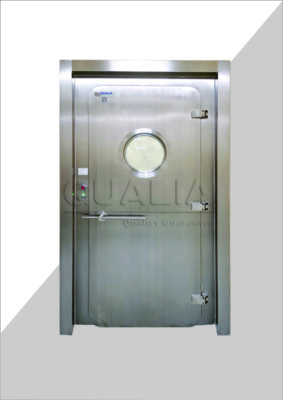
Perlu panduan profesional dalam menentukan solusi penyegelan berkinerja tinggi dan sesuai untuk peralatan sterilisasi Anda? Tim teknik di QUALIA mengkhususkan diri dalam pengembangan bersama yang andal segel pintu pneumatik untuk autoklaf farmasi yang memenuhi kelompok standar global. Untuk konsultasi langsung, Anda juga dapat Hubungi Kami.
Pertanyaan yang Sering Diajukan
T: Apa perbedaan sertifikasi USP Kelas VI dengan kontrol kemurnian pemasok untuk segel autoklaf?
J: Sertifikasi USP Kelas VI adalah persyaratan biokompatibilitas dasar, yang mengonfirmasi bahwa suatu bahan telah lulus tiga uji biologis tertentu. Namun, pemasok terkemuka menerapkan proses pasca-pengawetan dan pemurnian canggih untuk mencapai tingkat ekstraksi dan VOC yang jauh di bawah ambang batas minimum standar. Ini berarti Anda harus mengevaluasi vendor berdasarkan kontrol kemurnian pasca-sertifikasi yang terdokumentasi, bukan hanya sertifikat mereka, untuk meminimalkan risiko kontaminasi dalam proses sterilisasi Anda.
T: Apa sifat material yang paling penting untuk segel autoklaf Kelas VI USP selain biokompatibilitas?
J: Segel harus mempertahankan ketahanan suhu tinggi dan uap yang luar biasa untuk siklus antara 121°C dan 135°C, memiliki set kompresi rendah untuk pantulan yang dapat diandalkan, dan menunjukkan ketahanan kimiawi terhadap bahan pembersih. Yang terpenting, metode sterilisasi menentukan formulasi; autoklaf uap membutuhkan sifat yang berbeda dari sterilisasi gamma atau EtO. Untuk proyek di mana autoklaf adalah metode utama, prioritaskan bahan yang direkayasa secara khusus untuk stabilitas hidrolitik dan ketahanan uap di atas elastomer USP Kelas VI tujuan umum.
T: Mengapa silikon yang diawetkan dengan platinum sering kali ditentukan di atas silikon standar untuk segel autoklaf farmasi yang penting?
J: Silikon yang diawetkan dengan platinum adalah pilihan premium karena proses polimerisasinya tidak meninggalkan produk sampingan peroksida, sehingga menghasilkan tingkat ekstraksi yang jauh lebih rendah dibandingkan dengan alternatif yang diawetkan dengan peroksida. Profil yang lebih bersih ini membuatnya ideal untuk melindungi produk obat yang sensitif, termasuk obat biologis baru. Jika operasi Anda melibatkan modalitas bernilai tinggi atau sensitif, rencanakan biaya awal yang lebih tinggi untuk segel yang diawetkan dengan platinum sebagai investasi langsung dalam integritas produk dan mengurangi risiko kontaminasi.
T: Bagaimana parameter desain autoklaf membatasi pemilihan segel pintu tiup?
J: Kisaran inflasi segel dan tekanan operasi maksimum memiliki hubungan terbalik; segel yang dirancang untuk tekanan tinggi memungkinkan perjalanan minimal (1-2mm), sementara yang membutuhkan perjalanan besar harus beroperasi pada tekanan yang lebih rendah. Ini berarti celah pintu tetap autoklaf Anda dan parameter tekanan secara kaku menentukan geometri segel yang layak. Saat menentukan autoklaf baru, kunci parameter desain ini lebih awal untuk memastikan opsi segel yang kompatibel dan andal tersedia.
T: Standar peraturan apa di luar USP Kelas VI yang harus kami pertimbangkan untuk segel pintu farmasi?
J: Anda harus menavigasi sekelompok standar paralel, termasuk bagian yang relevan dari ISO 10993-1 untuk evaluasi biologis dan persyaratan farmakope regional. Pemasok terkemuka merekayasa senyawa bahan tunggal untuk memenuhi seluruh rangkaian peraturan ini secara bersamaan. Ini berarti pengadaan harus memeriksa pemasok untuk dokumentasi kepatuhan multi-standar yang terintegrasi untuk menghindari kerentanan audit dan memastikan ketahanan rantai pasokan.
T: Bagaimana cara memvalidasi kinerja segel dalam siklus sterilisasi spesifik kami?
J: Validasi memerlukan pengujian kemampuan segel untuk mempertahankan segel kedap udara dan integritas fisik selama siklus autoklaf yang berulang kali, dengan penekanan yang semakin besar pada “kemampuan pembersihan” dan stabilitas hidrolitik. Libatkan mitra segel Anda lebih awal untuk ikut mengembangkan atau memilih segel yang mendukung pembersihan yang lebih cepat dan lebih efektif dengan meminimalkan topografi skala mikro yang menyimpan residu. Untuk fasilitas dengan protokol pembersihan yang agresif atau waktu siklus yang cepat, kolaborasi awal ini sangat penting untuk mengurangi waktu henti dan risiko kontaminasi selama penggunaan rutin.
T: Apa yang dimaksud dengan pendekatan berbasis risiko untuk mengelola segel pintu autoklaf?
J: Strategi ini melibatkan pengklasifikasian aplikasi segel berdasarkan tingkat kekritisannya terhadap proses dan integritas produk. Untuk penggunaan yang tidak kritis, pendekatan yang dioptimalkan dengan biaya mungkin sudah cukup. Namun, untuk segel yang kegagalannya berisiko menimbulkan bencana peraturan atau kehilangan produk, strategi mitigasi membenarkan pemasok premium yang menawarkan keterlacakan penuh dan dukungan cepat. Ini berarti Anda harus menyelaraskan strategi pengadaan Anda dengan risiko aplikasi, memprioritaskan pemasok dengan sistem dokumentasi yang tertanam untuk segel kritis untuk mencegah penghentian produksi.
Konten Terkait:
- USP <797> Kepatuhan untuk Isolator Keamanan Hayati
- Pintu Segel Tiup yang Sesuai dengan FDA dan USP Kelas VI: Panduan Persyaratan Regulasi Lengkap
- VHP vs Sterilisasi Tradisional: Perbandingan Tahun 2025
- Segel Pneumatik Pintu APR Generik vs Opsi Nama Merek
- Autoklaf BSL-3: Spesifikasi Utama untuk Sterilisasi Lab
- Bagaimana Peredam Isolasi Keamanan Hayati Disertifikasi?
- Metrik Kinerja Segel Pintu APR Pneumatik | Spesifikasi Teknis
- Segel Pintu APR Industri | Panduan Pembelian | Perbandingan Spesifikasi
- Autoklaf BSL-3/4: Spesifikasi Utama untuk tahun 2025