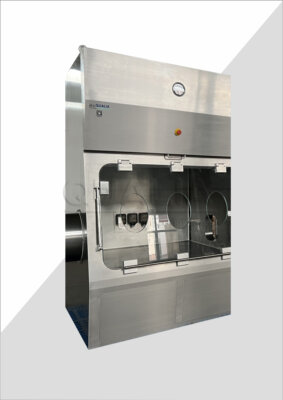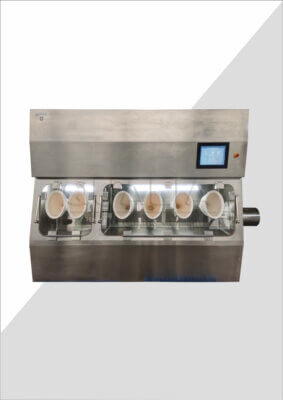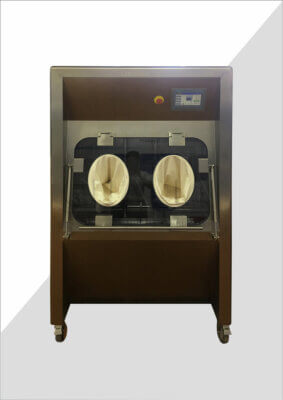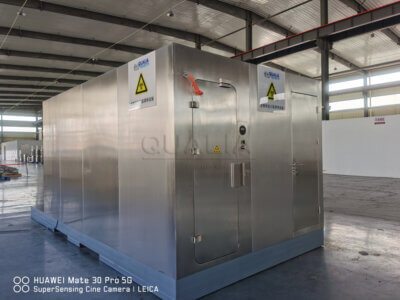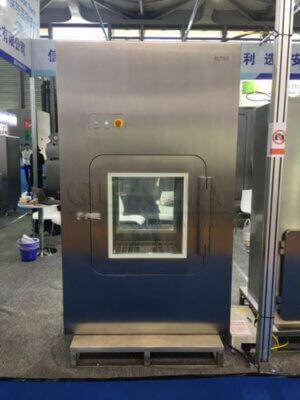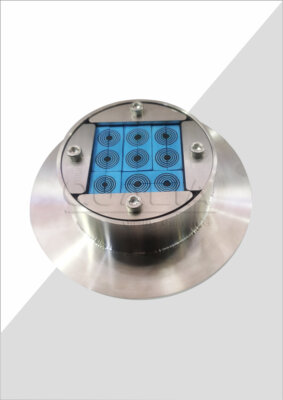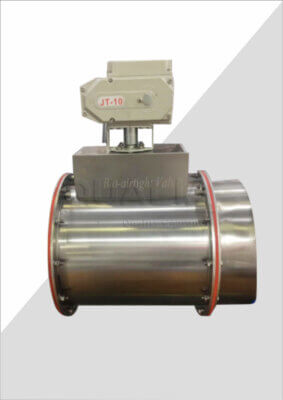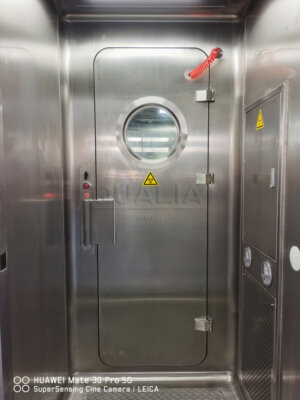
Bagi manajer fasilitas dan petugas keamanan hayati, keputusan untuk membangun atau meningkatkan laboratorium penahanan menghadirkan tantangan strategis yang signifikan. Konstruksi tradisional sering kali terganggu oleh pembengkakan anggaran, perpanjangan jadwal, dan desain yang tidak fleksibel yang dapat menjadi usang sebelum commissioning selesai. Hal ini menciptakan kesenjangan yang kritis antara kebutuhan mendesak akan kapasitas penelitian yang canggih dan realitas praktis dari proyek-proyek modal.
Laboratorium keamanan hayati modular telah muncul sebagai solusi yang menentukan untuk masalah ini. Dengan beralih dari pembuatan tongkat di tempat ke fabrikasi pabrik terkontrol dari modul laboratorium terintegrasi, pendekatan ini secara fundamental mengubah ekonomi proyek, kecepatan, dan kemampuan beradaptasi jangka panjang. Memahami prinsip-prinsip intinya, jalur kepatuhan, dan strategi penerapannya kini menjadi hal yang penting bagi setiap institusi yang merencanakan fasilitas BSL-2, BSL-3, atau BSL-4.
Prinsip-prinsip Desain Inti dari Laboratorium Keamanan Hayati Modular
Modul sebagai Unit Pra-Rekayasa
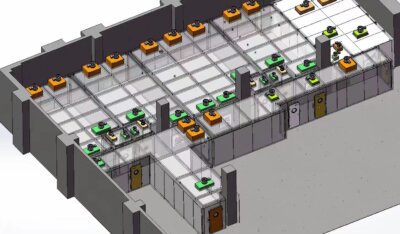
Modul laboratorium bukan sekadar ruangan prefabrikasi. Modul ini merupakan unit tiga dimensi yang terintegrasi penuh yang menggabungkan struktur arsitektur, sistem mekanis, distribusi listrik, dan teknik penahanan menjadi satu komponen yang dapat diulang. Integrasi ini diselesaikan di lingkungan pabrik yang dikontrol kualitasnya, memastikan presisi dan konsistensi yang tidak dapat dicapai dengan metode tradisional di lokasi. Modul ini menjadi blok bangunan fundamental, memungkinkan penskalaan dan replikasi yang dapat diprediksi.
Optimalisasi Dimensi untuk Efisiensi Jangka Panjang
Keputusan desain yang paling penting adalah jejak dimensi modul. Analisis industri menunjukkan bahwa lebar yang dioptimalkan sebesar 10 kaki 6 inci tidak sembarangan. Modul ini secara efisien mengakomodasi dua baris casing standar dengan lorong tengah 5 kaki untuk alur kerja yang ergonomis dan akses peralatan, semuanya di dalam dinding partisi struktural. Pengurangan lebar 4 inci yang tampaknya kecil per modul, ketika dikalikan di seluruh fasilitas besar, dapat menghasilkan lebih dari 150 kaki linier ruang bangku tambahan tanpa menambah tapak bangunan secara keseluruhan. Perencanaan dimensi ini secara langsung menentukan keekonomisan fasilitas jangka panjang dan kapasitas penelitian.
Konfigurasi untuk Fleksibilitas Maksimum
Perencanaan modular tingkat lanjut menggunakan modul dua arah berdasarkan kelipatan lebar dasar. Konfigurasi ini memungkinkan kasing dan peralatan diatur di sepanjang kedua sumbu modul, yang secara dramatis meningkatkan opsi tata letak. Penurunan utilitas direncanakan secara strategis di persimpangan modul, mendukung kisi-kisi titik koneksi untuk komponen yang dapat dipindahkan. Hal ini mengubah lab dari pengaturan tetap menjadi platform yang dapat dikonfigurasi ulang, yang mampu beradaptasi dengan program penelitian baru tanpa renovasi struktural.
Sistem Rekayasa Utama untuk Fleksibilitas dan Penahanan
Operator Layanan Overhead: Mengaktifkan Konfigurasi Ulang
Pendukung utama fleksibilitas laboratorium adalah pembawa layanan overhead yang terintegrasi. Biasanya dibuat dari rangka logam struktural, pembawa ini menampung daya, data, gas, dan terkadang pipa ledeng, menyalurkannya dari bidang langit-langit. Desain ini membebaskan lantai dan ruang bangku dari koneksi utilitas tetap. Yang terpenting, dinding partisi non-struktural dapat ditambahkan, dilepas, atau dipindahkan di bawah pembawa ini tanpa mengganggu infrastruktur utilitas inti, sehingga memungkinkan konfigurasi ulang yang cepat dan dipimpin oleh para peneliti.
Ruang Intersisial untuk Pemeliharaan dan Penahanan
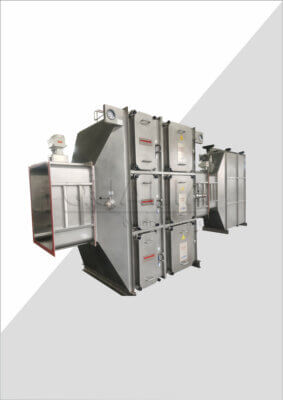
Untuk tingkat penahanan yang lebih tinggi (BSL-3 dan BSL-4), lantai mekanis interstisial di atas lab adalah strategi rekayasa yang sangat direkomendasikan. Ruang khusus ini menyediakan akses tak terbatas ke saluran HVAC, kipas angin, rumah filter HEPA, dan pipa utilitas. Perawatan dan perbaikan dapat dilakukan tanpa memasuki zona penahanan yang terkontaminasi, memastikan keselamatan personel dan kelangsungan operasional. Ini juga menyederhanakan peningkatan dan validasi sistem di masa mendatang.
Mengubah Elemen Struktural menjadi Aset
Kolom struktural, yang sering dianggap sebagai penghalang tata letak, dapat direkayasa menjadi aset strategis. Dengan membuat kolom untuk menciptakan “kolom basah”, desainer membuat jalur utilitas vertikal yang menampung sambungan bertumpuk untuk gas, vakum, dan data. Ini menjadi titik koneksi yang terdistribusi dan tahan masa depan di seluruh lab, mendukung penempatan peralatan yang fleksibel dan mengubah hambatan potensial menjadi bagian integral dari jaringan utilitas yang fleksibel.
BSL-2, BSL-3, dan BSL-4: Persyaratan Kepatuhan Modular
Landasan dalam BMBL
Terlepas dari metode konstruksi, desain laboratorium keamanan hayati diatur oleh prinsip-prinsip penahanan yang diuraikan dalam Keamanan Hayati di Laboratorium Mikrobiologi dan Biomedis (BMBL). Panduan berbasis risiko ini mendefinisikan praktik-praktik spesifik, peralatan keselamatan, dan perlindungan fasilitas yang diperlukan untuk setiap Tingkat Keamanan Hayati. Laboratorium modular harus dirancang sejak awal untuk memenuhi atau melampaui persyaratan yang telah dikodifikasi ini untuk agen kelompok risiko yang dituju.
Kontrol Teknik berdasarkan Tingkat Penahanan
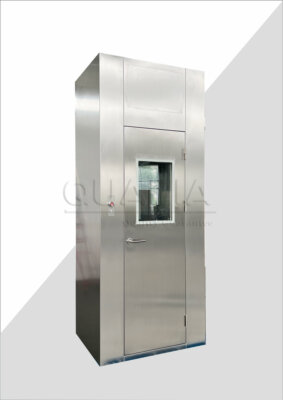
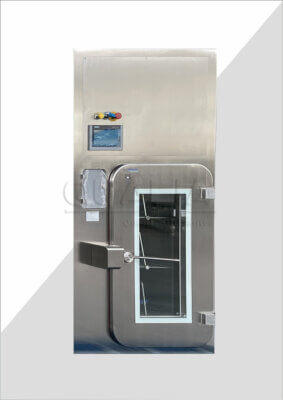
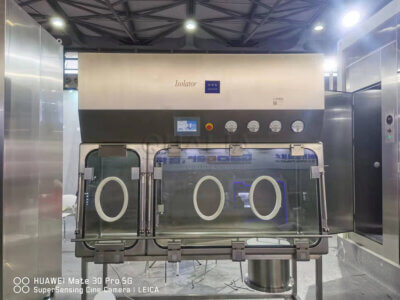
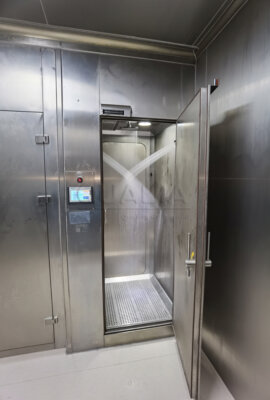
Kontrol teknik fasilitas meningkat seiring dengan tingkat keamanan hayati. Laboratorium BSL-2 untuk agen berisiko sedang memerlukan penahanan utama seperti Lemari Keamanan Biologi (BSC) dan dapat menggunakan knalpot dengan filter HEPA berdasarkan penilaian risiko spesifik lokasi. Fasilitas BSL-3 untuk patogen udara yang serius membutuhkan amplop yang tertutup rapat dan kedap udara, aliran udara ke dalam yang terarah, penyaringan HEPA pada knalpot, dan ruang depan khusus untuk masuk dan keluar. Semua prosedur dengan bejana terbuka dilakukan di dalam BSC.
BSL-4 mewakili puncak penahanan. Pendekatan modular di sini bersifat transformatif, menawarkan potensi pengurangan biaya 90% dibandingkan dengan bangunan kompleks tradisional. Penahanan dicapai melalui jalur BSC Kelas III atau setelan bertekanan positif, dengan penyaringan HEPA yang berlebihan (ganda) pada suplai dan pembuangan, pancuran bahan kimia untuk dekontaminasi setelan, dan protokol yang ketat untuk sterilisasi bahan (misalnya, autoklaf, sistem dekontaminasi limbah).
| Tingkat Keamanan Hayati | Penahanan Utama | Kontrol Rekayasa Utama |
|---|---|---|
| BSL-2 | Lemari Keamanan Biologis | Pintu yang menutup sendiri |
| BSL-3 | BSC (semua pekerjaan) | Amplop kedap udara, aliran udara negatif |
| BSL-4 | Garis / Setelan BSC Kelas III | Filtrasi HEPA ganda, pancuran kimia |
Sumber: Keamanan Hayati di Laboratorium Mikrobiologi dan Biomedis (BMBL). BMBL adalah panduan dasar AS yang mendefinisikan prinsip-prinsip penahanan berbasis risiko, praktik, dan persyaratan fasilitas untuk setiap Tingkat Keamanan Hayati, yang harus dipenuhi oleh laboratorium modular.
Demokratisasi Penelitian Berkadar Tinggi
Pendekatan modular yang hemat biaya dan sesuai dengan BSL-4 ini mendemokratisasi akses ke penelitian dengan penahanan maksimum. Hal ini memungkinkan lembaga pemerintah, akademis, dan swasta yang lebih luas untuk melakukan penelitian kritis terhadap patogen berbahaya tanpa pengeluaran modal yang mahal seperti fasilitas tradisional, sehingga mempercepat kesiapan global.
Manfaat Biaya dan Jangka Waktu vs. Konstruksi Tradisional
Penerapan yang Dipercepat Melalui Proses Paralel
Keuntungan yang paling langsung adalah pemampatan jadwal. Konstruksi modular memungkinkan persiapan lokasi, pekerjaan pondasi, dan pemasangan utilitas dilakukan secara bersamaan dengan fabrikasi modul lab di pabrik. Proses paralel ini menghilangkan penundaan cuaca untuk selubung bangunan dan mengurangi konflik perdagangan di lokasi. Proyek-proyek secara rutin mencapai jadwal penerapan 30-50% lebih cepat daripada laboratorium yang dibangun dengan tongkat yang sebanding, sehingga program penelitian dapat dimulai lebih cepat.
Ekonomi Biaya Transformatif pada BSL Tinggi
Meskipun penghematan biaya dapat direalisasikan di semua tingkatan, penghematan biaya paling dramatis terjadi pada fasilitas berkapasitas tinggi. Bukti dari studi perdagangan yang otoritatif, termasuk yang dilakukan untuk NASA, menunjukkan pendekatan BSL-4 seluler atau modular dapat mencapai pengurangan biaya sekitar 90% dibandingkan dengan konstruksi bangunan kompleks tradisional. Hal ini mengubah proyek-proyek penahanan maksimum dari yang secara finansial sangat mahal menjadi layak secara strategis bagi banyak organisasi.
| Aspek Proyek | Konstruksi Modular | Konstruksi Tradisional |
|---|---|---|
| Garis Waktu Penerapan | 30-50% lebih cepat | Jadwal standar |
| Pengurangan Biaya BSL-4 | ~90% (berdasarkan studi NASA) | Biaya awal yang bersifat penghalang |
| Keuntungan Proses | Fabrikasi paralel & pekerjaan lapangan | Konstruksi di tempat yang berurutan |
Sumber: Dokumentasi teknis dan spesifikasi industri.
Prediktabilitas dan Pengurangan Risiko Finansial
Fabrikasi pabrik di bawah kondisi yang terkendali menghasilkan biaya material, jam kerja, dan hasil yang dapat diprediksi. Hal ini secara signifikan mengurangi pembengkakan anggaran dan biaya perubahan pesanan yang biasa terjadi pada konstruksi tradisional. Harga dan jadwal yang dapat diprediksi menciptakan model keuangan yang berisiko lebih rendah untuk perencanaan modal, sehingga memberikan kepastian yang lebih besar bagi administrator.
Menerapkan Lab Modular: Fase Proyek dan Manajemen Risiko
Tahap 1: Penilaian Risiko dan Pemrograman Strategis
Implementasi yang sukses tidak dimulai dengan desain, tetapi dengan penilaian risiko yang komprehensif dan spesifik untuk setiap agen. Penilaian ini secara definitif menetapkan Tingkat Keamanan Hayati yang diperlukan, yang menjadi pendorong yang tidak dapat diubah untuk semua kriteria desain dan protokol operasional selanjutnya. Fase pemrograman kemudian harus secara ketat mengoptimalkan dimensi dan konfigurasi modul untuk alur kerja penelitian tertentu, menanamkan fleksibilitas sejak awal.
Eksekusi Proyek Bertahap
Proyek ini mengikuti urutan yang berbeda dan disiplin:
- Desain Detail: Menyelesaikan gambar terintegrasi yang memadukan maksud arsitektural dengan MEP dan sistem penahanan yang kompleks.
- Fabrikasi Pabrik: Membangun dan menguji modul lengkap dalam lingkungan yang terkendali.
- Perakitan Situs: Pemasangan, interkoneksi, dan penutupan eksterior yang cepat di tempat.
- Komisioning & Validasi: Pengujian yang ketat terhadap semua sistem terhadap spesifikasi desain dan peraturan.
Menanamkan Manajemen Risiko dan Desain yang Berpusat pada Manusia
Rencana kesiapsiagaan darurat wajib untuk tumpahan, listrik mati, dan pelanggaran kontainmen harus dikembangkan bersamaan dengan desain. Filosofi ini bergeser dari penahanan yang berpusat pada bahaya menjadi keselamatan yang berpusat pada peneliti. Tujuannya adalah untuk mengintegrasikan keselamatan secara mulus ke dalam tata letak intuitif dan komponen yang dapat dikonfigurasi ulang sehingga kepatuhan terhadap protokol merupakan jalur alami yang paling sedikit hambatannya, sehingga meningkatkan keselamatan dan produktivitas ilmiah.
Memelihara dan Memvalidasi Fasilitas Keamanan Hayati Modular
Akses yang Disederhanakan untuk Perawatan Rutin
Desain modular, terutama ketika menggabungkan ruang interstisial, pada dasarnya menyederhanakan perawatan. Sistem mekanikal, elektrikal, dan pemipaan (MEP) yang penting dapat diakses dari luar selungkup. Penggantian filter rutin, pemeriksaan keseimbangan aliran udara, dan perbaikan peralatan dapat dilakukan tanpa mencemari ruang laboratorium atau menghentikan penelitian sensitif, memastikan keamanan dan waktu kerja operasional.
Sertifikasi Ulang dan Validasi Wajib
Integritas kontainer bukanlah pencapaian satu kali. Sertifikasi ulang tahunan Lemari Pengaman Biologis, pengujian integritas filter HEPA, dan verifikasi perbedaan tekanan ruangan merupakan persyaratan yang tidak dapat dinegosiasikan. Rencana validasi fasilitas awal, yang dilakukan oleh profesional yang berkualifikasi, harus menguji kedap udara (untuk BSL-3/4), pola aliran udara, sistem alarm, dan siklus dekontaminasi untuk membuktikan kepatuhan terhadap desain dan ISO 14644-1:2015 standar kebersihan.
Mendukung Lingkungan Laboratorium yang Dinamis
Kebutuhan akan pemeliharaan meluas hingga mendukung konfigurasi ulang. Dalam penelitian sektor swasta, tata letak laboratorium dapat berubah dengan kecepatan hingga 25% per tahun. Oleh karena itu, protokol pemeliharaan harus mencakup prosedur untuk memutuskan dan menyambungkan kembali utilitas dengan aman ke peralatan bergerak, dan untuk memverifikasi integritas kontainmen setelah modifikasi tata letak yang signifikan.
| Aktivitas | Frekuensi / Metrik | Komponen Utama |
|---|---|---|
| Sertifikasi ulang | Tahunan | BSC, filter HEPA, tekanan |
| Pengujian Kedap Udara | Saat commissioning (BSL-3/4) | Amplop kamar |
| Tingkat Konfigurasi Ulang Lab | Hingga 25% per tahun (sektor swasta) | Peralatan seluler, utilitas |
| Akses Sistem | Disederhanakan melalui ruang interstisial | Sistem MEP |
Sumber: ISO 14644-1:2015. Standar ini memberikan kerangka kerja internasional untuk mengklasifikasikan kebersihan udara dan sangat penting untuk menentukan dan memvalidasi kinerja pengendalian partikulat lingkungan laboratorium keamanan hayati selama commissioning dan pemantauan rutin.
Memilih Mitra Lab Modular: Kriteria Evaluasi Utama
Pengalaman Terbukti dan Penguasaan Regulasi
Proses seleksi harus memprioritaskan mitra yang memiliki pengalaman yang dapat dibuktikan dan spesifik untuk proyek tertentu pada Tingkat Keamanan Hayati target Anda. Teliti riwayat mereka dengan badan pengatur terkait seperti CDC atau NIH. Minta dan hubungi referensi untuk proyek serupa untuk memverifikasi keberhasilan komisioning dan kinerja operasional yang sedang berlangsung. Pengalaman adalah prediktor terbaik dalam menavigasi persimpangan kompleks antara konstruksi dan protokol keamanan hayati.
Filosofi Rekayasa dan Sistem Kualitas
Evaluasi pendekatan teknik inti mitra. Apakah mereka menawarkan pembawa layanan overhead yang benar-benar dapat disesuaikan dan filosofi perencanaan modul tiga dimensi? Nilai proses kontrol kualitas pabrik mereka - bagaimana mereka memverifikasi integritas segel penahanan atau kebersihan saluran sebelum pengiriman? Kemampuan komisioning dan validasi mereka harus dilakukan secara internal atau melalui mitra tepercaya dan berkualifikasi, bukan sebagai tambahan.
Pemahaman Siklus Hidup dan Keahlian Hibrida
Mitra yang unggul akan mendiskusikan total biaya siklus hidup, bukan hanya biaya modal. Mereka harus memahami tingkat perputaran lab industri dan menyediakan kerangka kerja untuk mendukung perubahan di masa depan. Selain itu, batas antara laboratorium keamanan hayati dan kamar bersih semakin kabur di bidang farmasi dan biotek. Mitra Anda harus menguasai kedua domain tersebut, karena fasilitas semakin membutuhkan lingkungan hibrida untuk terapi tingkat lanjut dan manufaktur elektronik yang sensitif.
Menjamin Masa Depan Investasi Anda: Kemampuan Beradaptasi dan Ekspansi
Kemampuan Beradaptasi yang Tertanam Melalui Desain
Pemeriksaan masa depan adalah janji inti dari desain modular. Hal ini dicapai dengan menanamkan kemampuan beradaptasi ke dalam arsitektur itu sendiri: jaringan utilitas modular, ruang layanan interstitial, dan titik koneksi standar menciptakan “kit komponen” yang dapat dikonfigurasi ulang oleh administrator. Laboratorium menjadi platform yang dinamis dan bukan aset statis.
Jalur Ekspansi yang Disederhanakan
Perluasan pada dasarnya disederhanakan. Kapasitas baru dapat ditambahkan secara lateral dengan menghubungkan modul tambahan, atau secara vertikal dengan menumpuknya, memanfaatkan desain yang dapat diulang dan koneksi yang telah direkayasa sebelumnya. Perencanaan modul tiga dimensi memastikan anak tangga utilitas sejajar secara vertikal, memungkinkan fasilitas berlantai banyak di mana setiap tingkat dapat dioptimalkan untuk program yang berbeda dengan tetap mempertahankan dukungan pabrik pusat yang efisien.
| Parameter Desain | Spesifikasi Optimal | Dampak / Dasar Pemikiran |
|---|---|---|
| Lebar Modul | 10 kaki 6 inci | Dua baris kasur + lorong 5 kaki |
| Dampak Pengurangan Lebar | Hemat 4 inci | >150 kaki ruang bangku ekstra |
| Konfigurasi | Modul dua arah | Memaksimalkan fleksibilitas tata letak |
Sumber: Dokumentasi teknis dan spesifikasi industri.
Lintasan: Dari Infrastruktur Tetap ke Platform yang Dapat Dikonfigurasi Ulang
Lintasan industri sudah jelas: masa depan adalah milik “kit lab” yang dapat dikonfigurasi ulang. Perangkat ini mengintegrasikan meja yang dapat dipindahkan, peralatan bergerak, dan pembawa layanan di atas kepala ke dalam sebuah sistem yang kohesif. Pendekatan ini mengubah perencanaan modal, memungkinkan institusi untuk terus menyesuaikan infrastruktur penelitian mereka untuk mendukung misi ilmiah yang terus berkembang selama beberapa dekade, melindungi dan memaksimalkan investasi awal.
Keputusan strategis untuk fasilitas keamanan hayati yang baru sekarang bergantung pada evaluasi konstruksi modular bukan sebagai alternatif, tetapi sebagai pendekatan standar karena keunggulannya yang telah terbukti dalam hal kecepatan, pengendalian biaya, dan kepatuhan. Prioritas implementasi yang penting adalah penilaian risiko awal yang ketat untuk mengunci persyaratan BSL, memilih mitra dengan kedalaman peraturan dan teknik yang telah terbukti, dan merancang fleksibilitas sejak awal untuk melindungi nilai jangka panjang investasi.
Perlu panduan profesional dalam menentukan dan menerapkan sistem yang patuh dan siap untuk masa depan laboratorium modular BSL-3 dan BSL-4 bergerak? Tim teknik di QUALIA mengkhususkan diri dalam menerjemahkan persyaratan penahanan yang kompleks menjadi fasilitas yang dioptimalkan dan mudah beradaptasi. Hubungi kami untuk mendiskusikan profil risiko spesifik proyek Anda dan tujuan program.
Pertanyaan yang Sering Diajukan
T: Bagaimana lebar standar unit laboratorium keamanan hayati modular berdampak pada keekonomisan fasilitas dalam jangka panjang?
J: Lebar modul yang dioptimalkan sebesar 10 kaki 6 inci merupakan faktor desain yang sangat penting untuk memaksimalkan ruang yang dapat digunakan. Dimensi ini, berdasarkan dua baris kasur dan lorong tengah, secara langsung menentukan kapasitas bangku; pengurangan hanya 4 inci per modul dapat secara permanen menghilangkan lebih dari 150 kaki linier ruang kerja di seluruh lantai fasilitas. Untuk proyek-proyek di mana hasil penelitian per kaki persegi merupakan metrik utama, Anda harus memprioritaskan pengoptimalan dimensi ini sejak tahap perencanaan paling awal untuk menghindari inefisiensi spasial yang permanen.
T: Sistem rekayasa apa yang memungkinkan fleksibilitas yang dapat dikonfigurasi ulang yang dijanjikan oleh laboratorium keamanan hayati modular?
J: Fleksibilitas terutama dimungkinkan oleh pembawa layanan overhead yang terintegrasi dan ruang interstisial yang strategis. Pembawa yang dipasang di langit-langit ini menyalurkan utilitas, sehingga memungkinkan dinding lab non-struktural dipindahkan tanpa mengganggu daya atau gas. Lantai mekanis interstisial di atas lab menyediakan akses penuh ke sistem pembuangan dan sistem lain untuk pemeliharaan tanpa pelanggaran penahanan. Ini berarti fasilitas yang mengantisipasi perubahan protokol yang sering terjadi atau pergantian peralatan harus bersikeras menggunakan sistem ini dalam desainnya untuk mendukung konfigurasi ulang yang aman dan dipimpin oleh peneliti.
T: Dapatkah pendekatan konstruksi modular memenuhi persyaratan yang ketat untuk fasilitas BSL-3 atau BSL-4?
J: Ya, laboratorium modular dapat dirancang untuk sepenuhnya mematuhi protokol keamanan tinggi yang diuraikan dalam Keamanan Hayati di Laboratorium Mikrobiologi dan Biomedis (BMBL). Untuk BSL-3, ini termasuk selubung kedap udara, aliran udara terarah, dan knalpot yang disaring dengan HEPA. Unit BSL-4 modular mencapai penahanan melalui lemari atau setelan Kelas III, dengan penyaringan HEPA ganda dan dekontaminasi khusus. Untuk institusi di mana konstruksi BSL-4 tradisional mahal, pendekatan modular mewakili strategi yang layak dan sesuai yang dapat secara dramatis mengurangi pengeluaran modal.
T: Apa saja fase-fase utama untuk mengimplementasikan proyek laboratorium keamanan hayati modular?
J: Implementasi mengikuti urutan yang telah ditentukan: dimulai dengan penilaian risiko khusus agen untuk menetapkan BSL, diikuti dengan pemrograman strategis, desain terperinci, fabrikasi di luar lokasi, perakitan di lokasi, dan uji coba yang ketat. Manajemen risiko, termasuk rencana darurat wajib, diintegrasikan di seluruh tahapan. Jika proyek Anda memiliki jadwal yang terkompresi, Anda harus memanfaatkan sifat paralel dari persiapan lokasi dan fabrikasi pabrik untuk mencapai pengurangan jadwal sebesar 30-50% dibandingkan dengan konstruksi tradisional.
T: Bagaimana Anda memelihara dan memvalidasi penahanan di lab modular yang dirancang untuk konfigurasi ulang yang sering?
J: Sertifikasi ulang tahunan untuk lemari biosafety, filter HEPA, dan perbedaan tekanan ruangan adalah wajib. Desain modular, terutama dengan ruang interstisial, menyederhanakan akses untuk tugas-tugas ini. Rencana validasi formal yang dijalankan oleh profesional yang berkualifikasi harus menguji kedap udara, pola aliran udara, dan sistem dekontaminasi. Mengingat bahwa laboratorium dapat mengonfigurasi ulang 25% ruang mereka setiap tahun, protokol pemeliharaan Anda harus secara khusus mendukung pergerakan peralatan bergerak yang aman dan penyambungan kembali utilitas tanpa mengorbankan amplop yang disegel.
T: Kriteria apa yang harus kami gunakan untuk mengevaluasi calon mitra untuk proyek laboratorium keamanan hayati modular?
J: Pilih mitra dengan pengalaman yang telah terbukti pada tingkat BSL target Anda dan catatan yang kuat dengan lembaga terkait. Cermati pendekatan teknik mereka terhadap fleksibilitas, seperti overhead carrier yang dapat disesuaikan dan perencanaan modul 3D. Nilai kemampuan kontrol kualitas pabrik dan komisioning mereka, serta minta analisis biaya siklus hidup. Ini berarti untuk fasilitas yang menyatu dengan standar kamar bersih, mitra Anda harus menguasai keduanya ISO 14644 protokol kebersihan dan teknik penahanan keamanan hayati yang canggih.
T: Bagaimana desain modular dapat menjadi bukti masa depan fasilitas keamanan hayati untuk perluasan dan perubahan program?
J: Pemeriksaan masa depan dicapai dengan menyematkan kemampuan beradaptasi ke dalam arsitektur, seperti kisi-kisi utilitas modular dan titik koneksi standar. Perluasan disederhanakan dengan menambahkan modul yang identik secara lateral atau vertikal. Perencanaan tiga dimensi menyelaraskan anak tangga utilitas di seluruh lantai, sehingga setiap tingkat dapat menjadi tuan rumah bagi program yang unik. Jika misi penelitian institusi Anda berkembang dengan cepat, Anda harus berinvestasi dalam filosofi “lab kit” dari komponen yang dapat dipindahkan dan pengangkut di atas kepala untuk menciptakan platform dinamis yang dapat dikonfigurasi ulang selama beberapa dekade.
Konten Terkait:
- Laboratorium BSL-4 Modular: Memangkas Biaya Tanpa Kompromi
- Memasang Laboratorium BSL-3 Modular: Panduan Ahli
- Biaya Lab BSL-3 Modular: Analisis Komprehensif
- Laboratorium BSL-3 yang dapat disesuaikan: Desain Modular yang Disesuaikan
- Laboratorium BSL-3 Modular: Solusi Konstruksi Cepat
- Laboratorium BSL-3/4 Modular: Solusi Penerapan Cepat
- Laboratorium BSL-3 yang dapat diperluas: Sistem Modular yang Dapat Diskalakan
- Desain Modular: Merevolusi Laboratorium BSL-3/BSL-4 Seluler
- Laboratorium Prefab BSL-3: Solusi Penerapan Cepat