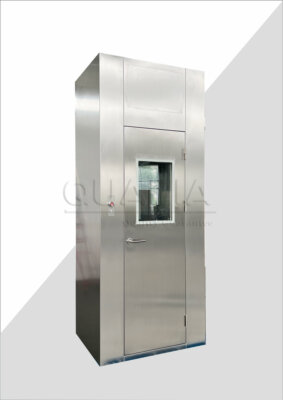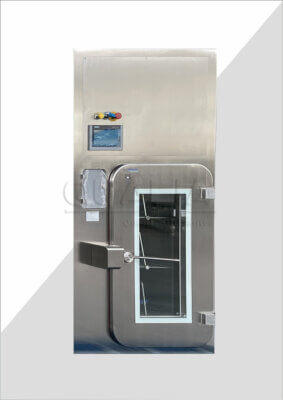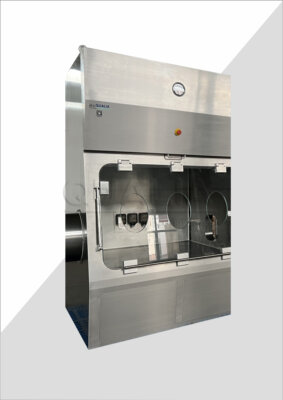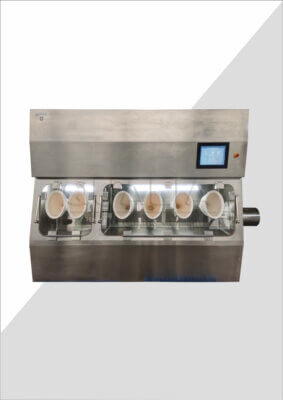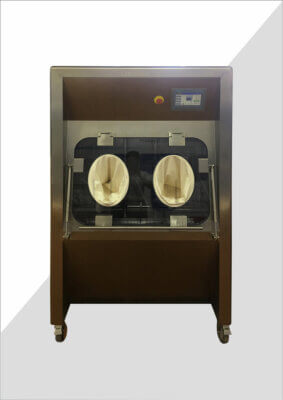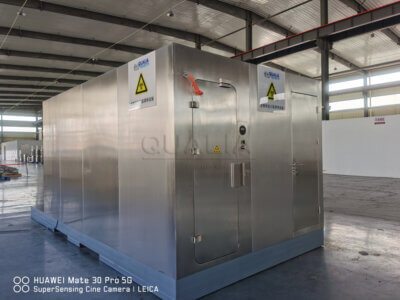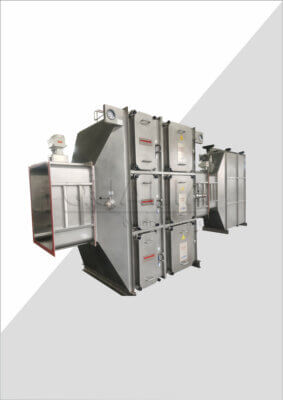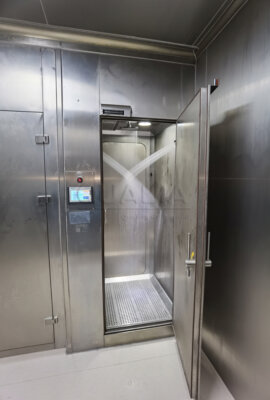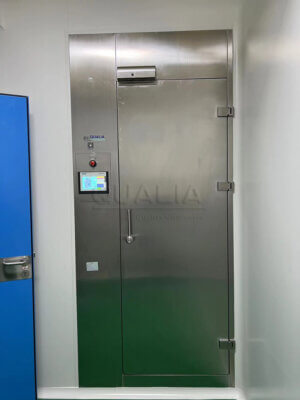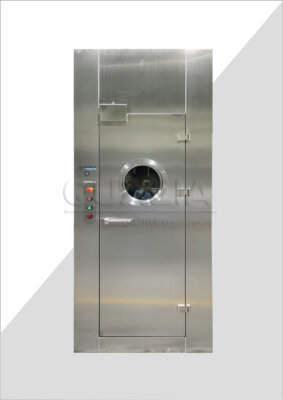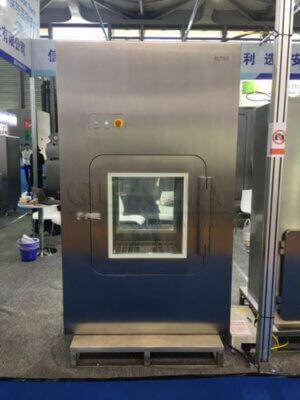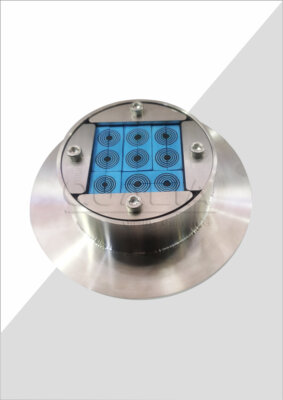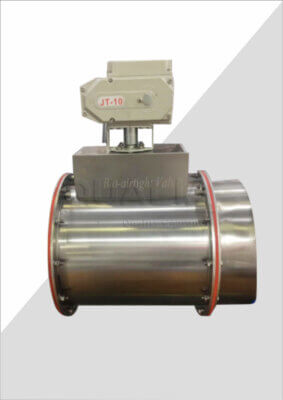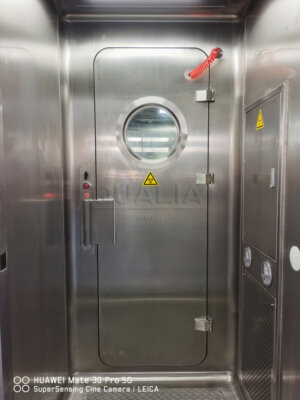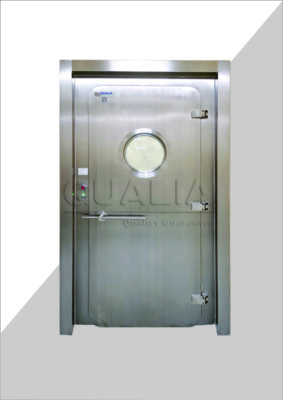

Manajer fasilitas menghadapi dilema mendasar saat menentukan penghalang penahanan: gasket pasif mengalami degradasi yang tidak dapat diprediksi, namun sistem penyegelan aktif memperkenalkan kompleksitas mekanis. Pintu segel tiup mengatasi ketegangan ini melalui otomatisasi pneumatik yang memberikan kinerja yang dapat diverifikasi dan berulang. Pintu-pintu ini tidak hanya menutup - pintu ini secara aktif mengukur dan menjaga integritas kedap udara di setiap siklus. Untuk laboratorium BSL-3/4 dan rangkaian farmasi cGMP, pergeseran dari penyegelan pasif ke penyegelan aktif ini mengubah pintu dari perangkat keras fasilitas menjadi peralatan penting yang terinstrumentasi. Kesenjangan kinerja sangat penting: segel yang gagal membahayakan seluruh klasifikasi ruang bersih atau zona penahanan, memicu penghentian operasional dan pengawasan peraturan.
Lanskap penahanan tahun 2025 menuntut ambang batas kinerja yang lebih tinggi. Perluasan BSL-4 untuk kesiapsiagaan pandemi, pertumbuhan produksi terapi sel, dan pengetatan kriteria inspeksi pra-persetujuan FDA telah meningkatkan ambang batas. Fasilitas yang dulunya menerima diferensial 50 Pa sekarang merekayasa ke standar 2000 Pa. Teknologi segel tiup telah beralih dari aplikasi khusus menjadi dokumen spesifikasi umum. Memahami mekanisme pneumatik, ilmu material, persyaratan validasi, dan biaya siklus hidup sekarang penting bagi siapa pun yang bertanggung jawab untuk merancang, mengadakan, atau memelihara infrastruktur kontainer tinggi.
Apa Itu Pintu Segel Tiup dan Bagaimana Cara Kerjanya?
Mekanisme Penyegelan Aktif
Pintu segel tiup menggantikan gasket kompresi tradisional dengan profil elastomer berongga yang mengembang menggunakan udara bertekanan. Saat pintu ditutup, pengontrol PLC khusus mengaktifkan urutan pneumatik: udara terkompresi pada 2,5-8 bar mengalir ke profil segel, memperluasnya secara seragam pada permukaan perkawinan melengkung pada pintu atau kusen. Ekspansi ini menciptakan tekanan kontak di seluruh perimeter, mengimbangi ketidaksempurnaan bingkai kecil atau gerakan termal yang akan membahayakan gasket yang kaku. Segel tetap mengembang selama siklus tertutup, mempertahankan tekanan kontak konstan yang tidak tergantung pada getaran bangunan atau fluktuasi suhu.
| Komponen | Parameter Operasi | Fungsi |
|---|---|---|
| Profil Elastomer | Tekanan 2,5-8 bar | Menciptakan segel kedap udara |
| Pengontrol PLC | Pengurutan otomatis | Mengelola siklus inflasi |
| Permukaan Kawin | Geometri melengkung | Mengkompensasi ketidaksempurnaan bingkai |
| Mekanisme Segel | Ekspansi pneumatik aktif | Mencegah kontaminasi silang |
Sumber: ISO 10648-2: Selungkup penahanan - Bagian 2. Standar ini mendefinisikan sistem klasifikasi kekedapan kebocoran dan protokol pengujian yang memvalidasi kinerja segel kedap udara dari mekanisme pintu tiup.
Pengurutan yang Dikendalikan PLC
Urutan kontrol menghilangkan kesalahan manusia. PLC memverifikasi penutupan pintu melalui sakelar buluh magnetik sebelum memulai inflasi segel. Hanya setelah memastikan tekanan segel yang memadai, sistem mengizinkan tekanan diferensial HVAC untuk dibangun. Setelah dibuka, pengontrol mengempiskan segel sepenuhnya sebelum mengizinkan pergerakan pintu, mencegah kerusakan segel dari geser mekanis. Logika otomatis ini memastikan kinerja yang konsisten di ribuan siklus. Saya telah menyaksikan fasilitas di mana pintu paking manual gagal berulang kali karena operator memaksa kait sebelum penutupan penuh - PLC menghilangkan mode kegagalan ini sepenuhnya.
Dari Penghalang Pasif ke Perangkat Berinstrumen
Pintu segel tiup menghasilkan data kinerja pada setiap siklus. Transduser tekanan memantau tekanan inflasi seal. Penghitung siklus melacak penggunaan untuk penjadwalan pemeliharaan. Sistem canggih mencatat data ke platform manajemen fasilitas, menciptakan jejak audit yang mendukung pengajuan peraturan. Instrumentasi ini mengubah pintu dari penghalang sederhana menjadi titik kontrol kritis yang tervalidasi. Aliran data memungkinkan pemeliharaan prediktif - mendeteksi degradasi segel secara bertahap sebelum kegagalan total - dan memberikan bukti objektif tentang kondisi terkontrol yang berkelanjutan untuk inspeksi FDA.
Penjelasan Bahan Konstruksi & Spesifikasi Teknis
Kelas dan Permukaan Baja Tahan Karat
Daun dan kusen pintu menggunakan baja tahan karat 304 atau 316L, yang dipilih untuk ketahanan terhadap korosi dan kebersihan. Kelas 316L menambahkan molibdenum untuk ketahanan yang unggul terhadap paparan klorida dari bahan pembersih dan lingkungan pantai. Permukaan akhir sama pentingnya dengan pemilihan paduan. Aplikasi farmasi menentukan hasil akhir yang dipoles dengan elektropolesan Ra <0,6μm yang meminimalkan adhesi mikroba dan menyederhanakan validasi dekontaminasi. Laboratorium BSL-3 sering kali menerima hasil akhir pabrik atau polesan #4 untuk mengurangi biaya modal. Keputusan akhir ini secara langsung berdampak pada upaya validasi pembersihan dan temuan audit - permukaan yang kasar menciptakan celah-celah yang dapat dipertahankan yang mempersulit jaminan sterilitas.
| Jenis Bahan | Spesifikasi | Aplikasi Utama |
|---|---|---|
| 316L Tahan Karat | Ra <0,6μm selesai | Rangkaian cGMP farmasi |
| 304 Tahan karat | Permukaan yang dipoles | Laboratorium BSL-3 |
| Segel Silikon | Kisaran suhu yang luas | Penahanan standar |
| Segel EPDM | Ketahanan kimiawi | Lingkungan pemaparan khusus |
| Wol Mineral | Insulasi termal/akustik | Semua jenis pintu |
Sumber: ISO 14644-7: Kamar bersih dan lingkungan terkendali terkait. Standar ini menetapkan persyaratan material untuk perangkat pemisah, termasuk spesifikasi permukaan akhir yang penting untuk kebersihan dan kontrol kontaminasi di lingkungan yang diatur.
Bahan Segel Elastomer
Segel tiup itu sendiri menggunakan senyawa silikon atau EPDM. Silikon menawarkan stabilitas suhu dari -40 ° C hingga +200 ° C dan ekstraksi yang sangat mudah menguap - sangat penting untuk aplikasi farmasi di mana gas buang dapat mencemari produk. EPDM memberikan ketahanan yang unggul terhadap ozon, uap, dan paparan bahan kimia tertentu. Formulasi khusus menggabungkan aditif antimikroba untuk kontrol bioburden tambahan. Pemilihan senyawa seal harus selaras dengan protokol dekontaminasi: hidrogen peroksida yang diuapkan (VHP) dapat mentolerir silikon dengan baik, tetapi beberapa siklus klorin dioksida memerlukan polimer alternatif. Ketidakcocokan material yang ditemukan selama commissioning menyebabkan retrofit yang mahal.
Konstruksi Inti dan Kaca
Inti pintu berinsulasi menggunakan wol mineral untuk peredaman akustik dan termal. Konstruksi ini mengurangi transmisi kebisingan antar zona dan meminimalkan risiko kondensasi ketika pintu memisahkan ruang yang dikontrol suhu. Panel Vision menggunakan kaca pengaman tempered atau laminasi yang disiram rata, menjaga kontinuitas permukaan untuk pembersihan. Kaca siram menghilangkan tepian yang menjebak partikel atau residu pembersih. Beberapa vendor menawarkan kaca yang diperkuat dengan kawat untuk rakitan tahan api pintu segel pneumatik berkinerja tinggi semakin banyak menggunakan segel intumescent untuk mencapai peringkat api tanpa mengorbankan kebersihan permukaan.
Kinerja Tekanan: Memenuhi Persyaratan BSL-3, BSL-4 & cGMP
Tolok Ukur Pascal 2000
Pintu segel tiup berkapasitas tinggi direkayasa untuk menahan perbedaan hingga 2000 Pa-sekitar 8 inci pengukur air. Ambang batas ini telah menjadi tolok ukur yang ditetapkan industri untuk BSL-4, pemrosesan aseptik farmasi, dan aplikasi nuklir. Spesifikasi 2000 Pa tidak sembarangan; ini mewakili perbedaan tekanan yang diperlukan untuk mempertahankan aliran udara terarah selama acara masuk/keluar personel dan skenario darurat. Pintu yang diberi peringkat di bawah ambang batas ini berisiko mengalami pembalikan tekanan selama siklus airlock, yang berpotensi melepaskan kontaminan atau mengganggu kemandulan. Vendor yang mengklaim kinerja “penahanan tinggi” harus menunjukkan ketahanan yang tervalidasi terhadap 2000 Pa; peringkat yang lebih rendah menunjukkan konstruksi tujuan umum yang tidak sesuai untuk aplikasi kritis.
| Tingkat Penahanan | Diferensial Tekanan | Tingkat Kebocoran |
|---|---|---|
| BSL-3 | Hingga 2000 Pa | 0 m³/jam pada 30 Pa |
| BSL-4 | Hingga 2000 Pa | 0 m³/jam pada 30 Pa |
| cGMP Positif | Hingga 2000 Pa | Kebocoran minimal yang divalidasi |
| cGMP Negatif | Hingga 2000 Pa | Kebocoran minimal yang divalidasi |
| Fasilitas Nuklir | Hingga 2000 Pa | Ambang batas toleransi nol |
Sumber: ASME AG-1: Kode tentang Pengolahan Udara dan Gas Nuklir. Kode ini menetapkan persyaratan isolasi anti bocor untuk batas-batas penahanan nuklir, yang mencerminkan tolok ukur kinerja 2000 Pa yang diterapkan pada aplikasi BSL dan farmasi.
Tingkat Kebocoran yang divalidasi
Ketahanan tekanan tidak berarti apa-apa tanpa kekedapan kebocoran. Pintu yang divalidasi mencapai kebocoran 0 m³/jam pada tekanan uji 30 Pa. Tingkat kinerja ini memastikan bahwa di bawah perbedaan operasi normal (biasanya 15-75 Pa), tidak ada kontaminasi silang yang terukur. Pengujian menggunakan metode peluruhan tekanan atau gas pelacak yang ditentukan dalam ISO 10648-2. Pengujian penerimaan pabrik mendokumentasikan kinerja dasar. Validasi uji coba di lokasi mengonfirmasi kinerja setelah pemasangan. Sertifikasi ulang tahunan mempertahankan status tervalidasi. Ambang batas kebocoran ini tidak dapat dinegosiasikan untuk kepatuhan terhadap peraturan - inspektur FDA semakin sering meminta data validasi tingkat pintu sebagai bagian dari paket kualifikasi fasilitas.
Kemampuan Penahanan Dua Arah
Pintu segel tiup berfungsi di bawah rezim tekanan positif dan negatif. Tekanan positif melindungi produk steril dalam manufaktur aseptik. Tekanan negatif mengandung bahaya biologis di laboratorium BSL dan area peracikan obat sitotoksik. Mekanisme segel pneumatik bekerja secara identik di kedua arah: profil yang digelembungkan menciptakan penghalang fisik terlepas dari arah yang berbeda. Kemampuan dua arah ini menyederhanakan desain fasilitas untuk operasi multi-moda - model pintu yang sama melayani fungsi penahanan dan perlindungan. Pintu paking arah tetap memerlukan orientasi yang cermat selama pemasangan; segel tiup menghilangkan spesifikasi ini dan risiko kesalahan pemasangan.
Kepatuhan FDA & GMP: Validasi, Pengujian & Dokumentasi
Pengujian Penerimaan Pabrik dan Pengurangan Risiko
Otomatisasi PLC memungkinkan pengujian penerimaan pabrik yang komprehensif (FAT) sebelum pengiriman. Vendor memutar pintu ratusan kali, mencatat tekanan segel, waktu interlock, dan respons sensor. Pengujian ini mengidentifikasi kesalahan logika kontrol, kebocoran pneumatik, dan cacat perangkat keras dalam lingkungan yang terkendali. FAT secara dramatis mengurangi risiko komisioning di lokasi - masalah yang ditemukan di lokasi menyebabkan penundaan jadwal dan penambahan biaya tenaga kerja. Dokumen protokol FAT menjadi bagian dari paket validasi yang diserahkan kepada pihak berwenang. Untuk fasilitas yang berada di bawah pengawasan FDA, pendekatan validasi yang dimuat di depan ini mengurangi pertanyaan lembaga selama inspeksi pra-persetujuan.
| Tahap Validasi | Hasil Dokumentasi | Lingkup Pengujian |
|---|---|---|
| Penerimaan Pabrik | Protokol FAT lengkap | Verifikasi otomatisasi PLC |
| Instalasi (IQ) | Gambar yang sudah dibuat | Integritas instalasi fisik |
| Operasional (OQ) | Data uji kinerja | Siklus tekanan segel |
| Pencatatan Data | Catatan jejak audit | Riwayat tekanan segel |
| Pemantauan Jarak Jauh | Umpan analisis prediktif | Pelacakan jumlah siklus |
Sumber: ISO 14644-7: Kamar bersih dan lingkungan terkendali terkait. Standar ini menyediakan protokol pengujian dan persetujuan untuk perangkat terpisah yang menjadi dasar persyaratan validasi IQ/OQ dalam aplikasi ilmu hayati.
Paket Dokumentasi IQ/OQ
Pemasok menyediakan templat protokol kualifikasi instalasi (IQ) dan kualifikasi operasional (OQ). Dokumentasi IQ memverifikasi pemasangan fisik: penyelarasan rangka, torsi baut jangkar, integritas segel, koneksi pneumatik, dan kabel listrik. Protokol OQ menguji kinerja fungsional: tekanan inflasi seal di bawah beban, waktu siklus, logika interlock, dan fungsi jalan keluar darurat. Protokol standar ini mengurangi upaya rekayasa fasilitas dan memastikan pendekatan validasi yang konsisten di seluruh organisasi multi-lokasi. Paket dokumentasi mendukung persyaratan 21 CFR Bagian 11 untuk catatan dan tanda tangan elektronik ketika pintu terintegrasi dengan sistem BMS fasilitas.
Pencatatan Operasi dan Jejak Audit
Sistem canggih menghasilkan catatan operasional yang berkelanjutan. Setiap siklus pintu mencatat stempel waktu, tekanan segel yang dicapai, dan status interlock. Kondisi alarm-tekanan segel rendah, sensor gagal, kejadian pintu terbuka paksa-menciptakan catatan pengecualian. Aliran data ini memberikan bukti objektif tentang status terkontrol di antara siklus revalidasi formal. Untuk pengajuan peraturan, log operasi menunjukkan bahwa penghalang penahanan berfungsi seperti yang dirancang selama kampanye pembuatan produk. Saya telah melihat fasilitas di mana data pemantauan berkelanjutan menyelesaikan pengamatan FDA tentang pengendalian lingkungan - log membuktikan bahwa alarm sementara tidak mengganggu kualitas bets karena pintu mencegah kontaminasi silang selama kejadian.
Opsi Instalasi: Integrasi Cast-in, Baut & Modular
Metodologi Rangka Cast-in
Rangka cor tertanam langsung ke dalam beton yang dituang selama konstruksi bangunan. Sudut baja dan pelat jangkar memposisikan rangka; beton membungkus rakitan, menciptakan struktur monolitik. Metode ini menghasilkan kekedapan kebocoran yang maksimal-tidak ada celah antara rangka dan dinding. Ikatan beton-ke-baja menghilangkan jalur kebocoran utama yang membahayakan pintu yang dipasang di permukaan. Pemasangan cor pada dasarnya tidak dapat diubah. Modifikasi di masa depan membutuhkan pembongkaran. Keabadian ini sesuai dengan fasilitas BSL-4 dan manufaktur farmasi di mana zona penahanan tetap statis selama beberapa dekade.
| Metode Instalasi | Tingkat Integritas | Faktor Fleksibilitas | Dampak Siklus Hidup |
|---|---|---|---|
| Rangka Cast-in | Potensi kebocoran nol | Tidak dapat dipulihkan/permanen | Stabilitas jangka panjang yang maksimal |
| Sub-rangka yang dibaut | Integritas tinggi | Kemampuan modifikasi sedang | Retrofit di masa depan dapat dilakukan |
| Partisi Modular | Kinerja variabel | Kemampuan beradaptasi yang tinggi | Perluasan zona termudah |
Sumber: ISO 10648-2: Selungkup penahanan - Bagian 2. Sistem klasifikasi kekedapan kebocoran standar ini membantu menentukan tingkat kinerja yang dapat dicapai melalui metodologi pemasangan dan antarmuka struktural yang berbeda.
Sistem Sub-rangka yang Dibaut
Sub-rangka yang dibaut mengakomodasi tiang baja atau dinding partisi modular. Sub-rangka dipasang ke rangka struktural dengan baut tembus, menciptakan dasar pemasangan yang kaku. Gasket transisi menyegel antarmuka sub-rangka-ke-dinding. Pendekatan ini memberikan fleksibilitas - pintu dapat direlokasi jika tata letak fasilitas berubah - sambil mempertahankan kinerja penahanan yang tinggi jika dieksekusi dengan benar. Detail penting adalah spesifikasi dan kompresi paking transisi. Gasket yang kurang dikompresi akan bocor; kompresi berlebih menyebabkan distorsi pembingkaian. Pemasangan membutuhkan teknisi terampil yang memahami prinsip-prinsip penahanan, bukan hanya kru konstruksi umum.
Penyelarasan Strategi Siklus Hidup
Pemilihan metode instalasi adalah keputusan fasilitas strategis. Organisasi yang merencanakan konfigurasi ulang yang sering mendukung sistem baut meskipun risiko kebocoran sedikit lebih tinggi. Institusi yang membangun infrastruktur penahanan permanen menentukan bingkai cor. Keputusan tersebut harus selaras dengan rencana induk fasilitas yang terdokumentasi yang mencakup 10-20 tahun. Ketidaksejajaran menyebabkan masalah yang mahal: rangka cor di zona yang membutuhkan perluasan memerlukan pembongkaran yang mahal; rangka yang dibaut di zona permanen memerlukan perawatan paking yang berkelanjutan yang tidak dapat dilakukan oleh rakitan cor. Keputusan ini membutuhkan keterlibatan dari pimpinan fasilitas, bukan hanya insinyur proyek yang melaksanakan desain fase saat ini.
Sistem Kontrol, Interlock & Fitur Pengaman Kegagalan
Arsitektur PLC dan Integrasi BMS
Kecanggihan kontrol berkisar dari operasi PLC mandiri hingga integrasi sistem manajemen gedung penuh. Sistem mandiri beroperasi secara independen, menjalankan pengurutan pintu dan kunci pengaman tanpa komunikasi eksternal. Integrasi BMS menambahkan pemantauan jaringan, pemberitahuan alarm ke konsol pusat, dan kontrol terkoordinasi dengan HVAC untuk siklus dekontaminasi. Integrasi penuh memungkinkan urutan penguncian tingkat ruangan di mana kontrol akses, HVAC, dan sistem pintu merespons secara kolektif terhadap kondisi darurat. Keputusan integrasi yang dibuat selama desain sulit untuk membalikkan infrastruktur komunikasi dan memvalidasi sistem komputer pasca-konstruksi akan melipatgandakan biaya.
| Komponen Sistem | Tingkat Integrasi | Mekanisme Gagal-Aman |
|---|---|---|
| PLC mandiri | Operasi independen | Daya cadangan UPS |
| Integrasi BMS | Koordinasi fasilitas lengkap | Catu daya yang berlebihan |
| Interlock Mekanis | Pengurutan kunci udara | Tombol penggantian fisik |
| Interlock Elektronik | Kontrol akses yang ditautkan | Pelepasan jalan keluar pneumatik |
| Penggantian Darurat | Prioritas keselamatan jiwa | Reservoir udara mandiri |
Sumber: EN 14175-3: Lemari asap - Bagian 3. Metodologi pengujian penahanan standar ini menginformasikan desain sistem interlock yang menjaga integritas penahanan di seluruh urutan kontrol akses.
Interlock Mekanis dan Elektronik
Kunci udara memerlukan interlock yang mencegah pembukaan kedua pintu secara bersamaan. Interlock mekanis menggunakan hubungan fisik-ketika satu pintu terbuka, gerendel secara fisik memblokir pintu yang berlawanan. Interlock elektronik menggunakan logika PLC dan kunci elektromagnetik untuk fungsi yang sama. Sistem mekanis menyediakan operasi gagal-aman yang melekat dan tidak bergantung pada daya; sistem elektronik menawarkan pemantauan dan integrasi yang unggul dengan kontrol akses. Pendekatan hibrida menggunakan interlock mekanis dengan sensor posisi untuk pemantauan. Jenis interlock memengaruhi kepatuhan keselamatan jiwa - kode bangunan mengharuskan interlock penahanan tidak pernah mencegah jalan keluar darurat, yang mengharuskan mekanisme pelepasan atau penimpaan.
Desain yang Aman dari Kegagalan untuk Kehilangan Utilitas
Pintu segel tiup bergantung pada udara bertekanan dan daya listrik. Kehilangan utilitas menciptakan risiko keselamatan: personel terjebak, pelepasan kontaminasi, atau paparan produk. Desain yang aman dari kegagalan dapat mengatasi skenario ini. Sistem UPS memberi daya pada PLC dan kunci elektromagnetik selama pemadaman, mempertahankan pemadaman yang terkendali. Tombol penggantian pneumatik mengempiskan segel secara mekanis untuk jalan keluar manual, terlepas dari daya atau fungsi PLC. Beberapa sistem menggabungkan reservoir udara terkompresi mandiri yang menyediakan beberapa siklus pengempisan segel tanpa membangun udara. Redundansi ini tidak opsional untuk aplikasi yang sangat penting bagi keselamatan jiwa - otoritas bangunan memerlukan operasi yang aman dari kegagalan untuk ruang penahanan yang ditempati.
Pertanyaan yang Sering Diajukan
T: Bagaimana pintu segel tiup memenuhi persyaratan tekanan khusus untuk suite steril BSL-4 atau cGMP?
J: Pintu ini dirancang untuk menahan perbedaan tekanan hingga 2000 Pascal, tolok ukur yang diakui untuk aplikasi farmasi yang sangat penting dan berkapasitas tinggi. Tingkat kebocoran yang divalidasi dapat mencapai nol meter kubik per jam pada tekanan rendah, memastikan integritas untuk rezim tekanan positif dan negatif. Ini berarti pemilihan vendor Anda harus memperlakukan ambang batas 2000 Pa sebagai garis dasar yang tidak dapat dinegosiasikan untuk validasi kinerja dan penerimaan peraturan.
T: Apa perbedaan utama antara metode pemasangan cast-in dan baut untuk integritas jangka panjang?
J: Rangka cor, yang tertanam dalam beton selama konstruksi, memberikan potensi tertinggi untuk segel tanpa kebocoran tetapi pada dasarnya bersifat permanen. Sub-rangka yang dibaut menawarkan fleksibilitas untuk diintegrasikan ke dalam dinding modular, sehingga memudahkan modifikasi fasilitas di masa mendatang. Pilihan Anda menentukan kemampuan adaptasi jangka panjang, jadi Anda harus memprioritaskan cast-in untuk penahanan akhir di fasilitas statis dan bingkai yang dibaut untuk laboratorium yang mengantisipasi perubahan tata letak di masa depan.
T: Bahan konstruksi apa yang harus kami prioritaskan untuk pintu di lingkungan yang terkontaminasi VHP?
J: Tentukan baja tahan karat 304 atau 316L dengan lapisan akhir yang dipoles (Ra <0,6μm) untuk kebersihan optimal dan kompatibilitas dengan dekontaminan gas yang agresif. Segel tiup biasanya harus terbuat dari silikon untuk toleransi bahan kimia dan suhunya yang luas. Strategi material ini secara langsung memengaruhi keberhasilan validasi pembersihan, jadi Anda harus menyelaraskannya dengan protokol dekontaminasi spesifik Anda selama fase desain.
T: Bagaimana sistem kontrol dan interlock terintegrasi dengan manajemen fasilitas yang lebih luas untuk keselamatan?
J: Pintu modern menggunakan PLC yang dapat berintegrasi dengan HVAC, kontrol akses, dan Sistem Manajemen Gedung untuk mengelola urutan seperti siklus airlock dan dekontaminasi. Fitur keamanan yang penting termasuk interlock untuk mencegah pembukaan pintu ganda dan kunci elektromagnetik. Perencanaan awal untuk kedalaman integrasi ini sangat penting, karena retrofit konektivitas di kemudian hari akan memakan biaya dan menyulitkan validasi sistem komputer.
T: Dokumentasi apa yang harus disediakan oleh pemasok untuk mendukung kepatuhan dan validasi GMP FDA?
J: Paket pemasok yang komprehensif harus mendukung protokol Kualifikasi Instalasi dan Operasional Anda, termasuk laporan FAT yang terperinci, spesifikasi teknis, dan sertifikasi material. Sistem yang lebih canggih menawarkan log operasi untuk jejak audit. Oleh karena itu, Anda harus mengevaluasi vendor berdasarkan ketelitian dokumentasi mereka, karena data ini menjadi dasar bukti untuk menunjukkan keadaan kontrol kepada regulator.
T: Apa saja yang termasuk dalam program pemeliharaan proaktif untuk pintu segel tiup?
J: Program Pemeliharaan Pencegahan Terencana memerlukan pemeriksaan rutin segel elastomer, verifikasi tekanan dan sensor pneumatik, serta pengujian fungsional semua interlock dan fitur keselamatan. Pemasok terkemuka sekarang menawarkan program layanan ini sebagai bagian dari model siklus hidup. Hal ini menggeser evaluasi pengadaan ke Total Biaya Kepemilikan, jadi Anda harus memperhitungkan kontrak servis untuk meminimalkan waktu henti fasilitas yang tidak direncanakan.
T: Bagaimana kinerja anti bocor dari pintu penahanan diklasifikasikan dan diuji?
J: Kinerja diklasifikasikan menurut standar seperti ISO 10648-2, yang menentukan tingkat kekedapan kebocoran dan metode pengujian terkait untuk verifikasi. Pengujian melibatkan pengukuran tingkat kebocoran terhadap perbedaan tekanan yang ditentukan untuk mengonfirmasi bahwa pintu memenuhi kelas penahanan yang ditentukan. Untuk aplikasi nuklir atau aplikasi bahaya tinggi lainnya, Anda harus memastikan pengujian sesuai dengan kode tambahan seperti ASME AG-1.
Konten Terkait:
- Apa Itu Segel Pneumatik Pintu APR dan Cara Kerjanya
- Memahami Teknologi Segel Pintu APR Pneumatik
- Metrik Kinerja Segel Pintu APR Pneumatik | Spesifikasi Teknis
- Pintu APR Segel Pneumatik: Panduan Lengkap untuk Aplikasi Industri
- Segel Pintu Pneumatik Industri | Persyaratan Teknis | Standar
- Pemasangan Segel Pneumatik Pintu APR | Perawatan | Pemecahan Masalah
- Sistem Penyegelan Pintu APR | Tinjauan Teknologi Pneumatik
- Biaya Segel Pintu APR Pneumatik | Panduan Harga | Analisis ROI
- Pemasangan Segel Pintu APR | Spesifikasi Teknis & Kinerja