Mengoperasikan laboratorium Keamanan Hayati Hewan Level 3 (ABSL-3) merupakan tanggung jawab yang besar. Bagi direktur fasilitas penelitian, tantangannya lebih dari sekadar penyelidikan ilmiah, tetapi juga mencakup matriks kompleks yang terdiri dari kepatuhan terhadap peraturan, rekayasa keselamatan, dan manajemen risiko operasional. Satu cacat desain atau penyimpangan prosedur dapat membahayakan penahanan, membahayakan personel, dan memicu tindakan peraturan yang berat. Pertaruhannya tidak hanya finansial; tetapi juga eksistensial untuk lisensi fasilitas untuk beroperasi dan lisensi sosialnya di masyarakat.
Panduan ini membahas keputusan-keputusan inti yang dihadapi para direktur pada tahun 2025. Lanskap peraturan terus berkembang, dengan penekanan yang lebih besar pada verifikasi digital dan manajemen biorisiko terintegrasi. Bersamaan dengan itu, teknologi penahanan primer baru dan model ekonomi menawarkan jalur untuk meningkatkan fleksibilitas penelitian dan keberlanjutan keuangan. Untuk menavigasi perkembangan ini diperlukan kerangka kerja yang terstruktur dan berbasis risiko.
Standar Regulasi Utama ABSL-3 dan BMBL Edisi ke-5
Fondasi Ganda Kepatuhan
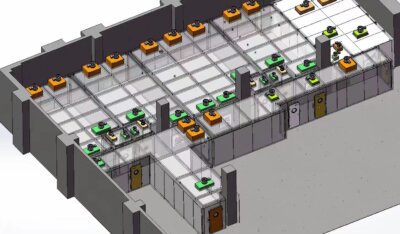
Lisensi operasional untuk fasilitas ABSL-3 bertumpu pada dua landasan: peraturan yang dapat ditegakkan dan panduan teknis. Federal Select Agent Program (FSAP) menyediakan kerangka hukum, dengan yurisdiksi yang dibagi antara CDC/HHS untuk ancaman kesehatan masyarakat dan USDA/APHIS untuk ancaman pertanian. Agen zoonosis sering kali berada di bawah keduanya, sehingga menciptakan beban kepatuhan yang berlapis. Dokumen teknis dasar adalah Keamanan Hayati di Laboratorium Mikrobiologi dan Biomedis (BMBL). Filosofi desain intinya adalah mutlak: fasilitas harus mempertahankan aliran udara ke dalam dalam semua kondisi kegagalan. Setiap keputusan arsitektural - mulai dari penetrasi tertutup hingga ruang depan yang saling bertautan - memiliki tujuan tunggal ini.
Mengoperasionalkan Mandat BMBL
Bagi para direktur, prinsip ini berubah dari pedoman menjadi persyaratan sistem yang tidak dapat dinegosiasikan. Spesifikasi BMBL bukanlah saran, melainkan dasar untuk sertifikasi. Ini berarti proyek retrofit atau pembangunan baru harus memperlakukan integritas kontainmen sebagai pendorong utama, dengan semua fitur lain yang mendukungnya. Kesalahan umum yang sering terjadi adalah memprioritaskan efisiensi alur kerja di atas rekayasa kontainmen yang telah terbukti, sebuah kompromi yang dapat gagal selama verifikasi. Pakar industri merekomendasikan untuk memperlakukan BMBL bukan sebagai daftar periksa tetapi sebagai filosofi desain, di mana integritas selubung kontainmen adalah nilai terpenting dalam setiap diskusi perencanaan modal.
Desain Sistem HVAC dan Protokol Verifikasi Mode Kegagalan
Inti Keselamatan yang Direkayasa
Sistem HVAC adalah fitur keselamatan rekayasa utama dari fasilitas ABSL-3. Kinerjanya dalam kondisi kegagalan yang disimulasikan merupakan uji definitif jaminan penahanan. Kebijakan FSAP mengamanatkan bahwa verifikasi desain awal, yang dilakukan oleh personel yang berkualifikasi, harus menunjukkan tidak ada pembalikan aliran udara dari ruang yang terkontaminasi selama skenario kegagalan tertentu. Pengujian ini merupakan landasan sertifikasi fasilitas yang hanya dilakukan satu kali, dan hanya diulangi setelah modifikasi sistem yang besar. Akibatnya, perencanaan modal harus memprioritaskan tidak hanya redundansi tetapi juga logika kontrol yang canggih untuk memastikan degradasi yang anggun selama kegagalan.
Pergeseran ke Pemantauan Digital
Dorongan FSAP untuk menggunakan Sistem Otomasi Gedung (BAS) untuk menangkap data kinerja menandakan pergeseran strategis. Hal ini menggerakkan verifikasi dari snapshot periodik menuju asurans berbasis data yang berkelanjutan. Para direktur harus merancang desain yang tahan terhadap masa depan dengan BAS yang mampu mengekspor data secara terperinci dan analisis tren jangka panjang. Dalam pengalaman saya meninjau skema fasilitas, logika kontrol untuk pemulihan daya sering kali menjadi renungan; namun, urutan restart terkontrol yang mencegah lonjakan tekanan atau pembalikan sesaat sangat penting untuk menjaga integritas penahanan selama peristiwa umum seperti pengujian generator.
Memvalidasi Ketahanan Sistem
Tabel Analisis Mode Kegagalan
| Skenario Kegagalan | Persyaratan Sistem | Hasil Verifikasi |
|---|---|---|
| Kegagalan kipas buang | Tidak ada pembalikan aliran udara | Mode statis atau cadangan |
| Kegagalan daya | Menjaga integritas penahanan | Tidak ada jalan keluar udara laboratorium |
| Pemulihan daya | Tekanan negatif yang stabil | Urutan pengaktifan ulang yang terkendali |
| Sistem Otomasi Gedung (BAS) | Kemampuan ekspor data | Pemantauan kinerja berkelanjutan |
Sumber: Keamanan Hayati di Laboratorium Mikrobiologi dan Biomedis (BMBL) Edisi ke-6. BMBL memberikan panduan teknis dasar untuk desain fasilitas ABSL-3, yang mengamanatkan bahwa sistem HVAC harus mempertahankan aliran udara searah ke dalam dalam semua kondisi kegagalan, yang menjadi dasar protokol verifikasi ini.
Verifikasi Fasilitas Tahunan: Daftar Periksa Kepatuhan 10 Poin
Mengubah Kepatuhan menjadi Alur Kerja
Operasi ABSL-3 membebankan beban kepatuhan yang berkelanjutan melalui verifikasi tahunan yang wajib dilakukan. Proses ini melibatkan setidaknya 15 tugas yang berbeda, menciptakan siklus operasional dan keuangan yang berulang. Proses ini mengubah kepatuhan dari audit berkala menjadi alur kerja inti yang terdokumentasi. Manajemen strategis membutuhkan sumber daya yang berdedikasi; mencoba mengelola hal ini dengan staf ad-hoc dapat menyebabkan kekeliruan. Kami membandingkan fasilitas yang memiliki petugas kepatuhan khusus dengan fasilitas yang tidak memiliki petugas kepatuhan dan menemukan adanya penurunan yang signifikan dalam hal ketidaksesuaian selama inspeksi peraturan.
Tugas-tugas Verifikasi yang Penting
Daftar periksa minimum sangat ketat. Ini termasuk memvalidasi keakuratan monitor aliran udara terarah, secara fungsional memeriksa semua sistem dekontaminasi (autoklaf, pengolahan limbah), dan menguji setiap alarm-aliran udara, keamanan, dan kebakaran. Semua filter HEPA dan lemari pengaman biologis memerlukan sertifikasi tahunan oleh para profesional yang terakreditasi. Fasilitas juga harus melakukan pemeriksaan menyeluruh untuk mengetahui adanya penetrasi yang tidak tertutup di dinding, langit-langit, dan saluran utilitas. Detail yang mudah terlewatkan adalah verifikasi peralatan keselamatan darurat, seperti sistem pembersihan udara darurat atau pencahayaan cadangan, yang hanya penting selama kejadian yang sebenarnya.
Menyusun Siklus Tahunan
Jadwal Verifikasi Wajib
| Tugas Verifikasi | Frekuensi | Parameter Kunci |
|---|---|---|
| Monitor aliran udara terarah | Tahunan | Validasi akurasi |
| Sistem dekontaminasi (autoklaf) | Tahunan | Pemeriksaan fungsional |
| Sertifikasi filter HEPA | Tahunan | Integritas dan kinerja |
| Lemari pengaman biologis | Tahunan | Sertifikasi penahanan |
| Semua alarm penahanan | Tahunan | Operasi fungsional |
| Peralatan keselamatan darurat | Tahunan | Inspeksi dan kesiapan |
Sumber: Dokumentasi teknis dan spesifikasi industri.
Kandang Hewan Utama: IVC vs Isolator Film Fleksibel
Dilema Penghalang Sekunder
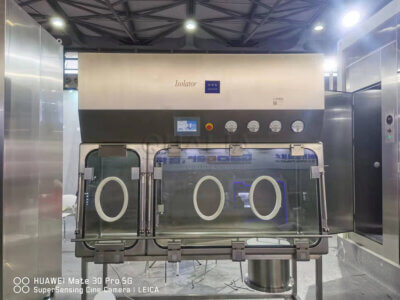
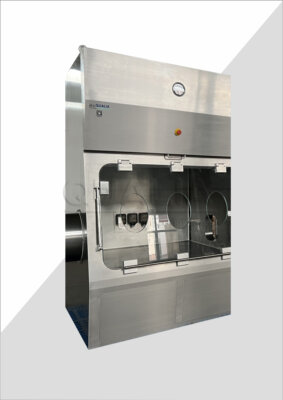
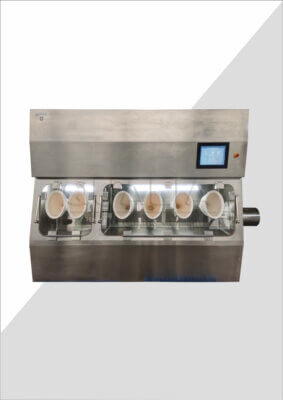
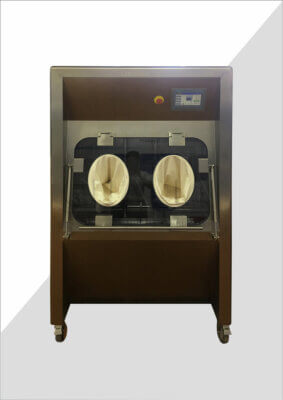
Di dalam ruang penahanan sekunder di ruang ABSL-3, kandang penahanan primer menyediakan tingkat perlindungan tambahan yang penting. Pilihan tradisionalnya adalah Kandang Berventilasi Individu (IVC) yang disaring dengan HEPA dan disegel. Alternatif yang ampuh adalah penggunaan film fleksibel atau isolator plastik semi-kaku, yang menempatkan kandang standar di dalam lingkungan bertekanan negatif yang disaring dengan HEPA. Pilihan ini secara langsung berdampak pada fleksibilitas penelitian dan biaya operasional.
Keuntungan dari Teknologi Isolator
Pemodelan dinamika fluida komputasi menunjukkan bahwa isolator menawarkan penahanan yang kuat, bahkan dalam skenario pelanggaran yang disimulasikan, dengan mempertahankan aliran udara negatif atau memungkinkan pembuangan ruangan untuk mengais partikel yang lolos. Wawasan berbasis bukti ini mengungkapkan keuntungan strategis utama: isolator memungkinkan beberapa penelitian infeksius yang berbeda dalam satu ruangan ABSL-3 dengan mencegah kontaminasi silang antara kelompok hewan. Untuk fasilitas yang ingin memaksimalkan hasil, teknologi ini merupakan strategi yang hemat biaya untuk mengoptimalkan pemanfaatan ruang vivarium berkapasitas tinggi yang mahal tanpa membangun ruangan tambahan.
Memilih Alat yang Tepat
Perbandingan Teknologi Penahanan
| Jenis Penahanan | Keuntungan Utama | Aplikasi Penelitian |
|---|---|---|
| Kandang Berventilasi Individual (IVC) | Disaring dengan HEPA, disegel | Studi infeksi tradisional |
| Isolator Film Fleksibel | Lingkungan bertekanan negatif | Beberapa studi berbeda secara bersamaan |
| Isolator dengan pemodelan CFD | Penahanan skenario pembobolan yang kuat | Mencegah kontaminasi silang antar kelompok |
| Strategi isolator | Mengoptimalkan ruang vivarium | Meningkatkan hasil penelitian |
Sumber: Dokumentasi teknis dan spesifikasi industri.
Mengintegrasikan Persyaratan Penelitian Hewan Besar (BSL-3Ag)
Rekayasa untuk Skala dan Aerosol
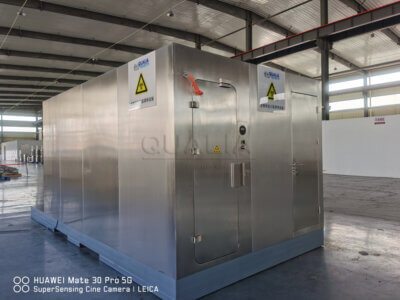
Fasilitas yang menangani ternak besar menghadapi tantangan yang unik. Desain harus mengakomodasi ukuran dan perilaku hewan sambil mempertahankan penahanan mutlak. Hal ini memerlukan rekayasa khusus: pra-filter untuk melindungi sistem HEPA dari bulu dan bulu yang berlebihan, lantai dan dinding yang diperkuat, dan sistem dekontaminasi limbah yang kuat yang mampu menangani drainase bervolume tinggi. Generasi aerosol dari hewan besar jauh lebih besar daripada hewan pengerat, sehingga menuntut tingkat pergantian udara yang lebih tinggi dan manajemen aliran udara yang lebih canggih untuk melindungi personel.
Pemosisian Dalam Jaringan Nasional
Lanskap strategis sedang berkembang. Inisiatif yang dipimpin oleh USDA untuk membangun jaringan terkoordinasi fasilitas BSL-3/4 hewan besar menunjukkan pergeseran ke arah biokontainmen berkapasitas lonjakan yang terdistribusi untuk biodefense pertanian nasional. Direktur fasilitas tersebut harus melakukan audit kemampuan - menilai kekuatan unik dalam keahlian spesies, pengalaman patogen, dan kapasitas fisik - untuk memposisikan diri mereka sebagai simpul penting dalam jaringan ini. Hal ini dapat mengamankan kemitraan dan pendanaan federal jangka panjang melalui sumber daya bersama dan menunjukkan kesiapan laten, mengubah pusat biaya menjadi aset strategis.
Pelatihan Staf, APD, dan Budaya Keselamatan Operasional
Di Luar Kendali Teknis
Kontrol teknis tidak akan berguna tanpa personel yang terlatih dengan baik dan beroperasi dalam budaya keselamatan yang kuat. Persyaratan APD sangat ketat, biasanya mencakup gaun bagian depan yang kokoh, penutup kepala/sepatu, sarung tangan ganda, dan sering kali pelindung pernapasan seperti respirator pemurni udara bertenaga. Namun, pelatihan harus lebih dari sekadar prosedur mengenakan APD, tetapi juga mencakup risiko-risiko spesifik agen, protokol tanggap darurat untuk pelarian hewan atau cedera personil, dan - yang paling penting - prinsip-prinsip di balik desain penahanan tempat mereka bekerja.
Mengembangkan Pola Pikir Manajemen Biorisiko
Di era pasca-pandemi, peningkatan pengawasan terhadap biosekuriti dan penelitian penggunaan ganda mengharuskan peningkatan budaya keselamatan menuju manajemen biorisiko yang komprehensif, seperti yang dibingkai oleh standar-standar seperti ISO 35001:2019. Pendekatan proaktif ini mengintegrasikan penahanan fisik dengan kontrol administratif yang kuat serta budaya transparansi dan akuntabilitas. Investasi dalam budaya ini sangat penting untuk mempertahankan izin sosial untuk beroperasi. Saya telah mengamati bahwa fasilitas dengan program biorisiko yang matang mengalami lebih sedikit insiden dan moral staf yang lebih tinggi, karena personel memahami ‘mengapa’ di balik aturan yang ketat.
Pertimbangan Biaya dan Penganggaran Operasional Jangka Panjang
Gambaran Keuangan Siklus Hidup Lengkap
Fasilitas ABSL-3 mewakili investasi modal yang signifikan, didominasi oleh HVAC khusus, konstruksi tertutup, dan peralatan penahanan utama. Wawasan strategis dari verifikasi tahunan menentukan bahwa penganggaran operasional jangka panjang sama pentingnya. Biaya berulang untuk sertifikasi filter HEPA, pemeliharaan alarm, dan layanan validasi sangat besar dan tidak dapat dinegosiasikan. Fasilitas sering kali meremehkan biaya staf penuh waktu yang diperlukan untuk mengelola siklus kepatuhan, yang menyebabkan pembengkakan anggaran.
Menjelajahi Model Ekonomi Alternatif
Munculnya pasar Organisasi Riset Kontrak (CRO) khusus yang menawarkan layanan BSL-3 yang sesuai dengan GLP memberikan alternatif yang strategis. Sponsor dapat melakukan outsourcing pekerjaan dengan tingkat kerahasiaan tinggi tanpa pengeluaran modal. Sebaliknya, fasilitas akademis atau pemerintah dengan kapasitas yang kurang dimanfaatkan dapat menjajaki model layanan komersial untuk menghasilkan pendapatan operasional. Hal ini menciptakan ekosistem yang lebih fleksibel dan tangguh, yang memungkinkan organisasi untuk mengakses layanan penelitian penahanan khusus tanpa beban kepemilikan, sekaligus memungkinkan fasilitas yang kaya aset untuk memonetisasi investasi mereka.
Penganggaran untuk Kepatuhan
Perencanaan Keuangan Strategis
| Kategori Biaya | Dampak Anggaran | Pertimbangan Strategis |
|---|---|---|
| HVAC khusus & redundansi | Belanja modal yang tinggi | Tidak dapat dinegosiasikan untuk sertifikasi |
| Sertifikasi filter HEPA | Biaya operasional berulang | Persyaratan tahunan wajib |
| Staf kepatuhan yang berdedikasi | Biaya setara penuh waktu | Mengelola siklus verifikasi |
| Model alih daya CRO | Alternatif untuk belanja modal | Menghasilkan pendapatan operasional |
Sumber: Dokumentasi teknis dan spesifikasi industri.
Mengembangkan Kerangka Kerja Keputusan Berbasis Risiko untuk Fasilitas Anda
Memetakan Lanskap Keputusan
Kepemimpinan yang efektif membutuhkan kerangka kerja yang terstruktur untuk menavigasi pilihan-pilihan yang kompleks. Hal ini dimulai dengan pemetaan peraturan khusus agen untuk memperjelas biaya kepatuhan, terutama untuk patogen zoonosis dengan regulasi ganda. Keputusan teknik, seperti memilih IVC versus isolator, harus dievaluasi melalui lensa fleksibilitas penelitian dan pengoptimalan hasil. Proposisi nilai dari investasi ABSL-3 jelas: ini memungkinkan penelitian translasi berdampak tinggi yang tidak mungkin dilakukan pada tingkat penahanan yang lebih rendah, seperti yang ditunjukkan selama pandemi COVID-19 di mana virus hidup bekerja secara langsung menginformasikan pengembangan terapi.
Menyeimbangkan Prioritas untuk Ketahanan
Para direktur harus menyeimbangkan faktor-faktor yang saling bersaing: beban regulasi, efisiensi modal, kemampuan penelitian, dan budaya biosekuriti. Tujuannya adalah untuk menciptakan fasilitas tangguh yang memajukan ilmu pengetahuan sekaligus melindungi personel dan masyarakat. Hal ini melibatkan pertukaran yang disengaja, seperti menerima biaya modal awal yang lebih tinggi untuk sistem HVAC yang lebih berlebihan untuk mengurangi risiko operasional jangka panjang. Kerangka kerja ini tidak statis; kerangka kerja ini memerlukan tinjauan tahunan terhadap panduan peraturan yang terus berkembang, kemajuan teknologi, dan portofolio penelitian fasilitas.
Peran direktur ABSL-3 mensintesiskan teknik, regulasi, keuangan, dan budaya ke dalam strategi operasional yang koheren. Memprioritaskan integritas penahanan sebagai inti yang tidak dapat dinegosiasikan dari semua keputusan desain. Melembagakan siklus verifikasi tahunan dengan sumber daya khusus dan memperlakukannya sebagai sistem manajemen mutu. Terakhir, evaluasi model penahanan primer dan model ekonomi tidak hanya untuk biaya, tetapi juga untuk fleksibilitas strategis dalam lanskap penelitian yang terus berubah.
Perlu panduan profesional untuk menavigasi desain yang kompleks dan persyaratan kepatuhan untuk fasilitas kontainer tinggi Anda? Para ahli di QUALIA memberikan konsultasi strategis dan solusi teknis yang disesuaikan dengan tantangan operasional ABSL-3 dan BSL-3Ag. Untuk diskusi mendetail tentang kebutuhan spesifik Anda, Anda juga dapat Hubungi Kami.
Pertanyaan yang Sering Diajukan
T: Apa prinsip desain paling penting untuk sistem HVAC ABSL-3?
J: Persyaratan dasar yang tidak dapat dinegosiasikan adalah bahwa fasilitas harus direkayasa agar aliran udara tidak pernah berbalik ke area yang bersih saat terjadi kegagalan. Prinsip ini dari Keamanan Hayati di Laboratorium Mikrobiologi dan Biomedis (BMBL) menentukan bahwa semua pilihan desain - konstruksi tertutup, pintu yang saling bertautan, dan redundansi - harus mendukung pemeliharaan aliran udara ke arah dalam di bawah skenario kipas angin atau kehilangan daya. Ini berarti perencanaan modal Anda harus memprioritaskan logika kontrol HVAC dan sistem cadangan yang mampu melewati uji mode kegagalan definitif ini.
T: Bagaimana dampak verifikasi tahunan untuk kepatuhan ABSL-3 terhadap penganggaran operasional?
J: Verifikasi tahunan adalah siklus operasional berulang yang membutuhkan setidaknya 15 tugas, termasuk sertifikasi filter HEPA, pemeriksaan alarm, dan validasi sistem dekontaminasi. Hal ini mengubah kepatuhan dari tonggak pencapaian proyek menjadi alur kerja berkelanjutan yang menuntut sumber daya khusus. Bagi direktur, hal ini memerlukan penganggaran untuk staf FTE khusus atau kontrak layanan eksternal yang khusus untuk mengelola proses yang didokumentasikan dan wajib ini serta memastikan kepatuhan terhadap peraturan yang berkelanjutan.
T: Kapan sebuah fasilitas harus mempertimbangkan isolator film fleksibel daripada IVC tradisional untuk penahanan primer?
J: Isolator film fleksibel memberikan keuntungan strategis saat Anda perlu menjalankan beberapa penelitian infeksius yang berbeda dalam satu ruangan ABSL-3, karena mencegah kontaminasi silang antara kelompok hewan yang ditempatkan di dalamnya. Bukti dari pemodelan menunjukkan bahwa mereka mempertahankan penahanan yang kuat dengan menggunakan pembuangan ruangan untuk mengais partikel, bahkan dalam skenario pelanggaran. Ini berarti fasilitas yang bertujuan untuk memaksimalkan hasil penelitian dan fleksibilitas dalam vivarium yang ada harus mengevaluasi isolator sebagai metode yang hemat biaya untuk mengoptimalkan ruang penahanan tinggi.
T: Apa saja pertimbangan strategis utama untuk perencanaan fasilitas penelitian hewan besar (BSL-3Ag)?
J: Pekerjaan dengan hewan besar membutuhkan rekayasa untuk skala, termasuk pra-filter untuk perlindungan HEPA dan dekontaminasi limbah yang kuat. Secara strategis, direktur harus menilai kemampuan unik mereka dalam keahlian spesies dan patogen. Dengan inisiatif untuk menciptakan jaringan nasional terkoordinasi untuk biodefense pertanian, memposisikan fasilitas Anda sebagai simpul khusus dapat mengamankan kemitraan federal jangka panjang dan pendanaan melalui keahlian bersama dan kesiapan kapasitas lonjakan.
T: Bagaimana sikap FSAP terhadap Sistem Otomasi Gedung memengaruhi desain fasilitas baru?
J: Program Federal Select Agent mendorong penggunaan BAS untuk menangkap data kinerja selama kegagalan sistem, yang menandakan pergeseran ke arah pemantauan digital parameter penahanan yang berkelanjutan. Hal ini melampaui kontrol sederhana, yang bertujuan untuk sistem yang mampu mengekspor data yang menyediakan catatan verifikasi. Untuk pembangunan baru atau retrofit besar, Anda harus membuat desain yang tahan lama dengan menentukan BAS yang kuat yang mendukung tren kepatuhan berbasis data dan wawasan operasional.
T: Apa keuntungan utama mengadopsi sistem manajemen biorisiko seperti ISO 35001 untuk laboratorium ABSL-3?
J: Menerapkan standar seperti ISO 35001:2019 menyediakan kerangka kerja sistematis untuk mengintegrasikan keamanan hayati dan biosekuriti ke dalam semua proses operasional, yang melampaui kepatuhan dasar. Sistem ini membangun budaya penilaian dan peningkatan risiko yang berkelanjutan, yang sangat penting untuk menjaga keselamatan operasional dan izin sosial untuk beroperasi. Ini berarti investasi proaktif dalam sistem manajemen semacam itu melengkapi penahanan fisik Anda dengan protokol yang diperlukan untuk ilmu pengetahuan yang bertanggung jawab di era pasca pandemi.
T: Faktor biaya operasional jangka panjang apa yang paling sering diremehkan dalam penganggaran ABSL-3?
J: Di luar biaya modal utama, biaya berulang untuk sertifikasi filter HEPA, pemeliharaan alarm khusus, dan personel kepatuhan khusus membentuk beban operasional yang signifikan dan dapat diprediksi yang ditunjukkan oleh persyaratan verifikasi tahunan. Selain itu, munculnya pasar CRO khusus menghadirkan alternatif strategis: sponsor dapat melakukan outsourcing pekerjaan, sementara fasilitas dengan kapasitas yang kurang dimanfaatkan dapat menjajaki model layanan komersial untuk menghasilkan pendapatan. Ini berarti model keuangan Anda harus memperhitungkan biaya penuh kepatuhan berkelanjutan atau dinamika persaingan pasar layanan eksternal.
Konten Terkait:
- Penelitian pada Hewan BSL-4: Memastikan Keselamatan Petugas
- Penelitian Hewan BSL-3: Panduan Desain Fasilitas
- Kandang Hewan BSL-3: Sistem Penahanan yang Aman
- Bagaimana Peredam Isolasi Keamanan Hayati Disertifikasi?
- Lemari Keamanan Hayati dalam Penelitian Hewan: Utamakan Keselamatan
- Isolator Keamanan Hayati di Fasilitas Penelitian Hewan
- Sertifikasi Kabinet Keamanan Hayati: Mengapa Sangat Penting
- Sertifikasi Pancuran Udara: Memastikan Kepatuhan
- Sertifikasi Laboratorium BSL-3: Persyaratan Utama