Harga per kaki persegi untuk kamar bersih prefabrikasi adalah metrik yang tampak sederhana yang menutupi realitas teknik yang kompleks. Para profesional yang merencanakan proyek-proyek modal sering kali terpaku pada angka ini, hanya untuk menghadapi pembengkakan anggaran yang signifikan ketika kepatuhan khusus industri, intensitas sistem mekanis, dan fitur tambahan berlapis pada persyaratan kelas ISO dasar. Fokus pada satu angka ini menyebabkan perbandingan yang tidak akurat dan kegagalan perencanaan keuangan.
Penganggaran yang akurat sekarang membutuhkan pergeseran dari perhitungan biaya per area yang sederhana menjadi model biaya kepemilikan total. Dengan meningkatnya pengawasan peraturan dan kebutuhan akan waktu yang lebih cepat ke pasar, memahami pendorong sebenarnya di balik investasi kamar bersih Anda sangat penting untuk melindungi modal, memastikan kepatuhan, dan mencapai pengembalian yang layak.
Biaya Kamar Bersih Pracetak Per Kaki Persegi: Pendorong Utama
Jebakan Strategis dari Satu Metrik
Mengutip harga kamar bersih sebesar “$X per kaki persegi” tanpa konteks tidak bertanggung jawab secara finansial. Kisarannya sangat ekstrem-dari $75 hingga lebih dari $1.500-karena biaya adalah fungsi dari kinerja yang direkayasa, bukan hanya bahan. Pendorong teknis utama adalah klasifikasi ISO 14644-1, yang menentukan tingkat penggantian udara dan cakupan filter HEPA yang diperlukan untuk mencapai target jumlah partikel tertentu. Ini menetapkan garis dasar mekanis yang tidak dapat dinegosiasikan.
Menyusun Anggaran yang Sebenarnya Lapis demi Lapis
Kelas ISO hanyalah titik awal. Anggaran akhir dibuat dengan menambahkan persyaratan wajib industri dan proses spesifik Anda secara berurutan. Garis pengisian farmasi menuntut hasil akhir yang tahan bahan kimia; ruang semikonduktor memerlukan perlindungan ESD penuh. Setiap lapisan memberlakukan anggaran biaya berdasarkan kepatuhan. Selain itu, faktor spesifik lokasi seperti infrastruktur yang ada dan ketersediaan utilitas dapat menimbulkan variabilitas yang signifikan. Menurut pengalaman saya, proyek yang menganggarkan dari kelas ISO ke atas, daripada melakukan pembandingan di seluruh industri, secara konsisten mencapai perkiraan yang lebih akurat dan menghindari pergeseran ruang lingkup yang mahal selama pelaksanaan.
Pentingnya Analisis Biaya Total
Belanja modal hanyalah salah satu komponen. Pertimbangan keuangan terbesar adalah biaya operasional, yang didominasi oleh konsumsi energi sistem HVAC. Desain yang memprioritaskan efisiensi energi mungkin memiliki biaya di muka yang lebih tinggi tetapi memberikan total biaya kepemilikan yang lebih rendah. Pengadaan harus mengevaluasi vendor sebagai mitra siklus hidup, memastikan akuntabilitas satu titik untuk validasi kinerja dan efisiensi operasional jangka panjang.
Perincian Biaya berdasarkan Kelas ISO: Dari ISO 8 hingga ISO 5
Biaya Eksponensial dari Kebersihan
Biaya kamar bersih meningkat tidak secara linier, tetapi secara eksponensial dengan setiap langkah dalam klasifikasi ISO. Hal ini disebabkan oleh intensifikasi mekanis yang diperlukan untuk mencapai jumlah partikel yang lebih rendah. Lingkungan ISO 8 (Kelas 100.000), yang digunakan untuk perakitan yang tidak terlalu penting, membutuhkan sekitar 20 pergantian udara per jam (ACH) dan cakupan HEPA minimal. Ruang bersih ISO 5 (Kelas 100), yang penting untuk pemrosesan aseptik atau mikroelektronika, membutuhkan 300-480 ACH dan penyaringan HEPA yang ekstensif. Perbedaan ini menunjukkan peningkatan yang sangat besar dalam energi kipas, biaya filter, dan kompleksitas sistem kontrol.
HVAC: Dari Komponen ke Pusat Biaya
Intensifikasi mekanis ini mengubah sistem HVAC dari komponen tambahan menjadi pusat biaya proyek yang dominan, mewakili 25-50% dari total biaya. Sistem ini tidak hanya harus mengalirkan volume udara yang besar tetapi juga harus melakukannya dengan kontrol yang tepat terhadap suhu (±1°C) dan kelembapan (±10% RH). Beban panas proses yang tinggi dari peralatan atau persyaratan pembuangan yang ekstensif untuk pelarut semakin meningkatkan ukuran dan harga sistem. Spesifikasi sistem ini merupakan keputusan keuangan yang paling penting dalam proyek ini.
Mengukur Dampak Klasifikasi
Korelasi langsung antara kelas ISO, parameter desain, dan biaya paling baik diilustrasikan dengan data konkret. Tabel berikut ini menguraikan faktor pendorong utama dan perkiraan dampak keuangannya.
Penggerak Biaya Kelas ISO
| Kelas ISO | Parameter Desain Utama | Perkiraan Dampak Biaya |
|---|---|---|
| ISO 8 (Kelas 100.000) | 20 perubahan udara/jam | $75 - $150 / kaki persegi |
| ISO 8 (Kelas 100.000) | Cakupan HEPA 4-5% | Ujung bawah spektrum |
| ISO 6 (Kelas 1.000) | 180 pergantian udara/jam | Eskalasi biaya yang signifikan |
| ISO 6 (Kelas 1.000) | Cakupan HEPA 20-30% | Penggerak biaya dominan HVAC |
| ISO 5 (Kelas 100) | 300-480 pergantian udara/jam | $1.000+ / kaki persegi |
| ISO 5 (Kelas 100) | Cakupan HEPA 60-70% | Intensifikasi mekanis tertinggi |
Sumber: ISO 14644-1: Ruang bersih dan lingkungan terkendali terkait - Bagian 1: Klasifikasi kebersihan udara berdasarkan konsentrasi partikel. Standar ini menetapkan batas konsentrasi partikel untuk setiap kelas ISO, yang secara langsung menentukan tingkat penggantian udara yang diperlukan dan tingkat cakupan HEPA yang mendorong biaya sistem mekanis yang diuraikan dalam tabel.
Bagaimana Persyaratan Khusus Industri Berdampak pada Anggaran Anda
Kepatuhan Menentukan Dasar Biaya
Kerangka kerja peraturan dan kebutuhan proses industri Anda menetapkan tingkat spesifikasi wajib yang menjadi dasar anggaran. Membandingkan biaya dengan industri yang berbeda tidaklah relevan. Kamar bersih ilmu hayati yang dirancang untuk ISO 14644-1 juga harus memenuhi pedoman cGMP untuk kebersihan dan kelembaman bahan, yang mewajibkan bahan premium seperti panel FRP (fiberglass reinforced plastic) dan lantai vinil yang dilas dengan panas. Ini bukan merupakan peningkatan opsional, tetapi merupakan keharusan untuk memenuhi persyaratan.
Premium Elektronik dan Farmasi
Manufaktur semikonduktor dan elektronik memperkenalkan persyaratan yang tidak dapat dinegosiasikan untuk perlindungan pelepasan muatan listrik statis (ESD) penuh. Hal ini memerlukan pelapis dinding dan langit-langit yang bersifat statis-disipatif, lantai konduktif, dan pengardean khusus untuk semua perabot dan peralatan. Demikian pula, aplikasi farmasi yang melibatkan senyawa kuat atau produk steril memerlukan fitur penahanan, autoklaf pass-through, dan prosedur dekontaminasi yang divalidasi. Setiap persyaratan menambahkan blok biaya yang terpisah dan signifikan.
Tingkatan Biaya Inheren berdasarkan Aplikasi
Dampak finansial dari mandat industri ini menciptakan tingkatan biaya yang berbeda. Tabel berikut ini menjelaskan bagaimana sektor-sektor tertentu mendorong pemilihan material dan biaya terkait.
Tingkatan Biaya Khusus Industri
| Industri | Bahan/Sistem Wajib | Tingkat Biaya yang Melekat |
|---|---|---|
| Farmasi / Bioteknologi | Panel dinding FRP | Lantai biaya premium |
| Farmasi / Bioteknologi | Lantai vinil yang dilas dengan panas | Diperlukan ketahanan kimiawi |
| Semikonduktor / Elektronik | Perlindungan ESD penuh | Hasil akhir statis-disipatif premium |
| Semikonduktor / Elektronik | Lantai konduktif | Biaya spesifikasi berdasarkan kepatuhan |
| Industri Umum | Panel standar | Opsi yang lebih hemat biaya |
Sumber: IEST-RP-CC012.3: Pertimbangan dalam Desain Kamar Bersih. Praktik yang direkomendasikan ini memberikan panduan untuk desain ruang bersih, termasuk pemilihan material untuk berbagai aplikasi, yang menjadi dasar tingkatan biaya berdasarkan kepatuhan yang terkait dengan industri tertentu.
Sistem HVAC: Penjelasan Komponen Biaya Terbesar
Merekayasa Lingkungan
Sistem HVAC adalah jantung rekayasa dari ruang bersih. Biayanya didorong oleh permintaan simultan untuk kontrol partikulat (perubahan udara, penyaringan) dan pengkondisian lingkungan yang tepat (suhu, kelembapan). Menurut Buku Pegangan ASHRAE - Aplikasi HVAC, Bab 19: Ruang Bersih, desain harus memperhitungkan beban panas internal dari personel dan peralatan serta faktor eksternal. Sistem yang berukuran hanya untuk jumlah partikel akan gagal mempertahankan stabilitas selama shift operasional, sehingga membahayakan integritas dan validasi produk.
Faktor-faktor yang Mendominasi Biaya Modal dan Operasional
Penggerak biaya utama dalam sistem HVAC dapat diukur. Tingkat perubahan udara dan cakupan HEPA ditetapkan oleh kelas ISO. Namun, ketepatan kontrol suhu dan kelembapan, yang sering kali harus berada dalam ± 1 ° C dan ± 5% RH, menuntut algoritme kontrol yang canggih dan sensor berkualitas tinggi. Selain itu, kebutuhan khusus proses seperti volume gas buang yang tinggi untuk lemari asam atau udara kering untuk proses yang sensitif terhadap kelembapan memerlukan penanganan udara makeup dan kapasitas dehumidifikasi tambahan, yang secara eksponensial meningkatkan ukuran dan kompleksitas sistem.
Mengalokasikan Anggaran
Memahami bagaimana anggaran HVAC dialokasikan adalah kunci untuk rekayasa nilai. Tabel berikut menguraikan pemicu biaya utama dan bagiannya dari total proyek.
Perincian Biaya HVAC
| Penggerak Biaya | Rentang Spesifikasi Umum | Pembagian Biaya Proyek |
|---|---|---|
| Laju perubahan udara | 20 - 480 per jam | 25% - 50% dari total |
| Kontrol suhu | Ketepatan ± 1°C | Belanja modal utama |
| Kontrol kelembaban | ±10% presisi RH | Menentukan biaya operasional jangka panjang |
| Beban panas proses | Persyaratan knalpot yang tinggi | Meningkatkan ukuran & harga sistem |
| Filtrasi (HEPA) | Cakupan 5% - 70% | Persyaratan kinerja inti |
Sumber: Buku Pegangan ASHRAE - Aplikasi HVAC, Bab 19: Ruang Bersih. Bab ini merinci parameter desain untuk sistem HVAC ruang bersih, termasuk laju penggantian udara, penyaringan, dan kontrol lingkungan yang tepat, yang merupakan faktor utama yang menentukan biaya dan kinerja sistem.
Pemilihan Bahan & Hasil Akhir: Menyeimbangkan Biaya dan Kepatuhan
Mandat Kepatuhan
Pemilihan bahan bukanlah pilihan estetika tetapi merupakan respons langsung terhadap persyaratan validasi dan bahaya proses. Mandatnya jelas: dinding farmasi harus tahan terhadap pembersihan berulang kali dengan agen sporadis; lantai elektronik harus mengalirkan muatan statis. Persyaratan kepatuhan ini menetapkan tingkat material minimum yang dapat diterima dan, akibatnya, biaya minimum. Mencoba menurunkan kualitas bahan untuk menghemat modal sering kali mengakibatkan kegagalan validasi, remediasi yang mahal, atau berkurangnya masa pakai operasional.
Mengoptimalkan Pengeluaran dalam Tingkatan
Setelah tingkat kepatuhan ditetapkan, pemilihan yang tepat dapat mengoptimalkan pengeluaran. Dalam kategori “kelas farmasi”, terdapat pilihan antara bahan inti panel, pelapis permukaan, dan sistem sambungan yang berbeda. Sebagai contoh, sistem gipsum yang dicat dengan baik dan tertutup rapat dapat mencukupi untuk area tambahan yang berisiko lebih rendah, sementara zona pemrosesan inti membutuhkan FRP dengan ketinggian penuh. Tujuan strategisnya adalah untuk mencegah spesifikasi yang berlebihan - menerapkan hasil akhir kelas ISO 5 pada koridor ISO 8 - tanpa mengorbankan kebersihan atau daya tahan yang paling penting.
Lantai sebagai Titik Keputusan Penting
Lantai memberikan contoh keseimbangan biaya-kinerja. Lantai epoksi menawarkan daya tahan dengan biaya yang moderat tetapi dapat retak dengan pergerakan substrat. Lembaran vinil yang dilas dengan panas memberikan penghalang yang mulus dan tahan bahan kimia dengan biaya pemasangan yang lebih tinggi. Lantai akses yang ditinggikan menawarkan fleksibilitas tertinggi untuk utilitas tetapi menambah ketinggian dan biaya yang signifikan. Keputusan ini bergantung pada frekuensi konfigurasi ulang utilitas, paparan bahan kimia, dan kebersihan yang diperlukan. Saya telah melihat proyek-proyek yang mengalami perubahan besar ketika spesifikasi lantai gagal memperhitungkan pemindahan peralatan di masa depan.
Sistem dan Fitur Tambahan yang Menambah Total
Infrastruktur Kepatuhan yang Penting
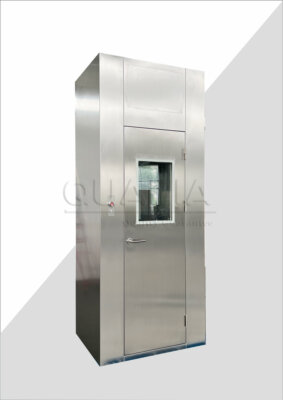
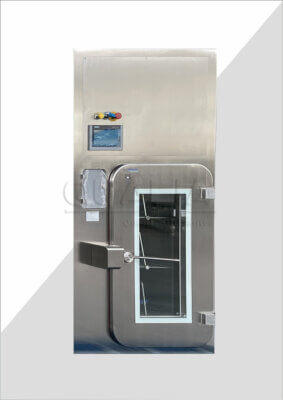
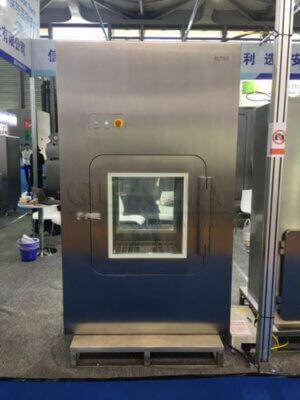
Selubung inti dan HVAC membentuk cangkang, tetapi sistem tambahan sangat penting untuk kontrol operasional dan kepatuhan. Pancuran udara, ruang lintasan, dan pengunci pintu sangat penting untuk strategi pengendalian kontaminasi, yang masing-masing menambah ribuan biaya pada proyek. Perabotan khusus, seperti kotak baja tahan karat agar mudah dibersihkan atau meja kerja yang aman untuk ESD, merupakan kebutuhan operasional, bukan sekadar perabot. Barang-barang ini sering kali dibeli secara terpisah namun harus diintegrasikan ke dalam desain kelistrikan dan pengardean sejak awal.
Meningkatnya Biaya Integritas Data
Sistem pemantauan lingkungan (EMS) telah berevolusi dari perekam grafik sederhana menjadi infrastruktur digital yang padat modal. Dengan penekanan peraturan pada integritas data, sistem otomatis dengan jejak audit yang tervalidasi menjadi standar. Pemantauan partikel, perbedaan tekanan, suhu, dan kelembapan EMS yang komprehensif dapat dengan mudah melebihi $20.000. Hal ini menunjukkan adanya pergeseran biaya dari tenaga kerja manual (untuk penebangan) ke investasi modal di muka dalam perangkat lunak dan perangkat keras yang sesuai.
Biaya Tersembunyi dari Penetrasi
Setiap penetrasi melalui selubung ruang bersih untuk saluran listrik, kabel data, atau utilitas proses (air DI, udara bertekanan, vakum) meningkatkan kerumitan dan biaya. Setiap celah harus disegel dengan cermat untuk menjaga tekanan dan kebersihan. Tabel berikut menguraikan kategori dan dampak biaya dari fitur tambahan yang penting ini.
Biaya Sistem Tambahan
| Kategori Fitur | Contoh Komponen | Catatan Dampak Biaya |
|---|---|---|
| Kunci Udara Kepatuhan | Pancuran udara, saluran masuk | Penting untuk pengendalian kontaminasi |
| Sistem Pemantauan | Monitor lingkungan otomatis | Hingga $20.000+ untuk sistem yang divalidasi |
| Furnitur Khusus | Meja kerja ESD, kotak baja tahan karat | Biaya kebutuhan operasional |
| Penetrasi Utilitas | Air DI, saluran udara terkompresi | Meningkatkan kompleksitas dan harga |
| Sistem Kontrol | Kunci pintu, otomatisasi | Mengalihkan biaya ke infrastruktur digital |
Sumber: Dokumentasi teknis dan spesifikasi industri.
Pendekatan Ruang Bersih Hibrida: Biaya vs Fleksibilitas
Mendefinisikan Model Hibrida
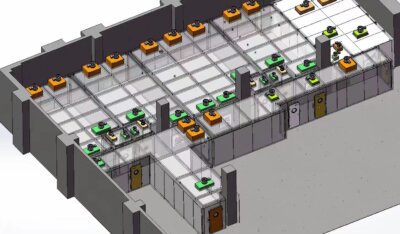
Pendekatan hibrida secara strategis menggabungkan ruang bersih modular prefabrikasi untuk zona proses yang kritis dan rahasia dengan konstruksi dinding lunak tradisional atau modular untuk mendukung area gaun dan pementasan. Hal ini mengoptimalkan alokasi modal dengan menerapkan biaya yang lebih tinggi dari modul berdinding keras dan terjamin performa hanya jika benar-benar diperlukan. Ruang pendukung, yang mungkin hanya membutuhkan klasifikasi yang lebih rendah atau kontrol yang tidak terlalu ketat, dibangun dengan metode yang lebih hemat biaya.
Keuntungan Finansial di Luar Biaya Awal
Meskipun pengeluaran modal awal untuk solusi hibrida mungkin sebanding atau sedikit lebih tinggi daripada bangunan tongkat penuh, keuntungan finansialnya sangat menarik. Modul pracetak diproduksi di luar lokasi secara paralel dengan persiapan lokasi, sehingga dapat memadatkan jadwal secara dramatis. Penerapan yang lebih cepat ini memungkinkan persetujuan regulasi lebih awal, peluncuran produk, dan perolehan pendapatan, sehingga meningkatkan nilai bersih proyek. Selain itu, modul prefabrikasi sering kali dapat diklasifikasikan sebagai peralatan dan disusutkan selama 7 tahun, tidak seperti perbaikan bangunan tradisional yang disusutkan selama 39 tahun.
Mengukur Nilai Strategis
Nilai dari pendekatan hibrida atau prefabrikasi sepenuhnya lebih dari sekadar metrik konstruksi sederhana. Nilai ini terletak pada kelincahan strategis dan mitigasi risiko, seperti yang ditunjukkan dalam perbandingan berikut.
Dampak Finansial & Operasional Model Hibrida
| Metrik Keuangan | Keuntungan Pracetak / Hibrida | Dampak Kuantitatif |
|---|---|---|
| Kecepatan Penyebaran | Waktu yang lebih cepat untuk kesiapan operasional | Kompresi jadwal berdasarkan bulan |
| Garis Waktu Penyusutan | 7 tahun (vs. 39 tahun untuk tradisional) | Perlakuan keuangan yang menguntungkan |
| Nilai Sekarang Bersih (NPV) | Unggul karena pendapatan sebelumnya | Rilis produk sebelumnya |
| Fleksibilitas Aset | Konfigurasi ulang, perluasan, relokasi | Mengurangi risiko bisnis |
| Pengeluaran Modal Awal | Sedikit lebih tinggi dari tongkat | Hasil jangka panjang yang dioptimalkan |
Sumber: Dokumentasi teknis dan spesifikasi industri.
Total Biaya Kepemilikan dan ROI untuk Proyek Anda
Bergerak Melampaui Belanja Modal
Metrik utama untuk justifikasi keuangan adalah total biaya kepemilikan (TCO), yang mencakup belanja modal, instalasi, validasi, energi operasional, pemeliharaan, dan potensi biaya konfigurasi ulang. Ruang bersih prefabrikasi dengan sistem HVAC efisiensi tinggi mungkin memiliki TCO 10-15% lebih tinggi tetapi dapat mengurangi konsumsi energi hingga 20-30%, membayar kembali premi dalam beberapa tahun. Konstruksi yang dikontrol pabrik juga meminimalkan variabilitas di tempat, yang mengarah pada biaya komisioning dan validasi yang lebih dapat diprediksi.
Menghitung ROI Kamar Bersih
Pengembalian investasi untuk kamar bersih pada dasarnya terkait dengan kapasitas yang menghasilkan pendapatan dari proses yang ditampungnya. Oleh karena itu, faktor tunggal terbesar dalam ROI adalah kecepatan kesiapan operasional. Solusi yang memangkas tiga bulan dari jadwal proyek secara langsung mempercepat perolehan pendapatan. Fleksibilitas untuk mengkonfigurasi ulang atau memperluas fasilitas sebagai respons terhadap perubahan jalur pipa melindungi aliran pendapatan dari keusangan di masa depan. Hal ini menjadikan modularitas sebagai kontributor langsung terhadap ROI jangka panjang dengan mengurangi risiko aset yang terbengkalai.
Pentingnya Pemilihan Mitra
Mencapai TCO dan ROI yang positif bergantung pada pemilihan mitra implementasi yang tepat. Ini berarti bergerak di luar pemasok komponen untuk terlibat dengan perusahaan yang menawarkan layanan rancang-bangun-instalasi-komisi terintegrasi. Hal ini memastikan akuntabilitas satu titik untuk kinerja sistem yang divalidasi per Standar Prosedur NEBB untuk Pengujian Bersertifikat untuk Ruang Bersih. Mitra harus dievaluasi berdasarkan kemampuan mereka dalam memberikan lingkungan dengan jaminan kinerja yang memenuhi kebutuhan kepatuhan Anda sesuai jadwal, mengubah ruang bersih dari pusat biaya menjadi aset produksi yang andal dan lincah.
Anggaran kamar bersih Anda harus dibuat dari kelas ISO ke atas, berlapis dengan mandat industri, dan dievaluasi berdasarkan total biaya kepemilikan. Prioritaskan efisiensi HVAC dan modularitas strategis untuk mengontrol pengeluaran modal dan operasional sekaligus menjaga fleksibilitas di masa depan. Tujuannya bukanlah harga terendah per kaki persegi, tetapi keandalan tertinggi per dolar yang diinvestasikan selama masa pakai aset.
Butuh mitra untuk menavigasi kompleksitas teknis dan keuangan proyek lingkungan terkendali Anda berikutnya? QUALIA menyediakan layanan desain, perekayasaan, dan fabrikasi terintegrasi untuk fasilitas modular berkinerja tinggi, memastikan akuntabilitas satu titik mulai dari konsep hingga validasi. Keahlian kami dalam menerapkan laboratorium seluler berkapasitas tinggi yang sesuai dapat membantu Anda mempercepat jadwal dan mengoptimalkan investasi Anda.
Untuk diskusi mendetail tentang kebutuhan spesifik Anda, Anda juga dapat Hubungi Kami.
Pertanyaan yang Sering Diajukan
T: Bagaimana klasifikasi ISO secara langsung mendorong biaya kamar bersih prefabrikasi?
J: Kelas ISO menetapkan tingkat kebersihan udara wajib, yang menentukan intensitas rekayasa sistem HVAC. Ruangan ISO 8 membutuhkan sekitar 20 pergantian udara per jam, sedangkan ruangan ISO 5 membutuhkan 300-480 pergantian dan cakupan filter HEPA yang jauh lebih besar. Peningkatan eksponensial dalam permintaan mekanis ini membuat HVAC menjadi komponen biaya yang dominan. Untuk proyek di mana jumlah partikel harus sangat rendah, rencanakan anggaran yang berskala non-linier dengan tingkat perubahan udara yang diperlukan yang ditentukan dalam ISO 14644-1.
T: Mengapa sistem HVAC merupakan pengeluaran tunggal terbesar dalam proyek kamar bersih?
J: Sistem HVAC mewakili 25-50% dari total biaya karena harus secara bersamaan memberikan perubahan udara yang tepat untuk kepatuhan ISO, mempertahankan kontrol suhu dan kelembapan yang ketat (±1°C) dan kelembaban (±10%), dan mengelola panas proses atau beban pembuangan. Ukuran dan kompleksitasnya berbanding lurus dengan kelas ruang bersih dan persyaratan proses. Ini berarti fasilitas dengan beban panas internal yang tinggi atau kontrol lingkungan yang ketat harus memprioritaskan spesifikasi HVAC dan efisiensi energi dalam penganggaran modal mereka untuk mengelola biaya operasional di muka dan jangka panjang, seperti yang dirinci dalam sumber daya seperti Buku Pegangan ASHRAE - Aplikasi HVAC, Bab 19.
T: Persyaratan khusus industri apa yang menciptakan tingkatan biaya wajib untuk bahan kamar bersih?
J: Mandat peraturan dan proses menetapkan lantai material yang tidak dapat dinegosiasikan yang menentukan tingkatan biaya. Fasilitas farmasi membutuhkan panel FRP yang tahan bahan kimia dan lantai vinil yang dilas, sementara ruang bersih elektronik membutuhkan perlindungan ESD penuh dengan permukaan konduktif. Aplikasi industri umum dapat menggunakan panel yang lebih standar dan hemat biaya. Ini berarti pembandingan biaya di berbagai sektor tidak efektif; anggaran Anda harus dimulai dari spesifikasi yang digerakkan oleh kepatuhan ini, yang membentuk garis dasar biaya wajib yang dipengaruhi oleh pedoman desain seperti IEST-RP-CC012.3.
T: Bagaimana model ruang bersih hibrida memberikan nilai finansial yang lebih baik daripada bangunan tradisional?
J: Pendekatan hibrida menggabungkan modul prefabrikasi untuk zona kritis dengan konstruksi konvensional untuk area pendukung. Pendekatan ini menawarkan nilai sekarang bersih yang unggul melalui penerapan yang lebih cepat untuk pendapatan yang lebih awal dan perlakuan keuangan yang menguntungkan, karena modul sering kali dapat disusutkan selama 7 tahun dibandingkan 39 tahun untuk pembangunan tradisional. Jika operasi Anda menghadapi kebutuhan proses masa depan yang tidak pasti atau rencana ekspansi, strategi modular ini memitigasi risiko bisnis dengan memungkinkan konfigurasi ulang dan melindungi dari terdamparnya aset.
T: Sistem tambahan apa yang secara signifikan meningkatkan biaya proyek akhir di luar amplop inti?
J: Fitur kepatuhan dan operasional yang penting seperti air shower, ruang pass-through, dan sistem pemantauan lingkungan yang divalidasi dengan jejak audit otomatis (seharga $20.000+) menambah biaya yang besar. Setiap penetrasi utilitas untuk listrik, data, atau gas proses juga meningkatkan kompleksitas dan harga. Ini berarti fasilitas yang tunduk pada pengawasan peraturan yang ketat harus menganggarkan sistem tambahan ini sebagai kebutuhan padat modal, bukan peningkatan opsional, untuk memastikan integritas data dan kepatuhan operasional sejak awal.
T: Bagaimana cara mengevaluasi total biaya kepemilikan untuk kamar bersih prefabrikasi?
J: Mengevaluasi TCO dengan melihat lebih dari sekadar harga per kaki persegi untuk menyertakan kesiapan operasional yang dipercepat untuk pendapatan yang lebih awal, kualitas yang dikontrol oleh pabrik untuk penganggaran yang dapat diprediksi, dan fleksibilitas jangka panjang untuk perubahan proses. Waktu yang lebih singkat dan kemampuan beradaptasi memberikan laba atas investasi yang unggul. Ini berarti Anda harus memilih vendor sebagai mitra siklus hidup yang menawarkan layanan rancang-bangun-instalasi-komisi untuk memastikan akuntabilitas satu titik untuk kinerja selama masa pakai aset, termasuk sertifikasi akhir sesuai standar seperti Standar Prosedur NEBB.
Konten Terkait:
- Laboratorium Prefab BSL-3: Solusi Penerapan Cepat
- Panduan Lengkap Ruang Bersih Pracetak untuk Fasilitas Farmasi & Bioteknologi: Standar, Desain & Analisis ROI
- Ruang Bersih Pracetak vs Konstruksi Tradisional yang Dibangun dengan Tongkat: 12 Perbedaan Biaya, Jadwal & Kinerja untuk Industri yang Diatur
- ISO 14644 dan Lemari Keamanan Hayati: Standar Udara Bersih
- Penganggaran Laboratorium BSL-3: Panduan Perencanaan Strategis
- Kabinet Keamanan Hayati Kelas III vs BSC Kelas II: 12 Perbedaan Kritis untuk Pemilihan Kontainer BSL-3 dan BSL-4
- Lemari Keamanan Hayati Kelas II Tipe B2: Knalpot Total
- ISO 14644-1 Pedoman Untuk Klasifikasi Ruang Bersih
- Lemari Keamanan Hayati Kelas I: Fitur & Penggunaan