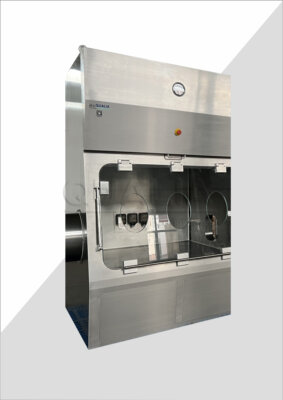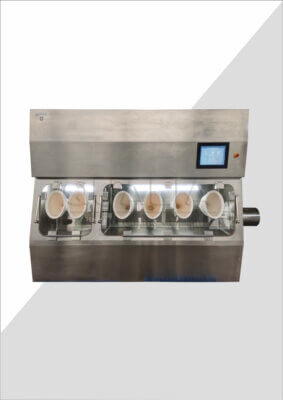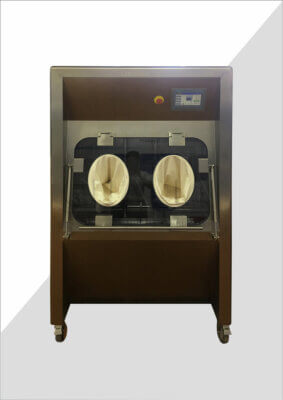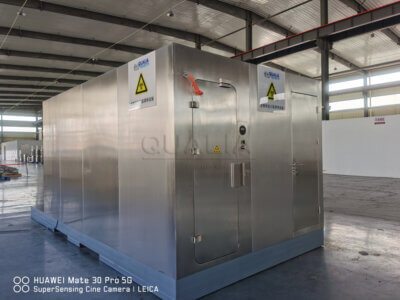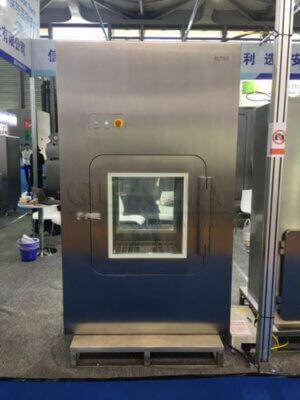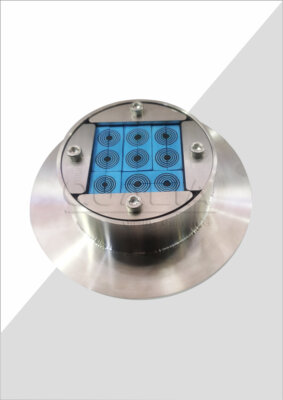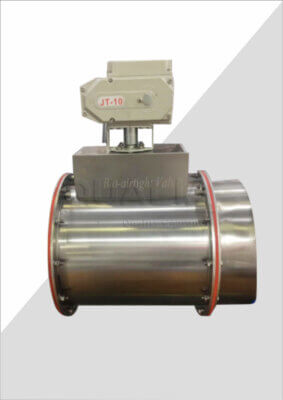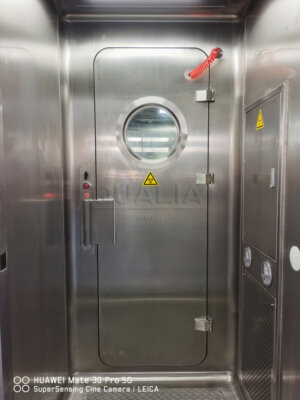
Pemilihan di antara dua metode berbasis hidrogen peroksida yang menggunakan bahan aktif yang sama namun memiliki status regulasi yang sangat berbeda adalah titik di mana banyak proyek dekontaminasi mengalami kegagalan — bukan pada tahap validasi, melainkan berbulan-bulan sebelumnya, ketika keputusan tersebut dipandang sebagai masalah biaya alih-alih masalah regulasi. Sebuah fasilitas yang menginvestasikan modal untuk H2O2 encer guna dekontaminasi permukaan farmasi mungkin kemudian menemukan bahwa desinfeksi tingkat tinggi tidak dapat mendukung klaim sporisidal yang diperlukan untuk dokumentasi GMP, sehingga memaksa perubahan metode secara menyeluruh atau pengurangan cakupan yang merusak kasus bisnis awal. Perbedaan klasifikasi antara disinfektan dan sterilisasi terminal bukanlah sekadar perbedaan label; hal ini menentukan batas atas klaim yang dapat dibuat oleh metode tersebut, terlepas dari konsentrasi atau waktu kontak. Memahami dengan tepat di mana batas tersebut berada — dan seperti apa konsekuensi operasional dari melampaui batas tersebut dengan VHP — adalah hal yang memungkinkan tim pengadaan atau validasi untuk membuat keputusan ini sekali dan dengan benar.
Desinfeksi dengan Larutan H₂O₂ vs Sterilisasi dengan VHP
Perbedaan paling mendasar antara kedua metode ini bukanlah kinerja teknisnya secara terpisah — melainkan klaim apa saja yang diperbolehkan untuk disampaikan oleh masing-masing metode berdasarkan tinjauan regulasi. Hidrogen peroksida larutan air, yang biasanya digunakan pada konsentrasi 3–61 TP7T sebagai larutan cair, efektif untuk desinfeksi permukaan dan aplikasi desinfeksi tingkat tinggi. Namun, larutan ini tidak dapat mencapai pengurangan 6-log dari Geobacillus stearothermophilus spora yang menjadi acuan dalam sterilisasi terminal di bidang farmasi. VHP menyalurkan hidrogen peroksida dalam fase uap dengan konsentrasi sekitar 3–6 mg/L, sehingga mampu menembus saluran sempit dan struktur wadah yang rumit yang tidak dapat dijangkau secara merata oleh cairan; dan dengan kondisi siklus yang tepat, metode ini memenuhi ambang batas sporisidal yang menjadi dasar klaim sterilisasi terminal.
Dampak regulasi dari perbedaan tersebut berdampak langsung pada dokumentasi dan desain fasilitas. Untuk jalur pemrosesan aseptik, sistem penahanan BSL-3/4, dan aplikasi apa pun di mana catatan GMP harus mendukung klaim sterilisasi, H2O2 berbahan dasar air bukanlah alternatif berbiaya lebih rendah daripada VHP — ini adalah kategori regulasi yang berbeda yang tidak dapat menggantikan fungsinya. Tim yang menganggap keduanya dapat saling menggantikan pada tahap awal proyek akan menciptakan celah kepatuhan yang muncul selama kualifikasi, bukan selama commissioning, sehingga biayanya mahal untuk diperbaiki.
Parameter-parameter yang mencakup bentuk, kemampuan sterilisasi, waktu siklus, kompatibilitas bahan, dan klasifikasi regulasi menjadi landasan bagi setiap keputusan lanjutan dalam perbandingan ini.
| Parameter | Larutan H₂O₂ | VHP |
|---|---|---|
| Bentuk & Konsentrasi Umum | Larutan cair 3–6% | 3–6 mg/L uap |
| Kemampuan Sterilisasi | Desinfeksi tingkat tinggi; tidak dapat mencapai pengurangan 6 log Geobacillus stearothermophilus | Sterilisasi terminal; menghasilkan pengurangan sebesar 6 log pada G. stearothermophilus |
| Waktu Siklus | >180 menit (tergantung pada aerasi) | 28–75 menit (tergantung sistem) |
| Kompatibilitas Bahan | Timbulnya lubang-lubang kecil pada permukaan aluminium yang telah dianodisasi akibat paparan berulang | Secara umum, zat ini kurang korosif terhadap komponen elektronik dan media filter; kondensasi harus dihindari |
| Klasifikasi Regulasi | Disinfektan tingkat tinggi | Sterilisasi terminal (ISO 22441, diakui oleh FDA/EMA) |
Angka-angka dalam tabel — waktu siklus, konsentrasi, dan tingkat kompatibilitas — merupakan nilai acuan desain yang mencerminkan kondisi sistem yang telah teridentifikasi dengan baik. Angka-angka tersebut menggambarkan kompromi; mereka bukanlah ambang batas yang berlaku secara universal dan terlepas dari konfigurasi fasilitas, beban, atau geometri. Perbedaan ini sangat penting dalam proses pengadaan, di mana perkiraan perencanaan yang didasarkan pada angka-angka skenario terbaik cenderung tidak akurat dalam memprediksi waktu siklus sebenarnya setelah volume HVAC dan kelembapan udara masuk diperhitungkan.
Perbandingan Kemampuan Pengurangan Log
Kemampuan VHP untuk mencapai pengurangan sebesar 6 log dari G. stearothermophilus Konsentrasi spora sebesar 6 mg/L telah dikonfirmasi dalam kondisi uji terkendali dan menjadi dasar klasifikasinya sebagai agen sterilisasi akhir. Angka tersebut merupakan ambang batas desain yang telah divalidasi untuk pengembangan siklus — hal ini bukanlah hasil yang dijamin dan tidak dapat diterapkan secara otomatis pada setiap ruang tertutup atau ruang yang terhubung dengan sistem HVAC tanpa validasi khusus sesuai konfigurasi. Perbedaan ini penting secara operasional: tim yang menganggap data efektivitas yang dipublikasikan dapat diterapkan tanpa pengembangan siklus sering kali mencapai validasi dengan metode yang tidak pernah sepenuhnya dikarakterisasi untuk geometri dan beban spesifik mereka.
Tiga variabel secara konsisten mengurangi konsentrasi fumigan yang tersedia dengan cara yang tidak terlihat hingga data validasi menunjukkan hasil di bawah target. Geometri lumen — panjang dan diameter dalam dari setiap saluran yang harus dilalui VHP — secara langsung memengaruhi penetrasi. Seiring bertambahnya panjang lumen atau berkurangnya diameter, konsentrasi efektif yang mencapai permukaan hilir pun menurun. Garam anorganik dan bahan organik yang terdapat pada permukaan atau dalam residu bertindak sebagai pesaing dalam mengonsumsi hidrogen peroksida, sehingga mengurangi konsentrasi aktif yang tersedia untuk tindakan sporisidal. Keduanya bukanlah persyaratan regulasi dalam arti formal, tetapi keduanya merupakan kendala implementasi yang harus dikarakterisasi selama pengembangan siklus. Rencana validasi yang tidak memperhitungkan hal-hal tersebut sebelum dimulainya komisioning berarti mengambil risiko yang akan semakin membesar di kemudian hari.
Filter HEPA menimbulkan risiko kegagalan yang sering diabaikan di fasilitas-fasilitas di mana VHP harus mendekontaminasi zona-zona di hilir bank filter. Media HEPA menyerap hidrogen peroksida dalam volume yang signifikan, yang berarti konsentrasi fumigan yang mencapai zona hilir mungkin jauh lebih rendah daripada konsentrasi pasokan. Ini bukanlah hasil yang universal — hal ini bergantung pada jenis media filter, luas permukaan, dan parameter siklus — tetapi berfungsi sebagai pemeriksaan tinjauan desain yang harus menjadi bagian dari penilaian integrasi HVAC sebelum sistem VHP ditentukan. Menemukan hal ini setelah peralatan dipasang berarti harus mendesain ulang distribusi, menerima efektivitas hilir yang berkurang, atau menjalankan fase pengkondisian yang diperpanjang yang mengikis keunggulan waktu siklus yang disebutkan selama pengadaan.
Perbandingan Antara Waktu Siklus dan Kapasitas Produksi
Rentang waktu siklus 28–75 menit yang sering disebutkan untuk sterilisasi VHP merupakan kriteria perencanaan, bukan jendela kinerja yang dijamin. Rentang ini mencerminkan kinerja spesifik sistem pada kondisi aliran masuk yang telah dikarakterisasi, dan bervariasi tergantung pada versi sistem, volume ruang, serta tingkat kelembapan dasar ruangan. Untuk fasilitas dengan geometri ruang yang sederhana dan udara masuk yang terkendali, rentang tersebut memberikan model throughput yang berguna. Untuk fasilitas dengan sistem HVAC yang kompleks, volume ruang yang besar, atau kondisi lingkungan yang bervariasi, waktu siklus aktual — termasuk fase dehumidifikasi dan aerasi — sering kali melebihi perkiraan awal perencanaan.
Salah satu faktor operasional yang memperpanjang waktu siklus dan sering kali diremehkan pada tahap perencanaan adalah pencegahan kondensasi. Uap VHP yang dihasilkan pada suhu tinggi — pada beberapa sistem mendekati 80°C — dapat mengembun pada permukaan saluran dan penutup yang lebih dingin. Di tempat kondensasi terbentuk, konsentrasi fase uap di zona aktif menurun, yang mengurangi efektivitas dekontaminasi dan mungkin memerlukan perpanjangan siklus atau pemanasan awal permukaan saluran sebelum fase dekontaminasi dimulai. Persyaratan pemanasan awal tersebut menambah waktu pada setiap siklus dan menimbulkan biaya operasional berulang yang jarang dimasukkan dalam model throughput awal.
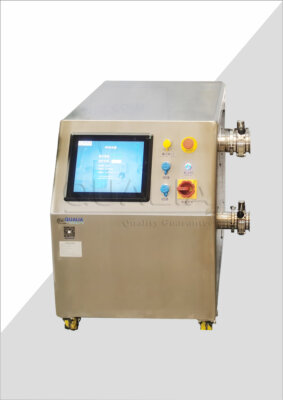
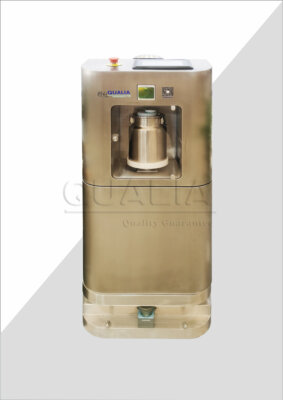
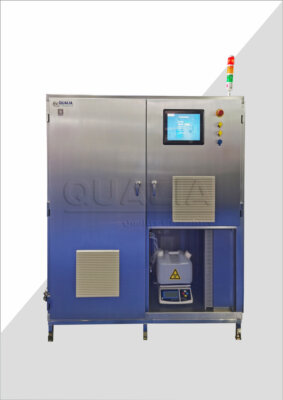
Implikasi praktisnya sangat jelas: fasilitas yang membuat keputusan investasi berdasarkan keunggulan throughput VHP dibandingkan metode H₂O₂ berbasis air — di mana metode cair yang bergantung pada aerasi seringkali memerlukan waktu 180 menit atau lebih — harus memodelkan waktu siklus aktual berdasarkan versi sistem spesifik, volume ruang, dan kondisi inlet mereka sebelum menganggap keunggulan throughput tersebut sebagai hal yang pasti. Keunggulan ini nyata pada sistem yang terkarakterisasi dengan baik; ini bukanlah asumsi perencanaan yang berlaku di semua konfigurasi tanpa validasi. Bagi fasilitas yang mengevaluasi pembangkit VHP portabel atau modular untuk dekontaminasi multi-zona, Generator VHP Portabel Tipe II/III menyediakan dokumentasi versi sistem yang mendukung pemodelan kondisi masukan dan throughput semacam ini sebelum keputusan akhir diambil.
Kompatibilitas Bahan: Paparan Cairan vs Uap
Keunggulan VHP dalam hal kompatibilitas secara umum dibandingkan dengan H₂O₂ cair memang nyata dan didukung oleh bukti yang kuat — pengujian pada berbagai perangkat medis dan bahan laboratorium umum menunjukkan tingkat kompatibilitas di atas 95%. Kesalahannya adalah menganggap angka tersebut sebagai izin tanpa syarat untuk peralatan sensitif tanpa memeriksa risiko kondensasi yang spesifik pada setiap instalasi.
Faktor penentu bukanlah apakah VHP kompatibel dengan suatu bahan dalam fase uap — hal ini sering terjadi — melainkan apakah sistem tersebut menyalurkan VHP dengan cara yang mencegah terjadinya kondensasi pada permukaan bahan tersebut. Apabila hidrogen peroksida cair yang mengembun berulang kali bersentuhan dengan permukaan, zat tersebut akan berperilaku sama agresifnya dengan fase air yang secara teori ingin dihindari. Aluminium anodized, yang menunjukkan lubang-lubang kecil yang terukur pada permukaannya akibat paparan H2O2 cair yang berulang, menghadapi risiko serupa jika sistem VHP memungkinkan kondensasi terbentuk dan bertahan. Komponen elektronik dan media filter umumnya kurang rentan terhadap paparan fase uap, tetapi sangat sensitif terhadap mikrokondensasi dari sistem VHP basah, di mana tetesan yang terbawa dapat menyebabkan kerusakan permukaan atau korsleting yang membatalkan dasar kompatibilitas.
Logika konsekuensi per-materi dirangkum di bawah ini.
| Bahan / Permukaan | Efek H₂O₂ Cair | Efek VHP | Hal-hal yang Perlu Dipantau |
|---|---|---|---|
| Aluminium anodisasi | Menyebabkan lubang-lubang kecil pada permukaan akibat paparan berulang | Risiko korosi yang lebih rendah pada fase uap | Pantau adanya kondensasi; evaluasi paparan siklus berulang |
| Perangkat elektronik & media filter | Potensi kerusakan akibat cairan dan korsleting | Secara umum kurang korosif; kompatibel dengan perangkat medis >95% | Pastikan tidak terjadi mikrokondensasi; periksa desain sistem basah |
| Alat kesehatan | Mungkin tidak cocok untuk direndam dalam cairan | Kompatibel dengan perangkat yang telah diuji >95% | Periksa adanya mikrokondensasi yang dapat menyebabkan masalah pada permukaan |
Oleh karena itu, pengendalian kondensasi merupakan variabel desain dan pemeliharaan yang krusial, bukan kompatibilitas fase uap secara umum. Selama pengembangan siklus, setiap permukaan yang bersuhu lebih rendah daripada titik embun lingkungan VHP berisiko mengalami kondensasi. Pemantauan hal ini selama karakterisasi siklus awal — serta memasukkan pemeriksaan suhu permukaan ke dalam protokol pemeliharaan — mengubah apa yang sering kali menjadi mode kegagalan yang terdeteksi terlambat menjadi parameter desain yang terkendali. Fasilitas yang memilih sistem VHP harus memastikan, selama proses pengadaan, apakah sistem tersebut menggunakan metode pembangkitan kering atau basah, karena sistem basah memiliki risiko mikrokondensasi yang lebih tinggi yang mungkin memerlukan rekayasa siklus tambahan untuk mengendalikannya.
Klasifikasi Regulasi: Sterilisasi di Tingkat Akhir vs Disinfektan Tingkat Tinggi
Klasifikasi regulasi dari setiap metode menentukan apa yang dapat didokumentasikan dan dipertanggungjawabkan oleh suatu fasilitas, bukan sekadar apa yang dapat dicapai oleh proses kimia tersebut dalam kondisi optimal. H₂O₂ larutan air diklasifikasikan sebagai disinfektan tingkat tinggi. Zat ini tidak dapat digunakan sebagai dasar klaim sterilisasi terminal dalam pengajuan regulasi farmasi, terlepas dari lama kontak, konsentrasi, atau hasil pengujian internal. Sebaliknya, VHP diakui sebagai metode sterilisasi terminal berdasarkan ISO 22441:2022 dan telah diakui oleh FDA maupun EMA sebagai bukti pendukung klaim sterilisasi akhir dalam proses aseptik dan aplikasi pengendalian kontaminasi.
| Metode | Klasifikasi | Standar Peraturan | Dampak bagi Fasilitas |
|---|---|---|---|
| Larutan H₂O₂ | Disinfektan tingkat tinggi | Tidak diakui sebagai metode sterilisasi terminal | Tidak dapat diklaim sebagai sterilisasi; hanya terbatas pada aplikasi desinfeksi tingkat tinggi |
| VHP | Sterilisasi terminal | ISO 22441 (diakui oleh FDA/EMA) | Cocok untuk proses aseptik, fasilitas isolasi BSL-3/4, dan klaim sterilisasi akhir sesuai GMP |
Dampak operasional dari kesenjangan klasifikasi tersebut paling terlihat dalam tiga konteks. Untuk proses aseptik, dokumentasi GMP mensyaratkan agar langkah-langkah sterilisasi mendukung tingkat jaminan sterilitas yang dinyatakan pada produk; langkah desinfeksi tingkat tinggi tidak dapat menggantikan langkah sterilisasi yang telah divalidasi dalam rantai tersebut. Untuk fasilitas penahanan BSL-3/4, di mana CDC/NIH BMBL Edisi Keenam menetapkan persyaratan dekontaminasi untuk dekontaminasi ruangan dan permukaan sebelum pemeliharaan atau evakuasi; metode yang dipilih harus mampu memenuhi kinerja sporisidal yang disyaratkan untuk kelas bahaya biologis tersebut — suatu persyaratan yang mungkin tidak dapat dipenuhi secara andal oleh desinfeksi dengan H₂O₂ cair, tergantung pada agen dan skenario paparan. Untuk tujuan audit GMP, ketidakmampuan mengklasifikasikan H₂O₂ larutan air sebagai agen sterilisasi akhir berarti bahwa fasilitas mana pun yang menggunakannya dalam peran yang mengimplikasikan sterilisasi berisiko menghadapi masalah dokumentasi yang dapat muncul selama inspeksi.
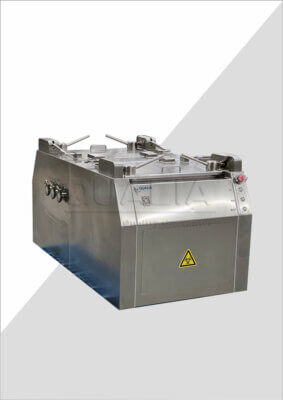
Fasilitas yang merancang atau melakukan retrofit terhadap infrastruktur penahanan untuk aplikasi farmasi atau bioteknologi harus memperlakukan klasifikasi regulasi sebagai batasan tetap yang menentukan kelayakan metode sebelum dilakukan perbandingan kinerja apa pun. Untuk persyaratan sterilisasi pada instalasi tetap di mana kepatuhan terhadap ISO 22441 menjadi sasaran, Generator Hidrogen Peroksida VHP Tipe I memberikan acuan yang relevan untuk memahami spesifikasi tingkat sistem berdasarkan standar tersebut. Memilih metode yang termasuk dalam kategori regulasi yang salah, lalu berusaha meningkatkan klasifikasinya melalui optimasi siklus, bukanlah langkah yang tepat — klasifikasi ditentukan oleh jenis metode, bukan hanya berdasarkan data kinerja.
Kerangka kerja pengambilan keputusan praktis yang muncul dari perbandingan ini bukanlah mengenai metode mana yang lebih unggul secara teoritis — melainkan mengenai metode mana yang memenuhi standar regulasi minimum yang dibutuhkan oleh aplikasi Anda, serta apakah tuntutan operasional dari metode tersebut benar-benar telah diperhitungkan dalam rencana fasilitas Anda. Jika aplikasi tersebut memerlukan klaim sterilisasi terminal, VHP adalah satu-satunya pilihan yang layak di antara kedua opsi tersebut. Jika aplikasi tersebut benar-benar hanya memerlukan desinfeksi tingkat tinggi, argumen untuk VHP harus didasarkan pada kapasitas dan penetrasi, bukan hanya pada keunggulan regulasi semata.
Sebelum memutuskan untuk menggunakan VHP, variabel-variabel yang paling sering menyebabkan kegagalan validasi atau pengembangan ulang siklus — geometri lumen, beban organik, adsorpsi filter HEPA, risiko kondensasi, dan waktu siklus aktual dalam kondisi aliran masuk yang sebenarnya — harus ditentukan berdasarkan konfigurasi ruang tertutup dan sistem HVAC Anda yang spesifik, bukan berdasarkan angka-angka skenario terbaik yang dipublikasikan. Melakukan karakterisasi tersebut selama pemilihan sistem, bukan selama komisioning, adalah cara paling efektif untuk mengendalikan biaya keputusan ini.
Pertanyaan yang Sering Diajukan
T: Apakah VHP dapat digunakan sebagai satu-satunya metode dekontaminasi di fasilitas BSL-3, atau apakah metode ini perlu dikombinasikan dengan pendekatan lain?
A: VHP dapat berfungsi sebagai metode dekontaminasi utama untuk ruangan dan permukaan di fasilitas BSL-3 apabila pengembangan siklus membuktikan efektivitas sporisidal terhadap agen spesifik yang ditangani, namun hal ini tidak menghilangkan kebutuhan akan langkah-langkah pengendalian pelengkap seperti desinfeksi cair untuk dekontaminasi titik pada tumpahan atau permukaan yang terkena kontak. Edisi ke-6 BMBL CDC/NIH menetapkan persyaratan dekontaminasi berdasarkan kelas bahaya dan skenario paparan — VHP memenuhi persyaratan sporisidal pada tingkat ruangan, namun protokol biosafety fasilitas umumnya menambahkan langkah-langkah desinfeksi tambahan untuk situasi di mana penetrasi uap tidak praktis atau waktu kontak tidak dapat dijamin.
T: Pekerjaan validasi apa yang harus diselesaikan sebelum sistem VHP dioperasikan, bukan setelahnya?
A: Pemetaan geometri lumen, karakterisasi beban organik, penilaian adsorpsi HEPA, dan pemetaan suhu permukaan untuk risiko kondensasi harus diselesaikan selama tahap pemilihan sistem dan pengembangan siklus — sebelum proses komisioning dimulai. Masing-masing variabel ini dapat secara independen menurunkan kinerja siklus di bawah ambang batas sporisidal yang telah divalidasi, dan menemukan salah satu dari variabel tersebut setelah pemasangan biasanya memaksa dilakukannya perancangan ulang sistem, perpanjangan fase kondisioning, atau pengurangan cakupan. Menentukan variabel-variabel tersebut berdasarkan volume ruang tertutup dan konfigurasi HVAC spesifik Anda selama tahap pengadaan adalah cara paling efektif untuk menghindari biaya pengembangan ulang.
T: Pada titik mana H₂O₂ larut dalam air masih menjadi pilihan yang tepat, bukan sekadar pengganti yang kurang ideal untuk VHP?
A: Larutan H₂O₂ tetap menjadi pilihan yang sah dan tepat di mana pun penggunaannya benar-benar hanya memerlukan desinfeksi tingkat tinggi — bukan sterilisasi akhir. Desinfeksi permukaan lingkungan di area laboratorium non-aseptik, dekontaminasi bagian luar peralatan di luar rantai dokumentasi GMP, dan langkah-langkah desinfeksi sementara yang tidak mencakup klaim sporisidal dalam pengajuan regulasi, semuanya merupakan kasus penggunaan yang sah. Metode ini hanya menjadi masalah jika ditempatkan dalam peran yang menyiratkan atau memerlukan klaim sterilisasi — yang merupakan keputusan desain fasilitas dan dokumentasi, bukan batasan inheren dari kimia untuk aplikasi desinfeksi saja.
T: Bagaimana perbandingan risiko kondensasi pada sistem pembangkit VHP basah dengan sistem kering dalam hal dampaknya terhadap pengambilan keputusan terkait peralatan sensitif?
A: Sistem VHP basah memiliki risiko mikrokondensasi yang jauh lebih tinggi dibandingkan sistem kering karena tetesan yang terbawa dapat mengendapkan hidrogen peroksida cair yang terkondensasi langsung ke komponen elektronik, media filter, dan permukaan presisi — sehingga menciptakan kembali paparan fase cair yang agresif yang tidak terdeteksi dalam pengujian kompatibilitas fase uap. Sistem pembangkitan kering mengurangi tetapi tidak menghilangkan risiko ini, karena setiap permukaan yang lebih dingin daripada titik embun lingkungan VHP tetap menjadi lokasi kondensasi terlepas dari metode pembangkitan yang digunakan. Untuk fasilitas dengan komponen elektronik sensitif atau instrumen kompleks di dalam zona dekontaminasi, memastikan metode pembangkitan dan memasukkan pemantauan suhu permukaan bangunan ke dalam protokol pemeliharaan selama proses pengadaan merupakan langkah pengamanan yang lebih andal daripada hanya mengandalkan angka kompatibilitas umum >95% saja.
T: Apakah fasilitas yang saat ini menggunakan larutan H₂O₂ untuk dekontaminasi permukaan dapat beralih ke VHP tanpa perlu melakukan perubahan besar pada infrastruktur, ataukah peralihan tersebut biasanya memerlukan investasi modal yang besar?
A: Jawabannya hampir sepenuhnya bergantung pada apakah sistem HVAC yang ada dapat mendukung distribusi VHP tanpa modifikasi besar-besaran. Fasilitas dengan ruang tertutup yang kedap udara, volume yang dapat dikelola, serta sistem HVAC yang dapat diisolasi atau dirancang khusus untuk pengenalan VHP, seringkali dapat mengintegrasikan unit pembangkit VHP portabel atau modular dengan perubahan infrastruktur yang minimal. Fasilitas dengan konfigurasi HVAC yang besar dan kompleks, bank filter HEPA yang signifikan di jalur dekontaminasi, atau saluran udara yang tidak dapat dipanaskan terlebih dahulu untuk mengelola kondensasi sering kali menghadapi biaya rekayasa yang signifikan sebelum siklus VHP dapat dikarakterisasi dengan andal. Memperlakukan transisi ini sebagai pengadaan generator daripada tinjauan integrasi HVAC secara menyeluruh merupakan penyebab paling umum dari biaya proyek yang diremehkan dalam perubahan metode jenis ini.
Konten Terkait:
- Peralatan dan Standar Dekontaminasi VHP untuk Fasilitas BSL-3/4
- Sterilisasi Laboratorium dengan VHP: Panduan Ahli 2025
- Pancuran Kimia vs Pancuran VHP: Membandingkan Efektivitas Dekontaminasi untuk Pintu Keluar Laboratorium Berkontaminasi Tinggi
- Sterilisasi VHP dalam Perawatan Kesehatan: Praktik Terbaik Tahun 2025
- Sterilisasi VHP Industri Makanan | Dekontaminasi Fasilitas Pengolahan
- Disinfeksi Kimia untuk Limbah Cair di EDS
- Robot VHP yang Sesuai dengan GMP | Persyaratan Validasi FDA
- VHP vs Sterilisasi Tradisional: Perbandingan Tahun 2025
- Generator VHP dalam Pengaturan Perawatan Kesehatan | Solusi Dekontaminasi Rumah Sakit