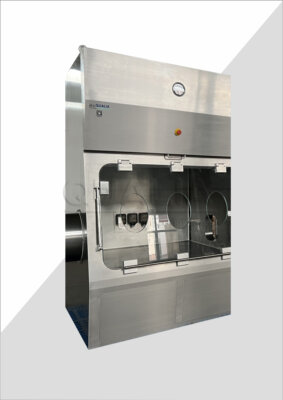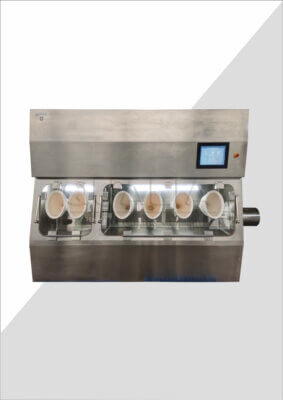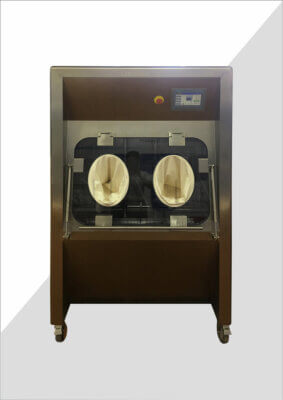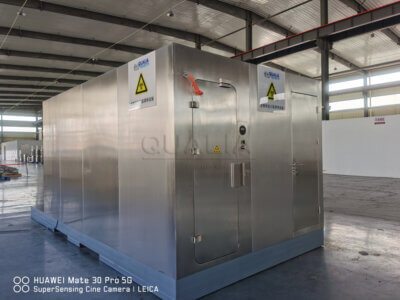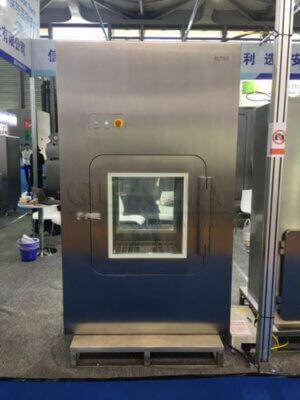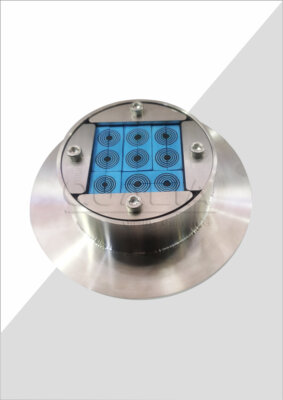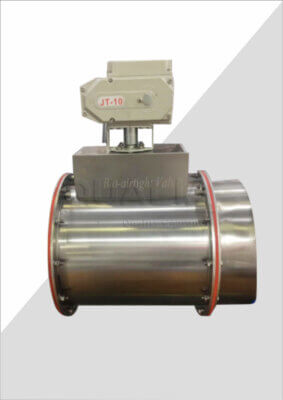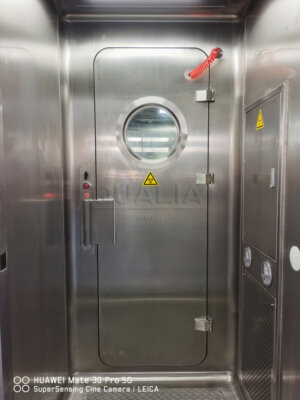

Untuk laboratorium yang menangani patogen Kelompok Risiko 3 dan 4, kabinet keamanan hayati Kelas III adalah perlindungan penahanan utama. Integritasnya tidak dapat ditawar. Komponen yang paling penting - dan sering disalahpahami - dari sistem ini adalah penghalang filter HEPA. Satu kebocoran dapat membahayakan seluruh prinsip penahanan, mengekspos personel dan lingkungan terhadap risiko yang tidak dapat diterima. Artikel ini menjelaskan uji tantangan aerosol kuantitatif wajib, mengungkap kriteria penerimaan yang ketat, dan menguraikan jadwal kepatuhan komprehensif yang diperlukan untuk menjaga legalitas dan keselamatan operasional.
Uji integritas filter HEPA tahunan bukanlah saran praktik terbaik; ini adalah mandat hukum. Peraturan seperti Kode California menetapkan garis dasar kepatuhan yang tidak dapat dinegosiasikan. Laboratorium harus menganggarkan dan menjadwalkan pengujian wajib ini sebagai pos pemeriksaan kewajiban yang berulang. Kegagalan dalam mempertahankan catatan sertifikasi yang valid dapat menghentikan operasi dan memicu hukuman peraturan yang signifikan. Memahami prosedur, mulai dari protokol dekontaminasi hingga menafsirkan ambang batas kebocoran 0,03%, sangat penting bagi manajer fasilitas dan petugas keamanan hayati yang bertanggung jawab atas alur kerja dengan kandungan tinggi.
Mengapa Integritas Filter HEPA Tidak Dapat Dinegosiasikan untuk BSC Kelas III
Penghalang Penahanan Terakhir
Dalam BSC Kelas III, filter HEPA knalpot adalah garis pertahanan terakhir. Semua udara yang keluar dari kabinet bertekanan negatif yang tersegel harus melewati penghalang terakhir ini. Pelanggaran di sini berarti udara yang terkontaminasi dilepaskan langsung ke lingkungan atau sistem pembuangan gedung. Desain ini memberlakukan protokol keamanan unik yang meningkatkan kompleksitas operasional. Kinerja kabinet secara intrinsik terkait dengan integritas absolut filter ini, menjadikan verifikasinya sebagai landasan sertifikasi apa pun.
Keharusan Berdasarkan Peraturan
Pengujian integritas HEPA adalah persyaratan operasional mendasar yang diberlakukan oleh hukum. Menurut penelitian dari badan standar, kesalahan umum termasuk memperlakukan pengujian ini sebagai opsional atau memperpanjang interval di luar batas minimum tahunan yang diamanatkan. Implikasi strategisnya jelas: hal ini mengubah pengujian filter dari rekomendasi pemeliharaan menjadi acara kepatuhan yang berulang. Laboratorium harus menetapkannya sebagai mata anggaran tetap yang tidak dapat dinegosiasikan dalam anggaran operasional dan kalender keselamatan.
Prosedur Pengujian Inti: Uji Tantangan Aerosol Kuantitatif
Metode Definitif
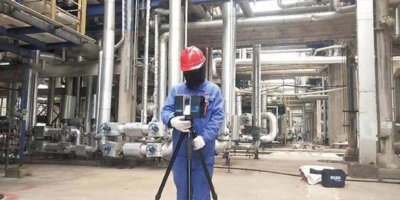
Tantangan aerosol kuantitatif, atau uji pemindaian, adalah satu-satunya metode yang memverifikasi integritas HEPA dengan standar peraturan. Ini adalah uji aliran maju di mana aerosol tantangan polidisperse dimasukkan ke bagian hulu filter. Probe fotometer yang dikalibrasi kemudian dengan cermat memindai seluruh permukaan hilir, garis sealant kritis, dan semua lapisan housing. Probe bergerak dalam lintasan yang tumpang tindih untuk memastikan cakupan 100%, mencari kebocoran lokal yang mengindikasikan kegagalan.
Kekhususan Teknis dan Pemilihan Penyedia
Pelaksanaan teknis prosedur ini tidak bersifat umum. Prosedur ini melibatkan formula dan pola pemindaian yang berbeda untuk berbagai jenis dan konfigurasi kabinet, sehingga tidak ada pendekatan yang bisa diterapkan untuk semua jenis kabinet. Tingkat kekhususan ini mengharuskan teknisi memiliki pengetahuan yang terperinci dan tersertifikasi tentang berbagai desain kabinet. Oleh karena itu, laboratorium harus secara strategis memeriksa dan mengontrak penyedia pengujian pihak ketiga yang terakreditasi dan terspesialisasi. Menurut pengalaman saya, kualitas laporan dan keahlian teknisi sama pentingnya dengan kelulusan tes itu sendiri.
Tabel di bawah ini menguraikan komponen inti dari prosedur uji definitif ini.
| Komponen Uji | Parameter / Metode | Detail Utama |
|---|---|---|
| Jenis Tes | Pemindaian aliran maju | Tantangan aerosol kuantitatif |
| Tantangan Aerosol | Partikel polidispersi | Bagian hulu filter |
| Metode Deteksi | Probe fotometer yang dikalibrasi | Memindai wajah hilir |
| Pola Pindai | Operan yang tumpang tindih | Seluruh filter & segel |
| Kekhususan Teknis | Formula yang berbeda | Per desain kabinet |
Sumber: ISO 14644-3:2019 Ruang bersih dan lingkungan terkendali terkait - Bagian 3: Metode pengujian. Standar ini memberikan metode pengujian dasar yang diakui secara internasional untuk instalasi filter HEPA/ULPA, termasuk prosedur uji pemindaian kuantitatif dan persyaratan peralatan yang dirujuk untuk verifikasi integritas kabinet.
DOP vs PAO: Membandingkan Tantangan Aerosol untuk Pengujian HEPA
Pergeseran ke Agen yang Lebih Aman
Pengujian ini memerlukan pembuatan awan partikel berukuran 0,3 mikrometer, yang menargetkan Ukuran Partikel Paling Menembus (MPPS) filter. Secara historis, aerosol Dispersed Oil Particulate (DOP) adalah standarnya. Karena masalah kesehatan yang terkait dengan ftalat, Poly-Alpha-Olefin (PAO) telah menjadi pengganti yang lebih disukai dan tidak beracun. Kedua bahan tersebut secara efektif menghasilkan distribusi ukuran partikel kritis yang diperlukan untuk menantang media filter. Pakar industri sekarang merekomendasikan untuk menentukan PAO untuk semua pengujian baru untuk menghilangkan risiko paparan operator.
Implikasi untuk Standar dan Peralatan
Pemilihan agen penantang merupakan bagian dari evolusi teknis yang lebih luas. Hal ini menandakan potensi pergeseran di masa depan, karena penelitian yang berkembang terhadap patogen baru dapat menekan standar untuk beradaptasi menuju tingkat efisiensi yang lebih tinggi atau parameter tantangan yang berbeda. Saat membeli agen penantang baru isolator atau kabinet keamanan hayati berkapasitas tinggi, memverifikasi protokol pengujian produsen sesuai dengan praktik terbaik saat ini untuk penggunaan aerosol.
Perbandingan berikut ini merinci perbedaan utama antara dua aerosol tantangan utama.
| Karakteristik | DOP (Partikel Minyak Tersebar) | PAO (Poli-Alfa-Olefin) |
|---|---|---|
| Penggunaan Utama | Standar historis | Pengganti yang lebih disukai modern |
| Ukuran Partikel | Target 0,3 mikrometer | Target 0,3 mikrometer |
| Masalah Kesehatan Utama | Ada ftalat | Formulasi tidak beracun |
| Tantangan Filter | Menargetkan MPPS secara efektif | Menargetkan MPPS secara efektif |
| Konteks Pasar | Digantikan | Hal yang umum dalam praktik saat ini |
Sumber: Dokumentasi teknis dan spesifikasi industri.
Memahami Ambang Batas Kebocoran 0,03% dan Kriteria Penerimaan
Filosofi Tanpa Toleransi
Kriteria kinerja untuk uji kuantitatif mencerminkan filosofi tanpa toleransi dari penahanan Kelas III. Peralatan uji harus cukup sensitif untuk mendeteksi penetrasi filter yang melebihi 0,005% dari konsentrasi tantangan hulu. Kebocoran terukur apa pun yang menghasilkan penetrasi lebih besar dari 0,03% merupakan kegagalan yang pasti. Ambang batas yang sangat rendah ini menggarisbawahi sifat kritis dari filter gas buang sebagai penghalang lingkungan terakhir.
Perlunya Kalibrasi Khusus
Ketepatan yang diperlukan untuk mengukur pada level ini sungguh luar biasa. Hal ini memperkuat perlunya layanan pengujian pihak ketiga khusus yang dilengkapi dengan fotometer yang telah dikalibrasi dan memiliki sensitivitas tinggi. Mencoba melakukan eksekusi in-house tanpa peralatan kelas metrologi dan catatan kalibrasi formal ini tidak praktis dan tidak sesuai. Angka 0,03% bukanlah angka sembarangan; ini adalah kebocoran maksimum yang diizinkan yang dihitung yang mempertahankan faktor penahanan teoritis kabinet.
Ambang batas ketat yang menentukan keberhasilan dan kegagalan pengujian dirangkum di sini.
| Metrik Kinerja | Nilai Ambang Batas | Konsekuensi |
|---|---|---|
| Uji Sensitivitas | Mendeteksi penetrasi> 0,005% | Kemampuan peralatan wajib |
| Kebocoran Kegagalan | Penetrasi> 0,03% | Memicu tindakan korektif |
| Peran Filter | Penghalang lingkungan terakhir | Filosofi tanpa toleransi |
| Persyaratan Pengukuran | Kalibrasi presisi tinggi | Memerlukan layanan khusus |
Sumber: NSF/ANSI 49-2022: Lemari Keamanan Hayati: Desain, Konstruksi, Kinerja, dan Sertifikasi Lapangan. Standar ini menetapkan metode pengujian kuantitatif dan kriteria penerimaan yang ketat, termasuk tingkat penetrasi (kebocoran) maksimum yang diizinkan, untuk pengujian integritas filter HEPA dalam kabinet keamanan hayati.
Melampaui Pengujian Filter: Verifikasi Performa yang Diperlukan
Pemeriksaan Sistem Terpadu
Meskipun integritas HEPA adalah yang terpenting, pengujian kepatuhan penuh untuk BSC Kelas III bersifat holistik. Pengujian ini memverifikasi kinerja sistem yang terintegrasi. Ini termasuk mengukur volume aliran udara buangan untuk memastikan tingkat penggantian udara minimum - sering kali satu kali penggantian penuh per tiga menit. Teknisi juga harus memastikan kabinet mempertahankan tekanan negatif minimum 0,5 inci pengukur air (sekitar 125 Pa). Kedua parameter tersebut sangat penting untuk mempertahankan aliran udara terarah ke dalam kabinet.
Ketergantungan Fasilitas
Detail yang penting dan mudah terlewatkan adalah bahwa kinerja kabinet Kelas III yang disalurkan secara intrinsik terkait dengan sistem fasilitas. Kegagalan atau fluktuasi pada kipas angin gedung dapat membahayakan penahanan kabinet dan aliran udara terlepas dari integritas filter. Hal ini memerlukan koordinasi formal dan protokol komunikasi antara petugas keamanan hayati laboratorium dan teknisi fasilitas. Pengujian harus memverifikasi bahwa kabinet berfungsi dengan benar dalam kondisi aktual yang disediakan oleh sistem bangunan.
Tabel di bawah ini mencantumkan parameter sistem utama yang diverifikasi selama sertifikasi penuh.
| Parameter Sistem | Standar Kinerja Minimum | Tujuan |
|---|---|---|
| Laju Aliran Udara Buang | 1 kali penggantian udara / 3 menit | Memastikan pengenceran penahanan |
| Tekanan Kabinet | Pengukur air -0,5" (~ 125 Pa) | Mempertahankan penahanan negatif |
| Pemeriksaan Sistem Terpadu | Ketergantungan knalpot fasilitas | Berkoordinasi dengan sistem bangunan |
Sumber: EN 12469:2000 Bioteknologi - Kriteria kinerja untuk lemari pengaman mikrobiologi. Standar Eropa ini menetapkan kriteria kinerja untuk lemari pengaman, termasuk metode pengujian untuk parameter operasional penting seperti aliran udara dan penahanan, yang sangat penting untuk verifikasi BSC Kelas III secara penuh.
Langkah Pra-Uji Kritis: Protokol Dekontaminasi dan Keselamatan
Prasyarat yang Tidak Dapat Dinegosiasikan
Sebelum melakukan pengujian atau perawatan yang memerlukan akses ke bagian dalam kabinet atau rumah filter, prosedur dekontaminasi yang telah divalidasi wajib dilakukan. Ini adalah prasyarat yang tidak dapat dinegosiasikan yang diberlakukan oleh plakat peringatan peraturan. Beban dekontaminasi sepenuhnya berada di tangan laboratorium sebelum intervensi teknisi. Langkah ini melindungi personel servis ketika penghalang penahanan utama dilanggar dengan sengaja.
Memformalkan Transisi Alur Kerja
Protokol keselamatan yang penting ini menambahkan lapisan yang diperlukan untuk perencanaan operasional. Protokol ini memformalkan transisi dari operasi rutin ke mode pemeliharaan, yang memerlukan metode dekontaminasi terdokumentasi (misalnya, hidrogen peroksida yang diuapkan) dan log verifikasi. Kegagalan menyelesaikan langkah ini secara etis dan menyeluruh dapat membatalkan kontrak layanan dan membuat lab bertanggung jawab. Proses ini harus dipimpin oleh personel laboratorium terlatih yang memahami riwayat kontaminasi kabinet.
Apa yang Terjadi Jika Filter Gagal? Tindakan Korektif dan Pengujian Ulang
Protokol Kegagalan
Kegagalan pengujian, yang ditunjukkan oleh kebocoran yang melebihi ambang batas 0,03%, memicu protokol tindakan korektif yang ditentukan. Teknisi menandai lokasi kebocoran yang tepat pada rumah filter untuk penyelidikan. Perbaikan mungkin melibatkan penyegelan ulang filter di saluran pakingnya atau, jika media filter itu sendiri rusak, penggantian filter secara menyeluruh. Semua perbaikan harus dilakukan dengan mengikuti spesifikasi produsen kabinet dan sering kali memerlukan dekontaminasi pra-akses yang sama.
Pemindaian Ulang dan Pemantauan Proaktif
Setelah perbaikan apa pun, area yang terpengaruh dan seluruh permukaan filter harus dipindai ulang untuk memastikan bahwa integritasnya sudah pulih kembali. Proses ini menyoroti nilai dari pemantauan berkelanjutan. Berinvestasi pada kabinet dengan tampilan tekanan dan aliran udara digital dapat memberikan tanda peringatan dini tentang masalah yang berkembang, seperti perbedaan tekanan yang meningkat secara bertahap. Hal ini menggeser manajemen risiko dari model yang murni periodik dan reaktif menjadi model yang lebih proaktif, sehingga memungkinkan adanya intervensi sebelum kegagalan pengujian tahunan terjadi.
Menetapkan Jadwal dan Dokumentasi Pengujian yang Sesuai
Pemicu Pengujian yang Diwajibkan
Peraturan mengamanatkan jadwal pengujian yang jelas. Sertifikasi diperlukan setelah pemasangan awal, setelah relokasi kabinet atau pemeliharaan besar, dan minimal setiap tahun. Jadwal ini mengubah pengujian dari tugas pemeliharaan yang bersifat diskresioner menjadi kewajiban kepatuhan tetap. Interval tahunan adalah maksimum; pengujian yang lebih sering mungkin diperlukan berdasarkan penilaian risiko, intensitas penggunaan, atau data pemantauan berkelanjutan.
Pentingnya Jejak Audit
Yang terpenting, catatan semua pengujian - lulus atau gagal - harus disimpan setidaknya selama lima tahun. Hal ini akan menciptakan jejak audit jangka panjang untuk inspeksi peraturan dan investigasi pertanggungjawaban. Laboratorium harus menerapkan sistem manajemen dokumen yang kuat khusus untuk catatan sertifikasi BSC. Kebijakan penyimpanan yang diformalkan ini menggarisbawahi pentingnya kemitraan strategis dengan penyedia pengujian yang menghasilkan laporan yang menyeluruh, dapat dibaca, dan sesuai dengan peraturan yang dapat bertahan dalam pengawasan peraturan.
Jadwal kepatuhan dan persyaratan dokumentasi diformalkan sebagai berikut.
| Pemicu Pengujian | Frekuensi / Persyaratan | Retensi Rekaman |
|---|---|---|
| Sertifikasi Awal | Setelah instalasi | Minimal 5 tahun |
| Sertifikasi Berulang | Minimum tahunan | Minimal 5 tahun |
| Tes Pasca Pemeliharaan | Setelah relokasi/perbaikan | Minimal 5 tahun |
| Tujuan Dokumentasi | Jejak audit berdasarkan peraturan | Bukti investigasi kewajiban |
Sumber: NSF/ANSI 49-2022: Lemari Keamanan Hayati: Desain, Konstruksi, Kinerja, dan Sertifikasi Lapangan. Standar ini mengamanatkan jadwal sertifikasi lapangan (misalnya, pengujian tahunan) dan menjadi dasar bagi persyaratan peraturan untuk menyimpan catatan sertifikasi, menciptakan jejak audit kepatuhan yang diperlukan.
Mempertahankan kepatuhan BSC Kelas III bergantung pada tiga tindakan yang tidak dapat dinegosiasikan: mengontrak tenaga ahli yang terakreditasi untuk uji aerosol kuantitatif, melaksanakan dekontaminasi pra-pengujian dengan ketat, dan melembagakan sistem penyimpanan dokumen yang sempurna untuk jejak audit selama lima tahun. Perlakukan pengujian tahunan sebagai acara tetap dan tidak dapat dipindahkan pada kalender operasional.
Perlu panduan profesional dalam menentukan atau memelihara sistem kontainmen tinggi Anda? Tim teknis di QUALIA mengkhususkan diri dalam desain dan dukungan kepatuhan untuk peralatan biokontainmen canggih. Kami dapat membantu Anda menavigasi kerumitan sertifikasi filter dan kinerja sistem terintegrasi. Hubungi Kami untuk mendiskusikan kebutuhan spesifik fasilitas Anda.
Pertanyaan yang Sering Diajukan
T: Apa metode pengujian definitif untuk memverifikasi integritas filter HEPA dalam BSC Kelas III?
J: Uji tantangan aerosol kuantitatif adalah metode definitif. Metode ini melibatkan memasukkan aerosol tantangan polidispersi ke hulu dan menggunakan fotometer yang dikalibrasi untuk memindai seluruh permukaan filter hilir, garis sealant, dan lapisan housing dalam pola yang tumpang tindih. Kekhususan teknis prosedur ini, dirinci dalam standar seperti ISO 14644-3: 2019, mencegah pendekatan yang bersifat umum. Ini berarti Anda harus mengontrak penyedia pengujian khusus terakreditasi yang memahami desain spesifik kabinet Anda untuk memastikan kepatuhan yang valid.
T: Mengapa PAO sekarang lebih disukai daripada DOP untuk pengujian integritas HEPA?
J: Poly-Alpha-Olefin (PAO) sebagian besar telah menggantikan Dispersed Oil Particulate (DOP) sebagai aerosol tantangan yang lebih disukai karena masalah kesehatan. Meskipun keduanya menghasilkan partikel 0,3 mikrometer yang diperlukan untuk menargetkan Ukuran Partikel Paling Menembus (MPPS) filter, PAO adalah pengganti yang tidak beracun. Pergeseran ini mencerminkan gradien industri yang lebih luas menuju bahan yang lebih aman. Untuk protokol keselamatan lab Anda dan perencanaan paparan teknisi, Anda harus mengonfirmasi bahwa penyedia pengujian Anda menggunakan PAO atau bahan lain yang disetujui dan tidak berbahaya.
T: Berapa ambang batas kebocoran yang tepat yang merupakan kegagalan uji filter?
J: Kriteria penerimaan sangat ketat. Pengujian harus mendeteksi penetrasi filter yang melebihi 0,005% dari konsentrasi tantangan hulu. Kebocoran yang terukur yang menghasilkan penetrasi lebih besar dari 0,03% adalah kegagalan yang pasti. Toleransi yang mendekati nol ini mencerminkan peran filter gas buang sebagai penghalang lingkungan terakhir. Ketepatan ini memerlukan layanan pihak ketiga dengan peralatan yang sangat sensitif, sehingga pelaksanaan internal tidak praktis untuk hampir semua fasilitas yang mengelola pekerjaan dengan kandungan tinggi.
T: Di luar pemindaian filter, verifikasi performa apa lagi yang diperlukan untuk sertifikasi tahunan?
J: Pengujian kepatuhan penuh termasuk memverifikasi kinerja sistem terintegrasi, bukan hanya integritas filter. Hal ini memerlukan pengukuran volume aliran udara buangan untuk memastikan laju perubahan udara minimum dan memastikan kabinet mempertahankan tekanan negatif minimal 0,5 inci pengukur air (sekitar 125 Pa), seperti yang diuraikan dalam standar seperti EN 12469:2000. Ini berarti teknisi fasilitas Anda harus berkoordinasi dengan penyedia pengujian, karena kegagalan sistem pembuangan gedung dapat membahayakan keselamatan kabinet terlepas dari kondisi filter.
T: Apa langkah pertama yang wajib dilakukan sebelum teknisi dapat mengakses kabinet untuk pengujian filter?
J: Dekontaminasi yang divalidasi pada bagian dalam kabinet merupakan prasyarat yang tidak dapat dinegosiasikan yang diberlakukan oleh peringatan peraturan. Beban ini sepenuhnya menjadi tanggung jawab laboratorium sebelum ada intervensi teknisi yang melanggar penghalang penahanan. Langkah keselamatan yang penting ini menambahkan lapisan yang diperlukan untuk perencanaan alur kerja. Anda harus memiliki protokol dekontaminasi yang terdokumentasi dan siap dijalankan, memformalkan transisi dari operasi rutin ke mode pemeliharaan.
T: Bagaimana cara menjadwalkan dan mendokumentasikan pengujian integritas HEPA untuk menjaga kepatuhan?
J: Peraturan mewajibkan pengujian setelah pemasangan, setelah relokasi atau pemeliharaan besar, dan minimal setiap tahun. Anda harus menyimpan semua catatan pengujian setidaknya selama lima tahun untuk membuat jejak audit untuk inspeksi. Hal ini mengubah pengujian menjadi proses dokumentasi yang sangat penting. Ini berarti Anda memerlukan sistem manajemen dokumen yang kuat untuk laporan sertifikasi dan harus bermitra dengan penyedia pengujian yang dikenal menghasilkan dokumentasi yang menyeluruh dan sesuai dengan NSF/ANSI 49.
T: Tindakan korektif apa yang diperlukan jika filter HEPA gagal dalam uji integritas?
J: Kegagalan memicu protokol yang ditentukan: lokasi kebocoran ditandai untuk penyelidikan, diikuti dengan perbaikan (misalnya, penyegelan ulang paking) atau penggantian filter secara menyeluruh. Area yang terkena dampak dan seluruh permukaan filter kemudian harus dipindai ulang untuk memastikan pemulihan integritas. Proses ini menyoroti nilai dari pemantauan berkelanjutan; berinvestasi pada kabinet dengan tampilan tekanan digital dapat memberikan peringatan dini. Untuk manajemen risiko, hal ini menggeser strategi Anda dari sekadar pemeriksaan berkala menjadi sikap yang lebih proaktif.
Konten Terkait:
- Lemari Keamanan Hayati Kelas II Tipe B2: Knalpot Total
- Sertifikasi Kabinet Keamanan Hayati: Mengapa Sangat Penting
- Instalasi Kabinet Keamanan Hayati: Apa yang Perlu Anda Ketahui
- Sistem Pembuangan Kabinet Keamanan Hayati Dijelaskan
- Kabinet Keamanan Hayati Kelas III vs BSC Kelas II: 12 Perbedaan Kritis untuk Pemilihan Kontainer BSL-3 dan BSL-4
- Lemari Keamanan Hayati Kelas I: Fitur & Penggunaan
- Ukuran Kabinet Keamanan Hayati: Menemukan Ukuran yang Pas
- Isolator Keamanan Hayati Kelas III: Perlindungan Tertinggi
- Studi Aerosol BSL-3: Praktik Penelitian yang Aman