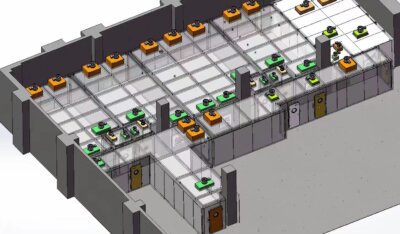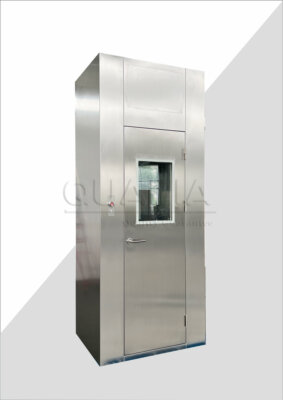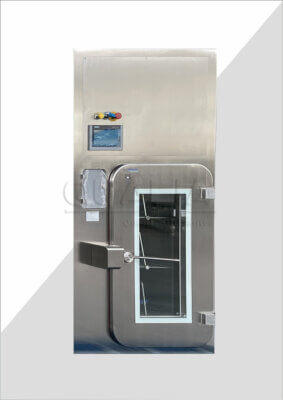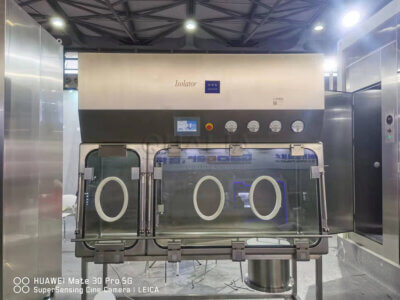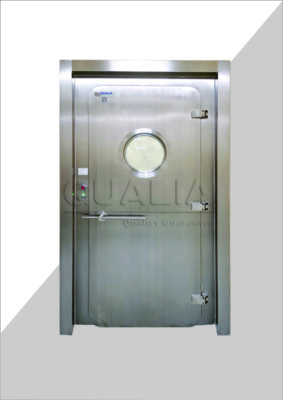

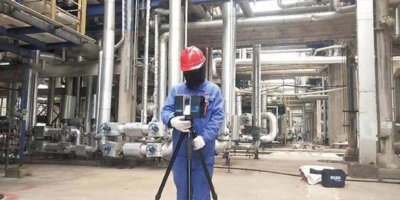
Die Planung der Belüftung für ein modulares Biosicherheitslabor ist eine entscheidende technische Herausforderung. Die Anforderung an den Luftwechsel pro Stunde (ACH) ist kein einfaches Kästchen, das man ankreuzen kann; sie ist der Dreh- und Angelpunkt des sekundären Containments und wirkt sich direkt auf die Sicherheit, die Betriebsstabilität und die langfristigen Energiekosten aus. Fehler bei der Berechnung oder der Systemauslegung können zu Ausfällen des Sicherheitsbehälters oder untragbaren Betriebskosten führen. Fachleute müssen über allgemeine Mindestanforderungen hinausgehen und zu einem leistungsbasierten, risikobewerteten Ansatz übergehen.
Diese Präzision ist besonders wichtig für modulare Einrichtungen. Vorgefertigte Konstruktionen erfordern im Vorfeld eine genaue Dimensionierung und Auslegung der HLK-Anlagen. Darüber hinaus machen die sich verändernden gesetzlichen Rahmenbedingungen und die dringende Notwendigkeit eines energieeffizienten Laborbetriebs ein strategisches Verständnis der ACH wichtiger denn je. Die richtige Berechnung von Anfang an ist die Grundlage für eine sichere, konforme und kostengünstige Einrichtung.
ACH verstehen: Die Grundlage für die Sicherheit der Laborbelüftung
Definition der Metrik und ihrer Kernfunktion
Der Luftwechsel pro Stunde (ACH) gibt an, wie oft das gesamte Luftvolumen eines Raums durch das HLK-System ausgetauscht wird. In BSL-2- und BSL-3-Umgebungen ist diese Kennzahl eine primäre technische Kontrolle. Die Funktionen sind vielfältig: Verdünnung und Entfernung von Verunreinigungen aus der Luft, Steuerung von Temperatur und Luftfeuchtigkeit und, was am wichtigsten ist, Bereitstellung des Luftvolumenstroms, der für den Aufbau und die Aufrechterhaltung eines gerichteten Unterdrucks erforderlich ist. Für modulare Labore, in denen die Grundfläche des Systems im Voraus festgelegt wird, ist die Präzision dieser Berechnung nicht verhandelbar.
Der strategische Zweck der Belüftung
Ein einziger ACH-Wert kann nicht alle Betriebsziele optimal erfüllen. Der Zweck der Belüftung muss für jeden Laborbereich explizit definiert werden. Liegt die Priorität auf der Verdünnung von Gefahren in einem Arbeitsbereich, der Geruchskontrolle in einem Tierhaltungsraum oder der Wärmeabfuhr aus geräteintensiven Bereichen? Branchenexperten empfehlen, diese Fragen als separate Konstruktionsprobleme zu behandeln. Ein häufiges Versäumnis ist die Anwendung einer einheitlichen, hohen ACH-Rate überall, die diese konkurrierenden Ziele ignoriert und zu einer erheblichen Energieverschwendung ohne proportionale Sicherheitsgewinne führt.
Von der Luftveränderung zur Eindämmung
Das ultimative Ziel von ACH in Containment-Labors ist die Unterstützung von Druckunterschieden. Der berechnete Luftstrom muss ausreichen, um die Unterdruckkaskade - in der Regel eine Differenz von 0,05 bis 0,1 Zoll Wassersäule - vom Korridor in das Labor zu erzeugen und zu halten. Diese druckbedingte Eindämmung ist es, die die Aerosolwanderung verhindert. Die bloße Einhaltung eines Ziels für den volumetrischen Luftwechsel ohne Überprüfung der daraus resultierenden Druckleistung ist eine unvollständige Validierung. Meiner Erfahrung nach wurden bei der Inbetriebnahme eines Labors, bei dem die Luftwechselrate korrekt, der Druck jedoch instabil war, kritische Lecks in den modularen Hüllendichtungen festgestellt.
Wichtige ACH-Standards für modulare BSL-2- und BSL-3-Labore
Navigieren durch maßgebliche Baselines
Maßgebliche Normen bieten wichtige Ausgangspunkte, sind aber keine endgültigen Regeln. Das NIH Design Requirements Manual schreibt für BSL-3-Labors stets einen Mindestwert von 6 ACH vor, während das WHO Laboratory Biosafety Manual einen Bereich von 6 bis 12 ACH vorschlägt. Für BSL-2 gibt der Branchenkonsens in der Regel 6 bis 8 ACH an. Diese Zahlen stellen einen Grundwert für die Eindämmung unter definierten Bedingungen dar.
Die entscheidende Rolle des Kontexts und der Risikobewertung
Die große Spanne zwischen den einzelnen Richtlinien - von 4 bis 15 ACH für allgemeine Labore - zeigt, dass es entscheidend auf die spezifischen Risikofaktoren ankommt. Der angemessene Wert hängt von den durchgeführten Verfahren, der Art der erzeugten Aerosole, der Raumbelegung und der internen Wärmelast ab. Das blinde Festhalten an einer Mindestnorm kann ebenso problematisch sein wie eine Überlüftung. Untersuchungen im Rahmen von Biosicherheitsaudits haben ergeben, dass ein allgemeiner Wert von 6 ACH für ein Labor mit aerosolerzeugenden Geräten in großem Umfang unzureichend sein kann, während er für einen Verfahrensraum mit geringem Risiko zu hoch ist und Energie verschwendet.
Integration von lokalen und institutionellen Mandaten
Ihre endgültige ACH-Anforderung muss alle geltenden Vorschriften berücksichtigen, die strenger sein können als die nationalen Richtlinien. Lokale Bauvorschriften, Brandschutzbestimmungen und institutionelle Ausschüsse für biologische Sicherheit stellen oft zusätzliche Anforderungen. Ein strategischer Ansatz beinhaltet die Durchführung einer einrichtungsspezifischen Risikobewertung, bei der diese Vorschriften über die grundlegenden Standards von Behörden wie der CDC/NIH Biosicherheit in mikrobiologischen und biomedizinischen Laboratorien (BMBL). In diesem Dokument werden die wichtigsten Eindämmungsziele dargelegt, die Ihre ACH erreichen muss.
Wie man ACH berechnet: Die Grundformel und Beispiele
Die Kernberechnung
Die Grundformel ist einfach: ACH = (Gesamtluftvolumenstrom pro Stunde) / (Raumvolumen). Berechnen Sie zunächst das Innenvolumen des modularen Labors (Länge x Breite x Höhe). Für ein BSL-2-Labormodul, das auf 8 ACH in einem 10’x12’x9′-Raum (1.080 ft³) ausgerichtet ist, beträgt der erforderliche stündliche Luftstrom 8.640 ft³. Um die erforderlichen Kubikfuß pro Minute (CFM) für das HLK-System zu ermitteln, dividieren Sie durch 60: 144 CFM. Dieser Luftstrom muss kontinuierlich abgegeben werden.
Anwendung der Formel auf den Systementwurf
Diese grundlegenden Berechnungen sind lediglich der Ausgangspunkt. Die berechnete CFM muss ausreichen, um die angestrebten Druckunterschiede für den Einschluss zu erreichen. Dies erfordert oft einen Luftstromversatz von 100-150 CFM pro abgedichteter Tür, um einen stabilen Unterdruck aufrechtzuerhalten. Daher ist die Formel ein Ausgangspunkt für die Festlegung der Zu- und Abluftventilatorkapazitäten, der Kanaldimensionierung und der Regelungssollwerte. Das System muss so ausgelegt sein, dass es das berechnete Volumen in allen Betriebszuständen zuverlässig liefert.
Berechnungsbeispiel und Tabelle
Die folgende Tabelle veranschaulicht die Kernberechnung und enthält ein Beispiel für eine modulare Standard-Laborzone.
| Labor-Zone | Raumvolumen (ft³) | Ziel ACH | Erforderlicher Luftstrom (CFM) |
|---|---|---|---|
| Beispiel BSL-2-Labor | 1.080 (10’x12’x9′) | 8 | 144 CFM |
| Berechnung Schritt 1 | Länge x Breite x Höhe | - | Raumvolumen |
| Berechnung Schritt 2 | - | Ziel ACH | Luftwechsel pro Stunde |
| Kernformel | ACH = | (Stündlicher Gesamtluftstrom) / (Raumvolumen) | - |
Quelle: Technische Dokumentation und Industriespezifikationen.
Entscheidende Faktoren, die Ihren endgültigen ACH-Bedarf beeinflussen
Primäre Eingrenzung als dominierender Faktor
Der Betrieb von primären Einschließungsvorrichtungen wie Biosicherheitswerkbänken (BSC) beeinflusst die Dynamik der Raumluftströme drastisch. Eine BSC der Klasse II rezirkuliert und entlüftet 750-1200 CFM unabhängig voneinander. Dieser interne Luftstrom ist oft um Größenordnungen größer als die allgemeine Abluft des Raums. Untersuchungen haben ergeben, dass bei plötzlichen Aerosolfreisetzungen in einem ordnungsgemäß funktionierenden BSC ein hoher Raumluftstrom nur einen geringen zusätzlichen Schutz bietet; die Exposition erfolgt, bevor die Raumluft ausgetauscht werden kann. Daher hat die Sicherstellung der Integrität und Zertifizierung von BSC eine höhere Sicherheitspriorität als die Maximierung der Luftwechselrate im gesamten Raum.
Bewertung von Verfahrensrisiken und Wärmebelastungen
In einer detaillierten Risikobewertung muss das spezifische Kontaminationspotenzial der geplanten Verfahren bewertet werden. Ein Bereich für die Gewebehomogenisierung wird andere Anforderungen stellen als ein Bereich für die Serologie. Auch die interne Wärmebelastung durch Analysegeräte, Inkubatoren und Autoklaven kann erheblich sein. Diese Wärmelast bestimmt oft die erforderliche ACH für die Temperaturkontrolle, bevor die Anforderungen an die Einschließung überhaupt in Betracht gezogen werden, was eine Berechnung für zwei Zwecke erforderlich macht.
Quantitative Einflussfaktoren auf ACH
Der endgültige ACH ist eine Synthese aus mehreren quantitativen und qualitativen Faktoren. In der nachstehenden Tabelle sind die wichtigsten Einflussfaktoren und ihre strategische Priorität zusammengefasst.
| Beeinflussender Faktor | Typische quantitative Auswirkungen | Strategische Priorität |
|---|---|---|
| Betrieb der Biosicherheitskabine (BSC) | 750-1200 CFM interner Durchfluss | Hoch (primäre Eindämmung) |
| Interne Wärmelasten | Gerätespezifischer kW-Bedarf | Mittel (Komfort/Stabilität) |
| Erzeugung von Verunreinigungen | Verfahrensspezifisches Risiko | Hoch (Risikobewertung) |
| Raumgeometrie & Abmischung | Luftstrom-Kurzschlusspotential | Mittel (Wirkungsgrad) |
Quelle: Technische Dokumentation und Industriespezifikationen.
Die Rolle der HLK-Konstruktion und der Luftstrommuster in modularen Labors
Die Wichtigkeit der Luftverteilung
In modularen Laboren ist das Erreichen der berechneten ACH nur die halbe Miete; eine effektive Luftverteilung ist entscheidend. Schlechte Luftströmungsmuster können zu stagnierenden Zonen führen, in denen sich Verunreinigungen ansammeln, oder zu Kurzschlüssen, die die Eindämmung unterbrechen. Die Platzierung von Zuluftverteilern und Abluftgittern muss so geplant werden, dass eine gleichmäßige Luftdurchmischung gewährleistet ist und Verunreinigungen aus sauberen in weniger saubere Bereiche gespült werden. CFD-Modelle (Computational Fluid Dynamics) sind ein unschätzbares Werkzeug, um diese Muster vor dem Bau zu visualisieren und zu optimieren.
Fortschrittliche Liefertechnologien
Die Wahl der HVAC-Zufuhrtechnologie hat erhebliche Auswirkungen auf Leistung und Effizienz. Herkömmliche Deckenluftdurchlässe erfordern oft einen höheren ACH-Wert, um eine effektive Durchmischung zu erreichen. Im Gegensatz dazu können Deckeninduktionsdurchlässe oder Verdrängungslüftung mit niedriger Geschwindigkeit eine bessere Luftqualität und thermische Behaglichkeit bei deutlich niedrigeren ACH-Werten erreichen, indem sie die Wirksamkeit der Luftmischung verbessern. Dies ist ein grundlegender Wandel vom Bewegen von mehr Luft zum Bewegen von Luft auf intelligentere Weise.
Technologievergleich und Standards
Die Investition in eine moderne HLK-Architektur ist ein direkter Weg, um Sicherheit und Nachhaltigkeit in Einklang zu bringen. Die folgende Tabelle vergleicht Liefertechnologien unter Bezugnahme auf die grundlegenden Kriterien in ANSI/ASHRAE-Norm 170-2021.
| HVAC-Liefertechnik | Effektives ACH für Leistung | Hauptvorteil |
|---|---|---|
| Deckeninduktionsdurchlässe | 4-6 ACH | >20% Energieeinsparung |
| Traditionelle Diffusoren | ~13 ACH (für gleichwertiges Mischen) | Vergleich der Ausgangssituation |
| Computergestützte Strömungsmechanik (CFD) | - | Optimiert die Luftdurchmischung |
| Strategische Luftstrommuster | Verhindert stagnierende Zonen | Gewährleistet Eindämmung |
Quelle: ANSI/ASHRAE-Norm 170-2021.
Besondere Überlegungen zur modularen BSL-3-Laborbelüftung
Erhöhte Systemspezifikationen
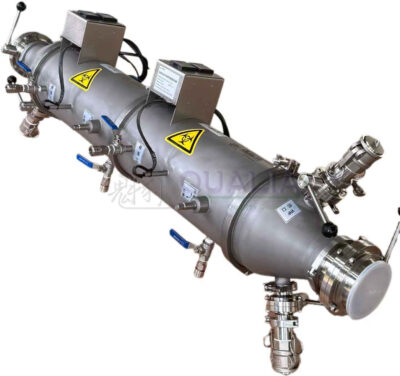
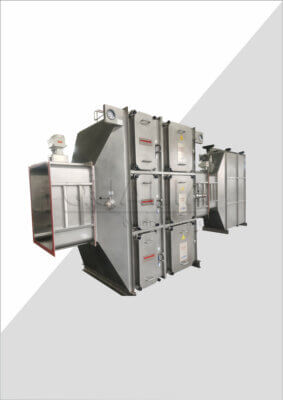
Modulare BSL-3-Einrichtungen führen nicht verhandelbare Systemverbesserungen ein. Die gesamte Abluft muss durch HEPA-Filter geleitet werden, in der Regel über Bag-in/Bag-out-Gehäuse, um einen sicheren Filterwechsel zu ermöglichen. Redundanz ist obligatorisch, wobei häufig ein doppeltes Abluftgebläse (N+1) eingesetzt wird, um den kontinuierlichen Betrieb bei einem Ausfall des Hauptgebläses zu gewährleisten. Das Steuersystem muss den Verlust der Druckdifferenz, die Unversehrtheit des Filters und den Ventilatorstatus überwachen und entsprechende Alarme auslösen.
Die Strategie der verankerten Druckbeaufschlagung
Die Strategie der Druckkontrolle ist für einen zuverlässigen BSL-3-Einschluss wichtiger als die Größe des ACH. Es wird der Ansatz der “verankerten Druckbeaufschlagung” empfohlen. Dabei wird im Zugangskorridor ein Unterdruck gegenüber der Außenwelt, aber ein Überdruck gegenüber den Laboratorien aufrechterhalten. Dieser Korridor fungiert als Pufferzone, die Druckschwankungen aufgrund von Türöffnungen oder Abluftschwankungen einzelner Labore auffängt und so ein Kaskadenversagen der gesamten Sicherheitshülle verhindert.
BSL-3-Systemkomponenten
Die Konstruktion eines modularen BSL-3-Labors erfordert spezielle Komponenten, um die erhöhten Sicherheitsanforderungen zu erfüllen, wie sie in maßgeblichen Quellen wie dem CDC/NIH BMBL.
| System-Komponente | Wichtigste Spezifikation | Zweck |
|---|---|---|
| Abgasfiltration | HEPA, Bag-in/Bag-out | Sichere Dekontaminierung |
| Abluftventilator-System | Redundanter (N+1) Aufbau | Kontinuierlicher Betrieb |
| Strategie zur Druckkontrolle | Verankerte Druckbeaufschlagung (Puffer) | Absorbiert Schwankungen |
| Druckdifferenz | 100-150 CFM Versatz pro Tür | Hält den Unterdruck aufrecht |
Quelle: CDC/NIH Biosicherheit in mikrobiologischen und biomedizinischen Laboratorien (BMBL).
Integration von Energieeffizienz und Containment-Anforderungen
Die hohen Kosten der Konditionierung von Laborluft
Die Energieintensität von Laboren wird von der HLK dominiert, was in erster Linie auf die Kosten für die Aufbereitung der Außenluft 100% zurückzuführen ist. Ein ineffizientes Design, das auf übermäßig hohen ACH-Werten beruht, führt zu einer permanenten Betriebsbelastung. Strategien wie die bedarfsgesteuerte Belüftung (DCV) nutzen Belegungs- oder Schadstoffsensoren, um die ACH während der nicht belegten Zeiten zu reduzieren und gleichzeitig sichere Mindestwerte einzuhalten, was erhebliche Einsparungen ermöglicht, ohne die Sicherheit zu beeinträchtigen.
Strategische Investitionsanalyse
Eine Analyse der Gesamtbetriebskosten (TCO) zeigt oft, dass sich höhere Anfangsinvestitionen in moderne Systeme auszahlen. Die Mehrkosten für hocheffiziente Ventilatoren, Motoren, Filtersysteme mit geringerem Druckverlust und digitale Präzisionssteuerungen werden häufig durch langfristige Energieeinsparungen und ein geringeres Risiko von Störfällen ausgeglichen. Modulare oder adaptive Umnutzungsprojekte können besonders von innovativen, platzsparenden Lösungen wie gefilterten kanallosen Hauben profitieren, die ein Überdenken der traditionellen Belüftungsparadigmen darstellen.
Standards und Nachhaltigkeit im Gleichgewicht
Die Herausforderung bei der Integration besteht darin, die strengen Reinheits- und Containment-Klassifizierungen zu erfüllen, wie sie beispielsweise in ISO 14644-1:2015 für kontrollierte Umgebungen bei gleichzeitiger Minimierung des Energieverbrauchs. Dieses Gleichgewicht wird nicht durch das Absenken von Standards erreicht, sondern durch intelligenteres Design: Optimierung von Luftstrommustern, richtige Dimensionierung von Systemen auf der Grundlage des tatsächlichen Risikos und Auswahl von Geräten, die die erforderliche Leistung bei geringerem Energieaufwand erbringen.
Implementierung und Validierung Ihres ACH-Designs
Inbetriebnahme und Leistungsprüfung
Die endgültige Umsetzung erfordert eine strenge Inbetriebnahme, die über die Überprüfung der CFM-Messwerte hinausgeht. Leistungstests müssen die Eindämmung unter dynamischen, realen Bedingungen nachweisen. Tracergastests (z. B. mit Schwefelhexafluorid) quantifizieren die tatsächliche Wirksamkeit des Luftwechsels und identifizieren Leckagepfade. Containment-Challenge-Protokolle simulieren Ausfälle, um sicherzustellen, dass das System angemessen reagiert. Diese Verlagerung von einer vorschriftsmäßigen zu einer leistungsbasierten Validierung wird zunehmend von den Behörden erwartet.
Kontinuierliche Überwachung und Datenprotokollierung
Die Validierung ist kein einmaliges Ereignis. Die kontinuierliche Überwachung von Druckdifferenzen, Luftstrom und Filterstatus ist für die fortlaufende Einhaltung der Vorschriften unerlässlich. Eine zuverlässige Datenprotokollierung bietet einen Prüfpfad und ermöglicht eine Trendanalyse, um den Wartungsbedarf vorherzusagen, bevor Ausfälle auftreten. Zu den leicht zu übersehenden Details gehören die Kalibrierungspläne für die Sensoren und die Platzierung der Drucksensoren, um lokale Turbulenzen zu vermeiden, die zu falschen Messwerten führen.
Die Zukunft der intelligenten Laborbelüftung
Die nächste Entwicklung ist das vorausschauende, datengesteuerte HLK-System. Die Integration intelligenter Sensoren und KI-Algorithmen ermöglicht eine dynamische Anpassung des Luftstroms auf der Grundlage der Echtzeit-Belegung und des Verfahrensrisikos, vorausschauende Wartungswarnungen und automatische Compliance-Berichte. Dies verwandelt die Laborbelüftung von einem statischen Dienstprogramm in eine intelligente, proaktive Komponente des Sicherheitsmanagementsystems der Einrichtung.
Die Bestimmung des richtigen ACH ist eine Synthese aus gesetzlichen Grundlagen, quantitativer Risikobewertung und strategischem Systemdesign. Die Entscheidung hängt von drei Prioritäten ab: Definition des spezifischen Belüftungszwecks für jede Zone, Sicherstellung, dass der berechnete Luftstrom eine robuste Druckbegrenzung ermöglicht, und Auswahl von HLK-Technologien, die eine effiziente Leistung erbringen. Dieser integrierte Ansatz geht über die Mindestanforderungen hinaus und schafft eine sichere, stabile und nachhaltige Betriebsumgebung.
Benötigen Sie professionelle Beratung bei der Entwicklung eines modularen Labors mit Präzisionsbelüftung und garantierter Containment-Leistung? Die Experten von QUALIA sind auf die Entwicklung und den Einsatz schlüsselfertiger mobiler BSL-3- und BSL-4-Modul-Labore spezialisiert, bei denen jede ACH-Berechnung auf ihre Leistungsfähigkeit hin validiert wird. Für eine detaillierte Beratung zu Ihren Projektanforderungen können Sie auch Kontakt direkt.
Häufig gestellte Fragen
F: Wie hoch ist der Mindest-ACH-Wert für ein modulares BSL-3-Labor?
A: Das NIH Design Requirements Manual schreibt für BSL-3-Labore eine Mindestanzahl von 6 ACH zu jeder Zeit vor, wobei andere Richtlinien wie die WHO-Handbuch für biologische Sicherheit im Labor die einen Bereich von 6 bis 12 ACH vorschlagen. Dieser Richtwert ist ein Ausgangspunkt und keine endgültige Regel. Dies bedeutet, dass die Einrichtungen eine spezifische Risikobewertung unter Einbeziehung aller geltenden Vorschriften durchführen müssen, da die blinde Einhaltung eines Minimums die Sicherheit gefährden oder Energie verschwenden kann.
F: Wie berechnet man den erforderlichen Luftstrom für ein bestimmtes ACH-Ziel in einem modularen Labor?
A: Sie bestimmen zunächst das Innenvolumen des Raums (Länge x Breite x Höhe). Der erforderliche Luftstrom in Kubikfuß pro Stunde (CF³/hr) ist dann ACH multipliziert mit dem Raumvolumen. Für ein Labor, das 8 ACH in einem 1.080 ft³ großen Raum anstrebt, beträgt der erforderliche Luftstrom 8.640 ft³/hr. Diese berechnete CFM muss auch ausreichen, um die Druckdifferenzen für den Einschluss zu erzeugen, was die Formel zu einem Tor zu einem komplexeren Systemdesign macht.
F: Wirkt sich die Installation weiterer biologischer Sicherheitswerkbänke (BSCs) auf die erforderliche Raum-ACH aus?
A: Ja, in erheblichem Maße. Ein einzelner BSC kann unabhängig voneinander 750-1200 CFM bewegen, was sich direkt auf den Gesamtluftstrom und das Druckgleichgewicht des Raums auswirkt. Eine hohe Raum-ACH bietet einen abnehmenden Nutzen für plötzliche Aerosolfreisetzungen, da die Exposition erfolgt, bevor der Luftwechsel wirken kann. Das bedeutet, dass die Ressourcen der Gewährleistung einer robusten BSC-Integrität und -Leistung Vorrang vor der Verfolgung eines übermäßigen ACH-Wertes für den gesamten Raum geben sollten, um sowohl die Sicherheit als auch die Betriebskosten zu optimieren.
F: Wie kann eine fortschrittliche HLK-Konstruktion den Energieverbrauch senken und gleichzeitig die Sicherheit in einem modularen Labor gewährleisten?
A: Technologien wie Kühlkonvektoren verbessern die Effektivität der Luftdurchmischung und ermöglichen es den Laboren, die thermische Behaglichkeit und die Luftqualität bei niedrigeren ACH-Raten aufrechtzuerhalten - potenziell 4-6 ACH im Vergleich zu 13 ACH bei herkömmlichen Durchlässen. Dieser Ansatz kann zu Energieeinsparungen von über 20% führen. Für Projekte, bei denen Nachhaltigkeit eine wichtige Rolle spielt, ist die Investition in eine moderne HLK-Architektur ein Weg, um die ANSI/ASHRAE-Norm 170 Sicherheitsziele bei gleichzeitiger Effizienz zu erreichen.
F: Welche spezielle Kontrollstrategie wird für die Druckeindämmung in modularen BSL-3-Suiten empfohlen?
A: Eine Strategie der “verankerten Druckbeaufschlagung” ist von entscheidender Bedeutung, bei der der Korridor als Unterdruckpuffer fungiert, um Schwankungen der einzelnen Labore aufzufangen. Dies verhindert Kaskadenausfälle, wenn sich eine Labortür öffnet. Dieser Ansatz verdeutlicht, dass der Schwerpunkt der Systemauslegung auf einer luftdichten modularen Konstruktion und einer präzisen, zonierten Druckregelung liegen muss, was für eine zuverlässige Eindämmung von größerer Bedeutung ist als die einfache Maximierung des in der Richtlinie angegebenen ACH-Volumens. CDC/NIH BMBL.
F: Wie entwickelt sich die Validierung der ACH- und Containment-Leistung über einfache CFM-Prüfungen hinaus?
A: Die Erwartungen der Aufsichtsbehörden verlagern sich von der präskriptiven ACH zu einer leistungsbasierten Validierung, die den Nachweis des Containments unter dynamischen Bedingungen erfordert. Dies erfordert Instrumente wie Tracergas-Tests und Containment-Challenge-Protokolle sowie eine robuste, kontinuierliche Datenprotokollierung. Wenn Ihr Betrieb einen garantierten Einschluss erfordert, sollten Sie Investitionen in eine fortschrittliche Inbetriebnahme und ein System einplanen, das in der Lage ist, vorausschauende, datengesteuerte Anpassungen auf der Grundlage von Echtzeit-Sensoreingaben vorzunehmen.
F: Kann die bedarfsgesteuerte Belüftung (DCV) sicher in einem modularen BSL-2- oder BSL-3-Labor eingesetzt werden?
A: Ja, strategisch. DCV setzt Sensoren ein, um den ACH während verifizierter unbesetzter Zeiträume zu reduzieren und gleichzeitig die vorgeschriebenen sicheren Mindestwerte einzuhalten, um den Energieverbrauch zu optimieren. Das System muss jedoch so ausgelegt sein, dass es niemals unter die erforderlichen Druckdifferenzen fällt. Dies bedeutet, dass Einrichtungen mit variablen Belegungsplänen DCV implementieren können, aber es erfordert ausgeklügelte Kontrollen und eine strenge Validierung, um sicherzustellen, dass die Sicherheit niemals gefährdet wird.
Verwandte Inhalte:
- Modulare BSL-4-Labore: Kosten senken ohne Kompromisse
- BSL-3-Laborbelüftung: Design für optimale Sicherheit
- BSL-3-Laborbelüftung: Die wichtigsten Anforderungen für 2025
- Installation von modularen BSL-3-Laboren: Experten-Leitfaden
- Anpassbare BSL-3-Labore: Maßgeschneiderte modulare Designs
- Modulare BSL-3/4-Labore: Schnell einsetzbare Lösungen
- Modulare BSL-3-Laborkosten: Umfassende Analyse
- Modulare BSL-3-Labore: Schnellbau-Lösungen
- Erweiterungsfähige BSL-3-Labore: Skalierbare modulare Systeme