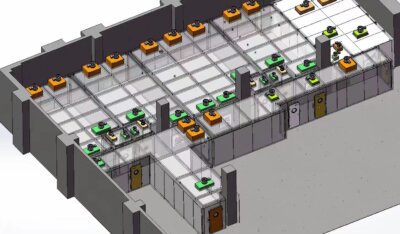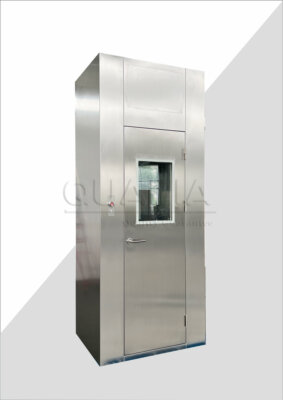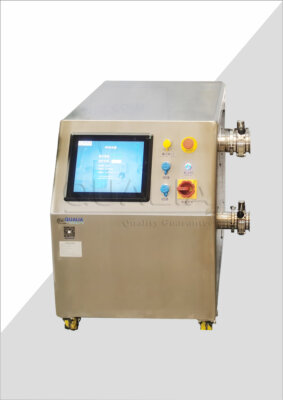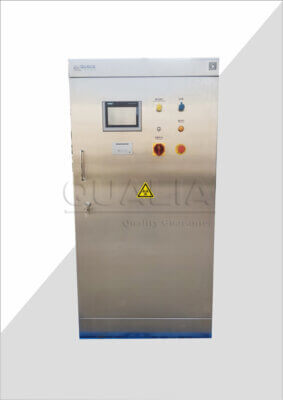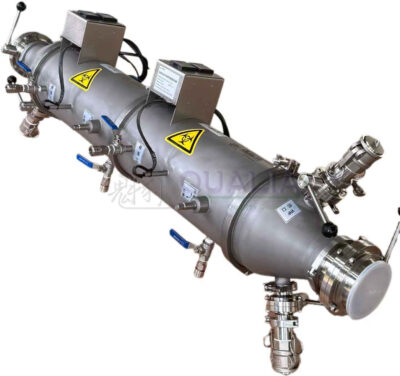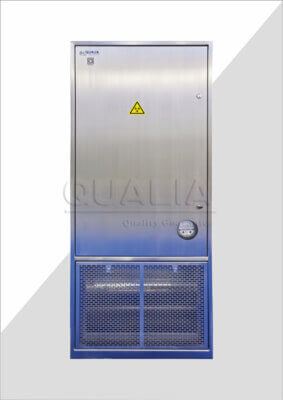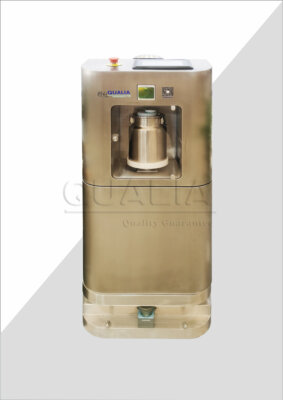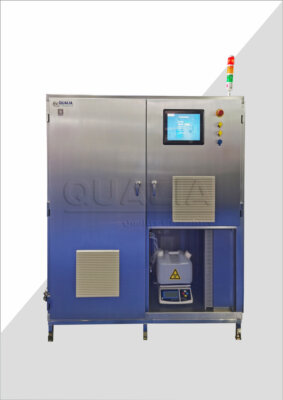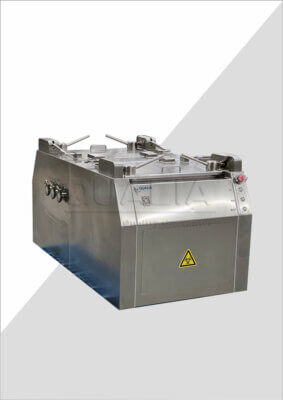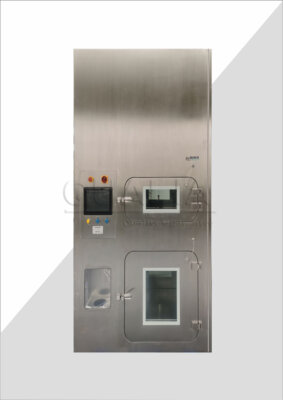
يعد اختيار معدات الاحتواء OEB 4 قرارًا تقنيًا وماليًا عالي المخاطر. الاختيار الخاطئ يهدد سلامة المشغل، وعدم الامتثال التنظيمي، وعدم الكفاءة التشغيلية الكبيرة. ويتمثل التحدي الأساسي في تجاوز التصنيفات العامة لمعدات الاحتواء OEB لمطابقة قدرات المعدات المحددة مع مخاطر العملية الدقيقة وشكل المادة ونطاق التشغيل. تنبع الأخطاء في كثير من الأحيان من الإفراط في الهندسة باستخدام العوازل المكلفة حيث تكفي الحلول الأبسط، أو التقليل من عبء التحقق والتكامل.
يتطلب هذا القرار اهتمامًا فوريًا. إن سوق الصناعات الهيدروكربونية عالية الأداء آخذة في التوسع، كما أن التدقيق التنظيمي آخذ في التكثف، لا سيما فيما يتعلق بالتصريف البيئي والتعامل مع النفايات. لم تعد الاستراتيجية الحديثة القائمة على المخاطر اختيارية. إنها شرط أساسي للتصنيع الآمن والمتوافق والمجدٍ اقتصاديًا للأدوية السامة للخلايا. سيحدد اختيارك للمعدات ثقافة السلامة في منشأتك وسير العمل التشغيلي والتكلفة الإجمالية للملكية لسنوات.
الاختلافات الرئيسية بين أنواع معدات الاحتواء OEB 4
تحديد التقنيات الأساسية
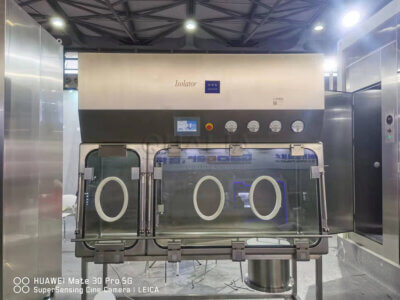
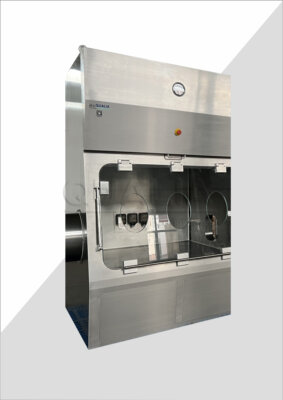
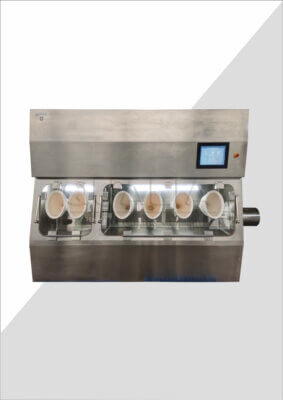
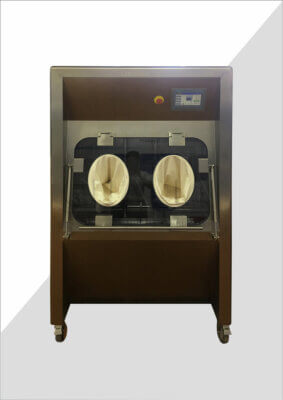
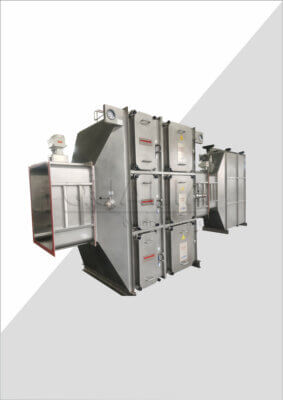
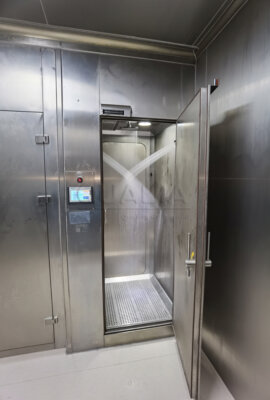
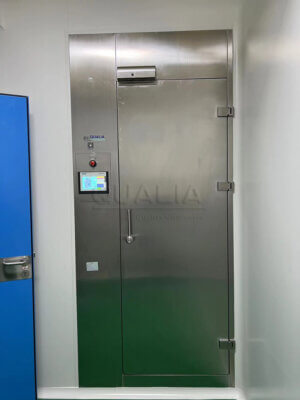
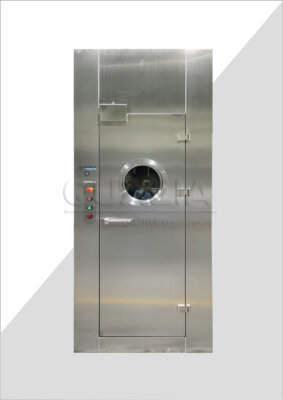
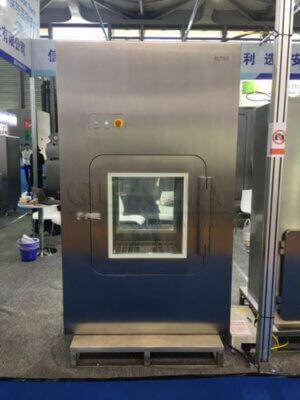
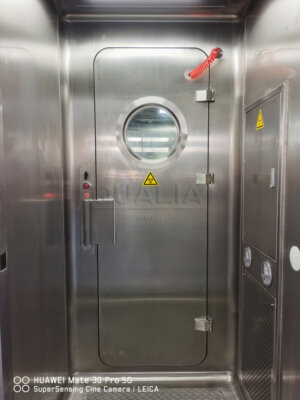
إن احتواء OEB 4 ليس حلاً واحدًا بل نطاق أداء (1-10 ميكروغرام/متر مكعب) يتم تحقيقه من خلال تصميمات هندسية متميزة. توفر العوازل عالية الاحتواء بيئة محكمة الغلق ذات جدران صلبة محكومة تحت ضغط سالب (-15 إلى -30 باسكال) مع ترشيح HEPA/ULPA. وهي تستخدم منافذ القفازات ومنافذ النقل السريع (RTPs) لنقل المواد، مما يجعلها الخيار النهائي لمناولة المساحيق عالية الخطورة مثل وزن API. صُممت خزانات السلامة الخلوية (CSCs) للعمل على نطاق المختبر، باستخدام تدفق هواء محدد أحادي الاتجاه لحماية المشغل والمنتج والبيئة أثناء مناولة السوائل أو المسحوق المحدود.
الاختيار حسب التطبيق
يعكس هذا التنوع التحول الاستراتيجي للصناعة من استراتيجية الاحتواء الثنائية إلى استراتيجية الاحتواء القائمة على المخاطر. يجب معايرة اختيار المعدات وفقًا لمراحل عملية محددة يتم تحديدها من خلال تحليل نمط الفشل والتأثيرات والحرجة (FMECA). بالنسبة لتصنيع الجرعات الصلبة، تندمج حلول الاحتواء الجاف مباشرةً في المعدات مثل مكابس الأقراص، والتي تتميز بحاويات محكمة الغبار وأنظمة نقل المسحوق المحتواة. إن الطبيعة المتخصصة لهذه الحلول مدفوعة بسوق HPAPI المزدهرة، والتي تغذي نظامًا بيئيًا مخصصًا للموردين يركز على الهندسة الخاصة بالسموم الخلوية.
الحتمية الاستراتيجية
وتتمثل الخلاصة المهمة في أن OEB 4 يمثل النطاق المحوري حيث يصبح الاحتواء الآلي الهندسي الآلي هو الاستراتيجية الأساسية، متجاوزًا الاعتماد على الضوابط الإجرائية. إن اختيار النوع الصحيح هو الخطوة الأولى في بناء قطار عمليات مغلق ومتكامل. ومن السهو الشائع هو الفشل في النظر في كيفية تفاعل المعدات مع خطوات المنبع والمصب، مما قد يؤدي إلى حدوث ثغرات في الاحتواء أثناء نقل المواد.
مقارنة التكلفة: رأس المال والتشغيل والتكلفة الإجمالية للملكية
ما بعد سعر الشراء
يجب أن يتجاوز التحليل المالي النفقات الرأسمالية الأولية (CapEx). تتطلب العازلات عالية الاحتواء وأنظمة الاحتواء الجاف المتكاملة نفقات رأسمالية كبيرة بسبب الهندسة المعقدة والتحقق من الصحة والتركيب. تمثل خزائن السلامة السامة للخلايا تكلفة أولية أقل ولكنها مناسبة للعمليات الأصغر حجمًا. تشمل نفقات التشغيل (OpEx) التكاليف الجارية لاستبدال مرشحات HEPA، واستهلاك المرافق للحفاظ على سلاسل الضغط، وإعادة التحقق من الصحة الدورية الإلزامية.
نموذج التكلفة الإجمالية للملكية
وهذا يؤكد على المعنى الاستراتيجي المتمثل في أن التبرير يجب أن يستخدم نموذج التكلفة الإجمالية للملكية. توفر الحلول التقنية المؤتمتة، على الرغم من أنها تتطلب رأس مال كثيف، احتواءً يمكن التنبؤ به وقابل للتكرار مما يقلل من مخاطر دورة الحياة والمسؤولية. من واقع خبرتي، غالبًا ما تواجه المشاريع التي تركز فقط على النفقات الرأسمالية ارتفاعات غير متوقعة في النفقات التشغيلية من تغييرات التصفية وخدمات التحقق من الصحة ووقت التوقف غير المخطط له بسبب سوء التكامل.
تقييم الصورة المالية الكاملة
تتسم الاستراتيجيات الإجرائية التي تعتمد بشكل كبير على معدات الحماية الشخصية والضوابط الإدارية بانخفاض النفقات الرأسمالية ولكنها تتكبد تكلفة إجمالية للملكية على المدى الطويل. وينبع ذلك من التدريب المستمر، والمراقبة البيئية، والمخاطر الكامنة في الخطأ البشري الذي يؤدي إلى حوادث تعرض مكلفة ومعالجة مكلفة. عند تقييم البائعين، ابحث عن البائعين الذين يقدمون محافظ احتواء متدرجة تتماشى مع مستويات محددة من OEB. هذا النهج “الاستجابة المعدّلة” يمنع الإفراط في الهندسة المكلفة ويحسّن كلاً من رأس المال والكفاءة التشغيلية طويلة الأجل.
| نوع المعدات | النفقات الرأسمالية (CapEx) | دوافع نفقات التشغيل (OpEx) |
|---|---|---|
| العوازل عالية الاحتواء | كبير / مرتفع | استبدال فلتر HEPA، واستهلاك المرافق |
| أنظمة الاحتواء الجاف | كبير / مرتفع | إعادة التحقق، أنظمة التطلع المتكاملة |
| خزانات السلامة السامة للخلايا (CSCs) | تكلفة أولية أقل | تغييرات التصفية والمراقبة الإجرائية |
| الضوابط الإجرائية (معدات الوقاية الشخصية) | نفقات رأسمالية منخفضة | التدريب المستمر، والتعرض لمخاطر الحوادث المستمرة |
المصدر: الوثائق الفنية والمواصفات الصناعية.
العوازل مقابل خزانات الأمان السامة للخلايا: أيهما أفضل لعمليتك؟
التطبيق الأساسي يملي عليك الاختيار
يتم تحديد القرار بشكل أساسي حسب حجم العملية وشكل المادة. تعد العازلات هي الحل لمعالجة المساحيق السائبة للمساحيق السائبة لمكونات API السامة للخلايا OEB 4، مثل الوزن والتوزيع وأخذ العينات. وقد تم تصميم بيئتها المختومة، التي تم التحقق من صلاحيتها للحفاظ على التعرض لأقل من 1 ميكروغرام/متر مكعب، للتعامل المباشر مع المساحيق عالية الفعالية. صُممت مراكز التخزين المركزية المركزية (CSCs) خصيصًا للتعامل المتحكم فيه مع التركيبات السائلة أو المساحيق في الصيدلية أو المختبر، مثل تحضير منتجات الأدوية السامة للخلايا المعقمة.
اعتبارات الدمج والنقل
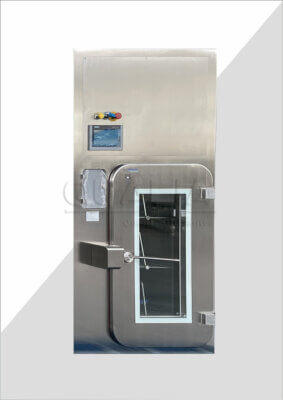
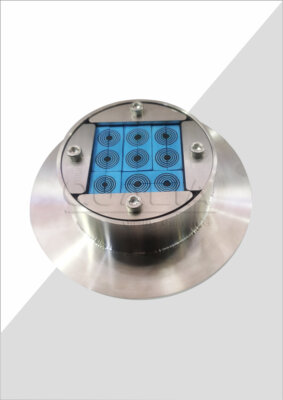
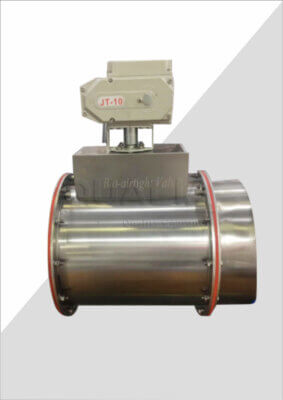
ومن الناحية الاستراتيجية، يسلط هذا القرار الضوء على أهمية القدرة على التكامل. وغالبًا ما تكون العوازل جزءًا من مجموعة عمليات أكبر ومحتواة تتطلب وصلات بينية مع أنظمة النقل والمعدات النهائية. وعادةً ما تعمل مراكز الاحتواء المركزية كوحدات قائمة بذاتها. يجب أن يأخذ إطار العمل في الحسبان أيضًا أكثر نقاط ضعف الاحتواء أهمية: نقل المواد. وتعالج العازلات هذا الأمر من خلال منافذ مصممة هندسيًا (صمامات RTP، وصمامات الفراشة المنفصلة)، في حين تعتمد مراكز التحكم المركزية على إجراءات وصول صارمة للفتح الأمامي.
اتخاذ القرار الاستراتيجي
بالنسبة لتصنيع OEB 4 القابل للتطوير الذي يشمل المساحيق السائبة، توفر العوازل المستوى اللازم من المناولة الآلية المغلقة. معيار الأداء واضح، كما هو محدد في معايير مثل ISO 14644-7: العبوات المنفصلة. بالنسبة لأنشطة التركيب المعقمة على نطاق المختبرات، فإن مركز التحكم المركزي في الكيمياء الكيميائية المتوافق مع جامعة جنوب المحيط الهادئ <797> تركيب المستحضرات الصيدلانية - المستحضرات الصيدلانية المعقمة المتطلبات هي الأداة المناسبة والمعايرة. فالتطبيق الخاطئ يعرض كلاً من السلامة والكفاءة للخطر.
| عامل القرار | العوازل | خزانات السلامة السامة للخلايا (CSCs) |
|---|---|---|
| التطبيق الأساسي | معالجة المساحيق السائبة (الوزن) | تركيبة السائل/المسحوق على نطاق المختبر |
| التحقق من الاحتواء | <أقل من 1 ميكروغرام/م³ مستهدف التعرض | حماية مجال تدفق الهواء المعقم |
| طريقة نقل المواد | المنافذ المصممة هندسيًا (منافذ هندسية (RTPs، صمامات) | إجراءات الوصول إلى الفتح الأمامي |
| نموذج التكامل | جزء من قطار العملية الواردة | وحدة مستقلة بذاتها عادةً |
المصدر: ISO 14644-7: العبوات المنفصلة. تحدد هذه المواصفة القياسية الحد الأدنى من المتطلبات لتصميم واختبار العبوات العازلة مثل العوازل وصناديق القفازات، وتوفر معايير الأداء الأساسية لمستويات الاحتواء التي تمت مناقشتها.
حلول الاحتواء الجاف مقابل العازلات لتصنيع الجرعات الصلبة
تحدي الجرعة الصلبة
بالنسبة لتصنيع الجرعات الصلبة OEB 4 (على سبيل المثال، صناعة الأقراص وتعبئة الكبسولات)، غالبًا ما يقع الاختيار بين حل الاحتواء الجاف المخصص المدمج في آلة المعالجة واستخدام عازل لإحاطة المعدات بأكملها. تتميز تصاميم الاحتواء الجاف بعازل مباشر للماكينة مع موانع تسرب الغبار، يتم الحفاظ عليها تحت ضغط سلبي مع شفط مدمج بفلتر HEPA لالتقاط الغبار الناتج عن العملية. وهذا يوفر تحكمًا هندسيًا مبسطًا خاصًا بالعملية.
مقارنة التكامل والمرونة
يوفر العازل الكامل حدود احتواء أكثر مرونة ولكن يمكن أن يكون أكثر تعقيدًا للتكامل مع ميكانيكا الماكينة والتنظيف والوصول إلى الصيانة. تجسد هذه المقارنة معيار “الاستجابة المعدلة” في اختيار البائع. نظام الاحتواء الجاف هو حل معاير مصمم خصيصًا لنطاق OEB 4، مما يضمن الحماية أثناء عمليات الإنتاج العادية دون البنية التحتية الكاملة للعازل المستقل.
تحديد الرصيد الأمثل
ويتمثل المعنى الاستراتيجي في أنه بالنسبة لعمليات الجرعات الصلبة المخصصة ذات الحجم الكبير، غالبًا ما يقدم الاحتواء الجاف توازنًا أكثر تحسينًا للأداء والتكلفة وبصمة المنشأة. وهو يمثل نهجًا مستهدفًا لـ التحكم الهندسي في المساحيق المصممة هندسيًا للواقيات من المواد الفعالة النشطة عالية الفعالية. ومع ذلك، يجب التحقق من صحة الاختيار من خلال اختبار موحد مثل SMEPAC لضمان أن التصميم المتكامل يلبي أهداف التعرض الصارمة لـ OEB 4. ويتوقف القرار على ما إذا كنت بحاجة إلى حاوية مرنة أو حل مقوى للعملية.
التحقق من صحة الأداء واختبار SMEPAC للتحقق من امتثال OEB 4
حتمية التحقق من الصحة
لا معنى لتصنيفات OEB المعلنة دون التحقق من صحة الأداء التجريبي والموحد. إن منهجية القياس الموحد لتركيز الجسيمات المحمولة جوًا في المعدات (SMEPAC) هي المعيار القياسي في الصناعة. وتتضمن تحدي المعدات بمسحوق بديل (على سبيل المثال، اللاكتوز) أثناء محاكاة أسوأ السيناريوهات التشغيلية وقياس التركيز المحمول جوًا خارج حدود الاحتواء. من أجل الامتثال لمعيار OEB 4، يجب أن يثبت النظام قدرته على الحفاظ على مستويات التعرض باستمرار ضمن نطاق 1-10 ميكروغرام/متر مكعب.
تحويل المشتريات
يحول هذا الشرط الصارم عملية التحقق من الصحة من مجرد فحص نهائي إلى معيار شراء استراتيجي أساسي. يجب أن تنص عقود المشتريات على إجراء اختبار SMEPAC المشهود، مما يحول أساس الشراء من ادعاءات التسويق إلى بيانات قابلة للتدقيق. تسد هذه العملية أيضًا الفجوة المعرفية من ما معدات للشراء إلى كيف لإثبات نجاحها. قمنا بمقارنة العديد من ادعاءات البائعين ببيانات SMEPAC الخاصة بهم ووجدنا تباينات كبيرة في الأداء في العالم الحقيقي في ظل الظروف الديناميكية.
توسيع نطاق الامتثال
وعلاوة على ذلك، يتسع نطاق التحقق من الصحة. يتسع نطاق التدقيق التنظيمي من تعرض المشغلين ليشمل السلامة البيئية، مما يعني أن الاختبار وتصميم النظام يجب أن يأخذ في الاعتبار أيضًا احتواء النفايات السائلة للعادم ومجاري النفايات. وهذا يتماشى مع توقعات الرقابة الشاملة الموجودة في المبادئ التوجيهية مثل الملحق 1 لممارسات التصنيع الجيدة للاتحاد الأوروبي: تصنيع المنتجات الطبية المعقمة, والتي تؤكد على حماية كل من المنتج والبيئة المحيطة به.
| معلمة الاختبار | المتطلبات/المعيار | التفاصيل الرئيسية |
|---|---|---|
| مستوى التعرض المستهدف | نطاق 1-10 ميكروغرام/متر مكعب | تصاميم رائدة مستهدفة <1 ميكروغرام/م³ |
| مواد التحدي | مسحوق بديل (مثل اللاكتوز) | محاكاة أسوأ السيناريوهات التشغيلية |
| تركيز التحقق من الصحة | تعرض المشغل والسلامة البيئية | يشمل احتواء نفايات العادم السائلة |
| تفويض المشتريات | بيانات اختبار SMEPAC المشاهدة | أساس الامتثال القابل للتدقيق |
المصدر: الوثائق الفنية والمواصفات الصناعية.
دمج الاحتواء مع التنظيف والصيانة والتعامل مع النفايات
معالجة دورة الحياة بأكملها
يجب أن تعالج استراتيجية الاحتواء دورة الحياة التشغيلية بأكملها، بما في ذلك المراحل عالية الخطورة للتنظيف والصيانة ومعالجة النفايات. بالنسبة إلى OEB 4، غالبًا ما تتضمن أنشطة نهاية الدفعة أنظمة تفريغ متكاملة لاستعادة المسحوق وبروتوكولات التنظيف الرطب المحتواة باستخدام أنظمة التنظيف المكاني (CIP) أو التنظيف خارج المكان (COP) داخل العازل. يجب التعامل مع النفايات، بما في ذلك المرشحات ومخلفات التنظيف، كمواد سامة للخلايا، وغالبًا ما تتطلب تعبئة مزدوجة من خلال منافذ محكمة الغلق.
التدخل عالي الخطورة
تتطلب الصيانة عادةً كسر الاحتواء، والاعتماد على إجراءات التشغيل الموحدة الصارمة، ومعدات الوقاية الشخصية الكاملة، ودورات إزالة التلوث المسبقة. ويُعد هذا التكامل نقطة ضعف حرجة، مع التأكيد على أن نقل المواد والتدخل يظلان من أكثر العمليات خطورة. ويتطلب التكامل الفعال معدات مصممة لهذه المهام الإضافية، مثل منافذ إدخال وإخراج النفايات في أكياس وأدوات داخلية لتقليل التدخلات اليدوية.
التصميم من أجل عمليات سلسة
ويتمثل التحدي الاستراتيجي في إنشاء قطارات عمليات سلسة ومغلقة حيث لا يتم اختراق الاحتواء للعمليات الروتينية. ويعد هذا النهج الشامل ضروريًا لإدارة التكلفة الإجمالية للملكية، حيث يؤدي ضعف التكامل إلى زيادة الأعباء الإجرائية ووقت التعطل والمخاطر. فالنظام الذي يصعب تنظيفه أو صيانته سيؤدي إلى تآكل فعاليته ويصبح عنق زجاجة، مما يلغي الاستثمار الرأسمالي الأولي في السلامة الهندسية.
تأثير المساحة والموظفين والمرافق على أنظمة الاحتواء المختلفة
بصمة المنشأة والبنية التحتية
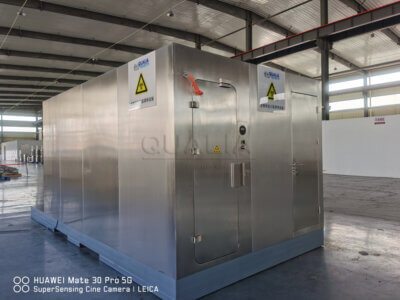
خيارات معدات الاحتواء لها آثار كبيرة على المرافق. تتطلب العوازل عالية الاحتواء مساحة أرضية مخصصة، ووصلات مرافق للتحكم في الضغط والترشيح، وغالبًا ما تتطلب تدفئة وتهوية وتكييف وتدفئة وتبريد معززة للغرفة لدعم شلالات الضغط. خزانات السلامة السامة للخلايا موفرة للمساحة ولكنها تتطلب بنية تحتية مختبرية مناسبة. قد يكون لحلول الاحتواء الجاف المدمجة في خطوط المعالجة مساحة أصغر من الآلة المغلقة العازلة ولكنها لا تزال بحاجة إلى توصيلات المرافق.
التوظيف وتغييرات المهارات
من من منظور التوظيف، يقلل الاحتواء التقني الآلي من عدد الموظفين المعرضين للخطر المباشر ولكنه يتطلب فنيين مدربين تدريباً عالياً للتشغيل والصيانة والتحقق من الصحة. تؤثر هذه العوامل بشكل مباشر على التكلفة الإجمالية للملكية والنموذج التشغيلي. ويؤدي التحول إلى الضوابط الهندسية في OEB 4 إلى تغيير متطلبات التوظيف من عدد كبير من المشغلين الذين يعتمدون على معدات الوقاية الشخصية إلى كادر أصغر من المهندسين والفنيين المهرة.
التخطيط متعدد التخصصات
يجب أن يتوقع تصميم المرفق أيضًا التركيز التنظيمي المتزايد على السلامة البيئية، مما قد يتطلب أحكامًا لأنظمة إزالة التلوث بالنفايات السائلة ومناطق مناولة النفايات الخاضعة للرقابة. لذلك يجب أن يكون التخطيط متعدد التخصصات، بحيث يشمل الهندسة والبيئة والصحة والسلامة البيئية والعمليات. مبادئ التهوية الأساسية، كما هو موضح في معايير مثل ANSI/AIHA Z9.5: تهوية المختبرات, إبلاغ البنية التحتية اللازمة لدعم هذه الأنظمة بأمان وفعالية.
| نوع النظام | بصمة المنشأة والمرافق | متطلبات التوظيف والمهارات |
|---|---|---|
| العوازل عالية الاحتواء | مساحة مخصصة، غرفة تدفئة وتكييف هواء محسّنة | الفنيون والمهندسون المدربون تدريباً عالياً |
| خزائن السلامة من السموم الخلوية | البنية التحتية للمختبرات | مشغلون حاصلون على تدريب محدد |
| حلول الاحتواء الجاف | بصمة متكاملة وأصغر حجماً | الصيانة الماهرة والمصادقة |
| التأثير الاستراتيجي | تخطيط متعدد التخصصات (البيئة والصحة والسلامة والبيئة والهندسة) | كادر أصغر حجمًا وموظفين أقل عرضة للمخاطر المباشرة |
المصدر: ANSI/AIHA Z9.5: تهوية المختبرات. تحدد هذه المواصفة القياسية المبادئ القائمة على المخاطر لمناولة الهواء في المختبرات واحتوائه، وتحدد بشكل مباشر متطلبات المرافق والبنية التحتية للتشغيل الآمن لهذه الأنظمة.
اختيار معدات OEB 4 المناسبة: إطار عمل القرار
ابدأ بتقييم دقيق للمخاطر
يبدأ إطار القرار المنظم بتقييم دقيق لمخاطر العملية (FMECA) لتحديد الخطوات عالية التعرض للمخاطر. وهذا يتماشى مع النموذج الحديث القائم على المخاطر ويوجه المتطلبات التقنية بشكل مباشر، مما يضمن “استجابة معدلة” بدلاً من الإفراط في الهندسة. يجب أن يحدد هذا التحليل كل خطوة من خطوات العملية إلى مستوى أداء الاحتواء المطلوب، مع الأخذ في الاعتبار المهام الروتينية والمهام القائمة على التدخل.
التقييم في ضوء المعايير الأساسية
يجب أن يقوم إطار العمل بعد ذلك بتقييم الحلول وفقًا للمعايير الرئيسية: الأداء الذي تم التحقق من صحته من خلال اختبار SMEPAC المشهود، والقدرة على التكامل مع عمليات المنبع/المصب ومعالجة النفايات، ونموذج شامل للتكلفة الإجمالية للملكية. اختيار الشريك الاستراتيجي أمر بالغ الأهمية. إعطاء الأولوية للبائعين من منظومة المعدات السامة للخلايا المتخصصة الذين يُظهرون فلسفة تصميم قائمة على المخاطر ويمكنهم تقديم حلول متدرجة قابلة للتطوير.
من الاختيار إلى التنفيذ
أخيرًا، يجب إدراك أن الميزة التنافسية تكمن في إتقان التنفيذ - أي تكامل FMECA والضوابط الفنية والتدابير الإجرائية. فالاختيار الصحيح ليس جهازًا واحدًا بل استراتيجية متكاملة ومصادق عليها تضمن السلامة والامتثال والكفاءة التشغيلية طوال دورة حياة المنتج. وثق الأساس المنطقي للقرار، بما في ذلك بيانات SMEPAC وتحليل التكلفة الإجمالية للملكية لدعم عمليات التدقيق المستقبلية والتغييرات العملية.
يتمحور القرار حول مواءمة الأداء التقني الذي تم التحقق من صحته مع مخاطر عملية محددة، وليس على البحث عن حل “أفضل” عالمي. تنفيذ النظام المختار مع التركيز على التكامل السلس لنقل المواد والتنظيف ومعالجة النفايات لتجنب خلق مخاطر تشغيلية جديدة. يتم تحديد استراتيجية OEB 4 الناجحة من خلال تنفيذ الحلقة المغلقة.
هل تحتاج إلى إرشادات احترافية للتغلب على هذه القرارات المعقدة لخط التصنيع الخاص بك في مجال السموم الخلوية؟ الخبراء في كواليا متخصصون في استراتيجيات الاحتواء القائمة على المخاطر، ويمكنهم مساعدتك في تنفيذ حل فعال وموثوق به. للحصول على استشارة مباشرة، يمكنك أيضًا اتصل بنا.
الأسئلة المتداولة
س: كيف يمكنك التحقق من أن معدات الاحتواء OEB 4 تفي بالفعل بمطالبات الأداء الخاصة بها؟
ج: يجب أن تطلب إجراء اختبار SMEPAC (القياس الموحد لتركيز الجسيمات المحمولة جواً في المعدات) المشهود باستخدام مسحوق بديل أثناء محاكاة أسوأ العمليات. تقيس هذه المنهجية الموحدة التركيز الخارجي المحمول في الهواء للتحقق من قدرة النظام على الحفاظ على التعرض ضمن نطاق 1-10 ميكروغرام/متر مكعب، مع استهداف التصميمات الرائدة أقل من 1 ميكروغرام/متر مكعب. وهذا يعني أن عقود الشراء يجب أن تفرض بيانات SMEPAC كمعيار نجاح/فشل، مما يحول اختيار البائعين من ادعاءات التسويق إلى دليل أداء قابل للتدقيق.
س: ما الخطأ المالي الأساسي عند المقارنة بين العوازل وخزانات الأمان السامة للخلايا؟
ج: الخطأ الرئيسي هو تقييم النفقات الرأسمالية الأولية فقط بدلاً من حساب التكلفة الإجمالية للملكية. تتميز العازلات بتكاليف أولية أعلى ولكنها توفر احتواءً آليًا يمكن التنبؤ به، في حين أن الخزانات ذات نفقات رأسمالية أقل ولكنها قد تتكبد تكاليف تشغيلية أعلى على المدى الطويل من الضوابط الإجرائية والتدريب. بالنسبة لمناولة مساحيق OEB 4 القابلة للتطوير، يجب عليك نمذجة تكاليف دورة الحياة بما في ذلك تغييرات المرشحات، والتحقق من الصحة، والمسؤولية عن المخاطر لتبرير الاستثمار الرأسمالي في الضوابط الهندسية.
س: متى يجب علينا اختيار حل الاحتواء الجاف بدلاً من العازل الكامل لتصنيع الجرعات الصلبة؟
ج: اختر نظام الاحتواء الجاف المتكامل للعمليات المخصصة ذات الحجم الكبير مثل صناعة الأقراص حيث توفر الضميمة المبسطة الخاصة بالماكينة أداءً وبصمة محسّنة. يوفر العازل الكامل مرونة أكبر ولكنه يضيف تعقيدًا في التكامل. إذا كانت العملية الخاصة بك تدير منتجًا واحدًا بإنتاجية عالية، فإن الاستجابة المعدلة لحل الاحتواء الجاف المصمم لغرض معين عادةً ما توفر توازنًا أفضل بين التكلفة والتحقق من الصحة والكفاءة التشغيلية.
س: كيف يؤثر التركيز التنظيمي على السلامة البيئية على اختبار معدات OEB 4؟
ج: يتوسع التدقيق التنظيمي إلى ما هو أبعد من تعرض المشغلين ليشمل احتواء النفايات السائلة للعادم ومجاري النفايات. هذا التركيز الموسع يعني أن التحقق من صحة نظام SMEPAC وتصميم النظام يجب أن يأخذ في الحسبان الآن التصريف البيئي، مما قد يتطلب أحكامًا إضافية لترشيح النفايات السائلة أو إزالة التلوث. لذلك يجب على المنشآت التي تخطط لتركيبات جديدة إشراك قسم البيئة والصحة والسلامة في وقت مبكر لضمان أن استراتيجية الاحتواء تعالج معايير إطلاق الأفراد والبيئة على حد سواء.
س: ما هي نقطة الضعف الأكثر أهمية عند دمج الاحتواء في قطار العمليات الكامل؟
ج: تمثل عمليات نقل المواد، بما في ذلك مناولة النفايات وتنظيفها، أعلى نقاط الاختراق خطورة على سلامة الاحتواء. يتطلب التكامل الفعال معدات مزودة بحلول هندسية مثل منافذ النقل السريع (RTPs) وأنظمة إدخال وإخراج النفايات في أكياس للحفاظ على بيئة مغلقة. إذا كانت العملية الخاصة بك تتطلب حركة متكررة للمواد، فيجب عليك إعطاء الأولوية للبائعين الذين تُظهر تصميماتهم قدرات نقل سلسة ومغلقة لتقليل التدخلات الإجرائية ومخاطر التعرض.
س: ما هي المواصفة القياسية التي توفر الحد الأدنى من متطلبات التصميم للعوازل المستخدمة في تصنيع العقاقير السامة للخلايا المعقمة؟
ج: إن الملحق 1 لممارسات التصنيع الجيد للاتحاد الأوروبي يضع المعيار العالمي لبيئات التصنيع المعقمة، بما في ذلك مواصفات العوازل وأنظمة الحواجز. بالإضافة إلى ذلك, المواصفة القياسية ISO 14644-7 يحدد الحد الأدنى من المتطلبات لتصميم واختبار الضمائر الفاصلة مثل العوازل. وهذا يعني أن تأهيل معداتك يجب أن يشير إلى كلا المعيارين لضمان الامتثال لكل من أداء الاحتواء وظروف المعالجة المعقمة.
س: كيف يغير الانتقال إلى نظام الاحتواء الهندسي OEB 4 من متطلبات التوظيف في المنشأة؟
ج: إنه يحول النموذج التشغيلي من الاعتماد على العديد من المشغلين الذين يستخدمون معدات الوقاية الشخصية إلى توظيف فريق أصغر من الفنيين والمهندسين ذوي المهارات العالية. هناك حاجة إلى هؤلاء الموظفين لتشغيل الأنظمة الآلية، وإجراء الصيانة ضمن بروتوكولات الاحتواء، وإدارة إعادة التحقق من الصحة. عند التخطيط لمنشأتك، خصص ميزانية لبرامج التدريب المتخصصة وتوقع حدوث تغيير في الهيكل التنظيمي لدعم هذه الخبرة الفنية.
المحتويات ذات الصلة:
- التعامل مع الأدوية السامة للخلايا باستخدام عوازل السلامة البيولوجية
- OEB 3 مقابل OEB 4 مقابل OEB 5: متطلبات المعدات واختلافات استراتيجية الاحتواء
- عوازل OEB4/OEB5 لاحتواء العقاقير السامة للخلايا
- كيفية اختيار معزل OEB المناسب: دليل الخبراء
- عوازل OEB4/OEB5 لمناولة المساحيق الدوائية
- كيفية حساب مستوى الاحتواء المطلوب لمكونات API و HPAPI باستخدام بيانات علم السموم
- ما هي مستويات OEB في تصنيع الأدوية وكيف يتم تحديدها؟
- اختبار مساحيق المضادات الحيوية المعقمة في العوازل
- عوازل OEB في تصنيع المستحضرات الصيدلانية: الدليل