

In pharmaceutical sterilization, the integrity of an autoclave door seal is non-negotiable. Yet, specifying the right material involves more than checking a box for biocompatibility. A common misconception is that any USP Class VI certified elastomer will perform reliably under the rigors of repeated steam sterilization cycles. This oversimplification can lead to premature seal failure, process contamination, and significant regulatory exposure. The real challenge lies in understanding how this baseline certification interacts with the specific physical and chemical demands of your autoclaving process.
Attention to seal material specifications is increasingly critical as regulatory scrutiny intensifies and drug modalities become more sensitive. A seal is not just a mechanical component; it is a critical quality attribute that protects product sterility and batch integrity. Selecting a seal based solely on certification, without evaluating its performance in your specific operating environment, introduces preventable risk into a validated process.
Understanding USP Class VI Certification for Autoclave Seals
The Biological Testing Baseline
USP Class VI represents the most stringent level of biological reactivity testing for polymeric materials within the United States Pharmacopeia framework. The certification process involves three in vivo tests: systemic injection, intracutaneous, and implantation. A material passes only if it demonstrates no significant biological reactivity. This is particularly crucial for autoclave seals, where the combination of heat and pressurized steam can increase the potential for extractable compounds to leach from the elastomer into the sterilization environment.
However, possession of a USP Class VI certificate is a starting point, not a guarantee of suitability. The standard defines a minimum safety threshold. According to research from leading material suppliers, the level of leachables and volatile organic compounds (VOCs) can vary dramatically between different batches and formulations of certified materials. Advanced post-curing processes are often employed to drive these levels far below the minimum requirements, setting a competitive benchmark for material purity.
From Certification to Contamination Control
Therefore, the procurement focus must shift from simply verifying certification to evaluating a supplier’s post-certification purity control. The certification confirms the material passed a set of tests on a specific sample. It does not speak to the consistency of the manufacturing process or the supplier’s quality management system. Industry experts recommend vetting suppliers on their material traceability, lot-to-lot consistency protocols, and data on extractables profiles. This due diligence is essential to minimize contamination risk and protect product integrity throughout the seal’s service life. In my experience, the most reliable partners provide extensive material documentation that goes well beyond the certificate itself.
Key Material Properties Beyond Biocompatibility
The Physical Demands of Steam Sterilization
While USP Class VI ensures biological safety, a seal must possess a suite of specific physical properties to function reliably. The primary driver is the sterilization method itself. For steam autoclaves, the material must exhibit exceptional high-temperature resistance, typically enduring repeated cycles from 121°C to 135°C without thermal degradation or loss of elasticity. A low compression set is equally critical; this property ensures the seal rebounds to its original shape after prolonged compression, maintaining consistent sealing force and preventing leaks cycle after cycle.
Chemical resistance to common cleaning and disinfecting agents is another paramount consideration. Furthermore, hydrolytic stability—the ability to maintain properties in a high-humidity, high-temperature environment—is a key differentiator for autoclave applications. A material with poor hydrolytic stability will soften, swell, or crack, leading to rapid failure. These properties are not inherent to all USP Class VI materials, making the facility’s specific sterilization and cleaning protocols the definitive guide for material selection.
A Comparative Framework for Critical Properties
To make an informed selection, engineers must compare how different USP Class VI compliant materials stack up against these operational demands. The following table outlines the critical material properties that extend beyond basic biocompatibility, highlighting how each is driven by the sterilization process.
| الممتلكات | Critical Requirement | Sterilization Method Driver |
|---|---|---|
| High-Temperature Resistance | Withstands 121°C to 135°C | Autoclaving (steam/heat) |
| Compression Set | Low, for reliable rebound | All methods |
| مقاومة المواد الكيميائية | To cleaning agents | البروتوكولات الخاصة بالمنشأة |
| Extractables Level | Minimal leachables | Product integrity protection |
| Hydrolytic Stability | Maintains properties in steam | التعقيم الأوتوماتيكي |
Source: Technical documentation and industry specifications.
Common USP Class VI Compliant Elastomers Compared
Performance Profiles and Primary Uses
Several elastomer families meet USP Class VI requirements, but their performance profiles differ significantly, dictating their ideal application contexts. Silicone rubber is the predominant choice for general-purpose autoclaving due to its excellent temperature range and flexibility. Within this category, platinum-cured silicone is the premium option for critical pharmaceutical applications. Its cleaner polymerization process leaves no peroxide by-products, resulting in the lowest extractables levels—a critical factor for sensitive drug products.
Other materials fill specific niches. Fluorosilicone adds enhanced resistance to aggressive cleaning agents. EPDM is renowned for superior steam and moisture resistance. For the most demanding thermal and chemical conditions, such as those involving novel solvent-based processes, Perfluoroelastomer (FFKM) may be specified. This diversity underscores a trend toward application-specific elastomers, moving beyond a one-size-fits-all “silicone standard.”
Selecting the Right Material for the Application
The choice of elastomer directly impacts seal longevity and process reliability. The table below provides a clear comparison of common USP Class VI compliant materials, helping to align material properties with operational needs.
| المواد | Key Performance Attribute | Primary Application Context |
|---|---|---|
| مطاط السيليكون | Excellent temperature range | General-purpose autoclaving |
| سيليكون معالج بالبلاتين | Lowest extractables level | Critical pharmaceutical applications |
| Fluorosilicone | مقاومة كيميائية معززة | Harsh cleaning agent exposure |
| EPDM | Superior steam resistance | High-humidity sterilization cycles |
| Perfluoroelastomer (FFKM) | Extreme thermal/chemical resistance | Most demanding conditions |
Source: Technical documentation and industry specifications.
Design and Performance Considerations for Reliable Seals
The Interplay of Geometry and Pressure
Material selection is only half the equation. The seal’s physical design must be engineered to translate material properties into reliable performance. For high-pressure autoclaves, the seal profile and its corresponding groove design are critical. A fundamental principle is the inverse relationship between inflation range and maximum operating pressure. A seal designed to accommodate large door gap variations or travel must operate at lower pressure to avoid displacement or roll. Conversely, a seal rated for very high pressure will have minimal allowable travel, often just 1-2mm.
This creates a fixed design parameter early in autoclave specification. The operating pressure and the allowable door gap variation rigidly determine the viable seal geometry. Whether using an inflatable seal for an active closure or a solid gasket, the design must account for the precise compression, required recovery, and the specific temperature/pressure profile of the sterilization cycle to ensure a consistent hermetic seal over its intended lifetime.
Ensuring Long-Term Functionality
Easily overlooked details include the seal’s durometer (hardness) and its cross-sectional shape. A softer seal may conform better to minor surface imperfections but may have a higher compression set. The geometry must also facilitate easy installation and removal for maintenance without damage. We compared standard O-ring profiles to custom D-shaped or rectangular profiles and found that custom geometries often provide more stable seating and better force distribution in door flange applications, directly contributing to longer service life and reduced risk of installation error.
Navigating Additional Regulatory and Compliance Standards
The Compliance Cluster
USP Class VI is rarely the sole regulatory requirement for a pharmaceutical autoclave seal. A cluster of parallel standards typically applies. In the United States, FDA 21 CFR 177.2600 for rubber articles intended for repeated use is relevant. Globally, the ISO 10993 series, particularly ISO 10993-1 which establishes the risk management framework for biological evaluation of medical devices, provides the overarching biocompatibility assessment structure. For market access in Europe, compliance with relevant European Pharmacopoeia standards for material purity is necessary.
Leading manufacturers now engineer single material compounds to meet this entire regulatory cluster simultaneously. This integrated approach is a non-negotiable capability for critical component suppliers. Procurement teams must vet suppliers for comprehensive, integrated compliance documentation. Sourcing a seal that meets only one standard creates significant regulatory vulnerability and audit risk, making robust, traceable documentation a core part of supply chain strategy.
Mapping the Regulatory Landscape
Understanding how these standards interrelate is key to ensuring full compliance. The following table outlines the primary standards and their relevance to autoclave door seals.
| Standard / Guideline | التركيز الأساسي | Relevance to Seals |
|---|---|---|
| جامعة جنوب المحيط الهادئ <88> Biological Reactivity Tests | In vivo biocompatibility testing | Baseline material safety certification |
| ISO 10993-1 | Biological evaluation framework | Global biocompatibility risk management |
| European Pharmacopoeia | Material purity standards | Market access in Europe |
| FDA 21 CFR 177.2600 | Rubber articles for repeated use | US regulatory compliance for components |
Source: جامعة جنوب المحيط الهادئ <88> Biological Reactivity Tests, In Vivo و ISO 10993-1 Biological evaluation of medical devices. USP <88> defines the specific biological tests for USP Class VI certification. ISO 10993-1 provides the overarching risk management framework for the biological evaluation of medical device materials, which is directly applicable to assessing seal biocompatibility.
Validating Seal Performance in Your Sterilization Cycles
From Theory to Practice
Theoretical material compliance must be proven through practical validation within your specific autoclave operating parameters. This goes beyond a simple leak check. Performance validation should assess the seal’s ability to maintain a hermetic seal and its physical integrity—checking for cracks, swelling, or permanent deformation—over a representative number of repeated sterilization cycles. This process also validates the cleaning protocol’s effectiveness on the seal material itself.
The industry emphasis is shifting toward “cleanability” as a critical performance parameter. Future seal designs will need to minimize micro-scale surface topography that can harbor residues or biofilms. Engaging with seal partners during the validation phase allows for co-development of solutions. For instance, a partner might provide seals with optimized surface finishes or material formulations that support faster, more effective cleaning cycles, thereby reducing downtime and contamination risk.
The Role of Supplier Collaboration
A proactive approach involves treating the seal supplier as a validation partner. They can provide material test data, such as extractables profiles under simulated conditions, and recommend inspection frequencies based on the seal’s performance history in similar applications. This collaboration turns the seal from a commodity into a validated component, with documented evidence that it performs as required in your unique process environment.
Critical Factors for Seal Selection and Longevity
A Holistic Decision Framework
Selecting the optimal seal requires balancing material properties, design geometry, and operational factors. The primary drivers are the specific sterilization temperature and medium (saturated steam, steam-air mixture, etc.), the required chemical resistance to in-house cleaning agents, and the seal’s published compression set rating—a lower percentage indicates better long-term elasticity. Longevity is directly tied to these properties and is heavily influenced by correct installation, proper lubrication if specified, and routine visual inspection.
The true cost of seal failure is evolving. It is no longer just a mechanical event causing downtime. In a validated pharmaceutical process, a leak can invalidate batch data and compliance records, triggering extensive investigative audits, corrective actions, and potential batch rejection. Therefore, investing in a higher-reliability sealing solution is a direct investment in data integrity and regulatory standing.
Evaluating the Impact of Each Factor
A systematic evaluation of selection criteria helps quantify risk. The table below outlines key factors, their performance goals, and the potential impact of failure.
| عامل الاختيار | Performance Goal | Impact of Failure |
|---|---|---|
| درجة حرارة التعقيم | Material stability at 121°C-135°C | Seal degradation, leaks |
| Compression Set Rating | <20% for long life | Loss of sealing force |
| مقاومة المواد الكيميائية | Compatibility with cleaners | Material swelling/cracking |
| Installation/Maintenance | Correct procedure followed | Premature seal wear |
| Supplier Traceability | Full material documentation | Regulatory audit vulnerability |
Source: Technical documentation and industry specifications.
Implementing a Risk-Based Approach to Seal Management
Classifying Criticality
A strategic, risk-based approach is essential for managing this critical component across a facility. This begins with classifying seal applications based on their criticality to the process and product. For non-critical utilities or support autoclaves, a cost-optimized sourcing strategy for standard seals may be acceptable. However, for seals protecting primary product sterilization or critical processing steps—where failure would incur catastrophic regulatory or product loss—a risk-mitigation strategy is mandatory.
This strategy often justifies partnering with premium suppliers who offer full material compliance, robust traceability (from raw polymer to finished seal), and rapid technical support. These suppliers, frequently based in regions with stringent manufacturing standards, provide embedded documentation systems that prevent production halts during audits. The market is bifurcating along these lines, compelling pharmaceutical companies to align their sourcing strategy with the application risk profile.
Building a Mitigation Strategy
For high-criticality seals, the mitigation strategy includes maintaining a validated spare parts inventory, establishing a strict preventive replacement schedule based on cycle count rather than visible wear, and ensuring all seals have full material certificates of analysis and traceability lot numbers. This proactive, documented approach transforms seal management from a reactive maintenance task into a key element of quality assurance and supply chain resilience.
Specifying a USP Class VI autoclave door seal is a multi-variable decision that balances biological safety, physical performance, and regulatory compliance. The first priority is to move beyond the certificate and demand material data on extractables and hydrolytic stability specific to your cycle parameters. Second, align the seal’s geometry and material compound with the precise pressure, temperature, and chemical exposure of your process. Finally, implement a risk-based management strategy, investing in full traceability and supplier partnership for critical applications to protect product and data integrity.
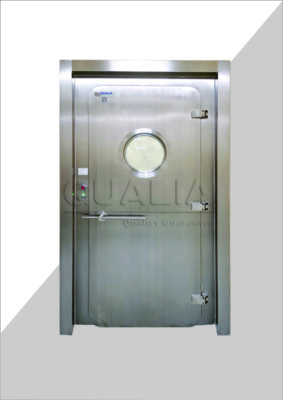
Need professional guidance on specifying high-performance, compliant sealing solutions for your sterilization equipment? The engineering team at كواليا specializes in the co-development of reliable pneumatic door seals for pharmaceutical autoclaves that meet the cluster of global standards. For direct consultation, you can also اتصل بنا.
الأسئلة المتداولة
Q: How does USP Class VI certification differ from a supplier’s purity control for autoclave seals?
A: USP Class VI certification is a baseline biocompatibility requirement, confirming a material passes three specific biological tests. However, leading suppliers implement advanced post-curing and purification processes to achieve extractable and VOC levels far below the standard’s minimum thresholds. This means you should evaluate vendors on their documented post-certification purity control, not just their certificate, to minimize contamination risk in your sterilization processes.
Q: What are the most critical material properties for a USP Class VI autoclave seal beyond biocompatibility?
A: A seal must maintain exceptional high-temperature and steam resistance for cycles between 121°C and 135°C, possess a low compression set for reliable rebound, and demonstrate chemical resistance to cleaning agents. Crucially, the sterilization method dictates the formulation; steam autoclaving requires different properties than gamma or EtO sterilization. For projects where autoclaving is the primary method, prioritize materials engineered specifically for hydrolytic stability and steam resistance over general-purpose USP Class VI elastomers.
Q: Why is platinum-cured silicone often specified over standard silicone for critical pharmaceutical autoclave seals?
A: Platinum-cured silicone is the premium choice because its polymerization process leaves no peroxide by-products, resulting in significantly lower extractable levels compared to peroxide-cured alternatives. This cleaner profile makes it ideal for protecting sensitive drug products, including novel biologics. If your operation involves high-value or sensitive modalities, plan for the higher initial cost of platinum-cured seals as a direct investment in product integrity and reduced contamination risk.
Q: How do autoclave design parameters constrain the selection of an inflatable door seal?
A: The seal’s inflation range and maximum operating pressure have an inverse relationship; a seal designed for high pressure allows minimal travel (1-2mm), while one needing large travel must operate at lower pressure. This means your autoclave’s fixed door gap and pressure parameters rigidly determine the viable seal geometry. When specifying a new autoclave, lock in these design parameters early to ensure compatible, reliable seal options are available.
Q: What regulatory standards beyond USP Class VI should we consider for pharmaceutical door seals?
A: You must navigate a cluster of parallel standards, including relevant sections of ISO 10993-1 for biological evaluation and regional pharmacopoeia requirements. Leading suppliers engineer single material compounds to meet this entire regulatory set simultaneously. This means procurement must vet suppliers for integrated multi-standard compliance documentation to avoid audit vulnerabilities and ensure supply chain robustness.
Q: How should we validate seal performance within our specific sterilization cycles?
A: Validation requires testing the seal’s ability to maintain a hermetic seal and physical integrity over repeated runs of your exact autoclave cycles, with a growing emphasis on “cleanability” and hydrolytic stability. Engage your seal partner early to co-develop or select seals that support faster, more effective cleaning by minimizing micro-scale topography that harbors residues. For facilities with aggressive cleaning protocols or rapid cycle times, this early collaboration is essential to reduce downtime and contamination risk during routine use.
Q: What is a risk-based approach to managing autoclave door seals?
A: This strategy involves classifying seal applications by their criticality to process and product integrity. For non-critical uses, a cost-optimized approach may suffice. However, for seals where failure risks catastrophic regulatory or product loss, a mitigation strategy justifies premium suppliers who offer full traceability and rapid support. This means you must align your sourcing strategy with application risk, prioritizing suppliers with embedded documentation systems for critical seals to prevent production halts.
المحتويات ذات الصلة:
- جامعة جنوب المحيط الهادئ <797> الامتثال لعوازل السلامة البيولوجية
- FDA and USP Class VI Compliant Inflatable Seal Doors: Complete Regulatory Requirements Guide
- التعقيم التقليدي مقابل التعقيم التقليدي: مقارنة عام 2025
- الأختام الهوائية العامة للأبواب الهوائية APR مقابل خيارات اسم العلامة التجارية
- الأوتوكلاف BSL-3: المواصفات الرئيسية لتعقيم المختبرات
- كيف يتم اعتماد مخمدات العزل الحيوي للسلامة البيولوجية؟
- مقاييس أداء ختم الباب الهوائي APR الهوائي | المواصفات الفنية
- أختام الأبواب الصناعية APR الصناعية | دليل الشراء | مقارنة المواصفات
- أجهزة التعقيم BSL-3/4: المواصفات الرئيسية لعام 2025



 AR
AR  EN
EN  FR
FR  KO
KO  ID
ID  IT
IT  PT
PT  RU
RU  RO
RO  ES
ES  NL
NL  DE
DE  TR
TR  UK
UK  PL
PL