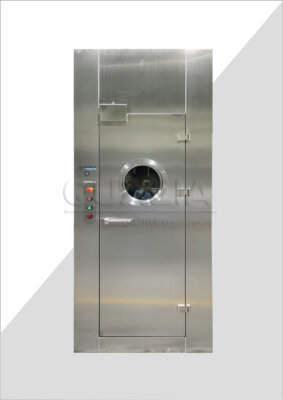
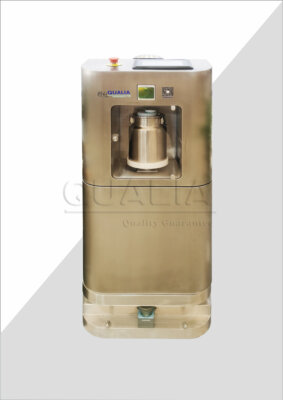
بالنسبة لقادة الصناعات الدوائية والتكنولوجيا الحيوية، تُعد غرفة التنظيف أحد أصول الإنتاج المهمة، وليست مجرد منشأة. ومع ذلك، يمكن أن تؤدي طرق البناء التقليدية - البطيئة والمعطلة والمعرضة لتجاوز الميزانية - إلى تأخير إطلاق المنتجات وإجهاد رأس المال. ويُعد القرار بين الأنظمة المعيارية الجاهزة الصنع والنُهج التقليدية المبنية على شكل وحدات مسبقة الصنع قرارًا استراتيجيًا له آثار عميقة على الوقت اللازم للوصول إلى السوق والامتثال المؤكد ومرونة الأصول على المدى الطويل.
لم يكن الضغط لتسريع الجداول الزمنية للتطوير مع ضمان الامتثال لممارسات التصنيع الجيدة أكثر من أي وقت مضى. يعد فهم المعايير الفنية والآثار المترتبة على التكلفة الإجمالية ومسارات التنفيذ لغرف التنظيف الجاهزة أمرًا ضروريًا للقيام باستثمار رأسمالي مستنير يدعم احتياجات الإنتاج الفورية والنمو المستقبلي.
غرف التنظيف سابقة التجهيز مقابل غرف التنظيف المبنية باللاصق: الاختلافات الأساسية
تحديد نموذج البناء
يتمثل الفرق الأساسي في التحول في خلق القيمة من العمل في الموقع إلى هندسة المصنع الخاضعة للرقابة. يتم إنشاء غرف التنظيف المبنية بشكل متسلسل في الموقع، بما في ذلك العديد من المهن والتصنيع الميداني المكثف. يتم تصميم الأنظمة مسبقة الصنع من ألواح ومكونات موحدة يتم تصنيعها خارج الموقع. ويضمن هذا النهج القائم على المصنع جودة متسقة وتفاوتات دقيقة وقابلية للتكرار، مما يتحدى بشكل مباشر النماذج التقليدية للمقاول المعماري والمعماري من خلال وضع الشريك المعياري كبائع أساسي.
التأثير على الجدول الزمني للمشروع والمخاطر
ويؤدي هذا الاختلاف المنهجي الأساسي إلى نتائج متباينة. تصل الوحدات الجاهزة كمجموعات تم اختبارها مسبقًا، مما يتيح التركيب السريع - غالبًا في أسابيع مقابل أشهر. ويؤدي هذا إلى ضغط الجدول الزمني الإجمالي بمقدار 30-50%، مما يسرع من عملية التحقق من الصحة وتوليد الإيرادات. كما أن البيئة الخاضعة للرقابة تقلل من مخاطر المشروع من خلال التخلص من التأخيرات الناجمة عن الطقس وتقليل الأخطاء في الموقع، مما يوفر قدرًا أكبر من اليقين في الميزانية والجدول الزمني. ومن واقع خبرتي، فإن هذا التحول هو أكبر عامل منفرد في تقليل مخاطر المشاريع الرأسمالية لمشاريع التكنولوجيا الحيوية سريعة الحركة.
لمحة سريعة عن التحليل المقارن
يلخص الجدول أدناه الاختلافات التشغيلية الرئيسية بين هاتين الطريقتين، مع تسليط الضوء على سبب تفضيل المنهجية الجاهزة بشكل متزايد للمشاريع الحساسة من حيث الوقت والحساسة من حيث الامتثال.
| الميزة | مسبقة الصنع (معيارية) | مبنية بالعصا (تقليدية) |
|---|---|---|
| طريقة البناء | أنظمة مصممة في المصنع، مبنية من الألواح | الصفقات المتسلسلة في الموقع |
| الجدول الزمني للتركيب | أسابيع | الشهور |
| ضغط الجدول الزمني | 30-50% أسرع | الجدول الزمني الأساسي |
| مخاطر الميزانية/الجدول الزمني | بيئة منخفضة ومنضبطة | أعلى، يعتمد على الطقس |
| مصدر القيمة الأساسية | هندسة المصنع والاختبار | العمالة والتصنيع في الموقع |
المصدر: الوثائق الفنية والمواصفات الصناعية.
معايير التصميم الرئيسية: تصنيفات ISO و cGMP
الأساس: تصنيف ISO 14644-1 ISO 14644-1
يتم قياس أداء غرف التنظيف من خلال المواصفة القياسية ISO 14644-1, والتي تصنف نظافة الهواء حسب الحد الأقصى المسموح به لتركيز الجسيمات المحمولة جوًا لكل متر مكعب. بالنسبة للتطبيقات الصيدلانية، تشمل التصنيفات الشائعة ISO 5 للتشطيبات المعقمة للتعبئة المعقمة وISO 7 للتركيب وISO 8 لمناطق ارتداء الملابس ومناطق الدعم. يتم تصميم الأنظمة سابقة التجهيز لتحقيق هذه الفئات من خلال الترشيح المدمج HEPA/ULPA وأنماط تدفق الهواء أحادية الاتجاه أو غير أحادية الاتجاه.
دمج مبادئ تصميم ممارسات التصنيع الجيدة للمصنعين المحترفين
يمتد الامتثال إلى ما هو أبعد من تعداد الجسيمات ليشمل ممارسات التصنيع الجيدة الحالية (cGMP)، والتي تفرض ميزات تصميمية تضمن جودة المنتج. ويتطلب ذلك مواد منخفضة الجسيمات وقابلة للتنظيف وتخطيطات تفرض التدفق المناسب للموظفين والمواد لمنع التلوث المتبادل. وتدعم طبيعة غرف التنظيف الجاهزة المبنية في المصنع هذا الأمر بطبيعتها؛ حيث تصل المكونات مع وثائق شاملة، مما يسهل عملية التشغيل عن طريق تحويل الكثير من عبء التحقق من الصحة إلى مرحلة ما قبل التشغيل.
ربط المعايير بالتطبيق
اختيار فئة ISO الصحيحة هو أول المواصفات الحاسمة الأولى. ويوفر الجدول التالي مرجعًا واضحًا لمواءمة العمليات الصيدلانية الشائعة مع مستوى النظافة المطلوب، وهو قرار يُعلم مباشرةً التصميم الميكانيكي والمعماري للنظام المعياري.
| فئة ISO (14644-1) | الحد الأقصى للجسيمات ≥0.5 ميكرومتر/م³ | التطبيقات الدوائية/التقنية الحيوية الشائعة |
|---|---|---|
| ISO 5 (الفئة 100) | 3,520 | عمليات التعبئة والتشطيب المعقمة |
| ISO 7 (فئة 10,000) | 352,000 | مناطق التجميع |
| ISO 8 (فئة 100,000) | 3,520,000 | غرف الملابس، ومناطق الدعم |
المصدر: المواصفة القياسية ISO 14644-1: غرف التنظيف والبيئات الخاضعة للرقابة المرتبطة بها - الجزء 1: تصنيف نظافة الهواء حسب تركيز الجسيمات. وتحدد هذه المواصفة القياسية حدود تركيز الجسيمات لكل فئة من فئات ISO، مما يوفر المعايير الأساسية لتحديد أداء غرف التنظيف سابقة التجهيز والتحقق من صحة أدائها لتلبية مستويات النظافة المطلوبة لعمليات صيدلانية محددة.
تحليل تكاليف غرف الأبحاث الجاهزة وإجمالي العائد على الاستثمار
التطلع إلى ما هو أبعد من الإنفاق الرأسمالي
يجب أن يقيّم التحليل المالي الحقيقي التكلفة الإجمالية للملكية. في حين أن التكاليف الأولية قد تكون قابلة للمقارنة، فإن التصنيع المسبق يحقق وفورات من خلال الجداول الزمنية المضغوطة (تقليل تمويل البناء)، وانخفاض تكاليف العمالة في الموقع، وتقليل الاضطراب التشغيلي إلى أدنى حد ممكن. كما تُترجم جودة المصنع الخاضعة للرقابة إلى انخفاض نفقات الصيانة على المدى الطويل. تتضاعف هذه الميزة من خلال اعتبار ضريبي مهم: غالبًا ما يتم تصنيف غرف التنظيف المعيارية كممتلكات شخصية ملموسة، مما يتيح الاستهلاك المعجل.
حساب العائد الاستراتيجي على الاستثمار
يتحقق عائد الاستثمار الاستراتيجي في تسريع وقت الوصول إلى السوق وتعزيز مرونة الأصول. النشر الأسرع يعني الإنتاج المبكر وتوليد الإيرادات في وقت مبكر، مما يقلل بشكل مباشر من مخاطر الاستثمار الرأسمالي. وعلاوة على ذلك، فإن الطبيعة المعيارية تحمي رأس المال على المدى الطويل؛ حيث يمكن تفكيك غرف التنظيف أو نقلها أو إعادة استخدامها، مما يسمح بالتكيف مع المنتجات الجديدة دون التخلي عن الاستثمار الأولي. ويدعم هذا التنقل الاستراتيجيات الجديدة القائمة على الأصول، مثل المرافق متعددة المنتجات أو إعادة التوزيع الجغرافي.
إطار عمل المزايا المالية
يوجز الجدول أدناه العوامل المالية الرئيسية التي تساهم في تحقيق عائد استثمار إجمالي متفوق للنهج الجاهز، مع تسليط الضوء على العوامل التي غالباً ما يتم تجاهلها في مقارنات التكلفة الرأسمالية البسيطة.
| العامل المالي | الميزة الجاهزة | المقياس/التأثير الرئيسي |
|---|---|---|
| الجدول الزمني للاستهلاك | 7 سنوات (ممتلكات شخصية) | مقابل 39 سنة للعقارات |
| الجدول الزمني للبناء | 30-50% ضغط 30-50% | يقلل من تكاليف التمويل |
| حالة الأصول طويلة الأجل | أصول قابلة لإعادة النشر والنقل إلى مكان آخر | يحمي استثمار رأس المال |
| عملية التحقق من الصحة | مبسطة ومختبرة في المصنع | يقلل من مخاطر C&Q في الموقع |
المصدر: الوثائق الفنية والمواصفات الصناعية.
عوامل التصميم الحرجة للأدوية والتكنولوجيا الحيوية
اختيار نظام الحائط
يعد اختيار نظام الحائط من مواصفات الأداء الأساسية ذات الآثار التشغيلية الدائمة. تتراوح الخيارات من الألواح المكسوة بالفينيل إلى الألواح المصنوعة من الفولاذ المقاوم للصدأ، وكل منها يقدم خصائص مميزة لمقاومة المواد الكيميائية وقابلية التنظيف والعزل. بالنسبة للعمليات التي تتطلب عمليات غسيل متكررة، كما هو الحال في بعض عمليات تصنيع المستحضرات البيولوجية، فإن اختيار مادة مناسبة غير قابلة للتآكل يؤثر بشكل مباشر على تكاليف الصيانة طويلة الأجل وطول عمر المنشأة. بناء الجدران الصلبة غير قابل للتفاوض للحفاظ على فروق الضغط الحرجة في مساحات التصنيع المصنفة.
هندسة استراتيجية تدفق الهواء
يخلق التصميم الميكانيكي المتكامل، وخاصة استراتيجية تدفق الهواء، مفاضلة أساسية في الأداء. توفر أنظمة إعادة التدوير، التي تمرر الهواء من خلال مرشحات HEPA/ULPA وتعيدها إلى الغرفة، تحكمًا فائقًا في درجة الحرارة والرطوبة وتطيل عمر المرشح - وهو أمر ضروري لعمليات الأدوية الحيوية الحساسة. قد تناسب أنظمة التمرير الأحادي الأبسط التطبيقات الأقل صرامة ولكنها تعمل بكفاءة أقل. كما يجب أن يفرض التصميم أيضًا التحكم في التلوث من خلال غرف مخصصة لارتداء العباءات وأقفال الهواء والتدفقات المنطقية أحادية الاتجاه.
مصفوفة قرارات التصميم
مسترشداً بمعايير مثل الأيزو 14644-4 ISO 14644-4, ، تساعد المصفوفة التالية في تأطير قرارات التصميم الأساسية التي تحدد القدرة التشغيلية لغرفة التنظيف والامتثال.
| عامل التصميم | الخيارات الرئيسية | الاعتبار الأساسي |
|---|---|---|
| نظام الحائط | من الفينيل المكسو بالفينيل إلى الفولاذ المقاوم للصدأ | مقاومة المواد الكيميائية وقابلية التنظيف |
| استراتيجية تدفق الهواء | إعادة التدوير مقابل التمرير الأحادي | التحكم في درجة الحرارة/ الرطوبة مقابل الكفاءة |
| التحكم في الضغط | بناء الجدران الصلبة | يحافظ على الفروق الحرجة |
| دعم التخطيط | غرف تبديل الملابس، غرف تبديل الملابس، غرف تبديل الملابس | يمنع التلوث التبادلي |
المصدر: المواصفة القياسية ISO 14644-4: الغرف النظيفة والبيئات الخاضعة للرقابة المرتبطة بها - الجزء 4: التصميم والبناء وبدء التشغيل. توفر هذه المواصفة القياسية إطارًا لمتطلبات تصميم غرف الأبحاث، بما في ذلك ترشيح الهواء وسلامة مواد البناء وأنماط تدفق الهواء، والتي تُعلم مباشرةً اختيار أنظمة الجدران والاستراتيجيات الميكانيكية للوحدات الجاهزة.
التحقق من صحة نظام غرفتك النظيفة وصيانته
مسار التحقق المبسط
بالنسبة للأنظمة سابقة التجهيز، تكون عملية التحقق من الصحة أكثر كفاءة بطبيعتها. يحدث التشغيل التجريبي في المصنع خارج الموقع، وتوفر حزم التسليم الهندسي الشاملة إمكانية التتبع لجميع المكونات. ويقلل ذلك من المتغيرات في الموقع، مما يقلل من مخاطر مراحل التشغيل والتأهيل النهائية، والتي تركز بعد ذلك على التحقق من التركيب والأداء المتكامل بدلاً من العيوب على مستوى المكونات.
تنفيذ اختبارات الأداء الرئيسية
بعد التركيب، يتم إجراء سلسلة من الاختبارات لإثبات أن غرفة التنظيف تعمل ضمن المعايير المحددة. وتشمل هذه الاختبارات تعداد الجسيمات لتأكيد تصنيف ISO، وقياسات سرعة تدفق الهواء وتوحيده، وفحوصات فرق الضغط بين الغرف المتجاورة، واختبار تسرب سلامة المرشح (اختبار PAO). الالتزام بالمبادئ التوجيهية مثل الملحق 1 لممارسات التصنيع الجيد للاتحاد الأوروبي إلزامية للتصنيع المعقم، مما يفرض صرامة هذه الاختبارات.
الحفاظ على الامتثال المستدام من خلال الصيانة
الصيانة المستمرة ضرورية. ويشمل البرنامج القوي عمليات الاستبدال المجدولة للمرشحات، والمراقبة البيئية المستمرة، وإعادة الاعتماد الدوري وفقًا للمواصفة القياسية ISO 14644-2. تساهم جودة التصنيع في المصنع واستخدام مواد متينة بشكل مباشر في خفض تكاليف الصيانة على المدى الطويل وموثوقية النظام، مما يحمي حالة المنشأة المصدق عليها. لقد لاحظت أن تاريخ المصنع الموثق جيدًا لكل لوحة ومرشح يبسط بشكل كبير استجابات التدقيق.
اختبارات التحقق الأساسية
يوضح الجدول أدناه الاختبارات الحرجة المطلوبة لتأهيل غرفة التنظيف، مما يوفر قائمة مرجعية لعملية المراقبة والجودة التي تضمن أن النظام المركب يفي بجميع المواصفات التنظيمية ومواصفات الأداء.
| اختبار التحقق من الصحة | المعلمة المقاسة | الغرض |
|---|---|---|
| عدد الجسيمات | الجسيمات المحمولة جواً/م³ | يؤكد تصنيف ISO |
| سرعة تدفق الهواء | التوحيد عبر المرشحات | يضمن تغيرات الهواء المناسبة |
| تفاضل الضغط | باسكال بين الغرف | التحقق من اتجاه الاحتواء |
| سلامة المرشح (PAO) | كشف التسرب | يؤكد ختم HEPA/ULPA |
المصدر: الملحق 1 لممارسات التصنيع الجيدة للاتحاد الأوروبي: تصنيع المنتجات الطبية المعقمة. يفرض هذا المبدأ التوجيهي ضوابط بيئية صارمة ومراقبة صارمة، بما في ذلك أنواع الاختبارات المطلوبة للتأهيل والتأكد بشكل روتيني من أن غرفة التنظيف، بما في ذلك الأنظمة الجاهزة، تحافظ على الحالة المناسبة الخاضعة للرقابة للتصنيع المعقم.
الميزة المعيارية: قابلية التوسع والتكيف المستقبلي
تمكين نشر رأس المال المتزايد
تحوّل قابلية التوسع المتأصلة النفقات الرأسمالية. يمكن للمنشآت أن تبدأ بنواة وحدة مختبر BSL-3 المتنقلة وتوسيع السعة بإضافة وحدات متطابقة أو إعادة تشكيل المخططات الداخلية. ويؤدي ذلك إلى مواءمة الاستثمار مع نمو خط الأنابيب أو مراحل التجارب السريرية، مما يتيح نموذج السعة في الوقت المناسب الذي يحسن كفاءة رأس المال بشكل كبير.
حماية قيمة الأصول على المدى الطويل
توفر الوحدة النمطية القدرة على مواجهة التغيرات التكنولوجية والسوقية في المستقبل. تصبح غرفة التنظيف أصل رأسمالي قابل لإعادة التوزيع بدلاً من منشأة ثابتة. يدعم هذا التنقل مرونة سلسلة التوريد الإستراتيجية، مما يسمح للشركات بالوقوف بسرعة على قدرة متوافقة أقرب إلى الأسواق النهائية أو إنشاء قدرة احتياطية، مما يخفف من المخاطر الجيوسياسية واللوجستية.
تنفيذ غرفة التنظيف الجاهزة: نهج مرحلي
التصميم والتصنيع الموازي
يتبع النشر الناجح عملية منسقة ومتكاملة. المرحلة الأولى هي التصميم والهندسة، حيث يتم وضع خطط تفصيلية من مواصفات متطلبات المستخدم (URS). وفي الوقت نفسه، يبدأ التصنيع والاختبار في المصنع، حيث يتم تصنيع جميع المكونات وغالبًا ما يتم تجميعها مسبقًا خارج الموقع. ويُعد سير العمل المتوازي هذا أساسيًا لضغط الجدول الزمني الإجمالي.
تنفيذ مبسط في الموقع
تتم المراحل النهائية في الموقع. بعد تجهيز الموقع، يتم تنفيذ عملية التركيب والتجميع بواسطة فرق متخصصة، وغالباً ما يتم الانتهاء منها في غضون أسابيع نظراً لطبيعة المكونات سابقة التجهيز. يتوج المشروع بالتشغيل والتأهيل (C&Q)، حيث يخضع النظام المركب لاختبارات أداء صارمة للتحقق من استيفائه لجميع مواصفات التصميم والمواصفات التنظيمية قبل إطلاقه التشغيلي.
اختيار شريك غرف التنظيف الجاهزة المناسب
مطابقة تخصص البائع مع احتياجات المشروع
يكشف مشهد البائعين عن مجموعة من التخصصات. فبعضهم يركز على أجهزة POD الكبيرة والمجهزة مسبقًا للتطبيقات الصيدلانية، بينما يتخصص البعض الآخر في أنظمة الألواح متعددة الاستخدامات أو مجموعات الجدران الصلبة المصممة هندسيًا. يجب أن تتطابق العناية الواجبة مع الكفاءة الأساسية للبائع - سواء كان التسليم الكامل الجاهز أو مجموعات المكونات - مع الاحتياجات المحددة للمشروع من حيث الحجم والسرعة والعمق التنظيمي.
تقييم معايير الاختيار الحرجة
تشمل المعايير الرئيسية الخبرة المثبتة في فئة ISO المستهدفة وصناعتك، والقدرة على توفير وثائق دعم التحقق من الصحة الشاملة (بروتوكولات IQ/OQ/Q/QQ)، ومنهجية واضحة لإدارة المشروع. تقييم قدرات التصميم الخاصة بهم لدمج المرافق المعقدة. يعمل الشريك المناسب كنقطة واحدة للمساءلة، ويقدم نتائج أداء مضمونة.
يتوقف قرار إنشاء غرفة تنظيف مسبقة الصنع على ثلاث أولويات: التأكد من الجدول الزمني لتسريع وقت الوصول إلى السوق، والكفاءة المالية من خلال التكلفة الإجمالية للملكية والمزايا الضريبية، والمرونة الاستراتيجية طويلة الأجل لتكييف الأصل مع الاحتياجات المستقبلية. يعد التنفيذ التدريجي الذي يديره الشركاء أمرًا بالغ الأهمية لتحقيق هذه المزايا.
هل تحتاج إلى حل متوافق وجاهز للإنتاج في غرف الأبحاث يتماشى مع الجدول الزمني للتطوير واستراتيجية رأس المال؟ اكتشف كيف كواليا توفر بيئات معيارية جاهزة مصممة هندسيًا من أجل دقة المستحضرات الصيدلانية والتكنولوجيا الحيوية. للحصول على مناقشة مفصلة حول متطلباتك المحددة، يمكنك أيضًا اتصل بنا.
الأسئلة المتداولة
س: كيف تغير طريقة البناء الجاهزة بشكل جذري طريقة البناء الجاهز من تسليم المشروع والمخاطر مقارنةً بغرف التنظيف التقليدية المبنية على العصا؟
ج: يحول التصنيع المسبق البناء من عملية متسلسلة في الموقع إلى تجميع محكوم في المصنع، مما يضغط الجداول الزمنية للمشروع بنسبة 30-50% ويوفر وحدات مختبرة مسبقًا. تعمل هذه البيئة التي يتم التحكم فيها في المصنع على التخلص من التأخيرات الناجمة عن الطقس، وتقلل من الأخطاء في الموقع، وتوفر قدرًا أكبر من اليقين في الميزانية. بالنسبة للمشروعات التي يكون فيها تسريع وقت الوصول إلى السوق أمرًا بالغ الأهمية، فإن هذه المنهجية تقلل من الجدول الزمني وتقلل من التعطيل التشغيلي أثناء التركيب.
س: ما هي اعتبارات التصميم الرئيسية واعتبارات تدفق الهواء لغرف التنظيف الجاهزة في تطبيقات الأدوية الحيوية؟
ج: يجب عليك اختيار مواد الجدار المناسبة، مثل الفولاذ المقاوم للصدأ للمناطق عالية التنظيف، والاختيار بين أنظمة إعادة التدوير أو أنظمة تدفق الهواء أحادية المرور. توفر تصاميم إعادة التدوير تحكمًا فائقًا في درجة الحرارة والرطوبة مع إطالة عمر مرشح HEPA، مما يجعلها مثالية للعمليات الحساسة. إذا كانت عمليتك تتطلب تحكمًا بيئيًا صارمًا في البيئة لزراعة الخلايا أو المعالجة المعقمة ، فخطط لنظام إعادة التدوير مع بنية صلبة الجدار للحفاظ على فروق الضغط الحرجة.
س: كيف يختلف التحليل المالي لغرف التنظيف الجاهزة عن مجرد مقارنة التكاليف الرأسمالية الأولية؟
ج: يجب أن يقيّم التحليل الحقيقي التكلفة الإجمالية للملكية والعائد الاستراتيجي على الاستثمار. يقلل التصنيع المسبق من تكاليف تمويل البناء من خلال النشر الأسرع ويوفر مزايا ضريبية محتملة من خلال الاستهلاك المعجل كممتلكات ملموسة. وهذا يعني أن المرافق التي تخطط لنمو خط الأنابيب أو المرونة الجغرافية يجب أن تضع نموذجاً لكفاءة رأس المال على المدى الطويل وإمكانية إعادة نشر الأصول، وليس فقط سعر الشراء الأولي.
س: ما هي عملية التحقق من صحة غرف التنظيف الجاهزة، وكيف يتم تبسيطها؟
ج: تتبع عملية التحقق من الصحة عملية التشغيل والتأهيل (C&Q) على مراحل، ولكن اختبار المصنع للوحدات المجمعة مسبقًا ينقل الكثير من عبء التحقق خارج الموقع. ثم يركز العمل في الموقع بعد ذلك على اختبارات الأداء المتكاملة مثل تعداد الجسيمات وتوحيد تدفق الهواء وفحوصات سلامة المرشح لكل المواصفة القياسية ISO 14644-1. بالنسبة للمشاريع ذات الجداول الزمنية الضيقة، فإن سير العمل المتوازي هذا يقلل من المخاطر في الجدول الزمني من خلال تقليل المتغيرات خلال مرحلة التحقق النهائي في الموقع.
س: كيف تؤثر المعايير التنظيمية مثل cGMP على تصميم غرف التنظيف الجاهزة للتصنيع المعقم؟
ج: تفرض ممارسات التصنيع الجيدة لممارسات التصنيع الجيدة ميزات التصميم التي تضمن جودة المنتج، مما يفرض استخدام مواد قابلة للتنظيف ومنخفضة التسرّب وتخطيطات تفرض تدفقات مناسبة للموظفين والمواد لمنع التلوث المتبادل. تدعم الأنظمة الجاهزة هذا الأمر من خلال توفير توثيق شامل للمكونات وإمكانية التتبع من المصنع. يجب أن تضمن المنشآت المنتجة للأدوية المعقمة أن تصميمها المعياري يتوافق مع توقعات التحكم البيئي المحددة المبينة في الملحق 1 لممارسات التصنيع الجيد للاتحاد الأوروبي أو إرشادات إدارة الغذاء والدواء الأمريكية للمعالجة المعقمة.
س: ما هي المعايير التي يجب أن نستخدمها لاختيار بائع غرف الأبحاث الجاهزة لمشروع صيدلاني؟
ج: يتطلب الاختيار مطابقة الكفاءة الأساسية للبائع - مثل وحدات تسليم المفتاح الجاهزة أو مجموعات الجدران الصلبة المصممة هندسيًا - مع الحجم المحدد لمشروعك والسرعة والاحتياجات التنظيمية. تشمل المعايير الرئيسية الخبرة المثبتة في هذا المجال، والقدرة على توفير وثائق دعم التحقق من الصحة الكاملة، ومنهجية واضحة للتصميم والبناء. وهذا يعني أنه يجب عليك إعطاء الأولوية للشركاء الذين يعملون كنقطة مساءلة واحدة لتقديم نتيجة أداء مضمونة، وليس مجرد منتج.
س: كيف توفر الطبيعة المعيارية لغرف التنظيف الجاهزة مزايا تشغيلية واستراتيجية طويلة الأجل؟
ج: تتيح الوحدة النمطية قابلية التوسع التدريجي، مما يسمح بتوسيع السعة عن طريق إضافة وحدات أو إعادة تشكيل المخططات الداخلية، مما يجعل الاستثمار يتماشى مع نمو خط الأنابيب. كما أنه يحول غرفة التنظيف إلى أصل قابل لإعادة التوزيع يمكن نقله أو إعادة استخدامه. بالنسبة للشركات التي تواجه متطلبات السوق المتطورة أو مخاطر سلسلة التوريد، يدعم هذا التجهيز المستقبلي المرونة الاستراتيجية من خلال السماح بالنشر السريع للقدرة المتوافقة في مواقع جديدة.
المحتويات ذات الصلة:
- مختبرات BSL-3 الجاهزة: حلول النشر السريع
- مختبرات BSL-4 المعيارية: خفض التكاليف دون المساومة
- مختبرات BSL-3 المعيارية: حلول البناء السريع
- أجهزة الاستحمام الهوائية المعيارية: نظافة قابلة للتخصيص
- الغرف المعقمة مقابل cRABS: مقارنة التحكم في العقم
- مختبرات BSL-3 القابلة للتخصيص: تصميمات معيارية مصممة خصيصًا
- مختبرات BSL-3/4 المعيارية: حلول النشر السريع
- ISO 14644 وخزانات السلامة البيولوجية: معايير الهواء النظيف
- تكاليف مختبر BSL-3 المعياري: تحليل شامل