تواجه مرافق السلامة البيولوجية والمرافق الصيدلانية البيولوجية ضغوطًا متزايدة لتنفيذ أنظمة معالجة النفايات السائلة المعتمدة. يجب أن تقوم مختبرات BSL-3 و BSL-4 الآن بتطهير النفايات السائلة المعدية قبل تصريفها - وهو مطلب قانوني ينطوي على عواقب تشغيلية وتنظيمية وبيئية. ومع ذلك، يكافح العديد من مديري المرافق لاختيار التقنيات المناسبة، والتحقق من صحة الأداء مقابل المعايير المتطورة، ودمج الأنظمة في البنية التحتية الحالية دون تعطيل سير العمل البحثي أو الإنتاجي الحرج.
يتطلب المشهد التنظيمي لعام 2025 أكثر من مجرد الامتثال الأساسي. تتوقع الوكالات الفيدرالية الآن ضمان العقم الموثق، والمراقبة المستمرة، وبروتوكولات التحقق من صحة دورة الحياة التي تصمد أمام تدقيق التفتيش. لم يعد اختيار نظام التعقيم الإلكتروني مجرد عملية شراء معدات مباشرة - إنه قرار استراتيجي يؤثر على تسجيل المنشأة والتكاليف التشغيلية والقدرة على التعامل مع مسببات الأمراض الناشئة بموجب بروتوكولات الاحتواء.
فهم أنظمة إزالة التلوث بالنفايات السائلة (EDS) والدوافع التنظيمية لعام 2025
ما الذي تفعله EDS بالفعل في المرافق عالية الاحتواء
يقوم نظام إزالة التلوث من النفايات السائلة بتعقيم النفايات السائلة التي تحتوي على مواد بيولوجية يحتمل أن تكون خطرة قبل تصريفها في البيئة. وتتعامل هذه الأنظمة - التي غالباً ما تسمى أنظمة القتل البيولوجي - مع المجاري الملوثة من مصارف المختبرات، ومناطق تشريح أبحاث الحيوانات، وأوعية التخمير، وعمليات زراعة الخلايا. تعالج وحدات EDS كلاً من النفايات السائلة والسوائل ذات المعلقات الصلبة، وتعالج كل شيء بدءًا من الصرف الروتيني للأحواض إلى نفايات الإنتاج عالية العيار.
يجب على مرافق BSL-3 و BSL-4 تركيب نظام EDS بموجب القانون. ويضمن هذا النظام عدم وصول مسببات الأمراض والكائنات الحية المؤتلفة والعوامل المختارة إلى أنظمة مياه الصرف الصحي البلدية. تصمم معظم المرافق نظام المانع الصلب الكهروضوئي كحاجز نهائي في نهج السلامة البيولوجية متعدد الطبقات، ويتم وضعه بعد الاحتواء الأولي ولكن قبل مغادرة أي نفايات لغلاف الاحتواء البيولوجي.
المتطلبات الفيدرالية التي تشكل اختيار EDS
إن السلامة البيولوجية في المختبرات الميكروبيولوجية والطبية الحيوية (BMBL) أن المعالجة الحرارية هي الطريقة المفضلة لإزالة التلوث من النفايات السائلة. وينبع هذا التفضيل من عقود من بيانات التحقق من الصحة وقدرة هذه الطريقة على تحقيق عقم قابل للتكرار. ومع ذلك، تقر إرشادات مراكز مكافحة الأمراض والوقاية منها/مركز مكافحة الأمراض والوقاية منها/معاهد الصحة الحيوانية والنباتية لبرامج العوامل المختارة بأن إزالة التلوث الكيميائي يمكن أن تفي بالمتطلبات عند التحقق من صحتها بشكل صحيح.
يحتفظ البرنامج الفيدرالي للعوامل المختارة بحقوق التفتيش على منشآت مخزونات المواد المستنفدة للأوزون الكاملة، حتى بالنسبة لمكونات النظام الموجودة خارج غرف العوامل المختارة المسجلة. وهذا يخلق تعقيدًا في الامتثال للمنشآت التي توجه النفايات السائلة من مناطق متعددة من خلال بنية تحتية مشتركة لإزالة التلوث. لقد عملت مع منشآت لم تكتشف هذا الشرط إلا أثناء الإعداد لما قبل التفتيش، مما أجبرها على إجراء دراسات التحقق من الصحة وتحديثات الوثائق على عجل.
المعايير التنظيمية الرئيسية لتنفيذ نظام إدارة البيئة والتنمية المستدامة
| المعيار/السلطة | المتطلبات | الطريقة المفضلة |
|---|---|---|
| BMBL | إزالة التلوث من النفايات السائلة في مرافق BSL-3/4 | المعالجة الحرارية |
| برنامج العوامل المختارة لمراكز مكافحة الأمراض والوقاية منها (CDC/APHIS) | معالجة النفايات السائلة الملوثة المحتملة التلوث | كيميائي أو حراري |
| البرنامج الفيدرالي للعوامل المختارة | بروتوكول تسجيل وفحص غرفة EDS | تحتفظ شركة FSAP بحقوق التفتيش على النظام الكامل |
| معايير ASTM | منهجية اختبار فعالية المطهرات | الاختبار في وجود مادة عضوية |
المصدر: السلامة البيولوجية في المختبرات الميكروبيولوجية والطبية الحيوية, منظمة ASTM الدولية.
لماذا تتطلب معايير 2025 إعادة تقييم الأنظمة الحالية
لقد تحولت التوقعات التنظيمية من مجرد التحقق البسيط من درجة الحرارة والوقت إلى برامج شاملة لضمان العقم. يجب على المرافق الآن إثبات المراقبة المستمرة، وتوثيق بروتوكولات التحقق من الصحة باستخدام مؤشرات بيولوجية مقاومة، والاحتفاظ بأرشيفات بيانات يمكن الوصول إليها للتفتيش. غالبًا ما تفتقر منشآت EDS الأقدم إلى اتصال الإيثرنت أو تسجيل البيانات آليًا أو أنظمة التحكم القائمة على PLC التي تلبي المبادئ التوجيهية الحالية لممارسات التصنيع المؤتمتة الجيدة.
معايير ASTM تركز الآن على اختبار فعالية المطهر في وجود مادة عضوية - وهي حالة تعكس التركيب الفعلي لتيار النفايات. وهذا يتجاوز دراسات التحقق من صحة المياه النظيفة إلى البروتوكولات التي تأخذ في الحسبان البروتينات والحطام الخلوي والمخلفات الكيميائية التي قد تحمي الكائنات الحية الدقيقة أثناء دورات المعالجة.
المكوّنات الأساسية لنظام التوزيع البيئي الحديث: من جمع النفايات إلى التصديق على تصريفها
البنية التحتية للتجميع والمعالجة المسبقة
تبدأ عملية التخلص من النفايات السائلة الملوثة عند الصرف. تصمم المنشآت شبكات التجميع التي تجمع النفايات السائلة الملوثة من المصادر المتفرقة في خزانات احتجاز. تعمل الأنظمة التي تغذيها الجاذبية بشكل جيد عندما تكون أوعية المعالجة في مواقع الطوابق السفلية أسفل طوابق المختبر. وتصبح التكوينات التي تعمل بالمضخات ضرورية عندما يمنع تخطيط المنشأة التدفق بالجاذبية أو عندما تنشأ النفايات من مستويات متعددة من المبنى.
توفر صهاريج التجميع سعة فائضة ومعادلة التدفق. فهي تخفف من التصريفات المتقطعة ذات الأحجام الكبيرة التي تتميز بها عمليات الغسيل في الأقفاص أو عمليات التخمير واسعة النطاق. تتضمن معظم الأنظمة مراقبة المستوى التي تقوم بتشغيل دورات المعالجة تلقائيًا عندما تصل الخزانات إلى نقاط ملء محددة مسبقًا.
قد تشمل المعالجة المسبقة الفرز أو الترسيب لإزالة الجسيمات الكبيرة التي تتداخل مع النقل الحراري أو التلامس الكيميائي. وتتطلب المرافق التي تعالج نفايات فراش الحيوانات أو حطام مزرعة الأنسجة معالجة مواد صلبة أكثر قوة من تلك التي تعالج وسائط المزرعة الخالية من الخلايا.
أوعية التعقيم وهيكلية التحكم في العمليات
وعاء التعقيم هو المكان الذي يحدث فيه التعقيم. تستخدم أنظمة الدُفعات خزانات مصنفة بالضغط تعمل كأجهزة تعقيم واسعة النطاق. تدخل النفايات إلى الوعاء، ويغلق النظام ثم يطبق الحرارة والضغط لمدة الدورة المبرمجة. تشتمل هذه الأوعية على مرشحات تنفيس بكتيرية وأنظمة تقليب داخلية لضمان تسخين موحد وآليات تبريد لتقليل درجة حرارة التفريغ قبل دخول النفايات إلى أنظمة الصرف.
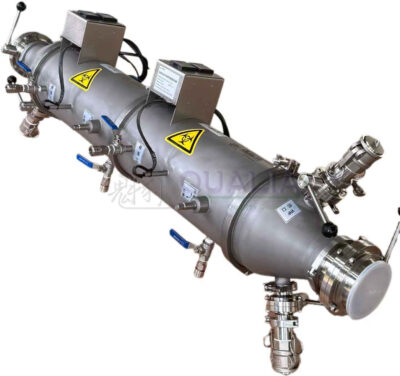
تستبدل تكوينات التدفق المستمر خزانات الدُفعات بأقسام الأنابيب التي تعمل كمناطق احتجاز. تتدفق النفايات بشكل مستمر من خلال أقسام التسخين، وتحافظ على درجة الحرارة خلال وقت المكوث المحسوب في أنابيب الاحتفاظ، ثم تمر عبر أقسام التبريد مع استرداد الحرارة. وتصل كفاءة الطاقة إلى 95% لأن النفايات الباردة الواردة تبرد النفايات السائلة المعالجة مسبقًا بينما تسخن النفايات السائلة الساخنة الخارجة النفايات الواردة مسبقًا.
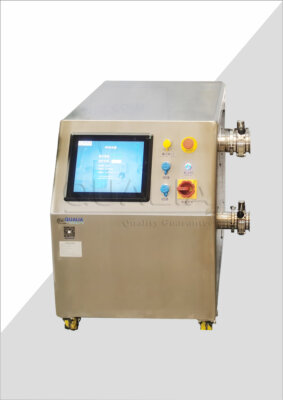
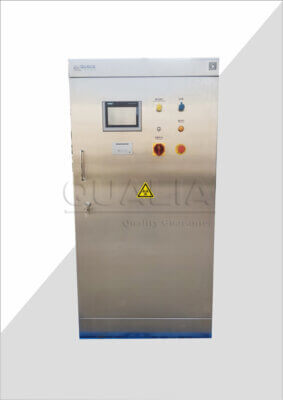
تستخدم أنظمة التحكم الحديثة واجهات شاشة تعمل باللمس قائمة على PLC مع أرشفة شاملة للبيانات. تراقب وحدات التحكم هذه درجة الحرارة والضغط ومعدلات التدفق ومدة الدورة في الوقت الفعلي. تخزن أفضل الأنظمة آلاف الدورات السابقة وتدعم اتصال الإيثرنت للمراقبة عن بُعد وتصدير البيانات أثناء عمليات الفحص.
المواصفات الفنية لنظام EDS حسب تكوين النظام
| المعلمة | أنظمة الدفعات | أنظمة التدفق المستمر |
|---|---|---|
| درجة حرارة المعالجة | 121 درجة مئوية - 150 درجة مئوية | 121 درجة مئوية - 150 درجة مئوية |
| ضغط العلاج | 15 رطل/بوصة مربعة قياسي | 15 رطل/بوصة مربعة قياسي |
| وقت الاتصال | 30 دقيقة - 2 ساعة | محسوبة من خلال أقسام عقد الأنابيب |
| نطاق السعة | 25 - 50,000 لتر/اليوم | 4 - 250 لتر/لتر في الدقيقة (1 - 66 جالون في الدقيقة) |
| استعادة الطاقة | لا ينطبق | ما يصل إلى 95% |
| وضع التشغيل | تشغيل احتياطي مع خزانات متعددة | سلسلة التسخين/التبريد المتسلسل مع المعالجة المستمرة |
المصدر: معيار ASME لمعدات المعالجة الحيوية, كود أوعية الضغط PD 5500.
معايير المواد ومتطلبات البناء
معايير ASME BPE تحكم مواصفات الأنابيب لمعدات المعالجة الحيوية. يضمن الفولاذ المقاوم للصدأ الملدن بالكامل والمطابق للمواصفات ASTM A-269 مقاومة التآكل وقابلية التنظيف. يجب أن تتوافق أوعية الضغط مع PD5500 متطلبات التصميم والتصنيع والاختبار.
أنواع التوصيلات مهمة لمنع التسرب. تقلل الوصلات ثلاثية المشبك والوصلات ذات الحواف على أسطح الأوعية من مخاطر التسربات الملوثة أثناء التشغيل. تسمح نقاط التنظيف في المكان للمنشآت بتعقيم الأنابيب الملوثة بالبخار أثناء الصيانة دون كسر الاحتواء.
لقد لاحظت منشآت اختارت مواد منخفضة الجودة أثناء الإنشاء الأولي فقط لتواجه التآكل المبكر وفشل الحشيات ومشاكل التحقق من الصحة في غضون ثلاث سنوات. إن الاستثمار المسبق في المواد المناسبة يقضي على عمليات التعديل التحديثية باهظة الثمن وثغرات الامتثال.
اختيار تقنية EDS المناسبة: عمليات الأكسدة الحرارية والكيميائية وعمليات الأكسدة المتقدمة
إزالة التلوث الحراري: الدُفعات مقابل التدفق المستمر
تهيمن أنظمة الدُفعات الحرارية على القاعدة المركبة لأنها تكرر بروتوكولات الأوتوكلاف المألوفة. يتم تسخين النفايات إلى 121 درجة مئوية عند 15 رطل لكل بوصة مربعة لمدة 30-60 دقيقة - وهي نفس المعايير المستخدمة في التعقيم المختبري. تعمل الوحدات على دورات التشغيل الاحتياطية عندما تشترك عدة خزانات في البنية التحتية للتدفئة. يقوم أحد الخزانات بالمعالجة بينما يقوم خزان آخر بالتجميع، مما يضمن القبول المستمر للنفايات حتى أثناء المعالجة.
تكلف أنظمة التدفق الحراري المستمر نفس تكلفة تكوينات الدُفعات تقريبًا ولكنها توفر كفاءة تحويلية للطاقة. تتدفق النفايات من خلال مبادلات حرارية تنقل الطاقة الحرارية من النفايات السائلة المعالجة إلى النفايات الواردة. وتستهلك هذه الأنظمة 5% فقط من الطاقة التي تتطلبها وحدات الدُفعات مع الحفاظ على ضمان تعقيم مماثل.
تناسب الأنظمة المستمرة المنشآت ذات التوليد الثابت والمتوقع للنفايات. غالبًا ما تفضل معاهد الأبحاث ذات أنماط التصريف المتغيرة للغاية تكوينات الدُفعات التي تستوعب التدفقات غير المنتظمة دون تدوير مستمر.
مناهج المعالجة الكيميائية وتحديات التحقق من الصحة
تقوم أنظمة الدُفعات الكيميائية بحقن المطهر الكيميائي - عادةً هيبوكلوريت الصوديوم - في خزانات التجميع، وتخلط جيدًا، وتثبت لمدة تلامس قبل التفريغ. تعمل التكاليف الرأسمالية أقل من الأنظمة الحرارية وينخفض استهلاك الطاقة إلى مستويات لا تذكر. وتأتي المفاضلة في المناولة الكيميائية ومتطلبات التحييد وبروتوكولات التحقق من الصحة الأكثر تعقيدًا.
يتطلب تحقيق التعقيم الكيميائي الموثوق به الحفاظ على تركيزات الكلور الحر أعلى من 5700 جزء في المليون لفترات تلامس مدتها ساعتين عند معالجة الكائنات المكونة للأبواغ. يستنفد الحمل العضوي في النفايات الكلور الحر بسرعة، مما يتطلب جرعات كيميائية كبيرة ومراقبة مستمرة لضمان وجود بقايا كافية طوال فترة التلامس.
قامت إحدى المنشآت البحثية التي عملت معها بالتحقق من صحة نظامها القائم على التبييض باستخدام عبوات أبواغ محضرة مخبرياً تحتوي على عصيات الثورينجينسيس. وقد اكتشفوا أن المؤشرات البيولوجية التجارية تطلق الجراثيم قبل الأوان عند ملامسة السائل، مما يؤدي إلى نتائج إيجابية كاذبة. وقد وفر نهج التحقق الصارم الذي اتبعوه باستخدام حزم أنابيب غسيل الكلى ظروف تحدٍ أكثر واقعية وصمد أمام التدقيق التنظيمي.
مصفوفة مقارنة تكنولوجيا EDS
| نوع التكنولوجيا | درجة حرارة التشغيل | استهلاك الطاقة | التكلفة الرأسمالية | الميزة الرئيسية |
|---|---|---|---|---|
| الدفعة الحرارية | 121 درجة مئوية قياسية | خط الأساس | متوسط | الأكثر شيوعًا، ويفي بالبروتوكولات القياسية |
| التدفق الحراري المستمر | 121 درجة مئوية - 150 درجة مئوية | 5% من الدفعة (استرداد 95%) | متوسط | أعلى كفاءة في استهلاك الطاقة |
| دفعة المواد الكيميائية | المحيط | الأقل | منخفضة | يعمل مع مجموعة متنوعة من العوامل الكيميائية |
| التدفق الكيميائي المستمر | المحيط | الأقل | الأقل | الحد الأدنى من متطلبات البنية التحتية |
| الكيمياء الحرارية | <98°C | أقل من الحراري | متوسط | التكرار التلقائي المرن التلقائي |
ملاحظة: تتطلب الأنظمة الكيميائية ≥5700 جزء في المليون من الكلور الحر مع وقت تلامس لمدة ساعتين لتعطيل الأبواغ.
الأنظمة الكيميائية الحرارية الحرارية الهجينة للمرونة التشغيلية
تجمع الأنظمة الكيميائية الحرارية بين المعالجة الحرارية والكيميائية عند درجات حرارة أقل من 98 درجة مئوية. يقلل هذا النهج من استهلاك الطاقة مع الحفاظ على العقم من خلال آليات التعطيل المزدوجة. الميزة المقنعة هي التكرار المرن التلقائي المرن - تتعرف الأنظمة على حالات فشل المصادر الحرارية أو الكيميائية وتقوم تلقائيًا بضبط معلمات الدورة باستخدام المكون الوظيفي المتبقي.
هذا التكرار يلغي وقت التعطل المعتاد عندما تتعرض الأنظمة أحادية الوضع لأعطال في المعدات. يمكن أن يستمر البحث دون انقطاع بينما تعالج الصيانة المكون الفاشل. وبالنسبة للمرافق عالية الاحتواء حيث تخلق النفايات الاحتياطية مخاوف خطيرة تتعلق بالسلامة البيولوجية، فإن هذه الاستمرارية التشغيلية تبرر التعقيد الإضافي للنظام.
دمج EDS في تدفقات العمليات الحيوية: دليل للمرافق الجديدة والمُعدّلة
استراتيجيات تخطيط المنشأة التي تبسّط تكامل نظام الوثائق الإلكترونية
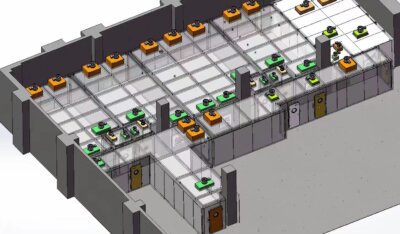
يحسن وضع الطابق السفلي من التدفق بالجاذبية دون محطات رفع وسيطة. يتم تصريف المختبرات ومساكن الحيوانات ومناطق الإنتاج إلى الأسفل من خلال أنابيب مخصصة تنتهي في خزانات التجميع بالأسفل. هذا التكوين يزيل المضخات التي يمكن أن تتعطل وتخلق حالات طوارئ احتياطية للنفايات أثناء العمليات الحرجة.
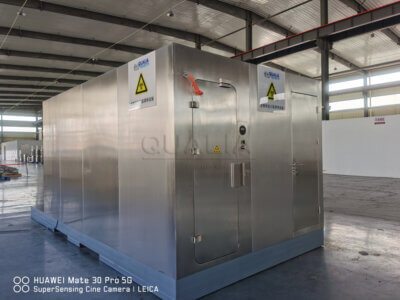
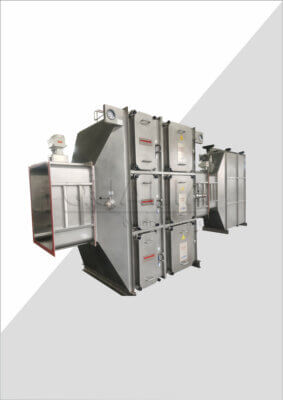
يمثل تحديث المباني القائمة تحديات مكانية وهيكلية. أنظمة إزالة التلوث بالنفايات السائلة المصدق عليها مصممة ببنية معيارية تشحن في أقسام تتناسب مع المداخل القياسية ويتم تجميعها في الموقع. لقد شاهدت تركيبات ناجحة في غرف ميكانيكية ضيقة لا تتسع فيها الأنظمة التقليدية أبدًا.
تؤدي متطلبات الارتفاع إلى توافق المباني. تشغل أنظمة المختبرات الصغيرة مساحات أقدام تبلغ 14′ × 10′ مع خلوص ارتفاع 10′. وتتطلب أنظمة الإنتاج الكبيرة مساحة أرضية 25′ × 15′ × 15′ وارتفاع 18′ للحاويات والأنابيب والوصول إلى الصيانة.
مواصفات تكامل EDS لتصميم المنشأة
| جانب التكوين | أنظمة المختبرات الصغيرة | أنظمة الإنتاج الكبيرة |
|---|---|---|
| متطلبات البصمة | 14 × 10′ (ارتفاع 14 × 10′ (10′ ارتفاع) | 25 بوصة × 15 بوصة (ارتفاع 18 بوصة) |
| طريقة التغذية | تغذية بالجاذبية أو بمضخة | تعمل بالمضخة مع التكرار |
| نوع الاتصال | مشبك ثلاثي على أوعية الضغط | وصلات ذات حواف لتقليل التسريبات |
| نظام التحكم | شاشة لمس PLC مع أرشفة البيانات | وحدة التحكم المنطق المنطقية القابلة للبرمجة (PLC) المزودة بتوصيل إيثرنت ومراقبة عن بُعد |
| نقاط التكامل | مصارف المختبرات، والمغاسل، والدشّات | صهاريج التخمير، ومختبرات التشريح، ومزارع الخلايا، ونفايات وسائط النمو |
| نهج التثبيت | وحدات للتعديلات التحديثية | وضع الطابق السفلي لتحسين تدفق الجاذبية |
فصل مجاري النفايات وإدارة حالات عدم التوافق الكيميائي
لا ينبغي دمج جميع النفايات السائلة قبل المعالجة. قد تتطلب التدفقات شديدة الحموضة أو القلوية تحييدها قبل دخولها إلى أنظمة التجميع. تحتاج المذيبات والمواد الكيميائية القابلة للاشتعال إلى معالجة منفصلة - فهي لا تنتمي إلى أنظمة إزالة التلوث البيولوجي. وتتطلب النفايات السائلة المشعة معالجة منفصلة لمنع تلويث مكونات المخزونات الكهرومغناطيسية وتسبب مشاكل في التخلص من النفايات المختلطة.
تقوم العديد من المرافق بتركيب شبكات تجميع مخصصة لفئات النفايات المختلفة. يتعامل نظام أنابيب واحد مع الصرف المختبري الروتيني BSL-3. وتقوم شبكة منفصلة بجمع نفايات الإنتاج عالية العيار من عمليات التخمير. ويسمح هذا الفصل بتكييف معايير المعالجة مع خصائص النفايات ويمنع الإفراط في معالجة التدفقات منخفضة الخطورة.
يجب أن تأخذ المنشآت التي تستخدم التطهير الكيميائي في الاعتبار عدم التوافق بين المطهرات ومكونات النفايات. يتفاعل المبيض مع الأحماض لإطلاق غاز الكلور. بعض مكونات وسائط الاستنبات تعطل المطهرات الكيميائية. إن فهم كيمياء النفايات يمنع فشل التحقق من الصحة وحوادث التفاعل الخطرة.
التنسيق بين مختلف التخصصات الهندسية أثناء التركيب
ويتطلب التكامل الناجح لمخزونات النفايات الإلكترونية التنسيق بين مهندسي العمليات والمهندسين المعماريين والمهندسين الإنشائيين والمقاولين الميكانيكيين وأخصائيي التشغيل التجريبي. يتحقق المهندسون الإنشائيون من سعة تحميل الأرضية للأوعية المملوءة بالنفايات التي تزن عدة أطنان. يقوم المقاولون الميكانيكيون بتوجيه إمدادات البخار ومياه التبريد ووصلات الصرف. توفر الفرق الكهربائية الطاقة لعناصر التسخين والمضخات وأنظمة التحكم.
أخبرني أحد المقاولين أن مشروعهم الأكثر تحديًا تضمن توصيل الأنابيب عبر ثلاثة طوابق من مبنى بحثي مشغول للوصول إلى تركيب نظام EDS في الطابق السفلي. وقد عملوا في نوبات نهاية الأسبوع لربطها بالصرف الموجود دون تعطيل عمليات البحث خلال أيام الأسبوع. سمح تصميم النظام المعياري بالتركيب النهائي في غرفة ميكانيكية مزدحمة لا تستوعب أبدًا التركيبات الملحومة ميدانيًا.
التحقق والامتثال: استيفاء معايير 2025 لضمان العقم والمراقبة البيئية
بروتوكولات اختيار المؤشرات البيولوجية واختبار التحدي
يتطلب التحقق من الصحة إثبات انخفاض 6 لُغ من الكائنات الحية الدقيقة المقاومة. تُستخدم جراثيم Geobacillus stearothermophilus كمؤشرات بيولوجية للأنظمة الحرارية لأنها تقاوم الحرارة بشكل أفضل من معظم مسببات الأمراض. وتستخدم الأنظمة الكيميائية جراثيم العصيات الرقيقة أو جراثيم العصيات الثورينجينسيس اعتماداً على كيمياء المطهر.
تأتي المؤشرات البيولوجية كمستحضرات تجارية على شرائح ورقية أو في أمبولات. وهي تحتوي على تجمعات جراثيم محددة - عادةً 10⁶ أو أكثر من الوحدات المكونة للمستعمرات. تضع عملية التحقق من الصحة المؤشرات في مواقع تمثيلية في جميع أنحاء وعاء المعالجة، وتدير دورات قياسية، ثم تستعيد المؤشرات وتقيمها للتحقق من التعطيل الكامل.
تقوم بعض المرافق بإعداد حزم جراثيم مخصصة باستخدام أنابيب غسيل الكلى المحملة بالجراثيم المزروعة في المختبر. ويخلق هذا النهج تحديات أكثر صرامة من المنتجات التجارية لأن الجراثيم تظل مدمجة في المواد العضوية التي تحاكي خصائص النفايات الفعلية. كما أنه يعالج أيضًا القلق من أن المؤشرات التجارية تطلق الجراثيم بسهولة كبيرة عند ملامسة السوائل، مما قد يقلل من المعالجة المطلوبة للجراثيم المحمية داخل الحطام البيولوجي.
متطلبات التحقق من الصحة لضمان عقم EDS
| معلمة التحقق من الصحة | المواصفات | التردد |
|---|---|---|
| المؤشر البيولوجي | جراثيم جيوباسيلوس ستيروثرموفيلوس | اختبار شهري أو ربع سنوي |
| متطلبات تخفيض السجل | 6 log₁₀₁₀ (99.9999% قتل) | كل دورة تحقق من الصحة |
| مراقبة المعلمات الفيزيائية | درجة الحرارة، والضغط، والمدة | المراقبة المستمرة في الوقت الحقيقي |
| اختبار قبول المصنع | المؤشرات البيولوجية التجارية | الإجراء القياسي لما قبل الشحن |
| توثيق البيانات | تخزين الدورة مع تنزيل إيثرنت | جميع الدورات المؤرشفة في ذاكرة النظام |
المصدر: إرشادات السلامة البيولوجية الخاصة بمراكز مكافحة الأمراض والوقاية منها (CDC), معايير اختبار ASTM.
برامج المراقبة المادية والتحقق المستمر
يوفر التحقق البيولوجي تأكيدًا دوريًا للعقم. توفر مراقبة المعلمات المادية التحقق المستمر من أن كل دورة تفي بالمواصفات الحرجة. تقوم مستشعرات درجة الحرارة ومحولات الضغط ومقاييس التدفق بتغذية البيانات إلى أنظمة التحكم التي توثق ظروف المعالجة في الوقت الفعلي.
تقوم وحدات EDS الحديثة بتخزين سجلات الدورة الكاملة - ملفات تعريف درجة الحرارة، والمدة، وأحداث الإنذار، وتدخلات المشغل لآلاف من عمليات التشغيل. يسمح الاتصال بالإيثرنت بتصدير البيانات لتحليل الاتجاهات والفحص التنظيمي. يمكن للمنشآت أن تثبت أن كل لتر من النفايات التي تم تصريفها على مدار أشهر أو سنوات قد تلقى معالجة معتمدة.
توقف أنظمة الإنذار التفريغ إذا انحرفت الدورات عن المواصفات. تكتشف المستشعرات انخفاض درجة الحرارة، أو عدم كفاية الضغط، أو اختصار أوقات الانتظار وتمدد الدورات تلقائيًا أو تحول النفايات مرة أخرى إلى خزانات التجميع. هذا المنطق الآمن من الأعطال يمنع إطلاق نفايات سائلة معالجة بشكل غير كافٍ حتى عند تعطل المعدات.
اختبار قبول المصنع وتأهيل التركيب في الموقع
تجري الشركات المصنعة اختبارات قبول المصنع قبل شحن وحدات EDS. وتستخدم هذه الاختبارات مؤشرات بيولوجية تجارية للتحقق من أن الأنظمة تحقق تخفيضات السجل المحددة في ظل ظروف التشغيل القياسية. وتسمح اختبارات القبول في المصنع للمشترين بالتأكد من الأداء قبل مغادرة المعدات للمصنع.
يكرر تأهيل التركيب في الموقع اختبار التحقق من الصحة بعد التركيب. ويتحقق ذلك من أن الشحن والتركيب والتوصيل بمرافق المنشأة لم يؤثر على الأداء. توثق بروتوكولات IQ أيضًا أن التركيب يفي بمواصفات التصميم للأنابيب والتوصيلات الكهربائية وتكامل نظام التحكم.
أوصي دائمًا بإجراء عمليات التأهيل التشغيلي باستخدام أسوأ حالات محاكاة النفايات - حمولة عضوية عالية، وأقصى حجم متوقع، وأبرد درجة حرارة مدخل متوقعة. تؤكد هذه الظروف الصعبة أن النظام يتعامل مع الضغوط التشغيلية الحقيقية، وليس فقط المياه النظيفة في ظل الظروف المثالية.
التميّز التشغيلي وإدارة دورة الحياة في شركة EDS
أنظمة التحكم الآلي وبنية إدارة البيانات
التحكم الذاتي التشخيص الذاتي PLC يلغي تدخل المشغل أثناء الدورات العادية. تكتشف الأنظمة تلقائيًا حجم النفايات، وتبدأ تسلسل المعالجة، وتراقب المعلمات الحرجة، وتكمل التفريغ دون خطوات يدوية. تقلل هذه الأتمتة من الأخطاء البشرية وتضمن معالجة متسقة بغض النظر عن مستوى خبرة المشغل.
توفر واجهات شاشة اللمس حالة الدورة وإشعارات الإنذار ومراجعة البيانات التاريخية. يمكن للمشغلين الإقرار بالإنذارات وتعديل نقاط الضبط ضمن النطاقات المعتمدة وتنزيل سجلات الدورات للتوثيق. تتكامل أفضل الأنظمة مع منصات إدارة المباني للمراقبة المركزية عبر وحدات EDS متعددة.
سعة تخزين البيانات مهمة لتوثيق الامتثال. توفر الأنظمة التي تقوم بأرشفة 5000 دورة بيانات سنوات من السجل التشغيلي دون الحاجة إلى تخزين خارجي. يؤدي النسخ الاحتياطي التلقائي للبيانات على محركات أقراص الشبكة أو التخزين السحابي إلى إنشاء سجلات زائدة عن الحاجة تنجو من أعطال وحدة التحكم.
الصيانة الوقائية وتخطيط دورة حياة المكونات
تتطلب مرشحات تنفيس البكتيريا استبدالها كل 15-20 دورة في بعض التكوينات. يجب أن تقوم المنشآت بتخزين قطع الغيار وجدولة الاستبدال لمنع التأخير في الدورة عندما تصل المرشحات إلى السعة. تنحرف مستشعرات درجة الحرارة ومحولات الضغط بمرور الوقت، مما يتطلب معايرة دورية مقابل المعايير المرجعية.
تتحلل الحشيات وموانع التسرب في أوعية الضغط بسبب التدوير الحراري والتعرض للمواد الكيميائية. يكتشف الفحص السنوي مجموعة الضغط والتلف السطحي قبل حدوث التسريبات. تقوم بعض المرافق بجدولة استبدال السدادات على فترات زمنية محددة بدلاً من انتظار حدوث عطل - وهي تكلفة بسيطة مقارنةً بتنظيف التسرب الملوث ودراسات التحقق من صحة النظام لاستعادة تأهيل النظام.
إمكانية التنظيف المكاني تطيل عمر المعدات وتحافظ على ضمان التعقيم. تتيح نقاط التنظيف المكاني CIP التعقيم بالبخار للأنابيب والأوعية والصمامات دون تفكيكها. تعمل دورات التنظيف المكاني المنتظمة على إزالة التراكمات العضوية التي يمكن أن تؤوي الأغشية الحيوية أو تحمي الكائنات الدقيقة من المعالجة.
معلمات إدارة دورة الحياة لعمليات مخزونات النشر الإلكتروني
| الجانب التشغيلي | المواصفات | المعيار/التردد |
|---|---|---|
| فترات الصيانة | استبدال المرشح | كل 15-20 دورة (حسب النظام) |
| استجابة الخدمة | الدعم الفني في الموقع | استجابة على مدار 48 ساعة مع خدمة هاتفية على مدار 24 ساعة |
| تغطية الضمان | العمالة وقطع الغيار | 1 سنة قياسية |
| سعة تخزين البيانات | سجلات الدورة التاريخية | ما يصل إلى 5,000 دورة |
| نظام التحكم | أتمتة PLC ذاتية التشخيص | المراقبة المستمرة مع التعرف التلقائي على الأعطال |
| قدرة CIP | التعقيم البخاري للأنابيب الملوثة بالبخار | نقاط وصول الصيانة المتكاملة |
ملاحظة: تنطبق معايير GAMP وISPE على أنظمة التحكم الآلي والامتثال الهندسي الصيدلاني.
استراتيجيات التكرار التي تمنع الاضطرابات التشغيلية
توفر التكوينات المزدوجة للخزانات تكراراً متأصلاً. يجمع أحد الخزانين النفايات بينما يقوم الآخر بالمعالجة. إذا تعطل عنصر التسخين أو تعطل أحد الصمامات، يمكن إجراء الصيانة على الخزان غير المتصل بينما تستمر العمليات باستخدام الوحدة الوظيفية.
لا يمكن للمنشآت ذات الاحتواء العالي أن تتحمل النفايات الاحتياطية التي تفرض إيقاف البحث. تقوم بعض المرافق بتركيب قطارات EDS مكررة كاملة - أنظمة موازية لكل منها قادرة على التعامل مع توليد نفايات المنشأة بالكامل. هذه الاستراتيجية تكلف أكثر مقدماً ولكنها تقضي على مخاطر السلامة البيولوجية واستمرارية العمل الناجمة عن الأعطال في نقطة واحدة.
تقدم الأنظمة الكيميائية الحرارية نهجًا آخر للتكرار. يتحول النظام تلقائيًا إلى الوضع الحراري فقط أو الكيميائي فقط عندما يفشل أحد المكونات، مما يحافظ على العقم من خلال الآلية الوظيفية حتى الإصلاح. توفر هذه المرونة الاستمرارية التشغيلية دون تركيب أنظمة مكررة كاملة.
ويتطلب تنفيذ نظام فعال لمطابقة تقنية EDS الفعالة مطابقة التكنولوجيا مع خصائص النفايات، وقيود المنشأة، والتوقعات التنظيمية. توفر الأنظمة الحرارية تحققًا مباشرًا لمعظم التطبيقات. تقلل النهج الكيميائية من تكاليف رأس المال والطاقة حيث يمكن التحكم في تعقيد التحقق من الصحة. توفر تكوينات التدفق المستمر كفاءة الطاقة للعمليات ذات الحجم الكبير مع توليد نفايات ثابتة. تجد معظم المرافق أن التصاميم المعيارية تبسط كلاً من مشاريع البناء الجديدة ومشاريع التعديل التحديثي مع الحفاظ على معايير الأداء.
هل تحتاج إلى إرشادات احترافية في اختيار أنظمة إزالة التلوث بالنفايات السائلة والتحقق من صلاحيتها لمنشأة السلامة البيولوجية أو منشأة الأدوية البيولوجية الخاصة بك؟ كواليا متخصصون في حلول EDS المصممة لبيئات BSL-3 و BSL-4 وبيئات الإنتاج. توفر أنظمتنا ضمان عقم معتمد مع موثوقية تشغيلية. اتصل بنا لمناقشة متطلبات الاحتواء والامتثال الخاصة بك.
الأسئلة المتداولة
س: ما هي الدوافع التنظيمية الرئيسية التي تفرض تطبيق نظام التوزيع الإلكتروني في 2024-2025؟
ج: يشترط قانونًا وجود نظام EDS في منشآت المستويين 3 و4 من السلامة البيولوجية. تشمل الدوافع الرئيسية برنامج العوامل المختارة الفيدرالي (FSAP)، الذي يحتفظ بحقوق التفتيش، و السلامة البيولوجية في المختبرات الميكروبيولوجية والطبية الحيوية (BMBL), والتي تنص على تفضيل المعالجة الحرارية للنفايات السائلة. يتطلب مركز مكافحة الأمراض والوقاية منها أيضًا التحقق من صحة إثبات انخفاض 6 لوغاريتمات من الجراثيم البكتيرية من أجل الامتثال.
سؤال: ما هي خيارات التكنولوجيا الأساسية لمخزونات النشر الإلكتروني (EDS) وعوامل التمايز الرئيسية فيها؟
ج: التكنولوجيات الرئيسية هي الأنظمة الحرارية (التدفق الدفعي والمستمر) والكيميائية (الدفعية والمستمرة). وتعد أنظمة الدُفعات الحرارية هي الأكثر شيوعًا وتفي بمعيار 121 درجة مئوية، في حين أن أنظمة التدفق الحراري المستمر يمكن أن تحقق استرداد طاقة يصل إلى 95%. وعادةً ما تكون النظم الكيميائية ذات تكاليف رأسمالية وتكاليف طاقة أقل، حيث تعمل النظم الكيميائية الحرارية الهجينة عند أدنى درجات الحرارة (أقل من 98 درجة مئوية).
س: كيف يمكنك التحقق من صحة مقياس EDS للوفاء بمعيار الخفض المطلوب البالغ 6 سجلات؟
ج: يتطلب التحقق من الصحة إثبات القضاء على 6 لوغاريتمات₁₀₀ (99.9999%) من الكائنات الحية الدقيقة المقاومة باستخدام المؤشرات البيولوجية. بالنسبة للأنظمة الحرارية, Geobacillus stearothermophilus الجراثيم هي المؤشر القياسي. يجب على المرافق إجراء هذا التحقق من الصحة شهريًا أو فصليًا، مدعومًا بالرصد المادي المستمر لدرجة الحرارة والضغط ومدة الدورة لكل عملية تشغيل.
س: ما هي معايير التصميم الحرجة لأوعية الضغط والأنابيب EDS؟
ج: يجب أن تتوافق أوعية الضغط مع PD5500 أو الرموز المكافئة. يجب أن تلتزم أنابيب النظام بما يلي معيار ASME BPE للأنابيب الملدنة بالكامل ذات التركيب الكيميائي المطابق للمواصفة ASTM A-269 لضمان التصميم الصحي وقابلية التنظيف لتطبيقات المعالجة الحيوية.
س: ما هي الاعتبارات الأساسية لدمج نظام EDS في منشأة قائمة؟
ج: العوامل الرئيسية هي الموقع والتدفق. تعتبر الطوابق السفلية مثالية لأنظمة التغذية بالجاذبية لتجنب المضخات الوسيطة. تسهل التصاميم المعيارية التركيب في المساحات المعدلة، حيث تتراوح مساحات الأقدام من 14’x10′ للوحدات الصغيرة إلى 25’x15′ للأنظمة الأكبر حجمًا. يجب أن تتصل نقاط الدمج بجميع مصادر النفايات المحتملة، بما في ذلك مصارف المعامل والمصارف وخزانات التخمير.
س: كيف يمكن تحسين التكاليف التشغيلية لنظام EDS دون المساس بضمان التعقيم؟
ج: تنفيذ أنظمة حرارية ذات تدفق مستمر مع أقسام استرداد الطاقة، والتي يمكن أن تحقق ما يصل إلى 95% استرداد الطاقة الحرارية و80% وفورات تشغيلية. بالنسبة للأنظمة الكيميائية، اختر المعالجة على دفعات لاستهلاكها المنخفض للطاقة. تستفيد جميع الأنظمة من أدوات التحكم الآلي PLC ونقاط التنظيف المكاني (CIP) لتقليل التدخل اليدوي ووقت تعطل الصيانة.
س: ما هو مستوى الأتمتة وإدارة البيانات الذي يجب أن يوفره نظام التخزين الإلكتروني الحديث؟
ج: تستخدم الأنظمة الحديثة وحدات تحكم بشاشة تعمل باللمس قائمة على PLC للتشغيل الآلي بالكامل، وتجنب التدخل اليدوي. يجب أن تقوم بأرشفة البيانات لما لا يقل عن 5000 دورة سابقة مع إمكانية التنزيل عبر الإيثرنت. وهذا يدعم الامتثال لـ GAMP ومعايير ISPE، وتوفير سجلات قابلة للتدقيق لضمان العقم والمراقبة البيئية.
المحتويات ذات الصلة:
- بيوسيف EDS: الأنظمة الحرارية لمعالجة النفايات السائلة
- بيوسيف EDS: أنظمة المعالجة المستمرة على دفعات
- التدفق المستمر EDS: حلول BioSafe الفعالة من BioSafe
- المعالجة المستمرة مقابل المعالجة على دفعات: تحسين عمليات EDS
- إدارة مجرى النفايات السائلة: بيوسيف EDS الآمنة بيولوجيًا
- EDS الموفرة للطاقة: نهج بيوسيف المستدام
- أنواع نظام EDS | الدفعات مقابل التدفق المستمر | دليل المقارنة
- بيوسيف EDS: المعالجة المتقدمة للنفايات السائلة
- بيوسيف EDS: إزالة التلوث بعوامل الحرب البيولوجية