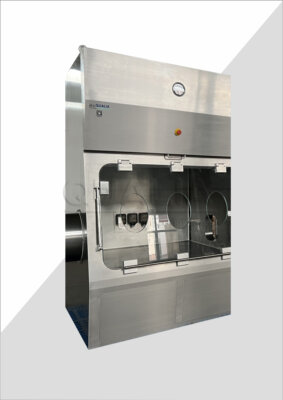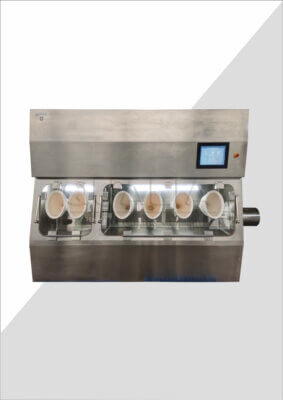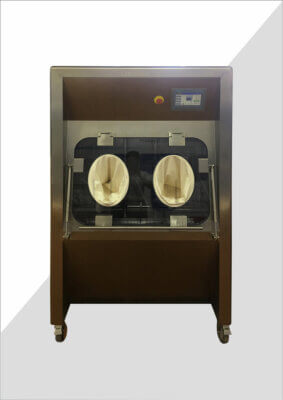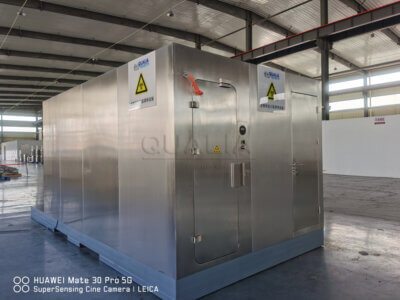
لا تظهر معظم مشاكل ماكينات المعالجة بالتبخير الهيدروجيني الافتراضي عند الشراء ولكن أثناء التشغيل التجريبي، عندما تتصادم مشكلتان في ظل الحمل التشغيلي: لم يتم التحقق من معدل التبخير مقابل حجم الغرفة الفعلي وجدول المناوبة الفعلي، ولم يتم التحقق من الأختام أو الحشيات داخل منطقة المعالجة مقابل ذروة تركيز بيروكسيد الهيدروجين في الماكينة. والنتيجة عادةً ما تكون دورة يتم إجهاضها قبل اكتمال مرحلة المكوث، مما يجبر على إجراء صيانة غير مخطط لها، والتحقيق في السبب الجذري، وفي البيئات المنظمة، إعادة التحقق من صحة ذلك قبل أن يعود المكان للاستخدام. يمكن تفادي كلا الفشلين، ولكن فقط إذا تم طرح الأسئلة الصحيحة قبل اختيار الآلة وليس بعد تركيبها. ما يلي هو إطار عمل تقني لتقييم القرارات - السعة، والتحكم في الحقن، وتوافق المواد، وتكوين الغرف المتعددة - التي تحدد ما إذا كانت ماكينة VHP تعمل بشكل موثوق في ظل ظروف منشأتك المحددة.
معدل التبخير ومطابقة حجم الغرفة مع حجم الغرفة
معدل التبخير هو مواصفات الماكينة التي تقيد بشكل مباشر أكثر من غيرها الغرف التي يمكن للوحدة تطهيرها في إطار نافذة تشغيلية معينة، ومع ذلك يتم ترجيحها باستمرار مقابل ميزات مثل قابلية النقل أو واجهة المستخدم أثناء الشراء. والسؤال الأساسي في التخطيط هو ما إذا كانت الآلة قادرة على حقن بخار كافٍ وبسرعة كافية للوصول إلى التركيز المستهدف عبر الحجم الكامل لمنطقة المعالجة قبل أن يؤدي التقسيم الطبقي لدرجة الحرارة أو حركة الهواء إلى تبديده. إذا كان المعدل غير كافٍ بالنسبة للحجم، فإن الدورة إما أن تفشل في الوصول إلى التركيز المطلوب أو تتطلب مرحلة تكييف ممتدة تؤدي إلى تآكل وقت المناوبة المتاح.
توضّح المولدات المحمولة سقف السعة بشكل أوضح. يتم تصنيف بعض الوحدات المحمولة لما يصل إلى 11,000 قدم مكعب لكل وحدة، مع وجود أجهزة متعددة متزامنة قادرة على تغطية ما يصل إلى 220,000 قدم مكعب - وهي أرقام تصميم مفيدة لتخطيط السعة عند تحديد الحجم مقابل أبعاد الغرفة. ومع ذلك، يجب تقييم هذه الأرقام إلى جانب عامل يسهل إغفاله: لا يمكن إعادة نشر المولد المحمول الذي يبقى داخل الغرفة أثناء التهوية حتى اكتمال التهوية. بالنسبة للمرافق ذات التردد العالي لإزالة التلوث، فإن تأخير إعادة النشر هذا يضغط على نوافذ الدورة المتاحة بطرق يصبح من الصعب استعادتها دون إضافة وحدات أو التحول إلى نظام متكامل.
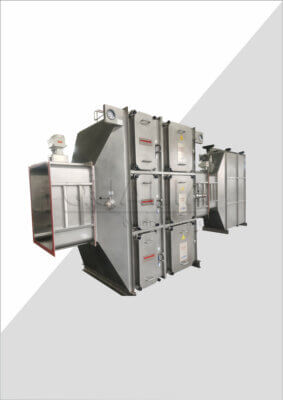
تعالج الأنظمة المدمجة ذات الأنابيب المتكاملة هذا الأمر من خلال تحديد موقع المولد خارجيًا واستخدام التدفئة والتهوية وتكييف الهواء أو مجاري الهواء المخصصة لتوصيل البخار إلى منطقة المعالجة. تستمر عملية التهوية مع وجود المولد خارجيًا بالفعل، مما يعني أن وقت تعطل الغرفة ينتهي في وقت أقرب ويمكن أن يبدأ إعداد الدورة التالية على الفور. وتتمثل المفاضلة في التكلفة الرأسمالية والالتزام بالتخطيط: بمجرد تثبيت الأنابيب، فإن إعادة تشكيل التغطية إلى منطقة مختلفة تتطلب إعادة عمل مادي.
| الخصائص | مولد محمول (مثل CURIS 3) | النظام المتكامل (المتصل بالأنابيب/المتصل بالتكييف الهوائي) |
|---|---|---|
| الحد الأقصى للحجم لكل وحدة | 11,000 قدم مكعب؛ حتى 220,000 قدم مكعب مع الأجهزة المتزامنة | تسمح أوقات الدورات الأسرع بمعالجة كميات أكبر في كل وردية عمل |
| زمن الدورة | تهوية أطول لأن الوحدة تبقى في الغرفة | تهوية بمساعدة التدفئة والتهوية وتكييف الهواء؛ يقلل الموقع الخارجي من وقت تعطل الغرفة |
| إعادة التوزيع بين الدورات | يجب استرجاع الوحدة من الغرفة بعد التهوية، مما يؤخر الدورة التالية | يبقى المولد خارجي؛ يمكن تجهيز الغرفة على الفور |
| تغطية متعددة الغرف | يمكن مزامنة وحدات متعددة؛ الأجهزة الموضوعة في كل منطقة | تخدم المشعبات والأنابيب المعزولة مناطق متعددة من مولد واحد |
إن مواصفات متطلبات المستخدم (URS) هي الآلية العملية لمنع عدم التوافق بين سعة الماكينة والطلب على المنشأة. قبل اختيار الماكينة، يجب أن تؤكد مواصفات متطلبات المستخدم (URS) ثلاثة أشياء لكل منطقة مستهدفة: الحجم الإجمالي بما في ذلك المساحات الميتة والممرات المتصلة، وتكرار إزالة التلوث المطلوب، والحد الأقصى المقبول من الوقت المنقضي من بداية الدورة إلى اكتمال التهوية. إن مقارنة هذه الأرقام مع معدل التبخير المقدر للماكينة ومدة الدورة النموذجية هو الفحص الذي يمنع اكتشاف عدم التطابق أثناء التحقق من صحة التشغيل.
| عنصر URS Element | ما أهمية ذلك | ما الذي يجب تأكيده |
|---|---|---|
| حجم المنطقة المستهدفة (كل غرفة/ممر) | يجب أن يكون معدل التبخير كافياً للوصول إلى التركيز المستهدف في هذا الحجم | ضع قائمة بالأبعاد والحجم الكلي؛ قارن مع السعة المقدرة للمولد |
| التواتر المتوقع لإزالة التلوث | يعتمد الإنتاجية على عدد دورات المناوبة المطلوبة؛ يتطلب التردد العالي قدرة دورة أقصر | تحديد عدد المرات التي يجب فيها تطهير كل منطقة ومطابقتها مع أوقات الدورات القابلة للتحقيق |
| زمن الدورة المقبول لكل منطقة | إذا لم تتمكن الماكينة من إكمال الدورة ضمن النافذة المتاحة، فقد يكون من الضروري وجود وحدات إضافية أو نظام متكامل | تحديد الحد الأقصى للوقت المنقضي المسموح به من بداية الدورة إلى اكتمال التهوية |
منع انسداد الحاقن وصيانته
يعد انسداد الحاقن أحد أكثر أنماط الفشل التشغيلي تعطلًا في أنظمة بيروكسيد الهيدروجين عالي الكثافة، ويمكن إرجاعه دائمًا تقريبًا إلى حالة عملية واحدة: التبخير غير الكامل لمحلول بيروكسيد الهيدروجين قبل دخوله في تيار الحقن. عندما تنخفض درجة حرارة التبخير إلى أقل من 100 درجة مئوية تقريبًا، لا يتحول السائل بالكامل إلى بخار. تدخل القطرات السائلة المتبقية إلى مجموعة الحاقن، وتتراكم عند نقاط التدفق الضيقة، وتحد تدريجيًا من مسار الحقن أو تسده بالكامل. تجهض الدورة إما بسبب إنذار التركيز أو تقدم تركيزًا غير متناسق يفشل في متطلبات مرحلة المكوث.
ويتمثل الأثر التشغيلي في أن الحفاظ على عنصر التبخير فوق العتبة هو أولوية التصميم والصيانة، وليس شرطًا أساسيًا. توفر الماكينات المزودة بمراقبة نشطة لدرجة الحرارة وأجهزة التعشيق التي تشير إلى انحراف درجة الحرارة قبل بدء الحقن ميزة تشغيلية قابلة للقياس هنا. تسهّل الأنظمة التي تعتمد على الفحص اليدوي أو المراجعة بعد الدورة تشغيل دورات متعددة عند درجة حرارة منخفضة بشكل هامشي قبل أن يصبح الانسداد مرئيًا كمشكلة في الأداء.
يجب أن تعكس بروتوكولات الصيانة مخاطر الانسداد مباشرة. يعد الفحص المجدول لمجموعات الحاقنات، إلى جانب التحقق الدوري من وصول عنصر التبخير إلى درجة حرارة كافية والحفاظ عليها، أكثر فعالية من الصيانة التفاعلية بعد إجهاض الدورة. يترتب على إجهاض الدورة في غرفة التنظيف الخاضعة للتنظيم أو بيئة مستوى السلامة البيولوجية المنخفضة عواقب لاحقة تتجاوز مجرد حدث الصيانة نفسه - فقد يؤدي إلى إجراء تحقيق في الانحراف، أو التأثير على الجداول الزمنية لإطلاق الدفعات إذا تأثرت العمليات المجاورة، أو يتطلب دورة إعادة تحقق كاملة قبل عودة المكان إلى الاستخدام المؤهل.
يوفر فهم كيف تحافظ مولدات VHP على استقرار ناتج البخار خلال مرحلتي التكييف والسكون سياقًا مفيدًا لتفسير سبب تصميم التحكم في درجة الحرارة في العملية على مستوى النظام، وليس التعامل معها كمعامل تشغيل/إيقاف بسيط. إن كيفية عمل مولدات VHP نظرة عامة تغطي هذا الأمر بمزيد من التفصيل.
أنظمة الحقن التي يتم التحكم فيها بنظام PID مقابل أنظمة الحقن عند التشغيل
يؤثر الاختيار بين الحقن الذي يتم التحكم فيه بواسطة PID والحقن عند الإيقاف والتشغيل بشكل مباشر على استقرار التركيز خلال مرحلة السكون - وهي الفترة التي يحدث فيها التعطيل البيولوجي بالفعل. يقوم نظام التشغيل عند الإيقاف بتوصيل البخار في فترات زمنية ثابتة أو بناءً على مؤقتات محددة مسبقًا، دون تغذية مرتدة في الوقت الفعلي حول التركيز الموجود في الغرفة. يمكن أن ينجرف التركيز خارج النطاق المستهدف بين نبضات الحقن، خاصةً في الأحجام الكبيرة أو حيثما يكون هناك تسرب بسيط أو امتصاص بسيط للمواد يسحب البخار من الهواء. قد تكتمل الدورة تقنيًا دون إنذار بينما لا تزال تقدم نتيجة أقل اتساقًا في خفض اللوغاريتمات مما افترضته بيانات التحقق من الصحة.
تستخدم الأنظمة التي يتم التحكم فيها بواسطة PID أجهزة استشعار في الوقت الحقيقي - عادةً ما تقيس التركيز والرطوبة والضغط في وقت واحد - لضبط معدل الحقن باستمرار والحفاظ على التركيز ضمن نطاق محدد. يعتبر تصحيح الحلقة المغلقة مناسبًا بشكل خاص في الغرف التي لا تكون فيها الظروف البيئية مستقرة تمامًا بين الدورات: يتم تعويض التباين الطفيف في درجة حرارة البداية أو الرطوبة تلقائيًا بدلاً من الانتشار خلال مرحلة السكون كانحراف غير منضبط.
يمثل البعد التنظيمي مصدر قلق عملي منفصل. تحتاج المرافق التي تعمل بموجب أطر عمل تتطلب تسجيل البيانات آليًا وإمكانية تتبع الدورة - مثل تلك الخاضعة لمتطلبات 21 CFR الجزء 11 - إلى أنظمة قادرة على إنشاء مسارات تدقيق كاملة وغير منقطعة لكل دورة. وتعد الأنظمة التي يتم التحكم فيها بواسطة PID مع تسجيل المستشعرات المتكاملة في وضع أفضل لتلبية هذه التوقعات. لا يعتبر نظام التشغيل والإيقاف غير متوافق بطبيعته، ولكن بناء سجل تدقيق يمكن الدفاع عنه يتطلب عادةً بنية تحتية إضافية لالتقاط البيانات يسهل تصميمها على مستوى الماكينة بدلاً من تعديلها بعد ذلك.
| أسبكت | الحقن المتحكم فيه بواسطة PID | الحقن عند التشغيل والإيقاف |
|---|---|---|
| ثبات التركيز أثناء السكون | تعمل التغذية الراجعة للمستشعر في الوقت الحقيقي على ضبط الحقن تلقائيًا للحفاظ على تركيز مستقر | الحقن بفاصل زمني ثابت أو يدوي؛ قد يتذبذب التركيز خارج النطاق المستهدف |
| الامتثال التنظيمي (CFR 21 Part 11) | يدعم التسجيل التلقائي للبيانات والتحكم الآلي في الدورة من أجل مسارات التدقيق | قد يعتمد على التسجيل اليدوي أو تسجيل الدورة الأساسية؛ من الصعب تلبية توقعات سجل التدقيق الكامل |
| تكرار الدورة | يوفر التحكم في الحلقة المغلقة معلمات تشغيل متناسقة من مرحلة تشغيل إلى أخرى | أكثر عرضة للتغير من مدخلات المشغل أو التغيرات البيئية |
| تكامل المستشعر | يستخدم مستشعرات التركيز والرطوبة والضغط للضبط المستمر | غالبًا ما يفتقر إلى التغذية المرتدة من أجهزة الاستشعار؛ يعتمد التحكم على مؤقتات محددة مسبقًا |
ويتمثل الأثر المترتب على المشتريات في أن الحقن عند التشغيل والإيقاف قد يبدو مقبولاً أثناء مراجعة المواصفات ولكنه يصبح فجوة امتثال فقط عند التدقيق أو إعادة التحقق، عندما يؤدي غياب بيانات الدورة المستمرة إلى صعوبة إثبات الاتساق من تشغيل إلى آخر. إذا كانت المنشأة تعمل في ظل توقعات التدقيق لضوابط المعالجة، ينبغي إدراج هذا القيد في نظام URS قبل تقييم خيارات الماكينة، وليس تحديده كثغرة بعد تركيب النظام.
توافق مواد الحشية عند ذروة التركيز
نادرًا ما تظهر مشكلات توافق المواد أثناء الاختبار الأولي للماكينة، لأن دورات الاختبار عادةً ما يتم تشغيلها في بيئات معدة جيدًا. وتظهر أثناء التشغيل في ظل ظروف حقيقية - عندما يواجه المزيج الفعلي لمواد الحشية وموانع التسرب والعناصر العرضية في منطقة المعالجة تركيز التشغيل الكامل للماكينة. عند هذه النقطة، تتحلل المادة التي لم يتم التحقق منها مقابل ذروة تركيز H₂O₂O₂ أو، وهو الأمر الأكثر إشكالية، تمتص البخار بصمت بكمية كافية لسحب التركيز إلى ما دون عتبة مرحلة السكون.
المواد القائمة على السليلوز هي المثال الأكثر شيوعًا لنمط الفشل الثاني. يقوم الورق والكرتون والمواد الماصة المماثلة بسحب بيروكسيد الهيدروجين من الهواء بطرق غير مرئية على الفور ولكن يمكن قياسها كفقدان التركيز. إذا كان هناك ما يكفي من هذه المواد - ولو بشكل عرضي، كما هو الحال في الملصقات أو العبوات المتروكة في مساحة مجاورة أو الوثائق المخزنة في المنطقة - فقد يكون تركيز البخار الفعال أثناء مرحلة السكون أقل بكثير مما تقوم الماكينة بحقنه. تكتمل الدورة دون إجهاض صريح، ولكن تركيز السكون كان غير كافٍ، ولا تدعم بيانات الدورة نتيجة إزالة التلوث. يعد هذا السيناريو أسوأ من الناحية التشغيلية من الإجهاض لأنه من الصعب اكتشافه وقد لا يتم اكتشافه حتى تحدد المراقبة الميكروبيولوجية وجود مشكلة.
إن مراجعة URS التي تمنع ذلك واضحة ومباشرة ولكنها تتطلب التنسيق بين فرق المشتريات والمرافق والعمليات: يجب تحديد كل المواد الموجودة في مسار VHP أثناء المعالجة - الحشيات وموانع تسرب الأبواب وبطانات القنوات وعزل الكابلات وأي شيء آخر في المنطقة - والتحقق من توافقها مع ذروة تركيز الماكينة قبل بدء التشغيل التجريبي. بالنسبة للعوازل وأنظمة الاحتواء حيث تكون سلامة الحشية أمرًا بالغ الأهمية لكل من التحكم في التلوث والأداء الهيكلي، توفر ASTM E3116-18 إطارًا مناسبًا لتقييم المواد في ظروف الخدمة المعرضة للبلاستيك الهيدروجيني المنخفض الحرارة. يعد التحقق قبل التركيب أقل تكلفة بكثير من اكتشاف التدهور بعد تأهيل الماكينة واستخدامها المنتظم.
تكوين منفذ حقن مزدوج لإزالة التلوث من غرف متعددة
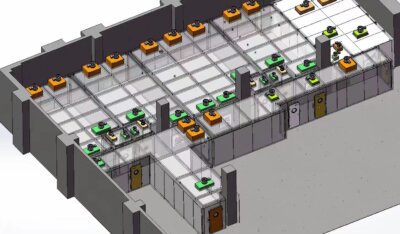
عندما تتطلب منشأة ما إزالة التلوث من عدة غرف متجاورة - سواء كان ذلك من أجل التبديل الروتيني أو الاستجابة لتفشي الأمراض أو الصيانة المجدولة للمنشأة - فإن تكوين نظام توصيل بروتين الحماية من التلوث عالي الكثافة يحدد ما إذا كان يمكن تشغيل هذه الدورات في وقت واحد أو يجب تشغيلها بالتتابع. تضاعف المعالجة المتسلسلة الوقت الإجمالي للدورة بشكل مباشر: تستغرق غرفتان تتطلب كل منهما دورة مدتها أربع ساعات ثماني ساعات من وقت التشغيل إذا تحركت وحدة واحدة بينهما. بالنسبة للمرافق ذات نوافذ المناوبات المضغوطة أو الغرف التي يجب أن تعود إلى الخدمة في جداول زمنية متشابهة، يصبح هذا الحساب قيدًا على السعة وليس مجرد إزعاج.
تعالج تكوينات منفذ الحقن المزدوج هذا الأمر على مستوى الماكينة. وتدعم بعض الوحدات المحمولة ملحق الحقن المزدوج الذي يسمح لمولد واحد بمعالجة منطقتين في وقت واحد، وتشغيل كلا المنطقتين من خلال التكييف والسكون بالتوازي وليس بالتسلسل. وتتمثل الفائدة العملية في أن إجمالي وقت الدورة للغرفتين يقارب وقت دورة الغرفة الواحدة بدلاً من مضاعفته، دون الحاجة إلى مولد ثانٍ. القيد هو التغطية: لا يزال يتعين أن تقع كلتا المنطقتين ضمن السعة المجمعة للمولد، ويعمل التكوين بشكل أفضل للغرف المتجاورة ذات الحجم المتشابه بدلاً من المناطق المنفصلة على نطاق واسع أو المختلفة إلى حد كبير.
أنظمة الأنابيب المتكاملة مع التوصيل المتشعب تزيل قيد التجاور. يمكن لمولد ثابت واحد أن يخدم غرفًا متعددة من خلال أنابيب بوليمر معزولة، مع التحكم المستقل في المنطقة مما يسمح بالمعالجة المتزامنة أو المتسلسلة حسب الحاجة التشغيلية. كما أن ميزة العمالة مهمة أيضًا: لا يوجد تغيير يدوي في موضع المعدات بين الدورات، ولا توجد حاجة إلى مراوح أو حركة هواء إضافية لتوزيع البخار في كل منطقة.
| التكوين | كيف تعمل | الاستفادة من إزالة التلوث من غرف متعددة |
|---|---|---|
| نظام متكامل بالأنابيب مع مشعب | توفر أنابيب البوليمر المعزولة ومشعب توصيل VHP إلى غرف متعددة من مولد واحد | معالجة متزامنة أو متتابعة لعدة مناطق دون نقل المعدات؛ انخفاض الطلب على العمالة |
| مولد كهربائي محمول مزود بملحق قضيب مزدوج (مثل CURIS 3) | وحدة واحدة مزودة بأداة تطبيق مزدوجة تعالج منطقتين متجاورتين في آن واحد | يقلل من إجمالي وقت الدورة لغرفتين عن طريق تشغيلهما بالتوازي دون إضافة مولد ثانٍ |
| مولد واحد محمول (لا يوجد مولد مزدوج) | وحدة واحدة توضع في غرفة واحدة؛ يتطلب العلاج المتسلسل نقلها بين المناطق | تمديد وقت الدورة الإجمالي للمرافق متعددة الغرف؛ يتطلب إعادة توزيع يدوي بين الدورات |
إن القرار بين الوحدة المحمولة ثنائية التطبيق والنظام المتكامل عبر الأنابيب هو في نهاية المطاف مسألة تخطيط ومقايضة رأس المال وليس مسألة أداء. إن مولد VHP محمول VHP من النوع الثاني/الثالث و روبوت VHP تناسب التكوينات المرافق حيث تكون المرونة وإعادة التوزيع عبر مناطق مختلفة أكثر أهمية من الإنتاجية الثابتة. تناسب الأنظمة المدمجة المرافق التي يكون فيها تكوين الغرف مستقرًا، وتواتر إزالة التلوث مرتفعًا، وتمثل التكلفة التشغيلية لإعادة التوزيع اليدوي عبر نوبة عمل عبئًا حقيقيًا. لا يُفضَّل أي من التكوينين بشكل عام؛ ويعتمد الاختيار الصحيح على خريطة المنطقة وأهداف تكرار الدورة والقيود الرأسمالية التي يجب أن تكون محددة بالفعل في نظام URS قبل بدء المحادثة مع أي مورد.
لا يتمثل النمط الذي ينتج عنه أكثر حالات الفشل في التشغيل التجريبي لمبخرات الحرارة العالية التكلفة في اختيار الماكينة الخاطئة - بل في كتابة مواصفات الماكينة قبل استكمال تحليل المنشأة. إن معدل التبخير المطابق للحجم الخاطئ، ومواد الحشية التي لم تتم مراجعتها أبدًا مقابل ذروة التركيز، والتحكم في الحقن الذي تم تقييمه على أساس التكلفة وليس على أساس وضع الامتثال، كل منها يمكن استرداده بمعزل عن الآخر. عندما يتصادم اثنان أو ثلاثة منها عند بدء التشغيل، تكون النتيجة عملية إعادة عمل متعددة الجبهات في بيئة ينطوي كل تأخير فيها على عواقب منظمة.
إن أكثر نقاط التحقق المفيدة قبل الشراء هي نظام URS الذي يلتقط أحجام المناطق، ومتطلبات تكرار إزالة التلوث، وقوائم جرد المواد لكل شيء في مسار برنامج المعالجة الصحية الطوعية وأي التزامات تنظيمية لتسجيل البيانات - يتم تأكيدها قبل مراجعة مواصفات الماكينة، وليس تجميعها من وثائق البائعين بعد ذلك. هذا المستند هو ما يسمح بإجراء مقارنة حقيقية بين خيارات الماكينة بدلاً من الاختيار المدفوع بأي عرض يصل بالصيغة الأكثر شيوعًا.
الأسئلة المتداولة
س: ماذا يحدث إذا تم اختيار ماكينة VHP قبل اكتمال نظام URS - هل يمكن تعديل المواصفات حول وحدة تم شراؤها بالفعل؟
ج: إن تحديث نظام URS حول ماكينة موجودة أمر ممكن ولكنه ينطوي على مخاطر كبيرة. يحدد نظام URS القيود التي يجب أن تفي بها الماكينة - أحجام المناطق، وتكرار الدورة، وتوافق المواد، والتزامات تسجيل البيانات - وكتابتها بعد الشراء تعكس هذا المنطق. في الممارسة العملية، غالبًا ما يعني ذلك قبول ماكينة ذات أداء أقل من أحجام الغرف الفعلية، أو تفتقر إلى التحكم في الحقن اللازم للامتثال، أو تتطلب بنية تحتية تكميلية لسد الثغرات التي لم تكن لتوجد في ماكينة محددة بشكل صحيح. ودائمًا ما تتجاوز تكلفة إعادة العمل هذه دائمًا تقريبًا الوقت الذي يتم توفيره من خلال تجاوز نظام URS قبل الشراء.
س: عند أي تواتر لإزالة التلوث في المنشأة يصبح التأخير في إعادة نشر المولدات المحمولة مشكلة حقيقية في القدرة بدلاً من مجرد إزعاج؟
ج: تعتمد العتبة على هيكل المناوبة، ولكن يصبح القيد قيد التشغيل عندما يتعين على وحدة محمولة واحدة إكمال أكثر من دورة كاملة - بما في ذلك التهوية وإعادة النشر - خلال مناوبة واحدة في مناطق مختلفة. نظرًا لأنه لا يمكن نقل المولد المحمول حتى اكتمال التهوية، يمكن أن تستنفد دورتان متسلسلتان في غرف مختلفة وقت المناوبة المتاح قبل عودة الغرفة الثانية للاستخدام. عادةً ما تصل المنشآت التي تدير عملية إزالة التلوث اليومية عبر غرف متعددة، أو تلك التي لديها نوافذ تحول مضغوطة، إلى هذه العتبة أسرع مما تتوقعه فرق المشتريات عند تقييم الوحدات المحمولة مقابل قدرتها المقدرة وحدها.
س: هل نظام الحقن عند الإيقاف والتشغيل مقبول على الإطلاق في منشأة خاضعة لتوقعات تدقيق الجزء 11 من اللوائح الفيدرالية الأمريكية رقم 21 CFR، أم أن التحكم في PID يصبح فعليًا شرط امتثال؟
ج: نظام التشغيل والإيقاف ليس مستبعدًا بشكل قاطع، ولكنه يضع عبء الامتثال على البنية التحتية التكميلية بدلاً من الماكينة نفسها. يتطلب الجزء 11 من لائحة اللوائح الفيدرالية الأمريكية للرقابة على المواد الكيميائية رقم 21 مسارات تدقيق كاملة وغير منقطعة لبيانات الدورة، ويولد النظام الذي يتحكم فيه نظام PID مع تسجيل مستشعر متكامل هذا السجل كمخرج أصلي. لا يمكن لنظام التشغيل والإيقاف أن يفي بالمتطلب إلا إذا كان التقاط البيانات الخارجية يغطي كل فترة حقن بنفس الاستمرارية - وهو أمر قابل للتحقيق من الناحية الفنية ولكنه يضيف تعقيدًا في التكامل. إذا كان الاستعداد للتدقيق هو أحد متطلبات المنشأة المحددة، فإن التعامل مع التحكم في PID كمواصفات أساسية في نظام URS يمكن الدفاع عنه أكثر من تصميم حل بديل بعد تركيب الماكينة.
س: هل يمكن إدارة استبعاد المواد المستندة إلى السليلوز بشكل تشغيلي - على سبيل المثال، من خلال إجراءات التدبير المنزلي الصارمة - أم أنها تتطلب مراجعة المواد قبل التشغيل؟
ج: الاستبعاد التشغيلي وحده ليس تحكمًا موثوقًا به. فالمواد القائمة على السليولوز تقلل من تركيز البخار بصمت - لا تجهض الدورة، ولا يكون النقص مرئيًا في الوقت الحقيقي. نظرًا لأن وضع الفشل ينتج عنه دورة مكتملة تقنيًا بتركيز مكوث غير كافٍ، لا يتم اكتشافه حتى يكتشف الرصد الميكروبيولوجي وجود مشكلة، والتي قد تكون بعد عودة المكان للاستخدام بفترة طويلة. إن مراجعة المواد التي تحدد المواد غير المتوافقة وتزيلها قبل بدء التشغيل تزيل الخطر من مصدره. قد تقلل إجراءات التدبير المنزلي من تواتر التعرض ولكنها لا يمكن أن تكون بديلاً عن الاستبعاد المؤكد للمواد الماصة من مسار البكتيريا الضارة.
س: بالنسبة لمنشأة تخطط لتوسعة مستقبلية من شأنها أن تضيف مناطق لم يتم إنشاؤها بعد، هل يستحق الأمر تحديد نظام متكامل عبر الأنابيب الآن أو تحديد حجم أسطول محمول لتغطية الاحتياجات الحالية؟
ج: إذا لم يتم تأكيد تخطيط المنطقة الموسعة بعد، فإن الأسطول المحمول يوفر رأس مال ملتزم أقل ومرونة حقيقية - يمكن إعادة نشر الوحدات إلى أي تكوين ينتج عن التوسعة. يكمن الخطر في أن الأسطول المحمول الذي يتناسب حجمه مع الاحتياجات الحالية قد يتطلب إضافات أو استبدال إذا تجاوزت مناطق التوسعة عتبات السعة المحمولة أو إذا زاد تواتر إزالة التلوث إلى مستوى يصبح فيه تأخير إعادة النشر مشكلة هيكلية. إن خطوة التخطيط الأكثر فائدة هي التأكيد في نظام استعراض الأداء الموحد على ما إذا كان من المتوقع أن تقع مناطق التوسعة ضمن السعة المجمعة للأسطول الحالي، وما إذا كانت أهداف تواتر الدورة بعد التوسعة متوافقة مع لوجستيات إعادة نشر الأجهزة المحمولة - قبل الالتزام بأي من النهجين.
المحتويات ذات الصلة:
- كيفية كتابة URS لنظام BIBO في مشاريع ممارسات التصنيع الجيدة والسلامة البيولوجية
- معدات VHP: التركيبات المحمولة مقابل التركيبات الثابتة لإزالة التلوث من المرافق
- تطهير الغرف النظيفة: الخيارات المحمولة 2025
- معدات ومعايير التطهير من التلوث بالهرمونات البكتيرية في المنشآت ذات المستوى المنخفض المنخفض للغاية 3/4
- حلول شاملة لإزالة التلوث المحمولة
- إزالة التلوث من المستشفيات: الحلول المحمولة 2025
- تعقيم VHP للمساحات الصغيرة | المولدات المحمولة للعوازل وصناديق المرور
- مولدات VHP المحمولة: تغيير قواعد اللعبة في إزالة التلوث
- كيفية التحقق من مواصفات معدات التعقيم بالحرارة العالية جداً قبل الشراء