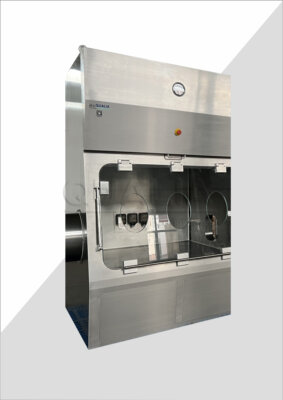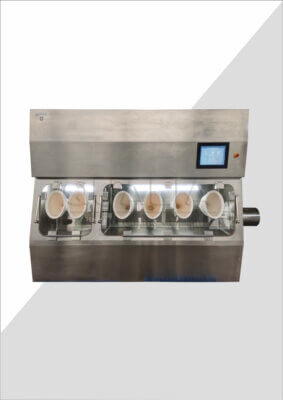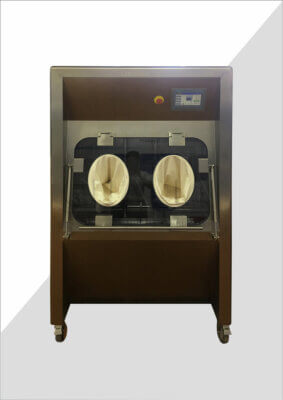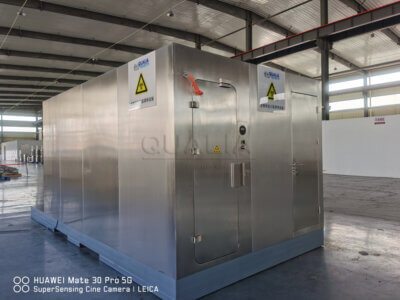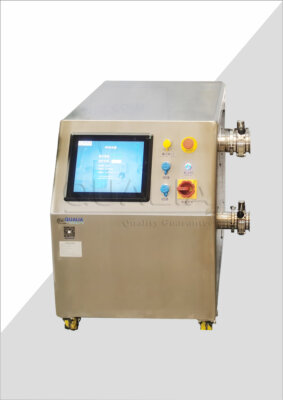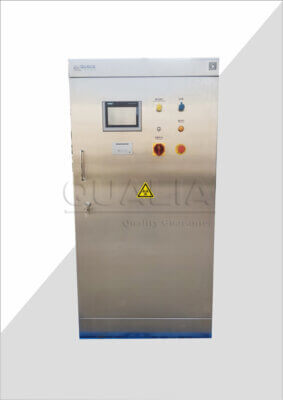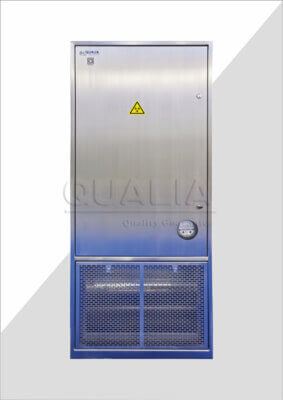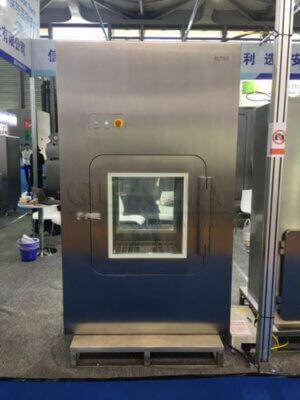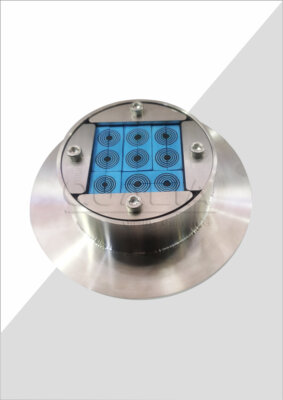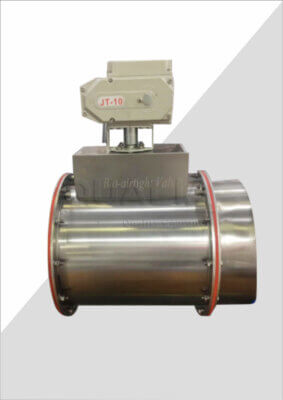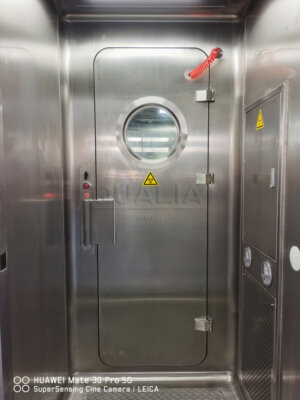
يعد اختيار نظام ترشيح HEPA لمختبر السلامة الأحيائية المعياري قرار احتواء حاسم. يجب أن تتماشى المواصفات الفنية بدقة مع مستوى السلامة البيولوجية وسير العمل التشغيلي واستراتيجية الامتثال طويلة الأجل. يمكن أن يؤدي الخطأ في التحجيم أو التكامل أو اختيار المكونات إلى الإضرار بالسلامة أو تضخيم التكاليف التشغيلية أو تأخير نشر المشروع. يوفر هذا الدليل إطار القرار اللازم لتحديد النظام الذي يلبي كلاً من الأداء والأهداف الاستراتيجية.
ويؤدي التحول نحو البناء المعياري إلى تسريع هذا القرار. تتطلب المعامل سابقة التجهيز أن يتم تصميم واختبار أنظمة التدفئة والتهوية وتكييف الهواء وأنظمة الترشيح كنظم فرعية متكاملة منذ البداية. لم يعد فهم التفاعل بين مواصفات HEPA الأساسية والتكلفة الإجمالية للملكية والتكامل المعياري أمرًا اختياريًا - بل أصبح أمرًا أساسيًا لتحقيق منشأة آمنة وفعالة وقابلة للنشر السريع.
مواصفات HEPA الرئيسية لمختبرات BSL المعيارية
تحديد معايير الأداء القياسية
يبدأ اختيار مرشح HEPA بدرجات الكفاءة. المعيار الأدنى لتطبيقات السلامة الأحيائية هو 99.97% كفاءة عند 0.3 ميكرون، مصنفة على أنها H13 لكل EN 1822-1:2019. بالنسبة لاحتواء BSL-3/4 التي تنطوي على مسببات الأمراض عالية الخطورة، غالبًا ما يتم تحديد مرشحات H14 (99.995%) أو مرشحات ULPA. الكفاءة وحدها لا تكفي؛ يجب أن يحافظ النظام على هذا الأداء في ظل ظروف التشغيل، والتي يتم التحقق منها من خلال اختبار MPPS (حجم الجسيمات الأكثر اختراقًا).
المعلمات التشغيلية للاحتواء
يعتمد الاحتواء الفعال على تدفق الهواء والضغط المتحكم فيهما. وتتطلب تطبيقات التدفق الرقائقي، مثل تلك الموجودة داخل خزانات السلامة البيولوجية أو غرف الإمدادات، سرعة وجه موحدة تتراوح عادة بين 0.45-0.5 م/ثانية. يجب أن تحافظ منطقة الاحتواء بأكملها على فرق ضغط سالب لا يقل عن -12.5 باسكال بالنسبة للممرات أو غرف الانتظار المجاورة. هذا الضغط المتتالي غير قابل للتفاوض لمنع تسرب الهباء الجوي.
ميزات البناء والسلامة
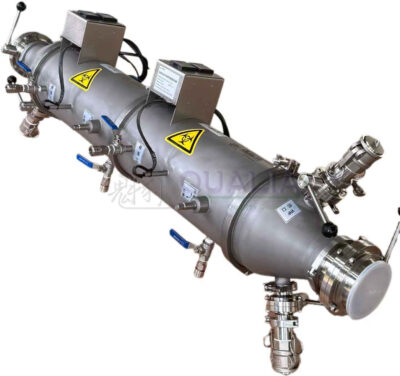
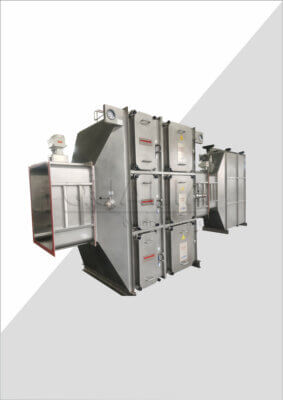
تصميم مبيت المرشح هو عنصر سلامة بالغ الأهمية. تعتبر العلب المانعة لتسرب الغازات المزودة بمنافذ “إدخال كيس في كيس وإخراج كيس” (BIBO) إلزامية لتغيير المرشح بأمان دون التعرض للأسطح الملوثة. يجب أن تكون جميع المواد متوافقة مع عوامل إزالة التلوث الغازي مثل بيروكسيد الهيدروجين المتبخر (VHP). من خلال خبرتنا في التحقق من الصحة، هناك سهو شائع يتمثل في عدم تحديد الحشيات وأغلفة المستشعرات المتوافقة مع بيروكسيد الهيدروجين المبخر، مما قد يؤدي إلى تآكل النظام وفشل دورات إزالة التلوث.
يلخص الجدول التالي المعلمات التقنية الأساسية التي تشكل أساس وثيقة المواصفات.
| المعلمة | المواصفات | النطاق/التقدير النموذجي |
|---|---|---|
| كفاءة الترشيح | الحد الأدنى عند 0.3 ميكرون | 99.971.97% (H13) |
| سرعة تدفق الهواء | التطبيقات الصفائحية | 0.45 - 0.5 م/ثانية |
| تفاضل الضغط | بالنسبة إلى الممرات | ≥ -12.5 باسكال |
| مبيت المرشح | تصميم التغيير الآمن | إدخال كيس في كيس، وإخراج كيس (BIBO) |
| إزالة التلوث | توافق النظام | المطهرات الغازية |
المصدر: EN 1822-1:2019 مرشحات الهواء عالية الكفاءة (EPA و HEPA وULPA). وتحدد هذه المواصفة القياسية التصنيف واختبار الأداء لمرشحات HEPA، بما في ذلك درجتي H13 وH14 وطريقة اختبار MPPS الضرورية للتحقق من الكفاءات المذكورة.
تحليل التكاليف: رأس المال والتشغيل والتكلفة الإجمالية للملكية
فهم دوافع الإنفاق الرأسمالي
وتتأثر التكاليف الأولية لنظام HEPA لمختبر BSL المعياري في مختبر BSL المعياري بمستوى السلامة البيولوجية والتكرار. بينما تتشابه تكاليف المرشح والمروحة مع تكاليف الإنشاءات التقليدية، يمكن للنهج المعياري أن يقلل من تكاليف الإنشاء الإجمالية بنسبة 15-30%. يأتي هذا التوفير من التصنيع الفعال في المصنع، حيث يتم تجميع وحدات التدفئة والتهوية وتكييف الهواء واختبارها خارج الموقع، مما يقلل من العمالة في الموقع وتجاوزات الجدول الزمني.
واقع النفقات التشغيلية
تكاليف التشغيل هي التزام مالي مستمر. استهلاك الطاقة هو المتغير الأكبر، مدفوعًا بطاقة المروحة للتغلب على انخفاض ضغط النظام. يمكن أن تحقق التصاميم المعيارية المزودة بمحركات EC المدمجة ومسارات تدفق الهواء المحسّنة نفقات تشغيلية أقل تصل إلى 20%. وعلى الرغم من أن استبدال الفلتر، رغم أنه دوري، إلا أنه تكلفة يمكن التنبؤ بها؛ ويجب أن تأخذ الميزانية في الحسبان كلاً من الفلاتر والعمالة لإجراءات BIBO الآمنة.
حساب التكلفة الإجمالية للملكية
تتطلب المقارنة المالية الحقيقية نموذجًا للملكية الإجمالية للملكية يمتد من 10 إلى 15 عامًا. يجب أن يشمل هذا النموذج استهلاك رأس المال، واستهلاك الطاقة، والصيانة الوقائية، واستبدال الفلاتر، واختبار الامتثال السنوي. تصبح الميزة الاستراتيجية للمختبرات المعيارية واضحة في التكلفة الإجمالية للملكية خاصة للمؤسسات التي لديها خطط للتوسع المستقبلي. يمكن أن تؤدي إضافة السعة من خلال الوحدات المصممة مسبقًا إلى تقليل تكاليف التوسعة بحوالي 401 تيرابايت و7 تيرابايت مقارنةً بإعادة تجهيز منشأة تقليدية.
| فئة التكلفة | ميزة وحدات BSL-3 المعيارية | المحرك الرئيسي / الشكل الرئيسي |
|---|---|---|
| النفقات الرأسمالية | انخفاض تكاليف الإنشاءات | 15-30% تخفيض 15-30% |
| النفقات التشغيلية | توفير الطاقة والصيانة | أقل حتى 20% أقل |
| التوسع المستقبلي | تكلفة التكامل المبسطة | ~40% أقل من 40% |
| الامتثال | النفقات التشغيلية الزائدة المستمرة | الاختبار والتوثيق السنوي |
المصدر: الوثائق الفنية والمواصفات الصناعية.
متطلبات نظام BSL-2 مقابل BSL-3+ HEPA
التباين المعماري حسب مستوى المخاطر
يملي مستوى السلامة البيولوجية بنية النظام الأساسية. تعتمد مختبرات BSL-2 في المقام الأول على ترشيح HEPA داخل أجهزة الاحتواء الأولية، مثل خزانات السلامة البيولوجية من الفئة الثانية. لا تفرض المبادئ التوجيهية عادةً ترشيح العادم في الغرفة بأكملها. تكون فلسفة الاحتواء موضعية حتى نقطة الخطر.
تفويضات الاحتواء العالي
تمثل متطلبات BSL-3 و BSL-4 تصعيدًا كبيرًا. يتطلب مستوى السلامة البيولوجية 3 تنقية HEPA على كل شيء هواء العادم من منطقة الاحتواء. يتطلب BSL-4 ترشيح كل من هواء الإمداد والعادم. وغالبًا ما يستلزم ذلك وجود مرشحات HEPA مزدوجة داخل السلسلة على تيارات العادم مع مراوح عادم زائدة عن الحاجة لتوفير نظام أمان ضد الأعطال. تصبح الغرفة بأكملها عبارة عن وعاء احتواء محكم الإغلاق وسلبي الضغط.
مطابقة الاستراتيجية مع التطبيق
استراتيجية الضغط هي العامل الرئيسي الذي يميزها. تحافظ مختبرات BSL-3/4 على الضغط السلبي لحماية البيئة الخارجية. وعلى العكس من ذلك، فإن معدات مثل محطات عمل مناولة السوائل قد يستخدم الهواء المرشح بالضغط الإيجابي HEPA فقط لحماية العينات الحساسة من التلوث. ويعد الخلط بين هذين النطاقين الوقائيين، أي حماية البيئة مقابل حماية العينات، خطأ فادحًا في تصميم النظام.
يوضح الجدول أدناه المتطلبات المتباينة عبر مستويات السلامة البيولوجية.
| المتطلبات | BSL-2 | BSL-3 / BSL-4 |
|---|---|---|
| ترشيح عادم الغرفة | غير إلزامي عادةً | مطلوب على جميع العوادم |
| تنقية هواء الإمداد | غير مطلوب | تفرض BSL-4 الترشيح |
| تكرار النظام | مرشح واحد نموذجي | فلاتر HEPA مزدوجة داخل السلسلة |
| استراتيجية الضغط | الاحتواء على مستوى الخزانة | الضغط السلبي على مستوى الغرفة |
| التطبيق الأساسي | داخل خزانات السلامة البيولوجية | منطقة احتواء كاملة |
المصدر: الوثائق الفنية والمواصفات الصناعية.
كيفية تحديد حجم نظام HEPA الخاص بك: دليل خطوة بخطوة
الخطوة 1: حساب متطلبات تدفق الهواء الأساسي
يبدأ التحجيم بمعدل تغير الهواء المطلوب (ACH). حدد حجم الغرفة واضربه في معدل تغير الهواء المستهدف، والذي يتراوح عادةً بين 6-12 بالنسبة لمستوى السلامة البيولوجية 2 و6-15 أو أعلى بالنسبة لمستوى السلامة البيولوجية 3/4، كما هو مستمد من تقييم المخاطر و ISO 14644-1:2015 أهداف فئة النظافة. يوفر هذا الحساب الحد الأدنى لتدفق الهواء الحجمي اللازم لتخفيف الجسيمات واحتوائها.
الخطوة 2: حساب خسائر العادم الرئيسية
يجب ضبط تدفق الهواء الأساسي للعادم من خزانات السلامة الحيوية وأغطية الدخان وأجهزة الطرد المركزي. يجب أن يوفر نظام هواء الإمداد هواء مكياج كافٍ لتعويض هذا العادم، مما يضمن أن تحافظ الغرفة على فارق الضغط السلبي المصمم لها. يعد تصغير الحجم هنا خطأ شائع ينتج عنه عدم القدرة على تحقيق أو الحفاظ على الضغط السلبي عند تشغيل جميع الشفاطات.
الخطوة 3: تحديد انخفاض ضغط النظام
احسب إجمالي انخفاض الضغط الذي يجب أن تتغلب عليه المروحة عند تدفق الهواء التصميمي. ويشمل ذلك المقاومة من خلال المرشحات المسبقة، ومرشحات HEPA، ومرشحات HEPA، ومجاري الهواء، والمخمدات، وشبكات العادم. هذا الرقم مهم للغاية لاختيار مروحة ذات قدرة ضغط ثابت كافية. يؤدي الإفراط في حجم المروحة إلى إهدار الطاقة والضوضاء؛ بينما يفشل تصغير حجم المروحة في نقل حجم الهواء المطلوب.
الخطوة 4: عامل الأحمال الحرارية
وأخيرًا، ضع في اعتبارك الحمل الحراري من معدات المختبر والإضاءة والعاملين. يجب أن يتمتع نظام HVAC بقدرة تبريد كافية لإزالة هذه الحرارة مع توفير تدفق الهواء المطلوب المفلتر HEPA. تضمن هذه الخطوة الراحة الحرارية والاستقرار لكل من العاملين والتجارب الحساسة.
| الخطوة | الحساب الأساسي | المعلمة الرئيسية/المخرجات الرئيسية |
|---|---|---|
| 1. تدفق الهواء الأساسي | حجم الغرفة x ACH | 6-15+ تغيرات الهواء في الساعة |
| 2. إزاحة العادم | مجموع عادم المعدات الرئيسية | يحافظ على الضغط السلبي |
| 3. انخفاض ضغط النظام | فلتر + مقاومة مجاري الهواء + مجاري الهواء | مواصفات تحجيم المروحة |
| 4. الحمل الحراري | حرارة المعدات + الأفراد | متطلبات سعة التبريد |
المصدر: ISO 14644-1:2015 ISO 14644-1:2015 غرف التنظيف والبيئات الخاضعة للرقابة المرتبطة بها. توفر هذه المواصفة القياسية المنهجية الأساسية لتصنيف نظافة الهواء وحساب معدلات تغير الهواء، والتي تُعلم مباشرةً تحديد حجم تدفق الهواء الأساسي لمساحات الاحتواء.
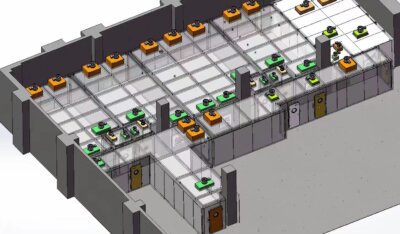
دمج أنظمة HEPA في تصميم المختبر المعياري
ميزة التصنيع المسبق
في التصميم المعياري، لا تكون أنظمة HEPA مكونات غير مثبتة ميدانيًا ولكنها جزء من وحدات مصممة مسبقًا. يتم تجميع وحدات مرشح المروحة (FFUs)، وأجزاء مجاري الهواء، ولوحات التحكم في كاسيتات السقف أو بنتهاوس المرافق الميكانيكية داخل بيئة مصنع خاضعة للرقابة. وهذا يسمح بإجراء اختبارات صارمة قبل الشحن لتسلسلات الاحتواء والتحكم قبل الشحن، مما يقلل من مخاطر عملية التشغيل في الموقع.
إدارة المساحة والقيود الهيكلية
يجب أن يراعي تكامل التصميم الحدود المادية للوحدة القابلة للنقل. يتم حساب توزيع الوزن، ومساحة الفراغات في السقف، والدعم الهيكلي لمبيت المرشحات الثقيلة أثناء مرحلة التصميم. وغالبًا ما تؤدي الطبيعة المدمجة للمختبرات النمطية إلى تخطيطات ميكانيكية مكدسة أكثر كفاءة لا يمكن لطرق البناء التقليدية تكرارها بسهولة.
إنشاء أنظمة بيئية هجينة للسلامة البيولوجية
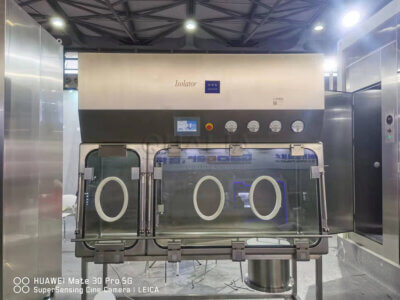
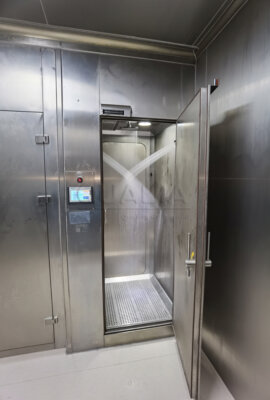
يتيح التكامل الاستراتيجي الاحتواء المتدرج. يمكن للحاويات المدمجة والمؤتمتة المزودة بمرشح HEPA المخصص التعامل مع التحضير الروتيني للعينات في بيئة ذات مستوى منخفض من مستوى السلامة البيولوجية. يحتفظ هذا النهج بالاحتواء الأكثر تعقيدًا والأكثر تكلفة في الغرفة الكاملة BSL-3 للإجراءات الأكثر خطورة لتوليد الهباء الجوي. يعمل هذا النموذج الهجين على تحسين كل من السلامة والإنتاجية التشغيلية.
بروتوكولات الصيانة والتحقق من الصحة والامتثال
الاختبار والتحقق الإلزامي
نظام HEPA المركب غير متوافق حتى يتم التحقق من صلاحيته. يلزم إجراء اختبار سلامة أولي وسنوي، باستخدام هباء متعدد التشتت (على سبيل المثال، PAO، DOP) وماسح ضوئي للكشف عن التسريبات التي تتجاوز 0.01% عند طبقات المرشح وحشيات الغلاف. هذه الممارسة مفصلة في معايير مثل IEST-RP-CCP-CC001.6. تتم مراقبة عمر المرشح عن طريق مقاييس المغنهيلك أو محولات الضغط؛ يشير الارتفاع المستمر في انخفاض الضغط إلى التحميل ويشير إلى الحاجة إلى الاستبدال.
إزالة التلوث الآمن والتغيير الآمن
قبل إجراء أي صيانة على الجانب الملوث من النظام، تكون إزالة التلوث الغازي إلزامية. بعد دورة إزالة التلوث الناجحة، يجب إجراء تغيير الفلتر باستخدام إجراء BIBO لمنع تعرض الفنيين للتلوث. كما أن إجراء الإغلاق الموثق والقفل/الإخراج لعزل المروحة أمر بالغ الأهمية بنفس القدر للسلامة الكهربائية أثناء الصيانة.
عبء الامتثال المستمر
لا يعتبر الامتثال حدثًا لمرة واحدة بل هو حدث تشغيلي دائم. يجب أن تتماشى الأنشطة مع CDC/NIH السلامة البيولوجية في المختبرات الميكروبيولوجية والطبية الحيوية (BMBL) وإرشادات منظمة الصحة العالمية. ويتطلب ذلك توثيقًا دقيقًا لجميع الاختبارات وإجراءات الصيانة وشهادات الترشيح. إن وضع ميزانية لجهود الامتثال المستمر هذه لا يقل أهمية عن الميزانية الرأسمالية للمعدات نفسها.
| النشاط | المعيار/التردد | عتبة الأداء |
|---|---|---|
| اختبار النزاهة | تحدي الهباء الجوي السنوي | تسرب < 0.01% |
| مراقبة التصفية | انخفاض الضغط المستمر | مشغلات تغيير BIBO |
| إزالة التلوث قبل الصيانة | الإجراء الغازي الإلزامي | على سبيل المثال، دورة VHP |
| الوثائق الإرشادية | مركز السيطرة على الأمراض والوقاية منها/مركز مكافحة الأمراض والوقاية منها/مكتب الأمم المتحدة المعني بالمخدرات والجريمة والمخدرات | مواءمة الامتثال المستمر |
المصدر: IEST-RP-CC001.6 مرشحات HEPA وULPA. توفر هذه الممارسة الموصى بها إرشادات مفصلة لاختبار واعتماد سلامة مرشح HEPA، بما في ذلك إجراءات اختبار المسح ومعايير اختبار التسرب الضرورية لبروتوكولات التحقق من الصحة.
اختيار نظام HEPA المناسب: إطار عمل القرار
تصنيف استراتيجية مستوى المعيار BSL والضغط
القرار الأول نهائي: تصنيف مستوى السلامة البيولوجية للمختبر. وهذا يحدد ما إذا كنت بحاجة إلى ترشيح العادم فقط (BSL-3) أو الإمداد والعادم (BSL-4). وفي الوقت نفسه، حدد استراتيجية الضغط لكل منطقة - سلبي لحماية الأفراد/البيئة، وإيجابي فقط لتطبيقات حماية عينات محددة. تمنع هذه الخطوة التأسيسية عدم التطابق المعماري الخطير.
تقييم التكامل وقدرات الموردين
تقييم كيفية دمج النظام المقترح في البصمة المعيارية. إعطاء الأولوية للموردين الذين يقدمون وحدات التدفئة والتهوية وتكييف الهواء التي تم اختبارها مسبقاً والتي تقلل من مخاطر التكامل في الموقع. قم بتقييم سجل المورد في مجال النشر السريع ومرونة سلسلة التوريد الإقليمية، وهو أمر بالغ الأهمية للحفاظ على العمليات أثناء الأعطال العالمية.
الإصرار على ميزات المراقبة الذكية
تعامل مع المراقبة الذكية ليس كترقية اختيارية بل كمتطلب قياسي. تتيح مستشعرات إنترنت الأشياء لبيانات الضغط وتدفق الهواء وبيانات حمل المرشح في الوقت الفعلي الصيانة التنبؤية وتوفر مسارًا رقميًا قابلًا للتدقيق للمنظمين. تحول هذه الإمكانية الامتثال من عملية تفاعلية تعتمد على الأعمال الورقية إلى عملية استباقية تعتمد على البيانات.
الخطوات التالية: من المواصفات إلى التنفيذ
ضع اللمسات الأخيرة على المواصفات القائمة على الأداء مع مزود الوحدات النمطية الخاص بك، مع ضمان تضمين جميع علب HEPA والمراوح الاحتياطية ومنطق التحكم في بناء المصنع. قم بتأمين الموردين الإقليميين لقطع الغيار الهامة مثل الفلاتر وأجهزة الاستشعار للتخفيف من المخاطر اللوجستية. وضع خطة تشغيل تفصيلية للتشغيل التجريبي تقوم بجدولة إزالة التلوث من مجاري الهواء، واختبار الفلتر الأولي، وموازنة الضغط فور التركيب. في نفس الوقت، ضع الميزانية التشغيلية المتكررة لاختبار الامتثال والصيانة الوقائية وتدريب الموظفين على إجراءات الطوارئ.
يستفيد هذا النهج المتكامل من سرعة ويقين البناء المعياري. فهو يحول القدرة على الاحتواء العالي من أصل ثابت كثيف رأس المال إلى مورد متحرك وقابل للتكيف. وهذا يضفي طابعاً ديمقراطياً على أبحاث السلامة البيولوجية المتقدمة للمؤسسات الأصغر حجماً ويخلق قدرة سيادية سريعة الاستجابة لتهديدات الصحة العامة.
هل تحتاج إلى نظام ترشيح HEPA مصمم هندسيًا بشكل احترافي مدمج في مختبر معياري قابل للنشر؟ استكشف المواصفات الفنية ومسارات التكامل المتاحة في كواليا. يتخصص فريقنا في حلول السلامة البيولوجية المعيارية المعيارية المعتمدة مسبقًا والمتوافقة مع الكود والمصممة للنشر السريع والكفاءة التشغيلية طويلة الأجل. للحصول على استشارة مفصلة حول متطلبات مشروعك، يمكنك أيضًا اتصل بنا.
الأسئلة المتداولة
س: ما هي المواصفات الرئيسية لمرشح HEPA لمختبر معياري BSL-3؟
ج: تتطلب مختبرات BSL-3 مرشحات HEPA على جميع هواء العادم، بكفاءة لا تقل عن 99.97% عند 0.3 ميكرون (درجة H13). يجب أن تحافظ الأنظمة على فرق ضغط سالب لا يقل عن -12.5 باسكال وأن تستخدم علبًا محكمة الإغلاق مع تصميمات أكياس داخل أكياس (BIBO). يتم تصنيف أداء المرشح واختباره وفقًا لمعايير مثل EN 1822-1:2019. وهذا يعني أن المواصفات الخاصة بك يجب أن تعطي الأولوية لترشيح العادم والتكرار الآمن من الفشل على المتطلبات الأبسط لـ BSL-2.
س: كيف يمكنك تحديد الحجم المناسب لنظام ترشيح HEPA لمختبر السلامة البيولوجية المعياري؟
ج: يبدأ التحجيم بحساب تدفق الهواء المطلوب باستخدام حجم الغرفة ومعدل تغير الهواء (ACH) الإلزامي، والذي يتراوح من 6-15 ل BSL-3. يجب بعد ذلك إضافة حجم العادم من خزانات السلامة البيولوجية وضبط الإمداد للحفاظ على الضغط السلبي. وأخيرًا، احسب إجمالي انخفاض ضغط النظام لتحديد المراوح المناسبة. بالنسبة للمشاريع التي تمثل فيها كفاءة الطاقة أولوية، يسمح هذا التحجيم التأسيسي بدمج مكونات مثل محركات EC لتحسين التكاليف التشغيلية على المدى الطويل.
س: ما هي بروتوكولات الامتثال والصيانة المستمرة لنظام HEPA المركب؟
ج: يتطلب الامتثال المستدام إجراء اختبار سنوي للسلامة باستخدام مسح هوائي متعدد الشوارد، مع ضرورة إصلاح أي تسرب يتجاوز 0.01%. تتم مراقبة عمر المرشح عن طريق انخفاض الضغط، مما يؤدي إلى إجراء تغيير آمن باستخدام إجراءات BIBO، والتي يجب أن يسبقها إزالة التلوث الغازي. تتماشى هذه النفقات التشغيلية المستمرة مع المبادئ التوجيهية مثل CDC/NIH BMBL. إذا كانت عمليتك تتطلب احتواءً مستمراً دون انقطاع، فخطط لاستراتيجية صيانة قائمة على الحالة ممكّنة بواسطة مستشعرات إنترنت الأشياء لتقليل وقت التوقف عن العمل.
س: كيف تختلف متطلبات نظام HEPA بين مختبرات BSL-2 ومختبرات BSL-3+؟
ج: تتصاعد المتطلبات بناءً على المخاطر. وعادةً ما تقصر BSL-2 ترشيح HEPA على أجهزة الاحتواء الأولية مثل خزانات السلامة البيولوجية، بينما تفرض BSL-3 استخدام HEPA على جميع هواء العادم. يتطلب BSL-4 الترشيح على كل من الإمداد والعادم، وغالبًا ما يستخدم مرشحات مزدوجة في السلسلة ومراوح زائدة عن الحاجة. ويخضع هذا النهج المتدرج لاستراتيجية الضغط المطلوبة: سلبي لاحتواء الغرفة. لذلك يجب على المرافق التي تتعامل مع العوامل عالية الخطورة أن تضع ميزانية لهياكل نظام أكثر تعقيدًا وتكرارًا بشكل كبير.
س: ما هي العوامل المالية التي يجب أن نأخذها في الاعتبار بخلاف سعر الشراء الأولي لنظام HEPA المعياري للمختبر؟
ج: يتطلب التقييم المالي الحقيقي تحليل التكلفة الإجمالية للملكية (TCO). في حين أن التكاليف الرأسمالية يمكن أن تكون متشابهة، إلا أن المختبرات المعيارية غالبًا ما تُظهر تكاليف بناء أقل بمقدار 15-301 تيرابايت في الساعة وما يصل إلى 201 تيرابايت في الساعة من النفقات التشغيلية من المكونات الفعالة. والأهم من ذلك، يجب عليك وضع ميزانية لتكاليف الامتثال المستمر، بما في ذلك الاختبار السنوي والصيانة الوقائية والتوثيق. بالنسبة للمؤسسات ذات الاحتياجات المتطورة، فإن إمكانية انخفاض تكاليف التوسع المستقبلية 40% تجعل النهج المعياري مقنعًا من الناحية المالية.
س: ما هي المعايير التي تحكم اختبار وتصنيف مرشحات HEPA لمعامل الاحتواء؟
ج: يتم تحديد أداء مرشح HEPA وتصنيفه من خلال EN 1822-1:2019, التي تحدد الحد الأدنى من درجات الكفاءة مثل H13 (99.97% عند 0.3 ميكرومتر). وعلاوة على ذلك, IEST-RP-CCP-CC001.6 إرشادات مفصلة للبناء والاختبار والاعتماد، بما في ذلك إجراءات اختبار المسح. وهذا يعني أن بروتوكولات الشراء والتحقق من الصحة يجب أن تشير إلى هذه المستندات المحددة لضمان سلامة المرشح الذي يلبي المتطلبات الصارمة لاحتواء السلامة البيولوجية.
س: كيف يؤثر دمج أنظمة HEPA في تصميم المختبر المعياري على الجداول الزمنية للنشر؟
ج: يعد التكامل تحويلاً للسرعة. يتم تجميع مكونات التدفئة والتهوية وتكييف الهواء ومكونات الترشيح مسبقًا في أشرطة السقف أو وحدات المرافق خارج الموقع، وتخضع لاختبار قبول المصنع قبل الشحن. وهذا يفصل النشر الميكانيكي عن الإنشاءات في الموقع، مما يسمح بتشغيل مختبر BSL الوظيفي في أيام بدلاً من أشهر. بالنسبة للمشاريع التي يكون فيها النشر السريع أمرًا بالغ الأهمية، مثل الاستجابة لتفشي الأمراض، يجب عليك إعطاء الأولوية للموردين ذوي الخبرة المثبتة في هذه الأنظمة المختبرة والمصممة مسبقًا.
المحتويات ذات الصلة:
- مناولة الهواء BSL-4: متطلبات النظام الحرجة
- مختبرات BSL-4 المعيارية: خفض التكاليف دون المساومة
- فلتر HEPA في مختبرات BSL: الدليل الأساسي
- تهوية مختبر BSL-3: التصميم من أجل السلامة المثلى
- تركيب مختبرات BSL-3 المعيارية: دليل الخبراء
- مناولة الهواء في BSL-3 مقابل BSL-4: مقارنة بين النظامين
- شرح أنظمة عادم خزانة السلامة الأحيائية
- التحكم في تدفق الهواء في مختبر BSL-4: ضمان السلامة البيولوجية
- استبدال فلتر HEPA في عوازل السلامة البيولوجية