بالنسبة للمهنيين في مجال المستحضرات الصيدلانية والتكنولوجيا الحيوية وتصنيع الأغذية عالية الرعاية، فإن تحديد باب مانع تسرب قابل للنفخ هو قرار احتواء حاسم. لا يكمن التحدي الأساسي في العثور على مانع تسرب بل في اختيار مانع تسرب يفي بالمتطلبات التنظيمية الدقيقة والمزدوجة لإدارة الغذاء والدواء الأمريكية (FDA) والامتثال للفئة السادسة من USP مع تقديم أداء موثوق به تحت ضغط التشغيل. وتتعامل المفاهيم الخاطئة الشائعة مع هذه المعايير على أنها قابلة للتبديل أو تفترض أن شهادة المواد وحدها تضمن سلامة النظام، متجاهلةً التفاعل المعقد بين التصميم والتحقق من الصحة وإدارة دورة الحياة.
يتطلب هذا الموضوع الاهتمام الآن بسبب التدقيق التنظيمي المتزايد والدافع نحو المرونة التشغيلية. إن توسعات المرافق وتصميمات غرف التنظيف المعيارية والحاجة إلى منع التلوث المتبادل المكلف أو فشل التحقق من الصحة تجعل من ختم الباب مكونًا استراتيجيًا وليس سلعة. يحمي نظام باب مانع التسرب المتوافق سلامة المنتج، ويضمن الجاهزية للتدقيق، ويتيح تصميم منشأة مرنة.
فهم امتثال إدارة الغذاء والدواء الأمريكية مقابل الامتثال للفئة السادسة من USP
تحديد المشهد التنظيمي
إن امتثال إدارة الغذاء والدواء الأمريكية وشهادة USP من الفئة السادسة هما معياران متكاملان ولكنهما متميزان. لوائح إدارة الغذاء والدواء، وتحديدًا بموجب 21 cfr 177.2600, تحكم سلامة المواد المطاطية للتلامس المتكرر مع الأغذية، مع التركيز على الحد من المواد القابلة للاستخراج. إنه شرط أساسي لملاءمة المواد. وعلى النقيض من ذلك، تعد الفئة السادسة من USP معيارًا صارمًا للتوافق الحيوي للتطبيقات الصيدلانية والطبية، مما يتطلب اجتياز المواد لاختبارات الحقن الجهازي وداخل الجلد والزرع. هذا الامتثال المزدوج هو خاصية أساسية للمواد، وليس مجرد خانة اختيار للمشتريات.
الآثار الاستراتيجية المترتبة على التوريد
ويؤدي هذا التمييز إلى استراتيجية توريد بالغة الأهمية. تعمل المتطلبات الصارمة للمواد النقية التي يمكن تتبعها على تعزيز مشهد الموردين. يوفر الشركاء الذين يتمتعون بخبرة داخلية في علوم المواد وعمليات التركيب المعتمدة مرونة أكبر في سلسلة التوريد. فهم يضمنون الاتساق من دفعة إلى أخرى ويوفرون الوثائق الشاملة المطلوبة لمسارات التدقيق. يؤدي الاعتماد على الموزعين دون هذا التكامل الرأسي إلى مخاطر تنظيمية.
الامتثال في الممارسة العملية
من الناحية العملية، يتطلب تحديد ختم “متوافق” الوضوح. فالمادة التي تلبي متطلبات إدارة الأغذية والعقاقير فقط غير كافية لجناح التعبئة المعقمة أو العازل. وعلى العكس من ذلك، يجب أن يفي ختم معتمد من الفئة السادسة من USP المستخدم في منطقة معالجة الأغذية أيضًا بحدود المواد القابلة للاستخراج من إدارة الأغذية والعقاقير. يوصي خبراء الصناعة ببدء المواصفات من خلال سرد جميع المعايير المعمول بها، ثم التحقق من أن شهادات امتثال الموردين وتقارير الاختبار تتناول كل منها صراحةً. لقد قارنا أوراق بيانات المواد العامة مقابل حزم التحقق من الصحة الخاصة بالمشروع ووجدنا أن الأخيرة لا غنى عنها لتخفيف المخاطر التنظيمية.
مواصفات المواد الرئيسية لموانع التسرب المتوافقة
معيار السيليكون المعالج بالبلاتينوم
المادة السائدة لموانع التسرب القابلة للنفخ المتوافقة هي مطاط السيليكون المعالج بالبلاتين (المعالج بالبيروكسيد). وتنتج عملية المعالجة المحددة هذه مادة مطاطية مرنة عالية النقاء وخاملة مع الحد الأدنى من المواد المرتشحة والمركبات العضوية المتطايرة (VOCs). هذه الخصائص غير قابلة للتفاوض بالنسبة للصناعات التي تحتاج إلى التحقق من الصحة حيث يمكن أن تؤثر الغازات المنبعثة أو المواد القابلة للاستخراج على عقم المنتج أو سلامته. إن مقاومة المادة المتأصلة في درجات الحرارة العالية والمتانة خلال آلاف دورات النفخ تجعلها مناسبة للتطبيقات الصعبة مثل أجهزة التعقيم بالأوتوكلاف.
مركبات متخصصة لمواجهة تحديات محددة
على الرغم من أن السيليكون المعالج بالبلاتين هو المعيار القياسي، إلا أنه ليس حلاً شاملاً. تتطلب التطبيقات المتخصصة مواد مصممة خصيصًا. يمكن تحديد مادة EPDM المتوافقة لمقاومة فائقة لبعض مواد التنظيف الكيميائية القوية. ويتم اختيار الفلوروسيليكون لدرجات الحرارة العالية للغاية التي تتجاوز نطاق السيليكون القياسي. وهذا يؤكد الحاجة الماسة إلى تحليل أنماط الفشل الكيميائية والحرارية والميكانيكية المحددة لبيئة التشغيل قبل اختيار المواد.
إطار الاختيار
يتجاوز الاختيار متطلبات الامتثال العامة إلى قرار هندسي دقيق. وتشمل التفاصيل التي يمكن التغاضي عنها بسهولة توافق مادة مانع التسرب مع الحشيات أو مواد التشحيم المجاورة، والتي يمكن أن تسبب التدهور. يوضح الجدول التالي خيارات المواد الأساسية وعوامل التطبيق الدافعة لها.
| نوع المادة | عملية المعالجة الأولية | سائق التطبيق الرئيسي |
|---|---|---|
| سيليكون معالج بالبلاتين | المعالجة بالبيروكسيد | الحد الأدنى من المواد المرتشحة والمركبات العضوية المتطايرة |
| متوافق مع EPDM | الفلكنة القياسية | مقاومة كيميائية محددة |
| الفلوروسيليكون | المعالجة بالبيروكسيد | التشكيلات الجانبية لدرجات الحرارة القصوى |
المصدر: الوثائق الفنية والمواصفات الصناعية.
اعتبارات التصميم والأداء للأبواب المانعة للتسرب
هندسة الختم المحكم
يتوقف الختم الفعال على هندسة المظهر الجانبي. ولتحقيق ختم محكم موثوق به، خاصةً عند الزوايا بزاوية 90 درجة، يجب أن تكون قوة النفخ محورية بحتة. يؤدي التضخم الداخلي أو الخارجي إلى خلق نقاط تسرب متأصلة من خلال تشويه شكل مانع التسرب. وهذا يفرض قيدًا حاسمًا على التصميم، مما يتطلب تعاونًا وثيقًا بين الشركة المصنعة لمانع مانع التسرب ومصنع الباب لضمان أن أخدود المبيت وإطار الباب يسهلان هذا الضغط المباشر.
الإبحار في المفاضلة بين الضغط والفجوة
توجد مفاضلة أساسية في الأداء بين ضغط الختم والفجوة المسموح بها. تعتبر موانع التسرب ذات الضغط المنخفض والفجوة الكبيرة مثالية للعوازل ولكنها عرضة للإزاحة إذا تعرضت لضغط تفاضلي مرتفع. وعلى العكس من ذلك، تتطلب التطبيقات ذات الضغط العالي والفجوة الصغيرة مثل أجهزة التعقيم مقاطع جانبية قوية ومثبتة بإحكام. يعد اختيار المظهر الجانبي الخاطئ للعلاقة بين الضغط والفجوة نقطة فشل شائعة في التركيب.
دمج نظام التضخم
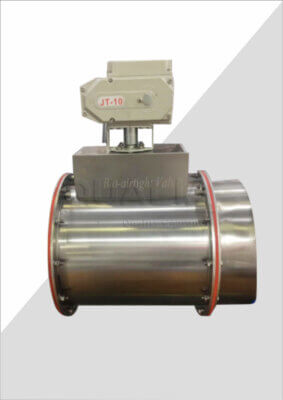
يعد نظام النفخ نظامًا فرعيًا ميكاترونيكيًا متكاملًا، وليس فكرة لاحقة. يجب أن يتم وضع مانع التسرب بإحكام من ثلاثة جوانب داخل أخدود مشغول بدقة لمنع البثق. يجب أن يكون مزود الهواء نظيفًا وجافًا ويتم التحكم فيه لمنع التلوث أو تلف مانع التسرب. وهذا يتطلب من مورد مانع التسرب والمصمم الميكانيكي ومهندس التحكم أن يشتركوا في تصميم النظام منذ البداية. من واقع خبرتي، فإن التعامل مع مانع التسرب كمكون بسيط بدلاً من واجهة نظام يؤدي إلى مشاكل في التكامل أثناء التشغيل.
التطبيقات الأولية في البيئات المنظمة
حالات الاستخدام الأساسية في مكافحة التلوث
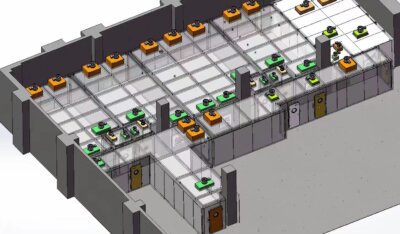
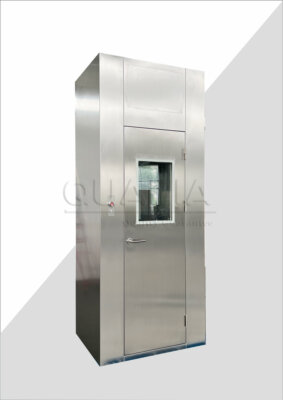
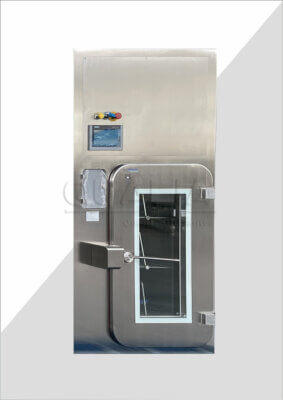
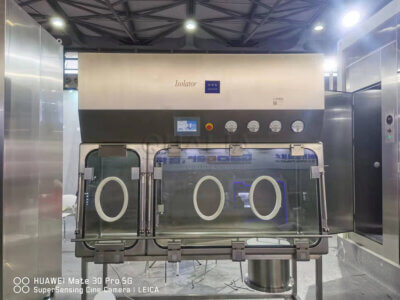
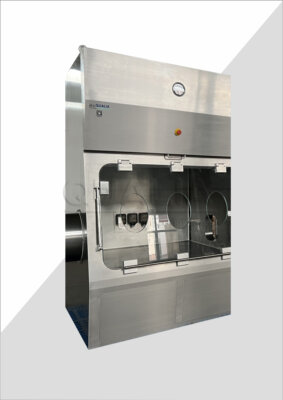
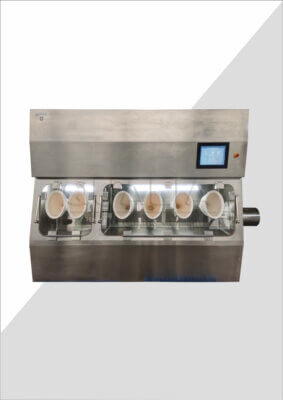
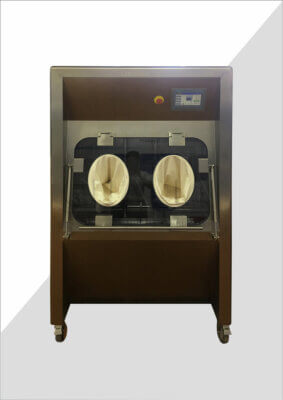
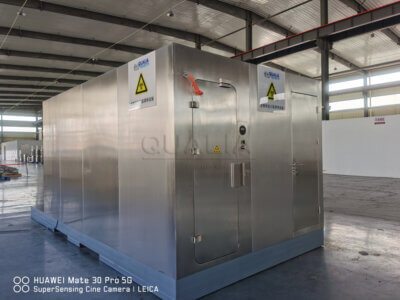
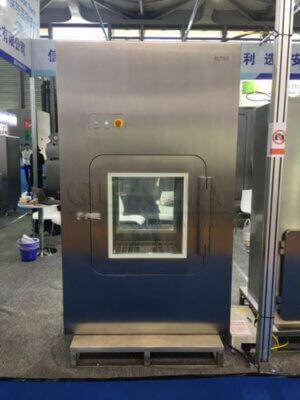
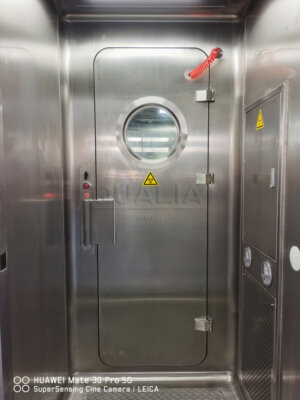
يتم نشر أبواب مانع التسرب القابل للنفخ من الفئة السادسة من إدارة الغذاء والدواء الأمريكية و USP حيث يكون التحكم في التلوث المعتمد أمرًا بالغ الأهمية. وتشمل الاستخدامات الأساسية غرف تنظيف المستحضرات الصيدلانية والعوازل والعوازل الهوائية للحفاظ على سلامة تصنيف ISO؛ وأجهزة التعقيم والتعقيم وأجهزة التعقيم بالتجميد التي تغلق ضد البخار والضغط العالي الحرارة؛ وأجنحة المعالجة المعقمة وأجنحة التعبئة والتشطيب؛ ومرافق احتواء المركبات القوية؛ ومناطق معالجة الأغذية عالية الرعاية. إن قدرتها على الإغلاق عند الطلب أمر بالغ الأهمية للحفاظ على شلالات الضغط واحتواء الجسيمات أو الأبخرة.
تمكين تصميم المرفق المعياري التمكيني
بالإضافة إلى الاحتواء، تتيح هذه الأختام تصميم منشأة معيارية وقابلة للتكيف. إن قدرتها على إنشاء موانع تسرب موثوقة عند الطلب تحول البنية التحتية الثابتة إلى أصول قابلة لإعادة التشكيل. يمكن تعديل غرف التنظيف وأجنحة المعالجة أو توسيعها بسهولة لتلبية احتياجات الإنتاج المتغيرة دون الحاجة إلى حشيات دائمة صعبة التنظيف أو أبواب ميكانيكية معقدة. وهذا يقلل من تكاليف التجديد المستقبلية ووقت التعطل التشغيلي، مما يوفر مرونة استراتيجية طويلة الأجل.
التحقق من صحة التطبيق الخاص بالتطبيق
يختلف نهج التحقق من الصحة بشكل كبير حسب التطبيق. يخضع مانع التسرب الخاص بالأوتوكلاف المار لاختبار صارم لدورة البخار، بينما يركز مانع التسرب الخاص بمجموعة احتواء مركب قوي على التحقق من إحكام التسرب ضد دخول المسحوق. ووفقًا لبحث أجراه مصممو المنشأة، فإن تحديد هذه المعايير التشغيلية مقدمًا أمر ضروري لتوجيه مواصفات مانع التسرب وبروتوكولات تأهيل التركيب اللاحقة (IQ) وبروتوكولات التأهيل التشغيلي (OQ).
التحقق من الصحة والتوثيق ومتطلبات الموردين
الوثائق الأساسية لمسارات التدقيق
يجب أن تكون المشتريات مدعومة بوثائق قوية، وليس مجرد مطالبات مادية. تشمل السجلات الأساسية شهادة الامتثال (CoC) التي تشير صراحةً إلى اللائحة 21 CFR 177.2600 الصادرة عن إدارة الغذاء والدواء الأمريكية، وتقارير اختبار رسمية من الفئة السادسة من USP من مختبر معتمد، وشهادات تتبع المواد مع بيانات خاصة بالدفعة. تشكل حزمة الوثائق هذه جوهر ملف التحقق من صحة المعدات الخاصة بك وهي ضرورية لعمليات التدقيق التنظيمية.
أسطورة العمر الافتراضي العام
إن التحقق من الصحة والعمر المتوقع هي خصائص خاصة بالتطبيق، وليست خصائص عامة مختومة على الختم. يقوم الموردون الرائدون بإجراء اختبارات دورة معجلة في ظل ظروف تشغيلية محاكاة - درجات حرارة محددة والتعرض للمواد الكيميائية والضغوط - لتوليد بيانات أداء تنبؤية. وتدعم هذه البيانات حزمة التحقق من الصحة الخاصة بك وتبلغ جداول الصيانة الوقائية، مما يقلل بشكل مباشر من المخاطر التنظيمية والتشغيلية.
التقييم الاستراتيجي للموردين
يجب أن يعطي الموردون الأولوية للموردين الذين يتمتعون بقدرات متكاملة رأسيًا في مجال تركيب المواد وقدرات متقدمة لاختبار التطبيقات. يوضح الجدول أدناه المستندات المهمة والغرض منها في سلسلة الامتثال.
| المستند المطلوب | الغرض | الميزة الرئيسية |
|---|---|---|
| شهادة الامتثال (CoC) | دليل تنظيم إدارة الغذاء والدواء الأمريكية | المراجع 21 CFR 177.2600 |
| تقرير اختبار USP الفئة السادسة | شهادة التوافق الحيوي | نتائج المختبر الرسمي للاختبار |
| شهادة تتبع المواد | البيانات الخاصة بالدفعات | تمكين التدقيق الكامل لسلسلة التوريد |
المصدر: FDA 21 CFR 21 CFR 177.2600. يجب أن تؤكد شركة CoC الامتثال لهذه اللائحة المحددة لسلامة ملامسة الأغذية والأدوية.
اعتبارات التركيب والصيانة ودورة الحياة
التركيب الدقيق كأساس للتركيب
التركيب السليم غير قابل للتفاوض. يجب أن يكون مانع التسرب مثبتًا في أخدود مشغول بدقة يوفر دعمًا ثلاثي الجوانب، مما يمنع البثق أو القرص أثناء النفخ. يجب أن يكون سطح باب التزاوج ذو تشطيب مناسب لتسهيل عملية الإغلاق والسماح بالتنظيف الفعال. إن التركيب غير الصحيح هو السبب الرئيسي لفشل مانع التسرب قبل الأوان، وغالباً ما يؤدي ذلك إلى إبطال ضمانات الأداء.
التحول إلى الصيانة القائمة على الحالة
يتم تحديد فترات الصيانة حسب المعايير التشغيلية - عدد الدورات والتعرض للمواد الكيميائية ودرجة الحرارة - وليس حسب جدول زمني ثابت. وهذا يجعل موانع التسرب القابلة للنفخ مرشحة رئيسية للتكامل الرقمي. يتيح دمج أجهزة الاستشعار لمراقبة الضغط في الوقت الحقيقي وعد الدورات الصيانة التنبؤية من خلال اتصال إنترنت الأشياء. هذا الانتقال من الصيانة القائمة على الجدول الزمني إلى الصيانة القائمة على البيانات يمنع التوقف غير المخطط له في العمليات الحرجة مثل التعقيم.
التخطيط لدورة الحياة بأكملها
يبدأ تخطيط دورة الحياة عند المواصفات. يجب أن يسمح التصميم باستبدال مانع التسرب دون تفكيك الباب بشكل كبير. يجب أن تتعقب سجلات الصيانة اتجاهات الأداء مقابل بيانات العمر الافتراضي الخاص بالتطبيق الخاصة بالمورد. يلخص الجدول التالي الإجراءات الحاسمة في كل مرحلة.
| المرحلة | العمل الحرج | تقنية التمكين |
|---|---|---|
| التركيب | دعم أخدود دقيق ثلاثي الجوانب | مواصفات الباب/الإطار المشغول آلياً |
| الصيانة | المراقبة المستندة إلى الحالة | مستشعرات الضغط وعدد الدورات |
| تخطيط دورة الحياة | جدولة الصيانة التنبؤية | اتصال إنترنت الأشياء للبيانات |
المصدر: الوثائق الفنية والمواصفات الصناعية.
اختيار ملف تعريف الختم المناسب لاستخدامك
تحديد المتطلبات الوظيفية
يبدأ الاختيار بتعريف واضح للمتطلبات الوظيفية: فجوة الختم، وفرق الضغط التشغيلي الأقصى، ونطاق درجة الحرارة، والتعرض الكيميائي المحدد. تُعلم هذه البيانات مباشرةً المفاضلة بين فجوة الضغط وتضيق اختيار المواد. على سبيل المثال، تشير الفجوة الكبيرة لباب العازل تحت ضغط منخفض إلى ملف تعريف مختلف عن تطبيق الأوتوكلاف ذي الفجوة الدنيا والضغط العالي.
تقييم الاحتياجات الهندسية والإضافية
بعد ذلك، قم بتقييم القيود الهندسية للباب والإطار للتأكد من أن المظهر الجانبي المحدد يمكن أن يحقق تضخمًا محوريًا خالصًا. أخيرًا، ضع في اعتبارك الاحتياجات الإضافية مثل الخصائص المضادة للميكروبات للمناطق الحرجة من حيث النظافة أو المواد الموصلة لتبديد الاستاتيكية في البيئات ذات المذيبات القابلة للاشتعال. يعكس هذا التحليل المنهجي تجزئة السوق إلى مستويات متخصصة، ويوجهك نحو الموردين ذوي الخبرة ذات الصلة.
استخدام التصنيف الموحد
معايير مثل ASTM D2000 توفر لغة مشتركة لتحديد خصائص المواد. ويضمن استخدام هذا الإطار في المواصفات الخاصة بك التواصل الواضح لمتطلبات مقاومة السوائل ونطاق درجة الحرارة والصلابة، مما يقلل من خطر تلقي مادة غير مناسبة.
| معايير الاختيار | مثال على المعلمة | خيار المواد المتخصصة |
|---|---|---|
| المتطلبات الوظيفية | فجوة الختم والضغط التشغيلي | سيليكون موصل |
| القيد الهندسي | تكوين الباب/الإطار | ملامح التضخم المحوري |
| الاحتياجات الإضافية | النظافة الصحية/التحكم الثابت | سيليكون مضاد للميكروبات BIO-FLATE |
المصدر: ASTM D2000. يوفر نظام التصنيف هذا طريقة موحدة لتحديد خصائص المواد المطلوبة مثل مقاومة السوائل ونطاق درجة الحرارة للاختيار الهندسي.
تطبيق نظام أبواب متوافق: دليل خطوة بخطوة
المرحلة 1: تعريف المتطلبات وإشراك الموردين
توثيق جميع المتطلبات التشغيلية والتنظيمية. إجراء تحليل نمط الفشل وتأثيراته (FMEA) الخاص ببيئة الباب. قم بإشراك الموردين المتخصصين في وقت مبكر، مع إعطاء الأولوية لأولئك الذين يقدمون إمكانية التتبع الكامل للمواد، وبيانات الاختبار الخاصة بالتطبيق، والدعم الهندسي المباشر لتكامل النظام، وليس فقط مبيعات المكونات.
المرحلة 2: التصميم المشترك والتوثيق
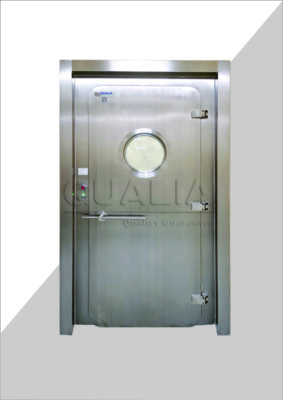
تعاون مع الشركة المصنعة للسدادة، ومصنّع الأبواب، ومهندس التحكم لوضع اللمسات الأخيرة على التصميم كوحدة ميكاترونيك متكاملة. ويشمل ذلك مواصفات الختم وهندسة المبيت ومواصفات نظام النفخ. قم بتأمين وأرشفة جميع الشهادات الخاصة بالدفعة (CoC، وUSP Class VI، وإمكانية التتبع) عند تقديم الطلب. للحصول على التشكيلات التفصيلية وخيارات التكامل، راجع مواصفات أبواب مانعة للتسرب تعمل بالهواء المضغوط متوافقة.
المرحلة 3: التحقق من الصحة والتخطيط التشغيلي
التحقق من صحة التركيب من خلال التحقق من التثبيت المناسب في الأخدود واختبار دورات النفخ/النفخ وسلامة الضغط. وأخيرًا، وضع خطة صيانة استنادًا إلى بيانات العمر الافتراضي للمورّد، ومن الأفضل تنفيذ مراقبة قائمة على أجهزة الاستشعار للصيانة القائمة على الحالة. هذا النهج المنظم يحول الامتثال من عملية توثيق إلى خاصية مدمجة في النظام.
ويعطي إطار القرار الأولوية لثلاثة عناصر: اعتماد المواد مع إمكانية التتبع الكامل، وتكامل التصميم للأداء المحكم، وإدارة دورة الحياة استنادًا إلى بيانات التطبيق. هذه ليست خانات اختيار متسلسلة ولكنها ركائز مترابطة لنظام موثوق به. إهمال أي منها يعرض كامل الاستثمار في مكافحة التلوث للخطر.
هل تحتاج إلى إرشادات احترافية في تحديد نظام باب مانع للتسرب قابل للنفخ تم التحقق من صلاحيته لبيئتك الحرجة ودمجه؟ الفريق الهندسي في كواليا متخصصون في التصميم المشترك لحلول منع التسرب المتوافقة مع دعم التوثيق الكامل لتطبيقات تصنيع الأدوية والرعاية الصحية العالية. اتصل بنا لمناقشة متطلبات الضغط ودرجة الحرارة والمتطلبات التنظيمية الخاصة بمشروعك.
الأسئلة المتداولة
س: ما هو الفرق العملي بين امتثال إدارة الغذاء والدواء الأمريكية وشهادة USP من الفئة السادسة لختم قابل للنفخ؟
ج: امتثال هيئة الغذاء والدواء الأمريكية بموجب 21 cfr 177.2600 يضمن سلامة المواد للتلامس المتكرر مع المنتج من خلال الحد من المواد القابلة للاستخراج. وتعد الفئة السادسة من USP معياراً أكثر صرامة للتوافق الحيوي يتطلب اجتياز المواد لاختبارات الحقن الجهازي وداخل الجلد والزرع لكل جامعة جنوب المحيط الهادئ <88>. وهذا يعني أن تطبيقات المستحضرات الصيدلانية والأجهزة الطبية يجب أن تحدد المواد التي تلبي كلا المعيارين، وليس معيارًا واحدًا فقط، لتلبية كل من متطلبات تنظيم السلامة والتوافق الحيوي.
س: كيف تؤثر مفاضلة فجوة الضغط على اختيار مانع التسرب القابل للنفخ للتطبيقات المختلفة؟
ج: توجد مقايضة أداء حرجة بين ضغط نفخ مانع التسرب والفجوة التي يجب أن يسدها. يمكن أن تفشل موانع التسرب منخفضة الضغط المصممة للفجوات الكبيرة، مثل تلك الموجودة في العوازل، إذا تعرضت لضغط تفاضلي مرتفع. وعلى العكس من ذلك، تتطلب التطبيقات ذات الضغط العالي مثل أجهزة التعقيم تشكيلات قوية وجيدة الاحتفاظ بها لأدنى حد من الفجوات. هذا يعني أنه يجب عليك تحليل الضغط التشغيلي المحدد وفجوة مانع التسرب المطلوبة أولاً، حيث أن اختيار المظهر الجانبي الخاطئ لهذه المفاضلة هو وضع الفشل الأساسي.
س: لماذا يُعد السيليكون المعالج بالبلاتين المادة القياسية، ومتى يجب التفكير في البدائل؟
ج: يُفضل استخدام السيليكون المعالج بالبلاتين لنقائه العالي، والحد الأدنى من المواد المرتشحة ومقاومته لدورات التعقيم والمنظفات القوية. ومع ذلك، قد تتطلب التطبيقات المتخصصة مادة EPDM المتوافقة لمقاومة محددة للعوامل الجوية أو مقاومة الأوزون أو الفلوروسيليكون لمواد كيميائية أو درجات حرارة استثنائية. وهذا يؤكد على أن اختيار المواد هو أمر خاص بالتطبيق؛ يجب عليك تحليل أنماط فشل الإجهاد الكيميائي والحراري والديناميكي لبيئتك بالضبط قبل اختيار المركب.
س: ما هي المستندات الضرورية بخلاف مطالبة المورد بالامتثال؟
ج: يجب عليك الحصول على ثلاث مستندات رئيسية وأرشفتها: شهادة الامتثال للمادة 21 CFR 177.2600 من إدارة الغذاء والدواء الأمريكية، وتقارير اختبار رسمية من الفئة السادسة من USP من مختبر معتمد، وشهادات تتبع المواد مع بيانات خاصة بالدفعة. الاعتماد على البيانات العامة غير كافٍ لأغراض التدقيق. وهذا يعني أن عملية الشراء الخاصة بك يجب أن تفرض استلام هذه المستندات المحددة التي يمكن تتبعها على دفعات محددة قبل التركيب للتخفيف من المخاطر التنظيمية أثناء عمليات التفتيش على المنشأة.
س: كيف يمكننا ضمان إحكام الإغلاق في زوايا باب مانع التسرب القابل للنفخ؟
ج: يتطلب تحقيق مانع تسرب خالٍ من التسرب عند الزوايا بزاوية 90 درجة أن تكون قوة النفخ محورية بحتة. إذا انتفخ مانع التسرب للداخل أو للخارج، فإنه يخلق نقاط تسرب متأصلة في الزوايا. وهذا يفرض قيدًا حاسمًا على التصميم، مما يعني أنه يجب عليك التعاون مبكرًا مع الشركة المصنعة لختم الختم ومصنع الباب لضمان تصميم الشكل الجانبي المحدد وهندسة أخدود المبيت بحيث لا ينتج عنه سوى تمدد محوري في جميع أنحاء محيط الباب بالكامل.
س: ما هي الأولويات التي يجب أن نعطيها عند اختيار مورد لهذه الأختام الحرجة؟
ج: قم بإعطاء الأولوية للموردين الذين يتمتعون بقدرات تركيب المواد المتكاملة رأسياً وقدرات اختبار التطبيقات الداخلية. يجب أن يوفروا بيانات تنبؤية للعمر الافتراضي من اختبارات الدورة المتسارعة في ظل ظروف محاكاة (درجة الحرارة والمواد الكيميائية) الخاصة بحالة الاستخدام الخاصة بك. هذا يعني أنه بالنسبة للصناعات التي تتطلب الكثير من عمليات التحقق من الصحة، يجب عليك تفضيل الشركاء الذين يمكنهم توفير الدعم الهندسي وبيانات الأداء، وليس فقط المنتجات الجاهزة، لضمان مرونة سلسلة التوريد وأداء النظام الذي يمكن التنبؤ به.
س: كيف يؤثر تصميم نظام النفخ على موثوقية نظام الباب بشكل عام؟
ج: نظام النفخ هو نظام فرعي ميكاترونيك متكامل، وليس مجرد ملحق. يتطلب مانع التسرب إمداد هواء نظيفًا ومضبوطًا ويجب أن يكون موجودًا بشكل آمن في أخدود مشكّل آليًا يوفر دعمًا ثلاثي الجوانب لمنع البثق. هذا يعني أنك بحاجة إلى تعاون مبكر بين الشركة المصنعة لمانع التسرب والمصمم الميكانيكي ومهندس التحكم لوضع اللمسات الأخيرة على اختيار الصمام والأنابيب وتصميم المبيت كوحدة واحدة متكاملة للتشغيل الموثوق.
س: هل يمكن للأبواب القابلة للنفخ ذات العازل القابل للنفخ أن تدعم تصميم المرافق المتكيفة في البيئات المنظمة؟
ج: نعم، تتيح قدرتها على إنشاء موانع تسرب موثوقة عند الطلب إمكانية إنشاء تخطيطات معيارية وقابلة لإعادة التشكيل لغرف التنظيف والأجنحة. وهذا يحول البنية التحتية الثابتة إلى أصول قابلة للتكيف يمكن تعديلها لتلبية احتياجات الإنتاج المتغيرة دون الحاجة إلى تجديدات كبيرة. بالنسبة للمشروعات التي تمثل فيها المرونة المستقبلية أولوية، يجب التخطيط لأنظمة أبواب مانعات التسرب لتقليل التكاليف طويلة الأجل ووقت التعطل التشغيلي المرتبط بإعادة تشكيل المنشأة.
المحتويات ذات الصلة:
- فهم تقنية ختم الباب الهوائي APR الهوائي
- جامعة جنوب المحيط الهادئ <797> الامتثال لعوازل السلامة البيولوجية
- تحسين نظام ختم الباب APR | مراقبة الجودة | الاختبار
- ما هي الأختام الهوائية للأبواب الهوائية APR وكيفية عملها
- ختم الباب الصيدلاني APR للأدوية | تطبيقات ومعايير غرف الأبحاث
- مقاييس أداء ختم الباب الهوائي APR الهوائي | المواصفات الفنية
- أختام الأبواب الصناعية APR الصناعية | دليل الشراء | مقارنة المواصفات
- أبواب مانع التسرب الميكانيكي المتوافق مع ممارسات التصنيع الجيدة (GMP) | متطلبات إدارة الأغذية والعقاقير والتحقق من الصحة
- تركيب مانع تسرب الباب الهوائي APR | الصيانة | استكشاف الأعطال وإصلاحها