يتسارع الضغط التنظيمي للحد من انبعاثات أكسيد الإيثيلين (EtO)، ولكن التحول المباشر إلى بيروكسيد الهيدروجين المبخر (VHP) ليس مجرد استبدال واحد مقابل واحد. تواجه شركات التعقيم المتعاقدة قرارًا تقنيًا واستراتيجيًا معقدًا: ما هي الأجهزة الموجودة في محفظتها المناسبة حقًا لبيروكسيد الهيدروجين المبخر، وكيف تنفذ عملية انتقال متوافقة وفعالة دون المساس بخدمة العملاء؟ إن إساءة فهم هذا الأمر على أنه مجرد تغيير معقم يخاطر بفشل التحقق من الصحة والأضرار المادية والاضطراب التشغيلي.
هذا الانتقال أمر ملح. إن إعادة التصنيف التنظيمي للتبريد عالي الكثافة كطريقة ثابتة والقيود التي تلوح في الأفق على قدرة الإيثيلين تخلق نافذة ضيقة للعمل الاستراتيجي. يعد إتقان عملية التحويل الآن أمرًا بالغ الأهمية للحفاظ على استمرارية سلسلة التوريد، والاستحواذ على الطلب الجديد في السوق، وبناء المرونة التشغيلية. إن التحول لا يتعلق فقط بالامتثال؛ إنه إعادة تقييم أساسية للتعقيم كعملية تجارية.
المرحلة 1: التقييم الاستراتيجي وتدقيق الجدوى الاستراتيجية
تحديد جدوى المحفظة الاستثمارية
تتمثل الخطوة الأولى في إجراء تدقيق صارم قائم على البيانات لمجموعة الأجهزة المعقمة بالإيثيلين المعقمة بالكامل. قم بفهرسة كل عنصر بمواد بنائه المحددة، وتعقيده الهندسي، ونوع التغليف، وبيانات العبء الحيوي التاريخية. هذا الجرد ليس إداريًا؛ فهو الأساس التقني لجميع القرارات اللاحقة. والهدف هو تحديد الأجهزة التي يمكن تحويلها بنجاح والأجهزة التي ستبقى معتمدة على توافق المواد الفريدة من نوعها وقدرات الاختراق الخاصة بـ EtO.
فحص القيود الفنية
يغذي هذا التدقيق فحصًا تقنيًا أوليًا لتحديد المواد عالية الخطورة. يحتوي VHP على قيود معروفة مع بعض المواد الحساسة للأكسدة، مثل بعض المواد اللاصقة والمواد القائمة على السليلوز والمعادن غير المطلية مثل النحاس. هندسة الجهاز أمر بالغ الأهمية بنفس القدر؛ فالتجويفات الطويلة والضيقة (على سبيل المثال, <1mm diameter and>بطول 500 مم) يمثل تحديًا كبيرًا لاختراق البخار. والأمر الأكثر أهمية هو أن وجود التربة العضوية هو مانع تعقيم شامل لكل من EtO وVHP، مما يجعل التنظيف الفعال شرطًا أساسيًا غير قابل للتفاوض. من خلال خبرتنا في التحقق من صحة المعالجة، فإن التقليل من تأثير التربة هو السبب الأكثر شيوعًا لفشل التعقيم في إعدادات المعالجة الجديدة.
تشعب المحفظة الاستراتيجية
نتيجة هذه المرحلة هي استراتيجية محفظة متشعبة. سوف تفصل بوضوح بين الأجهزة المناسبة للتحويل إلى برنامج التحويل إلى أجهزة ذات كفاءة عالية وتلك التي يجب أن تبقى على برنامج التحويل إلى أجهزة أخرى بسبب القيود التقنية. هذا الوضوح ضروري لتخصيص الموارد وإبلاغ التخطيط طويل الأجل. كما أنه يسلط الضوء على الحاجة إلى التعامل مع موردي البوليمر الذين يبتكرون من أجل التوافق مع البوليمر عالي الكثافة VHP، مما قد يتيح إعادة تصميم أو إعادة صياغة المكونات التي تواجه مشاكل للتحويل في المستقبل.
| خصائص الجهاز | مخاطر التوافق مع VHP | معايير الفرز الرئيسية |
|---|---|---|
| نوع المادة | حساس للأكسدة | مواد لاصقة، نحاس غير مطلي |
| هندسة الجهاز | مخاطر الاختراق العالية | لومينز <1mm, >طول 500 مم |
| العبء الحيوي والتربة | مانع التعقيم الشامل | وجود التربة العضوية |
| التعبئة والتغليف | متفاوتة | نفاذية المواد |
| نتائج التدقيق | تشعب المحفظة | قابلية VHP-مناسب مقابل قابلية EtO-مطلوب |
المصدر: الوثائق الفنية والمواصفات الصناعية.
المرحلة 2: اختيار نظام VHP وتخطيط المرافق
موازنة الإنتاجية مع المواصفات
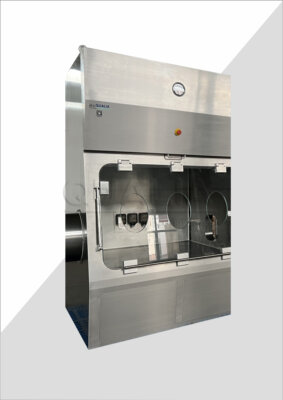
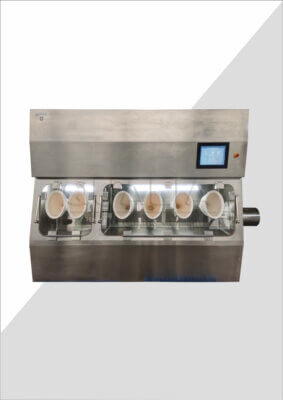
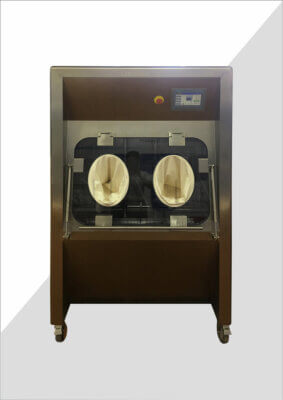
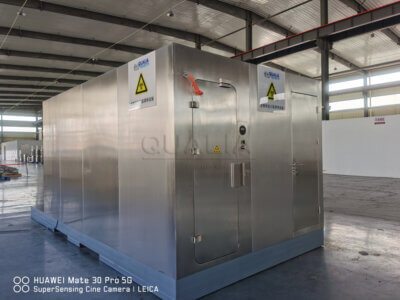
يتطلب اختيار نظام VHP مواءمة المواصفات الفنية مع أهداف الإنتاجية التجارية. تحديد المتطلبات غير القابلة للتفاوض لحجم الحجرة ووقت الدورة والتكامل مع مناولة المواد الحالية. إعطاء الأولوية للأنظمة المزودة بقدرات مراقبة متقدمة في الوقت الفعلي للمعلمات الحرجة: تركيز بخار H₂O₂O₂ وتركيز بخار H₂ ورطوبة الغرفة ودرجة الحرارة. تعد سلامة البيانات هذه أساسية للتحقق من الصحة والتحكم الروتيني.
تقييم أثر المنشأة
تظهر ميزة كبيرة للتبريد عالي الكثافة في تقييم تأثير المنشأة. فعلى عكس غاز ثاني أكسيد الكربون، الذي يتطلب بخار معالجة، وأنظمة معقدة للحد من الغازات، وتهوية متخصصة في معالجة المواد الخطرة، تحتاج أنظمة VHP عادةً إلى طاقة كهربائية قياسية فقط. هذا الانخفاض الكبير في عبء البنية التحتية للمنشأة يقلل من النفقات الرأسمالية ويتيح نشر أسرع وأكثر مرونة ضمن المساحات الحالية. الآثار التشغيلية عميقة: غالبًا ما تكون الميزة الأساسية للتخطيط الهيدروجيني الافتراضي هي تشغيلية وليست ميكروبية.
حالة الأعمال الأساسية
ويؤدي التحول من زمن دورة التصنيع المحوسب الذي يزيد عن 14 ساعة إلى دورات التصنيع عالي الكفاءة التي غالبًا ما تكون أقل من ساعتين إلى زيادة الإنتاجية وانخفاض مخزون العمل الجاري وزيادة سرعة سلسلة التوريد. تشكل هذه الكفاءة جوهر التبرير المالي الذي يتجاوز الامتثال التنظيمي. عند تقييم الأنظمة، يجب أن تأخذ التكلفة الإجمالية للملكية في الاعتبار هذه المكاسب في الإنتاجية مقابل التكلفة الاستهلاكية لبيروكسيد الهيدروجين.
| متطلبات النظام | مواصفات VHP النموذجية | مقارنة EtO |
|---|---|---|
| وقت الدورة | أقل من ساعتين | أكثر من 14 ساعة |
| البنية التحتية | الطاقة القياسية فقط | بخار المعالجة، التخفيف |
| عبء المنشأة | تكلفة رأسمالية منخفضة | تهوية عالية ومتخصصة |
| الميزة الأساسية | الكفاءة التشغيلية | التغلغل الميكروبي |
| النشر | سريع ومرن | معقدة وثابتة |
المصدر: الوثائق الفنية والمواصفات الصناعية.
المرحلة 3: التحقق من الصحة الميكروبيولوجية والامتثال للمواصفة ISO 22441
بناء الأدلة العلمية
تحول هذه المرحلة النظرية إلى ضمان عقم مثبت. وتبدأ باختبار توافق المواد، وإخضاع عينات الأجهزة لعدة دورات متتالية من اختبار توافق المواد، وإخضاع عينات الأجهزة لعدة دورات متتالية من اختبار توافق المواد لتقييم التدهور الوظيفي أو الجمالي. وبالتزامن مع ذلك، يتم التحقق من التحقق الميكروبيولوجي لكل أيزو 22441:2022 إلزامي. يجب أن تستخدم خطة التحقق من الصحة نهج نصف الدورة لإثبات الحد الأدنى من 6 لُغ من المؤشرات البيولوجية المناسبة، وعادة ما تكون Geobacillus stearothermophilus الجراثيم.
التحقق من صحة أسوأ الحالات
تكمن الدقة الاستراتيجية للتحقق من الصحة في نطاقها. يجب أن يأخذ في الحسبان تكوينات الحمل في أسوأ الحالات واستخدام أجهزة تحدي المعالجة (PCDs) التي تمثل أكثر السمات التي يصعب تعقيمها والتي تم تحديدها في المرحلة الأولى. يعد التحقق من الصحة في ظل ظروف مثالية خطأً فادحًا؛ يجب أن يتم تحدي العملية بأقصى حمل للتربة العضوية المتوقعة في المعالجة الروتينية. من المتطلبات الموازية التحقق من أن بقايا بيروكسيد الهيدروجين على الأجهزة والتغليف أقل من الحدود المقبولة، عادةً ما تكون 1-5 جزء في المليون.
تبسيط لوجستيات ما بعد المعالجة
ومن أهم ما يميزه عن الأكسجين الإيثيلي هو مسار ما بعد التعقيم. يتحلل VHP إلى بخار الماء والأكسجين، الذي يحدد لوجستيات ما بعد المعالجة من خلال التخلص من أوقات التهوية الطويلة والاختبارات المعقدة المتبقية المطلوبة ل EtO. يعمل ذلك على تبسيط إجراءات الإفراج وتقليل وقت المكوث في المستودع وتسريع تسليم المنتج إلى العميل.
| مكون التحقق من الصحة | متطلبات الأيزو 22441 ISO 22441 | المعلمة الحرجة |
|---|---|---|
| الحد من الميكروبات | الحد الأدنى 6 لُغ من الحد الأدنى | Geobacillus stearothermophilus |
| نهج الدورة | طريقة نصف الدورة | فتك مثبت |
| تكوين التحميل | التحميل في أسوأ الحالات | أجهزة تحدي العمليات (PCDs) |
| الاختبار المتبقي | 1-5 جزء في المليون | تركيز بيروكسيد الهيدروجين |
| خطوة ما بعد المعالجة | لا يوجد تهوية طويلة | يتحلل إلى ماء/أكسجين |
المصدر: المواصفة القياسية ISO 22441:2022 تعقيم منتجات الرعاية الصحية - بيروكسيد الهيدروجين المبخر بدرجة حرارة منخفضة. تنص هذه المواصفة القياسية على متطلبات التحقق من صحة عملية المعالجة بالهيدروجين عالي الكثافة، بما في ذلك نهج نصف الدورة، واختيار المؤشر البيولوجي، واختبار الحمل في أسوأ الحالات لضمان ضمان العقم.
المرحلة 4: بروتوكولات التكامل التشغيلي وتدريب الموظفين
ترجمة التحقق من الصحة إلى روتين
يعتمد النجاح التشغيلي على الدمج الدقيق للعملية التي تم التحقق من صحتها في تدفقات العمل اليومية. تطوير تعليمات عمل خاصة بالجهاز تغطي التكييف المسبق (إذا لزم الأمر)، وأنماط التحميل المعتمدة، واختيار معلمات الدورة. إنشاء مراقبة روتينية قوية: المعلمات الفيزيائية (الوقت ودرجة الحرارة والتركيز) لكل دورة، والمؤشرات الكيميائية في كل عملية تحميل والمؤشرات البيولوجية بتردد محدد لكل ISO 14937:2009 المبادئ.
تطوير الكفاءة الشاملة
يجب أن يمتد تدريب الموظفين إلى ما هو أبعد من الضغط على الأزرار. يجب أن يغطي مبادئ التكنولوجيا الأساسية، وإجراءات السلامة في التعامل مع H₂O↩O₂ المركّزة، وبروتوكولات الاستجابة للإنذار، وأهمية الجودة لكل خطوة. تعمل هذه المرحلة على تفعيل مكاسب الكفاءة؛ فالفريق المدرب تدريبًا جيدًا ضروري للحفاظ على أوقات الاستجابة السريعة التي تبرر الاستثمار. ويؤكد الاعتماد على التحكم الدقيق في المعلمات على السبب في أن يصبح الاستشعار وتحليل البيانات أمرًا بالغ الأهمية; ؛ الاستثمار في البنية التحتية المتقدمة للمراقبة هو المفتاح لزيادة الإنتاجية والحفاظ على الامتثال للتحقق من الصحة.
ضمان موثوقية العملية
يتطلب الانتقال من حالة التحقق من الصحة إلى حالة التحكم الروتيني اليقظة. تنفيذ عملية واضحة لإدارة الانحراف وتمكين المشغلين من إيقاف المعالجة إذا انحرفت المعلمات الحرجة. هذا التحول الثقافي نحو التشغيل المستند إلى البيانات لا يقل أهمية عن التثبيت التقني لـ معدات التعقيم ببيروكسيد الهيدروجين.
المرحلة 5: تحديثات نظام الجودة والتقديم التنظيمي
إضفاء الطابع الرسمي على التغيير
يجب تأمين التحويل رسميًا في نظام إدارة الجودة (QMS) الخاص بك. تحديث جميع الوثائق ذات الصلة: دليل الجودة، وتقارير ملخصات التحقق من الصحة (IQ/OQ/Q/PQ)، وجميع إجراءات التشغيل القياسية المرتبطة بها. تنفيذ سجل واضح للتحكم في التغيير لكل عائلة من عائلات الأجهزة التي يتم تحويلها من نظام التشغيل الآلي إلى نظام التشغيل الافتراضي، بما يضمن إمكانية التتبع الكامل.
الاستفادة من الزخم التنظيمي
ويصب المشهد التنظيمي الآن في صالح اعتماد البولي بروتين هيدروكسي هيدروجيني. وتوفر إعادة تصنيف إدارة الغذاء والدواء الأمريكية لعام 2024 لطريقة التعقيم البوليمرية الطنانة (VHP) على أنها “الفئة أ” واعترافها بمعيار ISO 22441 مسارًا واضحًا ومنظمًا. إعداد الطلبات التنظيمية (على سبيل المثال، ملاحق إدارة الغذاء والدواء الأمريكية 510 (ك)) لتحديث طريقة التعقيم للأجهزة المتأثرة. الاستفادة من هذا الزخم التنظيمي يقلل بشكل استباقي من مخاطر الامتثال على المدى الطويل مقارنةً بالإبقاء على عمليات التشغيل الآلي في ظل التدقيق المتزايد.
إدارة التواصل مع العملاء
إخطار العملاء المتأثرين بشكل استباقي بحزمة دعم شاملة. يجب أن يتضمن ذلك بيانًا رسميًا بالتحقق من الصحة يلخص النهج والنتائج، وتعليمات تعقيم محدثة لسجلات أجهزتهم الرئيسية. التواصل الشفاف خلال هذه المرحلة يضمن ثقة العميل ويخفف من المخاطر التجارية.
المرحلة 6: المراقبة والتحسين في مرحلة ما بعد التنفيذ
وضع مؤشرات الأداء الرئيسية
يتطلب النجاح على المدى الطويل مراقبة يقظة. تتبع مؤشرات الأداء الرئيسية المحددة مثل معدلات عدم مطابقة الدورة، والمعدلات الإيجابية للمؤشرات البيولوجية (الهدف: صفر)، ووقت تشغيل/تعطل المعدات. يحدد تحليل هذه الاتجاهات العلامات المبكرة لانحراف العملية أو تآكل المعدات قبل أن تؤثر على جودة المنتج.
إعادة الصلاحية الدورية الإلزامية
الالتزام الصارم بالجدول الزمني لإعادة التحقق الدوري كما هو مطلوب بموجب المواصفة القياسية ISO 22441. وهذا الأمر ليس اختياريًا؛ بل هو شرط للحفاظ على حالة التحكم. يجب أن تعيد عملية إعادة التحقق من الصحة تقييم أسوأ الأحمال، خاصةً إذا تم إدخال أنواع جديدة من الأجهزة في مجموعة أجهزة VHP.
بناء خندق تنافسي
أنشئ حلقة رسمية للتغذية الراجعة مع العملاء لاكتشاف أي مشكلات ميدانية تتعلق بتوافق المواد أو وظائفها. دورة التحسين المستمرة هذه هي حيث تصبح ميزة المحرك الأول في التحقق من صحة برنامج الصحة والصحة النباتية استراتيجية. إن المعرفة العملية العميقة والملكية المكتسبة من إتقان معلمات VHP للأجهزة المعقدة تخلق خندقًا تنافسيًا كبيرًا، مما يعزز من تمايز الخدمة.
| مؤشر الأداء الرئيسي (KPI) | هدف الرصد | النتائج الاستراتيجية |
|---|---|---|
| عدم مطابقة الدورة | تخفيض الاتجاهات | موثوقية العملية |
| معدلات إيجابية BI | صفر من الإيجابيات | التحقق المستدام |
| وقت تعطل المعدات | التقليل إلى الحد الأدنى | زيادة الإنتاجية إلى أقصى حد |
| إعادة الصلاحية الدورية | جدول الأيزو 22441 ISO 22441 | الامتثال المستمر |
| حلقة ملاحظات العملاء | اكتشاف المشكلة | الخندق المعرفي التنافسي |
المصدر: المواصفة القياسية ISO 22441:2022 تعقيم منتجات الرعاية الصحية - بيروكسيد الهيدروجين المبخر بدرجة حرارة منخفضة. ويحدد المعيار متطلبات الرقابة والرصد الروتيني، بما في ذلك تواتر اختبار المؤشرات البيولوجية والحاجة إلى إعادة التحقق الدوري للحفاظ على حالة الرقابة.
عوامل القرار الرئيسية لجدولك الزمني لتحويل برنامج التحويل إلى برنامج الإسكان الطوعي
المحركات الداخلية: المحفظة والموارد
الجدول الزمني الخاص بك تمليه أولاً العوامل الداخلية. إن تعقيد محفظة أجهزتك من المرحلة الأولى أمر بالغ الأهمية؛ فالمحفظة التي تحتوي على العديد من الأجهزة المعقدة القائمة على التجويف ستتطلب نطاق تحقق أطول وأكثر شمولاً من تلك التي تحتوي على أجهزة سطحية بسيطة. وعلى الصعيد الداخلي، فإن توافر الموظفين المؤهلين لتنفيذ دراسات التحقق من الصحة وإجراء التدريب سيسرع تقدمك بشكل مباشر.
التبعيات الخارجية: التنظيم والمعدات
تقدم العوامل الخارجية جداول زمنية متغيرة. يمكن أن تتضمن استراتيجيات التقديم التنظيمي لكل عائلة أجهزة فترات مراجعة لا يمكن التنبؤ بها. وعلى الرغم من أن المهل الزمنية لشراء معدات VHP وتركيبها أقصر بشكل عام من المهل الزمنية الخاصة بمعدات EtO بسبب انخفاض متطلبات البنية التحتية، إلا أنه يجب أن تظل هذه المهل الزمنية في المسار الحرج. والأهم من ذلك، يجب وضع نموذج نموذج خدمة ناشئ لـ EtO المتخصصة; ؛ إذا كان الاحتفاظ ببعض سعة EtO، فإن التخطيط لتوحيدها المحتمل وتسعيرها المتميز ضروري لاستمرارية الأعمال بشكل عام.
| عامل القرار | التأثير على الجدول الزمني | مثال المتغير |
|---|---|---|
| تعقيد الجهاز | مرتفع (تدقيق المرحلة 1) | النطاق المادي/الهندسي |
| الاستراتيجية التنظيمية | فترات المراجعة المتغيرة | ملاحق إدارة الغذاء والدواء الأمريكية 510(ك) |
| الموارد الداخلية | خطوات التحقق من صحة/التدريب | توافر الموظفين |
| مهلة المعدات | أقصر بشكل عام من EtO | المشتريات والتركيب |
| نموذج خدمة EtO | تخطيط استمرارية الأعمال | الاحتفاظ بالقدرات المتخصصة |
المصدر: الوثائق الفنية والمواصفات الصناعية.
اطلب خارطة طريق التحويل المخصص وعرض الأسعار
توفر القائمة المرجعية العامة التوجيه، ولكن التنفيذ يتطلب خطة مصممة خصيصًا لمحفظة أجهزتك الفريدة وقيود المنشأة والأهداف التجارية. تعمل خارطة الطريق المفصلة على تسلسل المراحل المذكورة أعلاه في خطة مشروع ذات مراحل محددة ومخصصات الموارد واستراتيجيات تخفيف المخاطر. وهي توفر جدولاً زمنياً واقعياً وملفاً واقعياً للاستثمار، مما يتيح تخطيطاً مستنيراً لرأس المال.
إن الانتقال من تعقيم أكسيد الإيثيلين إلى التعقيم باستخدام تقنية VHP هو مشروع تقني واستراتيجي متعدد المراحل. ويتوقف النجاح على التدقيق الصادق للمحفظة، ودقة التحقق من الصحة المرتكزة على ISO 22441، والتكامل التشغيلي الذي يستحوذ على مزايا الإنتاجية التي يوفرها التعقيم بالتبريد عالي الكثافة. يتطلب قرار المضي قدمًا تحقيق التوازن بين الضرورة التنظيمية والجدوى الفنية لمزيج أجهزتك المحددة.
هل تحتاج إلى تقييم احترافي وخطة تنفيذ مصممة خصيصًا لتحويل التعقيم لديك؟ الخبراء في كواليا تقديم تدقيق مفصّل وخارطة طريق بناءً على محفظتك الخاصة وأهدافك التشغيلية. اتصل بنا لمناقشة متطلباتك وتحديد موعد لمراجعة الجدوى.
الأسئلة المتداولة
س: كيف نحدد الأجهزة الموجودة في محفظتنا المناسبة للتحويل من التعقيم بالأكسجين الإيثيلي إلى التعقيم بالحرارة العالية جداً؟
ج: إجراء تدقيق مفصل لكل جهاز، وتوثيق المواد والهندسة والتغليف وتاريخ العبء الحيوي. تشير هذه البيانات إلى العناصر ذات قيود VHP المعروفة، مثل البوليمرات الحساسة للأكسدة أو النحاس غير المطلي أو اللمعات الطويلة والضيقة التي يقل قطرها عن 1 مم. وتتمثل النتيجة الاستراتيجية في انقسام واضح بين الأجهزة المتوافقة مع VHP وتلك التي تتطلب استمرار استخدام EtO. بالنسبة للمشاريع ذات المحافظ المعقدة، توقع تخصيص موارد كبيرة لهذا الفحص التقني وإعادة تصميم المواد المحتملة مع الموردين.
س: ما هي الاختلافات الرئيسية في البنية التحتية للمنشأة عند التحول من نظام EtO إلى نظام VHP؟
ج: عادةً ما تتطلب أنظمة المعالجة الحرارية الفائقة فقط الطاقة الكهربائية القياسية، مما يلغي الحاجة إلى بخار المعالجة وخفض الغازات الخطرة والتهوية المتخصصة المطلوبة لأكسيد الإيثيلين. وهذا يقلل بشكل كبير من عبء البنية التحتية للمنشأة والتكاليف الرأسمالية المرتبطة بها. الميزة التشغيلية كبيرة، مما يتيح نشر أسرع وأكثر مرونة داخل المساحات الحالية. وهذا يعني أن المرافق التي تواجه قيودًا على المساحة أو المرافق يجب أن تعطي الأولوية لتكنولوجيا VHP لانخفاض تعقيد التركيب وبدء التشغيل الأسرع.
س: ما هو نهج التحقق من الصحة الميكروبيولوجية المطلوب لعملية التعقيم الجديدة لمضخة التعقيم بالحرارة العالية جداً؟
ج: يجب أن تتبع عملية التحقق من الصحة طريقة نصف الدورة حسب آيزو 22441 لإثبات الحد الأدنى من 6 لُغ من المؤشرات البيولوجية المقاومة. يجب أن تختبر الخطة تكوينات الحمل في أسوأ الحالات وأجهزة تحدي المعالجة (PCDs) التي تمثل أكثر ميزات جهازك صعوبة في التعقيم. هذا الشرط التأسيسي من ISO 14937 يعني أن نطاق التحقق من الصحة ومدته يتحددان بشكل مباشر حسب مدى تعقيد محفظتك، لذا خطط لاختبارات مكثفة للأجهزة ذات الأشكال الهندسية أو المواد الصعبة.
س: كيف تتغير معالجة ما بعد التعقيم عند الانتقال من EtO إلى VHP؟
ج: يتحلل VHP إلى ماء وأكسجين، مما يلغي دورات التهوية المطولة والاختبارات المعقدة للمخلفات المطلوبة لبقايا أكسيد الإيثيلين. وهذا يبسّط لوجستيات ما بعد المعالجة، ويقلل من مخزون العمل الجاري ويسرّع من إطلاق المنتج. إذا كانت عمليتك تتطلب تحولاً سريعًا وسرعة عالية في سلسلة التوريد، فإن أوقات دورات VHP الأقصر وعدم وجود تهوية توفر ميزة تشغيلية واضحة على عمليات أكسيد الإيثيلين الإيثيلي التقليدية.
س: ما هي العوامل الحاسمة التي تحدد الجدول الزمني لمشروع التحويل الكامل من EtO إلى VHP؟
ج: يعتمد الجدول الزمني الخاص بك على مدى تعقيد مجموعة الأجهزة، واستراتيجية التقديم التنظيمي لكل عائلة أجهزة، وتوافر الموارد الداخلية للتحقق من الصحة، والمهل الزمنية للمعدات. إن نطاق ومدة العمل المطلوبة آيزو 22441 دراسات التحقق من الصحة هي العامل الأكثر تغيرًا. وهذا يعني أن المرافق التي تحتوي على العديد من الأجهزة المعقدة القائمة على التجويف يجب أن تخطط لجدول زمني متعدد المراحل وممتد، في حين أن المرافق التي تحتوي على محافظ أبسط يمكن أن تحقق التحويل بسرعة أكبر.
س: لماذا يعد تدريب الموظفين أمرًا بالغ الأهمية بشكل خاص لتشغيل برنامج المعالجة الصحية الافتراضية الموثوق به مقارنةً بالعمليات التشغيلية الأخرى؟
ج: تعتمد فعالية بيروكسيد الهيدروجين الهيدروجيني المركز على التحكم الدقيق في المعلمات الحرجة مثل تركيز البخار والرطوبة ودرجة الحرارة أثناء الدورة. يجب أن يغطي التدريب الشامل مبادئ التكنولوجيا، والتعامل مع بيروكسيد الهيدروجين المركز، وبروتوكولات الاستجابة للإنذارات المحددة. ويعني هذا الاعتماد التشغيلي على التحكم الدقيق في المعلمات أن الاستثمار في المراقبة المتقدمة لأجهزة الاستشعار وتحليلات البيانات هو المفتاح للحفاظ على الامتثال للتحقق من الصحة وزيادة الإنتاجية في الإعدادات ذات الحجم الكبير.
س: كيف يجب علينا تحديث استراتيجيتنا التنظيمية عند تقديم تغيير من التعقيم بالانبعاثات الكهرومغناطيسية إلى التعقيم بالانبعاثات الكهرومغناطيسية؟
ج: قم بتحديث وثائق نظام إدارة الجودة لديك، بما في ذلك تقارير التحقق من الصحة وإجراءات التشغيل الموحدة، مع التحكم الواضح في التغيير. إن إعادة تصنيف إدارة الغذاء والدواء الأمريكية لعام 2024 لمضادات الأكسدة الطازجة الطازجة على أنها “الفئة أ” المنشأة والاعتراف آيزو 22441 توفير مسار تنظيمي ملائم. قم بإعداد الطلبات المقدمة مثل ملاحق 510 (ك) لتحديث طريقة التعقيم. يعني هذا الزخم التنظيمي أنه يجب عليك الاستفادة من الوضوح الحالي لتقليل مخاطر الامتثال على المدى الطويل وتأمين الترخيص التجاري للخدمة الجديدة.
المحتويات ذات الصلة:
- بيروكسيد الهيدروجين المتبخر مقابل تعقيم أكسيد الإيثيلين: 8 اختلافات حاسمة لمصنعي الأجهزة الطبية
- متطلبات اختبار توافق المواد للتعقيم بالحرارة العالية جداً: دليل بروتوكول ISO 22441 ISO 22441
- التعقيم التقليدي مقابل التعقيم التقليدي: مقارنة عام 2025
- التعقيم في مجال الرعاية الصحية: أفضل الممارسات لعام 2025
- مولدات VHP المتوافقة مع GMP | متطلبات إدارة الغذاء والدواء الأمريكية لإزالة التلوث المحمول
- الدليل الكامل لتعقيم بيروكسيد الهيدروجين للأجهزة الطبية والمنشآت الصيدلانية: معايير 2025 وأفضل الممارسات
- عملية التعقيم بالـ VHP الدليل الشامل لعام 2025
- أهم 10 مزايا للتعقيم باستخدام تقنية VHP في عام 2025
- تعقيم المختبر باستخدام VHP: دليل الخبراء 2025