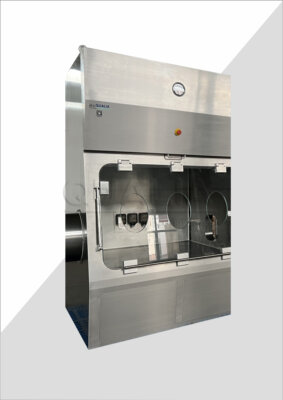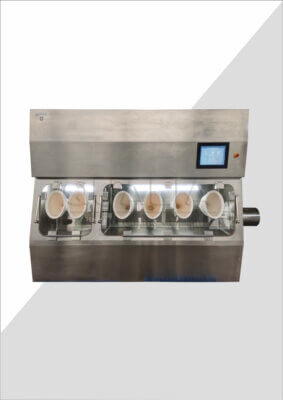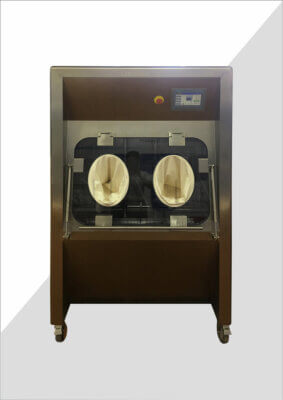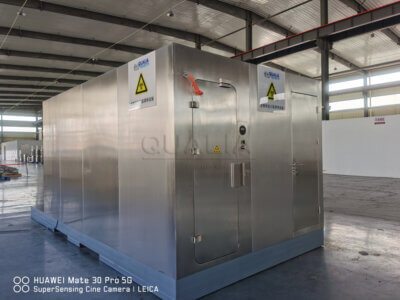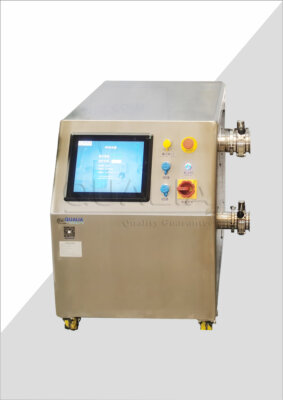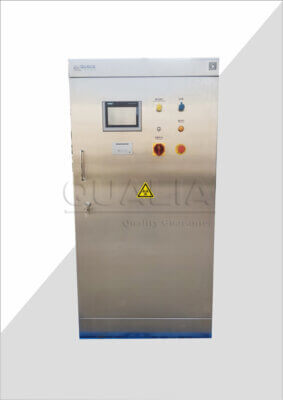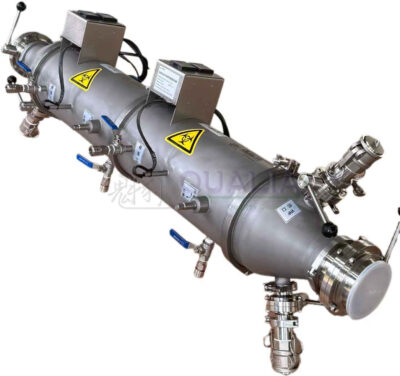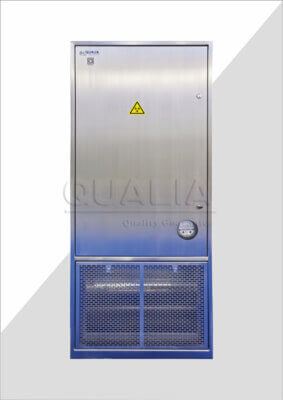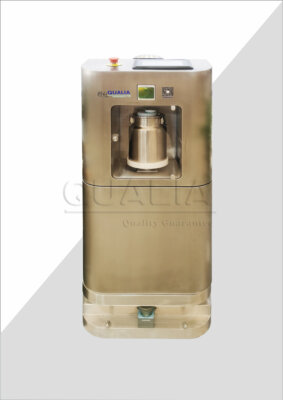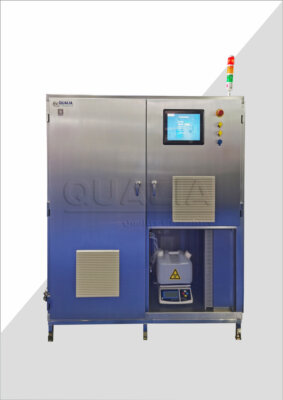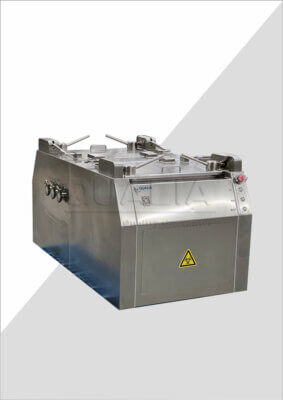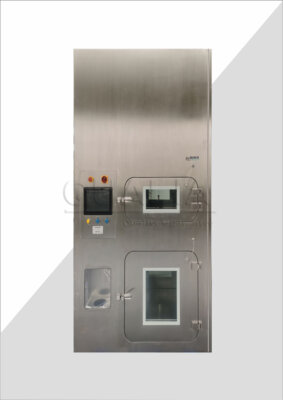

Вибір правильної системи знезараження стічних вод (СЗВ) є критично важливим інфраструктурним рішенням для будь-якого об'єкта BSL-2, -3 або -4. Вибір між технологіями періодичної та безперервної дії диктується експлуатаційною безпекою, дотриманням нормативних вимог та довгостроковою фінансовою життєздатністю. Поширеною помилкою є думка, що це рішення стосується лише потужності; насправді ж воно залежить від узгодження операційної філософії системи з унікальним профілем відходів вашого об'єкта та толерантності до ризиків.
Ця система прийняття рішень має важливе значення зараз, коли регуляторний контроль посилюється, а керівники об'єктів стикаються з необхідністю оптимізувати як капітальні витрати, так і експлуатаційні гарантії. Неправильно налаштована система може призвести до прогалин у дотриманні вимог, надмірних операційних витрат або неадекватної дезінфекції. Розуміння основних компромісів гарантує, що ваші інвестиції будуть підтримувати як поточні протоколи, так і майбутнє розширення.
Пакетний та безперервний ЕЦП: Пояснюємо основні відмінності
Операційна філософія та рівень гарантій
Фундаментальна відмінність полягає в дизайні процесу. При серійній ЕШУ обробляють дискретні об'єми в герметичній посудині, виконуючи валідований цикл заповнення, нагрівання, витримки, охолодження і вивантаження. Цей метод забезпечує повний, задокументований “цикл знищення” для кожної ізольованої партії, як правило, з використанням термічної інактивації при 121°C протягом певного часу. Системи безперервного потоку, навпаки, обробляють безперервний потік через нагріту трубу. Це створює основний компроміс: пакетна обробка надає перевагу надійності над ефективністю пропускної здатності. Дискретний характер пакетної обробки забезпечує вищу безпеку процесу і впевненість валідації на одиницю відходів, що не підлягає обговоренню для операцій з високим вмістом відходів.
Придатність програми та позиція щодо ризиків
Вибір полягає не в перевазі, а в оптимальному застосуванні. Системи безперервної дії чудово справляються з великими, стабільними обсягами відходів з мінімальним часом очікування, що часто спостерігається в промислових масштабах. Однак у дослідницьких, фармацевтичних і діагностичних лабораторіях утворення відходів рідко буває постійним. Здатність серійної моделі утримувати і валідувати кожен дискретний об'єм відповідає характеру цих середовищ, які не схильні до ризику і мають змінну продуктивність. З мого досвіду перегляду журналів валідації, можливість прив'язати конкретний запис про партію до потоку експериментальних відходів за певний день забезпечує неперевершений аудиторський слід для регуляторних органів.
Компроміс між пропускною здатністю та безпекою
Оцінка цього компромісу вимагає чесності щодо пріоритетів підприємства. Якщо основним критерієм є максимізація кількості оброблених літрів на годину з однорідними стічними водами, безперервний потік може бути життєздатним. Якщо ж потрібно обробляти змінні біологічні навантаження, забезпечувати абсолютну ізоляцію під час обробки і отримувати неспростовні докази загибелі для кожної партії, то безперервний потік є остаточним рішенням. Ця гарантія є першочерговою для об'єктів, де збій процесу може мати серйозні наслідки.
Порівняння витрат: Капітальні, операційні та загальна вартість володіння
Розуміння складових витрат життєвого циклу
Рішення про покупку, засноване виключно на капітальних витратах, є стратегічною помилкою. Загальна вартість володіння (TCO) протягом усього терміну експлуатації системи, який може тривати десятиліттями, показує справжню вартість інвестицій. Системи періодичної дії часто представляють нижчу точку входу капіталу для низьких і середніх обсягів, але їхня вартість енергії за цикл вимагає ретельного аналізу. Критично важливими факторами є рекуперація енергії, яка перетворює виробництво з центру витрат на центр ефективності. Удосконалені системи з тепловою регенерацією можуть відновлювати 75-80% енергії для попереднього підігріву вхідних стічних вод, що значно скорочує довгострокові витрати пари або електроенергії.
Вплив надмірності та конфігурації
Операційний дизайн безпосередньо впливає на фінансову стійкість. Конфігурація резервуарів диктує експлуатаційну гнучкість і надмірність. Конструкція з одним резервуаром має менші початкові витрати, але може створювати вузькі місця в роботі. Система з двома резервуарами (N+1) збільшує капітальні витрати, але забезпечує безперервне приймання та переробку відходів, запобігаючи дорогим експлуатаційним простоям. Розглядаючи варіант 60-річні життєві цикли Для такої інфраструктури початковий вибір постачальника стає рішенням про довгострокове партнерство, де якість обслуговування і доступність запчастин суттєво впливають на витрати на технічне обслуговування протягом усього терміну експлуатації.
Аналіз факторів витрат за допомогою даних
Структуроване порівняння дає змогу зрозуміти, де виникають витрати, а де можна досягти ефективності. У наступній таблиці наведено основні компоненти витрат та їхні характеристики для серійних ЕЦП.
| Витратна складова | Характеристика пакетного ЕЦП | Ключовий фактор ефективності |
|---|---|---|
| Точка входу капіталу | Нижчий для малих обсягів | Стандартні та індивідуальні моделі |
| Витрати на літр енергії | Вище, якщо не оптимізовано | Теплова регенерація зменшує його |
| Потенціал рекуперації енергії | 75-80% коефіцієнт відновлення | Попередньо підігріває вхідні стоки |
| Вплив надмірності | Збільшує капітальні витрати | Запобігає дорогим простоям |
| Життєвий цикл системи | До 60 років | Впливає на вибір постачальника для партнерства |
Джерело: Технічна документація та галузеві специфікації.
Яка система краще для невеликих або періодичних обсягів відходів?
Виклик “кумулятивних” розрядів
Лабораторні операції рідко призводять до постійного, цілодобового потоку відходів. Замість цього вони генерують “точкові” скиди після проведення експериментів, циклів миття кліток або дезінфекції обладнання. Система безперервного потоку є неефективною і часто непрактичною для цього профілю, оскільки для ефективної роботи їй потрібен постійний, послідовний потік. Технологія періодичної дії за своєю суттю розроблена для цієї реальності, збираючи сплески в резервуарі для планової обробки.
Операційна синергія з лабораторними розкладами
Пакетна обробка ідеально узгоджується з передбачуваними операціями, що не працюють у режимі 24/7. Цикли можна запрограмувати на роботу в непікові години, що дає змогу скористатися перевагами нижчих тарифів на комунальні послуги та мінімізувати взаємодію персоналу. Ця модель забезпечує оперативний контроль і гнучкість планування, з якими не можуть зрівнятися системи безперервної дії. The ринок пакетного ЕЦП сегментується на стандартизовані та індивідуальні треки, Це означає, що об'єкти зі звичайними невеликими додатками BSL-2/3 тепер мають доступ до економічно ефективних пристроїв, що працюють за принципом "підключи і працюй", без необхідності повного індивідуального проектування.
Система прийняття рішень для об'ємних профілів
Підбір технології до обсягу - це просте рішення, якщо його систематично аналізувати. Такі стандарти, як GB 27949-2020 окреслюють технічні вимоги до знезараження медичних стічних вод, підкреслюючи необхідність застосування технології, яка відповідає рівню ризику та періодичності утворення відходів. Наведені нижче дані надають чітку матрицю рекомендацій.
| Профіль відходів на об'єкті | Рекомендована система | Ключова операційна перевага |
|---|---|---|
| Низький об'єм (<100 л/добу) | Пакетний ЕЦП | Справляється з “кульовими” розрядами |
| Переривчаста генерація | Пакетний ЕЦП | Збирає перепади тиску в резервуарі |
| Операції не в режимі 24/7 | Пакетний ЕЦП | Цикли працюють у неробочий час |
| Застосування BSL-2/3 | Стандартизовані партійні одиниці | Підключи і працюй, економічно ефективний |
Джерело: GB 27949-2020. Цей стандарт визначає технічні вимоги до знезараження медичних стічних вод, які безпосередньо впливають на вибір відповідної технології знезараження (наприклад, періодичних систем) на основі рівня ризику об'єкта та періодичності утворення відходів, характерних для закладів охорони здоров'я та лабораторій.
Продуктивність і потужність: Відповідність пропускної здатності системи вашим потребам
Вихід за межі середньоденного обсягу
Планування продуктивності вимагає подвійного аналізу - середньодобового обсягу та пікової швидкості скидання. Системи періодичної дії розраховані на широкий діапазон - від менш ніж 100 літрів до приблизно 50 000 літрів на добу. Однак, вибір системи дозування - це рівняння з багатьма змінними де пропускна здатність є лише одним з факторів. Ви повинні одночасно враховувати необхідну ефективність очищення (наприклад, зменшення на 6 логів), потреби у вбудованому резервуванні та рівень біобезпеки об'єкта. Система, розрахована лише на середній об'єм, вийде з ладу в періоди пікових навантажень.
Гнучкість конфігурації резервуарів
Пропускна здатність - це не фіксоване число, а функція дизайну. Конфігурація резервуарів диктує експлуатаційну гнучкість і надмірність. Одно резервуарна конструкція підходить для об'єктів з чітко визначеним графіком утворення та переробки відходів. Система з двома резервуарами, однак, дозволяє безперервне приймання відходів в один резервуар, поки інший перебуває в циклі обробки. Така конструкція ефективно подвоює практичну добову продуктивність і забезпечує безперебійну роботу, оскільки один резервуар може працювати під час технічного обслуговування або валідації іншого.
Ключові показники ефективності
Розуміння взаємозв'язку між проектними параметрами та реальною продуктивністю має вирішальне значення. У наступній таблиці наведено основні діапазони продуктивності і те, як вибір конфігурації впливає на експлуатаційні результати.
| Параметр | Типовий діапазон для пакетного ЕЦП | Вплив конфігурації |
|---|---|---|
| Добова пропускна здатність | <100 л до ~50 000 л | Одно- або двобакова конструкція |
| Ефективність лікування | Стандарт скорочення на 6 колод | Перевірено на цикл партії |
| Операційна гнучкість | Заплановані проти безперервних | Продиктовано конфігурацією танка |
| Практична щоденна продуктивність | Двомісні з подвійним баком | Вбудоване резервування N+1 |
Джерело: Технічна документація та галузеві специфікації.
Ключові критерії прийняття рішень: Рівень біобезпеки, простір та персонал
Рівень біобезпеки як фактор, що не підлягає обговоренню
Для лабораторії з високим рівнем захисту (BSL-3/4), У багатьох випадках обов'язковою специфікацією є забезпечення герметичності посудини при обробці серійних партій. Здатність стерилізувати весь внутрішній простір посудини перед будь-яким технічним обслуговуванням або перевіркою є критично важливою функцією безпеки. Ця вимога підтримується такими стандартами, як ISO 15883-5:2021, які підкреслюють підтверджену ефективність очищення та дезінфекції. Періодичний процес забезпечує контрольований цикл, який відповідає суворим вимогам до доказовості процесу в цих середовищах.
Фізичні та просторові обмеження
Займана площа є практичним обмеженням для багатьох об'єктів, особливо при модернізації. Серійні системи мають визначену модульну площу. Сучасні рішення пропонують значну гнучкість, включаючи установку в підвалах або за допомогою контейнерних зовнішніх блоків. Контейнеризація та модульна конструкція прискорюють розгортання на нових об'єктах або при розширенні, мінімізуючи переривання будівництва та тривалі терміни введення в експлуатацію. Такий підхід може перетворити складний будівельний проект на керовану установку обладнання.
Вимоги до персоналу та експертизи
Автоматизація зменшує, але не усуває людський фактор. Сучасні серійні ЕЦП з автоматизованим управлінням ПЛК зводять до мінімуму ручне втручання під час циклів. Однак вони потребують кваліфікованого персоналу для управління системою, планового обслуговування та - що особливо важливо - перевірки. Це підкреслює, чому міжфункціональна команда з експлуатації, інженерії та біобезпеки повинна заздалегідь визначити всі експлуатаційні параметри. Кадрова модель повинна враховувати як щоденну експлуатацію, так і періодичну кваліфікаційну діяльність.
| Критерій прийняття рішення | Розгляд пакетного ЕЦП | Вплив на об'єкт |
|---|---|---|
| Рівень біобезпеки (BSL-3/4) | Часто обов'язкова | Забезпечення герметичності суден |
| Доступна площа | Визначений, модульний | Підвальне або контейнерне встановлення |
| Швидкість розгортання | Прискорення завдяки модульності | Мінімізує час будівництва |
| Кадрова експертиза | Автоматизоване управління ПЛК | Потребує кваліфікованого керівництва |
Джерело: ISO 15883-5:2021. Вимоги стандарту щодо перевірки ефективності очищення та дезінфекції є критично важливими для об'єктів з високим рівнем контамінації, що безпосередньо підтверджує потребу в закритих циклах, які можна перевірити, в якості обов'язкового елемента безпеки для серійних ЕДП.
Обробка твердих і змінних стоків: Критичне порівняння
Перевага обробки твердих речовин
Здатність переробляти відходи зі зваженими твердими частинками є вирішальною відмінністю. Системи періодичної дії за своєю суттю здатні обробляти ці складні потоки. Вбудовані подрібнювачі зменшують розмір частинок, а механізми перемішування в резервуарах запобігають осіданню під час циклу обробки. Це забезпечує рівномірне проникнення тепла по всьому об'єму ємності - значний і часто нездоланний виклик для систем безперервної дії, які схильні до забруднення і засмічення через накопичення твердих частинок.
Керування мінливістю складу
Лабораторні стоки, як відомо, відрізняються в'язкістю, хімічним складом і біологічним навантаженням. Пакетна обробка надійно управляє цією мінливістю. Кожна окрема партія проходить однаковий перевірений часовий і температурний цикл, що забезпечує стабільне знезараження незалежно від коливань вмісту. Ця можливість є ключовим компонентом рівняння з багатьма змінними для вибору системи, особливо для установ з різноманітними результатами досліджень, які можуть змінюватися щотижня.
Порівняння можливостей для складних потоків
При оцінці систем для реальних відходів, а не ідеальних стічних вод, ЕЦП пакетної обробки демонструє явну функціональну перевагу. Ця можливість обробки безпосередньо впливає на узгодженість валідації та довгострокову експлуатаційну надійність.
| Виклик потоку відходів | Можливість пакетного ЕЦП | Ключова особливість системи |
|---|---|---|
| Завислі речовини | За своєю суттю здатні | Вбудовані подрібнювачі |
| Запобігання осіданню частинок | Перемішування резервуара | Забезпечує рівномірне проникнення тепла |
| Змінна в'язкість/навантаження | Надійне управління | Перевірений цикл на партію |
| Послідовне надання впевненості | Незалежно від змісту | Зафіксовані часово-температурні параметри |
Джерело: Технічна документація та галузеві специфікації.
Впровадження, валідація та довгострокова підтримка
Інтеграція валідації в закупівлі
Успішне розгортання залежить від ставлення до валідації як до основної вимоги до проекту, а не до того, що буде зроблено після інсталяції. Валідація та реєстрація даних є невід'ємними елементами дизайну сучасних серійних ЕЦП. Система повинна бути здатна виконувати цикли біологічної валідації з використанням спор Geobacillus stearothermophilus і забезпечувати автоматизовану реєстрацію даних (час, температура, тиск) для кожної партії, що виключає можливість втручання (час, температура, тиск). Цей “доказ процесу” має важливе значення для дотримання нормативних вимог, і ми очікуємо, що регуляторний контроль формалізує ці повноваження у більшій кількості юрисдикцій.
Система як центр обробки даних
Сучасний пакетний ЕЦП не обмежується первинною перевіркою, а розвивається в центр обробки даних для екологічного менеджменту об'єктів. Підключення до Інтернету речей дає змогу отримувати попереджувальні сповіщення про технічне обслуговування, віддалений моніторинг продуктивності та централізовану агрегацію даних для аудиторської звітності. Ці цифрові можливості перетворюють систему з автономної одиниці обладнання на вузол загальної системи управління охороною навколишнього середовища, здоров'я та безпеки (EHS) на підприємстві, зменшуючи реактивні простої та адміністративний тягар.
Забезпечення надійної роботи на десятиліття
Довгострокове обслуговування - це партнерство з вашим постачальником. Враховуючи багаторічний життєвий цикл, доступ до оригінальних запчастин, оновлень прошивки та експертного обслуговування має вирішальне значення. Стратегічне партнерство з постачальником гарантує, що система залишатиметься сумісною та працездатною. Це включає планування періодичної повторної перевірки, калібрування датчиків і оновлення компонентів в рамках загального плану управління життєвим циклом, що забезпечує здатність об'єкта до знезараження в довгостроковій перспективі.
Остаточний вибір системи: Як зробити правильний вибір для вашого закладу
Чотириступеневий процес прийняття рішень
Остаточне рішення об'єднує всі технічні та експлуатаційні критерії в практичну схему. По-перше, чітко визначте кількісний профіль відходів: розрахуйте середні та пікові добові обсяги, складіть карту перерв у потоці та охарактеризуйте вміст твердих речовин. По-друге, визначте вимоги, що не підлягають обговоренню: рівень біобезпеки, необхідне зменшення кількості колод (наприклад, до 6 колод) та потреби в резервуванні (N проти N+1). По-третє, оцініть жорсткі обмеження: наявну площу, доступ до інженерних комунікацій (наявність пари, електричних потужностей) та кваліфікацію власного персоналу.
Аналіз життєвого циклу інвестицій
Четвертий крок - прозорий аналіз вартості життєвого циклу. Змоделюйте капітальні витрати та операційні витрати за 10-20 років, враховуючи потенціал рекуперації енергії в сучасних системах. Цей аналіз часто показує, що вищі початкові інвестиції в ефективну систему з резервуванням дають нижчу сукупну вартість володіння і вищу експлуатаційну стійкість. Цей процес підтверджує, що ЕРС періодичної дії є стратегічно виправданою, коли першочерговою потребою є гнучка, надійна обробка змінних потоків відходів, а не максимальна об'ємна пропускна спроможність.
Виконання вибору
Застосовуючи цю систему, ви можете впевнено визначити або вибрати систему. Для об'єктів, що потребують гарантованого знезараження складних, періодичних відходів, шлях веде до оцінки сучасних системи знезараження стічних вод періодичної дії. Систематично застосовуючи цю концепцію, планувальники об'єктів перетворюють складні технічні рішення на структуровані, обґрунтовані інвестиції, які відповідають вимогам експлуатаційної безпеки та довгостроковій фінансовій відповідальності.
Рішення про використання EDS для серійних партій приймається тоді, коли профіль ризику вашого підприємства вимагає валідації на кожному циклі, потік відходів є змінним або містить тверді речовини, а ваша операційна модель передбачає заплановану, гарантовану обробку з постійною пропускною спроможністю. Ключовим моментом є узгодження притаманних технології переваг - локалізації, валідації та гнучкості - з вашими вимогами до біобезпеки та дотримання нормативних вимог.
Потрібні професійні рекомендації щодо застосування цієї концепції до планування та профілю стічних вод на вашому конкретному об'єкті? Експерти з QUALIA допоможе вам змоделювати обсяги відходів, оцінити просторові обмеження та визначити систему, яка відповідатиме вашим експлуатаційним та регуляторним вимогам. Для прямої консультації ви також можете Зв'яжіться з нами.
Поширені запитання
З.: Чим відрізняються ЕЦП пакетної та безперервної дії за своїм основним операційним підходом?
В: Системи періодичної дії обробляють відходи в дискретних, герметичних циклах завантаження, нагрівання, витримки та вивантаження, забезпечуючи перевірений цикл знезараження для кожного завантаження. Безперервні системи обробляють стічні води постійним потоком через нагріту трубу, надаючи перевагу стабільній пропускній здатності, а не дискретному забезпеченню процесу. Це означає, що на об'єктах з високими вимогами до біобезпеки слід надавати перевагу технологіям періодичної дії для гарантованої валідації за цикл, тоді як безперервний потік підходить для операцій з великими, незмінними об'ємами.
З: Які ключові фактори вартості слід враховувати для серійного ЕЦП протягом його життєвого циклу?
В: Подивіться не лише на початкові капітальні витрати, але й на загальну вартість володіння протягом багаторічного терміну експлуатації системи. Удосконалені системи періодичної дії з рекуперацією теплової енергії можуть утилізувати 75-80% тепла для попереднього підігріву вхідних стічних вод, що значно скорочує довгострокові витрати на комунальні послуги. Операційна конфігурація, наприклад, вибір установки з двома резервуарами (N+1) для резервування, також впливає на вартість, запобігаючи дорогим простоям. Для проектів, де експлуатаційна стійкість є критично важливою, слід очікувати, що більші початкові інвестиції принесуть менші витрати та ризики впродовж терміну експлуатації.
З: Який тип системи є оптимальним для об'єкта з низьким або нерегулярним утворенням відходів?
В: ЕРС періодичної дії є найкращим вибором для невеликих або періодичних обсягів, наприклад, при лабораторному очищенні. Його конструкція збирає змінні “порційні” скиди для запланованої обробки, на відміну від систем безперервної дії, яким для ефективної роботи потрібен постійний потік. На ринку систем періодичної дії зараз пропонуються стандартизовані, готові до використання пристрої для поширених застосувань BSL-2/3. Якщо ваше виробництво має прогнозоване, не цілодобове утворення відходів, сплануйте систему періодичної дії, щоб економічно ефективно справлятися зі сплесками без спеціального інжинірингу.
З: Як нам вибрати розмір системи періодичної дії для потреб нашого підприємства?
В: Визначення розміру вимагає аналізу як середньодобового об'єму, так і пікової швидкості скидання, оскільки системи періодичної дії ефективно обробляють від 100 до приблизно 50 000 літрів на добу. Важливо, що ємність взаємодіє з іншими змінними, такими як необхідна ефективність скорочення лісу та рівень біобезпеки. Вибір конфігурації з двома резервуарами замість одного забезпечує операційну гнучкість і вбудоване резервування. Це означає, що об'єкти, які потребують безперебійного приймання та переробки відходів, повинні надавати перевагу конструкції з декількома резервуарами, щоб ефективно подвоїти добову продуктивність.
З: Як УЗВ періодичної дії справляється зі стічними водами з високим вмістом твердих речовин або зі змінним складом?
В: Технологія періодичної дії ідеально підходить для обробки складних потоків зі зваженими твердими частинками або з мінливою в'язкістю. Вбудовані подрібнювачі зменшують розмір частинок, а перемішування в резервуарі забезпечує рівномірне проникнення тепла протягом усього циклу, долаючи ризики забруднення, характерні для безперервних трубних систем. Кожна окрема партія отримує однаковий підтверджений профіль часу і температури, що гарантує послідовне знезараження. Якщо на вашому підприємстві утворюються різноманітні, змінні стічні води, вам слід віддати перевагу системі періодичної дії, оскільки вона забезпечує надійну і перевірену обробку неоднорідних відходів.
З: Які функції перевірки та даних є критично важливими в сучасному ЕЦП для дотримання нормативних вимог?
В: Сучасні системи повинні мати валідацію та автоматизовану реєстрацію даних як невід'ємні конструктивні особливості, а не доповнення. Вони повинні виконувати цикли біологічної валідації та забезпечувати безперервні записи “доказів процесу” (час, температура, тиск) для кожної партії, щоб відповідати вимогам нормативних документів. Дотримання таких стандартів, як ISO 15883-5:2021 для перевірки продуктивності є ключовим фактором. Це означає, що вам слід обирати постачальника, чия системна архітектура з самого початку розроблена для автоматизованої звітності та готовності до аудиту.
З: Яку довгострокову оперативну роль може відігравати пакетний ЕЦП в управлінні об'єктами?
В: Сучасна серійний ЕЦП перетворюється на центр обробки даних для управління навколишнім середовищем, використовуючи підключення до Інтернету речей для прогнозованого обслуговування та віддаленого моніторингу продуктивності. Ці цифрові можливості мінімізують незаплановані простої та підтримують відповідність вимогам протягом десятиліть експлуатації системи. Партнерство зі стратегічним постачальником, який пропонує надійне обслуговування та підтримку, має вирішальне значення для підтримки цієї операційної цілісності. Для проектів, де мінімізація ризиків протягом життєвого циклу є пріоритетом, плануйте оцінювати цифрову екосистему постачальника та модель довгострокової підтримки як найважливіші критерії вибору.
Пов'язаний вміст:
- ЕЦП BioSafe: Системи безперервної обробки партій
- ЕЦП BioSafe: Термічні системи для очищення стічних вод
- Управління потоками стічних вод: ЕЦП BioSafe
- Оптимізація знезараження стічних вод: Безперервна або періодична обробка
- Безперервна vs. пакетна обробка: Оптимізація операцій з ЕЦП
- Типи систем ЕЦП | Пакетний та безперервний потік | Посібник з порівняння
- Стерильне охолодження стічних вод: Технологія EDS від BioSafe
- ЕЦП безперервного потоку: Ефективні рішення від BioSafe
- Оптимізація EDS для підвищення ефективності чистих приміщень