
Управління ризиком аерозолів у лабораторії 3-го рівня біобезпеки тварин (ABSL-3) є складним оперативним завданням. Воно вимагає більше, ніж процедурних контрольних списків; воно вимагає динамічного, інтегрованого робочого процесу, в якому сходяться інженерні засоби контролю, фізіологія тварин і дотримання нормативних вимог. Єдина помилка в ізоляції або дозуванні може поставити під загрозу цілісність дослідження, поставити під загрозу персонал і спричинити значні регуляторні наслідки.
Перехід до централізованої моделі управління ризиками в сучасному керівництві з біобезпеки покладає більшу відповідальність на інституційні команди. Успіх тепер залежить від глибокого розуміння взаємозалежності між дизайном об'єкта, даними в реальному часі і автоматизованими системами. У цій статті детально описані найважливіші етапи робочого процесу, що перетворюють принципи на практичні протоколи для фахівців, які організовують ці складні дослідження.
Основні принципи управління ризиками, пов'язаними з аерозолями, в ABSL-3
Ієрархія стримування
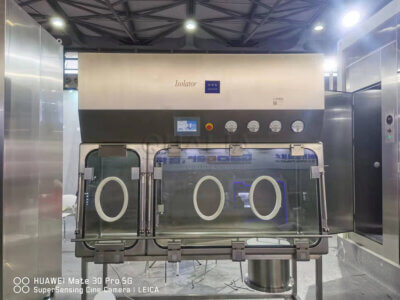
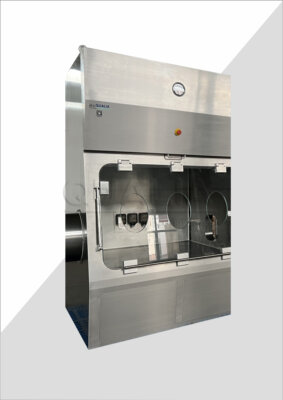
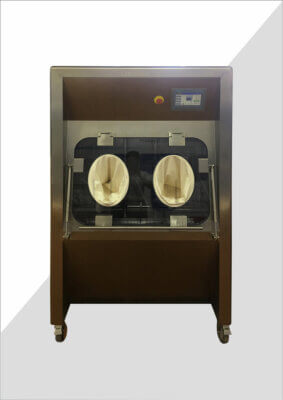
Ефективне управління базується на багаторівневому захисті. Первинна ізоляція є абсолютною і досягається за допомогою газонепроникних біозахисних шаф класу III (BSC). Вторинна ізоляція спирається на інженерне обладнання об'єкта: спрямований потік повітря, герметичні отвори та від'ємні градієнти тиску. Ця ієрархія гарантує, що між інфекційним аерозолем і лабораторним середовищем існують численні незалежні бар'єри. Цілісність системи настільки сильна, наскільки сильна її найслабша перевірена герметичність або процедура.
Прийняття мислення управління ризиками
Сучасна біобезпека виходить за рамки жорстких правил. Наразі в настановах наголошується на підході до управління ризиками, що базується на результативності, коли інституційні комітети з біобезпеки проводять оцінку конкретних об'єктів і видів діяльності. Цей принцип вимагає, щоб кожен процедурний крок - від поводження з відходами до перевірки цілісності рукавичок - розглядався через призму динамічної, внутрішньо керованої культури безпеки. Згідно з дослідженнями провідних інститутів, поширеною помилкою є ставлення до протоколів безпеки як до статичних документів, а не як до живих систем, що адаптуються до конкретних властивостей агентів і експериментальних планів.
Інтеграція систем та людського фактору
Останній рівень - операційна інтеграція. Інженерний контроль повинен бути органічно поєднаний з ретельним навчанням і процедурною хореографією. До деталей, які легко випустити з уваги, відносяться синхронізація зв'язку між персоналом лабораторії скафандрів і лабораторії кабінету, або чіткий розподіл ролей під час реагування на порушення герметичності. З мого досвіду, найбільш стійкі програми ABSL-3 розглядають свої технічні системи і людей-операторів як єдине, взаємозалежне ціле, з безперервними навчальними сценаріями, які перевіряють і те, і інше.
Передекспериментальне планування та протоколи налаштування лабораторії
Синхронізація багатозонних операцій
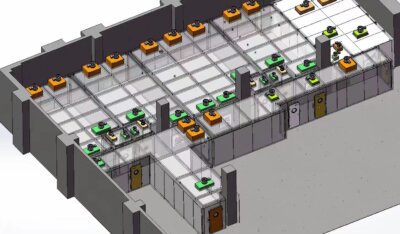
Планування до початку експерименту є вирішальним фактором, що визначає успіх робочого процесу. Воно вимагає ретельної хореографії між окремими лабораторними зонами, як правило, зоною проведення процедур з тваринами і кабінетною лабораторією, в якій розміщується БСК класу III. При проектуванні об'єкта пріоритетним завданням має бути забезпечення міжлабораторної координації як основної операційної вимоги. Встановлення чітких протоколів зв'язку і шляхів передачі матеріалів для тварин, обладнання та зразків до початку експерименту не підлягає обговоренню для підтримки ізоляції і безперебійності робочого процесу.
Перевірка первинних засобів інженерного контролю
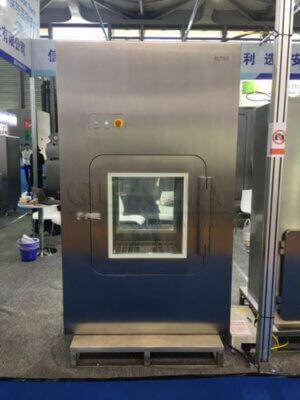
Цілісність BSC класу III є наріжним каменем безпеки. Протоколи налаштування вимагають ретельної перевірки перед використанням. Технічний персонал повинен підтвердити негативний тиск у шафі, який зазвичай підтримується в діапазоні від -0,5 до -1,0 дюйма за водяним манометром, і виконати ретельну перевірку цілісності всіх рукавичок і ущільнювачів, що кріпляться до рукавів. Паралельно готується система знезараження рідких стоків, наприклад, хімічний відстійник, і підтверджується працездатність прохідного автоклава. Галузеві експерти рекомендують розглядати цю перевірку не як простий контрольний список, а як процедуру діагностики системи первинної локалізації.
Підтвердження готовності системи підтримки
Допоміжні системи повинні перевірятися паралельно. Це включає в себе забезпечення функціонування інтегрованих систем знезараження стічних вод прохідного автоклава - це не підлягає обговоренню специфікація для сучасної конструкції BSL-3. Все необхідне обладнання, від плетизмографів до контейнерів для зразків, розміщено у відповідних зонах, щоб звести до мінімуму переміщення під час активного експерименту. У наступній таблиці наведено ключові системи та перевірки, необхідні на цьому етапі.
Критичні перевірки перед початком роботи
Перш ніж вводити будь-який інфекційний матеріал, необхідно виконати низку перевірок. Вони гарантують, що всі шляхи локалізації та знезараження готові.
| Система/параметр | Специфікація/перевірка | Операційний статус |
|---|---|---|
| Клас III BSC Тиск BSC | від -0,5 до -1,0″ в.г. | Перевірений попередній експеримент |
| Рукавички та ущільнювачі | Перевірка цілісності | Сувора перевірка |
| Система рідких стічних вод | Відстійник для хімікатів | Підготовлено та готово |
| Прохідний автоклав | Інтегроване знезараження стічних вод | Підтверджено, що працює |
Джерело: Біобезпека в мікробіологічних та біомедичних лабораторіях (BMBL) 6-е видання. BMBL передбачає перевірку цілісності первинної захисної оболонки і функціональності систем дезактивації перед початком робіт в АБСЛ-3, що безпосередньо підтверджує перераховані перевірки і специфікації.
Підготовка тварин та вимірювання параметрів дихання
Анестезія для стабільного дихання
Підготовка тварин фокусується на досягненні стабільного, анестезованого стану, який дозволяє проводити точні респіраторні вимірювання. Для нелюдських приматів це передбачає використання протоколів анестезії, спеціально розроблених для мінімізації пригнічення дихання. Метою є фізіологічний стан, який забезпечує постійний дихальний об'єм і частоту дихання, які є основними показниками для розрахунку дози аерозолю. Глибину анестезії необхідно ретельно контролювати, щоб підтримувати цю стабільність під час перенесення та експозиції.
Вимірювання ключових фізіологічних параметрів
Тварині під наркозом проводять плетизмографію для визначення дихального об'єму та частоти дихання. На основі цих значень розраховується хвилинний об'єм дихання (ХОД). Ці дані потрібні не лише для записів дослідження; вони є важливим процедурним вкладом. Показник ЖЄЛ безпосередньо впливає на розрахунок часу впливу аерозолю в режимі реального часу, створюючи критичну залежність, коли фізіологічні дані диктують параметри подальшого впливу високих концентрацій. Цей крок підкреслює потребу в інтегрованих системах даних, які надходять безпосередньо в програмне забезпечення для управління аерозолями.
Перетворення даних у параметри експозиції
Розрахований хвилинний об'єм стає ключовою змінною в рівнянні дозування: Доза = Концентрація аерозолю х Хвилинний об'єм х Час. Для досягнення цільової дози час експозиції коригується на основі хвилинного об'єму тварини та визначеної концентрації аерозолю. Такий персоналізований підхід до дозування має вирішальне значення для відтворюваності дослідження та добробуту тварин. У таблиці нижче детально описані вимірювані параметри та їхня безпосередня роль у робочому процесі.
Фундаментальні показники дозування
Точне дозування залежить від точного вимірювання дихальної функції тварини. Ці параметри перетворюють біологічний процес на кількісний вхідний сигнал для системи опромінення.
| Фізіологічний параметр | Метод вимірювання | Мета в робочому процесі |
|---|---|---|
| Приливна гучність | Плетизмографія | Розрахувати хвилинний об'єм |
| Частота дихання | Плетизмографія | Розрахувати хвилинний об'єм |
| Хвилинний об'єм дихання (МВ) | Об'єм припливу x швидкість | Вхідні дані для часу експозиції |
| Час аерозольних випробувань | Розраховано від MV | Визначає тривалість дозування |
Джерело: Загальнодоступна специфікація (PAS) 2019:2019 Системи аерозольного впливу на лабораторних тварин. Ця специфікація окреслює необхідність точного вимірювання параметрів дихання тварин для забезпечення точного та відтворюваного дозування аерозолю, що є основною метою даних, наведених у цій таблиці.
Збірка аерозольної системи, характеристики та фіктивні випробування
Збірка системи експонування
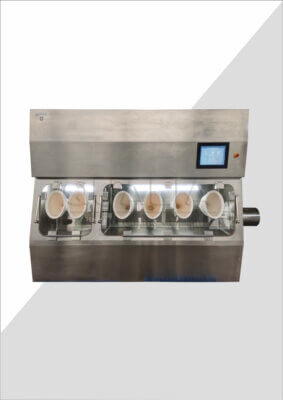
У захищеному БСК класу III технічні фахівці збирають систему генерації та експозиції аерозолів. Типова установка включає розпилювач, аеродинамічний вимірювач часток для моніторингу в реальному часі та динамічну камеру для експозиції, що працює тільки на голову. Всі з'єднання повинні бути герметичними, щоб запобігти забрудненню шафи і забезпечити цілісність подачі аерозолю. Процес складання вимагає суворого дотримання стандартних операційних процедур, щоб гарантувати узгодженість між експериментальними циклами.
Характеристика аерозольної хмари
Після складання проводиться фіктивне випробування з використанням патогену або відповідного симулятора. Цей критичний етап характеризує стабільність, життєздатність та розподіл частинок за розміром. Мета полягає в тому, щоб створити аерозоль, придатний для дихання, з середньомасовим аеродинамічним діаметром (MMAD), як правило, від 1 до 5 мікрон. Дані, отримані з приладу для визначення розміру частинок, підтверджують, що аерозольна хмара є стабільною і однорідною до початку впливу на тварину. Ми порівняли системи з моніторингом частинок у реальному часі та без нього і виявили, що останній вносить неприйнятну варіабельність у дозу опромінення.
Роль автоматизованого управління
Цей етап все частіше регулюється автоматизованими платформами управління аерозолями (AAMP), які централізують контроль над генерацією, моніторингом, а іноді і розрахунками дозування. Хоча AAMP підвищують точність і зменшують ручне втручання, вони створюють нове потенційне вузьке місце: надійність системи і кібербезпека. Майбутня операційна ефективність залежатиме від надійної інженерної підтримки цих автоматизованих систем, а стратегічні інвестиції спрямовуватимуться на спеціалізоване технічне обслуговування.
Компоненти системи та цілі продуктивності
Кожен компонент аерозольної системи виконує певну функцію, що сприяє досягненню кінцевого результату. Інтеграція цих частин перевіряється під час фіктивних запусків.
| Системний компонент | Ключова функція | Специфікація цільового виходу |
|---|---|---|
| Небулайзер | Генерація аерозолів | Розподіл часток, що вдихаються |
| Аеродинамічний вимірювач частинок | Моніторинг у реальному часі | Розмір частинок 1-5 мкм |
| Динамічна камера, що працює тільки на голову | Вплив на тварин | Стабільна, життєздатна аерозольна хмара |
| Обманний біг. | Характеристика системи | Підтверджує стабільність аерозолю |
Зауважте: Автоматизовані платформи управління аерозолями (AAMP) централізують контроль над цими компонентами.
Джерело: Загальнодоступна специфікація (PAS) 2019:2019 Системи аерозольного впливу на лабораторних тварин. PAS 2019 містить специфікації для проектування і продуктивності таких компонентів, як експозиційні камери, і вимагає проведення випробувань для забезпечення генерації стабільного аерозолю, придатного для дихання, для проведення складних досліджень.
Проведення аерозольної обробки тварин: Покрокове керівництво
Переміщення тварин та герметизація камери
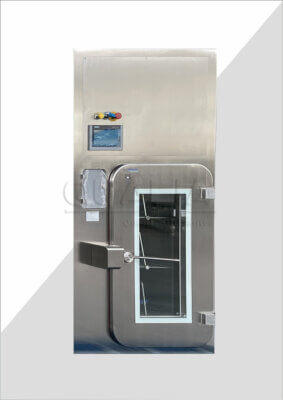
Етап експозиції є вершиною скоординованого управління ризиками. З анестезованої зони підготовки НХП переміщують у боксирувальну камеру класу III через безпечний прохід, наприклад, порт швидкого переміщення (RTP). Усередині шафи голова тварини ретельно герметично вставляється в отвір камери експозиції. Ця герметизація має вирішальне значення для запобігання витоку аерозолю в робочий простір БСК і для забезпечення того, щоб все вдихуване повітря витягувалося з утвореної аерозольної хмари.
Ініціювання та моніторинг виклику
Виклик ініціюється на основі попередньо розрахованого часу експозиції. Моніторинг часток у реальному часі триває протягом усього часу, щоб підтвердити стабільність концентрації аерозолю. Персонал повинен постійно спостерігати за фізіологічним станом тварини та показниками роботи системи. На цьому етапі перевіряється безперешкодна інтеграція раніше виконаних етапів планування, вимірювання та визначення характеристик. Будь-яке відхилення вимагає негайної, заздалегідь визначеної реакції.
Керування порушеннями ізоляції
Критично важливою компетенцією є управління порушенням первинної ізоляції, наприклад, розірваною рукавичкою BSC. Сучасні протоколи розглядають це як керований інцидент, що вимагає спеціальної підготовки, а не як автоматичний тригер евакуації об'єкта. Негайне реагування передбачає ізоляцію пошкодженого порту, дезактивацію зони і виконання безпечної процедури заміни рукавичок - і все це при збереженні від'ємного тиску в шафі. Такий підхід зводить до мінімуму перебої в роботі, надаючи пріоритет безпеці.
Знезараження після опромінення, відбір проб та поводження з відходами
Захист зразків та первинних відходів
Процедури після експозиції гарантують, що всі інфекційні матеріали будуть інактивовані в межах локалізації. Зразки аерозолів для перевірки дози запечатуються в БХЗ і передаються для титрування. Усі забруднені тверді відходи - рукавички, тампони, штори - поміщаються в мішки для біологічних відходів у БСК. Потім ці відходи завантажуються безпосередньо в прохідний автоклав для проходження валідованого циклу стерилізації. Поводження з цими матеріалами вимагає обережних рухів, щоб уникнути утворення вторинних аерозолів.
Стічні води та остаточне знезараження
Рідкі відходи від розпилювачів або процесів очищення спрямовуються до системи хімічного знезараження стічних вод. Після переробки відходів весь інтер'єр ДХК і все відкрите обладнання проходять валідований цикл знезараження газоподібними речовинами, наприклад, пароподібним перекисом водню (VHP). Успіх цього циклу повинен бути перевірений за допомогою біологічних індикаторів, розміщених у складних місцях шафи. На цьому останньому етапі первинна ізоляція скидається для подальшого використання.
Навігація регуляторною логістикою
Логістика поводження з відходами безпосередньо продиктована регуляторною класифікацією патогенів. Наприклад, правила Select Agent встановлюють жорсткі часові рамки, часто вимагаючи знищення протягом 7 днів, і особливі протоколи транспортування. Це робить оперативне планування невіддільним від стратегії дотримання вимог. У наведеній нижче таблиці узагальнено ключові процеси після контакту з патогеном та вимоги до них.
Робочий процес зі знезараження та дотримання вимог
Етап після експозиції - це послідовність перевірених процесів, кожен з яких має певний фактор відповідності, що гарантує, що матеріал стає неінфекційним.
| Крок процесу | Основний метод | Ключовий фактор комплаєнсу |
|---|---|---|
| Зразки для верифікації дози | Запечатаний для титрування | Цілісність даних дослідження |
| Забруднені тверді відходи | Прохідний автоклав | Перевірений цикл стерилізації |
| Рідкі стічні води | Хімічне знезараження | Вимоги до проектування об'єкта |
| Остаточна дезактивація БСК | Газоподібні (наприклад, VHP) | Верифікація біологічних індикаторів |
| Регульоване знищення відходів | Протягом 7 днів | Виберіть правила агента |
Джерело: Біобезпека в мікробіологічних та біомедичних лабораторіях (BMBL) 6-е видання. BMBL вимагає валідованої дезінфекції для всіх інфекційних матеріалів і відходів, а спеціальні нормативні документи (наприклад, для окремих агентів) встановлюють суворі часові рамки обробки, що регулюють перераховані процеси.
Стратегії пом'якшення критичних ризиків та планування на випадок надзвичайних ситуацій
Проактивний медичний захист
Зниження ризиків не обмежується технічними та процедурними питаннями. Ключовим стратегічним рівнем є попередня вакцинація персоналу, який працює зі специфічними агентами, такими як ортопоксвіруси. Це перетворює імунізацію із заходу особистого здоров'я на оперативний ресурс для забезпечення безперервності роботи. Вона запобігає внутрішньолабораторним інфекціям, які можуть зупинити всі дослідження, спричинити масштабну дезінфекцію об'єкта і завдати значної шкоди репутації.
Детальна оцінка ризиків у робочих процесах
Плани дій у надзвичайних ситуаціях повинні охоплювати різні рівні ризику в межах однієї процедури. Наприклад, поводження з діагностичними зразками від інфікованої тварини вимагає детальної оцінки. Матеріал ураження або гомогенат легень може становити більший аерозольний ризик, ніж зразки сироватки, що вимагає посилених протоколів локалізації для конкретних підетапів. Ефективне планування передбачає картування цих мікроризиків і створення відповідних багаторівневих протоколів безпеки.
Інженерне та системне резервування
Не менш важливими є технічні непередбачувані обставини. Сюди входить наявність резервних критично важливих компонентів, таких як запасні HEPA-фільтри або деталі небулайзерів, а також перевірені методи резервного копіювання для ключових процесів, таких як дезактивація. Важливим є планування на випадок збоїв автоматизованих систем; оператори повинні бути навчені виконувати ручні заміни або альтернативні процедури, не ставлячи під загрозу ізоляцію або цілі дослідження.
Ключові регуляторні та технічні міркування щодо дотримання вимог
Приведення у відповідність до Основоположних принципів
Відповідність синтезує технічну точність з дотриманням нормативних вимог. Весь робочий процес повинен відповідати Біобезпека в мікробіологічних та біомедичних лабораторіях (BMBL), який є еталоном для операцій ABSL-3, а також відповідними нормами захисту тварин. Це узгодження підкреслює важливість перевіреного інженерного контролю, задокументованого навчання персоналу та суворого ведення документації. Дотримання таких стандартів, як ISO 14644-1:2015 для класифікації чистоти повітря часто необхідна для підтвердження ефективності роботи захисного пристрою.
Технічні характеристики для утримання
Технічно відповідність демонструється через дотримання конкретних специфікацій продуктивності. До них відносяться вихлопні гази, відфільтровані HEPA-фільтрами на всіх потоках відпрацьованого повітря, перевірені системи знезараження рідких стічних вод і моніторинг впливу в режимі реального часу. Обладнання, що використовується в межах захисної оболонки, наприклад, BSC класу III, повинно бути встановлене і сертифіковане за відповідними стандартами, такими як NSF/ANSI 49-2022. Це не необов'язкові найкращі практики, а обов'язкові вимоги для ліцензування та роботи.
Майбутнє мобільних контейнерів високої місткості
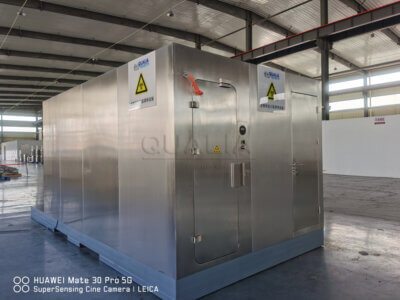
Перспективною є поява мобільних, модульних лабораторій з високим ступенем захисту. Ці розгортаємі модулі BSL-3/4 у форматі морських контейнерів демократизують доступ до досліджень з високим ступенем ризику. Вони дозволяють швидко реагувати на спалахи і проводити спеціалізовані дослідження без постійних інвестицій в обладнання, формуючи майбутні глобальні стратегії безпеки в галузі охорони здоров'я і моделі партнерства. Їх використання дає змогу по-новому поглянути на валідацію робочих процесів і стандартизацію між установами.
Успішне управління аерозолями ABSL-3 залежить від трьох інтегрованих пріоритетів: ставлення до фізіологічних даних як до критично важливої інженерної інформації, впровадження динамічної оцінки ризиків у кожну процедуру та забезпечення відповідності логістики відходів нормативним вимогам. Перехід до автоматизованих і модульних систем також вимагає, щоб плани операційної стійкості враховували як технічні збої, так і кібербезпеку. Робочий процес - це складний балет точності, де перевірка кожного кроку забезпечує безпеку і наукову цілісність наступного.
Потрібна професійна підтримка в розробці або валідації робочих процесів для аерозолів високого вмісту? Експерти з QUALIA спеціалізуються на інтеграції комплексної інженерії біобезпеки з розробкою операційних протоколів. Для отримання детальної консультації щодо приведення ваших систем у відповідність до стандартів, що розвиваються, зв'яжіться з нашою командою. Зв'яжіться з нами
Поширені запитання
З: Як перехід до централізованої моделі управління ризиками впливає на планування робочого процесу з аерозолями ABSL-3?
В: Сучасні настанови з біобезпеки, як це відображено в Біобезпека в мікробіологічних та біомедичних лабораторіях (BMBL) 6-е видання, виходить за рамки жорстких контрольних списків і переходить до динамічної моделі оцінки ризиків, що враховує специфіку конкретного об'єкта. Комітет з біобезпеки вашої установи повинен оцінювати кожен процедурний крок, від перевірки цілісності рукавичок до поводження з відходами, з точки зору його унікального профілю ризику. Це означає, що ви повинні розробити робочі процеси, які включають безперервну, специфічну для кожного виду діяльності оцінку ризиків, а не покладатися виключно на загальні, попередньо затверджені протоколи.
З: Які основні вимоги до проектування об'єкта для координації впливу аерозолів на тварин між різними зонами лабораторії?
В: Ефективний робочий процес вимагає ретельної синхронізації між зоною проведення процедур з тваринами та кабінетною лабораторією, в якій знаходиться БСК класу III. При проектуванні об'єкту необхідно приділяти першочергову увагу міжлабораторній координації як основній операційній вимозі, забезпечуючи безпечне переміщення тварин через порти та підтверджуючи інтегроване знезараження стічних вод для прохідних автоклавів. Для проектів, де ви проектуєте новий об'єкт або модернізуєте вже існуючий, плануйте виділення спеціального простору і валідованих систем, які дозволять здійснювати таке хореографічне переміщення тварин, зразків і обладнання без порушення ізоляції.
З: Чому вимірювання хвилинного об'єму дихання тварини є важливим процедурним кроком, а не просто завданням збору даних?
В: Розрахований хвилинний об'єм (ХО) за даними плетизмографії безпосередньо визначає тривалість аерозольного виклику в режимі реального часу для досягнення точної цільової дози. Це створює критичну залежність, коли фізіологічні дані диктують параметри подальшої експозиції з високим вмістом. Якщо ваша операція вимагає точного і відтворюваного дозування, вам потрібні інтегровані системи даних, які подають MV безпосередньо в програмне забезпечення для управління аерозолями, щоб підтримувати плавність робочого процесу і виключити помилки ручних розрахунків.
З: Як ми повинні планувати логістику поводження з відходами після дослідження проблеми аерозолів ABSL-3?
В: Ваш протокол поводження з відходами продиктований нормативною класифікацією патогену, наприклад, правилами Select Agent, які встановлюють суворі терміни для знищення. Усі забруднені відходи повинні бути стерилізовані за допомогою валідованого автоклавного циклу з інтегрованим знезараженням стічних вод перед видаленням. Це означає, що оперативне планування досліджень з використанням регульованих агентів повинно включати в себе строгі часові рамки і протоколи транспортування, що робить управління відходами стратегічним, а не просто логістичним компонентом вашого плану дослідження.
З: Який рекомендований протокол поводження з розірваною рукавичкою на БСК класу III під час активної процедури?
В: Персонал повинен бути навчений негайному виконанню протоколу дезінфекції та заміни рукавичок на місці, зберігаючи при цьому негативний тиск у шафі. Цей підхід розглядає розрив рукавичок як керований інцидент, що вимагає певної компетенції, а не як автоматичний пусковий механізм для повної евакуації об'єкта. Якщо навчання вашої команди зосереджене лише на стандартних операційних процедурах, вам слід розробити і відпрацювати спеціальні навички на випадок непередбачуваних ситуацій, пов'язаних з відмовами обладнання, щоб підтримувати безперервність і безпеку роботи.
З: Які технічні стандарти застосовуються до систем аерозольного впливу, що використовуються в дослідженнях на тваринах ABSL-3?
В: Проектування та експлуатація цих спеціалізованих систем керується такими стандартами, як Загальнодоступна специфікація (PAS) 2019:2019, який містить специфікації щодо продуктивності та безпечної експлуатації. Крім того, чистота повітря і моніторинг частинок для загального середовища захисної оболонки повинні відповідати класифікаціям, наведеним у ISO 14644-1:2015. Під час вибору або валідації системи експонування ви повинні вимагати від постачальників продемонструвати відповідність цим специфікаціям продуктивності та безпеки.
З: Як функціонує попередня вакцинація персоналу як стратегічний інструмент зниження ризиків?
В: Вакцинація персоналу проти певних агентів (наприклад, ортопоксвірусів) є проактивним заходом для підтримання безперервності роботи шляхом запобігання внутрішньолікарняним інфекціям. Це перетворює імунізацію із заходу особистої гігієни на стратегічний актив, який захищає від інцидентів, що можуть зупинити всі дослідження і спричинити масштабну дезінфекцію об'єкту. Для установ, що працюють з агентами, яким можна запобігти за допомогою вакцин, ви повинні передбачити в бюджеті і зробити обов'язковою вакцинацію до контакту як основний компонент вашого інституційного плану управління ризиками.
Пов'язаний вміст:
- Дослідження аерозолів BSL-3: Безпечні дослідницькі практики
- BSL-4 Дослідження на тваринах: Забезпечення безпеки операторів
- Як правильно вибрати конфігурацію обладнання BSL 2, BSL 3 та BSL 4: Система прийняття рішень на основі оцінки ризиків для керівників лабораторій
- BSL-3 Утримання тварин: Безпечні системи утримання
- Біобезпечний бокс класу III проти BSC класу II: 12 критичних відмінностей у виборі контейнерів BSL-3 та BSL-4
- BSL-3 Дослідження на тваринах: Посібник з проектування об'єктів
- Поводження з відходами в ізоляторах біозахисту
- Яке обладнання BSL-2 необхідне для роботи з агентами помірного ризику в клінічній діагностиці?
- Кабінети біобезпеки у дослідженнях на тваринах: Безпека понад усе